REVIEW · ROME
Rome: Trastevere Pasta Making Class
Book on GetYourGuide →Operated by Eating Europe Food Tours · Bookable on GetYourGuide
Fresh pasta, Roman street food, and big laughs. In Trastevere, you start with tastings on cobblestone lanes, then shift to a chef-led session where you make and eat ravioli (plus unlimited wine during the cooking). I really like how the morning-to-evening feel stays casual: you’re not stuck behind a table the whole time, and you learn by doing. I also like that the food isn’t only fancy—porchetta, supplì, coffee, pastries, and gelato are all part of the plan. One thing to consider: it is still a 3-hour walking experience, and it is not suitable for people with mobility impairments.
You’ll also get a real sense of Rome through the people running it. Guides such as Toni, Jasmin, Kat, Ricardo, Valentina, Davide, and Valter are repeatedly praised for being patient, relaxed, and good at explaining the why behind Roman food habits—not just the what. If you want a class that feels friendly instead of stiff, this is that kind of evening. Just note there’s no hotel pickup, so you’ll be meeting your guide at the start and moving on foot.
And yes, there’s wine. Unlimited wine is included during the pasta-making portion (alternative beverages are available), then the meal lands right after your work. For couples, families, or anyone who wants a hands-on Rome food experience in a short window, it’s a strong value.
In This Review
- Quick hits before you go
- Entering Trastevere with a food-first rhythm
- San Cosimato Food Market: the outdoor market moment you’ll remember
- Street food stops: supplì, porchetta, and the Roman snack logic
- The old-school Rione XIII pasta session: fettuccine and ravioli hands-on
- Unlimited wine during pasta-making: how it fits (and how to manage it)
- Eating the pasta you made: your hands, your dinner
- Gelato tasting: learning what counts as real
- Meeting point reality: wear shoes and plan your route
- Price and value: what $98 buys in real terms
- Who should book this Trastevere pasta class
- Should you book it?
- FAQ
- How long is the Rome Trastevere Pasta Making Class?
- Where do I meet the guide?
- Is there hotel pickup or drop-off?
- What language is the tour in?
- What food and drinks are included?
- Does the tour run in bad weather?
- Are kids allowed?
- Can I join if I have dietary restrictions or allergies?
- Is it suitable for people with mobility impairments?
- What is the cancellation policy?
Quick hits before you go
- Trastevere walking + food tastings: coffee, pastries, street snacks like supplì, and that famous porchetta
- San Cosimato Food Market stop: an outdoor market moment that adds real local texture
- Hands-on pasta at Rione XIII: you make fettuccine and ravioli
- Unlimited wine during class: plus alternative beverages if you prefer something else
- Gelato lesson: you’ll learn how to tell authentic gelato from copycats
- Good for families: kids 4 and younger are complimentary, and it runs rain or shine
Entering Trastevere with a food-first rhythm
The tour starts in Trastevere, with your guide leading you through the neighborhood’s narrow streets on foot. Expect a mix of scenic back lanes and practical stops—this isn’t a museum parade. It’s more like getting invited to Rome food by someone who knows where people actually eat and shop.
I like the pace because it breaks up the class. You’re not jumping straight into dough. First, you build context with tastes: coffee and pastries, then street food like supplì and porchetta. That matters because once you’re making pasta later, you already understand what flavors the dishes are trying to hit.
The other practical upside: you’re moving in a compact area for only about 3 hours total. No transit marathon, no long gaps. You also get one of the best things about Rome done early—snacking while the day still feels calm, and then transitioning to the main event.
You can also read our reviews of more tours and experiences in Rome.



San Cosimato Food Market: the outdoor market moment you’ll remember
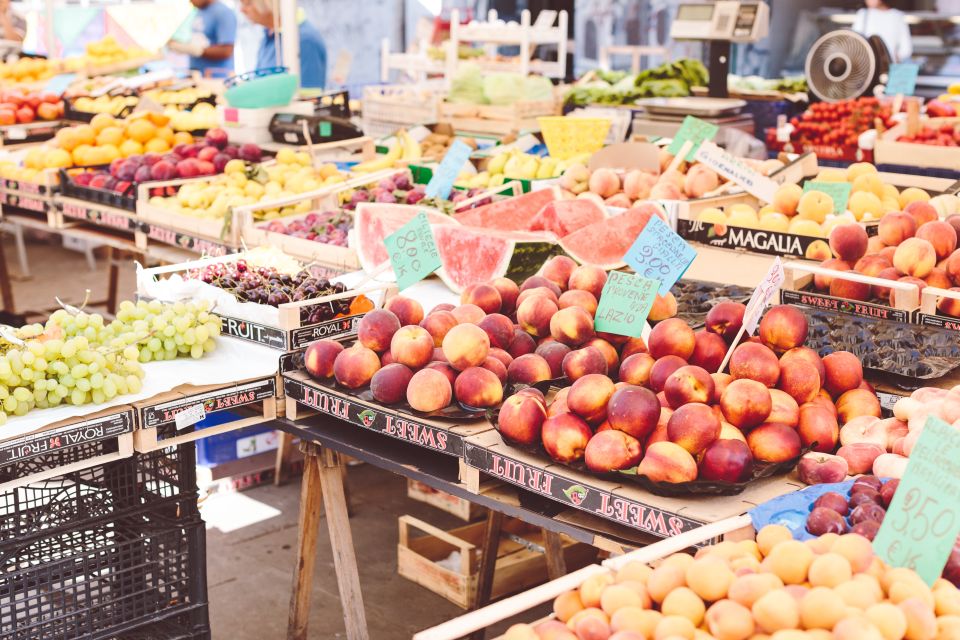
A key stop is San Cosimato Food Market, described as an enchanting outdoor market area. This is where the experience turns from food sampling into real food culture. Markets are Rome’s unofficial classrooms: you see what people buy, how they talk about it, and what looks fresh enough to take home right then.
In a pasta class, a market visit might seem like a bonus. Here, it’s more than that. It sets you up to taste with intention. Once you’ve watched how items look and smell in a market setting, the later tastings feel more connected—like you’re following a thread instead of grabbing random bites.
You’ll also pick up the practical habit Rome cooks rely on: selecting ingredients with your senses, not just recipes. Even if you never plan to run a market at home, learning how to notice quality transfers directly to cooking.
Street food stops: supplì, porchetta, and the Roman snack logic
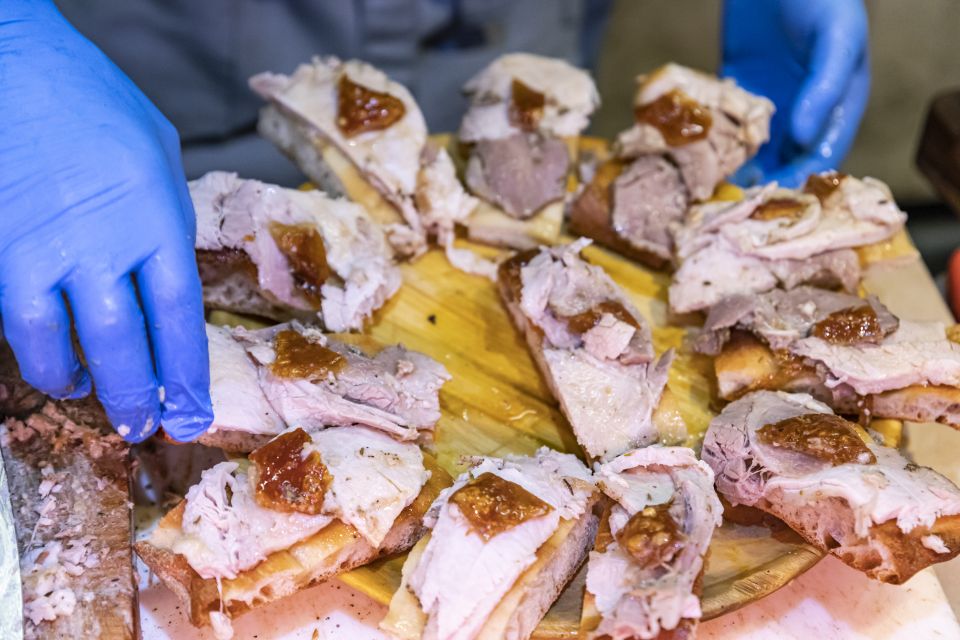
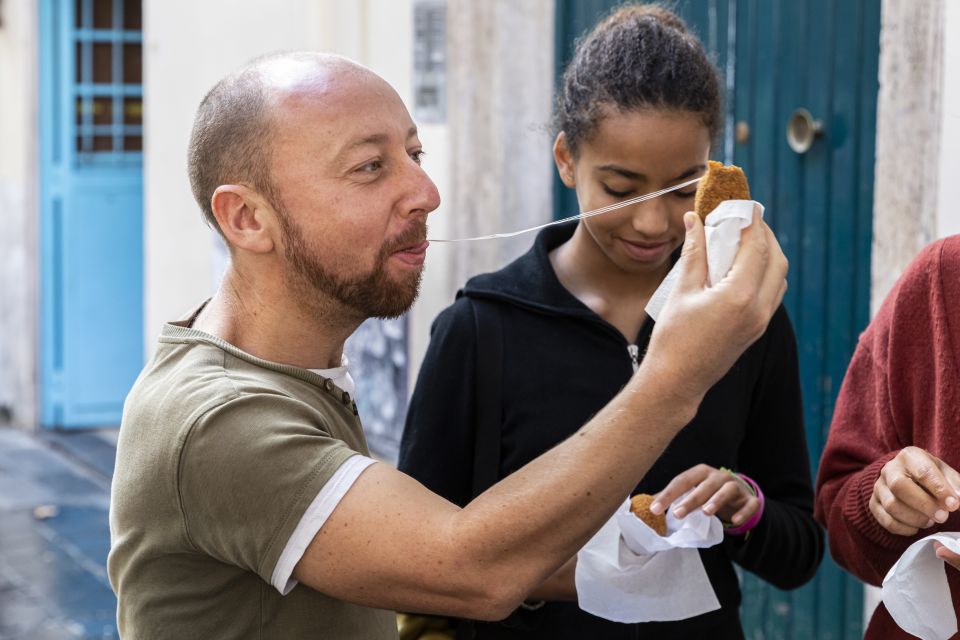
Between the market and the pasta-making, you’ll snack in classic Roman style. The plan includes street food like supplì and porchetta, plus coffee and pastries at earlier points in the walk.
Why I think this part works: street food teaches you about contrasts. Supplì is familiar comfort with a crispy bite and a filling that’s all about richness. Porchetta brings its own personality—savory, aromatic, and often the kind of flavor that makes you stop and rethink what you thought you knew about pork.
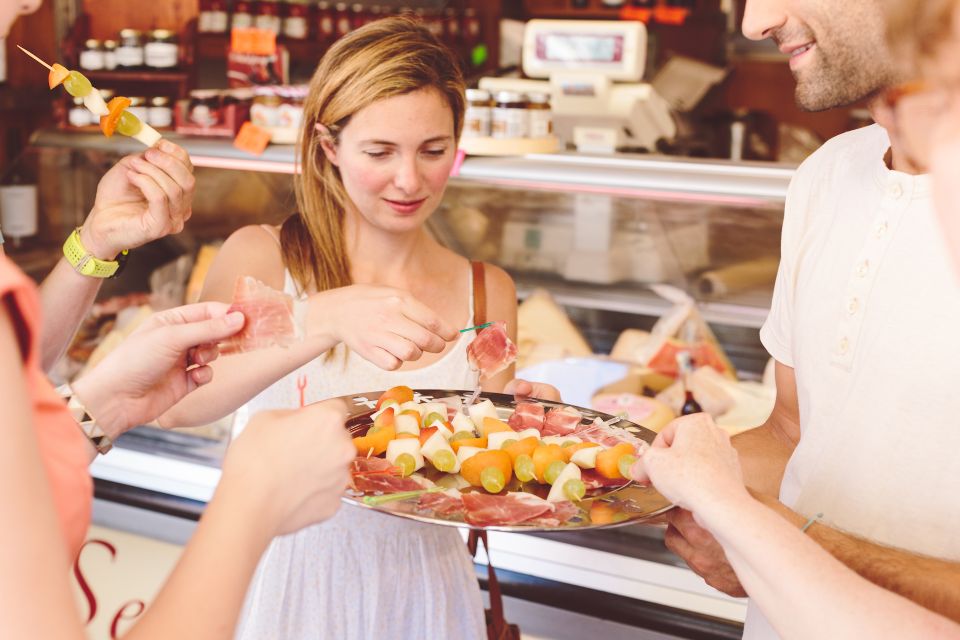
And the tour format helps you taste more thoughtfully. You’re not just eating. Your guide is walking you through what you’re seeing and sampling along the way, including how certain foods connect to the neighborhood’s identity.
One small caution: because you’re eating more than one course’s worth of snacks during the walk, you’ll want to pace yourself. Sip water between tastings and save room for the main meal you’ll cook later.
The old-school Rione XIII pasta session: fettuccine and ravioli hands-on
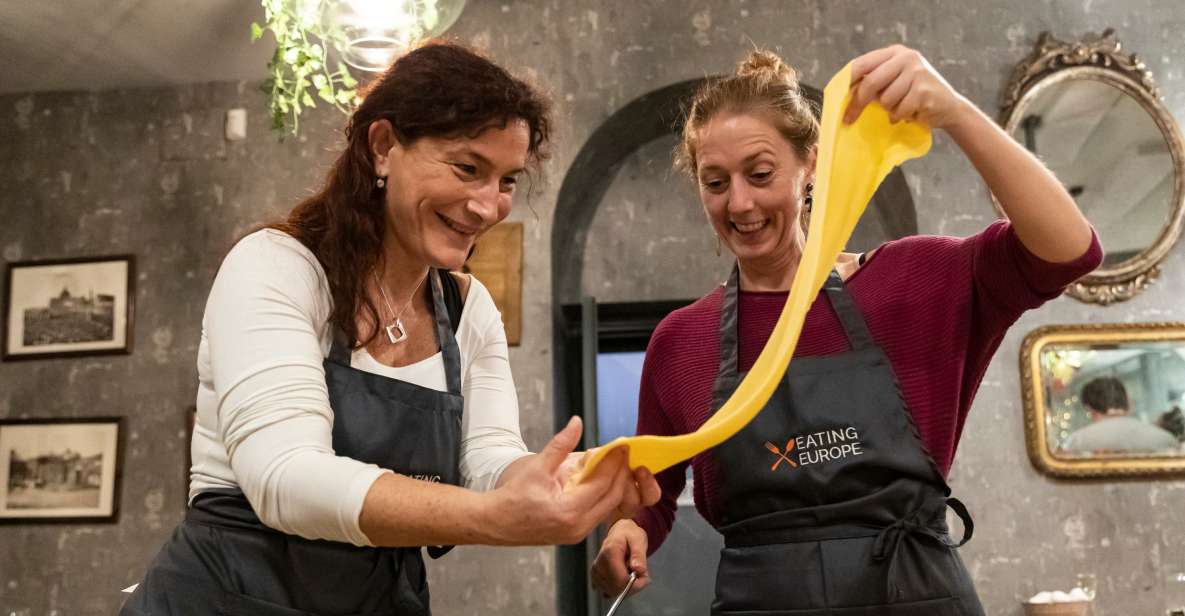
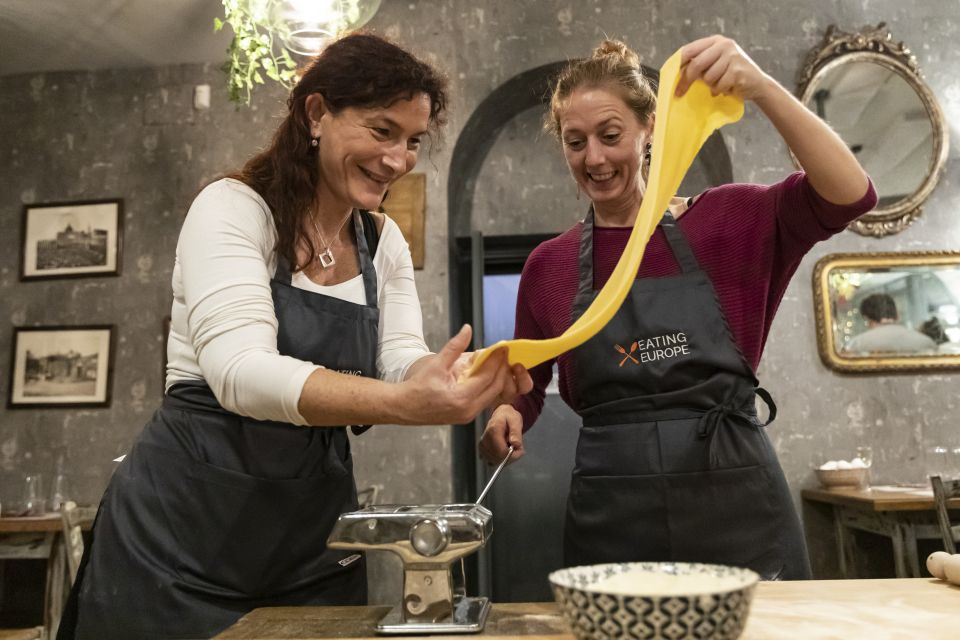
Now comes the part most people book for: making pasta. The class happens in the old-school trattoria Rione XIII, where the atmosphere is built for doing, not performing.
You’ll create fettuccine and ravioli, with a skilled chef guiding the process. The best part about a structured class like this is that it turns a scary skill into something repeatable. Pasta-making isn’t just a technique; it’s a feel. With coaching, you learn what to look for when dough behaves well and how ravioli comes together in a way you can actually recreate later.
This is also where the guide’s teaching style shows. Several guides are mentioned as being engaging and patient, which matters a lot when you’re rolling dough or shaping filled pasta. If you’re traveling with kids, you’ll appreciate that the environment is social and forgiving. If you’re traveling solo or as a couple, you’ll appreciate that you’re not left floundering.
Bottom line: you leave with the mental map for what happens before and after the dough. That’s the difference between tasting pasta in Rome and being able to make something similar once you’re home.
Unlimited wine during pasta-making: how it fits (and how to manage it)
Unlimited wine is included during the pasta-making portion. Alternative beverages are available, too, so you can choose what fits your day.
I’m glad they place the wine during the cooking stage, not afterward. It keeps the mood fun while your hands are busy, and it pairs naturally with the Roman rhythm of “food first, then talk.” It also helps the class feel like a shared evening rather than a rushed lesson.
That said, do plan for a real meal right after. Since you’ve already been tasting snacks and then you’ll sit down to eat what you made, you’ll do better with a steady pace than with a sprint. If you’re the type who loves wine, great. If you’re not, you’ll still get the full experience without pressure.
Also remember: gratuity isn’t included and is left to your discretion. If you feel like your chef and guide truly helped you succeed, budgeting a tip is the normal move.



Eating the pasta you made: your hands, your dinner
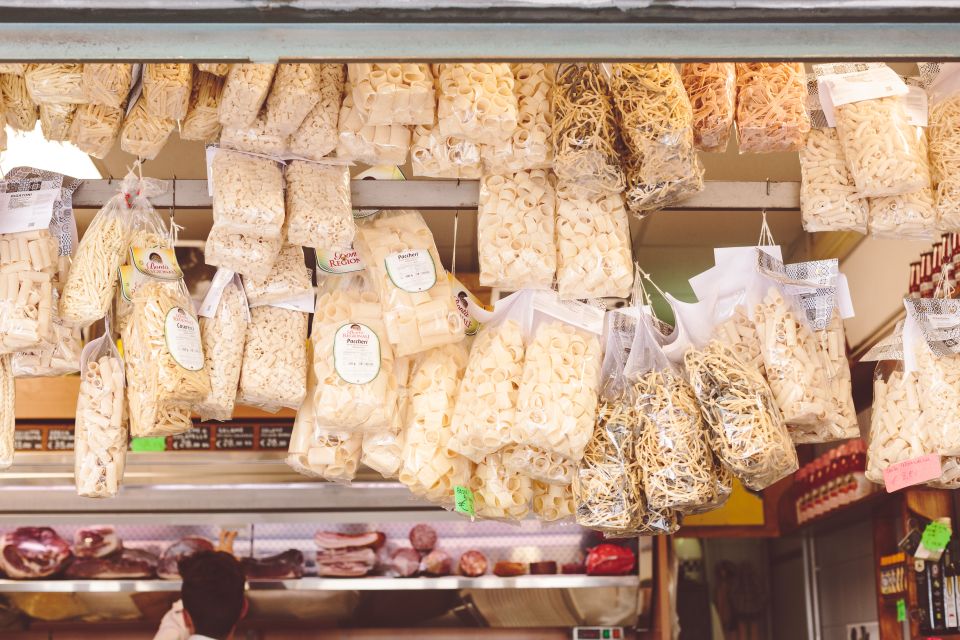
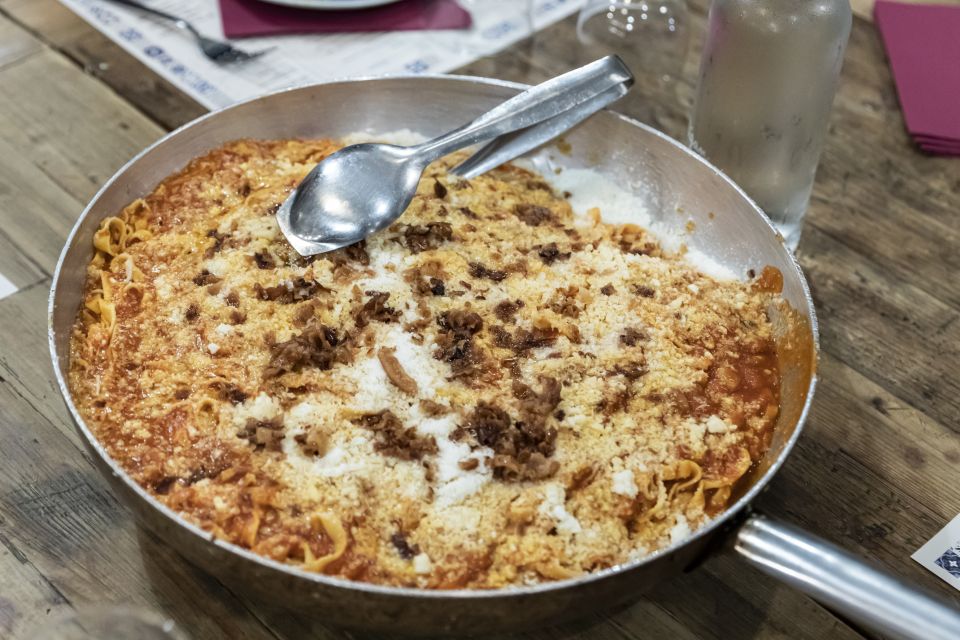
After you shape fettuccine and ravioli, you’ll sit down to eat the results. This part is important. A lot of classes let you make food and then send you off. Here, your work lands as your meal, which turns the session into a full Roman dinner plan.
You’ll get that satisfying moment of recognition: this is what the steps were for. The dough texture makes sense. The filling makes sense. The flavors you sampled earlier suddenly become a bigger story.
It also means your energy doesn’t drop right after class. You’re not walking around hungry, then trying to find a restaurant. You’re fed in the same flow as the lesson.
If you like meals that feel like progress—something you earned with your own hands—this is the segment to look forward to.
Gelato tasting: learning what counts as real
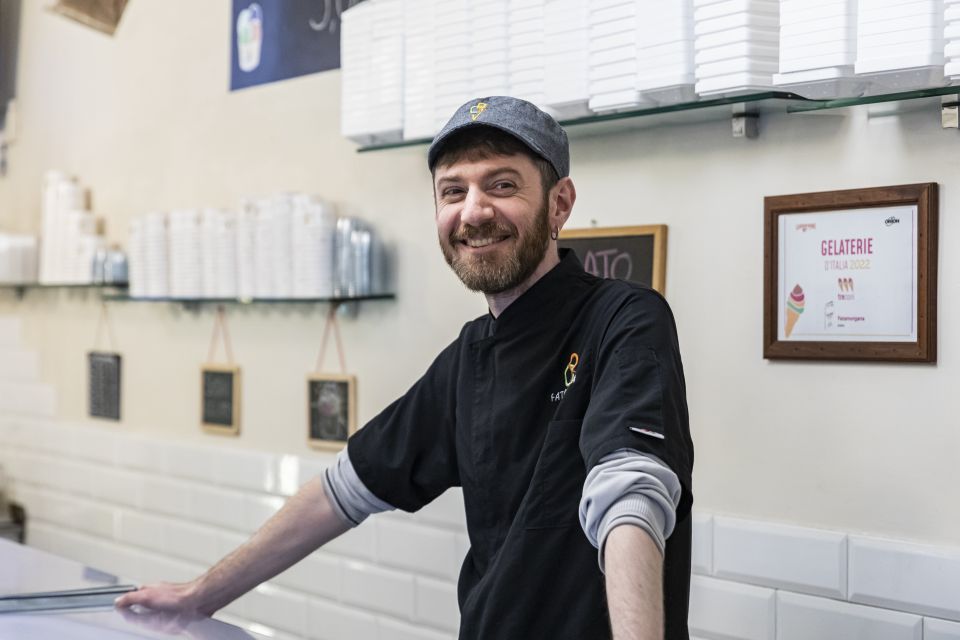
The last stop is a gelateria, with a gelato tasting and a focus on learning to discern authentic gelato from the imitators. This is one of those smart add-ons that turns dessert into a mini lesson.
You don’t need to be a gelato nerd to benefit. You just need a framework. The tour helps you pay attention to things like how creamy it feels, how the flavors come through, and whether the product tastes natural versus overly sweet or artificial. It’s the kind of habit you can bring home next time you’re choosing gelato in Italy—or trying to spot the better shop near your hotel back in your own city.
And gelato at the end works psychologically. Your mouth is trained by snacks, pasta, and sauce. Then gelato resets the palate and closes the evening on a sweet note.
Meeting point reality: wear shoes and plan your route
You meet your guide at the start, and they’ll be wearing a purple Eating Europe bag. There’s no hotel pickup or drop-off, so you’ll want to arrive a few minutes early and be ready to walk.
The tour runs rain or shine. That’s practical and honest, and it means you should bring an umbrella and wear comfortable walking shoes. Trastevere’s cobblestones can be no joke, especially after a few hours.
Also plan around food. You’re tasting coffee, pastries, street food, then making pasta, then eating pasta, then trying gelato. If you’re the type who forgets to eat breakfast at home because you’re “just browsing,” this tour will remind you quickly.
Finally, let the operator know about dietary restrictions ahead of time. Severe or life-threatening allergies aren’t eligible for participation for safety reasons, so don’t gamble on hope here.
Price and value: what $98 buys in real terms
At $98 per person for about 3 hours, the price looks fair once you break down what’s included. You’re not just paying for a pasta lesson. You’re also paying for:
- a guided walking tour through Trastevere
- street food tastings like supplì and porchetta
- pasta-making plus the meal you eat
- unlimited wine during the pasta-making portion
- gelato tasting
- an English-speaking guide
That’s a full sequence of food. In Rome, paying separately for a market snack crawl, a pasta class, wine, and gelato often costs more than most people expect, especially once you factor in the convenience of having it all timed together with a guide.
The main “cost” is time and stamina. You’ll walk for the entire experience, and you’ll have to be comfortable on your feet. But if you’re looking for a short, structured Rome food highlight that feeds you properly and teaches you something, this is one of the better ways to spend your time.
Who should book this Trastevere pasta class
This tour is a great match if you want:
- hands-on skills with fettuccine and ravioli
- a guided Trastevere food walk that includes more than one type of bite
- unlimited wine during the cooking portion
- a gelato tasting that ends the night with a lesson
It also works well for couples and families with kids, especially since children 4 and younger are complimentary. If you like a friendly group vibe, the tour can be fun with shared laughter while you learn.
Skip it if:
- you have mobility impairments (it is not suitable)
- you have severe or life-threatening allergies (participation isn’t available)
If you’re unsure, that’s where the “rain or shine” and “walking” details matter. This is not a seated food tour.
Should you book it?
Yes, if you want a compact evening where you leave with both full stomach and real technique. The combination of Trastevere street food, a San Cosimato market stop, a chef-led pasta session at Rione XIII, and gelato with an authenticity lesson is a smart “do it all” formula.
Book it especially if you care about learning. The class is built for people who think pasta-making looks intimidating. With a patient, engaging guide (think Toni or Jasmin style energy), you’re more likely to walk away confident than overwhelmed.
One last check: if you can’t do steady walking on cobblestones, or you have severe allergies, look for another Rome experience that matches your needs.
FAQ
How long is the Rome Trastevere Pasta Making Class?
The tour lasts 3 hours.
Where do I meet the guide?
Your guide will be waiting at the meeting point and will be wearing a purple Eating Europe bag.
Is there hotel pickup or drop-off?
No, hotel pickup and drop-off are not included.
What language is the tour in?
The tour is led by a live English-speaking guide.
What food and drinks are included?
You get guided tastings of street food such as supplì and porchetta, you make and eat fresh pasta, you also get unlimited wine during the pasta-making portion (alternative beverages are available), and you finish with gelato tasting.
Does the tour run in bad weather?
Yes, it operates rain or shine.
Are kids allowed?
Yes. Children 4 and younger are complimentary.
Can I join if I have dietary restrictions or allergies?
You should notify the operator of any dietary restrictions. Guests with severe or life-threatening allergies can’t participate for safety reasons.
Is it suitable for people with mobility impairments?
No, it is not suitable for people with mobility impairments.
What is the cancellation policy?
You can cancel up to 24 hours in advance for a full refund.