Underground Rome is the shortcut to wonder. This small-group tour takes you through Trastevere like a local would: a quick start by the Tiber, then straight into medieval churches and the older layers beneath them, with clear narration through a provided headset. I especially like the headset audio, because you actually catch the details, even when you’re walking and the street noise is doing its thing.
Two more things I really like are the small-group size (up to 10) and the pace that doesn’t try to cram everything into a sprint. It feels slower and more human, with time to look up at apses, floors, and mosaics instead of only snapping photos while moving.
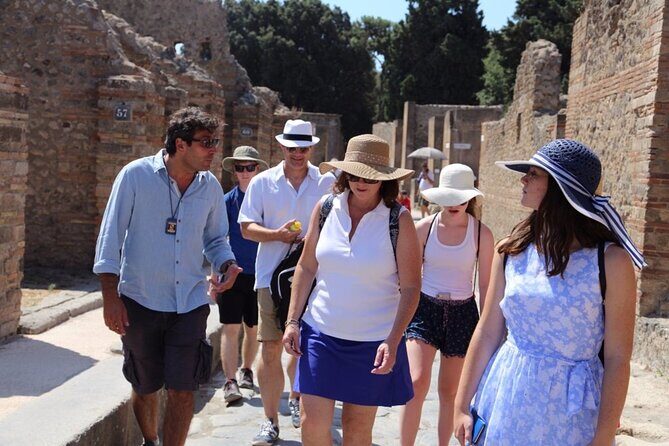
One consideration: this is not a great pick if you hate tight underground spaces. The tour includes church underground areas, and it’s specifically noted as not recommended for claustrophobia. Also, churches require knees and shoulders covered, so plan your outfit before you leave your hotel.
In This Review
- Key Things To Know Before You Go
- Trastevere Underground Rome: Why This Tour Feels More Real
- Piazza Giuseppe Gioachino Belli Start: How the 2-Hour Walk Works
- Fiume Tevere Orientation: Getting Your Bearings Fast
- San Crisogono: Bernini’s Apse and the Underground 4th-Century Layers
- Santa Cecilia in Trastevere Underground: Mosaics, Roman House Floors, and Cavallini
- Cavallini’s Last Judgement: Morning Option Only
- Trastevere Streets Walk: What to Notice Beyond the Postcards
- Basilica di Santa Maria in Trastevere: Golden Mosaics Finish Strong
- Headsets and Small Groups: The Real Reason This Tour Scores High
- Price and Value: Is $77.06 Worth It for Two Hours?
- Practical Planning: Dress Code, Weather, and Underground Comfort
- Who Should Book This Trastevere Underground Tour?
- Should You Book This Trastevere Underground Tour?
- FAQ
- How long is the Trastevere hidden sights and undergrounds tour?
- What’s the group size limit?
- Is the tour offered in English?
- Do I get a headset to hear the guide?
- Are admission tickets included?
- Does the Cavallini Last Judgement room depend on the time of day?
- When can I visit the underground area of Basilica San Crisogono?
- What should I wear for the churches?
Key Things To Know Before You Go
- Up to 10 people means you get real attention, not a cattle-call walk-through.
- Sterilised headsets help you hear commentary clearly throughout the route.
- Underground basilicas are the main event, including early Roman remains and preserved frescoes/mosaics where available.
- Morning vs afternoon matters for one major artwork stop (Cavallini’s Last Judgement).
- San Crisogono underground hours change by day, so weekday mornings won’t include that underground portion.
- Dress and walking shoes matter since you’ll be entering churches and moving at a moderate pace.
Trastevere Underground Rome: Why This Tour Feels More Real
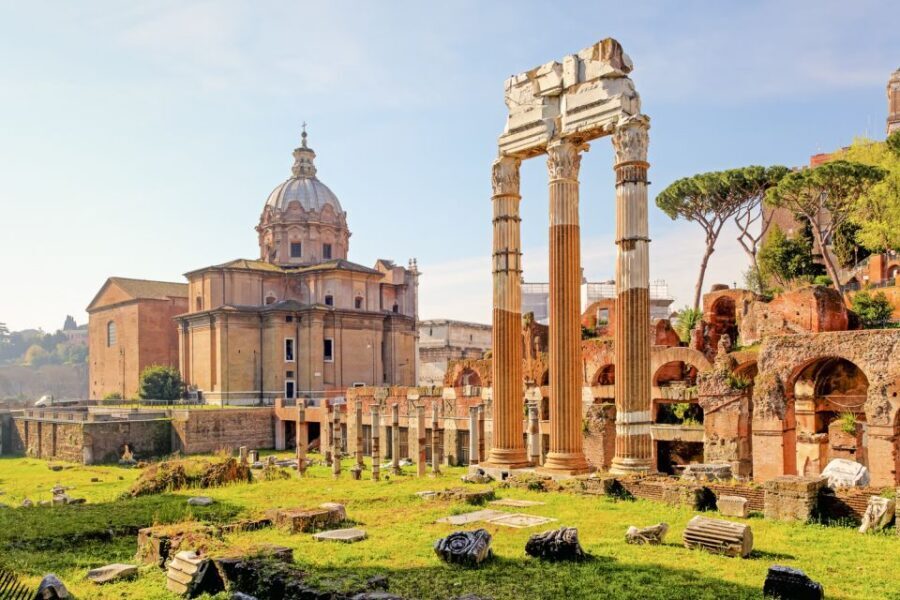
Rome’s surface sights are stunning, sure. But the city’s story also lives underground, where you can see how Christianity grew out of older Roman life. This tour is built for that moment when Rome stops feeling like postcard art and starts feeling like layers you can walk through.
What makes the experience click is the mix of places: a riverside orientation, then two church stops with older structures beneath them, and finally a finish at one of Trastevere’s best-known churches for golden mosaics. You’re not just collecting stops. You’re following an idea: how the same neighborhood changed over centuries.
You can also read our reviews of more tours and experiences in Rome.



Piazza Giuseppe Gioachino Belli Start: How the 2-Hour Walk Works
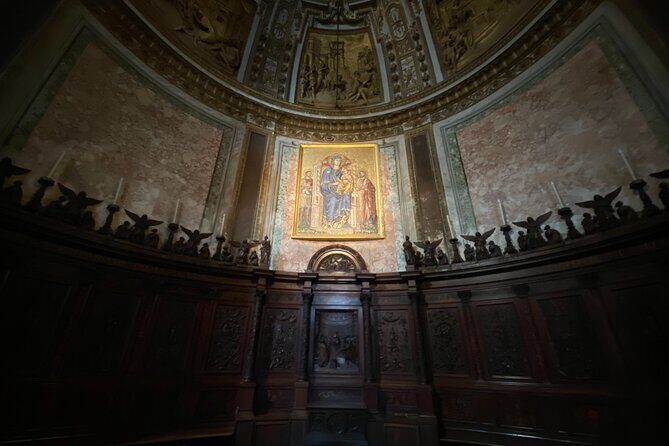
The tour meets at Piazza Giuseppe Gioachino Belli (about a 2-hour experience, give or take). The schedule is compact, with short outdoor sections and longer moments inside church spaces where you’ll be looking at specific features.
Arrive about 5 minutes early so you start with your group rather than playing catch-up. Also, bring the right footwear: the route includes walking on cobblestones and inside areas where you’ll want stable, comfortable shoes.
And yes, the commentary is designed for movement. You’ll get a headset to hear your guide clearly, so you’re not stuck reading signs or trying to guess what you’re looking at.
Fiume Tevere Orientation: Getting Your Bearings Fast
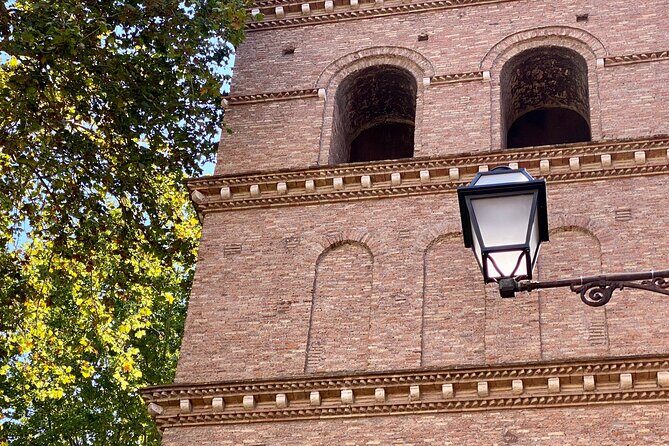
You start by the Tiber, at Fiume Tevere, with a short orientation. This isn’t a long scenic detour. It’s a way to set the “why” behind what you’re about to see in Trastevere.
That early framing helps later stops make more sense. When your guide points out how the area developed across time, the streets stop feeling random and start feeling organized by centuries of change.
It’s also a smart crowd move. You’re establishing your rhythm at the beginning while the group is still together, so the rest of the tour feels coordinated rather than chaotic.
San Crisogono: Bernini’s Apse and the Underground 4th-Century Layers
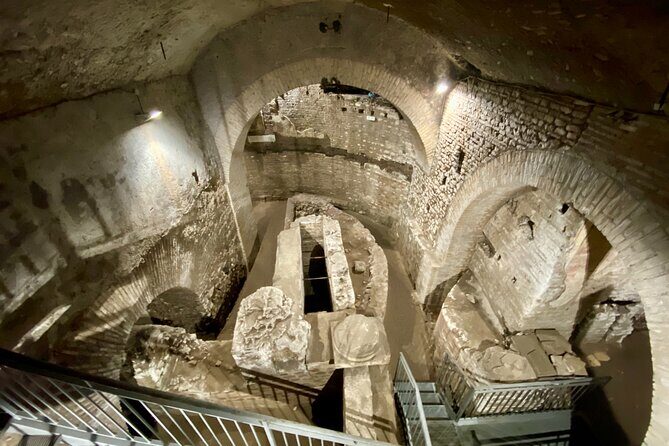
The tour’s first big architecture stop is the Basilique San Crisogono. From the outside, you might expect something simple. Instead, this church hides a lot behind its ordinary look.
Inside (and in the church’s designed highlights), you’ll be guided to the apse made by Bernini and the Cosmatesque pavements—the geometric floor style that instantly signals medieval craftsmanship. Those visual details are useful anchors because they give you something specific to look for while your guide connects each feature to the time period.
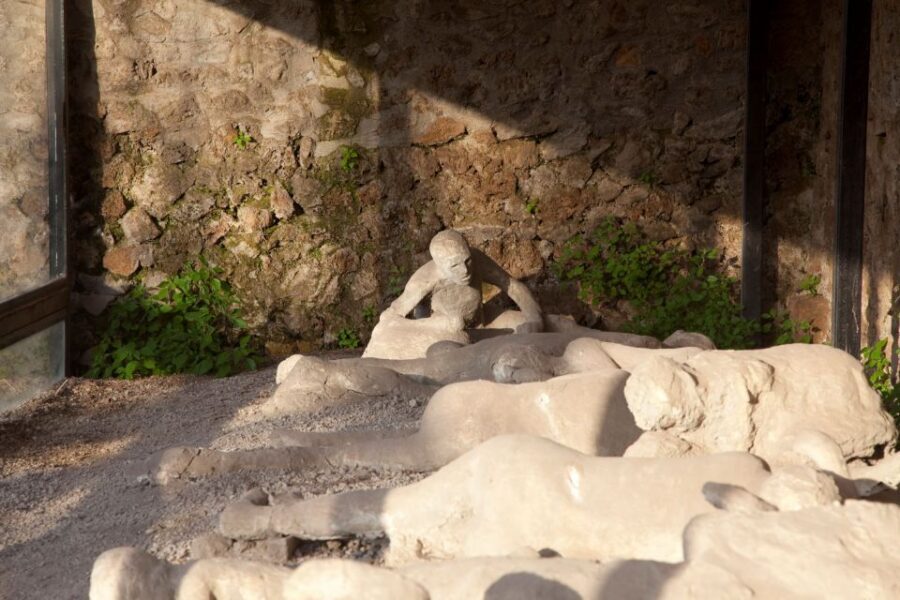
Then comes the underground. The experience includes going below the surface to areas described as 4th-century Rome. You’ll walk along walls with older frescoes and reach the older crypt spaces, where the atmosphere feels more grounded and less “museum-clean.”
Important timing detail: the San Crisogono underground area has restricted hours on weekdays. It’s open Monday to Friday only from 4:00 PM to 7:00 PM. That means morning tours from Monday to Friday won’t visit the underground portion, even though the overall tour duration stays the same. Your guide will point out other monuments instead, so you still get a full experience.
Santa Cecilia in Trastevere Underground: Mosaics, Roman House Floors, and Cavallini
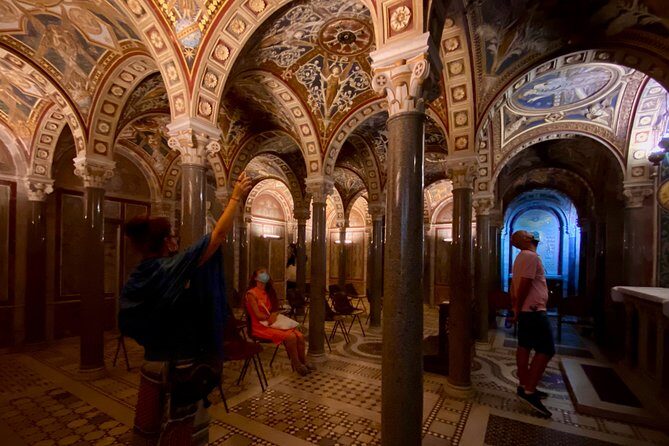
Next you head to Santa Cecilia in Trastevere, including a major underground segment. This is where the tour really leans into the “how did Romans become Christians” idea, not as a lecture, but as a physical experience.
You’ll go below the earth into the church’s underground spaces and walk on an original mosaic-floor connected to a 3rd-century Roman House. Seeing flooring from that period, rather than just imagining it, changes how you picture the neighborhood’s early life.
You’ll also see preserved elements described as part of an older underground basilica, plus mosaics around the tomb area. The guide ties the setting to the legend of St. Cecilia’s life and death, including the macabre side of the story, but the real payoff here is how the artwork and architecture sit in the same place where people worshiped.



Cavallini’s Last Judgement: Morning Option Only
There’s one special artwork stop: the Cavallini room, featuring Cavallini’s Last Judgement. This is noted as available only with the morning option. If you book afternoon, plan for the fact that you won’t get this specific room as part of the tour.
If Cavallini matters to your trip, pick the morning slot and you’ll be set.
Trastevere Streets Walk: What to Notice Beyond the Postcards
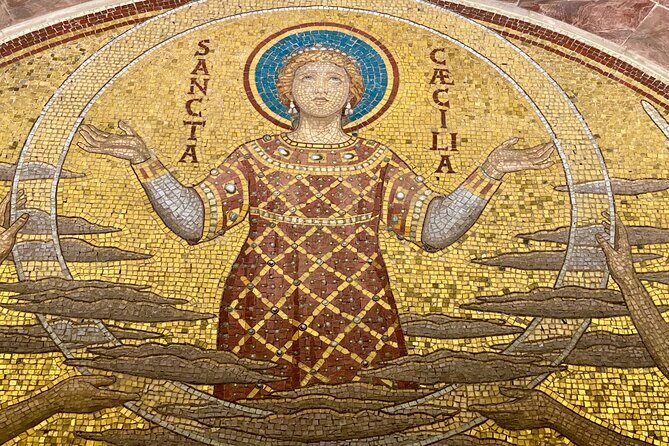
After the underground time, you come back up to street level for a wander through Trastevere’s cobbled neighborhood feel. The tour gives you guided moments here too, not just a quick “walk yourself there” section.
This is where you start noticing small cues: how streets tighten and open, how courtyards and church facades shape the view, and how the neighborhood’s rhythm affects where you place your eyes. It’s less about a list of buildings and more about training your attention.
And when you’ve just spent time underground, the return to daylight is satisfying. The neighborhood feels less like a backdrop and more like a living layer on top of everything you just saw beneath it.
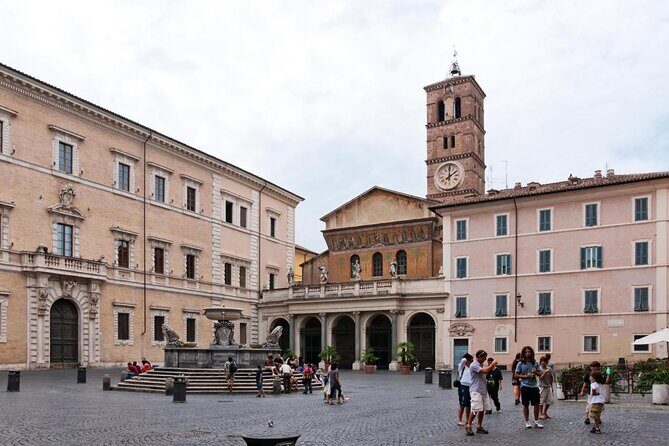
Basilica di Santa Maria in Trastevere: Golden Mosaics Finish Strong
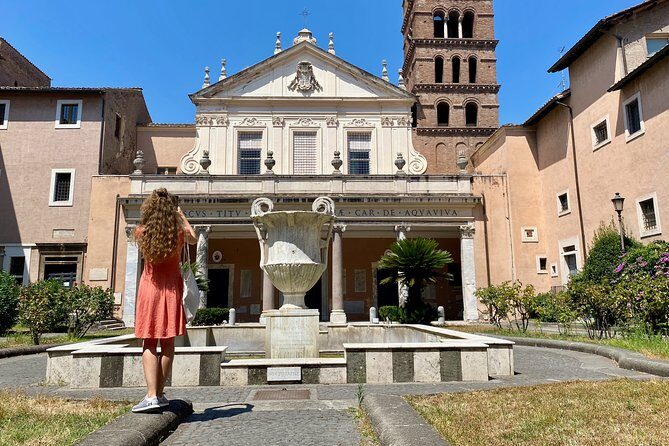
The tour ends at Basilica di Santa Maria in Trastevere, right in the heart of the district in front of its golden mosaics. This final stop works well because it’s a visual payoff after the older, quieter underground spaces.
The ending location is also practical for your next move. From there, you’re positioned to explore the district on your own, including the local wineries and traditional food tavernas that Trastevere is known for.
So even though the tour is short, it acts like a launch point: you’ll leave with context for what you’re seeing and a clear reason to stay in the neighborhood after the guide leaves.
Headsets and Small Groups: The Real Reason This Tour Scores High
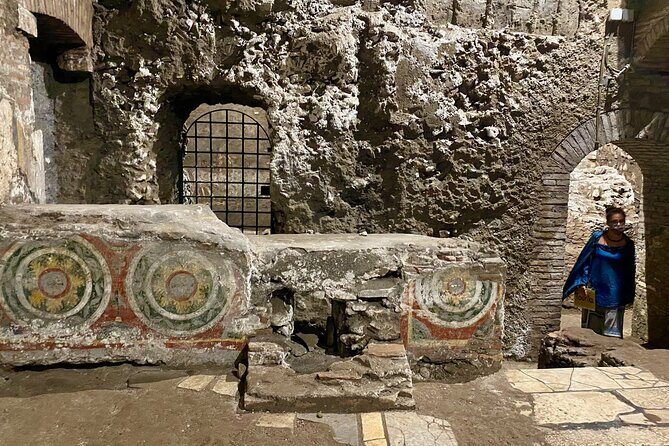
This kind of tour lives or dies on communication. It includes sterilised headsets so you can follow instructions and commentary clearly while moving. That matters because you’re often inside spaces where voices don’t carry the way they do in open squares.
Also, the group size cap (up to 10 travelers) changes the feel. You’re more likely to get direct answers and keep your place in the group, especially when the route includes stairs or underground passages.
The reviews back up the experience design too, with praise for guides who explain patiently and keep the tour paced rather than rushing. I like that this isn’t a “jam 90 minutes with 5 hours of content” style. You’re given time to look.
Price and Value: Is $77.06 Worth It for Two Hours?
At $77.06 per person for about 2 hours, the main value isn’t just that you’re paying for entry tickets. It’s what those stops let you access in one compact loop.
Two big elements justify the price:
- Underground access plus explanation
Going underground is only half the benefit. The other half is knowing what you’re seeing: Bernini’s apse, Cosmatesque geometric flooring, preserved older surfaces, mosaic floors, and the logic of how the religious buildings evolved.
- Time-efficient small-group format
With a max of 10 people, you get a more guided experience without paying for a private tour. And because the tour is short, you can still build your Rome day around other plans.
What’s included is also clear: you get all fees and taxes, plus the headset, plus on-site assistance. Admission is included for the church stops tied to the underground sections (San Crisogono and Santa Cecilia, including the Cavallini room when it applies). Other stops along the route have free admission.
Group discounts are also listed as part of the setup, which can make it even better value if you’re booking with friends.
Practical Planning: Dress Code, Weather, and Underground Comfort
Plan around three practical realities.
Church dress code: knees and shoulders covered. If you show up in shorts and a sleeveless top, you might get turned away or asked to adjust.
Comfort level: you’ll be walking a moderate amount and spending time in church environments, including underground spaces. It’s specifically not recommended for claustrophobia.
Weather rules: some sections might not be accessible during bad weather conditions. This matters because the tour includes outdoor walking between indoor stops. If the weather is poor enough, the experience can be canceled and you’ll be offered another date or a full refund.
Who Should Book This Trastevere Underground Tour?
This is a strong match if you want more than church facades and souvenir photos. You like architecture details, and you enjoy the idea of learning through places rather than through a pure lecture.
It’s also ideal if you dislike crowd chaos. The small-group format gives you a tighter, calmer route through one of Rome’s most atmospheric neighborhoods.
Skip it if underground spaces make you anxious. Also consider your clothing and comfort level before booking, since churches have a dress requirement and the route involves walking on uneven surfaces.
Should You Book This Trastevere Underground Tour?
If your Rome trip includes even one “I want the real story of this neighborhood” moment, I think this tour fits that need well. You get a concentrated walk in Trastevere plus underground church experiences that explain how Rome changed over time, all with clear headset commentary and a relaxed pace.
Book it if you:
- want underground Rome in a short, organized format
- care about specific art and architectural features like Bernini’s apse, Cosmatesque pavements, and Cavallini (morning only)
- prefer small groups and steady guidance
Book it with caution if:
- you’re claustrophobic
- you’re visiting in warm weather without a plan for covering knees/shoulders
- you’re picky about weekday timing for the San Crisogono underground, since weekday mornings won’t include that underground portion.
FAQ
How long is the Trastevere hidden sights and undergrounds tour?
It’s about 2 hours.
What’s the group size limit?
The tour has a maximum of 10 travelers.
Is the tour offered in English?
Yes, it’s offered in English.
Do I get a headset to hear the guide?
Yes. Sterilised headsets are provided so you can hear commentary clearly.
Are admission tickets included?
Yes for the church stops tied to the paid entries: Basilica San Crisogono and Santa Cecilia in Trastevere. The tour notes free admission for the other listed stops.
Does the Cavallini Last Judgement room depend on the time of day?
Yes. The afternoon option does not include the Cavallini frescoes; it’s included with the morning option.
When can I visit the underground area of Basilica San Crisogono?
The underground is open Monday to Friday only from 4:00 PM to 7:00 PM. It’s open all day on Saturday and Sunday, so it can be available on weekend tours.
What should I wear for the churches?
You need covered knees and shoulders, and you should wear comfortable walking shoes.