REVIEW · MUSEUMS
Skip the Line Tour: Vatican Museum + Sistine Chapel with Guide
Book on Viator →Operated by Elisabetta Barbaro · Bookable on Viator
Vatican crowds, handled with a plan. This skip-the-line tour keeps you moving by pairing priority entry with live guide storytelling, so you can spend your time looking at art instead of waiting at gates. You also get headsets, which is a big deal in echoey rooms where you’d otherwise strain to hear.
I especially like how the visit is built around the Vatican Museums’ most recognizable stops, from the Pio-Clementino sculptures to rooms like the Gallery of Maps. Then the Sistine Chapel segment zeroes in on the fresco giants you came for—Perugino, Botticelli, and Michelangelo—without turning it into a lecture marathon.
One possible drawback: the pace is brisk. If you prefer lingering for long stretches, you may feel a little time pressure in the galleries.
In This Review
- Key highlights at a glance
- Why the skip-the-line part matters so much here
- Where you start: Via Mocenigo meeting point and what to do before you go
- Vatican Museums in about an hour: choosing the moments that pay off
- Gallery-to-Chapel transition: how the tour keeps your attention on art
- Sistine Chapel with a guide: fresco names you can actually place
- St. Peter’s Basilica option: what changes when you add the extra hour
- Guides and headsets: why the tour experience depends on the person leading it
- How long is it really, and who it suits best
- Price and value check for $73.06
- Should you book this Vatican Museums + Sistine Chapel skip-the-line tour?
- FAQ
- What’s included in this skip-the-line Vatican tour?
- How long does the tour take?
- How big are the groups?
- Where does the tour start?
- Where does the tour end?
- Do I need a specific dress code?
- Do I need to bring my own tickets?
- Are headsets provided?
- Can I add St. Peter’s Basilica to the tour?
- Is this tour refundable or changeable?
Key highlights at a glance
- Priority access that helps you avoid the worst line time
- Headsets so you actually hear your guide
- A tightly chosen set of museum rooms like Maps, Chandeliers, and tapestries
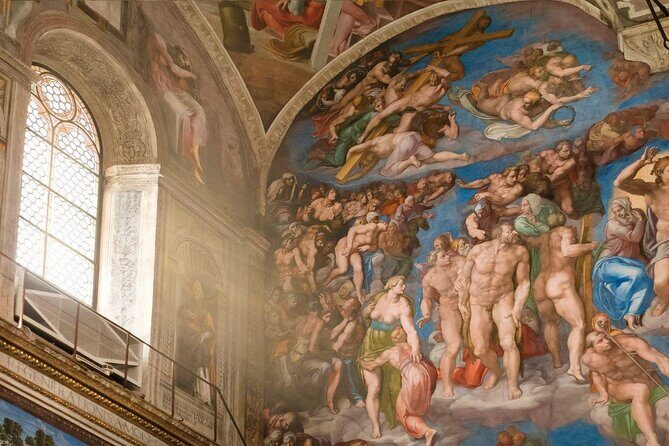
- A guided Sistine Chapel visit focused on major fresco cycles
- Optional St. Peter’s Basilica add-on for extra guided time
- Small group size (max 30) for better flow
Why the skip-the-line part matters so much here
At the Vatican, your day can go two ways: you either spend hours in queues, or you spend that time reading, looking, and actually understanding what you’re seeing. This tour is designed for the first option to stay out of your schedule by using pre-booked tickets and priority entry. In practice, that means your plan is less at the mercy of sudden crushes near checkpoints.
It also helps that the Vatican Museums can sell out. When tickets are arranged in advance for a guided group, you’re less likely to face the kind of “come back later” problem that can ruin a tight itinerary in Rome. You’re not just buying entry—you’re buying back time.
The guide does more than “point.” With headsets, you can listen comfortably while you look. That matters in rooms where people talk loudly, walk fast, or stop in clusters. You don’t need to crane your neck toward a single voice.
You can also read our reviews of more guided tours in Rome



Where you start: Via Mocenigo meeting point and what to do before you go
The tour meets at Via Mocenigo, 2, 00192 Roma RM, near public transportation. That location is handy because it gives you a real anchor point instead of wandering through the Vatican area guessing which line is yours.
Go prepared before you arrive. The Vatican dress code requires knees and shoulders covered. If you’re traveling with a flexible scarf or a light layer, bring it. If your outfit is borderline, fix it before you reach the entrance—don’t make it a last-minute argument with security.
Also, be realistic about your timing. The tour is short—about 2 to 3 hours total—so showing up late doesn’t just inconvenience you. It compresses everything for the group.
Vatican Museums in about an hour: choosing the moments that pay off
You’ll spend roughly one hour in the Vatican Museums, starting in the Pio-Clementino area and moving through a curated set of rooms. This is the smart way to do it if your goal is to get oriented fast and still feel like you saw major highlights.
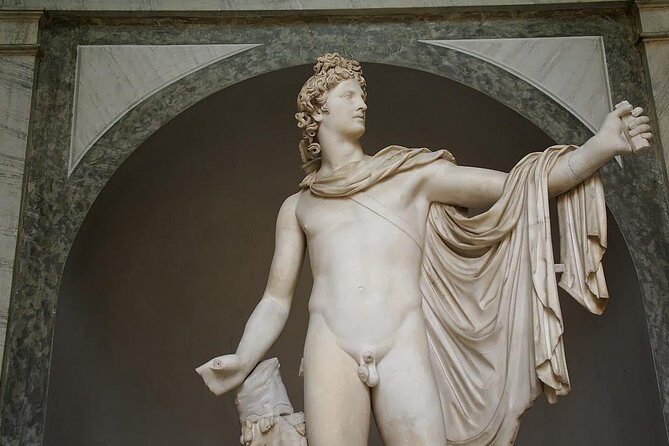
Pio-Clementino Museum is where the Vatican flexes its classical muscle. Think ancient Greek sculptures and the kind of marble craftsmanship that explains why “museum people” love this place. With a guide, you’re not just looking at statues—you’re getting story context that helps you notice details instead of treating everything as one big white-room blur.
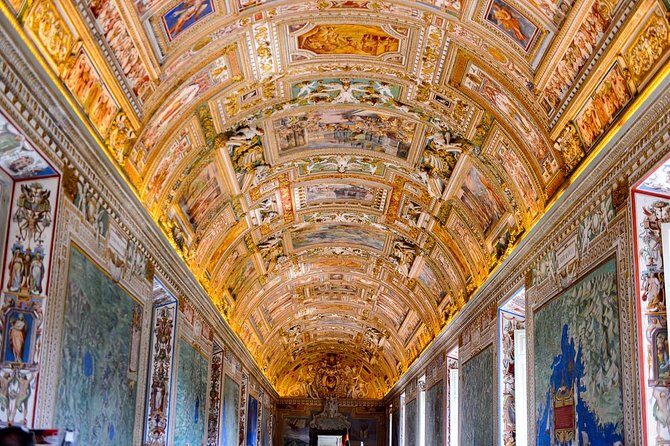
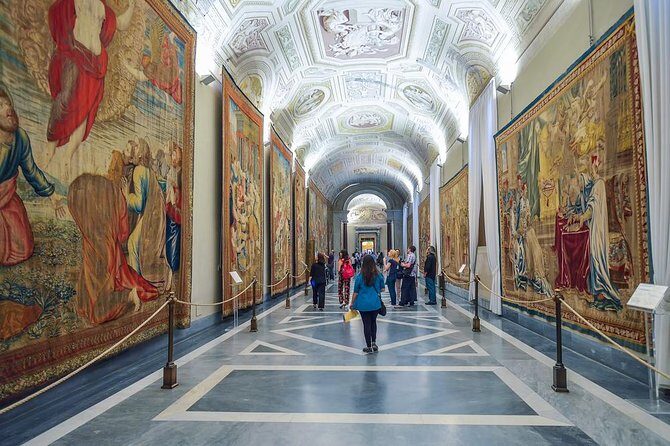
Then you move through rooms like the Gallery of Tapestries, Gallery of Chandeliers, and Gallery of Maps. These stops sound decorative, but they teach you something practical: the Vatican isn’t only about paintings. It’s also about power, influence, and how art was used to impress rulers and visitors across centuries.
The Gallery of Maps, for example, is a room where the guide’s explanation can completely change what you think you’re looking at. Without that, you might admire it for style and move on. With it, you understand why it’s there and what it communicates.
One thing to keep in mind: one hour means you won’t see everything. The value is in being able to look at fewer things and actually understand them—especially if you want to avoid the “I saw a lot but got nothing from it” feeling.
Gallery-to-Chapel transition: how the tour keeps your attention on art
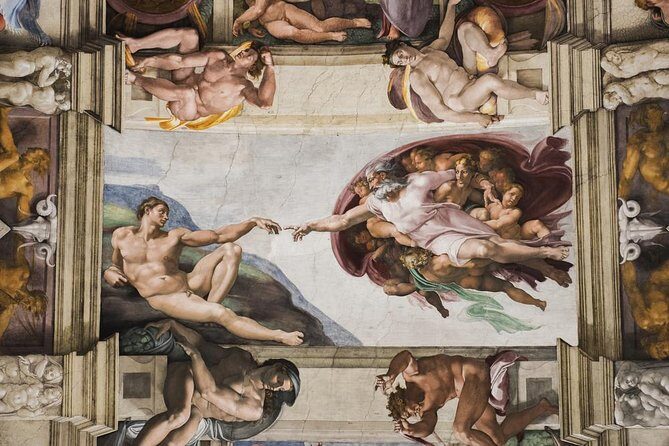
After the museum highlights, the focus tightens. The tour shifts from broad museum storytelling to a single, intense visual experience in the Sistine Chapel. That contrast is one reason this tour works: it prevents your brain from going numb.
In addition, the move from galleries to a chapel changes the listening style. In museums, you can often talk while standing. In the Sistine Chapel, you need to focus. That’s where having headsets makes the guide’s instructions easier to follow, because you can listen without turning your whole body to track them.
The group size (up to 30) also helps the flow. You’re not stuck behind a wall of people for every step. It’s still busy, but the tour structure keeps it from feeling chaotic.
Sistine Chapel with a guide: fresco names you can actually place
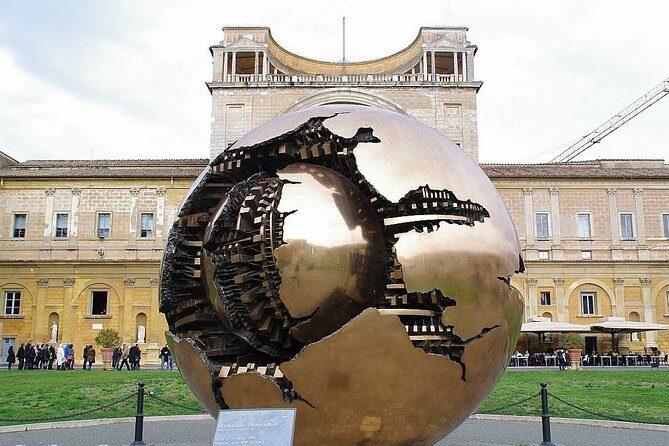
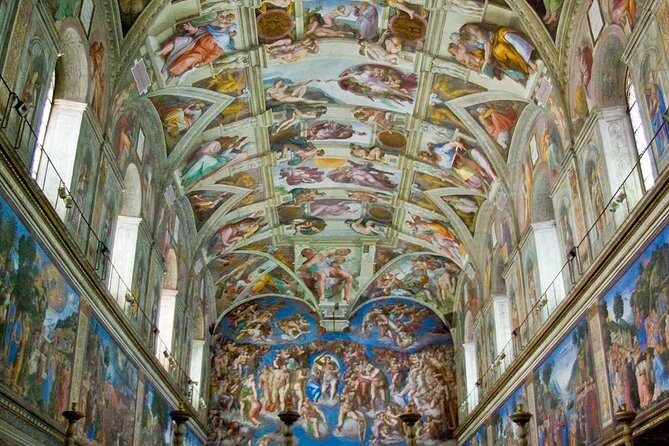
You’ll spend about 20 minutes in the Sistine Chapel. That’s not a long time on paper, but it’s long enough to get your bearings and focus on the big fresco cycles when the guide is steering you.
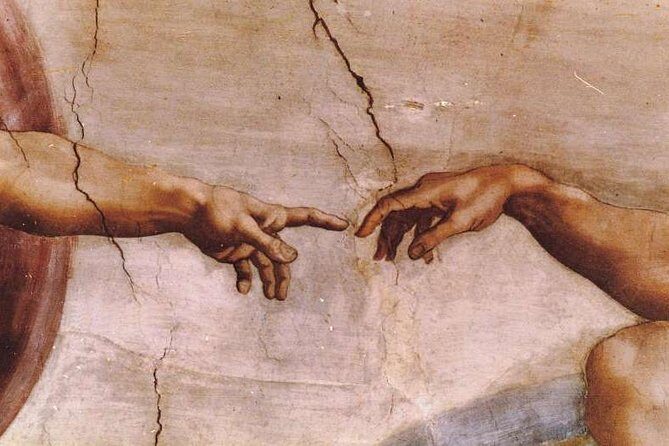
This is where the tour earns its title. Instead of arriving and guessing where to look first, you follow a guided path that centers on major artists—Perugino and Botticelli on the program, plus Michelangelo as the headliner. The ceiling and walls are so visually packed that it’s easy to lose your place without direction.
I like this format because it helps you make choices. You don’t have to try to see everything. You can focus on the most recognizable scenes and understand how they fit together. That turns the Chapel into something you remember, not just something you photographed quickly.
A small practical note: if you’re expecting a super quiet, slow viewing experience, set expectations. The Sistine Chapel stop is brief, and the guide is there to keep the group moving through the most meaningful viewing points.
You can also read our reviews of more museum experiences in Rome



St. Peter’s Basilica option: what changes when you add the extra hour
If you choose the Basilica included option, you add about one more hour with a guide at St. Peter’s Basilica. This is the clearest way to expand beyond the Vatican Museums and Chapel without turning the rest of your day into a self-managed scramble.
St. Peter’s is a different kind of art experience—less about selecting a few masterpieces on a timed route, more about taking in a whole religious artwork ecosystem at cathedral scale. With a guide, you’ll get orientation so you understand what you’re seeing and why it’s there, instead of just walking around admiring size.
There’s also an important routing consideration. During the coronavirus emergency, the exit that provides direct access from the Sistine Chapel to St. Peter’s Basilica was reported as remaining closed until further notice. If you’re doing the Basilica add-on, you should be ready for the possibility that the connection between the two won’t be the direct path your brain expects. Your guide will manage the flow, but it can still slightly affect how the day feels.
Guides and headsets: why the tour experience depends on the person leading it
The Vatican is big, and the art is dense. A good guide does two things at once: they give you stories, and they give you a viewing strategy. That’s exactly what you want here.
The experience is provided by Elisabetta Barbaro, and guides can include people like Fabrizio, who was praised for being attentive, caring, and informative. That kind of leadership matters because it affects how your group moves, how clearly you hear explanations, and whether your teens or slower walkers stay engaged.
Headsets are a simple add-on, but they’re a major quality factor. They help you hear clearly even when the room is full and sounds bounce. Without them, “guided” can turn into “guided in name only.”
Also, the pace feels different when the guide is confident. You can feel when the leader understands the route and keeps the group from drifting into random stops or bottlenecks.
How long is it really, and who it suits best
The tour runs about 2 to 3 hours. That’s enough time to hit the core highlights without turning your Rome day into a half-weekend project.
It’s especially well suited for:
- People who want skip-the-line access and don’t want to spend their limited time fighting queues.
- Families and groups with mixed ages, since a guided explanation can help keep everyone focused.
- Visitors who like a structured plan—especially first-timers to the Vatican who still want context.
It’s less ideal if:
- You want to linger for a long, slow museum wander.
- You get irritated when a schedule is tight and you can’t stop to analyze every last detail.
One more tip: this tour typically works best when you treat it as the foundation of your Vatican experience. If you want more, you’ll know where to return next based on what the guide focused on.
Price and value check for $73.06
At $73.06 per person, this is not a budget throwaway. But the value is in what’s included: admission tickets, a guided route through major stops, and headsets. You’re also paying for priority access, which can be the difference between a smooth morning and a day lost to waiting.
You should compare this not to a generic Vatican ticket, but to the alternative of managing lines and trying to assemble your own highlight path while still understanding what you’re looking at. If you hate spending time in lines, this price starts to make sense quickly.
One caution surfaced around certain dates. On a day when entrance is free, the skip-the-line promise may not work the way you expect, even if it appears on the ticket wording. The practical move: double-check your date and confirm what priority access means for that specific day. Don’t assume that the label automatically guarantees skipping every line scenario.
If you’re the type who would pay extra just to avoid uncertainty, the structure here is the selling point. If you’re comfortable navigating on your own, you might find cheaper options, but they won’t offer the same “here’s exactly where to look” guidance.
Should you book this Vatican Museums + Sistine Chapel skip-the-line tour?
Book it if you want a guided, high-impact Vatican visit that respects your time. The priority entry, headset setup, and focused route are a strong combo, especially if you’re visiting during a busy season or you’re on a tighter schedule in Rome.
I’d skip it (or reconsider the pace) if your travel style is slow and exploratory. This isn’t built for drifting. It’s built for moving through the best stops and leaving with a clearer understanding of what you saw.
If you’re choosing between options, add St. Peter’s Basilica only if you genuinely want that extra guided hour. The Basilica add-on can make the day feel more complete, but only if you’re comfortable with the overall tight timing and routing realities.
FAQ
What’s included in this skip-the-line Vatican tour?
The tour includes priority access to the Vatican Museums and Sistine Chapel, guided time in those areas, and headsets. Admission tickets are included, and the St. Peter’s Basilica visit is included only with the Basilica option.
How long does the tour take?
Plan for about 2 to 3 hours total, depending on whether you choose the option that includes St. Peter’s Basilica.
How big are the groups?
The group size is capped at a maximum of 30 travelers.
Where does the tour start?
The meeting point is Via Mocenigo, 2, 00192 Roma RM, Italy.
Where does the tour end?
The tour ends at the Sistine Chapel area in Vatican City.
Do I need a specific dress code?
Yes. You need to have knees and shoulders covered for the Vatican.
Do I need to bring my own tickets?
No. Pre-booked tickets are part of the experience, and confirmation is received at the time of booking.
Are headsets provided?
Yes. Headsets are provided so you can hear your guide clearly during the tour.
Can I add St. Peter’s Basilica to the tour?
Yes, there’s a Basilica-included option that adds about 1 hour for a guided visit to St. Peter’s Basilica.
Is this tour refundable or changeable?
This experience is non-refundable and cannot be changed for any reason. If it’s canceled due to poor weather, you’ll be offered a different date or a full refund. If the minimum number of travelers isn’t met, you’ll be offered a different date/experience or a full refund.