REVIEW · MUSEUMS
Sistine Chapel and Vatican Museums Guided Tour Skip the Line
Book on GetYourGuide →Operated by Mltour · Bookable on GetYourGuide
Stepping into the Vatican can be chaotic. This guided tour keeps things orderly from the start, with priority access through express security and a live guide to help you make sense of what you’re seeing. It’s built around the big-name highlights like the Sistine Chapel and Michelangelo, plus the wider museum flow with artists such as Raphael and Leonardo da Vinci.
I especially like the practical setup: you get earphones so the guide’s explanations stay clear even in crowded rooms, and the tour is designed for small groups so you’re not lost in a human wave. You also get official-style treatment, since the guide is authorized for the Holy See and the visit includes staff support during your time inside.
One thing to watch: language. The tour lists multiple options (English, Spanish, Romanian, Portuguese), but if your booking language is wrong or not clearly assigned, the experience can feel rushed and hard to follow. If you want a smooth visit, plan to show up early at the meeting point and double-check the language at the start.
In This Review
- Key things to know before you go
- Skip-the-line Setup: Meeting at Bar Tre Caffe and Moving Fast
- The Two-Hour Vatican Museum Route: A Guided Hit of the Must-See Works
- Sistine Chapel Time: Why the Guide Changes How You Experience It
- Michelangelo, Raphael, and Leonardo: Getting Context for the Big Names
- Earphones and Small Groups: The Practical Advantage of Not Getting Lost
- Free Time Inside the Museums: How to Use It Without Wasting It
- Price and Value for $134.81: What You’re Really Paying For
- Languages and Group Pacing: How to Avoid a Bad Match
- Who This Tour Is Best For (and Who Should Skip It)
- Should You Book This Vatican Skip-the-Line Tour?
- FAQ
- Where is the meeting point for the tour?
- How long is the guided tour?
- What is included in the ticket?
- Do you get skip-the-line access?
- Are earphones provided?
- What languages are available for the live guide?
- Is there free time during the visit?
- FAQ
- What happens if I need to cancel?
- Can I reserve and pay later?
Key things to know before you go
- Priority entry and express security help you avoid the longest friction points at the Vatican.
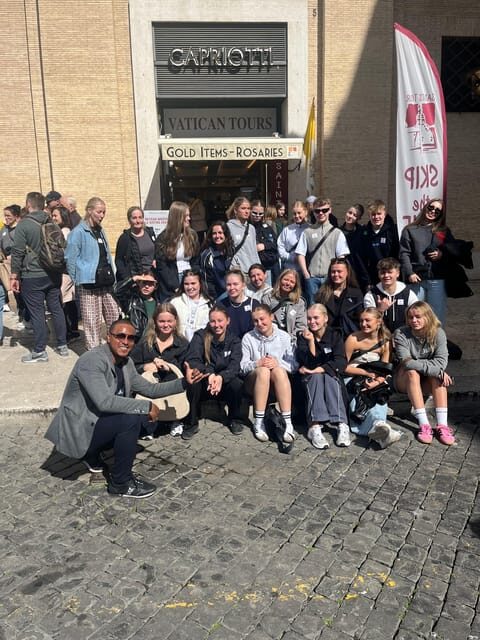
- Small group size means you’re more likely to hear what’s important, not just where to walk.
- Earphones included keep the guide’s explanations audible throughout the main route.
- A tight 2-hour format is good for seeing the must-sees without turning the day into a marathon.
- You get museum free time after the guided portion, so you can slow down where you want.
- Multiple languages available (English, Spanish, Romanian, Portuguese), but confirm yours before starting.
Skip-the-line Setup: Meeting at Bar Tre Caffe and Moving Fast
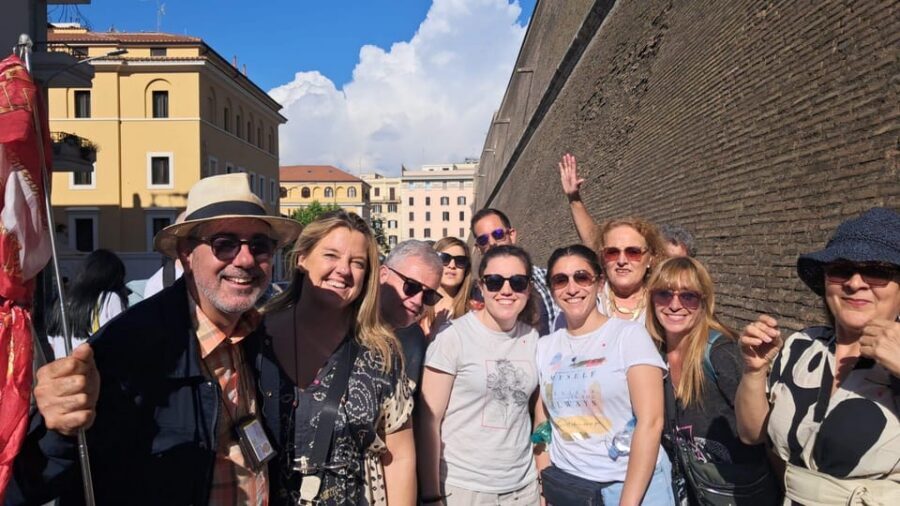
Your tour begins at Bar Tre Caffe, with a clear instruction to arrive 15 minutes early. That timing matters more than it sounds, because the whole point here is to reduce waiting. If you arrive late, you risk being the one person who forces the group to pause.
From there, you’ll move into the Vatican Museums route with skip-the-line style priority and an express security check. Even if you’ve visited before, the Vatican’s entry can still feel like a puzzle. Express security is the practical advantage: it gets you past the most repetitive part of the experience so the rest of your two hours can actually be about art and architecture.
Also note the tour includes staff assistance and support throughout the visit. That’s a real value in a place where “just follow the crowd” can turn into “everyone walks in different directions.” Your job is simple: show up on time, stay with the group during the guided part, and use your free time afterward.
You can also read our reviews of more guided tours in Rome



The Two-Hour Vatican Museum Route: A Guided Hit of the Must-See Works
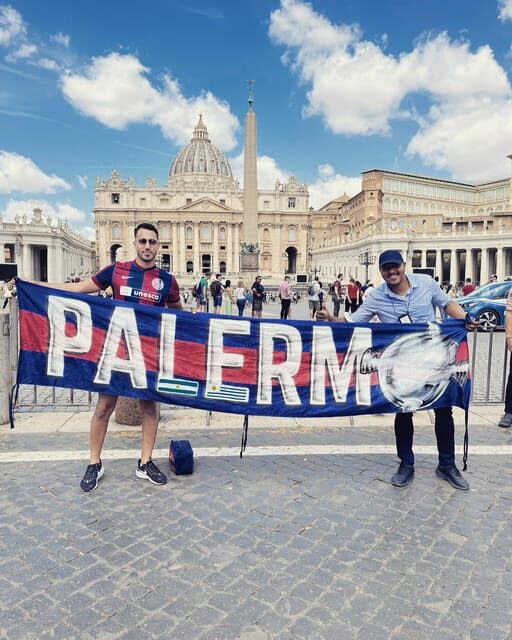
This is a 2-hour guided experience, which changes how you should think about it. You’re not trying to study everything. You’re setting up a guided tour that points you to the places that most people remember—then giving you a little breathing room to follow your own interests.
The guided portion is led by art history experts and uses live narration through earphones. That means the guide isn’t just walking fast and hoping you get it. The idea is to connect the artworks you see—sculptures, frescoes, and archaeological finds—with a clear explanation of why they matter.
What you can expect to be included during the guided flow:
- The Vatican Museums highlights
- The Sistine Chapel visit included in the ticket
- Major art references like Michelangelo’s Pietà
- The broader “classic masters” focus, including Raphael and Leonardo da Vinci
- A mix of ancient sculptures, frescoes, and archaeological finds
The biggest benefit of a guided museum route like this is direction. Without it, you can spend time chasing details that don’t click. With it, you’re pointed toward the big visual moments, and you get context fast enough to stay engaged.
Sistine Chapel Time: Why the Guide Changes How You Experience It

The Sistine Chapel is the reason many people book anything Vatican-related. Here, the tour includes entrance to the chapel as part of the ticketed experience, guided by a live expert.
In a place like this, timing and focus matter. A guide can help you avoid the common trap: standing in one spot and only seeing the part right in front of you. With structured narration and earphones, you can follow the story the guide is building—so you’re not just looking, you’re also learning what to notice.
There’s also a pacing angle. Some tours feel like a race. One concern to keep in mind is that if a guide moves too quickly or separates from the group, you’ll miss explanations and end up trying to catch up with other visitors. With this tour, the setup (small group, earphones) is designed to prevent that, but you should still be ready to keep a steady walking pace during the guided portion.
If you’re someone who likes to take photos and pause a lot, consider using your free time strategically for slowing down. During the guided section, keep your attention on where the guide is pointing.
Michelangelo, Raphael, and Leonardo: Getting Context for the Big Names
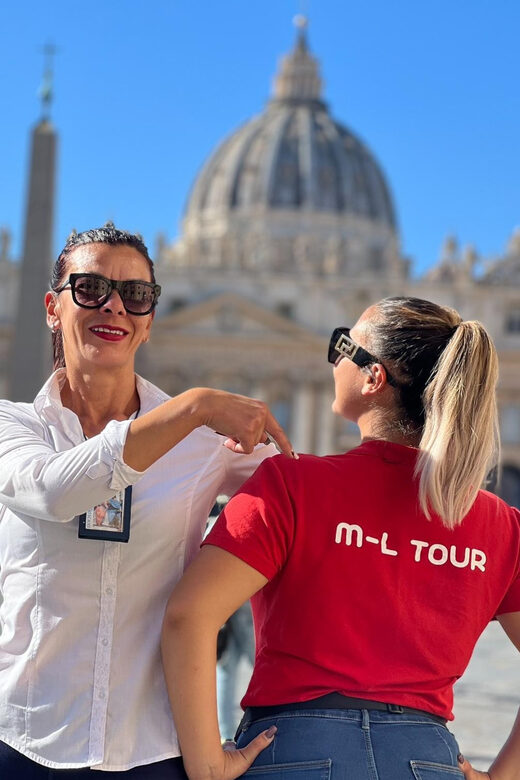
The highlights spell out the major players you’ll hear about: Michelangelo’s Pietà, plus works associated with Raphael and Leonardo da Vinci. Even if you’ve seen their names in books, the real value of a guided museum visit is the connection between name and visual experience.
A good guide helps you do three things fast:
- spot the details that people usually miss
- understand how different works relate to each other
- get a simple framework so the museum doesn’t feel like random rooms of art
This tour aims for that kind of explanation, using art history experts and earphones to keep you on track. That matters because the Vatican Museums can feel overwhelming. When you have context, you’re more likely to remember what you saw, not just that you saw it.
And for Raphael and Leonardo, the tour’s focus on classic masterpieces is practical. You’re not trying to master every school of art in one afternoon. You’re getting the “greatest hits,” with just enough explanation to make the images click.
Earphones and Small Groups: The Practical Advantage of Not Getting Lost
Two features really drive the quality here: earphones and small group sizes.
Earphones change how you experience crowded interiors. Without them, you end up straining your ears or watching someone else’s body language to guess what the guide is saying. With earphones, the explanation stays clear, which makes the guided tour feel calmer and more purposeful.
Small groups are the other big difference. The Vatican is busy. A large group turns into a bottleneck. A small group makes it easier to keep together and stay aligned with the guide’s pace. It also gives the guide a chance to notice if you’re falling behind.
Still, pacing is the one variable to watch. If you want a slower, more question-friendly style, be aware that the tour is optimized for a fast, structured 2-hour visit. If you’re easily overwhelmed by speed, go in with a plan: focus on the guided points, then use free time to revisit what caught your attention.
You can also read our reviews of more museum experiences in Rome



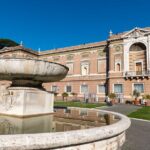
Free Time Inside the Museums: How to Use It Without Wasting It
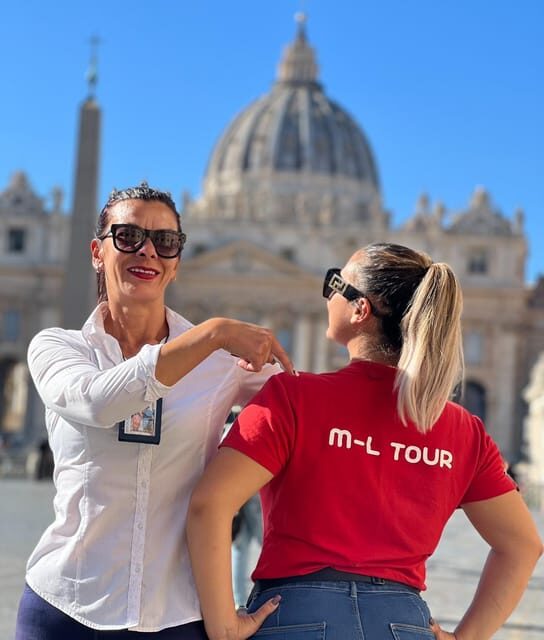
One of the more underrated parts of this tour is the included free time to explore highlights on your own. That’s where you get to personalize the trip, even with a guided framework already in place.
To use this well, pick one or two priorities before you start:
- a specific artist area you want to linger around
- a type of work you prefer, like sculptures or frescoes
- a place you remember from the guided explanation that you want to see again from different angles
Because the guided portion is time-boxed, free time is not the moment to sprint. It’s the moment to slow down on what you actually care about. Even a short return visit to a highlight can make the difference between “I saw it” and “I remember it.”
If you love photography, use free time for shots where you can pause. If you love reading details, use free time to stand a bit longer and soak up what the guide didn’t have time to cover in depth.
Price and Value for $134.81: What You’re Really Paying For
At $134.81 per person for a 2-hour guided experience, you’re paying for three main things: time saved, expert guidance, and the convenience of a structured route.
Here’s the value math in plain terms:
- Priority access without queues and an express security check reduce the biggest time sink at the Vatican. For many people, that’s worth a lot more than a lower-priced ticket.
- A live guide with art history experts helps you understand what you’re seeing instead of walking through rooms with no context.
- Earphones keep the experience accessible and clear, especially in crowded settings.
- The ticket includes entry to the Vatican Museum and the Sistine Chapel, so you’re not piecing things together separately.
What you’re not paying for (based on the info provided) is an all-day, unlimited wandering ticket. This is a structured “see the core highlights with guidance, then choose a bit more on your own” experience. If that matches your style, it’s good value. If you want to spend most of the day at your own pace, you might feel boxed in.
Languages and Group Pacing: How to Avoid a Bad Match
This tour lists live guide languages as English, Spanish, Romanian, Portuguese. That’s great, but the key is making sure the language you expect is the language you hear.
Here’s how I’d handle it:
- Confirm your language selection clearly when you arrive.
- Stay with the group during the guided portion. If you drift, you’ll feel the pace faster and lose the explanation thread.
- If you’re prone to getting overwhelmed by fast walking, go in expecting you may need to follow a steady rhythm for 2 hours.
The best versions of this tour are the ones where the guide is prepared and attentive, and you can actually hear the explanation. When language and pacing align, the guide turns the Vatican into something you can follow, not something you just survive.
Who This Tour Is Best For (and Who Should Skip It)

This tour suits you if:
- you want Sistine Chapel + Vatican Museums in one guided package
- you care about understanding what you’re seeing, not just ticking off landmarks
- you appreciate small group structure and clear audio with earphones
- you’re short on time and want a guided route that avoids the worst waiting
It may not be the best fit if:
- you prefer slow, self-guided museum wandering with long stops
- you need a lot of flexibility to change directions constantly
- you know you’ll be unhappy if the group keeps a brisk, scheduled pace
If you’re the kind of visitor who likes focus and momentum, this is a strong match.
Should You Book This Vatican Skip-the-Line Tour?
I’d book this tour if you value priority access, want a guide to connect the big art names to what you see, and like the idea of a short guided introduction followed by free time to explore what you personally care about.
Before you click confirm, do one simple check: make sure your guide language is clearly set to what you expect. Then show up early at Bar Tre Caffe, because this experience works when everyone starts on time. If those two pieces line up, this can be a smart, efficient way to hit the Vatican’s biggest art moments without losing half your day to waiting.
FAQ
Where is the meeting point for the tour?
The meeting point is Bar Tre Caffe. You should arrive 15 minutes before the visit.
How long is the guided tour?
The tour duration is 2 hours.
What is included in the ticket?
The tour includes an entrance ticket to the Vatican Museum and the Sistine Chapel.
Do you get skip-the-line access?
Yes. You get priority access without queues and skip the line through express security check.
Are earphones provided?
Yes. Earphones are included so you can hear the guide’s explanations clearly.
What languages are available for the live guide?
Live tour guide languages listed are English, Spanish, Romanian, and Portuguese.
Is there free time during the visit?
Yes. The tour includes free time to explore the highlights of the museum on your own after the guided portion.
FAQ
What happens if I need to cancel?
The tour offers free cancellation up to 24 hours in advance for a full refund.
Can I reserve and pay later?
Yes. The experience offers a reserve now & pay later option, meaning you can book your spot and pay nothing today.