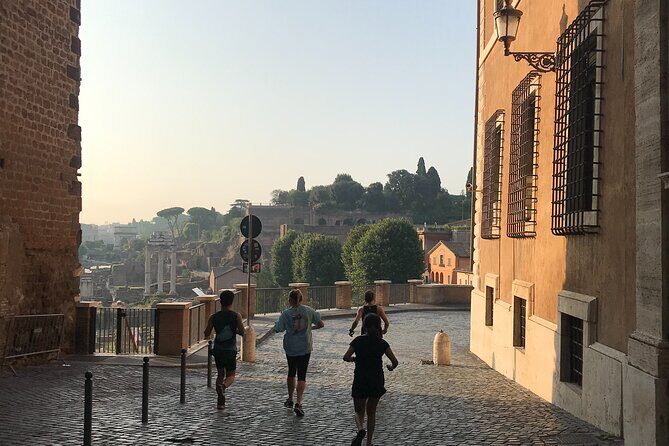
Rome is best when it’s quiet and yours. This private running tour is built for that early-morning window, when the city is waking up and the monuments feel less crowded and more real. You get to cover major sights on foot while someone else handles the route, timing, and the story stops.
I especially like how the guides tailor the run to your pace. People doing anything from beginner jogging to faster strides say they were kept comfortable, with frequent chances to catch breath, grab photos, and stay engaged. It also helps that you’re not stuck in a big group herd.
One thing to think about: this is still a run. If you’re not comfortable jogging for about an hour or roughly 6 miles-ish (distance varies by pace and route), you may find it more tiring than a normal walking tour, and the experience depends on having good weather.
In This Review
- What makes this Rome running tour worth your time
- Where the run starts in Rome: Viale Aventino
- The 90-minute route vibe: running between ancient “wow”
- Circus Maximus to Palatine Hill: the pre-imperial warm-up
- Colosseum and Roman Forum: the sunrise factor that changes everything
- Trevi Fountain and the art of stopping without losing momentum
- Spanish Steps and the garden of the oranges: Rome beyond the obvious
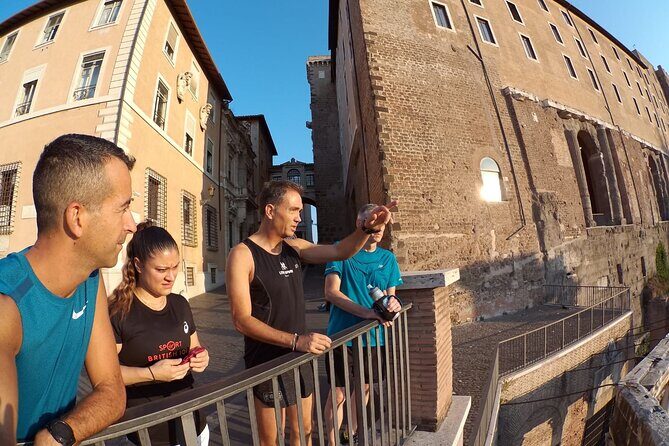
- What the guides do best: pace, stories, and good photos
- The finish: coffee, pastry, and a morning that feels complete
- Value for money: why $82.68 can make sense
- Who should book this running tour (and who should skip it)
- Quick reality check: weather and comfort
- Should you book this Rome running tour?
- FAQ
- How long is the Rome running tour?
- Where does the tour meet?
- Is there pickup?
- Is the tour private?
- What sights will I see?
- What pace is it for?
- What happens if the weather is bad or I need to cancel?
What makes this Rome running tour worth your time
- Early streets, fewer crowds: You hit standout monuments before foot traffic spikes.
- Guides who adjust on the move: Pace changes mean the run feels doable for more people.
- Serious photo opportunities: You stop often enough to get clean shots with the landmarks behind you.
- Top sights plus smart extras: Colosseum, Roman Forum, Trevi Fountain, Circus Maximus, Palatine Hill, Spanish Steps, and the garden of the oranges show up in the mix.
- A finish that feels like a reward: Many runs end with coffee and a pastry, so you’re not just done and gone.
- Private group energy: Only your group participates, so the vibe stays personal.
Where the run starts in Rome: Viale Aventino
You’ll meet at Viale Aventino, 3, 00153 Roma, right near the Aventino area. The tour ends back at the meeting point, which keeps things simple after you’ve spent 90 minutes (approx.) moving through Rome.
If pickup is available, the operator will confirm it at booking. When pickup can’t happen, you’ll meet at a stated meeting point such as a metro station. In other words, you’re not left guessing where to show up, which matters when you’re starting early.
Language is practical too: the experience is offered in English, and the format is private. That means you get real conversation with the guide instead of hearing history through a speaker while you pace with strangers.
You can also read our reviews of more tours and experiences in Rome.



The 90-minute route vibe: running between ancient “wow”
This tour is designed around the feeling of running through Rome rather than just stopping in front of it. The main goal is to hit headline sights while the city is still emptying out, then connect them with quick history and fun facts as you go.
Most runs are built around roughly the same core ideas:
- Start early, so you see sunrise-style views over monuments.
- Move efficiently between stops so you get more sights per minute.
- Keep the pace controlled so you can actually listen, not just survive.
- Time photo stops so you’re not constantly weaving around other groups.
People love the surreal “on foot where Romans were” feeling. That includes the stretch at the Roman Forum, where sunrise views can be stunning, and the area around the Colosseum, where early access through streets and viewpoints makes a big difference in how the city feels.
Circus Maximus to Palatine Hill: the pre-imperial warm-up
Many routes begin with a run toward the Circus Maximus area. It’s a strong way to start because it sets the stage: you’re moving through space that’s tied to Rome’s public life, and you’re not immediately stuck in the most crowded postcard zones.
From there, guides often steer you toward the imperial heart, including Palatine Hill. Even if you’ve seen photos, running this section helps you understand scale. You get the sense that Rome wasn’t built in one moment; it’s layered, expanded, and re-used over time.
A good guide helps here. Folks who ran with guides like Claudia and Simone describe the experience as a mix of quick stories and practical orientation. That’s important: when you understand what you’re looking at, the monuments stop being just backdrops and start being scenes.
Colosseum and Roman Forum: the sunrise factor that changes everything
The Colosseum and Roman Forum are the centerpieces for a reason. The Colosseum is obviously famous, but early morning changes how you experience it. You’re more likely to get cleaner sightlines and breathe easier, and you can actually take in the setting instead of rushing between tour groups.
The Forum is where the tour often earns its strongest emotion. One runner noted the sunrise over the Forum as amazing, and that matches the basic logic of this tour: it’s built to place you there at a quieter time of day, with a guide giving just enough context to make the stones feel like a place, not a lecture.
Practical note: even with early hours, the area around these landmarks can involve uneven ground and crowds at certain points. Your guide’s job is to route you in a way that keeps the run flowing. If you’re a beginner or you’re just returning to running, you’ll want to choose a pace you can sustain while still enjoying the stories and photo stops.
Trevi Fountain and the art of stopping without losing momentum
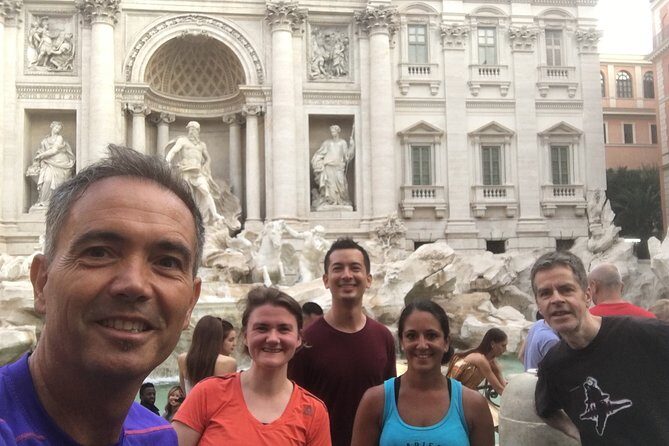
The Trevi Fountain showpiece shows up for good reason. It’s one of Rome’s most recognizable sights, and a running tour gives you a different angle than a slow walk. You arrive with energy, then you slow down naturally for photos and a quick explanation of what you’re seeing.
Guides also make a point of including water fountains along the way. That’s not just fun trivia. It’s also practical on a warm day because you get built-in moments to hydrate and reset your breathing.
Trevi can be busy in the daytime, so showing up earlier is a big part of the value. You get time to look, take pictures, and still keep the run moving. If you’ve only ever seen Trevi when it’s packed, this is likely the first time it feels more like a neighborhood landmark and less like a traffic jam.



Spanish Steps and the garden of the oranges: Rome beyond the obvious
A highlight that keeps popping up is the route’s mix of iconic and slightly less-expected stops. Along with Trevi, you may pass by the Spanish Steps. Even if you’ve seen them before, the early light and the simple fact that you’re on foot makes it easier to spot little details you’d miss otherwise.
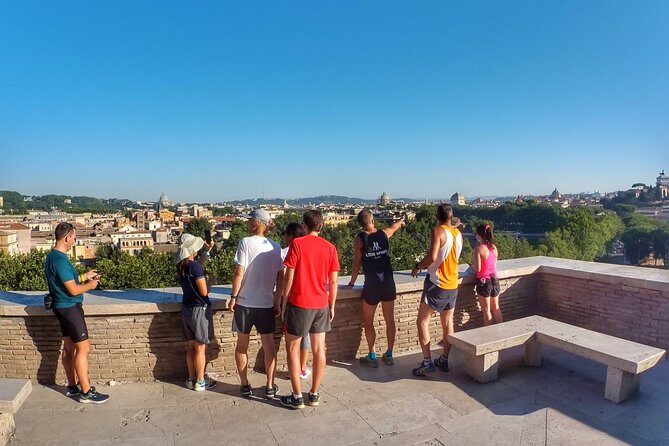
Then comes the more personal-feeling stop: the garden of the oranges. It’s a nice reminder that Rome isn’t only monuments and crowds. Running tours can feel like they’re just about ticking boxes, but this one includes spaces where you can slow down, look around, and reset.
This part of the run also tends to match the tour’s best strength: the guide doesn’t just walk you past sights. Guides such as Fabrizio, Giovanni, and Dario are mentioned for adapting to group energy, adding conversation, and keeping the route interesting with stops people wouldn’t necessarily find on their own.
What the guides do best: pace, stories, and good photos
The standout theme from the experience is guide quality, especially in three areas:
1) Pace control.
People repeatedly mention that guides adjusted to their speed and kept the group together. That means you can lead when you want, slow down for breaks, or just settle into a rhythm without feeling rushed.
2) Clear, conversational history.
The best moments aren’t long speeches. It’s short, useful context that helps you look at the right things. One runner described the mix as lively narration at daybreak, and another called out the guide taking time for history and questions.
3) Photo stops that actually work.
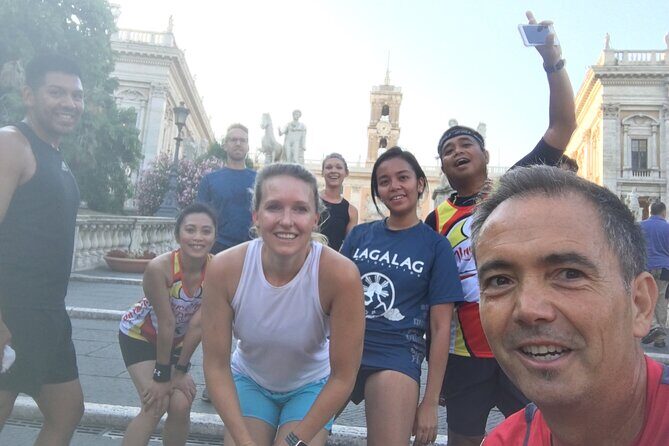
More than one review praises getting cool pictures with landmark backdrops. That matters because Rome is photogenic even at a walk. When you add movement and timing, it becomes harder to get decent shots without a guide.
If you’re a runner, this is also one of the more satisfying tour formats because your body is doing the exploring. You’re not just standing there while someone tells you where to go next.
The finish: coffee, pastry, and a morning that feels complete
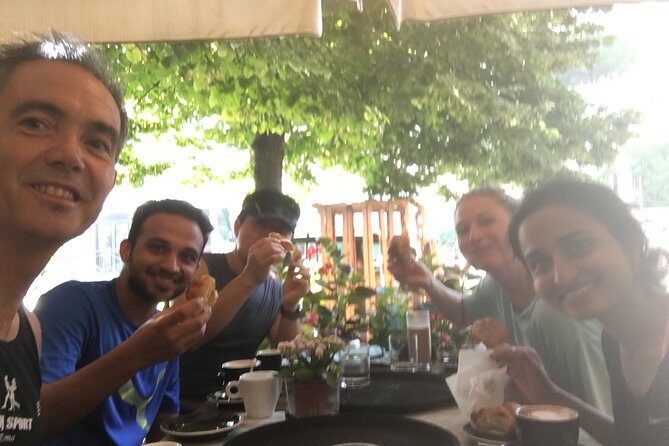
Many runs end with a small cafe-style stop, usually coffee and a pastry. It’s a simple detail, but it turns the tour from exercise into a full morning out.
One review specifically called out finishing with pistachio Cornetto, another mentioned pastries and coffee, and several mention a post-run snack. That gives you a nice transition point: you’re done with the hardest part (meeting, starting, route), and you can enjoy the rest of the day feeling like you’ve already checked in with Rome.
It also helps if you’re traveling efficiently. Doing this early often makes the rest of your itinerary easier, because you walk away with a mental map of where the big sights sit relative to each other.
Value for money: why $82.68 can make sense
At $82.68 per person for about 1 hour 30 minutes, you’re paying for more than sightseeing. You’re paying for:
- A guide who manages the route and timing in a crowded city
- A pace that’s meant to keep you comfortable enough to enjoy
- The early-morning advantage that’s hard to replicate alone
- Multiple landmark stops with photo opportunities
- A private format, meaning you’re not competing for attention
If you were to book only standard tickets and then DIY a run, you’d still have to figure out logistics, pacing, and safe, efficient routes between monuments. In practice, the guided structure is what turns this into a stress-free experience.
This is also a strong “first morning in Rome” style tour. You get bearings fast, and you learn what you might want to return to later on your own.
Who should book this running tour (and who should skip it)
This tour is a great fit if you:
- Enjoy running or jogging and want a morning workout with payoff
- Want to see top sights with less stress and fewer crowds
- Prefer private guiding and conversation over group shuffles
- Like photo stops and short history at the right moments
It’s not the best match if you:
- Need a mostly flat, low-impact experience
- Don’t feel comfortable jogging for the duration
- Are sensitive to uneven surfaces around old monuments
- Are worried about weather affecting outdoor activity
Also consider timing. Since this is weather-dependent and designed around early light, you’ll do best when you can commit to an early start.
Quick reality check: weather and comfort
This experience requires good weather. If it’s canceled due to poor weather, you’ll be offered a different date or a full refund. That’s important because running tours are outdoor workouts first.
On comfort, the tour says most travelers can participate, and service animals are allowed. Still, treat it like activity, not a casual stroll. Wear shoes you trust, and bring a plan for hydration since you’ll be moving steadily.
Should you book this Rome running tour?
If you want Rome’s highlights with a workout, this is one of the smarter ways to spend 90 minutes. The big reason to book is the pairing of early access and pace-friendly guiding, which lets you see places like the Colosseum and Roman Forum without feeling like you’re trapped in peak-hour crowds.
Skip it only if running isn’t your thing. Otherwise, it’s a practical, fun morning that combines monuments, movement, and just enough story to make the city stick.
FAQ
How long is the Rome running tour?
It runs for about 1 hour 30 minutes (approx.).
Where does the tour meet?
The meeting point is Viale Aventino, 3, 00153 Roma RM, Italy, and the tour ends back at the meeting point.
Is there pickup?
Pickup is offered. If pickup isn’t possible, you’ll meet at a designated meeting point, such as a metro station.
Is the tour private?
Yes. It’s a private tour/activity, so only your group participates.
What sights will I see?
The tour focuses on major monuments including the Colosseum, Roman Forum, Trevi Fountain, and more. Other stops mentioned include Circus Maximus, Palatine Hill, Spanish Steps, and the garden of the oranges.
What pace is it for?
Guides adapt to your pace, and the tour is described as suitable for runners of different levels, including beginners who want a comfortable rhythm.
What happens if the weather is bad or I need to cancel?
The tour requires good weather. If it’s canceled due to poor weather, you’ll be offered another date or a full refund. You can cancel up to 24 hours in advance for a full refund.