REVIEW · NAPLES
Naples: Capodimonte Museum 2-Hour Guided Private Tour
Book on GetYourGuide →Operated by Askos Tours · Bookable on GetYourGuide
Capodimonte hits like a shortcut to Italian art. I love how this private 2-hour visit gets you straight into the museum’s biggest names—Botticelli, Michelangelo, Titian—without wasting time wandering. I also love the palace setting: you’re not only looking at paintings, you’re moving through Bourbon rooms with royal porcelain and majolica that feel like a whole other kind of collectible.
There’s one thing to plan around: it’s only two hours, so the guide focuses on the museum’s strongest highlights instead of letting you linger on every single work.
In This Review
- Key highlights to look for
- Capodimonte in Two Hours: what this private tour really covers
- Meet at PORTA GRANDE and get oriented fast
- The Farnese and Borbone collections: why Naples’ museum feels like a centerpiece
- Must-see sacred works: Masaccio and Carracci in your line of sight
- Bourbon palace rooms: porcelain, majolica, and royal apartment life
- Drawings, European masters, and the way the guide adds meaning
- Where the 3rd floor fits: a quick look at contemporary additions
- Price and value for a $195.42 per person, 2-hour visit
- Who should book this Capodimonte private tour?
- Should you book this Capodimonte guided tour or DIY it?
- FAQ
- FAQ
- How long is the Capodimonte Museum private tour?
- Where do I meet the guide?
- Is admission included?
- What’s the tour language?
- What collections and areas does the guide focus on?
- Which artworks are specifically mentioned for this tour?
- Is the museum open every day?
- What’s the price per person?
- Is this a private group tour?
- Is the tour wheelchair accessible?
- What are the cancellation and payment options?
Key highlights to look for

- Farnese and Borbone collections: the museum’s main power centers for Southern Italy’s major art holdings
- Star artists, pointed-to on purpose: Botticelli, Michelangelo (drawings), Tiziano/Titian, Brueghel, and more
- Sacred works in focus: Masaccio’s Crucifixion and Carracci’s Mystic Marriage of St. Catherine
- Bourbon palace atmosphere: older apartments plus furniture, royal porcelain, and majolica
- Contemporary thread on the 3rd floor: a growing modern collection you’ll see briefly
Capodimonte in Two Hours: what this private tour really covers

Museo di Capodimonte is one of Naples’ most serious art stops, and that seriousness matters—because it means the building and the collection both do heavy lifting. You’ll be touring in a private group format with a live English guide (plus Italian, French, Spanish, and German options), so the tour can stay efficient and still feel human.
In the time window, the goal is simple: make sure you see the museum’s core attractions and understand why they matter. You’ll spend time in the main galleries for the big Farnese and Borbone holdings, then shift into the older palace apartments where decorative arts take over.
This is also a good tour if you like being told what to look at. Capodimonte has many rooms and many paintings, so having someone point out the most important pieces—rather than asking you to guess—saves your energy and your attention.
You can also read our reviews of more guided tours in Naples


Meet at PORTA GRANDE and get oriented fast
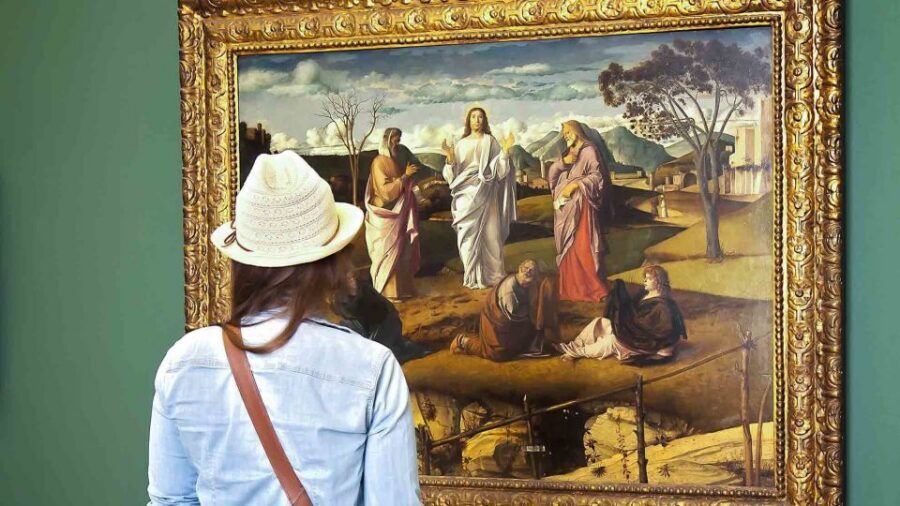
You meet your guide at the Capodimonte Museum entrance called PORTA GRANDE. The guide holds a sign with your name, so you can get your bearings quickly and avoid that awkward “which entrance?” moment.
The tour includes skip-the-line admission fees, which is exactly what you want for a timed 2-hour experience. Without that advantage, you’d spend part of your visit waiting to get inside, and then the museum would start winning on your time.
Once inside, you’re not just walking room to room. The guide takes you to the main sections, which keeps your route logical and makes the museum’s story easier to follow.
The Farnese and Borbone collections: why Naples’ museum feels like a centerpiece
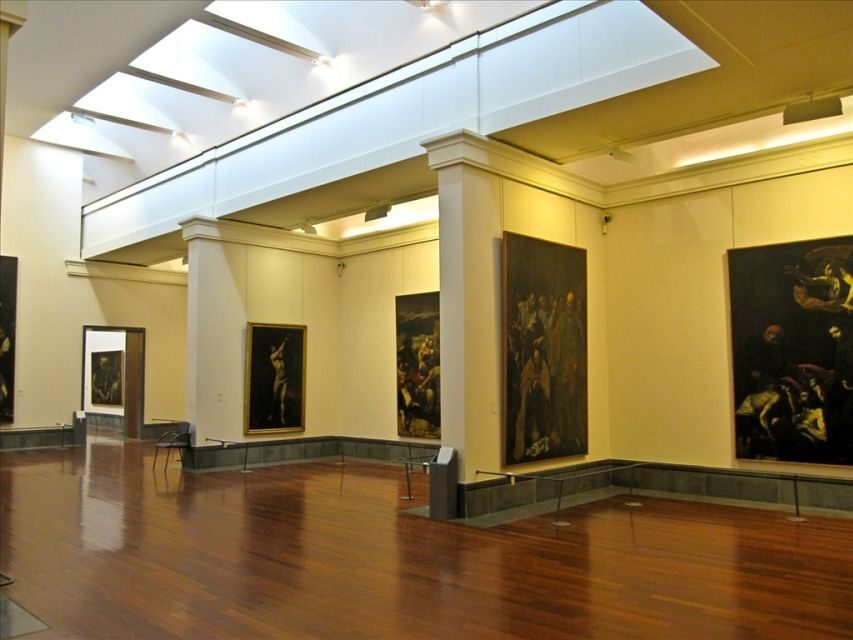
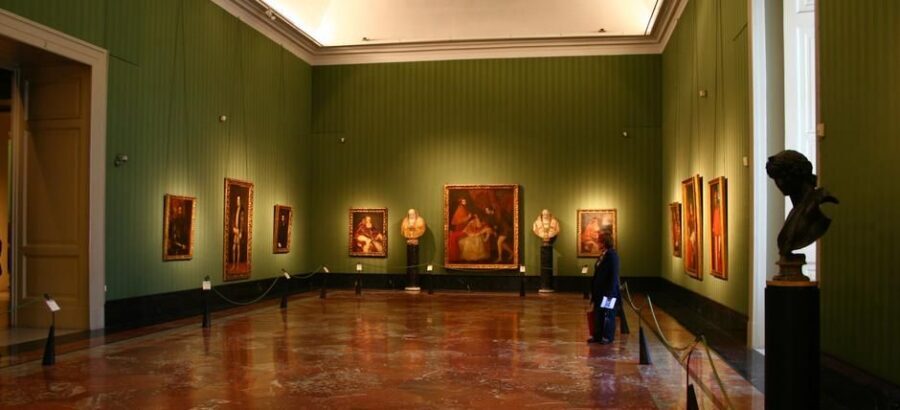
This is the heart of the museum experience. Your guide will lead you through the legendary Farnese and Borbone collections, described as the largest and most important art holdings in Southern Italy. The difference between these collections is part of what makes the tour interesting: you’re not only seeing famous works, you’re seeing how power, taste, and collecting shaped what ended up here.
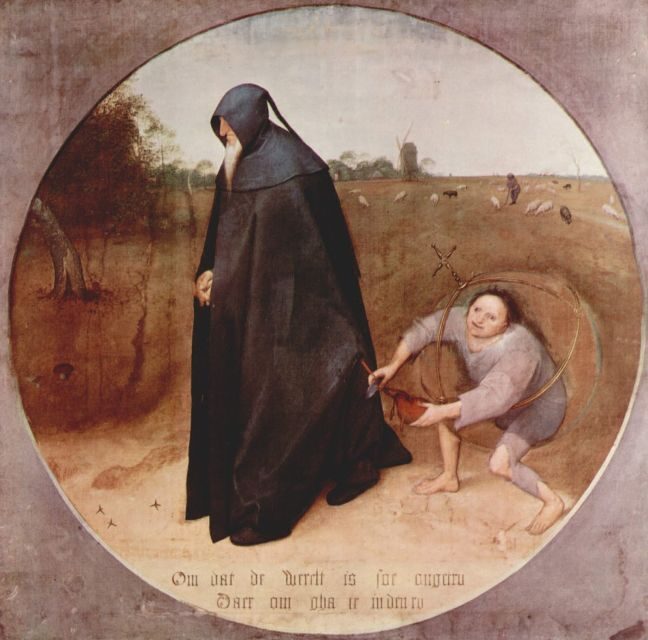
You’ll come across major names across Italian painting. Expect artists such as Tiziano/Titian, Botticelli, Bellini, and Brueghel, plus works by Parmigianino and Correggio. Even if you only know a couple of those names, you’ll feel how the museum stitches together different schools and different ways of painting.
Here’s the practical value: the guide helps you connect the dots. Instead of treating each painting like a separate world, you’ll learn how the collection hangs together and why these works earned space in a Neapolitan museum of this stature.
Must-see sacred works: Masaccio and Carracci in your line of sight
A big reason this tour works is that it doesn’t stop at big-name artists. It also points you to key religious paintings that help you understand the museum’s range—spiritual subject matter, dramatic composition, and the way Renaissance painters handled emotion.
Two highlights named for the tour are:
- Masaccio’s Crucifixion, a defining work tied to how sacred scenes became more direct and human
- Carracci’s Mystic Marriage of St. Catherine, where you can sense a refined, narrative approach to religious storytelling
If you’re the type who likes to see a museum’s greatest hits, these stops give you immediate payoff. And if you’re not deeply into art history, the guide’s job is to translate what you’re seeing into plain language so the works don’t feel like homework.
Bourbon palace rooms: porcelain, majolica, and royal apartment life
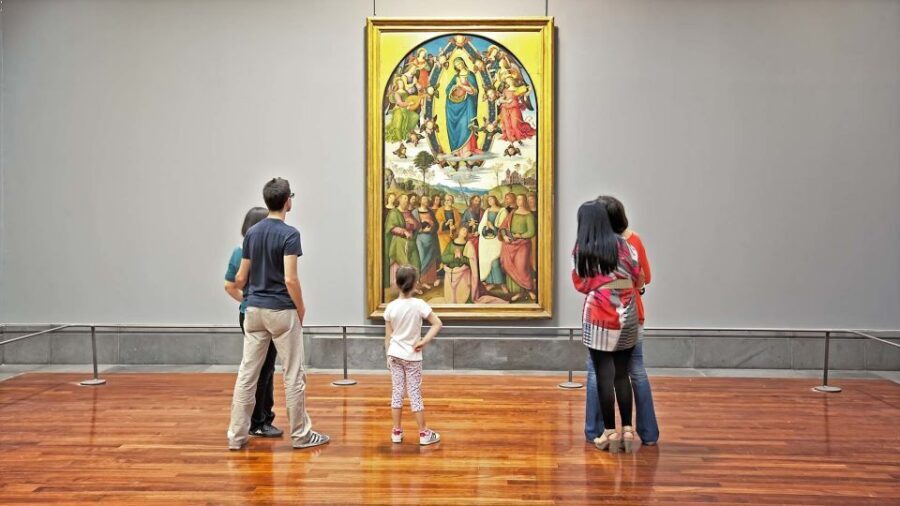
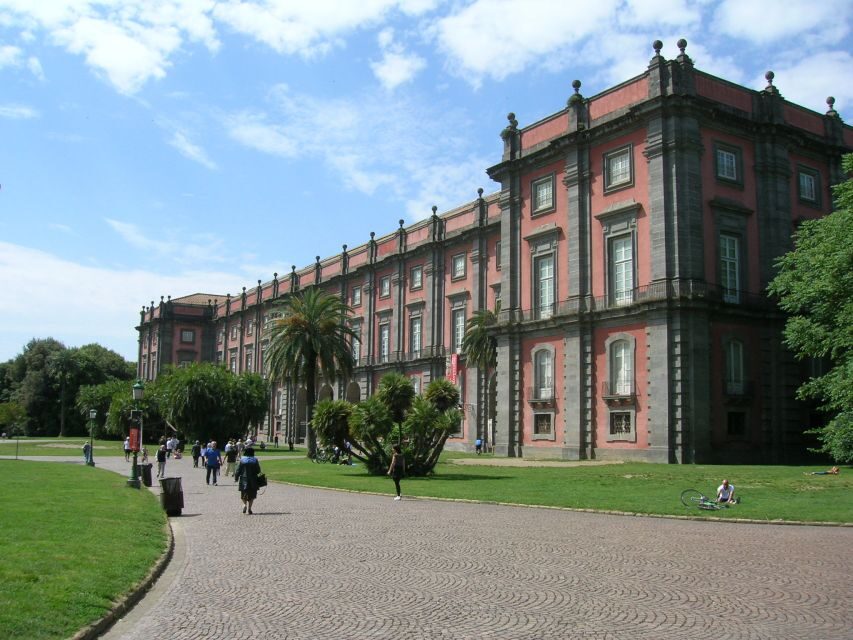
After the main galleries, you step into a different mood: the old apartments connected to the Bourbon era. The Capodimonte palace was used by the kings of the Two Sicilies as a summer residence and hunting lodge, and that background matters because it explains why the museum includes decorative arts on the same visit as painting.
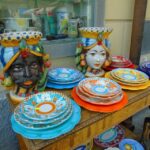
This is where you’ll see furniture from the 18th century and a collection of royal porcelain and majolica. I love that shift because it prevents art fatigue. Paintings can blur together if you’re not careful, but decorative arts reset your eyes—and they also give you a more complete picture of what “collecting” meant to the Bourbon court.
A good rule of thumb: when you reach the palace rooms, slow down for details like surface texture and craftsmanship. The porcelain and majolica are meant to be handled by the eye the way a painting is meant to be handled by the gaze. It’s a different skill set, and the tour gives you time for it.
You can also read our reviews of more private tours in Naples






Drawings, European masters, and the way the guide adds meaning
One smart thing about this visit is that it goes beyond finished paintings. You’ll also see drawings by Michelangelo, which changes how you experience the museum. Drawings often feel like backstage access: you see ideas taking shape and you understand style as process, not just product.
The tour also includes other major names such as El Greco and Titian, plus plenty more. What makes these stops genuinely useful is the guide’s ability to connect significance—why these works are important, what to notice, and how they relate to other collections and historical context.
If you get a guide named Lorenzo, that connection skill is specifically called out in experience notes. The way he frames Naples’ story, the museum, and the Bourbon family helps the art feel less like isolated objects and more like part of one big cultural picture.
Where the 3rd floor fits: a quick look at contemporary additions
At some point, you’ll shift upward to the 3rd floor, where the museum shows more contemporary art. The collection is described as a growing one with significant artists on the international scene.
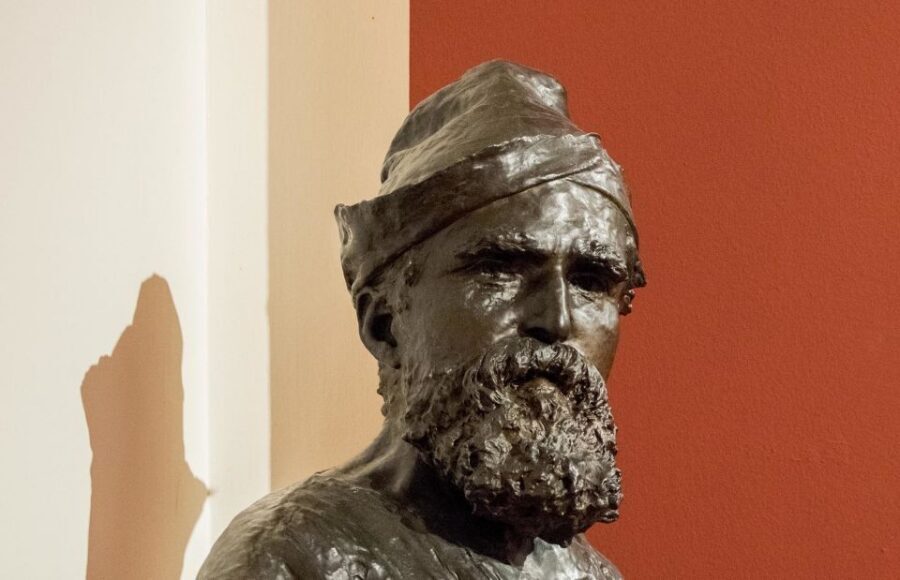
This part is not about completing every modern gallery; it’s about giving you a sense that Capodimonte isn’t frozen in time. It’s an active museum, still building its collection. For many people, that final contrast helps the whole visit land better: you see how the institution respects the past while still adding new voices.
Price and value for a $195.42 per person, 2-hour visit
At $195.42 per person for a 2-hour private guided tour, you’re paying for speed, selection, and personalization. The skip-the-line admission is included, which matters because time is the real currency on a timed museum visit.
So is it worth it? For me, the value equation comes down to three things you’re buying:
- A route that prioritizes the museum’s core masterpieces (Farnese/Borbone highlights)
- Explanation that turns famous names into understandable meaning
- A palace-and-porcelain experience, not just painting rooms
If you’re the kind of person who loves going deep on labels and wandering freely, a self-guided museum day might feel more flexible. But if you want the museum’s biggest artistic payoff in a short time—especially with a private guide who can tailor the pacing—this price starts to look reasonable fast.
Who should book this Capodimonte private tour?
This tour is a strong match if:
- You want to see major artworks in only two hours and not guess what to prioritize
- You care about the context behind art—why these works ended up in a Neapolitan collection
- You like decorative arts as much as painting, and you enjoy the Bourbon palace setting
It may feel less ideal if you want an unstructured museum day. Capodimonte is large, and a guided highlight route means you’ll choose some works over others.
Also note the Wednesday closure: the museum is closed on Wednesdays, so you’ll want to align your dates accordingly.
Should you book this Capodimonte guided tour or DIY it?
Book it if you want the fastest path to the museum’s top strengths: the Farnese and Borbone collections, specific standouts like Masaccio and Carracci, plus the Bourbon apartment atmosphere with porcelain and majolica. The private format and skip-the-line access make it especially efficient for a short visit.
DIY it if you’re planning a longer museum day and you’re comfortable picking priorities on your own. If you’ll spend several hours and enjoy reading deeply without a guide, you might prefer the freedom.
One last practical note: accessibility information is listed in two conflicting ways—wheelchair accessibility is mentioned, but it also says not suitable for wheelchair users. If this matters for your group, you should check directly with the provider before you book.
FAQ
FAQ
How long is the Capodimonte Museum private tour?
The tour lasts 2 hours.
Where do I meet the guide?
Meet your guide at the Capodimonte Museum entrance called PORTA GRANDE. The guide will hold a sign with your name.
Is admission included?
Yes. Skip-the-line admission fees are included, along with a live guide.
What’s the tour language?
The guide is available in English, Italian, French, Spanish, and German.
What collections and areas does the guide focus on?
You’ll see the main sections featuring the Farnese and Borbone collections, plus the old apartments with 18th-century furniture and a display of royal porcelain and majolica. You’ll also visit the 3rd floor for more contemporary art.
Which artworks are specifically mentioned for this tour?
The tour highlights include Masaccio’s Crucifixion and Carracci’s Mystic Marriage of St. Catherine, along with works by Botticelli, Tiziano/Titian, Bellini, Brueghel, Parmigianino, Correggio, El Greco, and drawings by Michelangelo.
Is the museum open every day?
No. The museum is closed on Wednesdays.
What’s the price per person?
The listed price is $195.42 per person.
Is this a private group tour?
Yes, it’s a private group.
Is the tour wheelchair accessible?
The information provided includes both wheelchair accessibility and a note that it is not suitable for wheelchair users. If wheelchair access is important, you should confirm with the tour provider before booking.
What are the cancellation and payment options?
There is free cancellation up to 24 hours in advance for a full refund, and you can reserve and pay later.