REVIEW · MUSEUMS
Rome: Vatican Museum and Sistine Chapel Official Guided Tour
Book on GetYourGuide →Operated by Ancient Roman Tours srl · Bookable on GetYourGuide
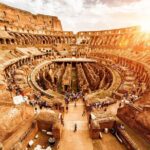
A short ticket, a big wow factor. In about two hours, you’ll move through the Vatican Museums with a guide who helps the art make sense, then end in the Sistine Chapel for Michelangelo’s ceiling. It’s the kind of visit where knowing a few stories beforehand can completely change what you see.
I like two things a lot: you get the entry ticket included, so you’re not scrambling, and you’ll hit major highlights like the Raphael Rooms and the Gallery of Maps instead of wandering randomly. One real consideration: this is a secure, high-demand site, so expect delays at the security gates and plan your day around crowds and timing.
In This Review
- Key things I’d watch for on this tour
- Checking in at Via Santamaura 32 and getting through Vatican security
- Vatican Museums with a real guide: what the route actually does for you
- Raphael Rooms and The School of Athens: where art turns into ideas
- Gallery of Maps: Renaissance cartography with an art brain
- Pio-Clementine Museum and the Laocoön Group: ancient drama in marble
- Sistine Chapel finale: Michelangelo’s ceiling and why the stories matter
- Headsets, group size, and what the audio actually changes
- Price and value for $66.84 per person (what you’re really buying)
- Who this tour fits best (and who should consider something else)
- Should you book this Vatican Museums and Sistine Chapel tour?
- FAQ
- Where do I meet the guide?
- How long is the tour?
- What’s included in the price?
- Is there a headset or audio guide?
- What language is the tour guide?
- What do I need to bring for entry?
- What should I wear?
- How early should I plan to arrive?
- Will the Sistine Chapel always be open?
- Is it refundable if my plans change?
Key things I’d watch for on this tour
- Time efficiency: A packed, two-hour route means you’ll see more key rooms, but you won’t linger long in each one.
- Clear listening tools: A headset/audio setup is included (with specific rules), so you’re less dependent on perfect acoustics.
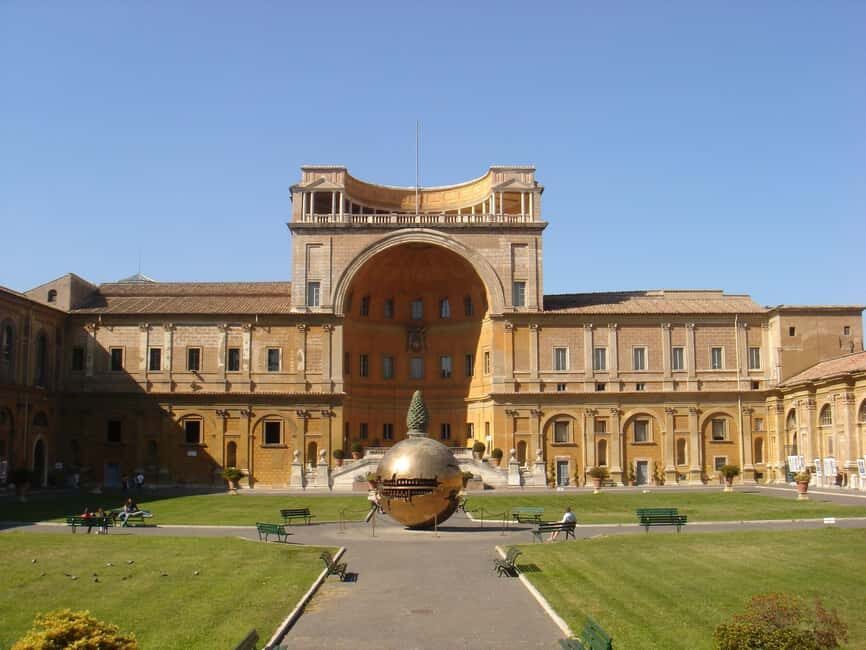
- The big-ticket sights: Expect stops tied to Raphael Rooms, Maps Gallery, and the Pio-Clementine Museum highlights.
- Your pacing depends on group size: Bigger groups can change how much you can hear and where you stand.
- Sistine Chapel timing risk: The Sistine Chapel can close for special events, including Conclave-related closure.
- Dress matters: No shorts, short skirts, or sleeveless shirts, so plan clothing before you leave your hotel.
Checking in at Via Santamaura 32 and getting through Vatican security
You start at the Ancient Roman Tours office on Via Santamaura, 32, where you check in downstairs. This is a practical setup: you can use the restroom, and there’s free Wi-Fi before you head off to the Vatican entrance. That small buffer matters because once you’re in the official flow, you’re stuck with the clock.
Next comes the reality check: the Vatican is strict. You go through airport-style security, and during peak season the wait can run over 30 minutes. That affects how much patience you’ll want to have, and it also affects how smoothly the first rooms feel. If you’re the type who gets stressed in lines, bring calm music in your head, not a confrontational attitude.
Also, keep your documents ready. You’ll need a passport, or for kids a valid ID (with a copy accepted). For your clothing, the rules are firm: no shorts, short skirts, or sleeveless shirts. This is one of those travel moments where dressing “Rome-friendly” is really “Vatican-friendly.”
You can also read our reviews of more guided tours in Rome



Vatican Museums with a real guide: what the route actually does for you
The Vatican Museums are huge. Without a guide, you can end up doing the tourist shuffle: lots of rooms passed through quickly, then the brain goes blank. With a guide, the visit becomes more like a guided conversation with art history. You’re not just looking; you’re getting a thread that ties pieces together.
That matters because the Vatican Museums cover wildly different worlds in a short span—ancient sculpture, Renaissance art, and later interpretive layers that helped define how we see the Renaissance today. A good guide helps you read visual clues: symbolism, composition, and why certain masterpieces were placed where they were.
And yes, the pace is brisk. This is a two-hour experience, so think of it as “choose the best scenes” rather than “fully explore.” You’ll likely come out feeling satisfied, not exhausted, as long as you accept that you’re seeing curated highlights, not every gallery.
Raphael Rooms and The School of Athens: where art turns into ideas
One of the signature stops is the Raphael Rooms, including The School of Athens. This is one of those artworks where the guide’s commentary can make a huge difference. The room isn’t just painted decoration—it’s a visual argument about philosophy, learning, and how people used art to discuss big questions.
Raphael’s frescoes use perspective and arrangement to make people feel like they’re standing inside a scene of thought. The School of Athens especially works because it mixes famous figures and symbolic meaning, all built around geometry and composition. If you’re the kind of person who likes to notice how an artist guides your eyes, you’ll have a lot to do here.
The drawback? In a short tour, you may not get long enough to sit with the details. You’ll likely get the main points and key figures, then you’re on to the next room. If you want to study brushwork for an hour, this route won’t be your style.
Gallery of Maps: Renaissance cartography with an art brain
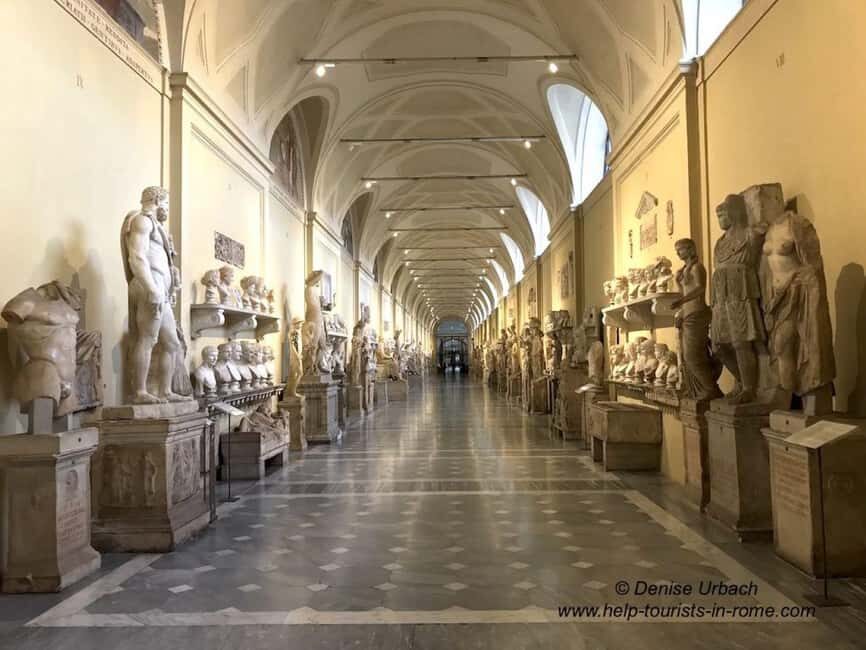
The Gallery of Maps is one of the Renaissance spaces that feels different from the rest of the Vatican Museums. You’re looking at maps, but you’re also seeing how Renaissance thinkers blended scientific precision with artistic presentation.
This corridor works well on a guided tour because the guide can explain what you’re seeing beyond place names—how cartography fits into the bigger Renaissance idea that knowledge could be arranged, displayed, and improved. It’s a reminder that the Renaissance wasn’t just about painting. It was also about measurement, geography, and the urge to understand the world.
In practical terms, it’s also a nice change of pace. You’re not scanning marble faces or dramatic fresco scenes; you’re reading a visual record. Just don’t expect quiet. Even in calm moments, it’s a popular stop because it’s easier to appreciate in a short time window than some deeper museum rooms.
Pio-Clementine Museum and the Laocoön Group: ancient drama in marble
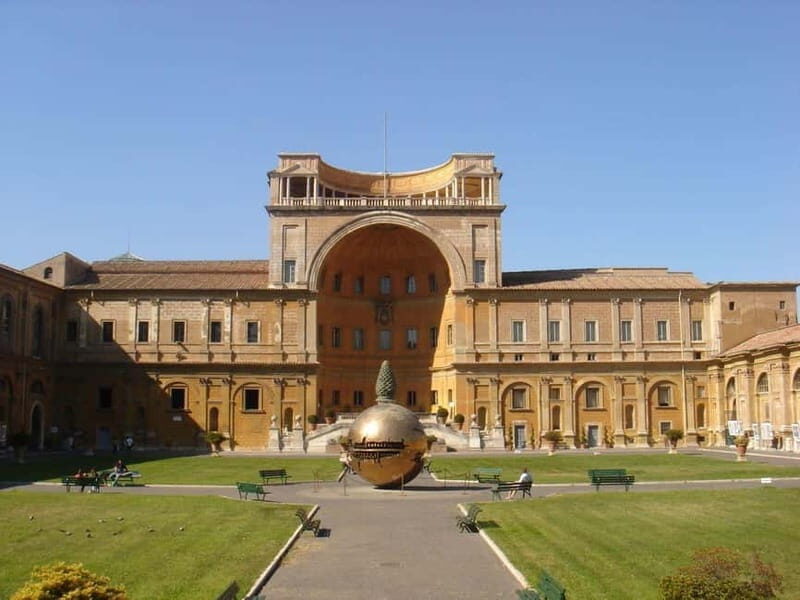
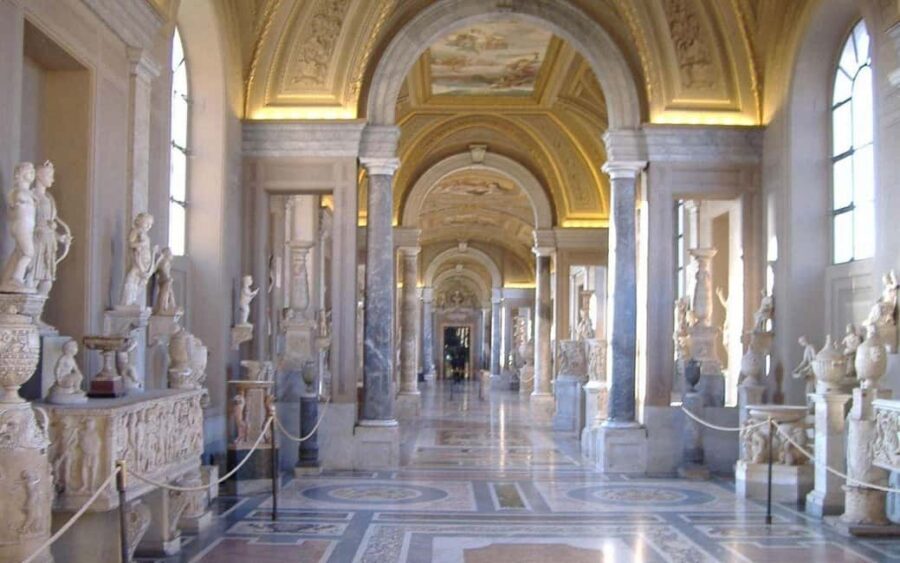
Another major stop is the Pio-Clementine Museum, where you can see famous ancient sculptures like the Laocoön Group. This is where the guide’s story helps you feel what you’re looking at.
The Laocoön Group is known for its drama: bodies twisted, faces strained, and emotion pushed to the surface. Even if you don’t know the myth in advance, the sculpture is designed to communicate tension and agony instantly. On a guided tour, you’re not just observing; you’re given the narrative frame that makes the shapes and expressions feel meaningful instead of abstract.
One small consideration: ancient sculpture can be easier to appreciate when you’re close. In a group setting, your view can depend on where you stand. If you’re tall, you might be fine. If not, be ready to shift your position when the guide points out key details like faces, hands, and the way the composition pulls you through the scene.
You can also read our reviews of more museum experiences in Rome


Sistine Chapel finale: Michelangelo’s ceiling and why the stories matter
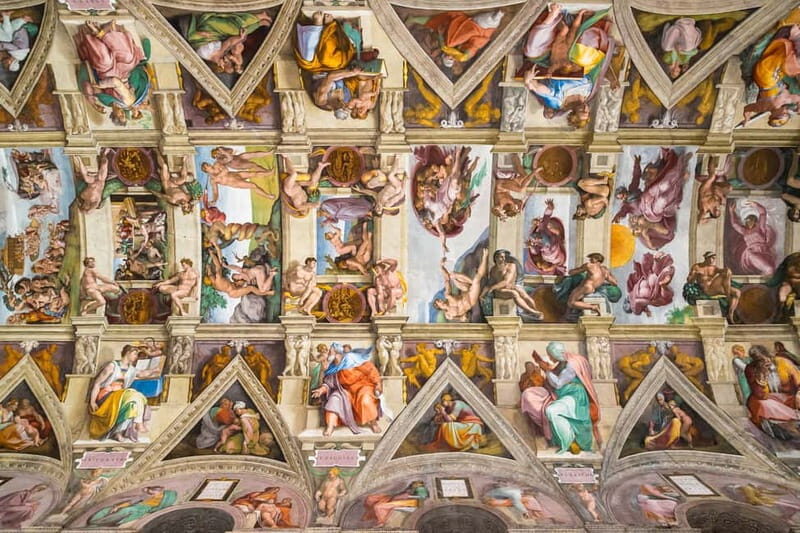
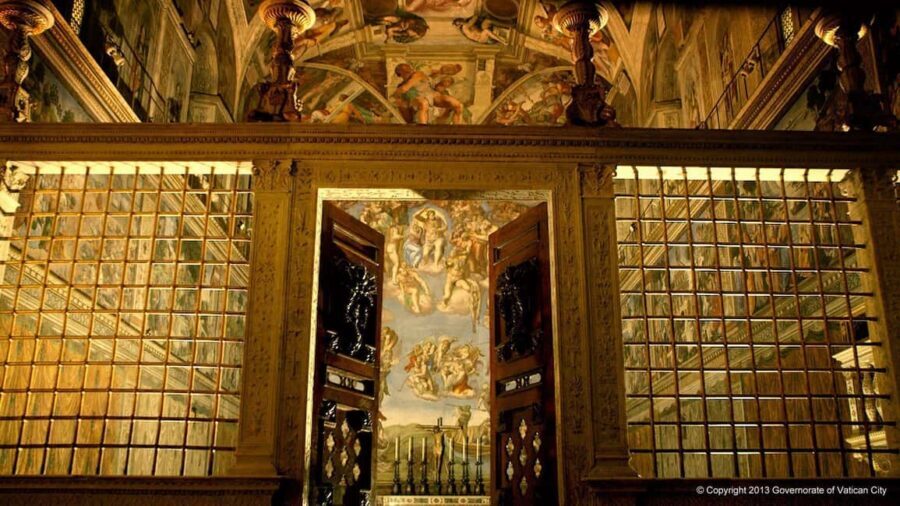
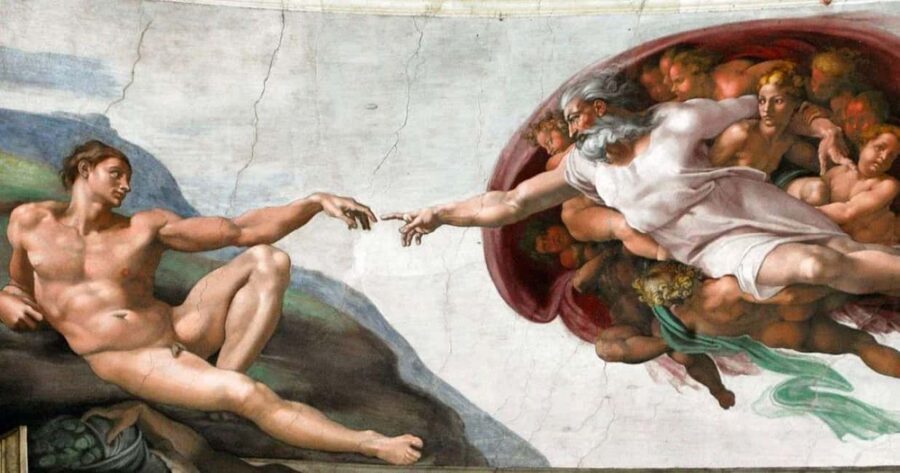
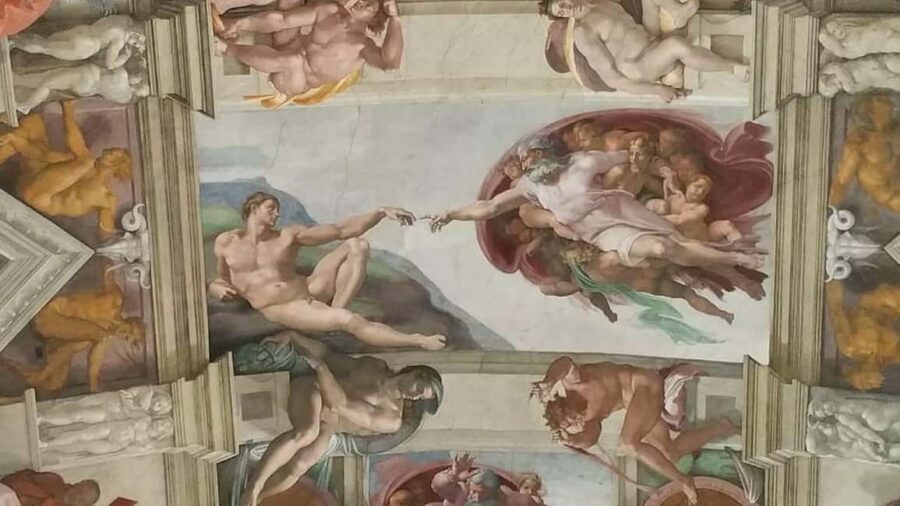
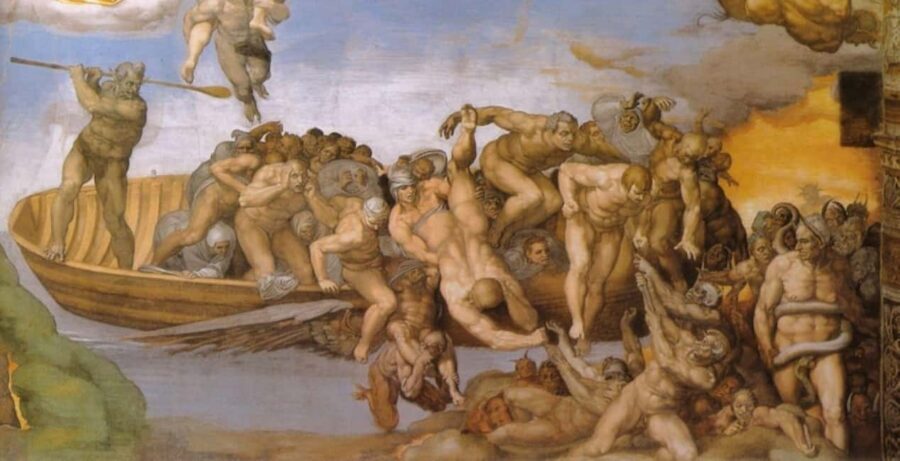
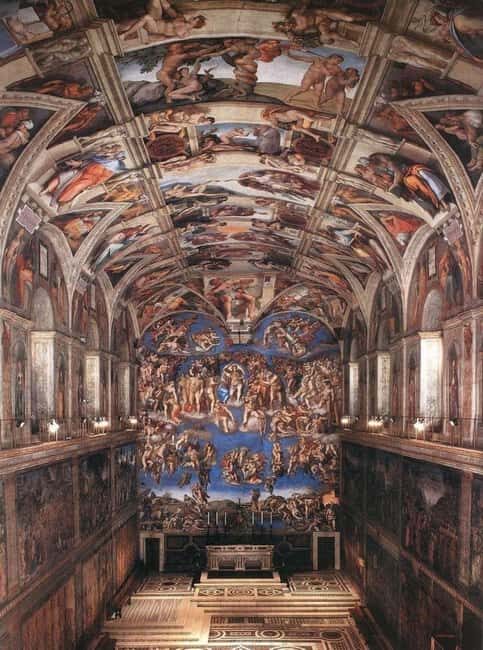
Your tour culminates in the Sistine Chapel, where you’ll see Michelangelo’s ceiling, including The Creation of Adam. This part is the headline, but it can be emotionally tricky if you’re expecting everything to feel like a museum gallery. The Sistine Chapel has a special atmosphere—strict rules, layered reverence, and a lot of expectation hanging in the air.
That’s where a guide earns their time. The guide’s job here is to give you the creation stories and the artistic choices that made Michelangelo’s work feel both human and cosmic. When you understand what you’re looking at, the chapel stops being a checklist item and starts feeling like a structured vision.
Now, here’s the important risk you should take seriously: the Sistine Chapel can close for special events. With the Conclave taking place, the Sistine Chapel is closed starting April 28, while other areas of the Vatican Museums remain open. So if you’re visiting around that window, double-check your date and what your tour will actually include at the end.
Also remember: even on a guided tour, you’re not in a magic bubble. The Vatican has security, timing, and operational changes. So if you’re visiting with a tight schedule, build in buffer time for the day.
Headsets, group size, and what the audio actually changes
The tour includes a headset for groups larger than 10 (and it notes that it excludes children). Even with that, your experience will depend on how the guide manages the crowd and how quickly you move from room to room.
Here’s the practical takeaway: if you’re sensitive to sound, position matters. When the guide is speaking, try not to stay stuck behind someone’s shoulders. Move a step when there’s an opening. Good guides will pause to let people catch up; you still want to make it easy for yourself.
I also saw a recurring theme about guide communication: one guide named Irina was praised for being sweet and well educated, with lots of historical facts. That doesn’t mean every guide will feel the same, but it does suggest that when the guide is clear, this tour hits its target really well.
On the flip side, there’s also the reality that not every group dynamic is perfect. If you know you sometimes struggle with accents or group noise, consider bringing the best version of your listening skills: choose a spot where your head is up and your distance is reasonable.
Price and value for $66.84 per person (what you’re really buying)
At $66.84 per person for a two-hour guided tour, you’re paying for three big things: the guide, the Vatican Museums and Sistine Chapel entry ticket, and the materials (a flyer and map). That combination is often where value lives. You’re not just paying to be led—you’re paying for someone to translate what you’re seeing and help you avoid wasting time guessing.
The value gets even better if you hate museum planning. The Vatican Museums are massive, and a guided route helps you land the biggest works without turning your day into a map-reading exercise under stress.
Could the value feel tight? Yes. Two hours goes fast, and you won’t have endless time for every detail. If your goal is slow photography and long pauses in the Sistine Chapel, this tour might feel like a sprint. But if your goal is the essential highlights with context, it’s a fair deal.
Who this tour fits best (and who should consider something else)
This is a great fit if you:
- want high-impact highlights in a short time
- prefer art history explained rather than just reading labels
- like group energy and having other people to experience awe with
- are okay with security lines and a strong pace
It’s less ideal if you:
- need a very quiet, slow museum experience
- plan to spend extra time shopping or detouring off-route
- are visiting during a period when Sistine Chapel hours may be affected, especially around Conclave closure starting April 28
Should you book this Vatican Museums and Sistine Chapel tour?
If you want a smart, efficient way to see the Vatican’s strongest hits—Raphael Rooms, Gallery of Maps, Pio-Clementine highlights, and Michelangelo’s Sistine Chapel ceiling—this tour is a solid choice. The inclusion of the ticket and the guide’s storytelling is the heart of the value, and it’s the difference between a checklist visit and something that actually sticks.
My booking advice: book it if your dates are firm, your clothing fits the rules, and you’re realistic about security and pace. The only big “pause” is the Sistine Chapel closure risk around the Conclave window—confirm your date details before you lock everything in.
FAQ
Where do I meet the guide?
You meet inside the Ancient Roman Tours office (downstairs) at Via Santamaura, 32. You check in there before heading to the Vatican Museums.
How long is the tour?
The tour runs for about 2 hours. Starting times depend on availability for your chosen slot.
What’s included in the price?
The price includes help at the meeting point, a Vatican Museums and Sistine Chapel entry ticket, a tour guide, and materials like a flyer and map. A headset/audio setup is also included based on group size rules.
Is there a headset or audio guide?
Yes. A headset is included for groups larger than 10 (excluding children). The tour also includes an English audio guide.
What language is the tour guide?
The live tour guide and audio support are in English.
What do I need to bring for entry?
Bring your passport. For children, bring an ID card. The information also notes that a copy is accepted.
What should I wear?
Avoid shorts, short skirts, and sleeveless shirts. The dress code is enforced at the entrance.
How early should I plan to arrive?
You should plan for airport-style security. During peak season, waits can exceed 30 minutes.
Will the Sistine Chapel always be open?
No. The information notes that the Conclave is currently taking place and the Sistine Chapel will be closed starting April 28. Other areas of the Vatican Museums remain open.
Is it refundable if my plans change?
You can cancel up to 24 hours in advance for a full refund.