REVIEW · ROME
Rome: The Four Seasons by Vivaldi
Book on GetYourGuide →Operated by Opera e Lirica srl · Bookable on GetYourGuide
Four Seasons in Rome feels close to the action. This Vivaldi performance mixes Italian Baroque drama with live musicians—first violinist and conductor Elvin Dhimitri, a strings quintet, and harpsichord—so the music’s weather-and-animal scenes land fast. I love the intimacy of the staging and the way the harpsichord adds sparkle to a familiar masterpiece. The main thing to consider: seating is first come, first served, and some venues can run a bit chilly or warm.
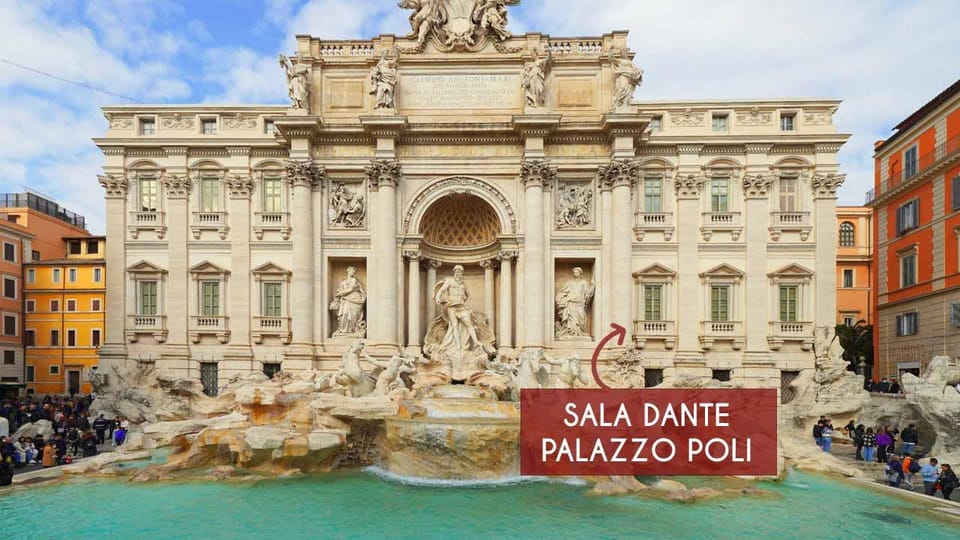
What makes this ticket especially Rome-ish is where it can happen. On some nights you’ll be in a small church with strong acoustics, and on at least one setup you get a jaw-dropping Trevi Fountain overlook from Sala Dante at Palazzo Poli. One possible drawback is that the exact venue for your date matters a lot for comfort and sightlines, so you’ll want to check the confirmed address.
In This Review
- Key highlights you should care about
- Vivaldi in Rome: a Four Seasons concert with real Baroque storytelling
- Ticket value: why a $35 price can make sense here
- Getting there and choosing your seat: first come, first served
- Three Rome venues: church acoustics, Palazzo Poli views, or a pair of Horti Sallustiani concerts
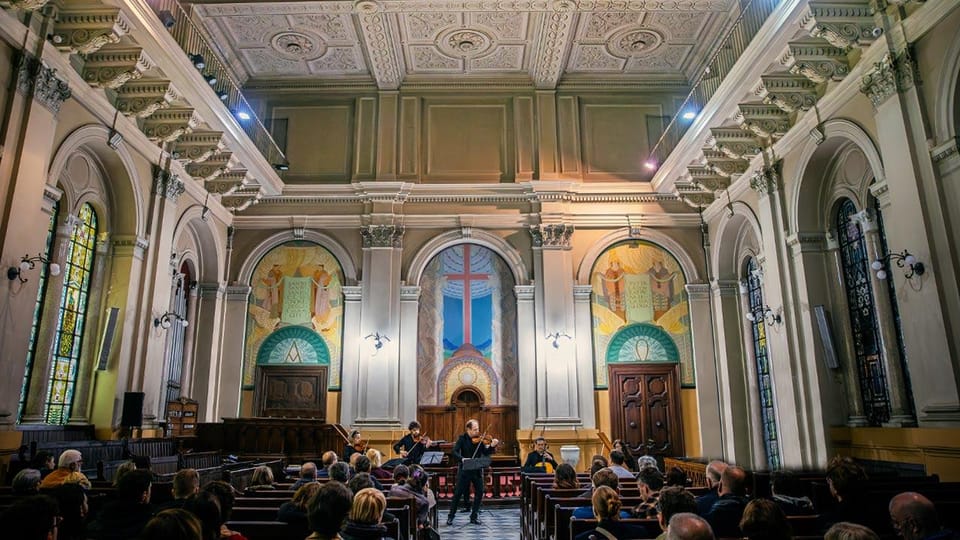
- Chiesa Evangelica Metodista: small church, clear sound
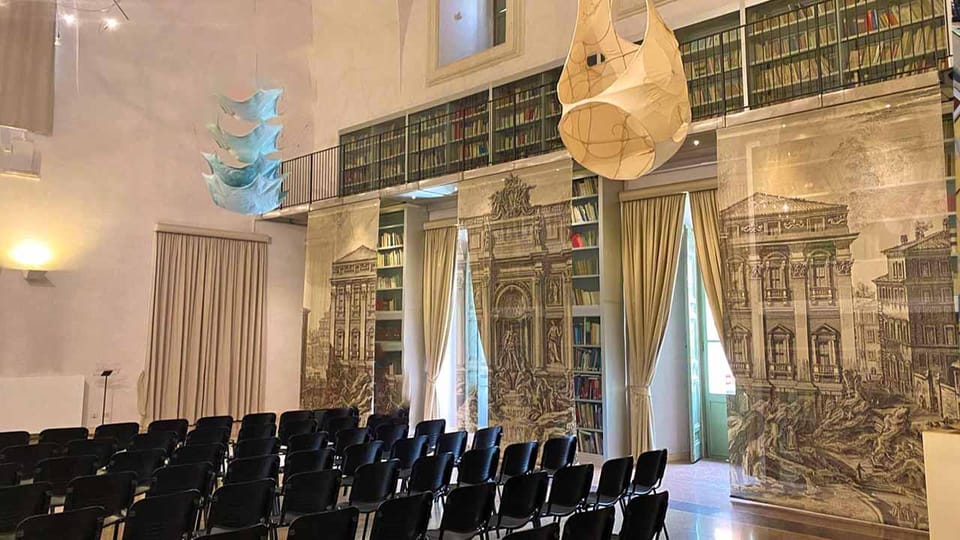
- Sala Dante of Palazzo Poli: the Trevi Fountain overlook
- Horti Sallustiani: garden atmosphere with two show times
- Elvin Dhimitri: the violin soloist who keeps the Four Seasons moving
- The program: the full Four Seasons, with the movement-by-movement moods
- Spring (Concerto No. 1 in E Major, RV 269)
- Summer (Concerto No. 2 in G minor, RV 315)
- Autumn (Concerto No. 3 in F Major, RV 293)
- Winter (Concerto No. 4 in F minor, RV 297)
- Why Baroque music feels so physical in a live church or hall
- Comfort and logistics: what to do so the evening stays enjoyable
- Who this suits best (and who might want a different plan)
- Should you book Rome: The Four Seasons by Vivaldi?
- FAQ
- How long is Rome: The Four Seasons by Vivaldi?
- What does it cost?
- Where is the meeting point?
- Where can the concert take place?
- Are seats numbered?
- Who is performing as the violin soloist?
- Is the concert wheelchair accessible?
- What music is included?
Key highlights you should care about
- Elvin Dhimitri leads on violin and directs the flow, keeping Vivaldi’s punchy rhythms tight.
- Harpsichord included, not just as decoration, but as part of the sound world of Italian Baroque.
- Central Rome locations, including a rare concert spot with a view toward the Trevi Fountain.
- Two show times on some dates at Horti Sallustiani (7:00 pm and 9:00 pm).
- Unnumbered seating, so arriving early helps your view and comfort.
Vivaldi in Rome: a Four Seasons concert with real Baroque storytelling
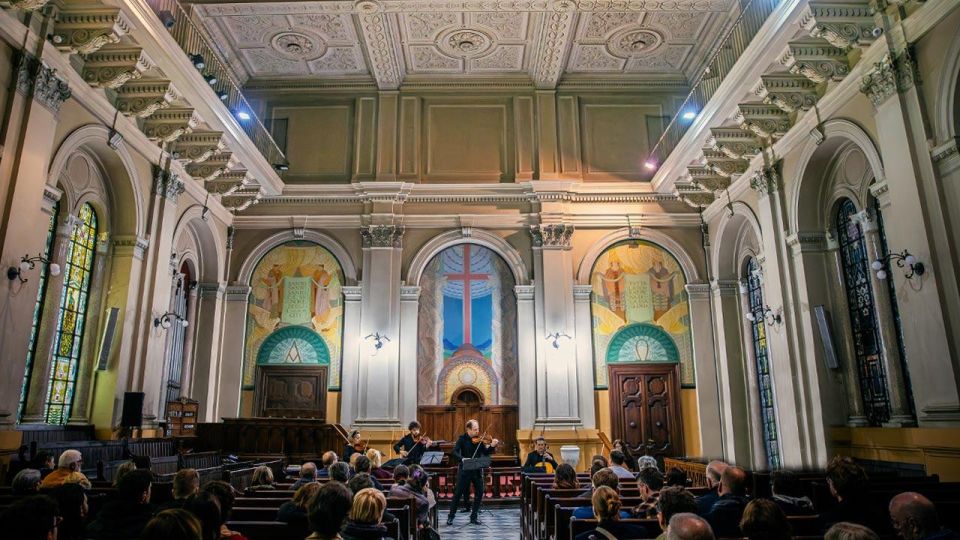
If you like music that feels like it’s painting a scene, this one hits the mark. Vivaldi’s Four Seasons isn’t “background classical.” It’s a full set of musical weather reports—birds, storms, hunts, and winter biting down—played with enough energy that even a first-time classical listener usually gets it.
This performance brings together violin soloist Elvin Dhimitri, strings, and a harpsichord. That mix matters. The violin carries the “main character” ideas, the strings wrap the sound with motion, and the harpsichord helps underline the period texture so the piece sounds like it belongs to the Baroque era—not like a modern version of Baroque.
The duration is about 80 minutes, which is long enough to feel like a complete evening, but short enough that you won’t feel trapped if you’re touring Rome all day.
You can also read our reviews of more tours and experiences in Rome.



Ticket value: why a $35 price can make sense here
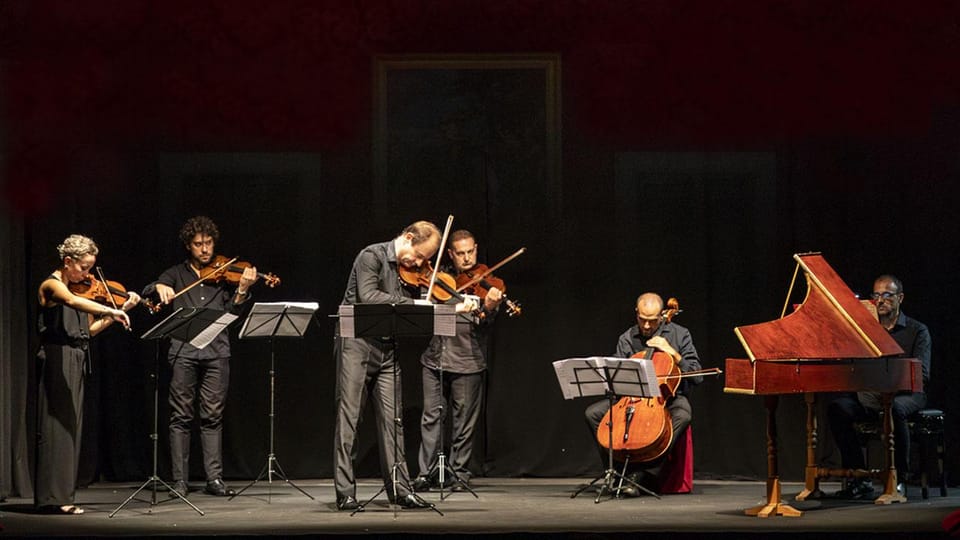
At $35 per person for roughly 80 minutes, the value comes from three things: scale, setting, and casting. You’re not paying for a huge hall experience with distant performers. You’re getting a focused program with an identifiable soloist and period-minded instruments.
Also, Rome is full of “icon view” moments, but a concert gives you something that sightseeing can’t: a live score happening inside the city’s architecture. When the program includes a setup with a Trevi Fountain overlook (from Sala Dante at Palazzo Poli), that’s not just convenience. It’s a distinctive way to see Rome while you listen.
Do the math in practical terms: you’re spending the time (about 1 hour-plus), the money (mid-budget), and getting a real performance by a professional ensemble—Opera e Lirica—in central locations.
Getting there and choosing your seat: first come, first served
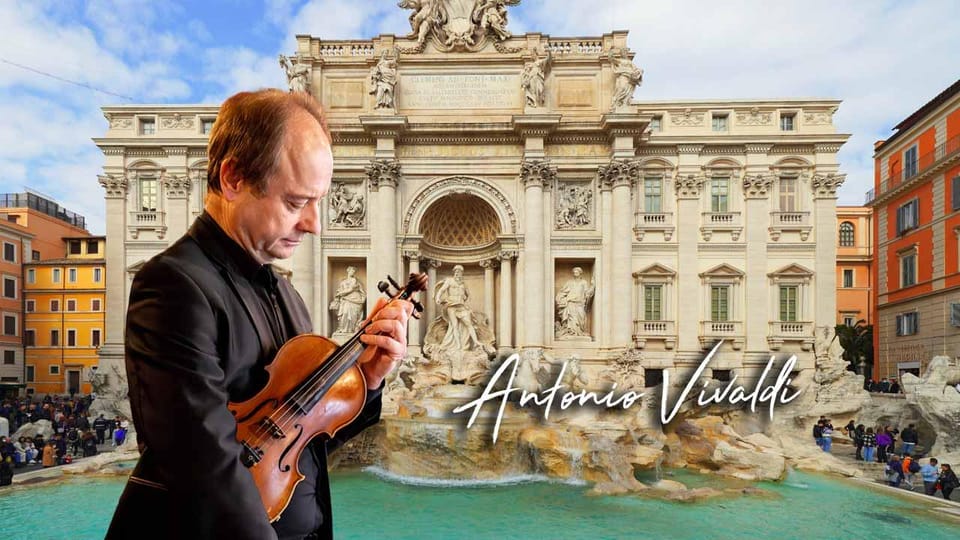
Your meeting point is listed as Chiesa Evangelica Metodista, Via XX Settembre 122c, Rome. From there, you’ll follow the day’s instructions for where the performance takes place, since this experience can be staged in multiple locations depending on the date.
Here’s the practical catch: seats are not numbered. That means the earlier you arrive, the better your chances for a comfortable spot and a clearer sightline. If you care about seeing the violin soloist closely, treat arrival timing as part of the experience.
Lighting and temperature can also affect your comfort more than you’d expect in a small venue. Some people found the lighting not super gentle; others noted it can get warm or even stuffy. A few also said it can feel chilly, so plan for “temperature swings,” not just one stable climate.
Three Rome venues: church acoustics, Palazzo Poli views, or a pair of Horti Sallustiani concerts
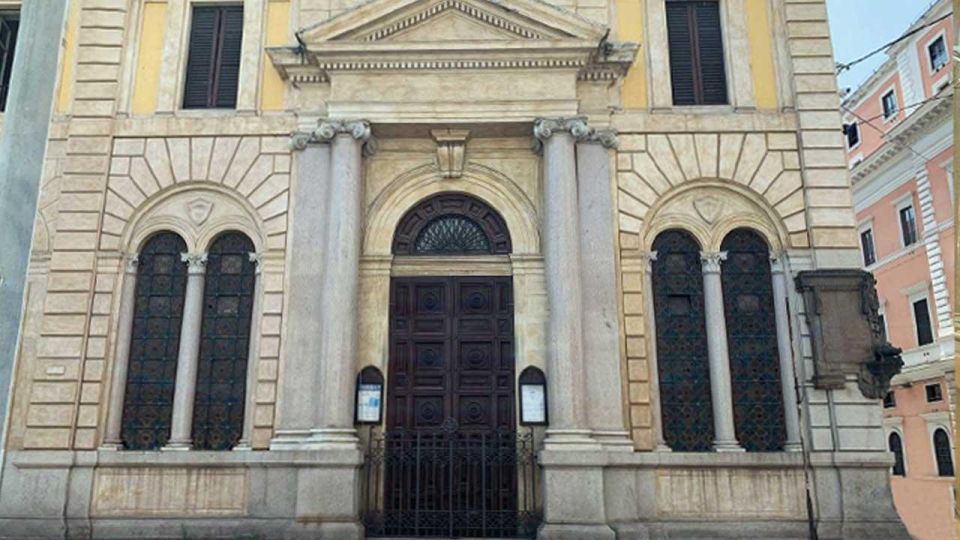
This ticket lists three possible performance locations. Your date will determine which one you attend, so it pays to confirm the specific address and entrance details tied to your booking.
Chiesa Evangelica Metodista: small church, clear sound
This is the most straightforward match for classical-concert expectations: a small church setting where the sound can feel immediate. If you like crisp string articulation and a violin line that cuts through, this is typically where that works well.
One thing to plan for: church comfort. Some seating areas can run hot, and a few people reported the room feeling stuffy. If you’re sensitive to that, arrive a little earlier, choose a spot that lets you breathe, and bring something lightweight just in case.



Sala Dante of Palazzo Poli: the Trevi Fountain overlook
If you’re curious about the “only in Rome” factor, pay attention to this option. From Sala Dante of Palazzo Poli (Via Poli 54), you can look out and effectively be positioned above the Trevi Fountain area.
That means the experience becomes two-layered: the music is happening inside, and Rome’s most famous fountain becomes part of the emotional setting. Even if you’re not a Trevi super-fan, it’s a memorable shift from “sit and listen” to “listen and look.”
Horti Sallustiani: garden atmosphere with two show times
On certain dates, the concert happens at Horti Sallustiani, Piazza Sallustio 21, and there are two performances: 7:00 pm and 9:00 pm.
If you tend to prefer open-air or garden-style atmospheres, this could be your pick. In general, outdoor or semi-outdoor venues can feel different in sound—sometimes more airy, sometimes more variable—so it’s smart to dress accordingly. This is especially true if you’re choosing between the earlier and later time slot.
Elvin Dhimitri: the violin soloist who keeps the Four Seasons moving
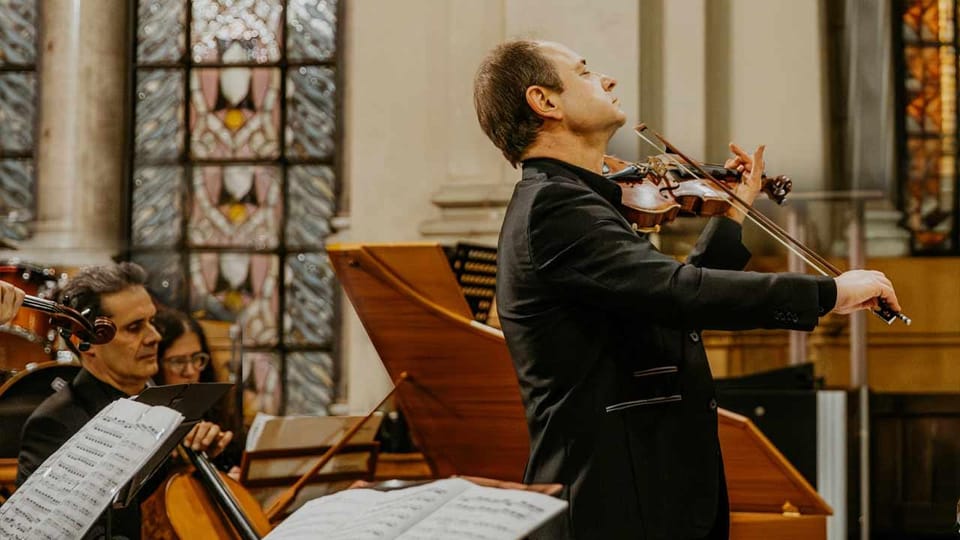
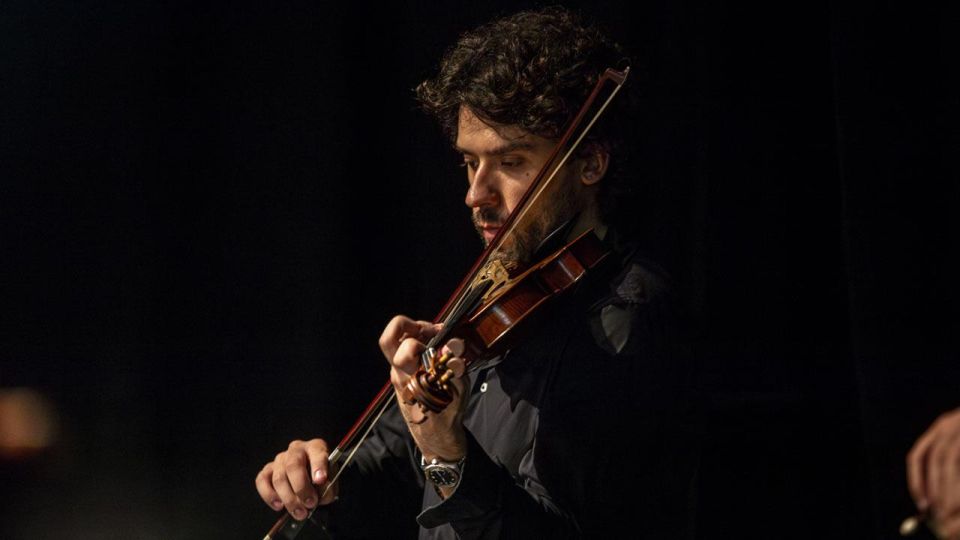
Elvin Dhimitri isn’t just a guest violinist. The program identifies him as the first violin of Opera and Lirica, and he’s also known for major orchestral roles in Italy and beyond.
The background shared here is impressive in a practical way:
- He was appointed Concertmaster of the Bilkent Youth International Symphony Orchestra in 1992.
- He became First Violin in the Rome Philharmonic Orchestra.
- Since 1997, he has been a member of the Rome and Lazio Symphony Orchestra.
Why you should care: Four Seasons is rhythm-driven. Vivaldi’s music depends on momentum—quick changes, sharp contrasts, and that sense that the seasons are “happening now.” When the lead performer is also conducting the energy, the whole arc of Spring-to-Winter feels more intentional and less like separate tracks.
The program: the full Four Seasons, with the movement-by-movement moods
This performance follows Vivaldi’s Four Seasons concerto set, presented in four parts, with the movements listed on the program. Here’s what to listen for, in plain language.
Spring (Concerto No. 1 in E Major, RV 269)
You’ll hear the sequence Allegro / Largo / Allegro, including a Pastorale dance feeling. Spring is the “bright start” section. Expect lighter motion and birdlike detail that Vivaldi famously puts into the violin line.
Summer (Concerto No. 2 in G minor, RV 315)
Summer brings the temperature shift. The music moves through Allegro non molto – Allegro, then Adagio, then a faster section (Presto) paired with more alternating gestures. This is where the storm atmosphere comes through most clearly in the strings’ urgency and the soloist’s intensity.
Autumn (Concerto No. 3 in F Major, RV 293)
Autumn is often described as rustic and driven. Your program highlights a peasant dance and song energy, then a slower Adagio molto that paints a heavier mood. The ending returns to motion with the hunt element.
Winter (Concerto No. 4 in F minor, RV 297)
Winter is the dramatic closer. You’ll hear Allegro non molto / Largo / Allegro, and the effect is icy and insistent—teeth-chattering style moments and downpours of sound. The harmonic contrasts are part of the story-telling here, not just “musical complexity.”
The big take-away: even if you don’t read sheet music, the movements are built to feel like scenes. You’ll recognize the shift when it happens.
Why Baroque music feels so physical in a live church or hall
Baroque composers treated nature like theater. In this sound world, the relationship between people, the natural world, and the wider universe was often dramatic. And Vivaldi’s Four Seasons became a symbol of that era’s fascination with nature’s changes.
Musically, what makes it work is the contrast:
- Rhythm gets more forceful when storms and hunts hit.
- Harmonic contrast increases, so the emotional switch from one season to the next feels obvious.
- The violin phrasing often sounds like it’s “describing” rather than just “singing.”
In a small room, those details land harder. That’s why the same piece can feel “more like a story” when you’re close enough to hear the texture of bow strokes and harpsichord articulation.
Comfort and logistics: what to do so the evening stays enjoyable
A short concert is only fun if your body agrees with the plan. Here are the practical points that matter for this specific experience.
- Arrive early for better seating. With unnumbered chairs, you’re competing for position.
- Dress for temperature swings. Some people said the venue was chilly. Others said it could get hot, even in the evening. Bring a layer you won’t regret.
- If you run warm, consider your setup. A few comments suggested bringing help for heat in church interiors, and one mentioned feeling stuffy later on. Plan like you’ll be sitting for about 80 minutes.
- Don’t assume the exact venue is the one you picture. The concert can be staged in different Rome locations. Follow your confirmation details and use the meeting point address as your baseline for check-in.
Who this suits best (and who might want a different plan)
This experience is ideal if you want classical music in a format that doesn’t feel academic. The four-part structure makes it easy to follow, even if you don’t know the piece beforehand.
You’ll probably enjoy it if you:
- Love Vivaldi or want a best-of entry point.
- Want a shorter concert that fits into a Rome evening.
- Like the idea of hearing a professional soloist with chamber-level focus.
It may be less ideal if you’re very sensitive to:
- Room temperature changes (hot or cold reports exist).
- Sightline frustration (unassigned seating means you might not get the exact angle you want).
- Variability between venue types (church vs. Palazzo room vs. garden-style setting).
Should you book Rome: The Four Seasons by Vivaldi?
If you want a memorable Rome evening where music and place both matter, I think this is a strong choice. For $35, you get a full Four Seasons program in about 80 minutes, led by Elvin Dhimitri, with the important added texture of a harpsichord and the chance of a truly special setting—especially if your date includes the Sala Dante Trevi overlook.
Book it if you’re up for a no-fuss concert night: show up, claim a good seat early, dress for comfort, and let Vivaldi do what he does best—make the weather audible.
Skip it only if you need assigned seating, perfect sightlines guaranteed, or very stable indoor comfort. Otherwise, this is one of those Rome plans that feels different from another museum stop.
FAQ
How long is Rome: The Four Seasons by Vivaldi?
The concert duration is listed as 80 minutes.
What does it cost?
The price is listed as $35 per person.
Where is the meeting point?
The meeting point is Chiesa Evangelica Metodista, Via XX Settembre 122c, Rome.
Where can the concert take place?
It may take place at Chiesa Evangelica Metodista (Via XX Settembre 122c), Sala Dante of Palazzo Poli (Via Poli 54), or Horti Sallustiani (Piazza Sallustio 21).
Are seats numbered?
No. Seats are not numbered, and seating is first come, first served.
Who is performing as the violin soloist?
The violin soloist is listed as Elvin Dhimitri.
Is the concert wheelchair accessible?
Yes. The activity is listed as wheelchair accessible.
What music is included?
It includes Vivaldi’s The Four Seasons, performed as four concertos: Spring, Summer, Autumn, and Winter.