REVIEW · ROME
Rome: Roman Forum, Palatine, and Circus Maximus Tour
Book on GetYourGuide →Operated by Touriks · Bookable on GetYourGuide
That stretch of ancient stone never gets old. This Roman Forum and Palatine tour gives you a guided route through the power center of Rome, starting near the Colosseum and finishing with time to linger on your own. You’ll move from monumental arches to everyday city life, then climb to Palatine Hill for views that make Circus Maximus make sense in your mind.
I love that you get a live guide plus headsets, so even when the crowds press in, you can still hear the story clearly. I also love that the tour builds a clear timeline, from Rome’s early legends to imperial politics—without turning the experience into a lecture you’d tune out.
One thing to plan for: there’s moderate walking and you’ll face strict security checks at the monuments. If you hate queues or have limited mobility, this may feel like a lot.
In This Review
- Key highlights worth planning for
- Where the tour starts at Colosseo Metro
- Arch of Constantine: the instant scale check
- Roman Forum: politics, religion, and street-level Rome
- The Vestal Virgins and the Temple of Vesta
- Basilica Julia and how Roman punishment shaped later faith
- Senate House and the Republic’s dramatic end
- Temples and arches that tell you what Romans celebrated
- Drawback to keep in mind
- Palatine Hill: legend of Romulus and Remus, plus elite Rome
- The legendary foundation site
- From legend to exclusive neighborhood
- Gardens, temples, and the “where did they live” feeling
- The view over Colosseum and Circus Maximus
- A small comfort tip
- Optional 30-minute Circus Maximus extension from Palatine
- Timing, walking pace, and how to survive Roman heat
- Price and value: what you’re actually paying for
- The guide experience: why headsets and storytelling matter
- Who should book this tour
- Should you book this Rome Roman Forum, Palatine, and Circus Maximus tour?
- FAQ
- How long is the Roman Forum, Palatine, and Circus Maximus tour?
- Where do I meet the guide?
- Is the Colosseum included in this tour?
- Does this tour include Circus Maximus?
- What’s included in the price?
- What languages are available for the guide?
- What should I bring, and what’s not allowed?
- Is the tour suitable for wheelchair users?
Key highlights worth planning for
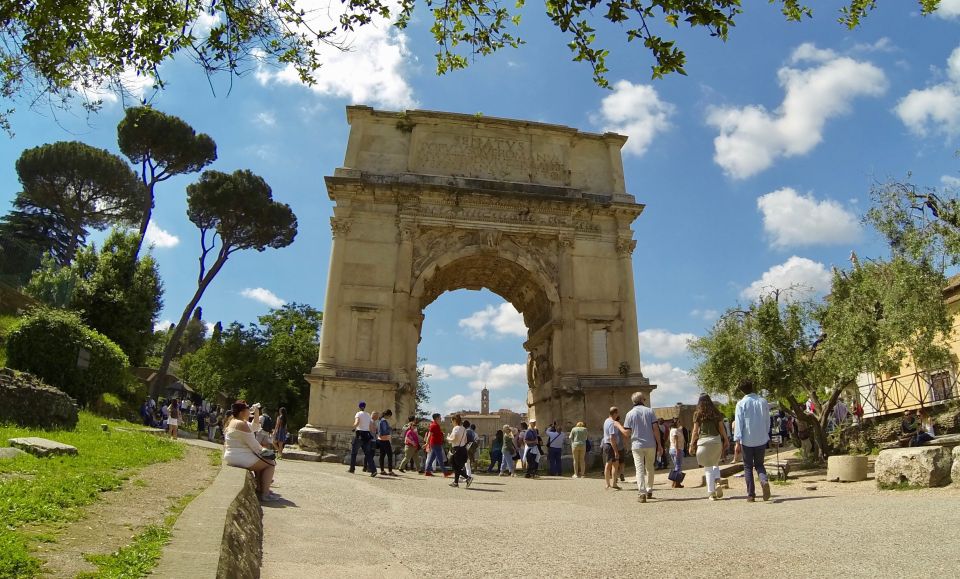
- Arch of Constantine first, so the big scale of Rome hits you right away.
- Roman Forum at walking pace with guide-led explanations that connect temples, politics, and daily life.
- Palatine Hill views over the Colosseum and straight toward Circus Maximus.
- Vestal Virgins and the Temple of Vesta: sacred space explained in plain terms.
- Optional 30-minute Circus Maximus extension from the Palatine terrace.
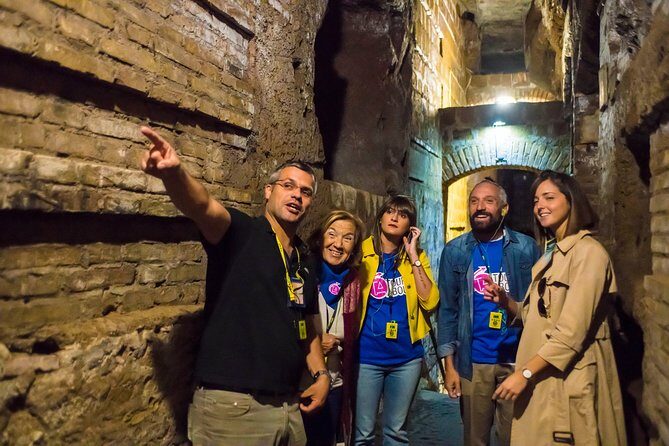
- Headsets + small groups that make questions easy and the experience feel more personal.
Where the tour starts at Colosseo Metro
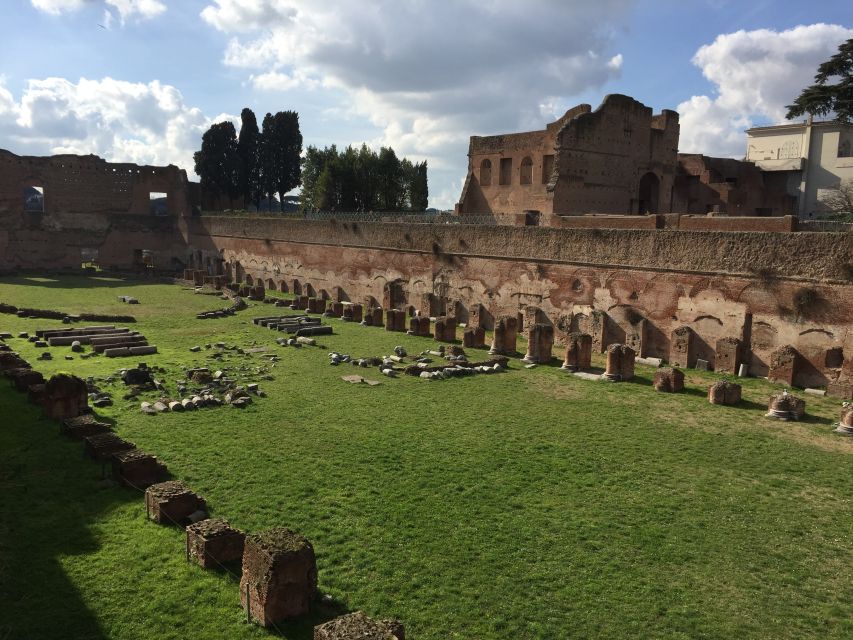
This tour begins at Colosseo, but don’t worry—you’re not stuck hunting in the open-air chaos with everyone else. Meet at the green kiosk on the right as you exit the Colosseo metro station. Look for a Touriks staff member holding a yellow label that says Touriks.
Give yourself extra time. The instructions say arrive 15 minutes early, and another note advises arriving 10 minutes before the start. My advice: aim for 15. Late arrivals can’t always be rescheduled, and security lines are strict.
Also note the practical detail: there’s an upper exit at the metro station, but you should find the guides downstairs.
You can also read our reviews of more tours and experiences in Rome.



Arch of Constantine: the instant scale check
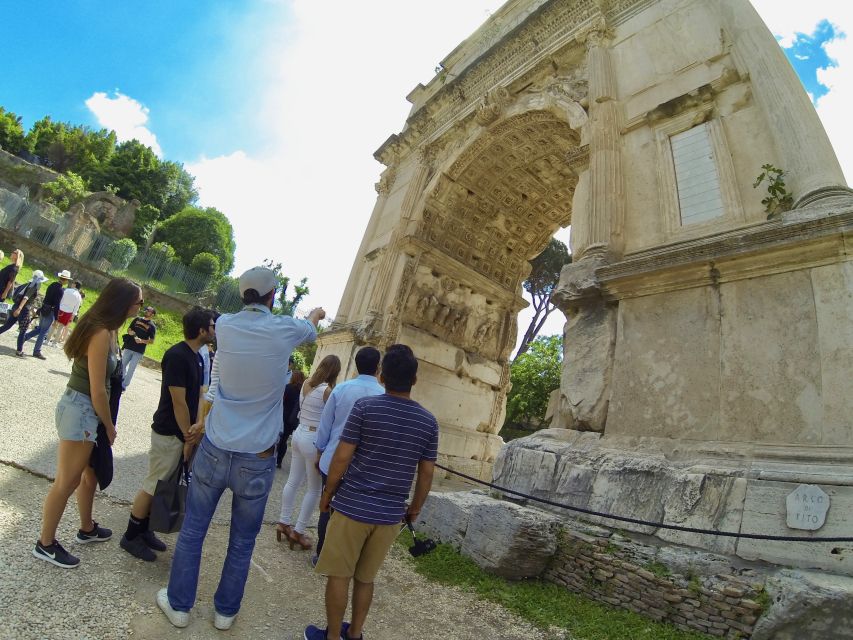
Your first stop is the Arch of Constantine. It’s one of those structures that makes you understand why Romans liked power symbols: it’s big, it’s meant to be seen, and it frames the story that comes next.
A guided visit here is useful because it sets the tone for the rest of the walk. You’ll learn how this arch fits into the broader Roman habit of using monuments to communicate legitimacy and victory. From there, you shift from “wow, it’s huge” to “okay, this is how Rome told its own story.”
Time is tight at the beginning—about 10 minutes—so if you want photos, do a quick sweep first, then let the guide’s explanation do the heavy lifting.
Roman Forum: politics, religion, and street-level Rome
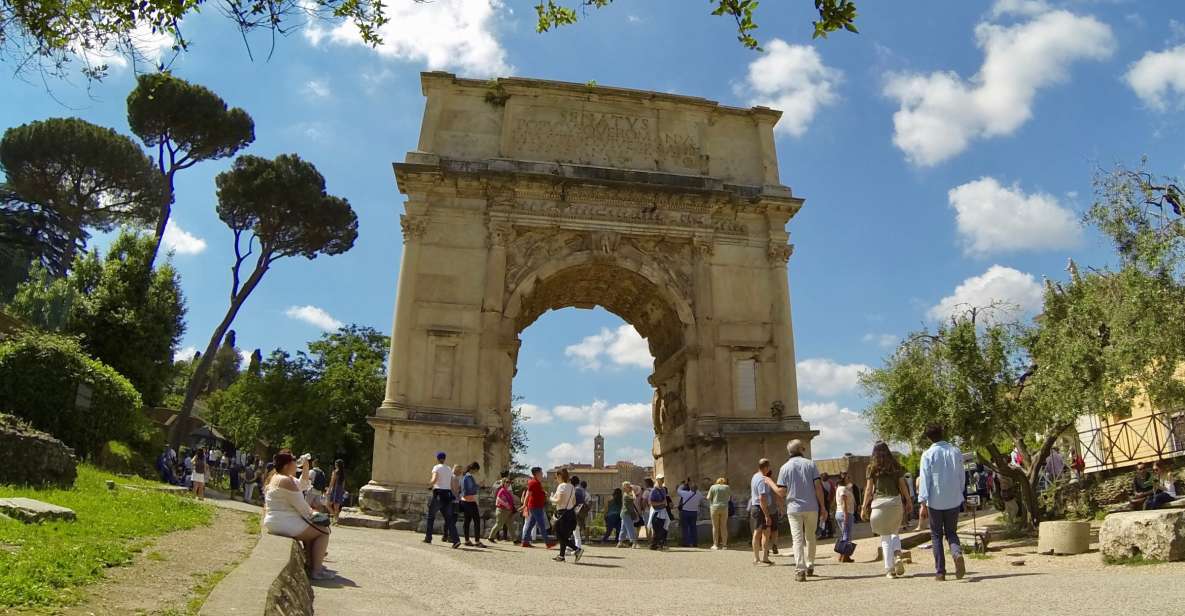
The heart of this experience is the Roman Forum, with a 50-minute guided walk through some of the most important ruins in Rome. This is where you stop thinking of the Forum as a collection of stones and start seeing it as the center of Roman decisions, rituals, and power.
Here’s what makes the Forum section hit so well:
The Vestal Virgins and the Temple of Vesta
You’ll hear about the Vestal Virgins and see their gardens, plus the pagan Temple of Vesta they served. Even if you know the names from a book, a walk-through explanation makes it concrete: you begin to understand why this wasn’t just a religious site—it was bound up with Roman identity and stability.
Basilica Julia and how Roman punishment shaped later faith
You’ll also visit the area linked with Basilica Julia and learn how the Roman penal system affected Christianity. It’s the kind of connection you’d never pull together on your own, because it depends on both the physical space and the historical timeline.



Senate House and the Republic’s dramatic end
Expect a guided look at the Senate House, where senators met to decide the fate of the Republic. Then the story sharpens: you’ll be walked through how that political system climaxed with the murder and cremation of Julius Caesar.
This is a good place to ask questions. The small-group format helps, and the headsets make it easier to stay oriented while you look around. If you come in curious, you’ll leave with the Forum feeling like a real machine of government.
Temples and arches that tell you what Romans celebrated
You’ll see key stops including the Temple of Castor and Pollux and the Arch of Titus, connected to the sacking of Jerusalem. These monuments help you notice patterns: Rome didn’t just build for use—it built for messaging, for memory, and for political control.
Drawback to keep in mind
The Forum is big and uneven. Even with a guided pace, you’re doing a lot of walking on ancient surfaces. If your legs get sore fast, wear shoes you trust. And bring water—one helpful review notes there are small water jets you can use to fill a bottle.
Palatine Hill: legend of Romulus and Remus, plus elite Rome
After the Forum, you climb to Palatine Hill, with 40 minutes of guided time. This is where the tour gives you two things at once: the origin story of the city and the view that makes ancient Rome feel close enough to touch.
The legendary foundation site
You’ll visit the hill where the legend of Romulus and Remus helped establish Rome. The point here isn’t just the myth—it’s why people anchored their identity to specific places. Palatine becomes more than a viewpoint; it becomes a claim about where Rome began.
From legend to exclusive neighborhood
Palatine later became one of the most exclusive areas of Ancient Rome. Your guide ties that prestige to what you’re seeing around you, so it doesn’t feel like a random label. You’ll get a sense of how class and power worked in the city’s geography.
Gardens, temples, and the “where did they live” feeling
You’ll also get context on the ruins that feel less like public monuments and more like daily space—temple areas and garden remnants that suggest a different rhythm of life than the Forum’s politics.
The view over Colosseum and Circus Maximus
This is one of the biggest practical payoffs. From Palatine you get views over the Colosseum and toward Circus Maximus. Even if you haven’t added the optional Circus extension, the sight helps you understand why the location mattered for spectacle and power.
If you’re someone who likes “see it, then understand it,” Palatine is your moment.
A small comfort tip
Toilets can be hard to find in ancient areas, so it’s good to know there are options. One review specifically mentions toilets at the top of Palatine Hill and also in a nearby museum church. If you’re the type who plans ahead, use that knowledge.
Optional 30-minute Circus Maximus extension from Palatine
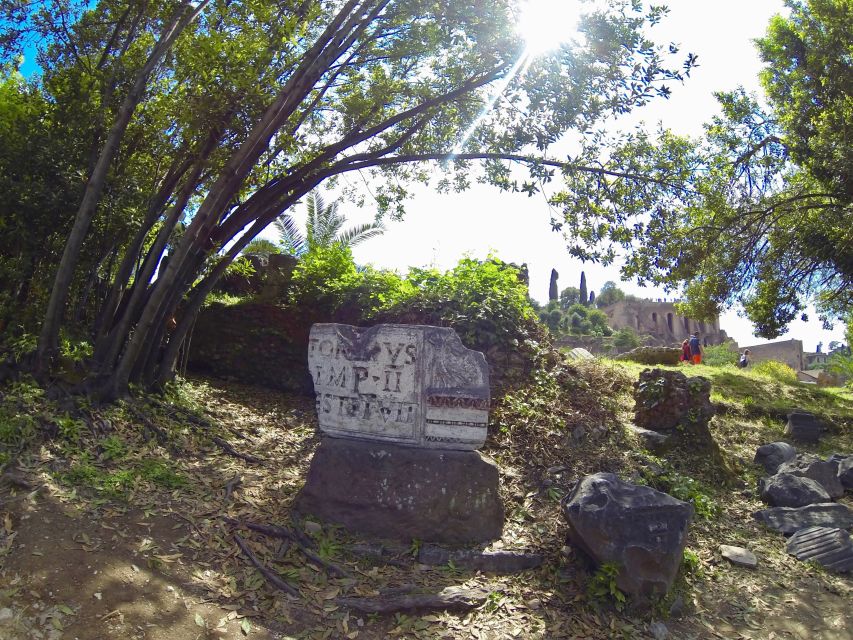
This tour’s base version focuses on Roman Forum + Palatine Hill. But you can add an extra 30-minute Circus Maximus experience during booking.
If you do, the bonus is how the guide uses the Palatine terrace view to make Circus Maximus click. Without this, Circus Maximus can look like a long open space. With the extension, you’re set up to understand it as a major showplace for Roman spectacle—and a piece of the city’s power culture.
One more reason it’s a smart add-on: the extension feels natural. You’ve already been on Palatine, you’ve already seen the surrounding sightlines, and then you get to connect that view to the site’s purpose.
Timing, walking pace, and how to survive Roman heat
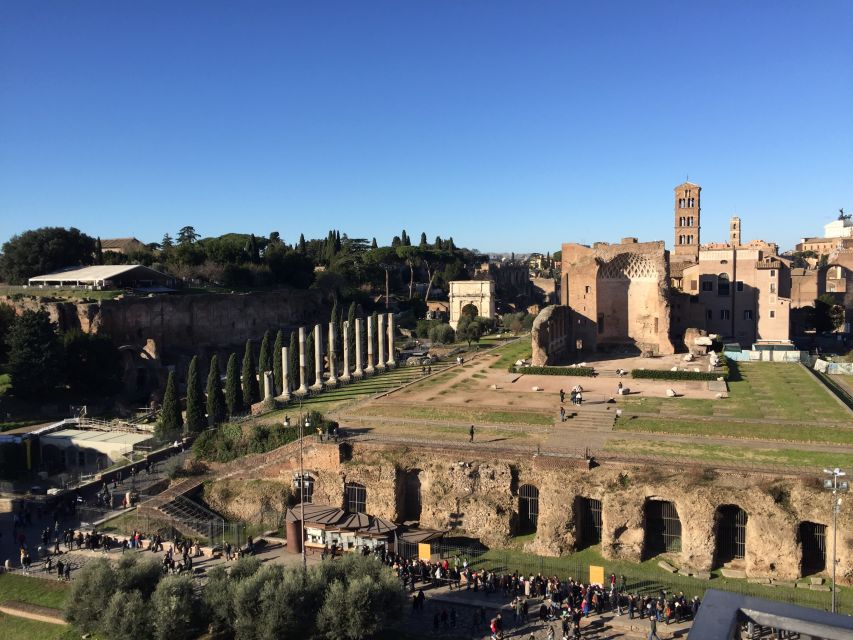
This tour runs about 100 minutes and includes entrances to the Roman Forum and Palatine Hill. You start at the Colosseo area, tour the key monuments, and then you’re back at the meeting point when the official time is done.
A few practical points that make a difference:
- You’ll do moderate walking. Plan your day so you’re not rushed right after.
- Security checks are strict and not skippable. Build time for lines.
- Your day will go smoother if you carry an official ID (passport or ID card). The instructions explicitly say you may not be allowed through security without it.
- Bring comfortable shoes. Ancient surfaces punish bad footwear.
- Food and drinks aren’t included. You’ll want a plan for water (and possibly a snack), especially if you arrive late in the day.
You’ll also have some flexibility at the end: after your official guide time ends, you can stay in the Roman Forums as long as you wish. That’s a nice gift if you want to revisit a spot your brain latched onto.
Price and value: what you’re actually paying for
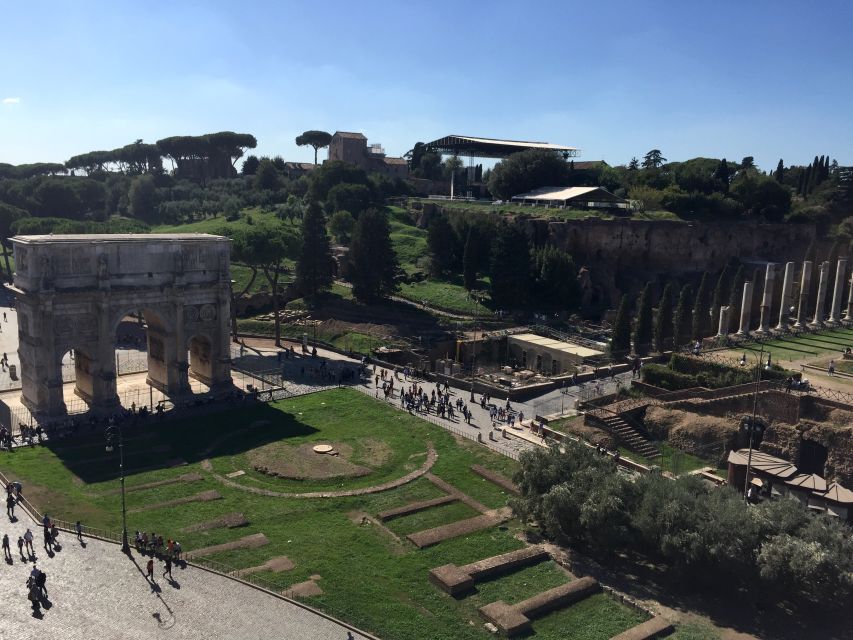
At $78.17 per person for roughly 100 minutes, the value comes from the parts that tend to cost time and money on your own.
You get:
- Entrance fees to the Roman Forum and Palatine Hill
- A live professional guide
- Headsets (big deal in loud ruins)
- On-site assistance
- Skip-the-ticket line benefits for the guided sites
What you don’t get:
- Colosseum entrance (this is a common point of confusion since you start near Colosseo)
- Hotel pickup/drop-off
- Food and drinks
To me, this price makes sense if you want the Forum and Palatine to feel like a story instead of a self-guided scavenger hunt. If you already know Roman history deeply and plan to spend hours roaming, you might feel like you could do it alone. But if you’re trying to get the main connections in a short, efficient stretch, the guide + headsets combo is exactly the right kind of convenience.
The guide experience: why headsets and storytelling matter
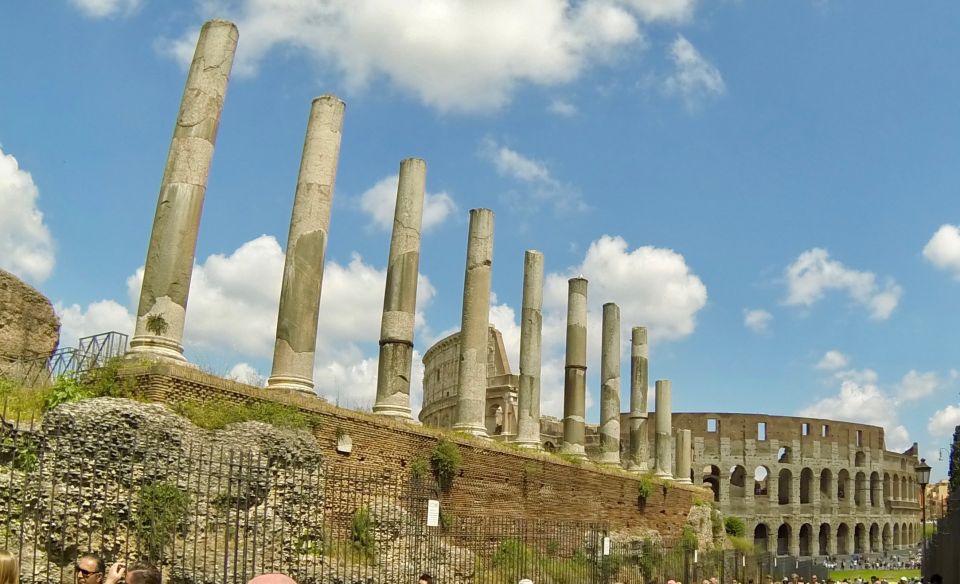
The tour is designed so the guide can keep you oriented while you walk. Headsets help a lot, especially in places where sound bounces and crowds squeeze in.
You may see different guides depending on your date. Names that show up in past experiences include Francesca, Giovanni, Helena, Ting, and Tom. If your guide has a more professor-like teaching style, you’ll likely get more details and stronger storytelling. One example that stands out: Giovanni is described as speaking clearly through headsets and answering questions thoroughly. Another: Francesca is praised for being engaging and infectious about Roman history.
The practical takeaway: this is not the kind of tour where you drift off. The headset system keeps the narrative close to what you’re looking at.
Who should book this tour
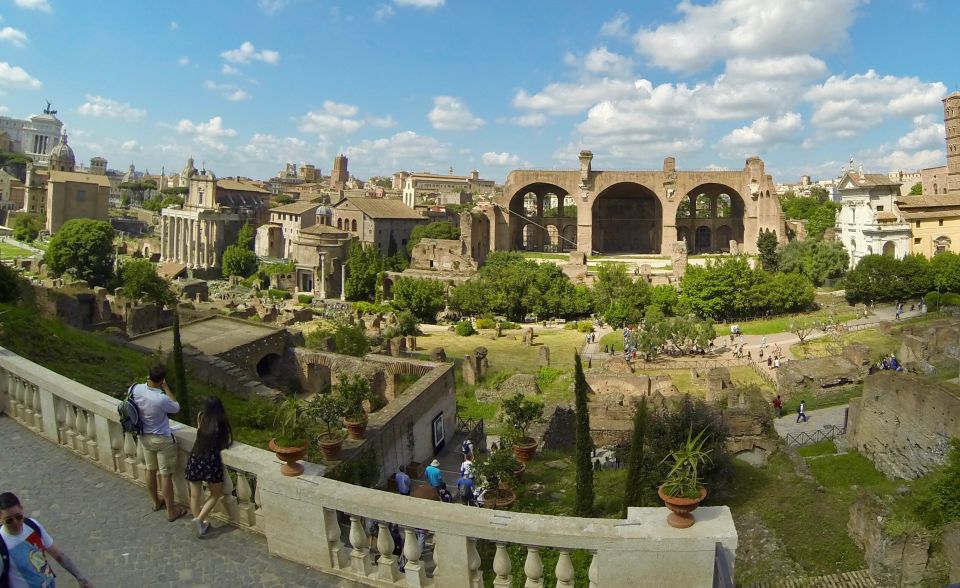
This works especially well if:
- You want a guided path through Roman Forum + Palatine Hill without losing your way.
- You like history that connects monuments to real political events (Republic to Caesar, religious sites to Christianity-era change).
- You’re traveling with someone who appreciates explanations, not just photos.
- You want small-group movement (the format allows private or small groups).
It’s not for you if:
- You need wheelchair access. The tour notes it’s not suitable for wheelchair users.
- You hate walking on uneven stone.
- You’re hoping to skip security entirely. You can’t.
Should you book this Rome Roman Forum, Palatine, and Circus Maximus tour?
Yes—if your goal is to understand what you’re seeing in the Roman Forum and Palatine area. This is one of those tours where the structure really helps: big entry point at the Arch of Constantine, a guided backbone through the Forum’s politics and sacred spaces, then Palatine for legend and that unforgettable view.
I’d especially consider adding Circus Maximus if you want the full spectacle picture. Even 30 minutes can turn a confusing open stretch into a place with purpose.
Book it if you’re ready for a guided walk, comfortable shoes, and a bit of queue reality. It’s a solid use of time, and it saves you from guessing what matters where.
FAQ
How long is the Roman Forum, Palatine, and Circus Maximus tour?
The duration is 100 minutes.
Where do I meet the guide?
Meet at the green kiosk on the right as you exit the Colosseo metro station. Look for a staff member carrying a yellow label that says Touriks. Find the guides downstairs.
Is the Colosseum included in this tour?
No. Entrance to the Colosseum is not included.
Does this tour include Circus Maximus?
The base tour covers Roman Forum and Palatine Hill. Circus Maximus is optional as an extra 30-minute extension that you choose during booking.
What’s included in the price?
You get entrance fees to the Roman Forum and Palatine Hill, a live professional guide, headsets, and full on-site assistance.
What languages are available for the guide?
The guide is available in French, English, Portuguese, Italian, Spanish, and German.
What should I bring, and what’s not allowed?
Bring passport or ID card and comfortable shoes. Pets, weapons or sharp objects, baby strollers, luggage or large bags, and drones are not allowed.
Is the tour suitable for wheelchair users?
No. The tour is not suitable for wheelchair users.