REVIEW · ROME
Rome: Pastry Cooking Class Gelato, Tiramisu and Cannoli
Book on GetYourGuide →Operated by VICE BAKING LAB · Bookable on GetYourGuide
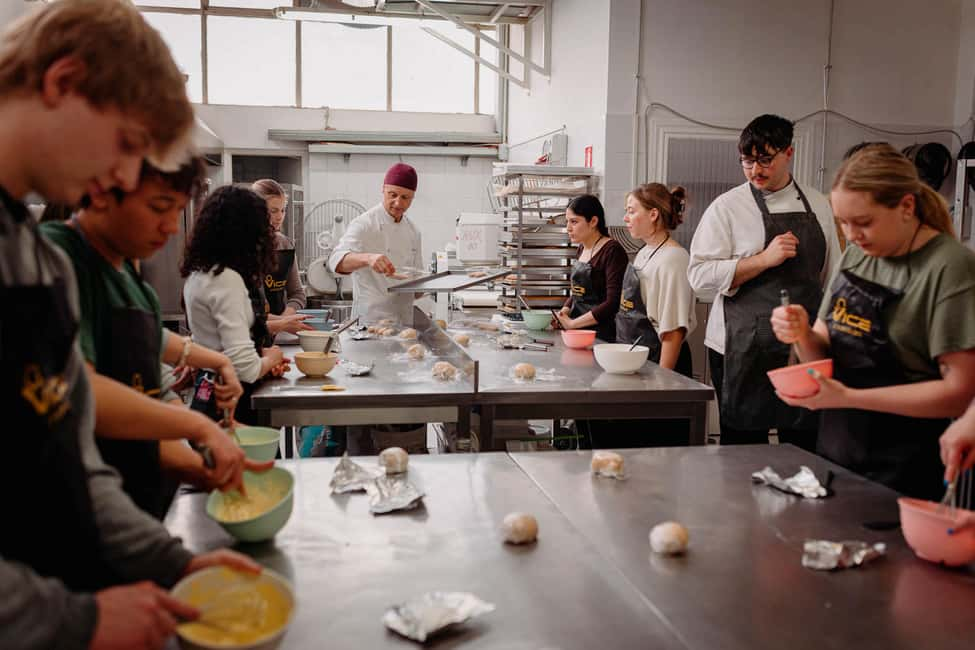
A real pastry lab in Rome changes everything. This class is built around hands-on learning inside a professional kitchen near Battistini, not a quick demo with recipes you can barely follow. You get to make three all-time favorites—tiramisu, gelato, and cannoli—with ingredients and equipment provided.
I especially like that you leave with food you made, wrapped for take-away, and that the chef teaches you how to reproduce the desserts at home. Another big win: the experience includes a gelato moment right there in the lab, so your work becomes something you taste while it is still fresh and real. One possible drawback to plan for: it is not suitable for several common dietary needs (no vegans, plus restrictions for gluten, lactose, nuts, and diabetes).
In This Review
- Key Highlights to Expect From Vice Baking Lab
- Why This Rome Pastry Class Feels Different From a Typical Cooking Tour
- Finding Via Soriso 68/A Near Battistini Metro (Without Stress)
- A 2-Hour Rhythm That Still Lets You Make Three Desserts
- Tiramisu Workshop: The Classic You Can Actually Rebuild
- Gelato Session: Taste the Process, Not Just the Result
- Cannoli Workshop: Filling Consistency and a Practical Take-Home Plan
- The Prosecco (and Juice) Moment: Small Details That Make It Easier
- What You Actually Leave With (Besides Lessons)
- Price and Value: Why $74.31 Can Be a Fair Deal
- Who This Class Suits Best (And Who Should Rethink It)
- Language, Coaching Style, and the Human Touch
- Simple Planning Tips Before You Go
- Should You Book This Rome Pastry Cooking Class?
Key Highlights to Expect From Vice Baking Lab
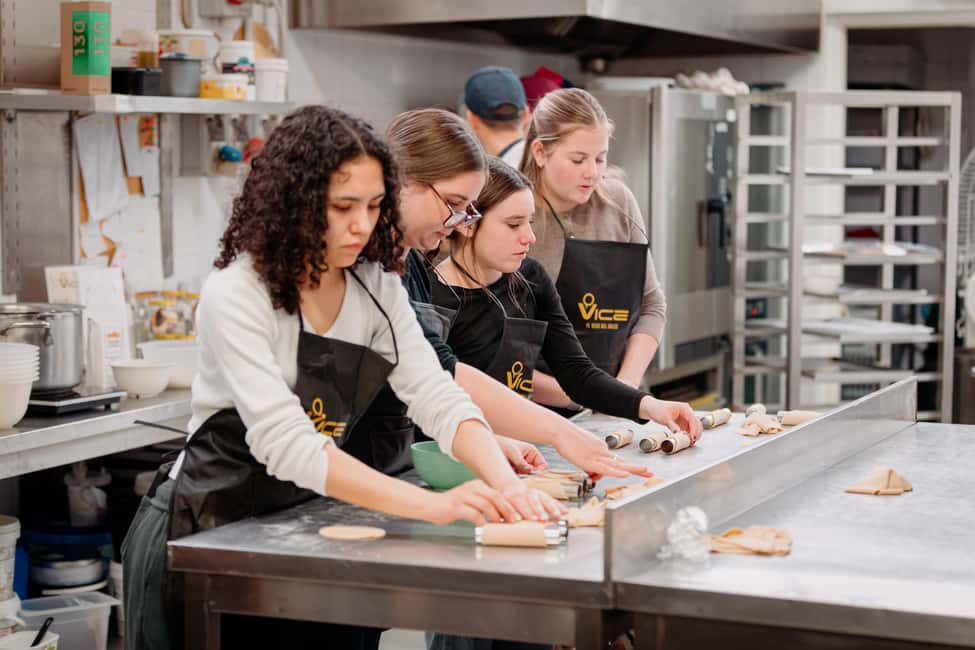
- Three desserts, one professional lab: tiramisu, gelato, and cannoli made with all tools and ingredients provided
- A real baking workshop vibe: you learn inside a large pastry lab close to Battistini Metro Station
- You eat gelato during the class before taking creations away
- Take-away packaging included so you can enjoy what you made later
- Chef coaching in English or Italian with extra improvement tips from the boss
Why This Rome Pastry Class Feels Different From a Typical Cooking Tour
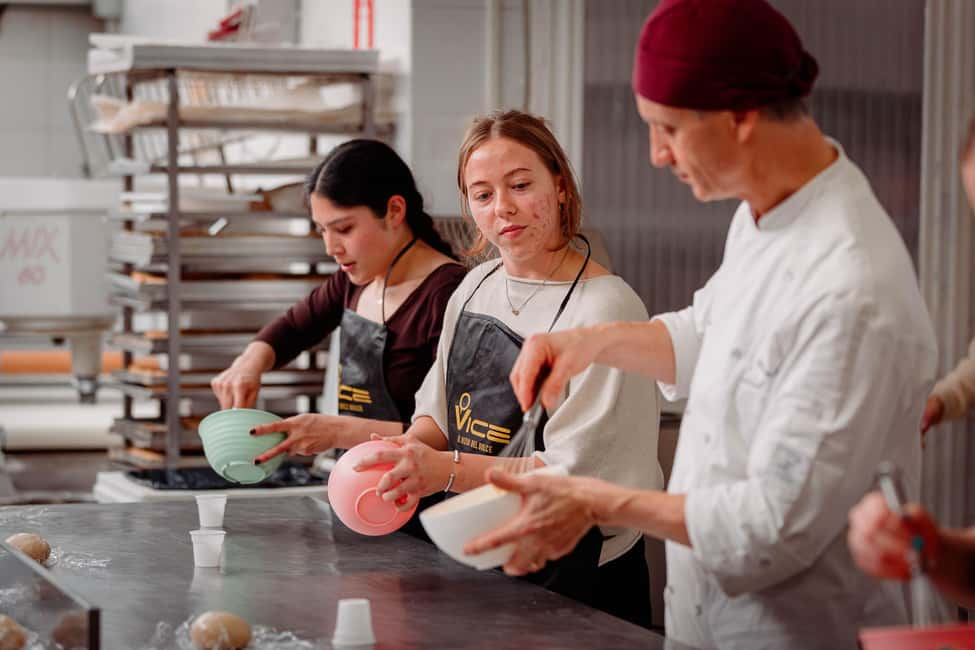
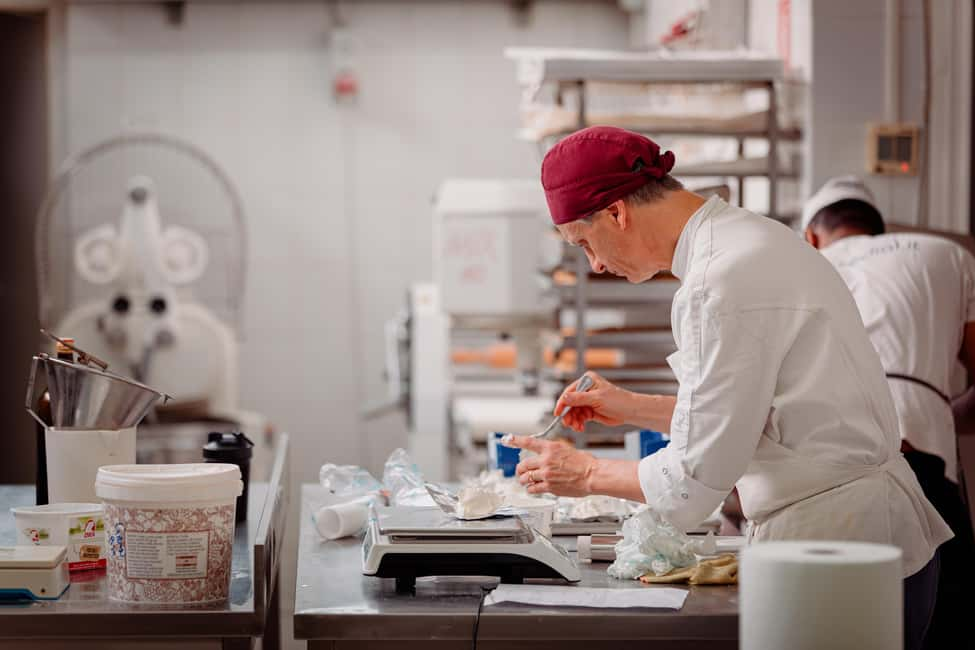
Rome has lots of food experiences. What stands out here is the setting: you are working in a real baking lab with professional machinery, not a small studio kitchen.
That matters because Italian desserts are precise. Gelato needs texture control. Tiramisu is all about timing and layering. Cannoli filling is about consistency. When the environment matches the craft, you learn faster—and you are more likely to replicate results at home without guesswork.
Also, the structure is practical. You are not just watching. You are making. The class is built so you can go from ingredients on the counter to finished desserts, then get advice on how to store and repeat the process later.
You can also read our reviews of more tours and experiences in Rome.


Finding Via Soriso 68/A Near Battistini Metro (Without Stress)
The meeting point is Via Soriso 68/A and the lab has a VICE sign on the entrance. If you are going on your own, you walk there from Battistini Metro Station—about 800 meters on foot—so you should be able to handle it even if you are new to Rome.
If you want less walking, there is an optional driver option. That add-on is priced as a surcharge of 4 euros over the basic class price, which is a reasonable trade if you are arriving with luggage, kids, or just want a calmer start.
Plan a few minutes for arrival and entry. You will wait in front of the entrance for staff to let you in if you arrive without the driver option.
A 2-Hour Rhythm That Still Lets You Make Three Desserts
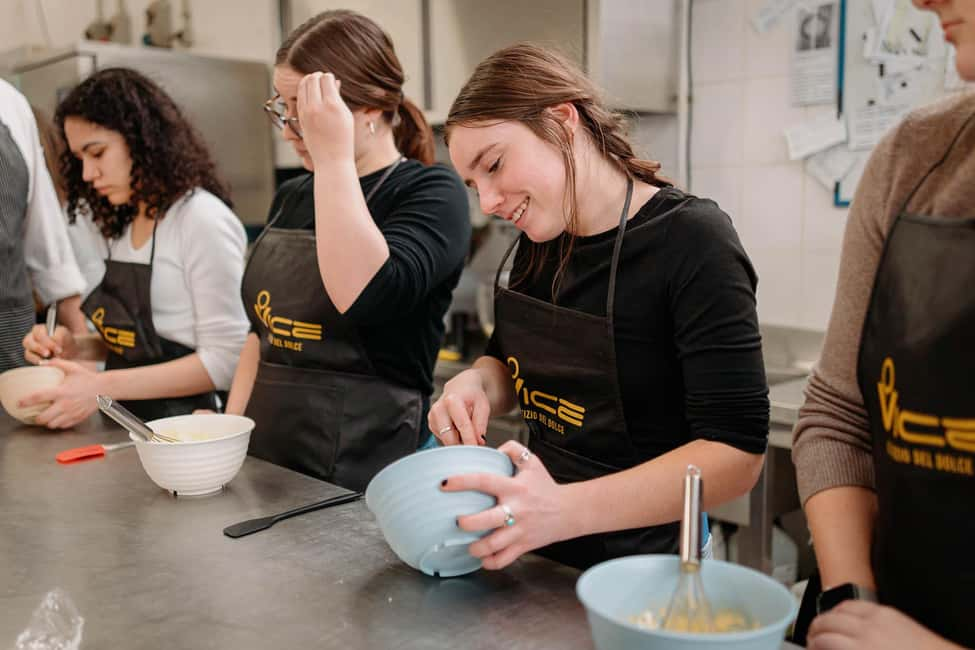
The scheduled experience runs about 2 hours, with a cooking class portion described as 90 minutes. In practice, you should expect a smooth flow: introductions, hands-on work, tasting, then wrapping up what you made.
This time structure is useful because it keeps momentum. Instead of doing one dessert and waiting around, you get three distinct processes in one sitting. You also get a clear end point: the activity finishes back at the meeting point.
One more practical note: the instructor teaches in both English and Italian, so if you want to follow along in your comfort language, you can.
Tiramisu Workshop: The Classic You Can Actually Rebuild
Tiramisu is the gateway Italian dessert for a reason. It has a simple ingredient list, but it is unforgiving if you treat it casually.
In this class, you learn how to make tiramisu in the lab with all ingredients and equipment provided. That is a big deal because tiramisu involves mixing and layering, and small technique differences change the final set and texture.
You also get advice on reproducing the dessert at home. Even when you think you know how tiramisu works, home kitchens can be inconsistent—ingredients differ, temperature changes, and fridge timing is rarely identical. The in-class guidance helps you avoid common mistakes like a layer that comes out too loose or a final dessert that does not hold its shape the way you expected.
What I like about this part: you are not just learning a recipe. You are learning a process you can repeat.
Gelato Session: Taste the Process, Not Just the Result
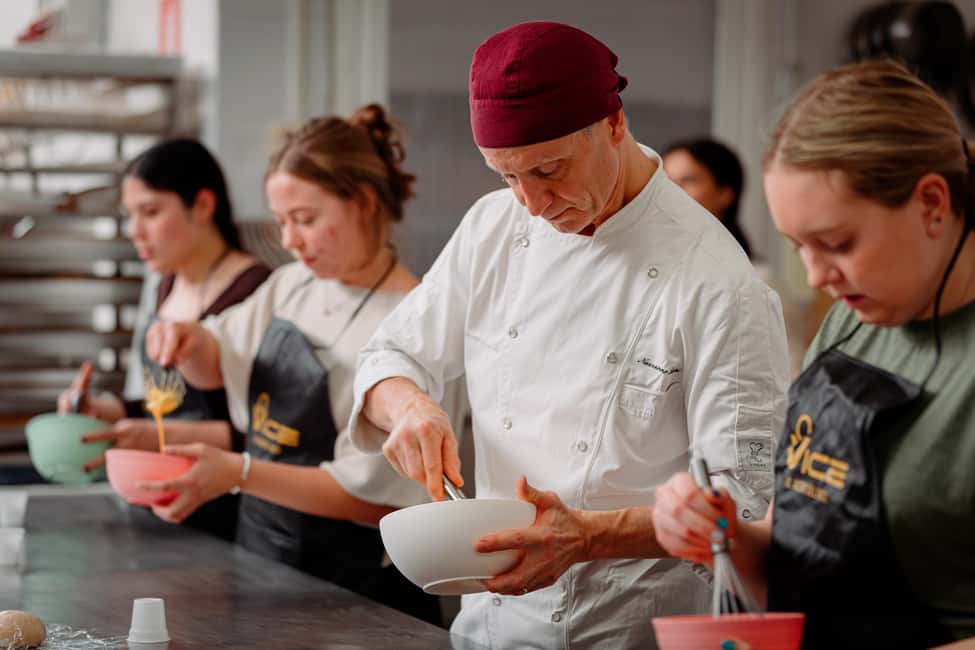
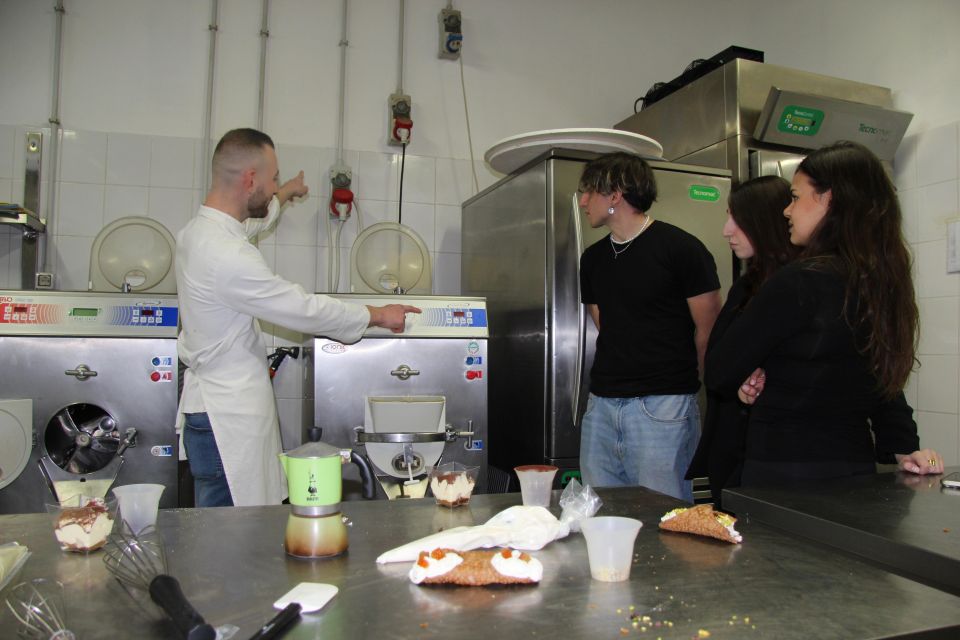
Gelato is the dessert that most people think they understand—until they see how different it can be. Here, you make gelato and then taste it with your new friends in the laboratory.
That tasting moment is not just a reward. It helps you connect technique to outcome. When you learn in a real pastry lab environment and then taste gelato immediately, you start noticing what makes the texture right.
This is also one of the most social parts of the class. You are working with other people while the chef guides you, and gelato becomes the natural check-in point: you see what you made, and you can compare results and questions in real time.
If you care about getting authentic Italian gelato texture, this is a valuable inclusion. Many food classes stop at a finished product. This one ties learning to tasting while everything is still fresh.


Cannoli Workshop: Filling Consistency and a Practical Take-Home Plan
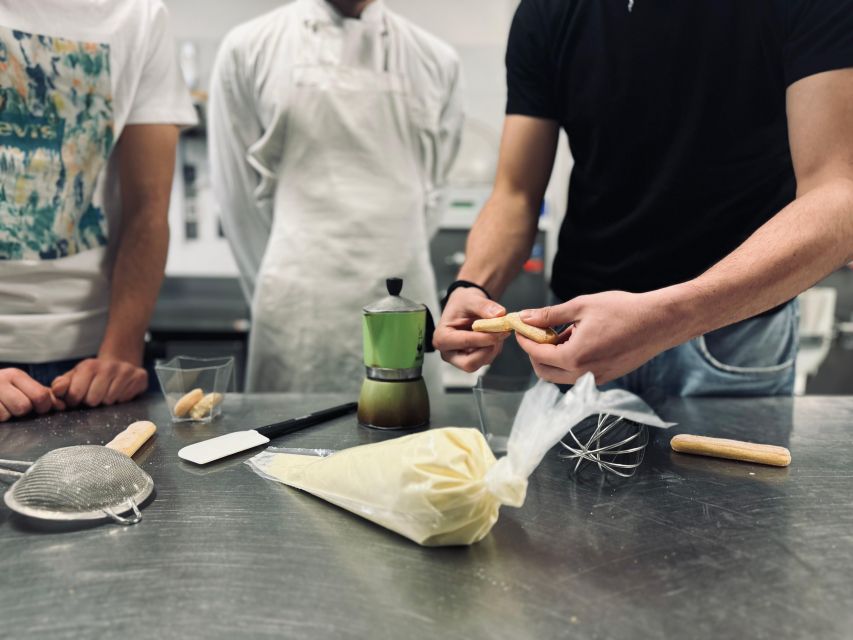
Cannoli can be deceptively tricky. The shell texture is its own story, but the filling is where things become real—thickness, mixing, and how well it holds.
In this class, you make cannoli, again using provided ingredients and equipment. The practical value is that you do not have to hunt down hard-to-find supplies or guess how something should feel. You learn the method from a chef in the same space designed for pastry work.
The class also covers how to reproduce the desserts at home. For cannoli especially, that matters because at home you might not have the same tools or ingredient brands. The guidance helps you adjust without turning it into a totally different dessert.
And you get a major real-life advantage: at the end, they wrap your pastry creations for you so you can enjoy them later. That means you can plan dinner, wander Rome, or meet friends without sacrificing what you made.
The Prosecco (and Juice) Moment: Small Details That Make It Easier
Adults get a glass of Prosecco, and children get juice. It is a small line item, but it helps the whole experience feel welcoming and not overly stiff.
A cooking class already asks you to focus. A simple drink makes it more pleasant to stay present while you are learning. If you are traveling with kids, it also means there is not a weird scramble about what they can have.
What You Actually Leave With (Besides Lessons)
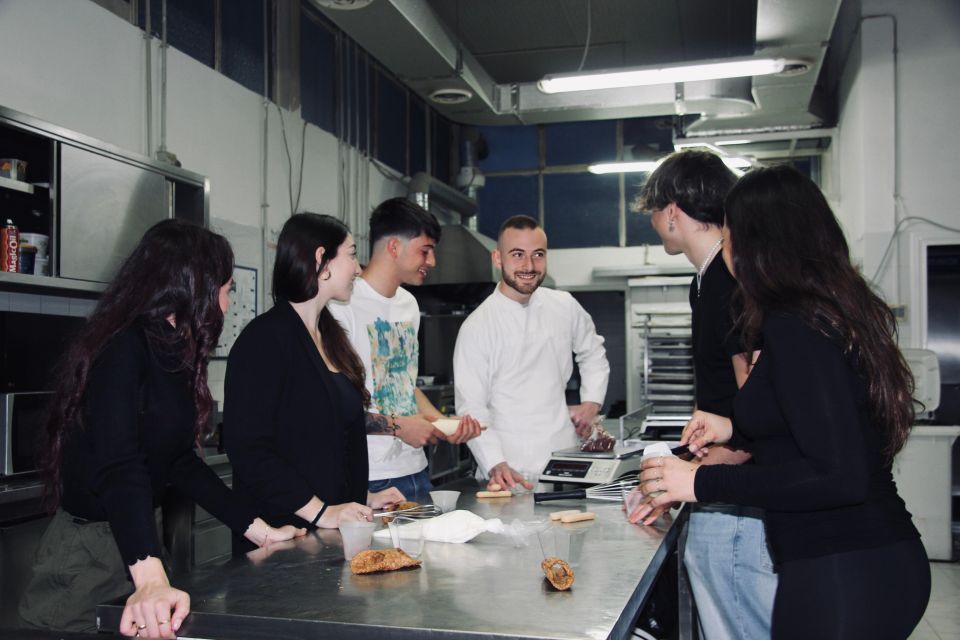
Here is the core benefit: you make three Italian desserts and you take them away. The class includes the tiramisu, cannoli, and gelato that you made.
You also get packaging. The lab wraps your creations for you, so they are ready to transport. That is the difference between a class that gives you recipes and one that gives you a real payoff you can share later.
The timing matters too. They ask you to eat gelato in the lab before you take everything away. That way you get the best immediate taste, and then you still keep the rest for later.
Price and Value: Why $74.31 Can Be a Fair Deal
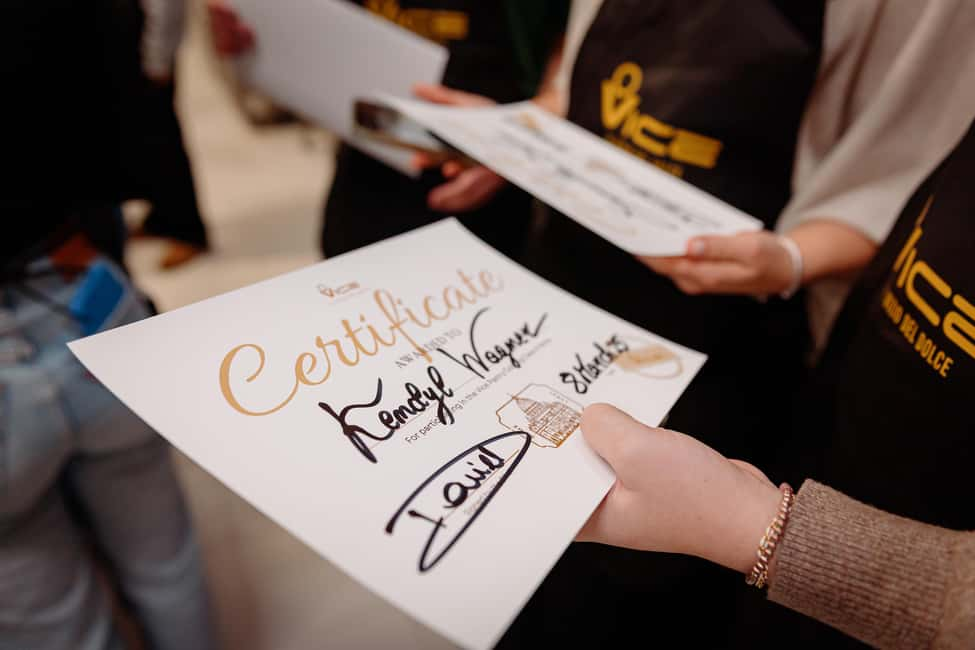
The price is $74.31 per person, and for Rome that can feel either reasonable or pricey depending on what you compare it to. Here is why it can be good value.
First, you are paying for a real pastry lab setup and professional equipment. This is not an amateur kitchen. Second, you get ingredients and tools included for three desserts, which often means less shopping and fewer follow-up expenses.
Third, the class is structured for learning. It includes advice on reproducing what you made at home. When you can repeat a skill, the value stretches beyond the two hours you spend in the lab.
Finally, the take-away component is tangible. You are not leaving with a couple of small samples. You leave with finished desserts you made yourself.
So if your goal is hands-on training plus actual food to enjoy later, the price fits the experience.
Who This Class Suits Best (And Who Should Rethink It)
This class is a great fit if you like food work where you can see progress fast. It also works well if you enjoy learning from a professional chef in a hands-on setting.
It is not suitable for children under 5 years. It is also not suitable for several dietary situations: vegans, people with diabetes, and people with gluten intolerance, lactose intolerance, nut allergies.
If any of those apply to you, it is better to skip this specific class and look for a different experience that matches your needs. The menu is built around traditional pastry ingredients, and the class data does not indicate accommodations for those restrictions.
If you are fine with dairy and gluten and you want a classic Italian dessert day, this is right in your lane.
Language, Coaching Style, and the Human Touch
The instructor teaches in English and Italian, which makes it easier to follow even if your Italian is basic or rusty.
One detail I really appreciate from the class style is the extra attention. The boss is present in person and gives tips on how you can improve. That kind of feedback is often the difference between copying a recipe and actually learning technique.
A motivated, helpful chef also matters. When you can ask a question and get a direct fix, your results improve immediately—and you feel more confident taking the same approach home.
Simple Planning Tips Before You Go
A few practical things will make your day smoother.
- Wear comfortable shoes. You are in a working lab space, and you will be moving around as you cook.
- Plan for transport of your desserts. The lab wraps your creations, but you still want a plan for carrying them after.
- If you are sensitive to dairy or gluten, read your options carefully first. The class is not suitable for those needs.
If you are combining this with sightseeing, think about when you will eat. You will have gelato during the class, then you can take the other desserts for later.
Should You Book This Rome Pastry Cooking Class?
If you want more than a food tasting, I think this class is a strong yes. It is built around making tiramisu, gelato, and cannoli in a real pastry lab, with ingredients and equipment provided and guidance on repeating the results at home. The take-away packaging makes it easier to treat this as a meal-sized memory, not just a short activity.
I would skip it if you fall into the listed dietary restrictions (vegan, diabetes, gluten or lactose intolerance, nut allergies) since the class does not state substitutions. And if you need a very relaxed, sit-and-watch experience, this one is hands-on by design.
If you are in Rome and you like learning a real craft, this is the kind of class that pays off long after you leave Battistini.