REVIEW · CITY TOURS
Rome: Panoramic sightseeing Bus Tour + City Highlights Audioguide
Book on Viator →Operated by Vox City International Ltd · Bookable on Viator
Rome moves faster with a plan.
This hop-on panoramic bus tour is a simple way to see Rome’s big landmarks without locking into a strict walking schedule. You get audio commentary in 8 languages as you ride, and you can hop on and off at multiple stops so the day can flex with your energy level.
Two things I really like about it are the way the audioguide keeps you oriented while you’re passing major sites, and the fact that the route is built around nine stops that cover over 20 sights from the bus. It’s a great start point if Rome feels like a blur when you first arrive.
One drawback to consider is that Rome traffic can slow everything down, and the ride may feel less comfortable in hot weather. If the streets get stuck, you’ll be stuck too.
In This Review
- Quick take: what makes this bus tour work
- Why a panoramic hop-on bus helps in Rome
- Price and value: what $22 really buys
- Audio guidance that actually helps: Vox City on the move
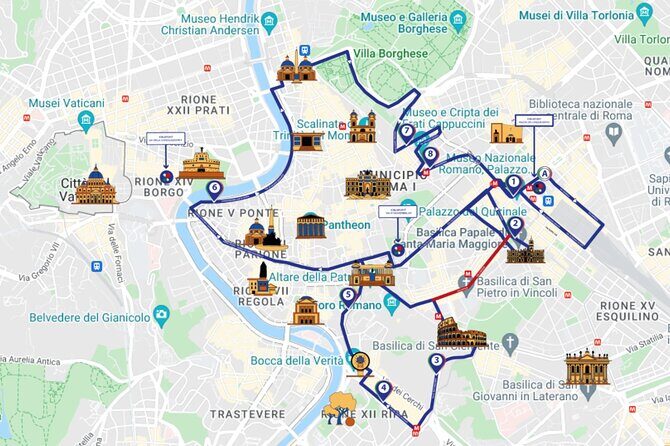
- Nine stops through central Rome: what each area sets you up for
- Stop 1: Via Marsala 5 (in front of Royal Santina Hotel)
- Stop 2: Largo di Villa Peretti 70 (in front of National Roman Museum)
- Stop 3: P.za dell’Esquilino 11 (in front of Bar Felici)
- Stop 4: Palatine Hill (about 50 m after the entrance of Parco Palatino)
- Stop 5: Via del Circo Massimo 4189 (in front of Giuseppe Mazzini monument)
- Stop 6: Via del Teatro di Marcello 34 (in front of Teatro Marcello)
- Stop 7: Lungotevere Tor di Nona 7 (in front of Ponte S.Angelo)
- Stop 8: Via Ludovisi 35 (in front of Hotel Eden)
- Stop 9: Via Barberini 2
- How to pace your day: ride first, decide later
- Timing and comfort: the traffic factor
- Common snag points: app tickets and finding the bus
- Staff help matters more than you think
- Who should book this bus tour
- Should you book this Rome panoramic bus tour?
- FAQ
- What is included in the Rome panoramic bus tour ticket?
- Are entrance tickets to attractions included?
- How long is the tour?
- What are the hours of operation?
- How many stops are there on the route?
- What languages are available in the audio guide?
- Where do I board the bus?
- Is there Wi‑Fi on the bus?
- What is the cancellation policy?
- Is this tour suitable for most people?
Quick take: what makes this bus tour work

- Hop-on hop-off stops around central Rome, so you can explore in small chunks
- 8-language audio that helps you connect what you see with what you’re hearing
- Digital audioguides in the Vox City App for the Colosseum, Pantheon, and Castel Sant’Angelo
- Free Wi‑Fi and earphones, so you’re not hunting for signal or audio gear
- No entrance tickets included, meaning you still need to buy entry for major sites
Why a panoramic hop-on bus helps in Rome
Rome is a city where getting your bearings matters. Streets twist, sights are scattered, and walking long distances in summer can drain you fast. This tour solves that problem with a loop-style ride and multiple boarding points, letting you treat the bus like a moving map.
The best part is the freedom. You’re not forced to do everything at once. You can stay onboard if you just want views and easy listening, or you can get off at a stop to take in ruins, bridges, and viewpoints at your own pace.
You can also read our reviews of more city tours in Rome



Price and value: what $22 really buys

For around $22 for about a day, you’re paying for transportation between key areas plus guided audio support. That’s usually good value in Rome, where a single taxi ride can erase the savings of a full-sightseeing day.
What makes the price feel fair is that the tour isn’t just a generic drive. You’re getting:
- Panoramic sightseeing by bus
- Audio commentary in 8 languages
- Free Wi‑Fi
- Earphones
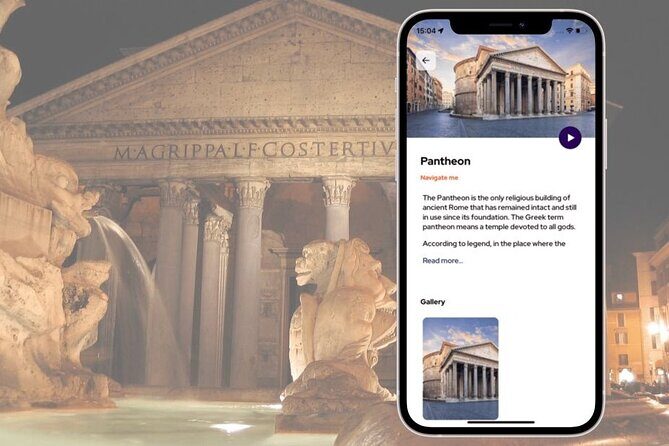
- Digital audio extras for Pantheon, Colosseum, and Castel Sant’Angelo via the Vox City App
The main value catch is also the clearest one: entrance tickets are not included. So think of the bus as the connector and orientation tool, not a shortcut to ticketed attractions.
Audio guidance that actually helps: Vox City on the move
This is the kind of tour where the audio matters, because you’re seeing a lot quickly from the street. As you ride past major landmarks, the on-bus audio guide is meant to give context as the city scrolls by—Colosseum-area views, the Pantheon area, and other classic stops along the route.
On top of that, your ticket includes digital audioguides in the Vox City App for:
- the Colosseum
- the Pantheon
- Castel Sant’Angelo
In plain terms: you can use the bus to learn what you’re looking at, then use the app audio later when you’re closer to the sites (as long as you also have the right entrance tickets for access).
Nine stops through central Rome: what each area sets you up for
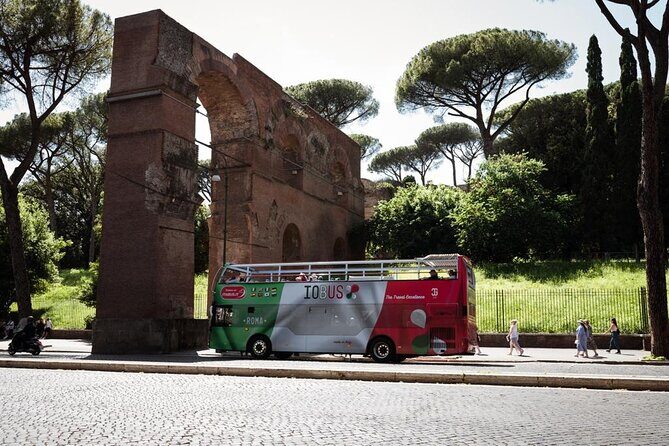
This route is built for first-time orientation. You’ll pass through multiple classic neighborhoods, then have the option to get off near the sights that match your interests.
Below, I’ll explain what each stop is good for—and what to watch for—so you can decide where you’ll actually want your shoes.
Stop 1: Via Marsala 5 (in front of Royal Santina Hotel)
This is a practical starting point. It’s a central street address pickup near a major hotel zone, and it’s a decent place to begin if you want to orient yourself before committing to a specific monument.
What to do here:
- Ride, listen, and decide where your day should go next.
- Use the first loop to spot what you’ll want close-up later.
What to watch for:
- If you’re new to Rome, double-check which side of the street you need before you board. Addresses help, but it’s still easy to lose time at curbside.






Stop 2: Largo di Villa Peretti 70 (in front of National Roman Museum)
This stop puts you near the National Roman Museum area. If museums are your thing, this is a smart waypoint because you can mix an art/history break with the sightseeing loop.
What to do here:
- If you’d rather not rush into ruins yet, you can use this stop to reset and then rejoin the bus.
- If you’re into interiors and artifacts, this is a natural fork in the road.
What to watch for:
- Museum visits can swallow time fast. If you’re trying to hit ticketed sights, keep an eye on your day’s pacing.
Stop 3: P.za dell’Esquilino 11 (in front of Bar Felici)
This is the kind of stop that feels small, but it matters. Having a café landmark nearby can help you get a quick break without hunting for a place to eat.
What to do here:
- Grab a coffee and recharge.
- Use the stop as a reset button before heading toward the more intense ruins zones.
What to watch for:
- Piazza areas can be busy. Give yourself a few extra minutes to find the correct boarding point when you’re ready to continue.
Stop 4: Palatine Hill (about 50 m after the entrance of Parco Palatino)
This is one of the route’s most meaningful stops because it connects directly with one of Rome’s most famous viewpoints over the ancient core. Getting off here is ideal if you want big-overlook energy without doing everything at once.
What to do here:
- Consider a shorter walk for panoramic views and atmosphere.
- Use the nearby positioning to pair your day with Colosseum-area plans.
What to watch for:
- Palatine Hill areas can involve walking and uneven ground. Plan comfortable shoes.
Stop 5: Via del Circo Massimo 4189 (in front of Giuseppe Mazzini monument)
Circus Maximus is a classic Rome stop, and this pickup puts you close to that general zone. If your goal is photos and the sense of scale, this is a strong candidate.
What to do here:
- Step off for skyline and ruin-adjacent views.
- Use it as a break between the Palatine/Hill area and the next theatre/bridge zones.
What to watch for:
- You may still need a short walk to reach the best viewpoints. Think of it as a hop-near option, not a front-door delivery.
Stop 6: Via del Teatro di Marcello 34 (in front of Teatro Marcello)
This stop is all about Roman theatre vibes. Even if you don’t go inside, the surrounding area gives you a clear sense of how the ancient city used space.
What to do here:
- Get off, look around, and take photos from the street and surrounding paths.
- Combine it with a calm wandering stretch because the area is a good pause from high-demand crowds.
What to watch for:
- It’s easy to lose time taking pictures. If you’re also planning Pantheon or Castel Sant’Angelo, keep your schedule realistic.
Stop 7: Lungotevere Tor di Nona 7 (in front of Ponte S.Angelo)
Now you’re crossing into the river-and-bridge Rome that looks amazing from many angles. This stop is a natural bridge to Castel Sant’Angelo.
What to do here:
- Walk for river views and bridge photos.
- If Castel Sant’Angelo is on your list, you’ve set yourself up well for that plan.
What to watch for:
- Bridge areas can be crowded, especially at peak times. Build a little buffer for getting through foot traffic.
Stop 8: Via Ludovisi 35 (in front of Hotel Eden)
This is a pivot stop toward the central, high-end hotel zone and areas often used as a launchpad for walking to other landmarks. It’s a good place to hop off if you want to shift from ancient ruins mode to strolling neighborhoods.
What to do here:
- Use it as a base for wandering and people-watching.
- If you want shopping or cafés nearby, this kind of stop location is convenient.
What to watch for:
- This part of Rome can feel very “streetscape” rather than “one monument at the door.” If you’re hunting a single must-see, plan your next move carefully.
Stop 9: Via Barberini 2
Finishing near Via Barberini is useful because it keeps you close to one of Rome’s busy central zones where you can continue the day without feeling stranded.
What to do here:
- End your loop and switch to metro and walking connections.
- If you still have energy, you can use this as a springboard for a final evening stroll.
What to watch for:
- This is a popular area. Expect more pedestrian traffic once you’re off the bus.
How to pace your day: ride first, decide later
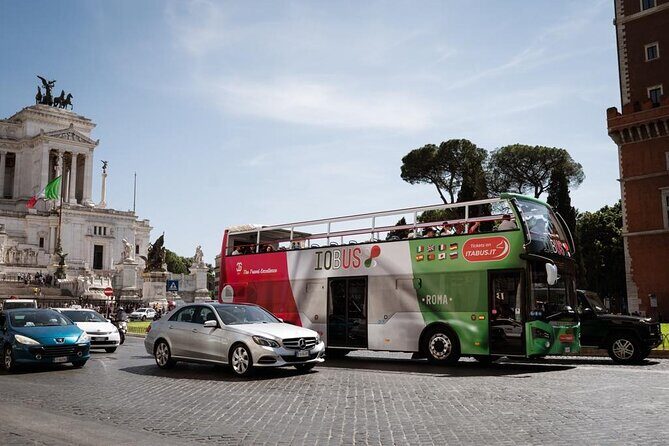
If you’re doing Rome for the first time, I recommend a simple rhythm:
1) Take the first loop like a city orientation session.
2) Only then choose your “I want close-up” stops.
That approach helps because the bus route gives you instant context. You’ll hear commentary, then see what your eyes actually care about—ruins, bridges, or museum-like areas.
Also, keep your expectations realistic. The bus will show plenty, but it won’t replace entrances. If you want Pantheon, Colosseum, or Castel Sant’Angelo inside, you’ll need separate access.
Timing and comfort: the traffic factor
Your tour window runs 9:00 AM to 6:00 PM every day, with the service operating within that timeframe. That means you’re usually free to structure the day around morning energy and afternoon cooling-off.
But Rome traffic is the one thing that can’t be fully controlled. If the streets slow down (and they often do), you’ll feel it while seated on the bus. One important comfort note from experience: the tour doesn’t promise an easy-breeze ride when it’s hot and stuck.
My practical advice:
- If you’re sensitive to heat, aim earlier in the day.
- Bring water and keep a lightweight plan for where you’ll hop off if the ride becomes unpleasant.
Common snag points: app tickets and finding the bus
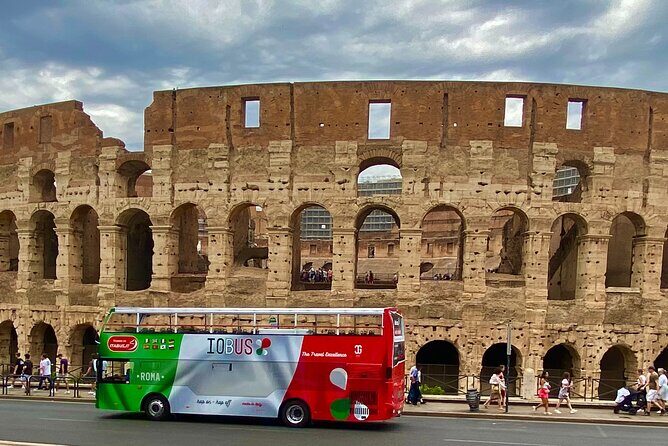
This tour is built on a simple idea—board at defined stops, listen, and hop off. That’s also where issues can happen if details get messy.
A couple of recurring pain points I’d plan around:
- App-based ticket use can be confusing if you’re not able to load or confirm access quickly.
- Some people report that they ended up at the wrong bus or missed the correct curbside pickup.
Here’s how I’d reduce risk:
- Before you go, make sure you can access your booking in the Vox City context and that your device battery is healthy.
- When you arrive at a stop, confirm you’re at the exact address listed for that pickup.
- Give yourself a small time buffer. If you rush, you’ll waste more time fixing mistakes.
If everything goes smoothly, the hop-on system is a great way to build confidence in Rome fast. If it doesn’t, it’s still usable as long as you’re patient and methodical about finding the right stop.
Staff help matters more than you think
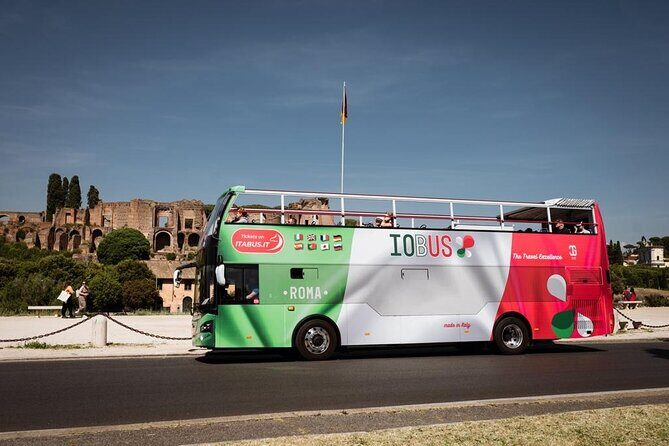
One bright note is that the operator’s team appears capable of helping when something goes wrong. There’s an example of staff successfully finding and returning a forgotten bag, even when communication was difficult across languages.
That’s not something you can plan for, but it does tell you the operator isn’t only focused on check-ins. If you lose something, it’s worth knowing there may be a real response.
Who should book this bus tour
This experience fits best if you want:
- A guided overview without a rigid schedule
- Freedom to hop on/off and match stops to your interests
- A low-effort way to learn where things are before you buy entrance tickets
You might want a different type of tour if you:
- Need guaranteed comfort in heavy heat and slow traffic
- Expect entrances and skip-the-line access (the tour does not include entrance tickets)
- Prefer one organized guided walking day with a set meeting time and final destination
Should you book this Rome panoramic bus tour?
I’d book it if you want a practical “first-day map” and you like the idea of learning while you ride. For $22, the combo of panoramic transport, multilingual audio, and digital guides for major landmarks is strong value—as long as you’re clear that entry tickets for the big sites are separate.
Skip the surprise factor by planning for two things: traffic and finding the right stop. If you go in with those in mind, you’ll likely come away with a better sense of the city and fewer wasted hours wandering blindly.
FAQ
What is included in the Rome panoramic bus tour ticket?
Your ticket includes the panoramic sightseeing bus tour access, free Wi‑Fi, an audioguide in 8 languages, earphones, and digital audioguides in the Vox City App for the Pantheon, Colosseum, and Castel Sant’Angelo.
Are entrance tickets to attractions included?
No. Entrance tickets for attractions are not included, so you’ll need to purchase entry separately for the sites you want to go inside.
How long is the tour?
It’s listed as approximately 1 day.
What are the hours of operation?
The tour runs Monday to Sunday from 9:00 AM to 6:00 PM.
How many stops are there on the route?
There are nine stops, and the bus route includes viewing over 20 tourist sights.
What languages are available in the audio guide?
The audio commentary is available in 8 languages.
Where do I board the bus?
There are multiple boarding points. One listed start/meeting point is Via Marsala, 5 in front of the Royal Santina Hotel, and other stops are provided at specific addresses around the route.
Is there Wi‑Fi on the bus?
Yes, free Wi‑Fi is included.
What is the cancellation policy?
You can cancel for a full refund up to 24 hours in advance. If you cancel within 24 hours, the amount paid will not be refunded.
Is this tour suitable for most people?
It says most travelers can participate.