REVIEW · EVENING EXPERIENCES
Rome: Jewish Ghetto & Campo de Fiori by Night Food Wine Tour
Book on GetYourGuide →Operated by Food Raphael Tours and Events · Bookable on GetYourGuide
Rome at night is different. This 4-hour evening walk is a simple idea done well: you trade a sit-down schedule for a tasting route that mixes Jewish Ghetto streets, baroque Rome, and classic market squares. I love that you hit multiple neighborhoods on foot, not just one area. I also love the structure: 7 tasting venues with up to 15 samples, so it feels like an actual meal rather than random bites.
One thing to consider: this tour is not set up for wheelchair users, and the food plan offers vegetarian options but does not accommodate vegans or gluten- or dairy-free diets. If you’re sensitive to ingredients, read this section carefully before you book.
In This Review
- Key points before you go
- Why an evening Rome food walk makes sense
- Piazza Mattei start: orientation in the Jewish Ghetto
- Campo de’ Fiori by night: the medieval market feeling
- Piazza Navona and Bernini’s Fontana dei Quattro Fiumi
- Ancient Rome stretch: Pompey Theatre to the remains you’ll recognize
- The food-and-wine route: 7 stops, up to 15 samples
- What the drinks add to the value
- How the pacing actually feels over 4 hours
- Diet rules, kosher expectations, and who it suits
- The guides: why names keep coming up
- Price and value: what $105 really buys
- Who should book this tour
- Should you book this tour or skip it?
- FAQ
- Where does the tour meet?
- How long is the Rome Jewish Ghetto and Campo de’ Fiori food and wine tour?
- How much does it cost?
- What food and drink is included?
- How many tasting stops are there?
- Is vegetarian food available?
- Can the tour accommodate vegans or gluten-free or dairy-free diets?
- Is this a kosher food tour?
Key points before you go
- Piazza Mattei meeting point: starts in the Jewish Ghetto area by the Turtle’s Fountain
- 7 tasting stops, up to 15 samples: more than “snacks,” with wine, beer, and soft drinks
- Campo de’ Fiori + Piazza Navona after dark: medieval market vibes plus baroque masterpieces
- Ancient Rome sights on the walk: Pompey Theatre and more remains of the Roman world
- Small groups (max 14): a pace that keeps conversation going
- Rain or shine: guides keep the stories moving even when the weather turns
Why an evening Rome food walk makes sense
Night is when Rome slows down just enough for you to actually look around. You’re not rushing between paid attractions; you’re walking a line of sights while the meal builds in front of you. It’s a smart way to get your bearings in a city with too many monuments and not enough time.
This style of tour is also good value because the cost is wrapped around more than food. You’re paying for a guide who connects what you’re seeing—squares, churches, fountains, old theaters—to what you’re eating and why that matters. And since you get wine/beer plus soft drinks, you’re not stuck buying drinks between tastings.
You can also read our reviews of more food & drink experiences in Rome


Piazza Mattei start: orientation in the Jewish Ghetto
Your evening begins at Piazza Mattei by the Turtle’s Fountain, right in the Jewish Ghetto area. That matters because the tour isn’t only about food; it’s also about how this part of Rome has shaped everyday life. You’ll hear stories tied to the neighborhood’s cultural identity while you get oriented on streets that can otherwise feel like a maze.
From here, you stroll through old squares where the rhythm is still visible in how people move and eat. Expect the guide to point out things you’d likely miss on your own, like small details in street layout and building placement that explain why these blocks matter. It’s a good way to understand the city as lived-in space, not just a list of postcard sights.
Campo de’ Fiori by night: the medieval market feeling
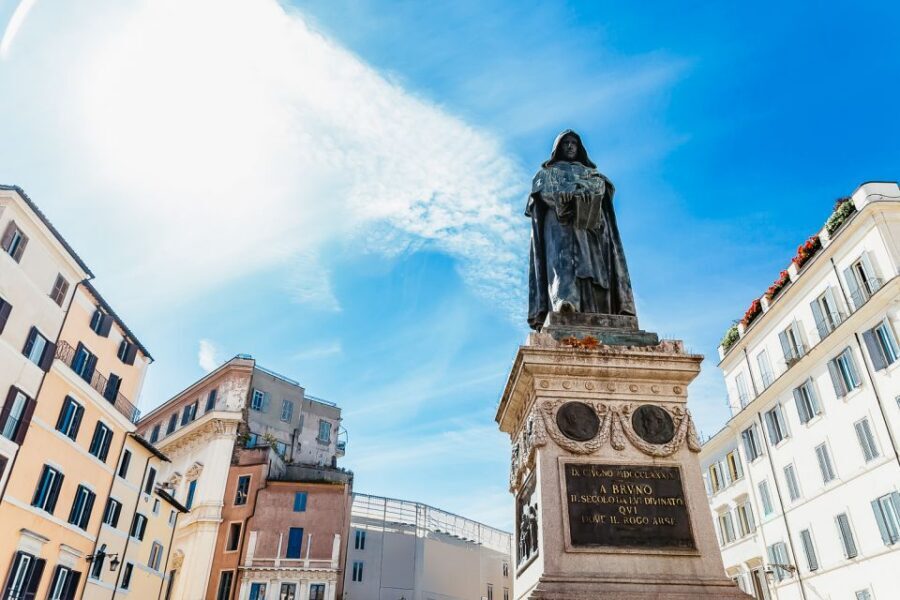
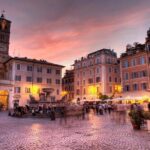
One of the tour’s anchors is Campo de’ Fiori, a square strongly linked to market life. At night, it feels more intimate—less like a daytime rush and more like a neighborhood room you can walk through. You’ll also learn why this square matters historically, including its medieval market role.
What I like about stopping here is the atmosphere match. The tour is food-focused, so being in a market square creates a natural connection between story and taste. You’re not just eating somewhere random; you’re eating in the kind of setting Romans used for centuries to buy, share, and argue about what’s good.
Piazza Navona and Bernini’s Fontana dei Quattro Fiumi
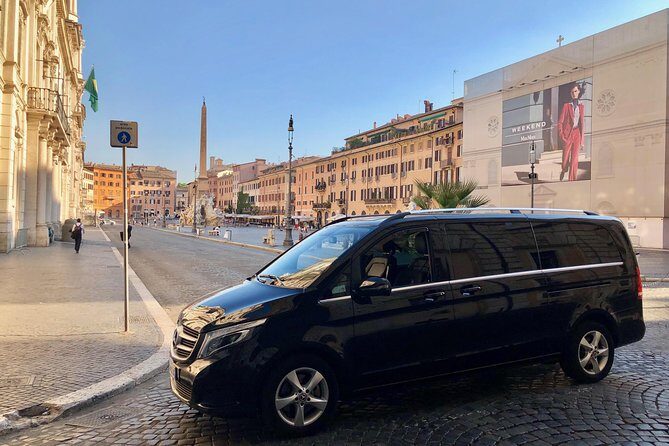
Next comes Piazza Navona, one of Rome’s most dramatic public spaces. You’ll see why it’s famous for baroque architecture and how the square developed over time, including its earlier Stadium of Domitian roots. Even if you’ve seen photos, at night the scale feels more human because you’re walking right through the space.
A highlight here is Bernini’s Fontana dei Quattro Fiumi (Fountain of the Four Rivers). It’s the type of sight that’s easy to look at, but harder to read without someone pointing out the sculpture cues. The guide’s job is to help you notice what your eyes skip over, so the fountain turns into a story instead of a blur.
Ancient Rome stretch: Pompey Theatre to the remains you’ll recognize
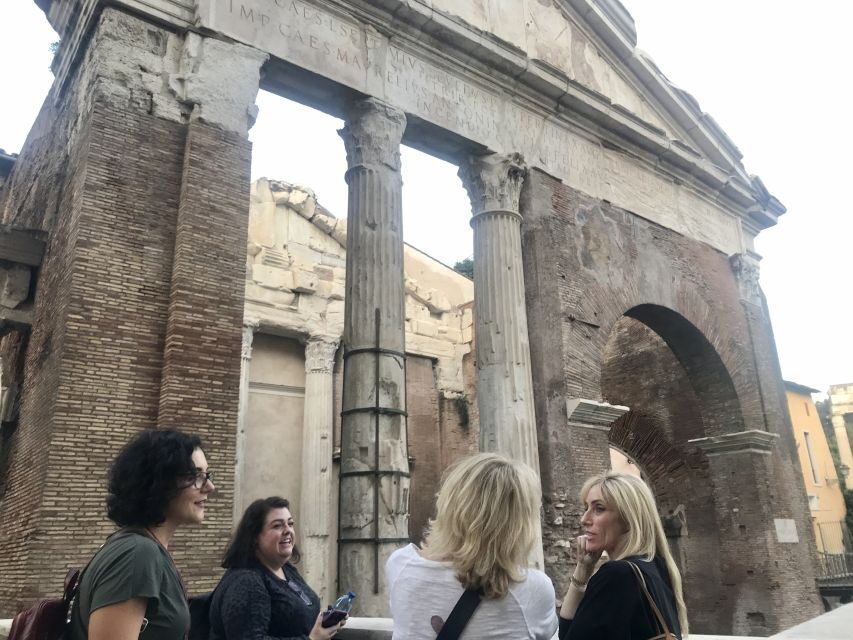
This tour doesn’t lock you into one era. You’ll pass several sites tied to Ancient Rome, with explanations that make them easier to picture. A standout stop is the Pompey Theatre area, including the story of Julius Caesar’s death there. The fact that you’re walking through the modern city around these remains makes the past feel close, not distant.
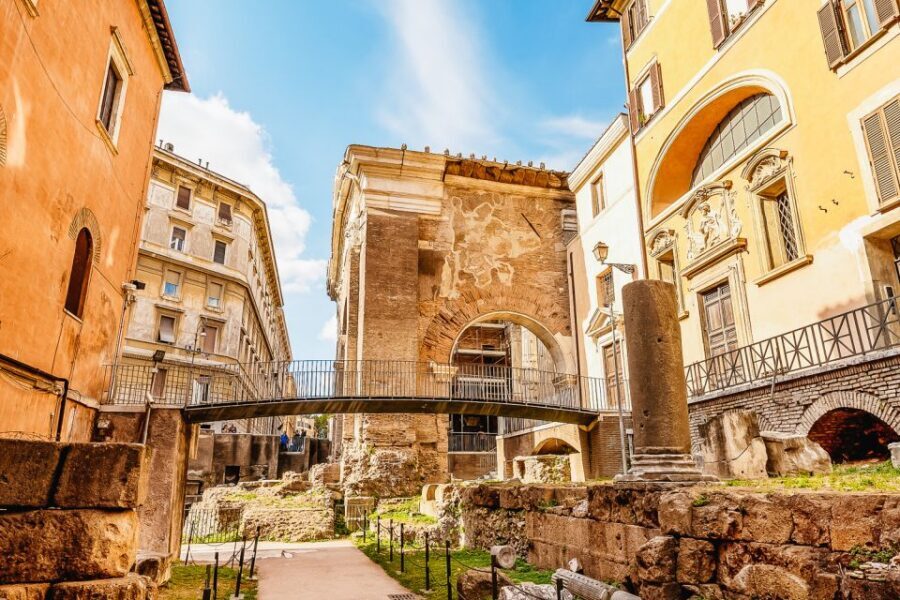
Along the way, you’ll also pass other significant structures such as the Theatre of Marcellus, the Temple of Apollo, and the Portico of Octavia. You don’t need to be a classics nerd to enjoy this part. The guide’s value is translating what these ruins represent—public life, power, entertainment—into something you can connect to the Roman city you’re actually standing in.
You can also read our reviews of more tours and experiences in Rome



The food-and-wine route: 7 stops, up to 15 samples
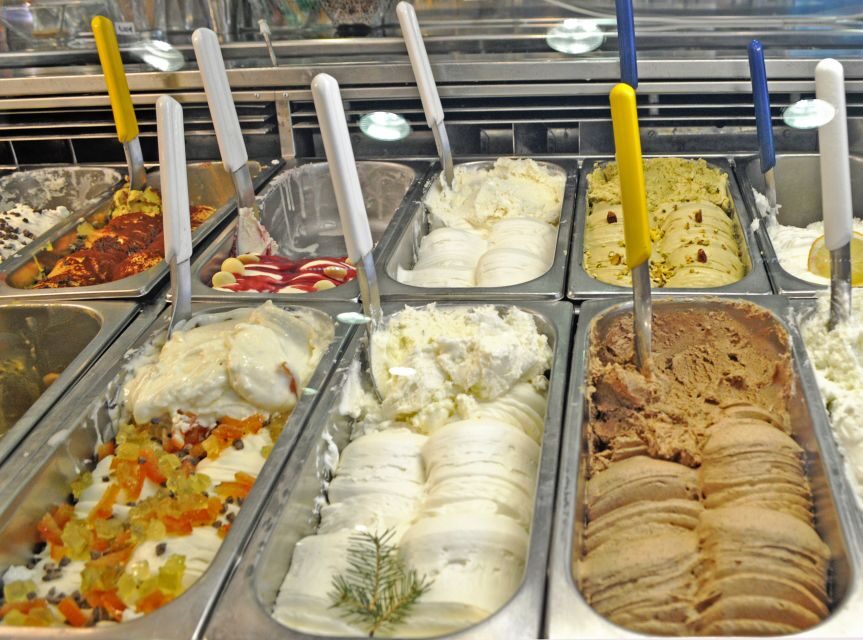
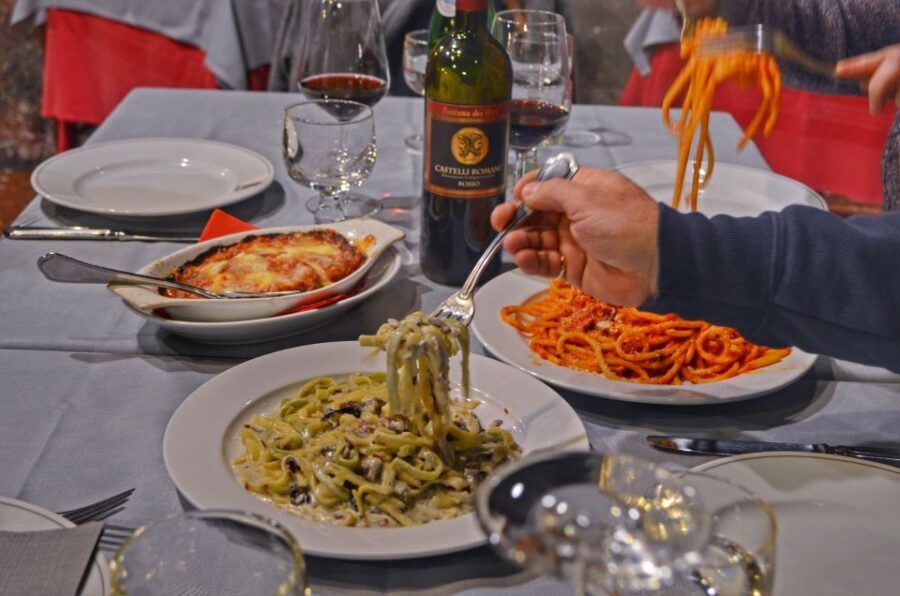
The heart of the experience is the progressive dinner style. You’ll make stops at 7 different tasting venues, and the total sampling can reach up to 15 samples. This is one of the biggest reasons people feel satisfied at the end: you get variety without having to choose between places yourself.
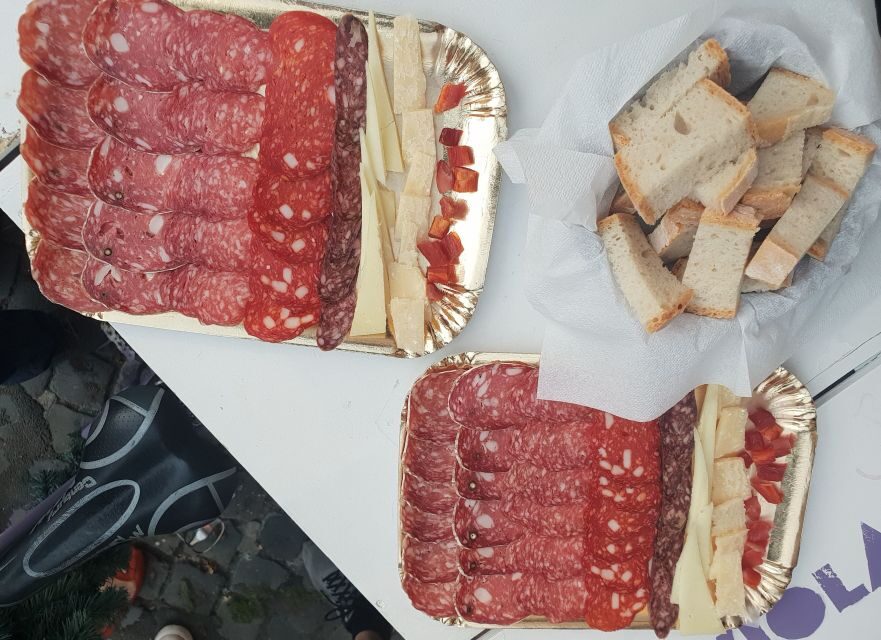
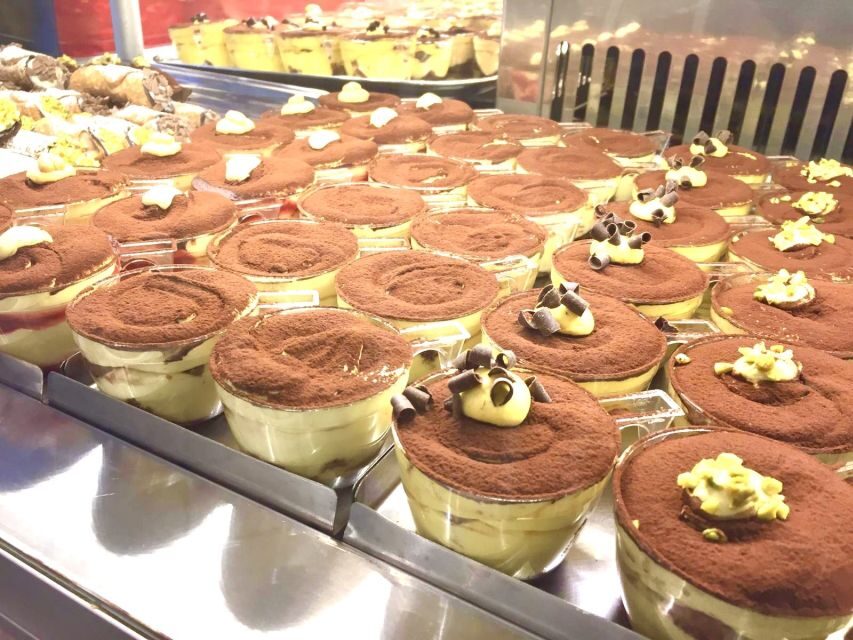
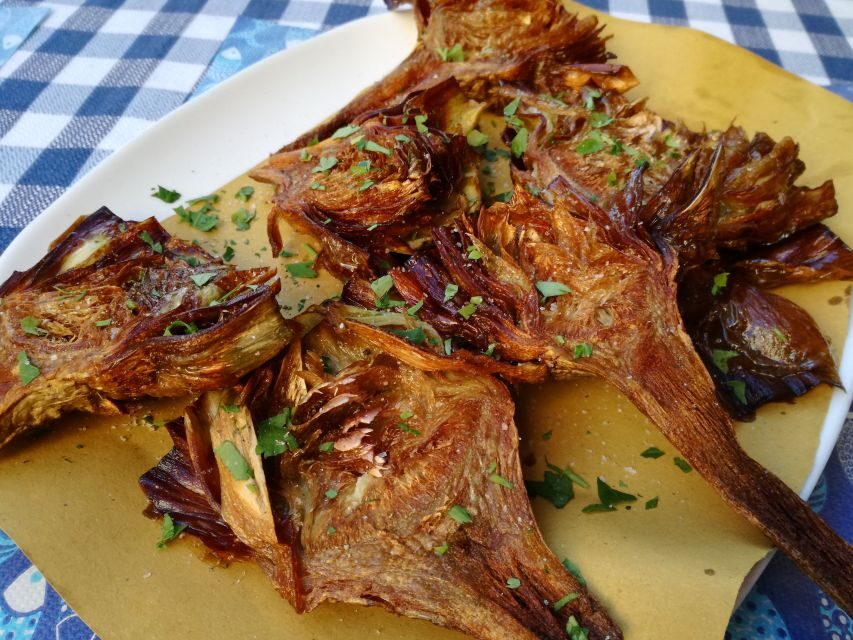
You can expect a mix of Roman staples and more local specialties, with mentions that commonly include homemade pasta, pastries, pizza and pasta-style dishes, and desserts like tiramisu and gelato. Depending on the stop, you may also encounter Jewish community-inspired bites and vegetable-forward dishes. The point isn’t to guess your menu; it’s that the tour keeps you moving through multiple textures and flavors instead of repeating the same “starter” style bite over and over.
What the drinks add to the value
Wine and beer are part of the sampling plan, along with soft drinks. That makes a difference in budgeting, because drinks in Rome can quickly add up when you’re eating separately. Here, the drinks feel integrated into the tasting flow, which keeps the pace comfortable and the overall experience cohesive.
How the pacing actually feels over 4 hours
This is a walking tour with tastings, priced as an experience, not a driving shuttle. With a duration of 4 hours and a small group size (maximum 14), you can expect the schedule to be structured enough that you’re rarely standing around. The best tours keep stops short but meaningful, and this one follows that pattern.
The route is designed for evening energy. You’re not just ticking off sights; you’re using those sights as pauses between food moments. And since you meet in the Jewish Ghetto area and then move through major squares, the walk has a clear story arc instead of feeling like random back-and-forth.
Practical note: wear comfortable shoes. This is a night out with a lot of ground to cover, and you’ll appreciate padding underfoot more than you’ll appreciate the stairs you didn’t plan for.
Diet rules, kosher expectations, and who it suits
This tour is a strong pick if you eat most foods and want Roman classics plus Jewish Ghetto flavor. Vegetarian options are available, which helps a lot for mixed groups. But the tour does not accommodate vegans or gluten- or dairy-free diets, and it is not a kosher food tour.
So here’s the real decision filter:
- If you need vegan or gluten-free or dairy-free food, you’ll likely have a mismatch.
- If you’re vegetarian, you should be able to find options during tastings.
- If you’re specifically looking for a strictly kosher experience, this isn’t that tour style.
Also, it’s not suitable for wheelchair users, so plan around accessibility limitations on sidewalks and around historic streets.
The guides: why names keep coming up
Food Raphael Tours and Events relies heavily on the guide experience, and the standout theme is how the guide brings both food and context to life. People often mention guides who stay energetic, keep the group comfortable, and explain the neighborhood history in a way that doesn’t feel like a lecture.
If you’re lucky enough to be guided by someone like Marco or Fabrizia/Fabricia, you may get a very warm, lively style that keeps the group feeling connected. Other guides named include Fabrizio, Andrea, Maria, Matteo, Julia, Greta, Isabel, Georgia, and Mattia. Across different names, the consistent payoff is the same: you get food, you get stories, and you get answers to the odd questions that pop up when people are eating together.
One practical advantage of a great guide: they manage weather and timing. Rain or shine is part of the deal, and you’ll still get the walking stories and tasting stops even when umbrellas come out.
Price and value: what $105 really buys
At $105 per person for 4 hours, this tour has a clear value story: you pay for multiple venues, not one. The price includes up to 15 samples and tastings at 7 different eateries, plus wine, beer, and soft drinks. You’re also paying for guided routing through key Rome sights like Piazza Navona and Campo de’ Fiori.
If you tried to recreate this on your own, you’d likely spend a similar amount across separate restaurants, and you’d still miss the historical links that make the walk more than just eating. The best part is the pacing: you don’t have to decide where to go next, and you don’t have to worry about timing your way from one tasting to the next.
Bottom line: this is good value if you want food plus real orientation in Rome’s neighborhoods. It’s less of a bargain if you only want one meal or you prefer unguided wandering.
Who should book this tour
I’d book this if:
- You want to mix food with history and city context in one evening.
- You like walking tours where the stops feel intentional.
- You’re open to Roman classics plus Jewish Ghetto-inspired bites and flavors.
- You want a guide-led route that takes you through both modern street life and old-world sites.
I wouldn’t prioritize it if:
- You need vegan or gluten- or dairy-free options.
- Wheelchair accessibility is required.
- You’re looking specifically for a kosher-only dining focus.
Should you book this tour or skip it?
If you’re picking one evening food experience in central Rome, this is a strong choice. The combination of 7 tastings, drinks included, and the route through Piazza Navona, Campo de’ Fiori, and major Ancient Rome remains makes the evening feel worth planning around. It’s also the kind of tour where the guide matters, and this operator’s guides are repeatedly praised for warmth, pace, and story detail.
If you fit the dietary requirements and you’re comfortable walking for 4 hours, I think you’ll feel satisfied by the end—full, informed, and with a better sense of where Rome’s food culture comes from.
FAQ
Where does the tour meet?
Meet your guide at Piazza Mattei by the Turtle’s Fountain.
How long is the Rome Jewish Ghetto and Campo de’ Fiori food and wine tour?
The tour lasts 4 hours.
How much does it cost?
The price is $105 per person.
What food and drink is included?
The tour includes several different food tastings (up to 15 samples), wine, beer, and soft drinks, plus a walking tour with an English-speaking foodie expert guide.
How many tasting stops are there?
You’ll stop at 7 different tasting venues.
Is vegetarian food available?
Yes, vegetarian options are available.
Can the tour accommodate vegans or gluten-free or dairy-free diets?
No. This tour does not accommodate vegans or gluten or dairy-free diets.
Is this a kosher food tour?
No, this is not a kosher food tour.