REVIEW · ROME
Rome: Jewish Ghetto and Trastevere Small Group Tour
Book on GetYourGuide →Operated by LivTours - We craft tours, you live them · Bookable on GetYourGuide
Two hours can teach you a lot. This tour threads together Rome’s Jewish story and the city’s classic sights, all on foot, with a guide keeping the pace friendly and the facts clear. I especially like the small group (max 6), which means you can ask questions without feeling rushed. I also love the stop at the Great Synagogue area, because it shows how this story is still part of daily life in Rome. The main drawback is simple: it’s short, and the synagogue visit is outside, so don’t expect a long inside-only experience.
You also get a guide who brings the material to life. In the feedback I saw, guides such as Andy and Mike are described as humorous and easy to talk with, which matters when you’re dealing with heavy history and want it told in a human way. You’ll walk streets that still feel like real neighborhood life, not a museum corridor.
Finally, you get the practical bonus of a break. Coffee or gelato is included, and because the tour ends around lunchtime, you can roll right into a meal nearby afterward—your guide can point you toward ancient Roman–Jewish kosher food options in the area.
In This Review
- Key highlights that make this tour work
- Starting in Piazza Trilussa: where Trastevere and history meet
- Ponte Sisto to Santa Maria in Trastevere: a quick hit of real neighborhood Rome
- The former Jewish Ghetto on foot: learning the story in the street layout
- Tiber Island (Isola Tiberina): why one river “dot” matters
- Open-air Roman landmarks: Teatro Marcello and Portico d’Ottavia
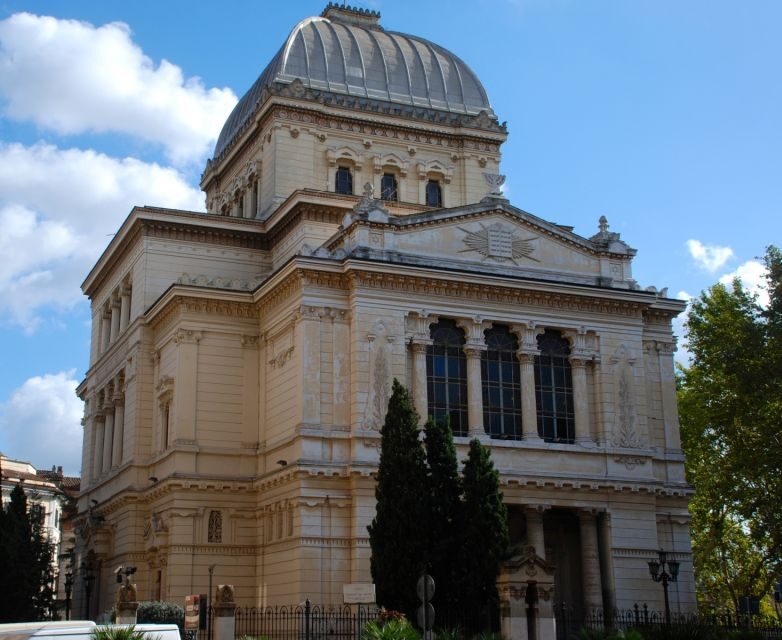
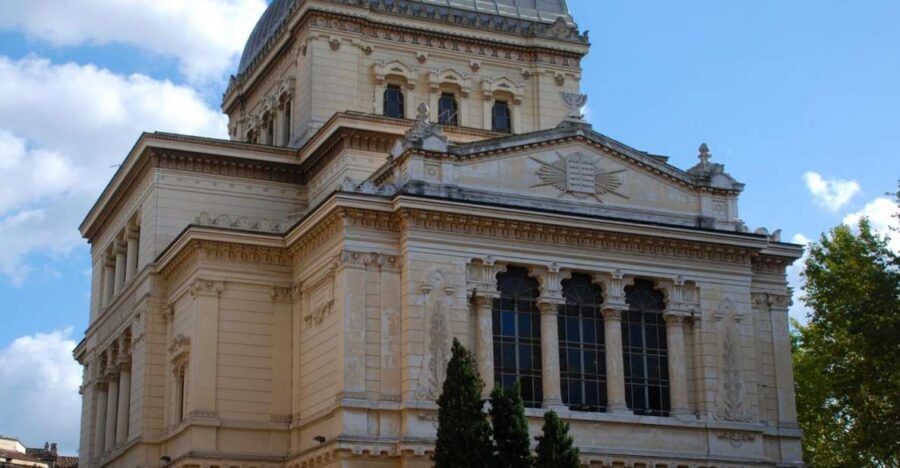
- Great Synagogue of Rome: outside viewing with real meaning
- The coffee or gelato break: a smart pause in the middle of the story
- Price and value: what $134.81 buys you in real time
- Who should book this Jewish Ghetto and Trastevere tour
- Should you book this LivTours Rome walk?
- FAQ
- Where is the meeting point for the tour?
- Where does the tour end?
- How long is the tour?
- Is this tour a small group?
- Is the tour guide language English?
- What sites are included in the tour?
- Do you visit the Great Synagogue inside?
- What are some of the key stops along the way?
- Is there free cancellation?
- Is there a reserve now, pay later option?
Key highlights that make this tour work
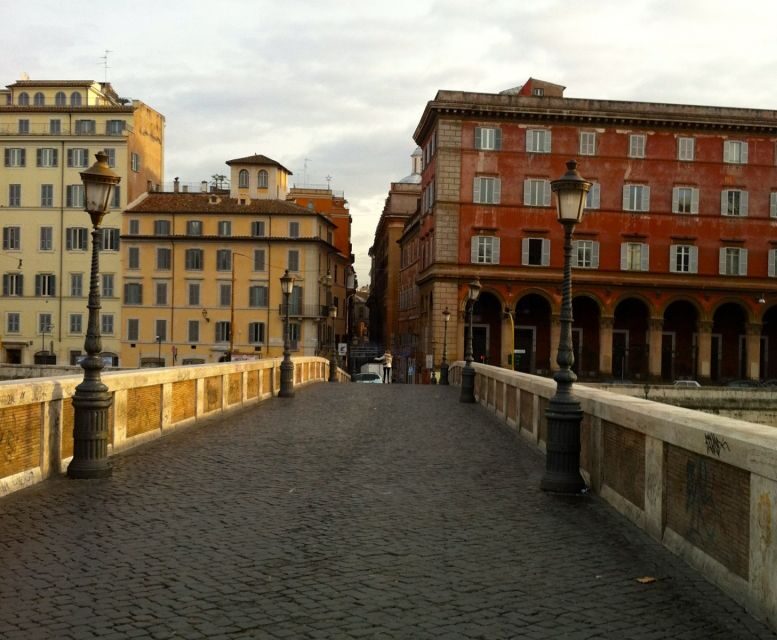
- Small-group max 6 means better conversation and less waiting around
- Piazza Trilussa to Ponte Sisto sets the scene quickly along the river
- Tiber Island (Isola Tiberina) links ancient Rome to the Jewish Ghetto story
- Portico d’Ottavia shows surviving Roman structure tied to Jupiter Stator and Juno Regina
- Great Synagogue of Rome stop keeps the story connected to present-day Jewish life (outside)
- Coffee or gelato included gives you an easy reset before the final sights
Starting in Piazza Trilussa: where Trastevere and history meet
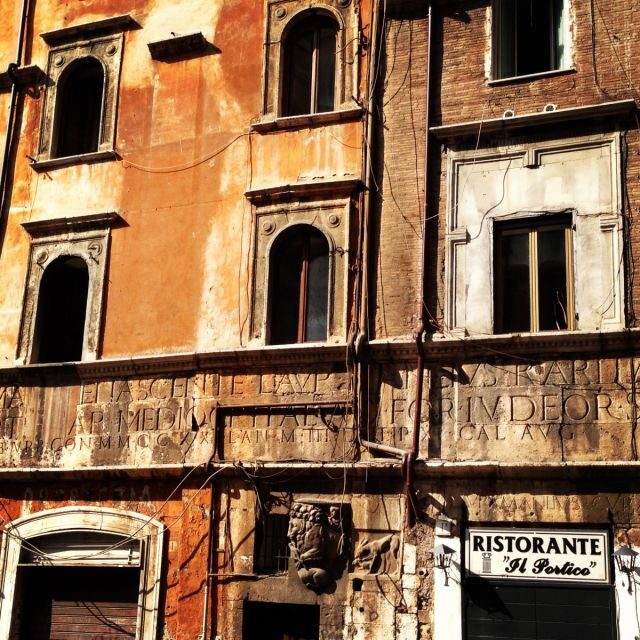
The tour starts at Piazza Trilussa, right where modern Rome still gathers—so you’re not beginning in a “blank” historic scene. From there, you’re guided into the streets and viewpoints that help you understand where people lived, prayed, traded, and moved through the city. That matters because the Jewish story here isn’t only about buildings. It’s about place, neighbors, and how Rome organized space over time.
You’ll meet your guide in front of the stairs with a LivTours sign. I like that the start is clear and easy to find, because with a short tour, wasting time is a bigger deal than you think.
You can also read our reviews of more tours and experiences in Rome.

Ponte Sisto to Santa Maria in Trastevere: a quick hit of real neighborhood Rome
The next stretch takes you toward Ponte Sisto, where you get a guided look as you move through the city’s river rhythms. The River Tiber isn’t just scenery here. It’s the line that shows how Rome shaped movement and boundaries—perfect setup for understanding why the Jewish neighborhood ended up where it did.
Then you head to Santa Maria in Trastevere for a guided visit. This is one of those stops that helps you see Rome as more than one story at a time. While you’re learning about Jewish life, you’re also taking in the Roman Catholic landmark that anchors Trastevere’s identity today.
What to watch for: you’ll likely spend time looking at details your eyes might otherwise skip. A guided visit helps because you can tell what you’re looking at—without turning the whole thing into a textbook.
The former Jewish Ghetto on foot: learning the story in the street layout
This part is the heart of the experience. You’ll explore the former Jewish Ghetto alongside the surrounding neighborhood areas your guide can place in context. The tour description calls this the oldest Jewish neighborhood in the western world, and that single fact changes how you read the streets.
As you walk, the tour connects multiple layers:
- how the Jewish community lived within the city
- how Rome’s physical spaces affected daily life
- how power and policy changed what people could access
- how the story continues into the present
I like that you don’t just get dates. You get “why here” explanations. Even without standing in one big room, you can sense how the city’s layout turns into lived experience.
Tiber Island (Isola Tiberina): why one river “dot” matters
After the streets, the tour moves to Isola Tiberina, the small island in the middle of the Tiber River. This is where the tour does something smart: it ties ancient geography to the ghetto narrative.
Your guide explains how this site was connected to the Jewish Ghetto in ancient Rome. That kind of connection is valuable because it prevents the story from feeling like it belongs to one era only. Instead, you see Rome as a place that reused, rebuilt, and reinterpreted spaces again and again.
Practical tip: this is a great stop for your “mental map.” After you’ve looked at the river and the island, the surrounding sights start making more sense.
Open-air Roman landmarks: Teatro Marcello and Portico d’Ottavia
Rome gives you a lot of stone. The tour makes sure you don’t just look at stone—you understand what it used to do.
The route includes the open-air Teatro Marcello, a structure built toward the end of the Roman Republic. It’s one of those places where the scale can surprise you. You can stand with the guide and get oriented in a way that makes later Rome sightseeing easier. It’s not only history for history’s sake; it’s a landmark you’ll recognize later if you explore on your own.
Then comes Portico d’Ottavia. Here the tour gets specific: it once enclosed the temples of Jupiter Stator and Juno Regina. That detail matters. It helps you see the portico not just as an atmospheric ruin, but as a boundary and a container for Roman religious life.
A small warning: because this is a walking tour with multiple stops, the Roman sites can feel a little compressed if you’re the kind of person who likes to linger for 30 minutes per photo. Still, the guide’s explanations help you make the most of the time you have.
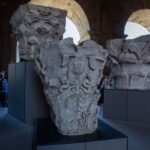
Great Synagogue of Rome: outside viewing with real meaning
The tour ends up at the Great Synagogue of Rome, described as the largest and most important synagogue in Rome and still at the heart of Jewish life. Even though the included portion is synagogue outside, this stop is still powerful because it reframes everything you learned earlier.
Think about it this way: earlier you’re tracing the Jewish community’s place in Rome over time. Here, you get a visible connection to the community as it exists now.
Why I like this approach: you’re not forced into a single-style visit. You learn history in context, then you see the present-day anchor point. It gives you closure without pretending everything is locked in the past.
The coffee or gelato break: a smart pause in the middle of the story
Before the final sights, you get a break at a local café with coffee or gelato included. This isn’t just a perk. It’s a chance to reset your brain after history-heavy content and keep the experience enjoyable.
Also, because the tour ends back around lunchtime, this is a good moment to ask questions. Your guide can recommend exceptional restaurants in the area, including places with ancient Roman–Jewish kosher food. That kind of guidance is gold in Rome, where options can be everywhere and still hard to evaluate quickly.
If you care about food planning, bring your appetite. This is one of the easiest tours to pair with lunch afterward.
Price and value: what $134.81 buys you in real time
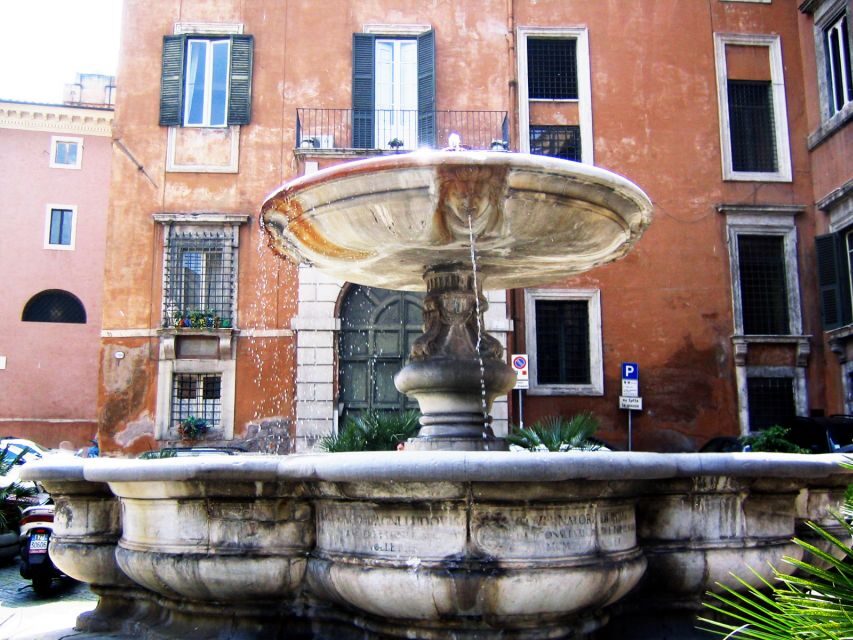
At about $134.81 per person for roughly two hours, the value depends on what you want from a tour.
Here’s what you’re paying for, based on what’s included:
- a live English guide
- a small group of up to 6, which usually means more attention per person
- guided visits that cover Santa Maria in Trastevere, Tiberine Island, the former Jewish Ghetto, and the Great Synagogue area (outside)
- time at major Roman landmarks like Portico d’Ottavia and Teatro Marcello
- coffee or gelato on you
If you prefer DIY walking with a phone app, you can recreate parts of this route. But if you want your questions answered—especially around Jewish history in Rome—and you want the Roman ruins explained in plain language, the guided format is the value.
My “reality check” for your expectations: it’s a fast-moving, focused highlights walk. It’s not a long museum-style session. If you’re a slow walker or want deep indoor time at every site, you may wish you had more hours.
Who should book this Jewish Ghetto and Trastevere tour
This is a strong pick if you:
- want a 2-hour orientation to Rome’s Jewish story and the surrounding neighborhood
- like walking tours with stops that connect place + meaning
- want a smaller group so you can talk to the guide
- plan to eat nearby afterward and want help finding good options
It may be less ideal if you:
- want mostly indoor time, since the synagogue portion is outside
- expect a full day of sightseeing and deep on-site time at each landmark
Should you book this LivTours Rome walk?
Yes—if you’re in Rome and you want a thoughtful, efficient tour that links Jewish history to real geography, this one makes sense. The small group size, the mix of Ghetto + Trastevere + river landmarks, and the stop at the Great Synagogue area give you more than a “photo route.” You also leave with a natural next step for lunch, thanks to the included café break and your guide’s food recommendations.
If you want one practical decision rule: book this when you want context and direction in just two hours. Pair it with a longer self-guided afternoon only if you feel like you want to linger at any one of the Roman sites or re-read the neighborhood from street level.
FAQ
Where is the meeting point for the tour?
You meet at Piazza Trilussa, 00153 Roma RM, Italia, in front of the stairs. The guide holds a LivTours sign.
Where does the tour end?
The tour ends back at the meeting point at Piazza Trilussa.
How long is the tour?
The duration is 2 hours.
Is this tour a small group?
Yes. It’s limited to a maximum of 6 participants.
Is the tour guide language English?
Yes, the live tour guide is English.
What sites are included in the tour?
Included stops/areas are Santa Maria Basilica, Tiberine Island (Isola Tiberina), Trastevere, the Jewish Ghetto, the synagogue (outside), and time with a coffee or gelato break.
Do you visit the Great Synagogue inside?
The tour includes the Great Synagogue of Rome outside for sightseeing.
What are some of the key stops along the way?
You’ll visit or stop at places including Ponte Sisto, Santa Maria in Trastevere, Tiber Island, the Great Synagogue area, a local café, Portico d’Ottavia, and Teatro Marcello.
Is there free cancellation?
Yes. You can cancel up to 24 hours in advance for a full refund.
Is there a reserve now, pay later option?
Yes. You can reserve now & pay later, meaning you can book and pay nothing today.