REVIEW · CITY TOURS
Rome: Introduction to the Colosseum and Ancient City Tour
Book on GetYourGuide →Operated by Crown Tours · Bookable on GetYourGuide
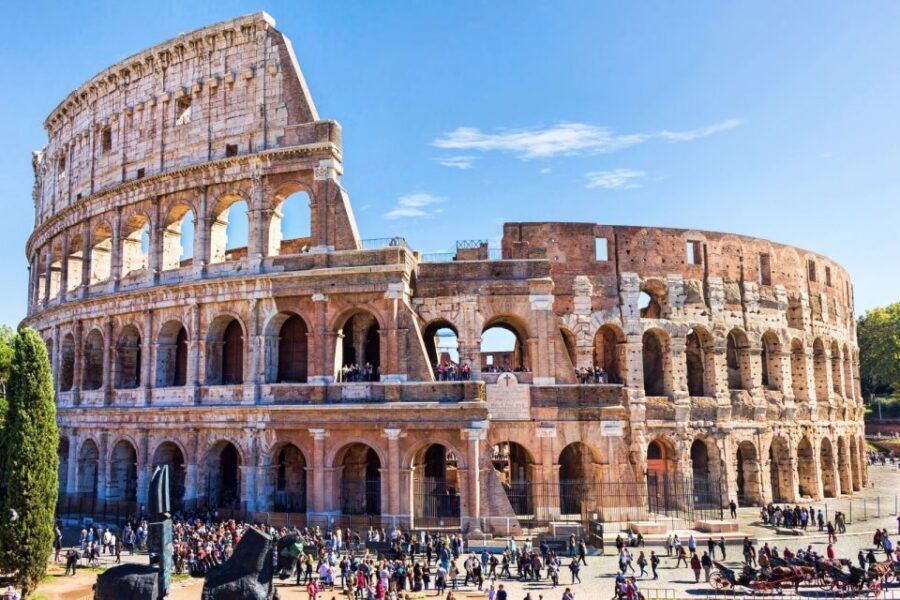
The Colosseum feels personal, fast. This tour gets you inside with skip-the-line access, then you’ll follow an expert through the arena’s big ideas: Flavian power, gladiator entertainment, and Roman engineering. I also like that radios/headsets make the explanations clear as crowds swirl, but there’s one catch: ID is mandatory, and without it entrance can’t be guaranteed.
You’ll move on to Palatine Hill and the Roman Forum, where the guide maps how ordinary daily life, politics, religion, and money all collided in one place. I’m especially glad the route doesn’t end with the big monuments; you get time to roam at your own pace afterward, including panoramic views back toward the Colosseum.
The tour ends near Trajan’s Column, a sharp, easy-to-spot symbol of Roman victory and authority. Expect a lively two-and-a-half-hour walkthrough, and in July and August it shortens to two hours, so plan around heat and timing.
In This Review
- Key highlights at a glance
- How the 2.5-hour Colosseum tour actually feels
- Entering the Colosseum with skip-the-line access
- The Colosseum’s engineering story, told in plain language
- Myths, legends, and gladiator stories (with radios so you don’t miss words)
- Palatine Hill: panoramic views and layered Rome
- The Roman Forum: where Rome ran its day-to-day world
- Time to keep exploring on your own
- Ending near Trajan’s Column: a strong Roman victory landmark
- Price: what you’re paying for and where the real value is
- Practical rules that can affect your day
- Language options and listening comfort
- Who this tour is best for
- Should you book this Colosseum + Palatine + Forum tour?
- FAQ
- How long is the tour?
- Do I need an ID to enter?
- Does this tour skip the ticket line?
- What’s included in the price?
- What languages are offered?
- Are there luggage or food restrictions?
Key highlights at a glance
- Skip-the-line access to the Colosseum, so you lose less time to queues
- Live guide + radios/headsets, for clear listening even when it’s crowded
- Big story + small details: myths, legends, and gladiator tales linked to real architecture
- Palatine Hill across many eras, from early Rome through Domitian, plus later Renaissance and 20th-century layers
- Roman Forum as the daily-life hub, social, political, religious, and financial in one complex
- A smart finish at Trajan’s Column, giving you a strong visual landmark for Rome’s power games
How the 2.5-hour Colosseum tour actually feels
This is a focused introduction to the Colosseum plus two of the most important Roman sites right after it: Palatine Hill and the Roman Forum. The guided portion is about 2.5 hours, and in July and August it’s listed as 2 hours, so expect less wandering time in peak season.
The format works well if you want structure without getting trapped behind your guide for every second. You’ll do the main walkthrough with the expert, then you’re allowed to keep going on your own afterward.
You can also read our reviews of more city tours in Rome


Entering the Colosseum with skip-the-line access
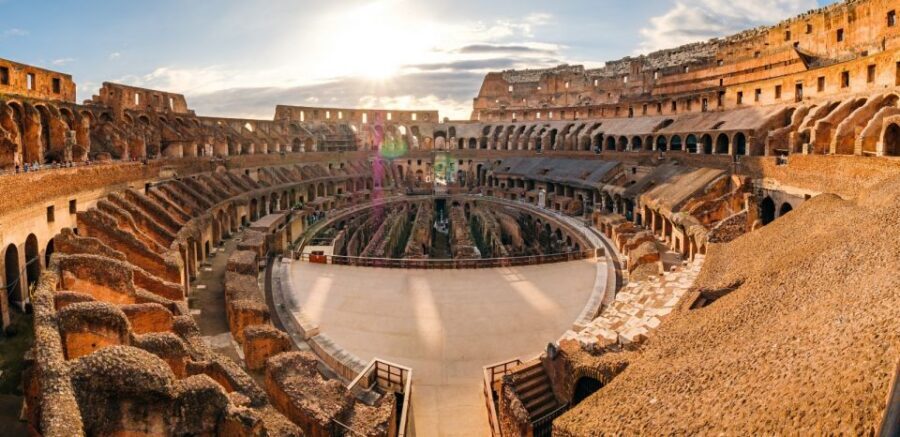
The biggest practical win here is that ticket-line time is reduced. The Colosseum can be chaotic around entrances, so having reserved access helps you start the visit with momentum instead of stress.
One more thing: the meeting point can vary depending on what option you book, so don’t treat it like a vague suggestion. If you arrive early and give yourself time to confirm you’re in the right spot, you’ll feel calmer fast.
Now the no-nonsense rule: bring your passport or ID card. ID is required at the entrance, and if you show up without it, access can’t be guaranteed. Also note that the full names of all participants are needed in the booking, and incomplete info can cause problems at the door.
The Colosseum’s engineering story, told in plain language
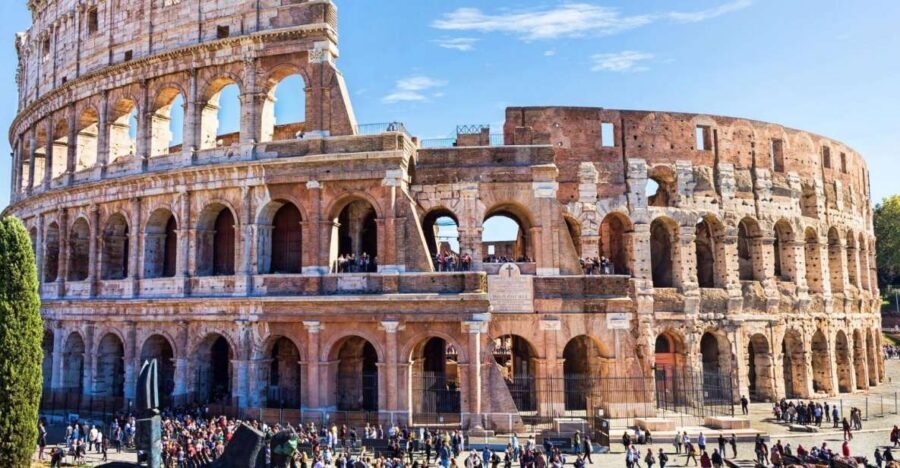
Once you’re inside, the guide sets the stage with the Colosseum’s purpose and scale. This structure had over 80 entrances and could hold around 50,000 spectators, which helps you understand why design details mattered.
You’ll hear that it was built for three main reasons. First, it was a gift to Roman citizens from the Flavian Dynasty, to boost their popularity. Second, it became a venue for major entertainment. Third, it was a way to showcase Roman engineering in a way the whole world could see.
This part matters because the Colosseum isn’t just a scary-looking pile of stone. It’s an early mega-project, built for crowd flow and long events. The tour also mentions festivals and games could last up to 100 days, which gives you a useful mental picture: this wasn’t a quick afternoon show.
If you’re the type who likes the why behind the wow, you’ll probably enjoy how the guide explains the brilliance behind the structure, not just the postcard version.
Myths, legends, and gladiator stories (with radios so you don’t miss words)
The guide’s role is the secret sauce here. You’re not left to guess what you’re looking at, and you’re not forced to memorize dates. Instead, the tour connects myths and legends to what’s around you, then adds the human angle with stories tied to gladiators and entertainment.
The tour is offered in multiple languages: French, German, English, Italian, and Spanish. And because you get radios and headsets, you’re more likely to catch the important bits even when you’re standing near moving crowds.
Guide quality is a big part of why people rate this tour so highly. For example, the guide Catherine has been praised for a small-group French experience with precise explanations and helpful visuals. Alessandro Palma has also been noted for explanations packed with curious, interesting details and a friendly, attentive approach.
You’ll still be walking and looking, of course. But the audio setup makes it easier to focus on the story without constantly turning your head and losing the plot.
Palatine Hill: panoramic views and layered Rome
After the Colosseum, you’ll head to Palatine Hill, often called the foundation point of Rome. The guide helps you see why that matters by pointing out how this hill isn’t tied to one moment in time.
The tour description includes a neat sweep through multiple eras. You can see remnants tied to the early kingdom of Rome in the 7th century BCE, then the Roman Republic, followed by the jaw-dropping Imperial Age presence of Emperor Domitian. Later layers include the Farnese family during the Renaissance and the presence of Mussolini in the 20th century.
That multi-era idea is useful for you because it turns Palatine Hill into more than a viewpoint. It becomes a timeline you can actually walk through, seeing how power changes but the location keeps pulling people back.
And yes, you’ll get panoramic views of the Colosseum from here. That’s one of those moments where the tour stops being theory and turns into location.






The Roman Forum: where Rome ran its day-to-day world
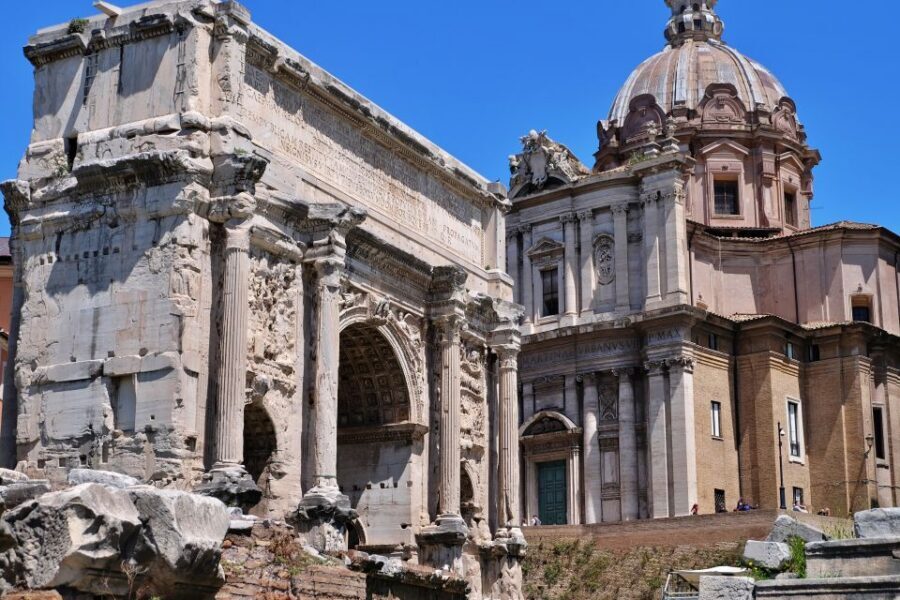
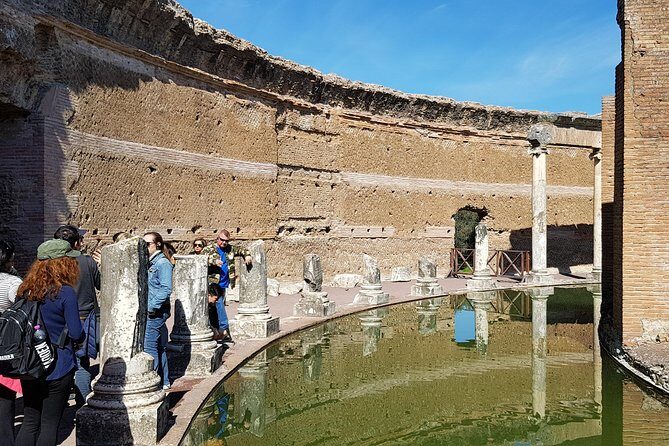
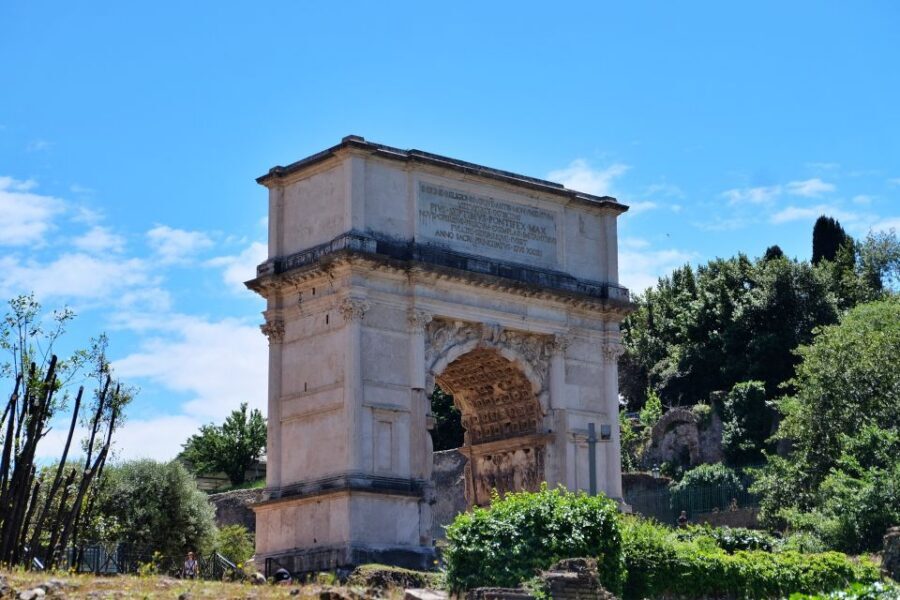
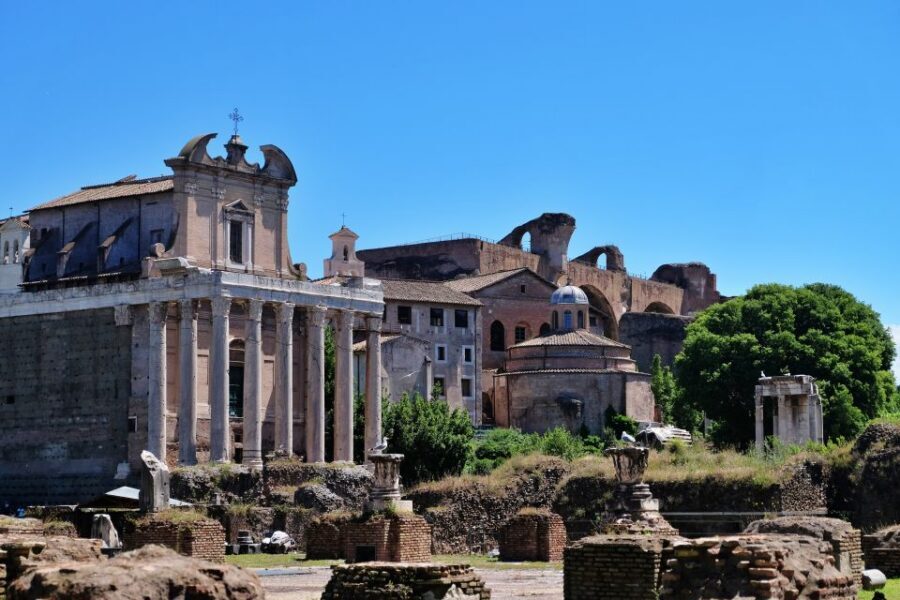
From Palatine Hill, you’ll visit the Roman Forum, described as the social, political, religious, and financial center of the Roman Empire. In other words, this wasn’t just about ceremonies and big speeches. It was where Rome’s systems operated in public.
The Forum still has structures standing, and your guided time helps you interpret what you’re seeing instead of walking through it like a museum maze. The tour also emphasizes something I think most first-timers underestimate: the Forum was where people from different levels of society shared the same space.
It’s described as daily contact among everyone from homeless beggars to rich senators. That detail can change how you view the ruins. Suddenly, stone arches and broken columns start to feel less like random fragments and more like the settings for real routines—business, politics, religion, and personal life all rubbing shoulders.
Time to keep exploring on your own
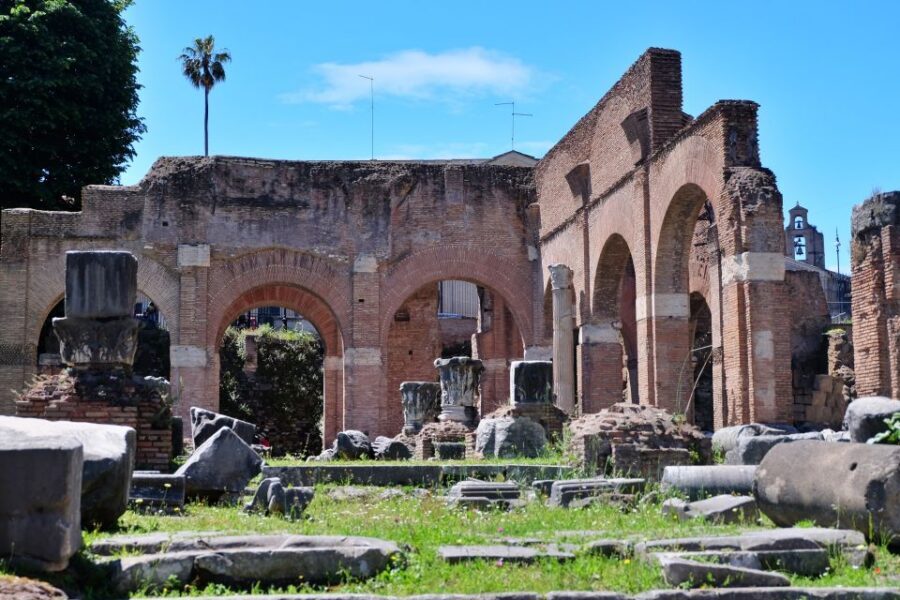
One of the more valuable choices in this tour is what happens after the guided part. You’re able to continue at your own pace, which helps if your interests lean more toward architecture, photo angles, or just lingering in quiet corners.
This is especially helpful at places like the Forum and Palatine Hill, where there’s enough to look at that a tightly timed group can sometimes feel rushed. With self-paced time, you can slow down when something catches your eye—then catch up later without feeling like you’re falling behind.
Ending near Trajan’s Column: a strong Roman victory landmark
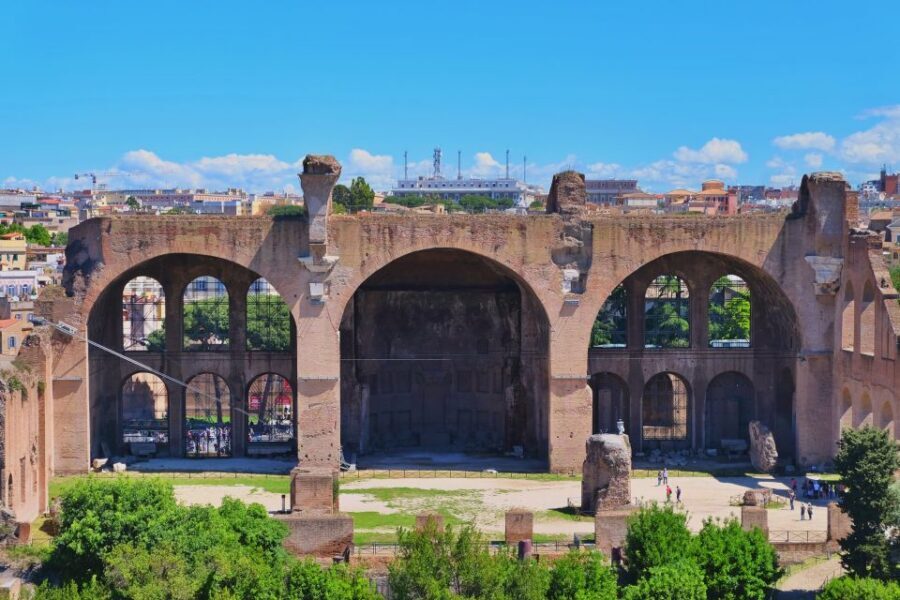
The tour finishes near Trajan’s Column, a famous icon of Roman victory and power. Ending here gives you a clean visual marker, something you can point to on your map and use to orient yourself after the walking part is done.
It’s also a good final stop because the Column is an “aftertaste” landmark. You get the tour’s big ideas, then you cap it with a symbol that feels like pure messaging—Roman authority, public triumph, and spectacle.
Price: what you’re paying for and where the real value is
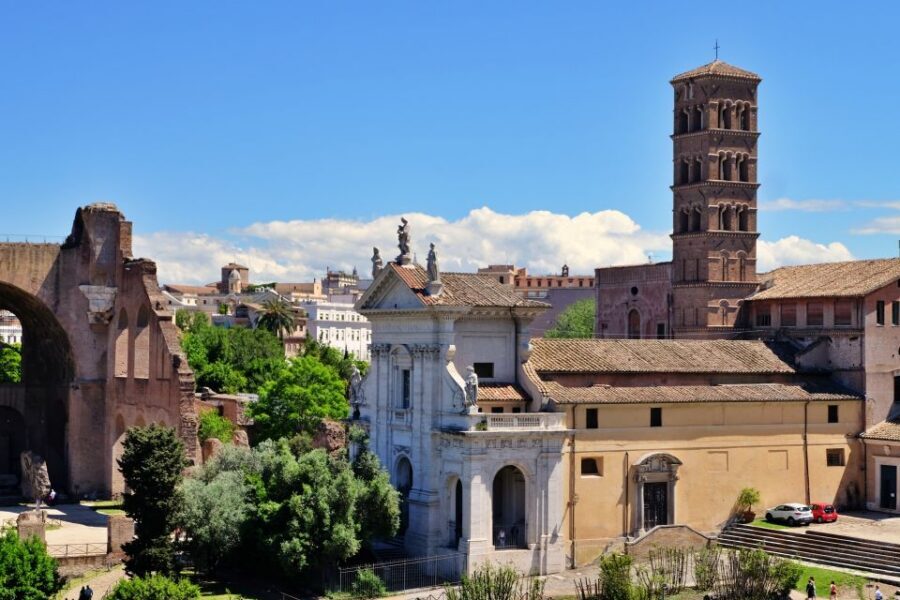
The listed price is $58 per person for a 2.5-hour experience. That sounds straightforward, but the smarter question is what you’re buying alongside the entrance.
Here’s the key breakdown that’s stated for the tour: the archaeological entry component is €16 for adults, with an added €2 reservation fee. Children under 18 have free entry. The price you pay is also tied to tour services such as licensed guiding and audio devices.
So when you compare this to buying entry tickets and going alone, the value comes from three places:
- You skip the ticket-line hassle and start faster.
- You get a guided explanation that turns ruins into stories and context.
- You don’t have to figure out how to prioritize among the Colosseum, Palatine Hill, and the Forum.
If your plan is to spend only a short time in Rome before moving on, the bundle price tends to feel like a bargain. If you already know exactly what you want and prefer unguided wandering, a DIY plan might work cheaper—though you’ll trade away the guided clarity and the time savings.
Also note the tour is non-refundable, so make sure your dates and ID situation are solid before you lock it in.
Practical rules that can affect your day
This tour has clear limits, and it’s worth reading them before you get to the site. For example, no pets, no weapons or sharp objects, and no oversize luggage are allowed. There’s also no suitcase compartment, so don’t plan on bringing big bags that you need to stow.
Food and drinks are listed as not allowed, as are smoking and alcohol/drugs. There are also restrictions on sprays/aerosols and glass objects. The rules can feel strict, but they also make the visit smoother once you’re inside—fewer messy interruptions.
If you want an easy day, pack light and keep your ID and booking details organized. The tour also asks that the full names of all participants match the booking, so double-check spelling.
Language options and listening comfort
This isn’t just a multilingual tour on paper. You’ll be able to choose from French, German, English, Italian, and Spanish. That matters if you want the myths, legends, and engineering explanations to land without translation gaps.
On top of that, radios/headsets are included. When you’re standing in a place as loud and crowded as the Colosseum area, this is the difference between getting half the story and hearing the full thread.
Who this tour is best for
I think this tour fits best if you’re the type who wants Rome’s top sights with context, not just photos. It’s also a strong choice if you’re short on time and want a logical, guided flow through the Colosseum into Palatine Hill and the Roman Forum.
You’ll likely enjoy it even more if you like stories—gladiators, legends, and the big-picture reasons Rome built things the way it did. The guide format helps you connect the myth and the architecture so you’re not stuck with a pile of ruins and no glue.
This may be less suitable if you can’t follow strict rules about ID and luggage. Since ID is mandatory, make sure you’re not counting on a backup document.
Should you book this Colosseum + Palatine + Forum tour?
Book it if you want an efficient, guided way to see the Colosseum, understand what you’re looking at, then continue to Palatine Hill and the Roman Forum with clearer context and time to wander afterward. The mix of guided storytelling, headsets, and skip-the-line access is where the value really shows.
Skip it or consider a different approach if you’re very comfortable going on your own and you’re worried about the ID and luggage restrictions. The tour is easy to enjoy when you meet the requirements and keep your day simple.
If you do book, plan early, bring your ID, and arrive a bit ahead of the meeting time so you can find the right start point without rushing. Rome rewards calm. And the Colosseum is a lot more fun when you’re not spending the first 20 minutes hunting for the correct group.
FAQ
How long is the tour?
The tour duration is listed as 2.5 hours. In July and August, the duration is 2 hours.
Do I need an ID to enter?
Yes. Passport or ID card is mandatory. Without ID, entrance can’t be guaranteed. Children also require ID.
Does this tour skip the ticket line?
Yes. The tour includes skip-the-ticket-line access.
What’s included in the price?
Included are a live tour guide, radios/headsets, entrance to the Colosseum, and the Palatine Hill and Roman Forum visit.
What languages are offered?
Live tour guide languages include French, German, English, Italian, and Spanish.
Are there luggage or food restrictions?
Yes. No pets, no oversize luggage, and no food or drinks are allowed. No suitcase compartment is available, so plan to travel light.