REVIEW · COLOSSEUM TOURS
Rome in a Day Tour Including Vatican Sistine Chapel Colosseum and All Highlights
Book on Viator →Operated by Private Tours of Rome · Bookable on Viator
Rome feels like a movie already.
This 6-hour highlights tour strings together the big names of the Eternal City and pairs them with an art historian-guide who explains what you’re actually looking at, not just when it was built. I especially like the inside access focus at the Colosseum plus the steady story arc that keeps ancient Rome and the Vatican from feeling like separate day trips.
Two things I’d call out right away: you get admission tickets and a Colosseum reservation fee baked in (so you’re not scrambling to line up on your own), and the pacing is built for time-pressed visitors with multiple short stops plus guided walking. One possible drawback: you’ll do a lot of walking in one go, and Vatican access can change last minute due to papal events—so part of the day depends on what’s open that morning.
A note on guides: names I saw in feedback include Sara, Tommaso, Claudia, Max, Francesco, and Paola, and the common thread is how they tailor the route to the group while keeping the commentary practical and easy to follow.
In This Review
- Key things to know before you go
- The value: what you’re really paying for
- Your day plan: a loop that makes Rome make sense
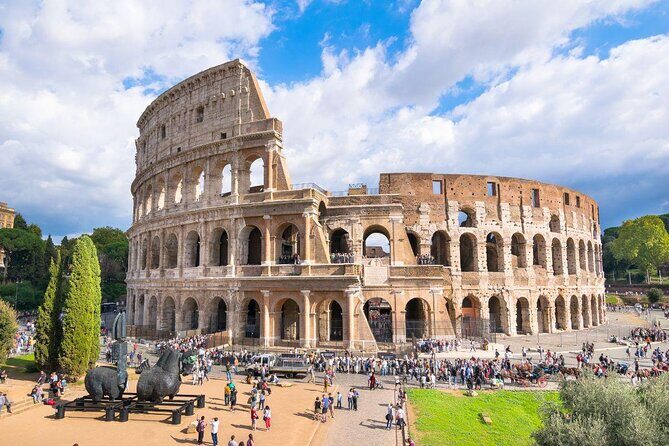
- Stop 1: Colosseum with inside-floor focus
- Stop 2: Roman Forum highlights and the power-center story
- Stop 3: Trevi Fountain and a realistic lunch break
- Stop 4: Marcus Aurelius Column and government-area sights
- Stop 5: The Pantheon and Raphael’s resting place
- Stop 6: Piazza Navona and Bernini’s Four Rivers Fountain
- Stop 7: Vatican Museums with time inside
- Stop 8: Sistine Chapel roof and Raphael fresco context
- Stop 9: St. Peter’s Basilica and what to notice
- Stop 10: St. Peter’s Square finish
- Logistics that matter on this tour (and how to handle them)
- What makes the guides stand out in real life
- Who this tour is best for
- Should you book it? My straight take
- FAQ
- What sites are included in this Rome highlights tour?
- How long is the tour and what time does it start?
- Is the Colosseum ticket included?
- What should I wear to enter the Vatican and churches?
- Do I need to bring a mask?
- What ID do I need for entry?
- What happens if Vatican areas close last minute?
Key things to know before you go
- Art historian-guide context: you’ll get meaning and visual cues, not just dates
- Colosseum + Roman Forum ticketed entry with a reservation included
- A tight itinerary that covers Trevi, Pantheon, Piazza Navona, and the Vatican in one day
- Dress code is real: shoulders and knees covered, no shorts, no sleeveless tops
- Bring your own FFP2 mask and expect social distancing rules
- Vatican closures can happen and the guide provides an in-museum alternative
The value: what you’re really paying for
At $663.74 per person for about 6 hours, this isn’t a budget bargain. But the price starts to make sense when you look at what’s included: the Colosseum entrance ticket, the Colosseum reservation fee, and guided time through the major sites that usually swallow half a day on their own. Add in a professional art historian-guide, plus admission tickets for several stops, and the day becomes less about logistics and more about absorbing Rome.
This is also a smart choice if you’re only in town for a short visit. Instead of picking one or two landmarks and calling it a day, you get a single route that hits the big iconic “checkpoints” while still leaving room for stops that feel human—like a proper pause at Trevi.
One more value point: this is set up as a private tour/activity, so it’s not a cattle-car situation. That matters at crowded places like the Colosseum and Vatican, where a guide’s timing and crowd-reading can save your patience.
You can also read our reviews of more tours and experiences in Rome.



Your day plan: a loop that makes Rome make sense
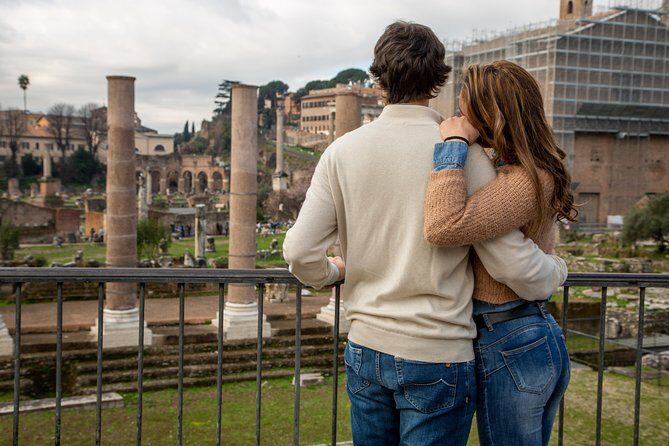
The tour runs from 9:30 am, starting at Piazza del Colosseo, 23 and ending at St. Peter’s Square (Piazza San Pietro). It’s designed as a sequence: ancient Rome first, then classic sights around the center, then the Vatican finish. That flow helps you connect themes—power, religion, art, and spectacle—without having to constantly reset your brain.
The day also mixes longer, ticketed moments with shorter photo-and-look stops. That’s not a flaw; it’s the whole point of a highlights tour. You’ll leave with the major sights checked, and you’ll also understand what you saw well enough to feel less like you just walked past things.
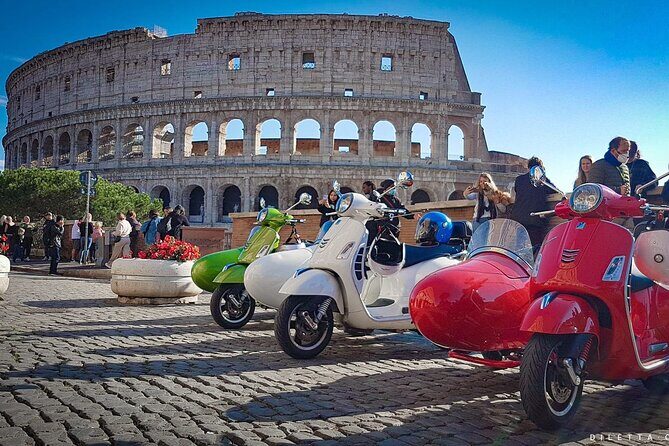
Stop 1: Colosseum with inside-floor focus
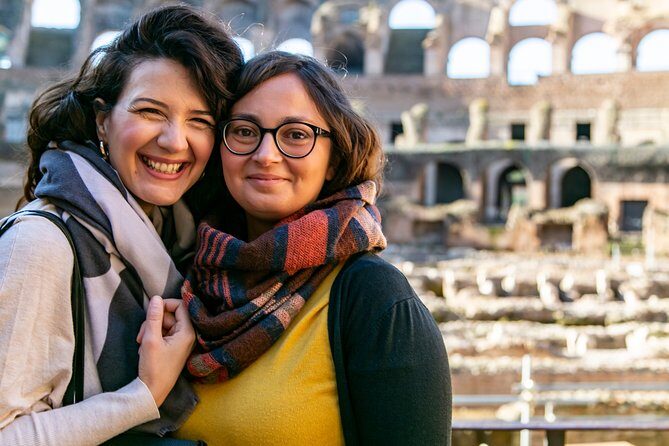
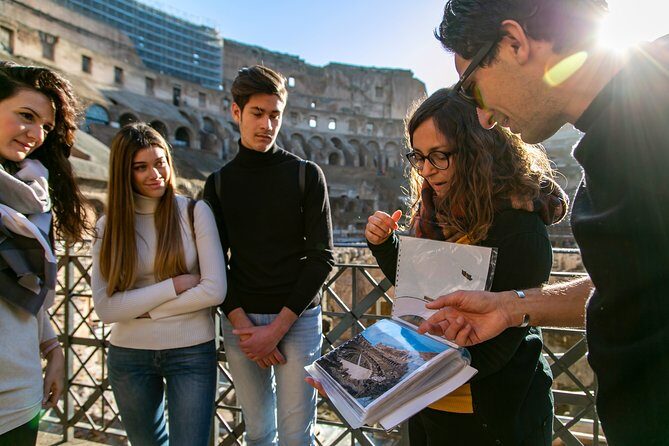
The day begins right at Piazza del Colosseo, and your guide meets you at the Colosseum. The big win here is that you go to the inside area of the arena/field, where you can start imagining how events were staged. It’s harder to grasp the scale from just the outer viewpoints, so this inside time gives you a more complete picture.
Practical upside: the tour includes the Colosseum admission and reservation fee, which is the kind of small detail that often makes or breaks a tight itinerary. Even with a reservation, you’ll still need to respect security lines, but you’re not doing the day’s heavy lifting alone.
Possible consideration: the Colosseum and Roman Forum are among the most demanding walking areas in the city. Bring good shoes and plan to take breaks when the guide offers them, especially if you’re traveling with kids or anyone who gets tired quickly.
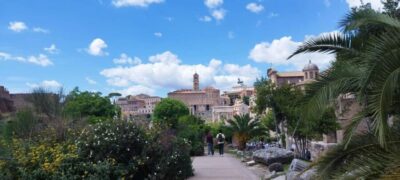
Stop 2: Roman Forum highlights and the power-center story
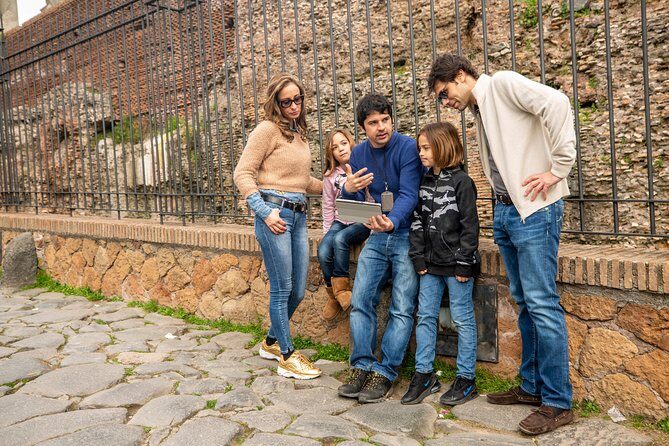
After the Colosseum, you head to the Roman Forum. This is where the tour becomes more than sightseeing because the guide helps you read the space like a map of ancient life: political decisions, religious functions, and public drama all layered on one site.
You’ll see major landmarks along the way, including:
- Arch of Constantine
- Roman Forum
- Arch of Titus
- House of the Vestal Virgins
- Temple of Saturn
- Senate House
- Arch of Septimius Severus
Then the route connects onward via the Sacred Way, with stops toward Capitoline Hill and the Vittoriano. That’s a helpful “bridge” moment. You’re not only staring at stones; you’re understanding how the city’s layout kept shaping what Rome became later.
Time note: you’ll have about 30 minutes here. That’s not long in a world-class site. But with a strong guide, it’s enough to get oriented fast—and orientation is what lets you enjoy Rome more on subsequent visits.
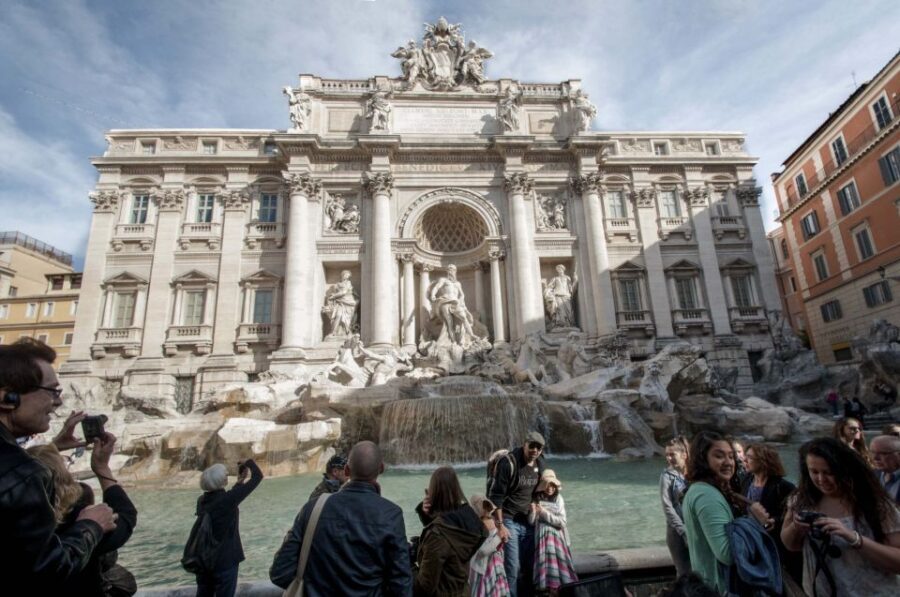
Stop 3: Trevi Fountain and a realistic lunch break
Next up is the Trevi Fountain, one of those places you’ve probably seen in movies even if you’ve never been there. The guide’s context here helps too, including the classic legend about tossing a coin and returning.
The tour gives you about 30 minutes, and it’s intentionally built for a reset. This is your best chance in the schedule to step away, look for quick bites, and avoid forcing lunch to happen while you’re still in “tour mode.”
Food is on you. In the time you have, think casual: pizza by the slice, a sandwich, or something simple nearby. If you want a sit-down meal, plan to do it fast because the itinerary keeps moving.



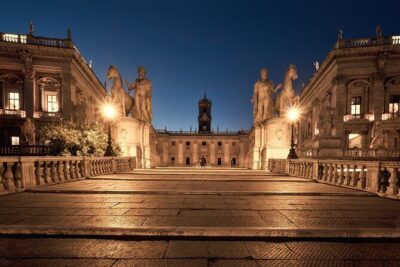
Stop 4: Marcus Aurelius Column and government-area sights
After lunch, you move toward Rome’s government district to see the Column of Marcus Aurelius. The guide points you toward why this monument matters and what it represents, especially in relation to Roman leadership and public messaging.
Nearby, you also catch the Temple of Hadrian, built by Emperor Antoninus Pius in honor of his predecessor. This is a short stop, about 10 minutes, but it’s a smart one because it connects emperors, public art, and how power was made visible.
Stop 5: The Pantheon and Raphael’s resting place
The Pantheon is a must for many reasons, and this tour adds one extra hook: you’ll know where Raphael is buried. That detail turns your visit into more than architecture admiration. You get to feel the continuity—Renaissance genius physically linked to an ancient monument.
You’ll have about 30 minutes here. That’s typically enough time to see the main interior and also pause long enough to notice what your eyes can actually catch (light, scale, and symmetry).
Stop 6: Piazza Navona and Bernini’s Four Rivers Fountain
You’ll move on to Piazza Navona, passing through the area near the Ancient Baths of Nero. In the square, the highlight is Bernini’s Fountain of the Four Rivers. The tour frames the fountain as art you can interpret, not just a photo spot.
This is a shorter stop (about 20 minutes). You’ll likely use it to catch the fountain from a few angles, then enjoy the square’s street-life vibe while the day stays on track.
Stop 7: Vatican Museums with time inside
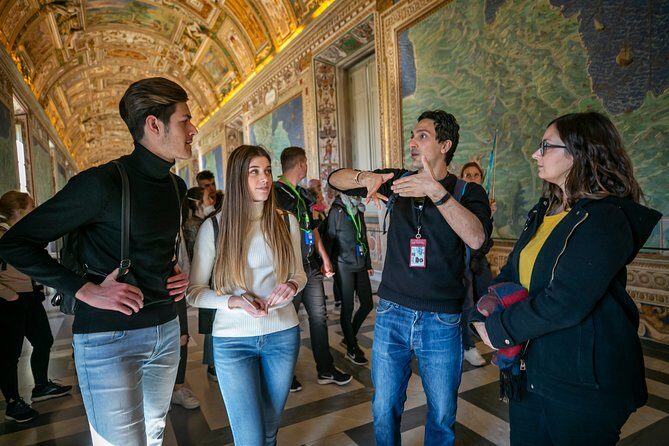
The day pivots to the Vatican Museums, which sit over the Tiber River. You’ll spend about 2 hours here, with entry included. This is one of the densest art experiences on Earth, so time feels short—but that’s exactly why having a guide matters. You need someone pointing out what to look for and how to connect it without getting lost in the sheer volume of rooms.
Then you continue forward toward St. Peter’s Basilica access and the next steps of the Vatican portion.
One important reality check: the Vatican can close spaces due to pope-related events. The tour includes a built-in workaround—your guide may shift focus to alternatives inside the museums if the Sistine Chapel and/or Basilica of St. Peter’s aren’t accessible.
That flexibility is valuable when you’re visiting during busy papal schedules.
Stop 8: Sistine Chapel roof and Raphael fresco context
The tour includes Sistine Chapel time (about 15 minutes). When it’s open, this is the moment you remember for years. The guide helps you look beyond the “wow” factor and toward what the art is doing visually and thematically.
Another practical note: the schedule is tight enough that you’ll feel the time limit. I’d treat this as first-pass seeing. If you want a slow, quiet second visit, you’ll still want to return on another day.
Stop 9: St. Peter’s Basilica and what to notice
Next comes St. Peter’s Basilica with about 30 minutes inside, including key features you might miss if you just follow foot traffic.
You’ll look for:
- multiple side chapels, including hidden crypts
- Michelangelo’s Pietà
- why the Pietà is special as the only work Michelangelo signed
- how Bernini’s altarpiece is meant to be seen
- explanations about how Michelangelo won over others for the dome commission
This stop is packed with meaning. The guide’s job is to translate the symbolism into simple, understandable takeaways—so you’re not just standing in a giant church thinking, I should know what I’m seeing.
Stop 10: St. Peter’s Square finish
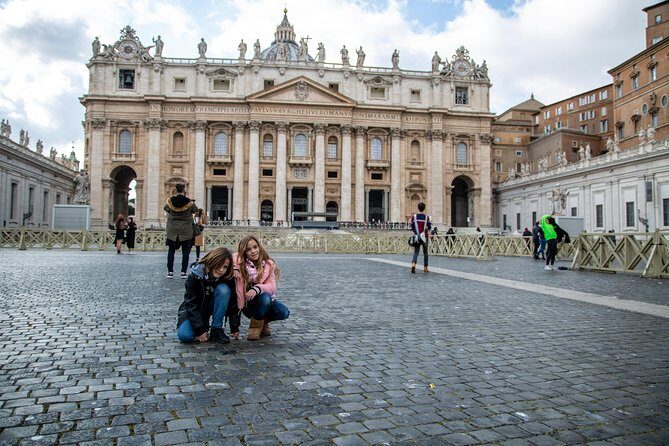
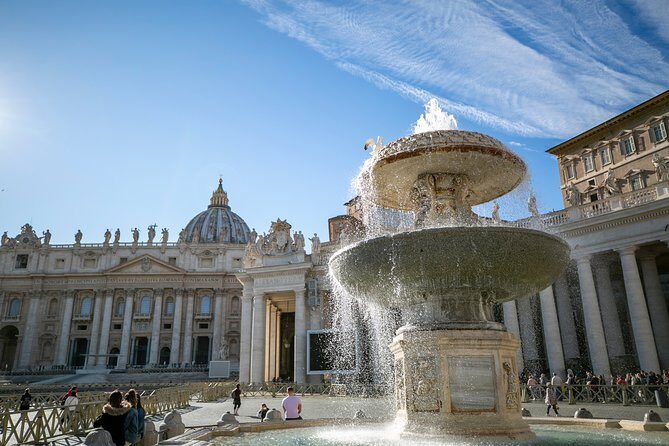
The tour ends in St. Peter’s Square with about 15 minutes free time. This is the payoff space where you can take in the scale and let the Vatican side of your day settle in.
It’s also a good place to grab a final photo and figure out what you want to do next, since the tour ends there.
Logistics that matter on this tour (and how to handle them)
This day is built for efficiency, so small details can cause big headaches if you ignore them.
- Dress code: shoulders and knees must be covered. No shorts or sleeveless tops. This applies to places of worship and selected museums.
- Mask: you must bring your own FFP2 mask.
- ID matching your ticket: you’ll need a valid passport or ID that matches the name used at booking for Colosseum and Roman Forum entry.
- Vatican last-minute closures: some areas might close without notice due to pope activity. If that happens, your guide provides an in-Vatican alternative.
- Social distancing: plan to follow on-site spacing rules.
My advice: pack the right clothes and the mask the night before. It’s a day where you don’t want to deal with a last-minute clothing scramble.
What makes the guides stand out in real life
The best part of this tour isn’t only the itinerary—it’s the way guides run it.
From the feedback I read, guides like Sara have a knack for keeping the vibe warm even when weather turns ugly. One write-up praised how Sara kept energy lively during rain and cold, and how she helped the group navigate crowds and timing smoothly.
Other guides brought their own strengths:
- Claudia was highlighted for being great with a wider age range, including kids and teens, and for reading the crowd to tailor the pace.
- Max reportedly took photos during the tour and used visual comparisons of ancient Rome versus today.
- Francesco was noted for personalization, plus extra stops beyond the planned highlights, and for practical touches like lunch recommendations, water, and even coffee suggestions.
- Paola was praised for guiding a group of teenagers while still keeping the history clear and relevant.
If you care about having Rome explained in a way that actually sticks, those guide skills are the difference between a checklist tour and a real learning day.
Who this tour is best for
This fits best if:
- you’re a first-time visitor who wants to hit the major landmarks without losing the story
- you’re history-minded and want context for Colosseum, Forum, and the Vatican
- you have limited time and want one smooth route instead of five separate planning sessions
- you like a guided day where you can go at your own pace within the flow and still get undivided attention when it counts
It may be less ideal if you want long, quiet time at each site, or if you don’t handle heavy walking well. This schedule moves, even though it includes short breaks built in.
Should you book it? My straight take
I’d book this if you want maximum Rome per day with a guide who helps you understand what you’re looking at. The mix of major sites plus art-and-history framing makes it a strong value for short stays, especially because tickets and a Colosseum reservation fee are included.
I’d think twice if:
- you’re planning a trip during a pope-heavy schedule and you need guaranteed access to every Vatican space
- you have low tolerance for walking and standing
- you’re not comfortable following strict dress rules
If you’re the type who wants to leave Rome feeling oriented and informed, this is a practical way to make that happen in one day—without turning your trip into a navigation exercise.
FAQ
What sites are included in this Rome highlights tour?
The tour covers the Colosseum, Roman Forum, Trevi Fountain, Column of Marcus Aurelius, the Pantheon, Piazza Navona, the Vatican Museums, the Sistine Chapel, St. Peter’s Basilica, and ends at St. Peter’s Square.
How long is the tour and what time does it start?
It runs for about 6 hours and starts at 9:30 am.
Is the Colosseum ticket included?
Yes. The Colosseum entrance ticket and a Colosseum reservation fee are included.
What should I wear to enter the Vatican and churches?
You must follow a dress code: no shorts or sleeveless tops. Knees and shoulders must be covered for both men and women.
Do I need to bring a mask?
Yes. You must bring your own mask, and FFP2 masks are required.
What ID do I need for entry?
You must present a valid passport or ID document that matches the name provided at booking for successful entry to the Colosseum and Roman Forum.
What happens if Vatican areas close last minute?
Some areas might close due to pope-related activity. If that happens, your guide will provide an alternative focusing on the tour inside the Vatican Museums.