REVIEW · CYCLING TOURS
Rome: Full-Day Guided Tour by E-Bike with Lunch Included
Book on GetYourGuide →Operated by TopBike Rental & Tours · Bookable on GetYourGuide
Rome is better at bike speed. This full-day ride strings together the big hitters—Colosseum, Pantheon, Trevi Fountain, and more—without turning your day into a sit-and-stand marathon. I like that the tour uses electric assist on a route built for sightseeing, plus you stop often for history and photos. My other favorite part is the lunch: a typical Italian trattoria meal that feels like you’re dining with the rhythm of Rome, not just grabbing food between monuments.
The only real drawback to plan for is traffic and tight streets in the center. You will pedal close to moving cars at times, so the safest mindset is calm, steady, and ready to follow your guide’s pacing. Bring comfortable shoes and wear the helmet (mandatory), and you’ll be fine.
In This Review
- Key things I’d circle on your planning map
- Why an E-Bike Day Works So Well in Rome
- Meet-Up, Bikes, and the Setup You’ll Feel Right Away
- The Colosseum Start: Getting Your Bearings Fast
- Via dei Fori Imperiali and the Ancient Streets You Ride Through
- Piazza Venezia and Trevi Fountain: Rome’s Theater Meets Your Bike Route
- Spanish Steps and Villa Borghese: A Switch in Pace and Mood
- Piazza del Popolo and the Pantheon: Big Views, Big Weight
- Piazza Navona and Castel Sant’Angelo: Squares You Can Feel
- St. Peter’s Area, Bernini-Style Lines, and the Power of a Panoramic Pause
- Trastevere and the Roman Forum Finish: Ending With Character
- Lunch at an Italian Trattoria: Why This Is More Than a Break
- Time, Effort, and What the 24 km Really Means
- Safety and Street Reality: Cars, Tight Turns, and Staying Relaxed
- Price and Value: Is $113.29 a Good Deal?
- Who This Tour Fits Best
- Should You Book This E-Bike Highlights Tour?
- FAQ
- How long is the e-bike tour?
- How far do you ride and how hard is it?
- What sights are included on the route?
- Is lunch included?
- What’s included with the bike and safety gear?
- What languages are the guides available in?
- Where is the meeting point?
- Is transfers included?
- Are snacks and drinks included during the ride?
- What are the age rules for e-bikes and children?
Key things I’d circle on your planning map
- E-bike help on hills: climbing is much easier thanks to electric assist and a “leisure” difficulty setup.
- Lunch at a real trattoria: not an afterthought, it’s built into the day.
- A classic Rome loop: from the ancient core through Trastevere and over toward St. Peter’s area.
- Small group size: limited to 10 participants, so it stays manageable on busy streets.
- A 24 km ride: about 15 miles with around 150 meters of elevation gain—solid, but not a mountain workout.
Why an E-Bike Day Works So Well in Rome
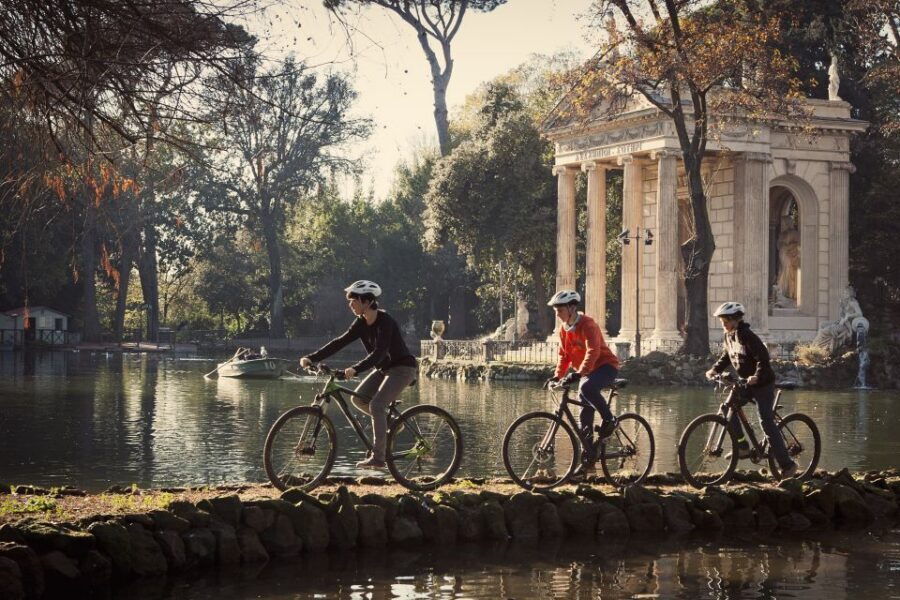
Rome’s center is gorgeous, but it’s also a maze. Even if you like walking, you’ll hit the same problem again and again: time disappears on long transfers, crowded sidewalks, and “wait—where is that street?” moments.
On an e-bike tour, you get two wins at once. First, you cover ground fast enough to see the major sights that usually eat an entire day. Second, you still get the freedom of small stops—so you can actually look closely at facades, fountains, and squares instead of just snapping photos while walking through.
This tour is built for that style of sightseeing: long enough to feel like a real day, but paced with breaks, explanations, and photo chances. The route is about 24 kilometers (15 miles) with 150 meters of elevation gain, and the difficulty is listed as leisure with electric help. In other words: you’re not training for a cycling race.
You can also read our reviews of more cycling tours in Rome
Meet-Up, Bikes, and the Setup You’ll Feel Right Away
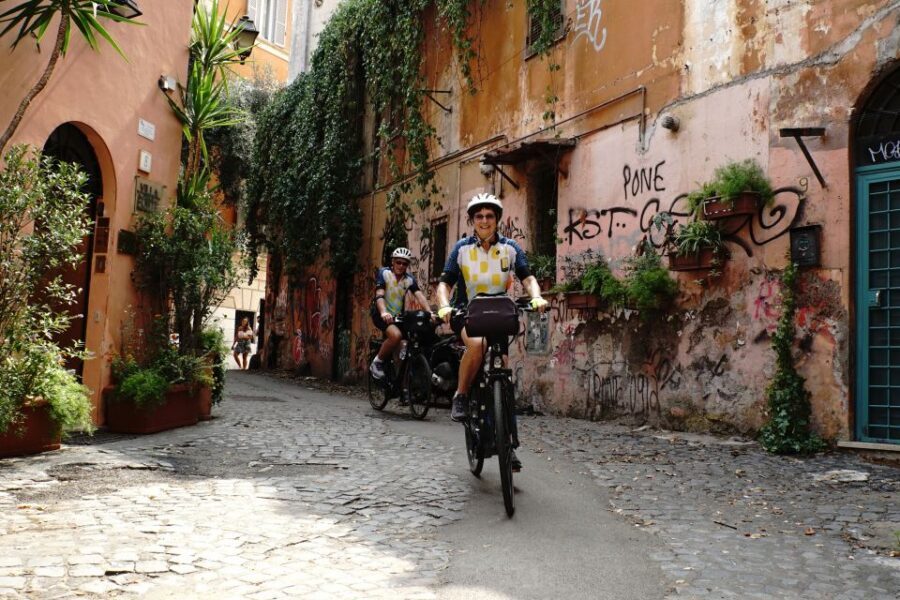
The tour starts near the Colosseum area, with meeting points that may vary based on the option you booked. Your meeting point is listed as Via Labicana, 49. The tour ends back at the meeting point, which helps keep your day from turning into yet another transit puzzle.
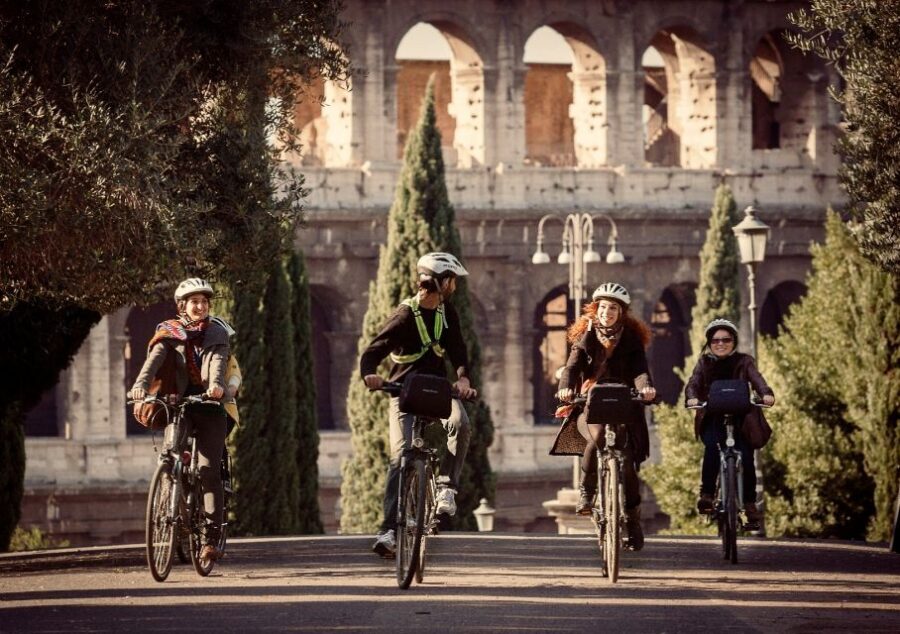
You’ll ride a Cannondale e-bike with anti-puncture tires. A helmet is mandatory, and you’ll also get a handlebar bag plus a biodegradable bottle of water. That’s not flashy, but it’s practical: helmets reduce the stress level, and the handlebar bag keeps small essentials from becoming a backpack mess.
Group size is capped at 10 participants, which matters more than you’d think in Rome. With fewer riders, it’s easier for the guide to keep you together, manage turns, and choose safer lanes when streets get chaotic.
The Colosseum Start: Getting Your Bearings Fast
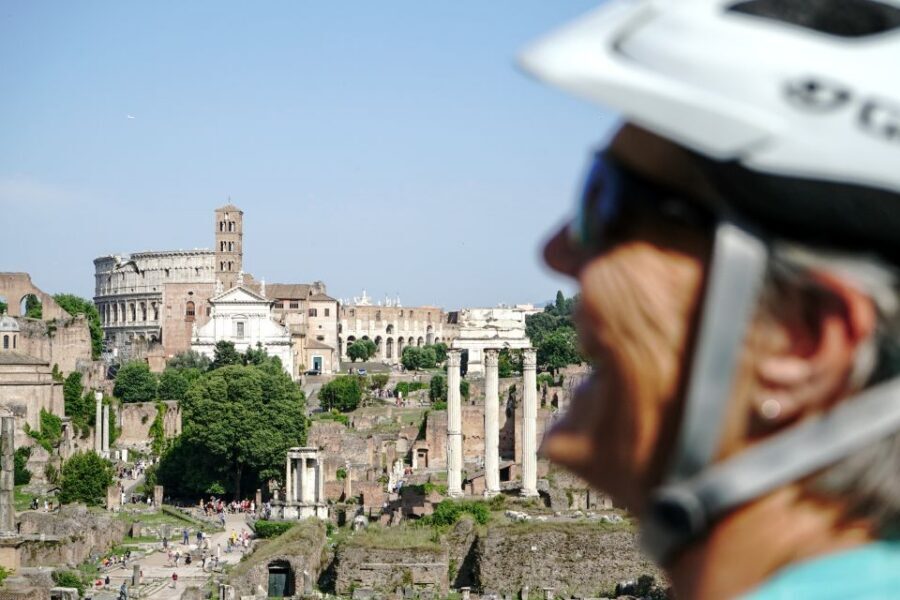
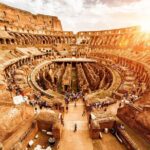
Your first big moment is the Colosseum. The tour begins close enough for that first-view impact—the kind that makes you instantly understand why this site set the tone for centuries of Roman and European architecture.
Then you head toward the Imperial Fora, which is where the day’s “wow” factor turns into “oh, this makes sense.” You’re riding around areas tied to ancient power, temples, and the Roman Republic’s public life. Seeing it from the bike saddle also helps you connect the spaces: forums, streets, and elevation shifts become easier to visualize as one system rather than separate postcards.
A good e-bike tour doesn’t just drop you at highlights—it teaches you how they relate. That’s the value here: you’re not only looking; you’re building a mental map while you move.
Via dei Fori Imperiali and the Ancient Streets You Ride Through
One of the most satisfying parts of this kind of tour is riding through the ancient spine areas around Via dei Fori Imperiali. You don’t just stop at ancient remnants—you move through the corridor where Rome’s layers overlap.
This is where electric assist earns its keep. The day is listed with a relatively gentle elevation profile, but Rome’s streets always have little climbs and stop-start changes in grade. With e-assist, you can keep your attention on the sights and the road instead of white-knuckling your way up every slope.
And yes, there’s a bit of “Rome is Rome” here: compact roads, cars nearby, and constant motion. The calm strategy is to listen closely to your guide, keep a consistent pace, and avoid sudden braking. The helmet requirement is a hint: the operator is serious about safety.
Piazza Venezia and Trevi Fountain: Rome’s Theater Meets Your Bike Route
Next up, you’ll pass through and stop at Piazza Venezia, a key reference point for understanding how different parts of the city connect. It’s the kind of square that helps you orient your future walks, even after your bike day ends.
Then comes Trevi Fountain—the famous one, the crowded one, the iconic one. The bike approach can be a blessing because you’re not slogging in from miles away. You also have more time to actually look instead of just skating past.
One practical tip for Trevi: plan for people. Even if the crowd feels intense, your best move is to step back for perspective photos, then return for close-up details when there’s a gap in the flow.
You can also read our reviews of more guided tours in Rome




Spanish Steps and Villa Borghese: A Switch in Pace and Mood
Stopping at the Spanish Steps and then heading toward Villa Borghese gives the day a nice rhythm shift. This is where the tour moves from ancient monumental scale into Renaissance and Baroque Rome’s showpiece streets and viewpoints.
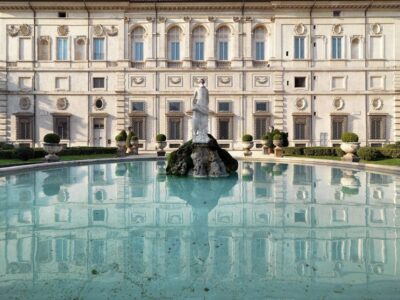
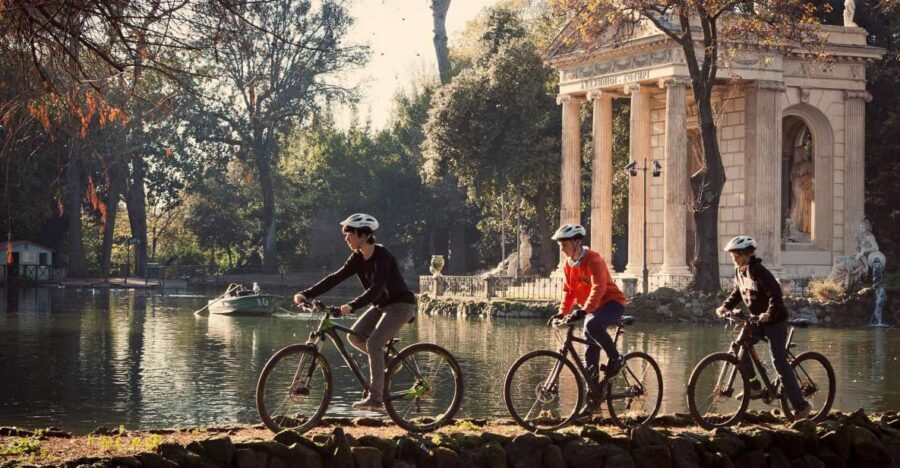
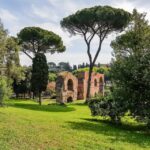
Villa Borghese is especially valuable because it changes the feel. Even if you’re still in the center of the city, the garden and villa area helps you breathe between the heaviest sights. It’s also one of those places where you start noticing how Rome designs space: the city doesn’t only build buildings; it builds sightlines.
Piazza del Popolo and the Pantheon: Big Views, Big Weight
From Villa Borghese you reach Piazza del Popolo. This square sits like a pivot point, and the day’s route uses it to set you up for more central classics.
Then the Pantheon stop is the kind that makes the entire day feel worth it. The Pantheon is famous for a reason, and on an e-bike tour you get there with a fresh sense of momentum rather than arriving after a long, exhausting walk.
The trade-off? The Pantheon area, like most top sites, can be busy. Your guide will help you time stops and get the right angles, but you’ll still be in the real Rome crowd reality. That’s normal—just set your expectations accordingly.
Piazza Navona and Castel Sant’Angelo: Squares You Can Feel
Piazza Navona is next. It’s a square that works even if you’ve seen photos before. On a bike tour, you get more than a stop—you get a sense of scale and how the buildings frame the public space.
After that, you’ll head toward Castel Sant’Angelo. This is where Rome’s story starts to look less like ancient ruins and more like a city that kept reworking itself. Castle-to-cathedral-to-basilica energy is part of the thrill: you’re moving through centuries without changing tours.
St. Peter’s Area, Bernini-Style Lines, and the Power of a Panoramic Pause
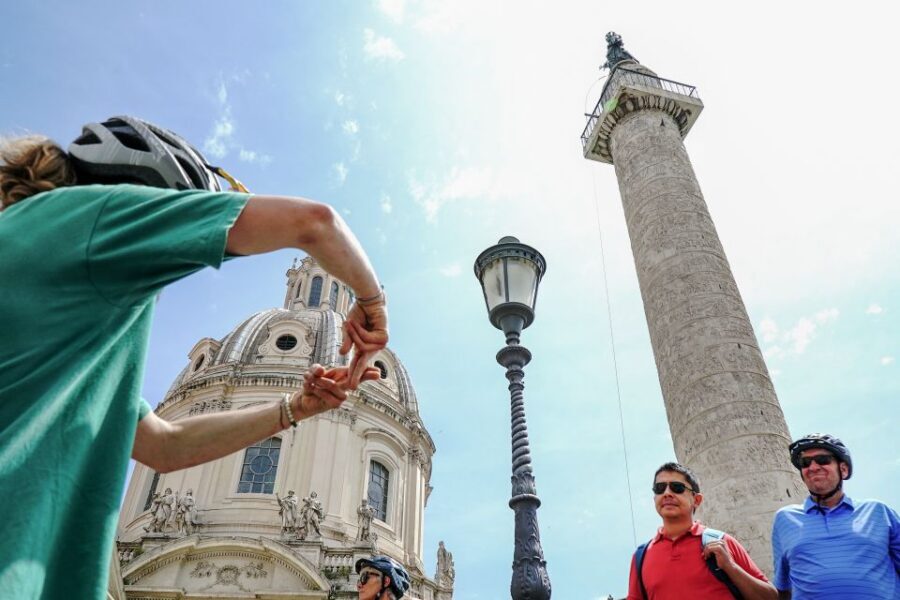
As you bike toward Vatican City, the tour includes a view of St. Peter’s Basilica and Bernini’s graceful colonnades. Even if you’re not a hardcore art fan, you’ll feel why these lines matter: Rome is a city that uses geometry to guide your eye.
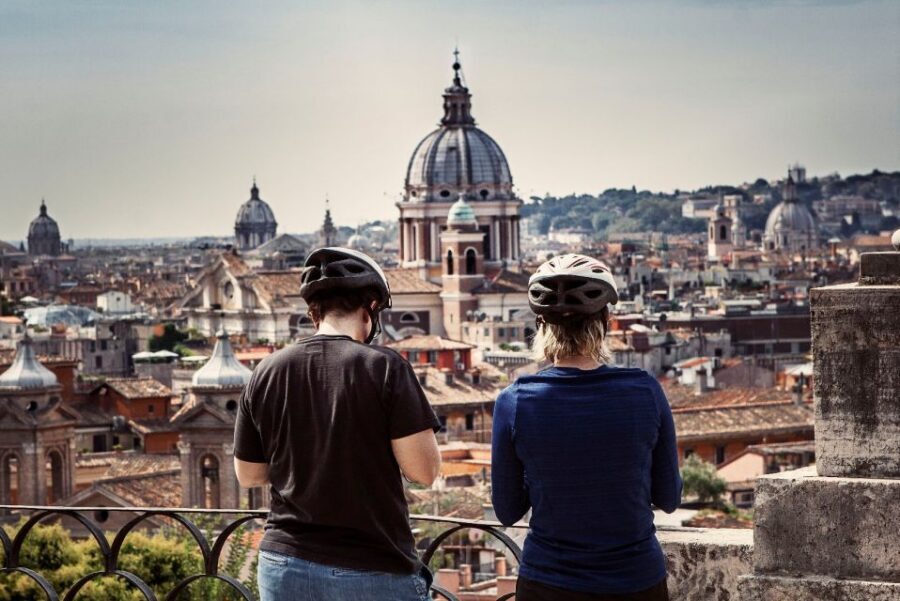
Then the itinerary continues with Janiculum Hill for panoramic views of the Roman Forum. That’s a smart move. You’ve spent the day around the historic core; this kind of viewpoint helps you connect it all in one glance.
If you like architecture, the Capitoline-area experience also adds meaning—Michelangelo’s urban planning shows up in the main square of the Capitoline, and the tour explicitly includes that perspective moment.
Trastevere and the Roman Forum Finish: Ending With Character
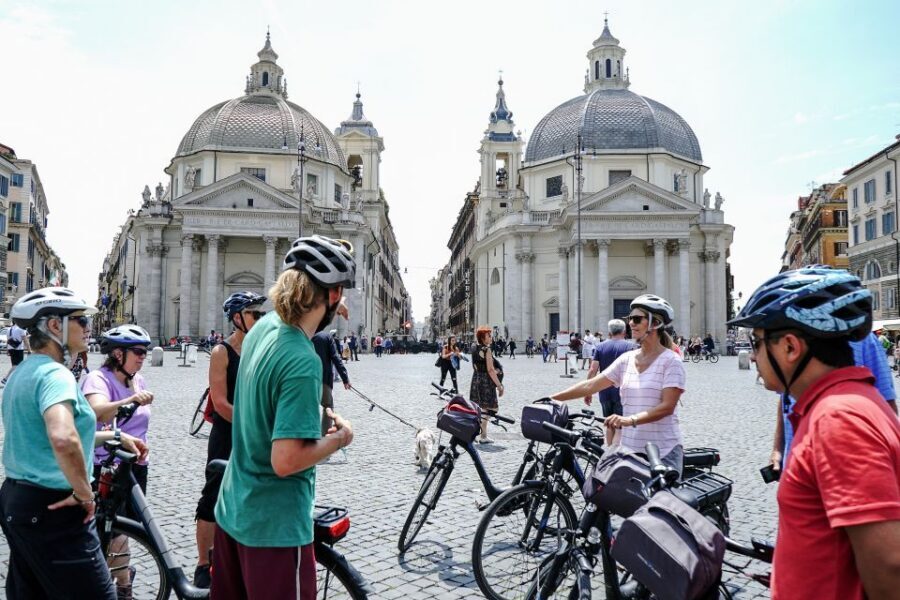
You finish with Trastevere and then return toward the Roman Forum area. Trastevere is one of the best “end-of-day” neighborhoods because it feels lived-in. The streets have character, the vibe is more bohemian, and the pace feels slightly different from the monumental center.
This is also a good time to slow down in your own head. By now you’ve seen the big names—Colosseum, Pantheon, Trevi. Trastevere gives you a softer landing: you’re not just checking boxes; you’re soaking up Roman street life.
Lunch at an Italian Trattoria: Why This Is More Than a Break
Lunch is included in a typical Italian trattoria. That matters for value because it saves you from the classic Rome problem: grabbing a quick bite near a major sight that costs too much and tastes like it was designed for tourists.
The tour schedule also includes short breaks for explanations and photos. That pacing is helpful. Instead of eating while mentally rushing to the next stop, you get a real mid-day reset. And since the lunch is part of the plan, you’re less likely to end up hungry and cranky when the day runs long.
Time, Effort, and What the 24 km Really Means
The route is about 24 km and 150 meters of elevation gain. Listed difficulty is leisure with electric-assist. Translation: you should expect to pedal, but the bike is doing a lot of the heavy lifting on slopes.
What I like about this is the balance. This isn’t a short “taste Rome” ride. It’s also not an intense full-day workout disguised as sightseeing. You’ll feel like you’ve done something, but you shouldn’t dread it.
Bring comfortable shoes. That’s the main non-negotiable item you can control. Also, if you have a sensitive spot for long sitting, consider taking a bit of water and staying loose during stops. Short breaks are built into the tour, but your body will still appreciate some movement.
Safety and Street Reality: Cars, Tight Turns, and Staying Relaxed
One review-style theme that keeps popping up with city e-bike tours is the street feel. Rome can put you close to moving cars, and that can feel scary at first—even when you’re riding safely.
Here’s the approach that works best: trust the system, but don’t go on autopilot. Keep your focus on the guide, ride predictably, and don’t overtake other riders in turns. Since the tour is small—up to 10 people—the guide can manage the flow better than with a big group.
And the bike setup is a plus. Anti-puncture tires, a helmet, and a handlebar bag all suggest the operator is planning for actual street conditions, not just smooth-route fantasy.
Price and Value: Is $113.29 a Good Deal?
At $113.29 per person, you’re paying for more than the e-bike. You’re paying for a guide, a structured route, the lunch, and the convenience of hitting many top sights in one day.
For me, the value question comes down to time. Rome highlights are spread out, and without a plan you burn hours getting from one to another. This tour compresses that, and the included lunch helps remove another big variable.
You do not get transfers to/from the meeting point, and snacks or drinks en route are not included. Still, compared to booking separate entries, walking guided tours, and a separate lunch plan, this price can feel fair—especially if you’re traveling with limited days and you want maximum sightseeing per hour.
Who This Tour Fits Best
This tour is a strong pick if:
- You want the big sights—Colosseum, Pantheon, Trevi—plus classic Rome neighborhoods like Trastevere.
- You like having a guide connect dots instead of just seeing monuments.
- You prefer cycling efficiency to a long walking day.
It’s also a good compromise if you’re not sure you can handle hours of walking. The electric assist changes the equation, and the ride is listed as leisure.
Should You Book This E-Bike Highlights Tour?
I’d book it if you want a well-paced day that blends major landmarks with neighborhood texture, and you don’t want to manage every logistics detail yourself. The best part is the mix: big ancient monuments early, iconic squares in the middle, and a character neighborhood finish—plus lunch that isn’t an afterthought.
I’d think twice only if you feel strongly uncomfortable riding near traffic. The streets are part of the deal. If that’s your worry, you’ll still have a good day if you stay calm, wear the helmet, and stick close to the group rhythm.
If you go, do one thing that makes the whole trip better: arrive with a clear mindset that this is sightseeing by bike. You’re not training; you’re touring. Then Rome will feel like it’s moving at your pace.
FAQ
How long is the e-bike tour?
The duration is listed as 7 hours. Starting times can vary, so check availability for the exact start time offered.
How far do you ride and how hard is it?
The total route length is about 24 kilometers (15 miles) with around 150 meters of elevation gain. The difficulty is listed as leisure with an electric-assist bicycle.
What sights are included on the route?
Key stops include the Colosseum, Imperial Fora, Piazza Venezia, Trevi Fountain, Spanish Steps, Villa Borghese, Piazza del Popolo, Pantheon, Piazza Navona, Castel Sant’Angelo, St. Peter’s Basilica, Janiculum Hill, Trastevere, and the Roman Forum.
Is lunch included?
Yes. Lunch is included at a typical Italian trattoria.
What’s included with the bike and safety gear?
You get a Cannondale e-bike with anti-puncture tires, a helmet (mandatory), a handlebar bag, and a biodegradable bottle of water. A live guide is included.
What languages are the guides available in?
The tour guide is available in English, French, Spanish, German, Dutch, Italian.
Where is the meeting point?
The meeting point may vary depending on the option booked, and the listed start location is Via Labicana, 49. The tour ends back at the meeting point.
Is transfers included?
No. Transfers to and from the meeting point and end point are not included.
Are snacks and drinks included during the ride?
Snacks and drinks en route are not included. Water is provided as a biodegradable bottle.
What are the age rules for e-bikes and children?
E-bikes are available for participants aged at least 9. Infants aged 1–4 traveling on a child seat can come free of charge (up to 55 lbs). For children aged 5–8, a child extension is provided. Babies under 1 year are not suitable for the tour.