REVIEW · FULL-DAY
Rome Full Day Discovery from Civitavecchia Port
Book on Viator →Operated by Telia Travel · Bookable on Viator
Rome can feel impossible on a cruise day. This full-day outing strings together Rome’s biggest “wow” stops with Civitavecchia port pickup and an English guide who keeps the day moving. You’ll get smart orientation as you travel between sites, so the monuments don’t feel like random photos.
Two things I really like: the cruise-port logistics (pickup and drop-off built around your ship), and the way the plan packs in major landmarks even when time is tight. People also rave about guides such as Mario for clear English and a friendly approach that helps you understand what you’re seeing.
One drawback to plan for: this is a fast circuit. You won’t have much time for interiors at St. Peter’s Basilica or the Colosseum, and you should expect a lot of walking and crowd navigation.
In This Review
- Key highlights to notice before you go
- The real value: port pickup, short days, big sights
- Civitavecchia Port to Rome: the ride that sets your bearings
- St. Peter’s Square: Bernini’s geometry and the obelisk view
- St. Peter’s Basilica: a quick look outside, not an interior visit
- Terme di Caracalla: a Roman stop that’s quieter than the headline sites
- Colosseum time: see the icon, don’t expect a long interior tour
- Trevi Fountain: coin toss, but don’t treat it like a photo shoot
- Pantheon: the oculus moment and perfect proportions
- Piazza Navona free time: your best chance to slow down
- Walking, crowds, and pacing: what you’re really signing up for
- Group size and guide quality: why it can feel smooth or stressful
- Getting back to Civitavecchia on time
- Should you book this Rome cruise day tour?
- FAQ
- How long is the Rome full day discovery tour from Civitavecchia Port?
- Is pickup and drop-off included?
- Do I get an English-speaking guide?
- Is admission included for all stops?
- Are food and drinks included?
- How much time will I have at major landmarks like St. Peter’s Basilica and the Colosseum?
- Will there be free time during the tour?
- What should I know about walking and fitness?
- What happens if the weather isn’t good?
Key highlights to notice before you go
- Cruise port pickup and guaranteed return: built for a limited time window in Civitavecchia
- English-speaking guide: helpful context during transfers and at key stops
- St. Peter’s Square + Basilica area time: classic Bernini styling without a long church visit
- Trevi Fountain + Pantheon: both included with a simple “show up and enjoy” pace
- Piazza Navona free time: your one solid chunk to reset, shop, or grab lunch
- Small-group options available: semi-private sizes max out at 6 or 8
The real value: port pickup, short days, big sights
If your ship docks at Civitavecchia and you only have a single day in Rome, your biggest enemy is not Rome. It’s time math.
This tour is built around that reality. You get a modern vehicle with air conditioning, a licensed English-speaking guide (with a self-guided option also offered), and a return that’s designed to stay aligned with your cruise schedule. For many first-timers, that alone turns an anxious day into a workable one.
Price-wise, $85.98 per person can look steep until you break down what’s included. Your biggest costs in Rome on a one-day plan are usually transportation + guide time + getting in and out without losing your ship. Here, most site stops are free admission, and the tour handles the travel between areas. The only major “you pay at the door” items you should plan for are the St. Peter’s Basilica interior (not included) and the Colosseum interior (not included).
You can also read our reviews of more tours and experiences in Rome

Civitavecchia Port to Rome: the ride that sets your bearings
The day starts with a pickup right at the cruise shuttle meeting point in Civitavecchia, then a transfer into Rome. You’ll have about 1 hour 30 minutes on the road, and your guide uses that time to give you a quick sense of how the city connects.
This matters more than it sounds. Rome is huge and signage can be confusing when you’re stressed about crowds, lines, and timing. A guide-driven orientation helps you know which direction you’re walking, what you’re looking at, and what to ignore.
Also, bring patience. Cruise days often come with traffic and tight collections. Plan to be at the designated pickup spot early and double-check the exact location details you receive by email (not just the general starting time estimate).
St. Peter’s Square: Bernini’s geometry and the obelisk view
Your Vatican area stop begins at St. Peter’s Square for about 30 minutes. This is one of those places where photos don’t fully explain it. The space is designed to funnel you in, and Bernini’s theatrical layout makes the square feel structured no matter where you stand.
You’ll see the famous obelisk and the symmetrical fountains framing it. Even if you’re not a religious traveler, you’ll recognize the power of design here: lines guide your eyes, and the scale does the storytelling for you.
Practical tip: wear comfortable shoes. This square is open, busy, and you’ll be switching positions to get photos. You won’t be able to linger like you might on a land vacation.
St. Peter’s Basilica: a quick look outside, not an interior visit
Next is St. Peter’s Basilica for about 30 minutes, but with an important limitation: you won’t have time to explore the interior. The tour is set up for cruise-day timing, so your visit is best treated as a major “see it in person” moment, not a full museum-church experience.
That’s the trade-off. The exterior and the dome presence make the point, and you’ll get enough time to take in key details nearby. But if you want the full experience—longer time inside, slow looking at chapels, or a deeper art-and-architecture pass—this tour won’t satisfy that level of wanting.
If your schedule allows, the better move is returning on a separate day later. For a one-day cruise window, though, this is still a smart inclusion because the basilica is so central to a first Roman impression.
Terme di Caracalla: a Roman stop that’s quieter than the headline sites
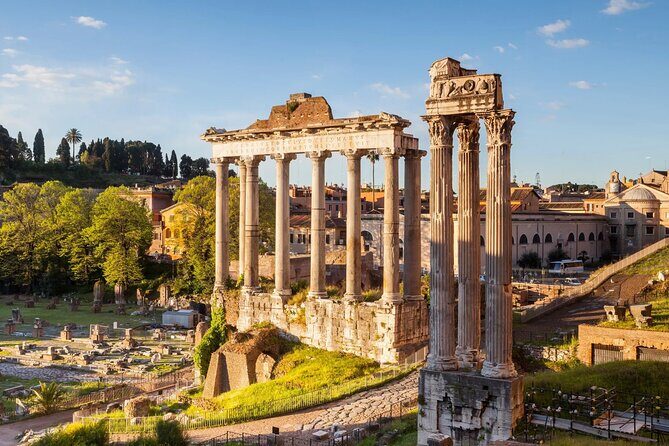
Then you’re off to Terme di Caracalla for about 30 minutes. This is a nice change of pace in the middle of the day. While the Vatican and Colosseum pull the biggest crowds, Caracalla’s baths offer a more grounded sense of how Romans lived and how monumental infrastructure worked.
The tour frames it around the site’s historical significance and architectural grandeur. Even with only a half hour, you can get the basic idea: Roman power wasn’t just about temples and arenas. It was also about public spaces built for daily life—bathing, social time, and city-scale engineering.
Caveat: ruins mean uneven ground. Pack footwear you can trust. Rome’s big monuments are often forgiving; archaeological sites are usually not.






Colosseum time: see the icon, don’t expect a long interior tour
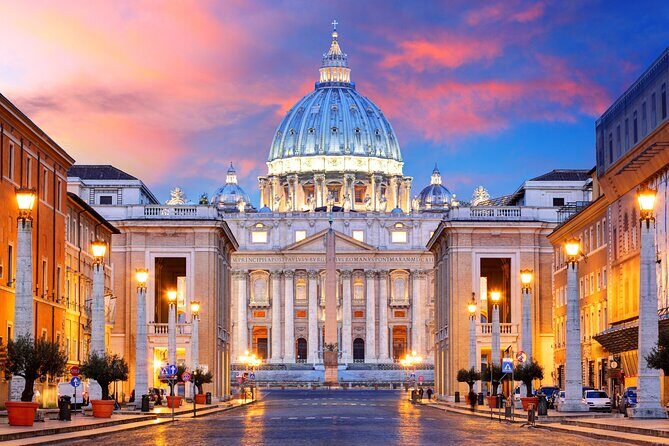
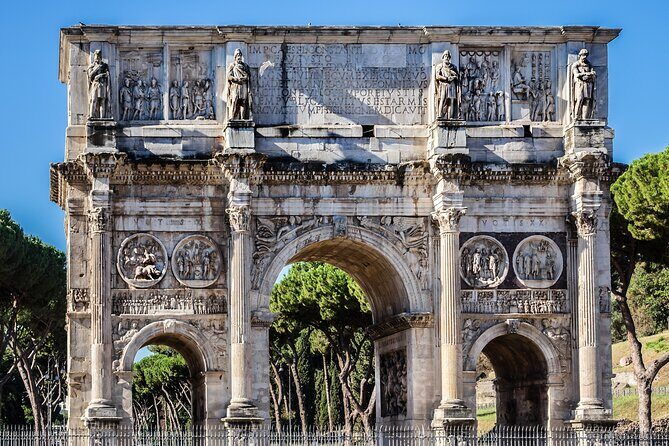
The Colosseum stop is also around 30 minutes, and again: you won’t have time to explore the interior. That limitation is consistent with cruise timing, but it still affects how you should approach the visit.
If your goal is to stand where the gladiatorial stories live and soak in the scale from viewpoints outside or near the main areas, this stop is worth it. If your goal is an in-depth walk-through with time to read everything, check details, and linger inside, you’ll feel rushed.
Crowds are part of the deal. On a short schedule, you’ll spend more time moving with the group than you would on a slow land trip. That’s not a failure—it’s just how a cruise-day plan is forced to work.
Trevi Fountain: coin toss, but don’t treat it like a photo shoot
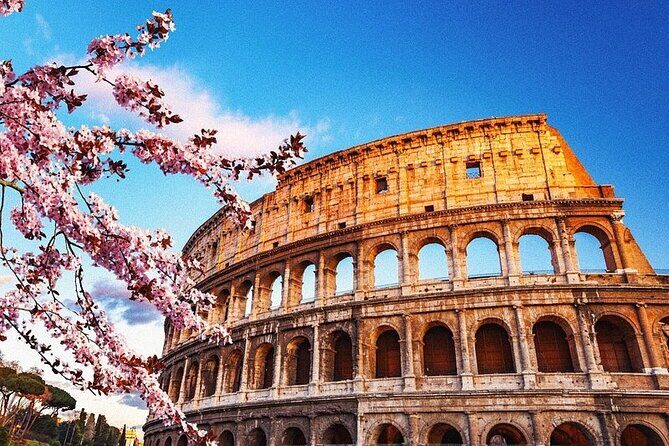
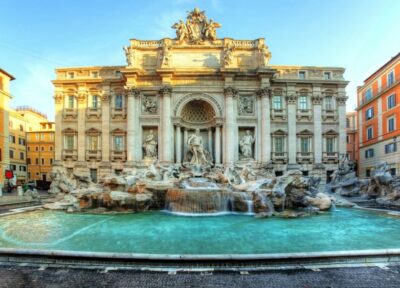
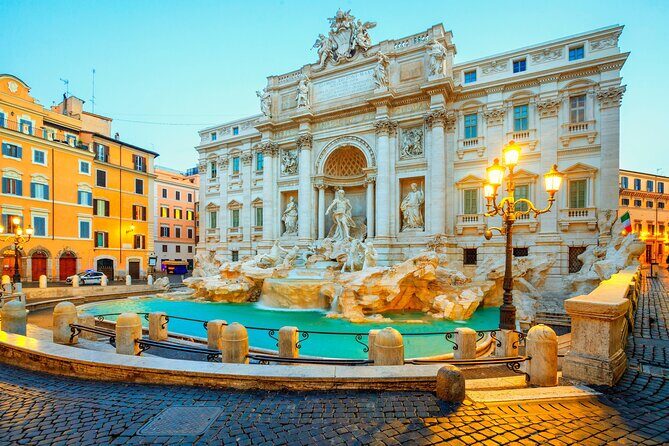
Next: Fontana di Trevi for about 30 minutes, included with free admission. This is peak Rome “I can’t believe it’s real” territory. The sculpture work is intricate, and you’ll recognize Neptune and the sea horses as part of the main show.
The tour also highlights the classic tradition: toss a coin into the fountain. It’s touristy, sure, but it’s also part of the experience. The real move is to do it calmly and then step aside to get a better view. Standing in the busiest photo line usually wastes your time.
Also, remember the practical part: public squares around Trevi can be packed. Your guide will keep you moving, and you’ll still feel like you got the moment.
Pantheon: the oculus moment and perfect proportions
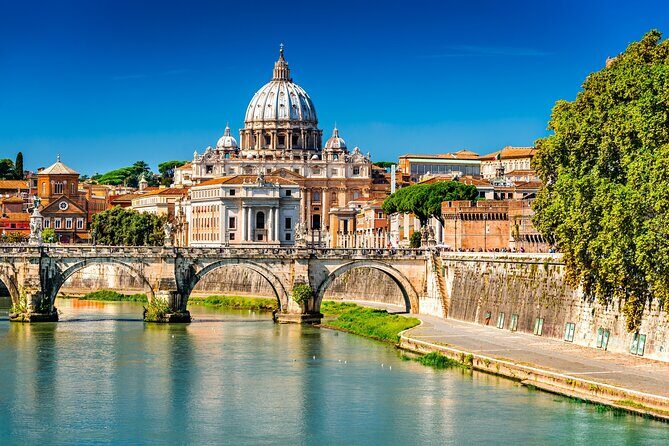
After Trevi, you reach the Pantheon for about 30 minutes. This is one of the best sites to visit on a tight schedule because the payoff is immediate: the huge dome and the oculus at the top drive home the brilliance of Roman engineering.
The tour frames the Pantheon around perfect proportions and the way the opening lights the interior. Since your time is set, you won’t have hours to watch how light shifts, but you’ll still get the core effect in a short visit.
If you like architecture, this stop is a big win. Even if you only catch the main views and the first impressions, Pantheon tends to make people pause. It’s not just a monument; it’s a design you feel.
Piazza Navona free time: your best chance to slow down
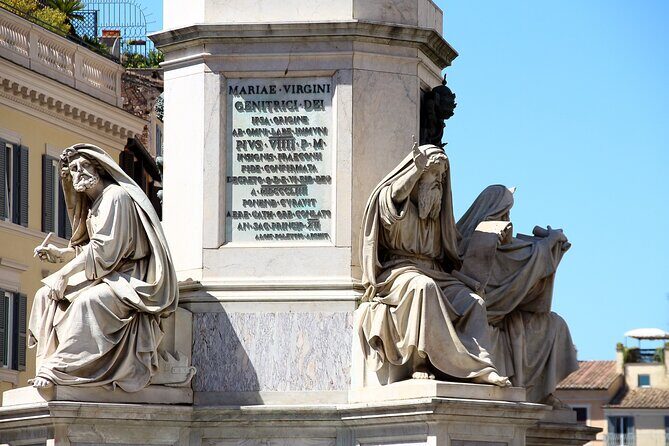
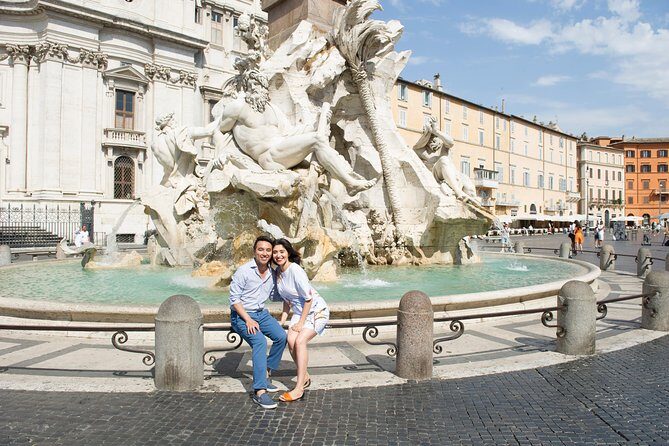
Your last city-center stop is Piazza Navona for about 1 hour, and this is where the tour gives you breathing space. The square is known for Baroque splendor, and you’ll see major fountain work including the Fontana dei Quattro Fiumi.
The best use of this hour is simple: pick one thing to do and do it well. If you want lunch, choose somewhere close enough that you don’t waste time walking back. If you want photos, don’t bounce between five corners—pick one angle and commit.
This hour also helps you reset after the pace of big monuments. It’s the part of the day where you can start enjoying Rome as a place, not just a checklist.
Walking, crowds, and pacing: what you’re really signing up for
This day is about efficiency, not leisure. The itinerary moves between neighborhoods and landmarks, and your time at each stop is short—often around 30 minutes.
That means:
- You’ll see a lot of Rome in a small window.
- You’ll spend some time waiting for the group or repositioning for photos.
- You’ll likely skip the slow, read-every-sign style of travel.
The good news is that short stops work well for icons. You don’t need hours to recognize the Pantheon dome, to feel the Colosseum scale, or to understand why St. Peter’s Square is a design masterpiece. The key is knowing what kind of traveler you are.
If you’re the type who wants to go inside every major site, take museum-style breaks, and linger, this may feel limiting. If you’re the type who wants to make a strong first impression quickly and then explore more on a later trip, you’ll probably love the format.
Group size and guide quality: why it can feel smooth or stressful
The tour offers multiple options, including semi-private groups capped at 6 or 8 people, plus a standard group option. Smaller groups usually mean fewer stop-and-start delays and easier navigation in crowded areas.
Guide quality makes a difference too. One name that shows up in feedback is Mario, praised for friendly, clear English and keeping the day organized. That kind of guide matters on cruise days, when timing is tight and everyone is moving between high-demand zones.
There’s also a real-life lesson from feedback: double-check the pickup instructions and pay attention to where you’re supposed to meet. One common frustration is missing the right person/sign at the meeting spot. You’ll avoid most of that by arriving early, watching for your specific group cue, and keeping your phone ready if contact details are shared.
Getting back to Civitavecchia on time
The end of the day is a transfer back to the port, again about 1 hour 30 minutes. You’ll get a return designed to align with your ship’s timeline, and you’re dealing with the same Rome traffic reality that affects the morning.
This is why I like tours like this for cruise travelers. You’re not improvising with buses and trains while also trying not to miss your departure. You’re paying for the structure.
Should you book this Rome cruise day tour?
I’d book it if:
- You’re visiting Rome from a cruise and need a single-day hits plan.
- You want port pickup and drop-off to remove the biggest logistical stress.
- You’re okay with seeing the icons and their surroundings, even if you won’t fully tour interiors.
I’d think twice if:
- You want to spend serious time inside St. Peter’s Basilica or the Colosseum.
- You dislike walking through crowds and would rather take fewer stops with longer visits.
- Your dream day includes lots of unhurried wandering with no fixed timing.
My practical take: this tour is a solid value when your time window is short. It’s not meant to replace a multi-day Rome trip. It’s meant to get you the Rome feeling—fast, guided, and organized.
FAQ
How long is the Rome full day discovery tour from Civitavecchia Port?
It runs for about 7 hours.
Is pickup and drop-off included?
Yes. The tour includes cruise port pickup and drop-off, plus transportation by comfortable, air-conditioned vehicle.
Do I get an English-speaking guide?
Yes. The tour includes a fully licensed English-speaking guide (except if you choose the self-guided exploration option).
Is admission included for all stops?
Not all. St. Peter’s Basilica and the Colosseum are listed as admission not included, while other stops are listed as free admission.
Are food and drinks included?
No. Food and beverages are not included.
How much time will I have at major landmarks like St. Peter’s Basilica and the Colosseum?
You’ll have about 30 minutes at each, and the tour notes that due to the limited cruise timeframe, you will not have time to explore the interiors.
Will there be free time during the tour?
Yes. Piazza Navona includes about 1 hour, and that time is described as a break in Rome’s city center.
What should I know about walking and fitness?
The tour says it’s best for travelers with moderate physical fitness. You should expect walking between sites and time in busy public areas.
What happens if the weather isn’t good?
The experience requires good weather. If it’s canceled due to poor weather, you’ll be offered a different date or a full refund.