REVIEW · ROME
Jubilee tour: art and popes in Rome in the golden age of Christendom
Book on GetYourGuide →Operated by Roman Art and History · Bookable on GetYourGuide
Rome changes when you follow the popes.
This Jubilee walk, focused on art and power in the golden age of Christendom, is built like a guided storyline through central Rome. You start at the Accademia di San Luca, then move through key Jubilee landmarks, Renaissance and Baroque art centers, and famous churches tied to major Jubilees. It’s a history tour that keeps swapping big ideas for specific places you can actually stand in.
I especially like how the tour connects art to real moments in Church history, not just famous names. I also like the way the stops are timed for momentum, with short explanations that help you understand what you’re looking at before you move on. One thing to consider: it’s a walking tour through the center of Rome, and it’s not suitable for wheelchairs or mobility limits, plus the Pantheon entrance is not included, so you’ll need to plan that separately.
In This Review
- Key highlights you’ll actually feel on this tour
- Jubilee tour Rome: why this art-and-popescircuit works
- Where it starts: Piazza dell’Accademia di San Luca and the art-power engine
- Trevi Fountain and the Jubilee rivalry story (1650 focus)
- Piazza della Pilotta to Pontifical Gregorian University: Baroque learning in action
- Piazza Colonna and the churches that anchor the first Jubilees
- St. Ignatius: popes, Jesuits, knights, and artists
- Santa Maria Sopra Minerva: the first Jubilee in 1300 and St. Catherine of Siena
- Pantheon zone: what you get and what you must plan
- Sant’Ivo alla Sapienza patio: where Jubilees were decided
- Caravaggio’s turbulent story in 1600s Rome
- Price and timing: is $71 worth your 3 hours?
- The guide experience: what to expect in real life
- Who this tour fits best
- Should you book this Jubilee art and popes walk?
- FAQ
- How long is the tour?
- How much does the Jubilee tour cost?
- Where do I meet the guide?
- What languages are the tours offered in?
- Is the Pantheon entrance included?
- Is this a private tour?
- What does the tour include?
- What should I wear?
- Is the tour suitable for everyone with mobility needs?
Key highlights you’ll actually feel on this tour
- Jubilee history through landmark streets: you connect the Jubilees to how Rome looks and works in each era
- Popes and artists in the same breath: the route links Church leadership to Michelangelo, Bernini, and Caravaggio
- Short, guided stops that keep your focus: you get explanations right at the place, then move on
- Two major churches tied to Jubilee milestones: Santa Maria Sopra Minerva and St. Ignatius
- Caravaggio’s “rebel artist” angle in street context: his story is placed right where the drama unfolded
- Pantheon matters, but reservations matter more: you’ll learn why the entrance piece is essential
Jubilee tour Rome: why this art-and-popescircuit works
Rome has a way of making history feel like a museum. This tour does the opposite. Instead of treating popes and artists like distant celebrities, you walk them into the streets, squares, and churches where decisions were made and styles were born.
The big theme is the Jubilee itself: a centuries-long tradition that shaped Rome’s identity and pulled artists into the orbit of Church power. You’ll hear about how different Jubilees left marks on the city—ruins to Renaissance religion, Baroque culture to dramatic 1600s art. And because the route is centered on recognizable sights (Trevi Fountain, Piazza Colonna area, Pantheon zone), you don’t leave feeling lost or like you only saw captions.
Two practical reasons this format is smart. First, you’re in the center of Rome with a guide to help you “read” what you’re looking at. Second, the tour mixes famous icons with slightly more specific places—so it’s not only about hitting top-tier photos, but also about understanding why those places became important for the Jubilee.
You can also read our reviews of more tours and experiences in Rome.
Where it starts: Piazza dell’Accademia di San Luca and the art-power engine
The meeting point is in front of Hotel all’Accademia near Piazza dell’Accademia di San Luca. You start with the Accademia di San Luca, and that matters because it’s not just a pretty building. It’s framed as a nerve center of artists working in the service of the Pope, which helps you understand why Church commissions mattered so much.
If you’ve ever wondered why the Renaissance and Baroque eras in Rome feel so tightly linked to religion, this is your early clue. The guide sets the tone: the Jubilee wasn’t only a religious event. It was also a cultural magnet—drawing artists, patrons, and institutions into a single spotlight.
This first section is brief, but it helps you get your bearings fast: you’re not walking randomly. You’re walking through a structure.
Trevi Fountain and the Jubilee rivalry story (1650 focus)
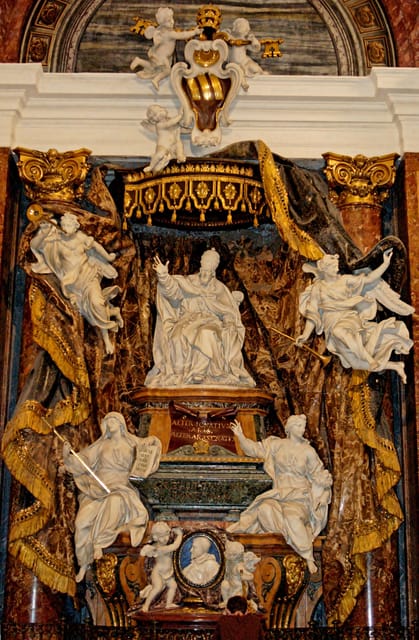
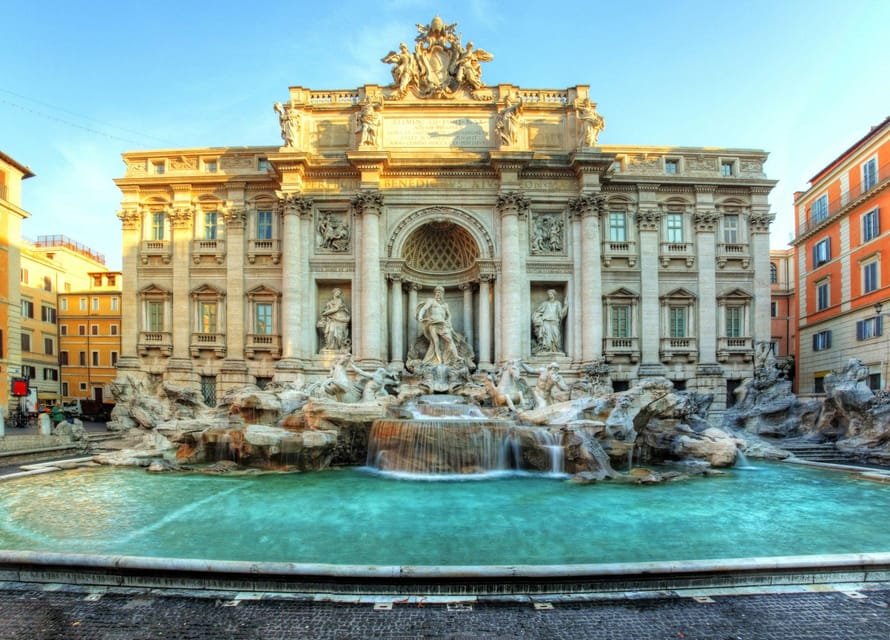
Next comes Trevi Fountain, with a focused stop that turns a photo-famous site into a piece of Jubilee narrative. The tour highlights the rivalry of two famous artists for the Jubilee of 1650—the kind of detail that makes the fountain feel less like a postcard and more like a major project.
Standing at Trevi with that context changes how you notice everything. You start thinking about the fountain as a statement: what the Church wanted Rome to look like during a Jubilee year, and how art competition could feed public ambition.
Practical tip: Trevi can get packed. You’ll still get your guide’s explanation, but don’t plan to linger for long photos unless you’re willing to wait your turn. Wear comfortable shoes and keep your eyes up; you’ll be doing short stops that move quickly.
Piazza della Pilotta to Pontifical Gregorian University: Baroque learning in action
The tour then heads toward Piazza della Pilotta and the Pontifical Gregorian University. Even if you’ve never heard of the university before, the guide frames it as a beacon of culture in Baroque Rome and beyond.
This stop is valuable because it explains how Rome’s Jubilee era wasn’t only about churches and processions. It was also about education, intellectual life, and training people who would influence Church direction.
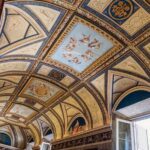
You’ll also pass through the Galleria Sciarra area, including fresco-focused details on the walk toward Piazza Colonna and Piazza di Pietra. The way the tour places these moments helps you see the layers of Rome: ancient civic space meeting the origin of Christianity. That’s the Rome you want to experience—one where time periods overlap instead of pretending they don’t.
Piazza Colonna and the churches that anchor the first Jubilees
After the street-to-square sequence, you get two important church visits. These are the kind of stops that make a Jubilee tour feel like more than a highlights walk.
St. Ignatius: popes, Jesuits, knights, and artists
At St. Ignatius, the guide ties together popes, Jesuits, knights, and artists connected to the 15th century and the New World. Even if you’re not a deep Church-history person, this kind of framing gives you a path to follow: art and leadership moved together, and the Church’s reach was global long before modern headlines.
This stop tends to work well because the story gives you a way to look slowly. You’re not stuck trying to read everything alone; you’re listening for what the Church wanted you to see.
Santa Maria Sopra Minerva: the first Jubilee in 1300 and St. Catherine of Siena
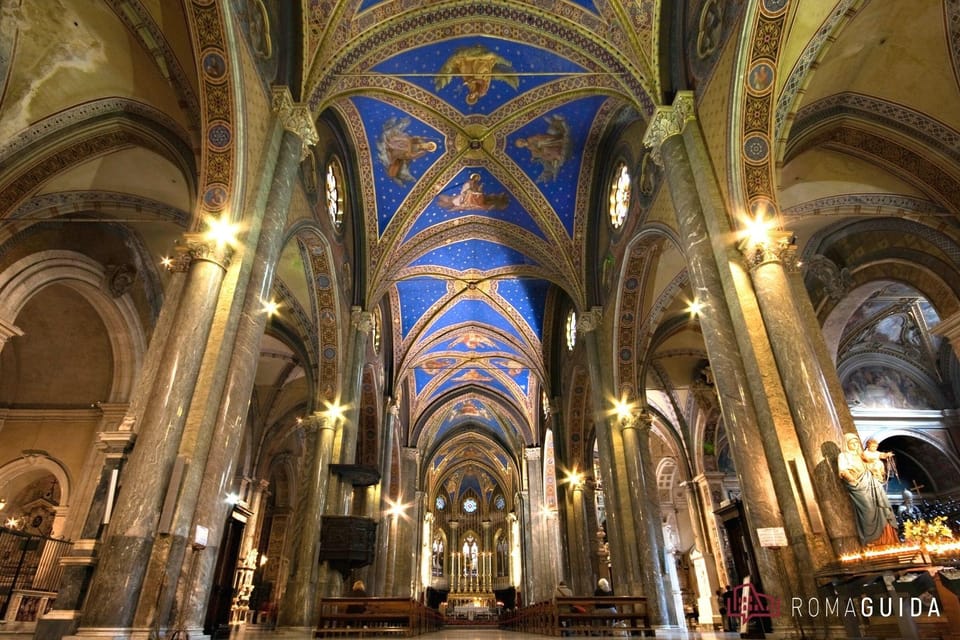
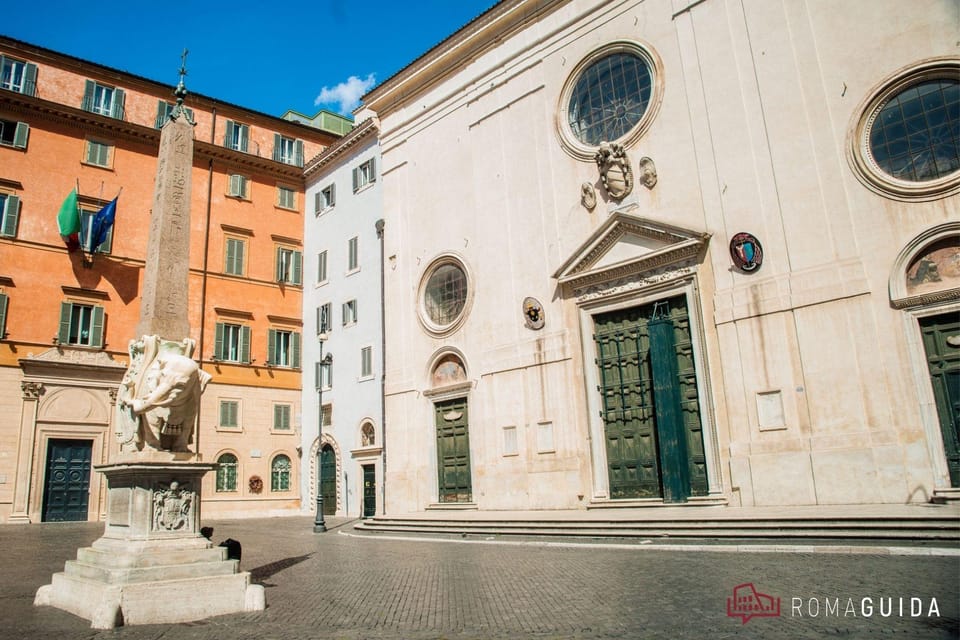
Then you go to Santa Maria Sopra Minerva, which the tour connects to the first Jubilee in history in 1300. You also learn that St. Catherine of Siena, patroness of Italy, rests here.
This church stop is powerful because it’s both origin and presence: the beginning of a tradition and a saint whose influence mattered to Italy. It helps you understand why Jubilees weren’t treated like a one-off event. They became a living idea, reinforced by sacred spaces.
Pantheon zone: what you get and what you must plan
The tour reaches the Pantheon, and this is one of the biggest “make it or break it” pieces, mostly because the Pantheon entrance is not included. The tour notes that nominal reservations are required to visit the Pantheon through the Pantheon’s official website.
In other words: you’ll get a guided experience at the Pantheon, but you should plan your reservation early so the tour experience doesn’t feel like a frustrating waiting game. If you’re the type who hates last-minute site logistics, this is the one part to prep in advance.
Why the Pantheon fits the Jubilee theme: the guide frames its millennial story from the heart of the Roman Empire to a Jubilee site since the Renaissance. That’s a neat idea for you to hold on to while you’re there. You’re not just seeing a classic Rome icon. You’re seeing how older Roman power got reinterpreted through Christian celebrations.
Sant’Ivo alla Sapienza patio: where Jubilees were decided
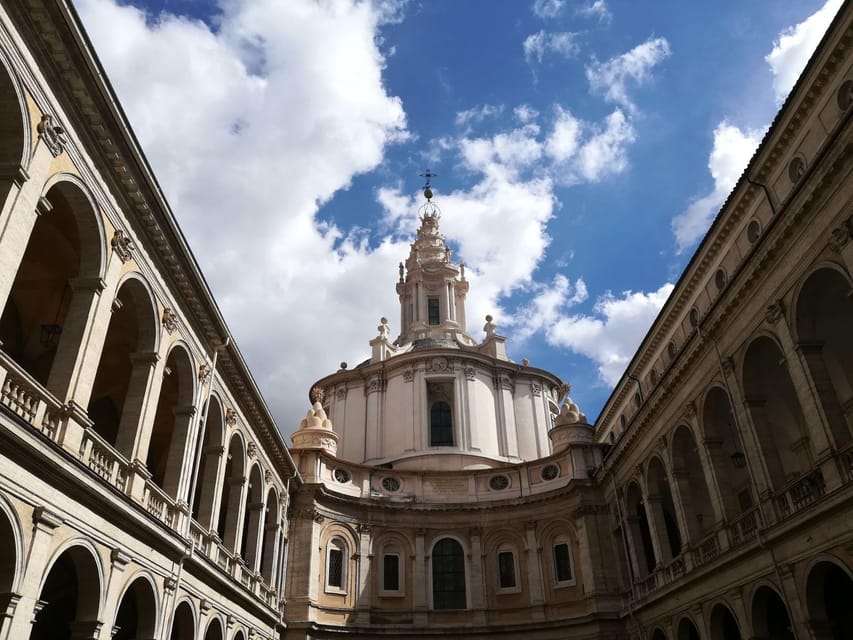
A few steps away, you visit the patio of S. Ivo alla Sapienza. The tour frames it as a place where the great Jubilees of the past were decided and organized, and that’s a compelling claim for you to test with your guide’s explanation.
This stop works because it shifts your focus from monuments to planning. You’re used to thinking of Jubilees as prayers and crowds. Here, you’re pushed to think about logistics, institutions, and decisions—who had the authority, and where that authority played out.
If you like tours where you come away understanding the system behind the spectacle, this is a good moment to slow down (mentally, if not physically).
Caravaggio’s turbulent story in 1600s Rome
The tour ends by walking into a Caravaggio-focused moment between the churches of S. Agostino and S. Luigi, with the guide highlighting his talent and passion as a “rebel artist” of the 1600s.
This is a smart way to end. You’ve spent hours with popes, institutions, and Church milestones. Then the tour gives you a different energy: art that doesn’t behave politely. Caravaggio’s story in Rome is dramatic, and the guide’s framing helps you connect why his work made such an impact during a period of intense religious and cultural pressure.
You finish the tour at Via degli Acquasparta. It’s a practical finish point: you can keep walking on your own or line up for another visit nearby without feeling locked into a long transit plan.
Price and timing: is $71 worth your 3 hours?
At $71 per person for about 3 hours, you’re paying for a guided art-and-history route across central Rome plus church time at two major stops. That price makes sense if you value interpretation—having someone explain why these places matter for Jubilees and Church art, instead of just seeing them as famous backdrops.
Here’s the value math I’d use for you:
- If you’re comfortable using guidebooks alone, you could probably piece together a similar route on your own.
- If you want the stories tied together—Jubilees, popes, rivalry between artists, why specific churches matter—then paying for the guide is what saves you time and confusion.
Timing-wise, 3 hours is short enough to fit into a day, but long enough to feel like you actually learned something at more than one location. The itinerary is built around moving through multiple “thinking stops” rather than only one big museum moment.
The guide experience: what to expect in real life
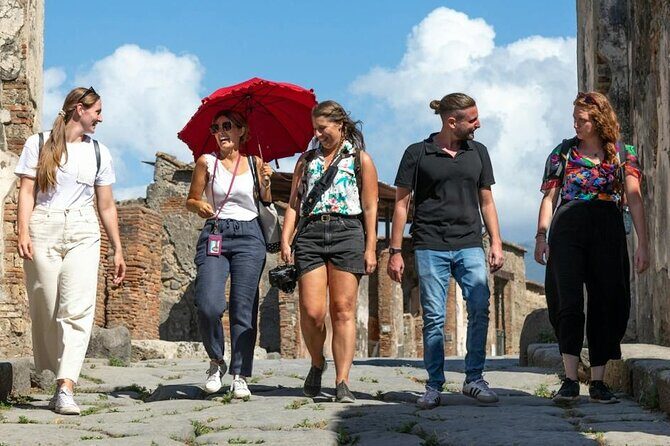
You’ll have a live guide in English or Italian, and the tour is described as semi-private for small groups. In a small group, you tend to get better attention, and questions can actually fit into the flow.
One review highlighted a guide who was very helpful while explaining the Jubilee, and another specifically praised a guide named Diana for being both knowledgeable and fun. That’s a good sign for you if you like learning that doesn’t feel like a lecture.
Still, one caution comes from a real-world snag: street-meeting tours can be sensitive to miscommunication. The best move is simple—arrive a few minutes early at the exact meeting point in front of Hotel all’Accademia, and keep an eye on the group so you don’t get separated.
Who this tour fits best
This tour is best for you if:
- You enjoy art history tied to real places and real power.
- You want a Jubilee-focused storyline rather than a generic “Top Sights” day.
- You like mixing Renaissance, Baroque, and 1600s art themes with Church context.
It’s not a great fit if:
- You have mobility issues or use a wheelchair (it’s not suitable).
- You have motion sickness concerns (it’s not designed for that).
- You’re over 95 years old.
If you’re a comfortable walker and you can handle church interiors and busy streets, you’ll likely enjoy the pace.
Should you book this Jubilee art and popes walk?
I’d book it if you’re trying to understand Rome in Jubilee years as something bigger than crowds. The route connects popes, artists, and specific sites in a way that makes the whole city feel like one story. The inclusion of major churches plus a Pantheon-area finale gives you a strong mix of iconic Rome and Jubilee-specific meaning.
Two reasons to think twice: first, the Pantheon entrance isn’t included, so you must handle that reservation. Second, if your priority is relaxing sightseeing with lots of free time, this is more structured than that—short guided moments, then you move on.
FAQ
How long is the tour?
The tour lasts about 3 hours.
How much does the Jubilee tour cost?
It’s listed at $71 per person.
Where do I meet the guide?
You meet in front of Hotel all’Accademia.
What languages are the tours offered in?
The live guide offers English and Italian.
Is the Pantheon entrance included?
No. Pantheon entrance is not included, and reservations are required through the Pantheon’s official website.
Is this a private tour?
It’s described as semi-private for small groups, with the option for an exclusive private tour.
What does the tour include?
It includes a guided walk with an experienced history and art-history guide, plus visiting more than ten key Rome locations from origins to the modern age.
What should I wear?
Bring comfortable shoes for walking around central Rome.
Is the tour suitable for everyone with mobility needs?
No. It is not suitable for people with mobility impairments or wheelchair users. It is also not suitable for people with motion sickness, and it’s not for people over 95 years old.