REVIEW · COLOSSEUM TOURS
Rome: Colosseum Underground and Arena Tour
Book on GetYourGuide →Operated by ROME WITH SILVIA · Bookable on GetYourGuide
The Colosseum gets scary underneath.
This tour takes you into the Hypogeum and down to the arena floor, where gladiators waited and the site starts to feel like a working machine instead of a pile of ancient stone. Two highlights I really like: you get VIP access to restricted spaces most people never see, and you also stitch in the Roman Forum and Palatine Hill so the Colosseum lands in context. The main drawback to consider is simple: the schedule can be tight, and closures or public events can shift access time.
I also like that this is a small group capped at 8 people, with headsets so you can hear your guide clearly. You’ll start at Largo della Salara Vecchia near the Roman Forum area, then finish at Piazza del Colosseo, which makes it easy to keep your day moving without backtracking.
In the best cases, the guide factor really matters here. Names that have come up with standout praise include Paola, Italo, Sylvia, Sara, Virginia, Claudia, and Giorgio, with visitors repeatedly pointing to clear explanations and energetic storytelling.
In This Review
- Key Things I’d Prioritize
- VIP Access at the Meeting Point Near the Roman Forum
- Roman Forum and Palatine Hill Stops: Why They Matter Before the Colosseum
- Hypogeum Underground: Gladiator Corridors, Cages, and the Trapdoor Elevator
- Arena Floor Viewing: Sand, Wood, and the View Most People Never See
- First and Second Tiers Photo Terraces and Colosseum Trivia
- Value at $94: When VIP Underground Costs Less Than One Regret
- Pacing, Timing, and the Real-World Risk of Schedule Changes
- Who Should Book This Colosseum Underground and Arena Tour
- Should You Book This Tour?
- FAQ
- How long is the Rome Colosseum Underground and Arena Tour?
- Where do we meet for the tour?
- What’s included in the VIP Colosseum access?
- Does the tour include the Roman Forum and Palatine Hill?
- What language is the live guide available in?
- Is the tour wheelchair accessible?
- What should I bring?
- Can I cancel for a refund?
Key Things I’d Prioritize
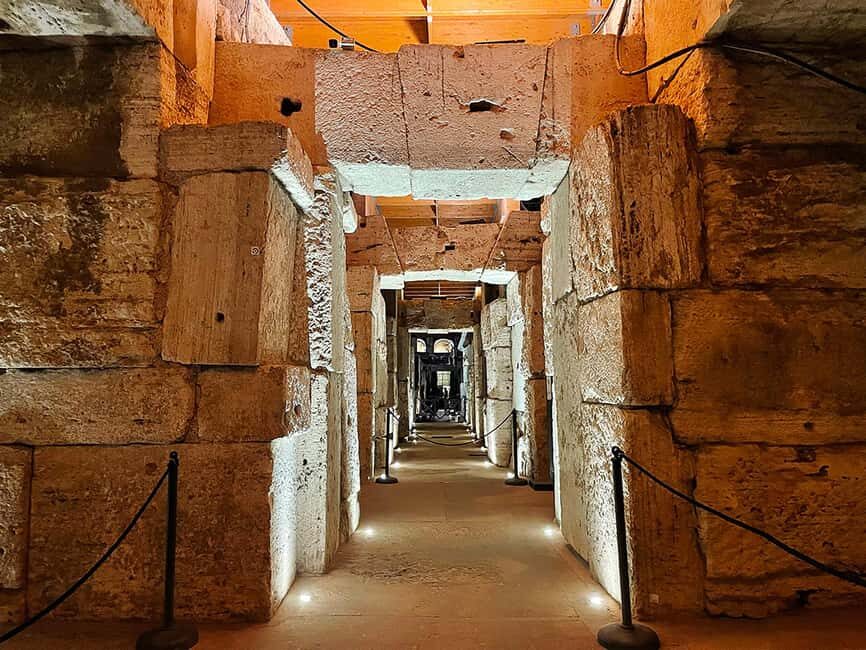
- Hypogeum access: narrow corridors, travertine blocks, gladiator waiting areas, and atmospheric views
- Arena floor time: sand-and-wood fight space where the action technically began
- Original details you can spot: fragments of the floor, drainage system, and animal holding areas
- The trapdoor elevator reconstruction: a crucial piece for understanding how the show operated
- Forum + Palatine add-on: half-days of context packed into a single outing
- Small group with headsets: easier listening and less crowd chaos in tight spaces
VIP Access at the Meeting Point Near the Roman Forum
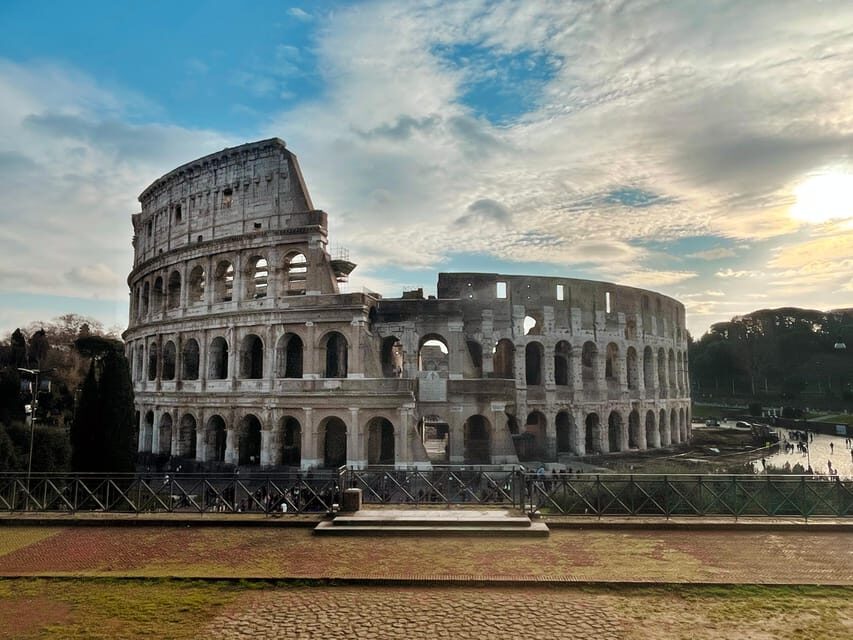
Your day starts at Largo della Salara Vecchia, by the ticket-counter area on the left side, under a tree. The guide will be holding a sign with the GET YOUR GUIDE logo. This matters because you’re not walking in cold and guessing where your group is supposed to funnel in.
From the first moment, this tour feels built around getting you to places with controlled access. Instead of spending all your energy in line-management, you’re using that energy for the parts you came for: restricted Colosseum spaces and the underground world beneath it.
One practical note: bring your passport or ID. Security checks can be strict, and the tour requires your booking name to match your ID. It’s not the time to show up with a missing document and try to improvise.
You can also read our reviews of more tours and experiences in Rome.



Roman Forum and Palatine Hill Stops: Why They Matter Before the Colosseum
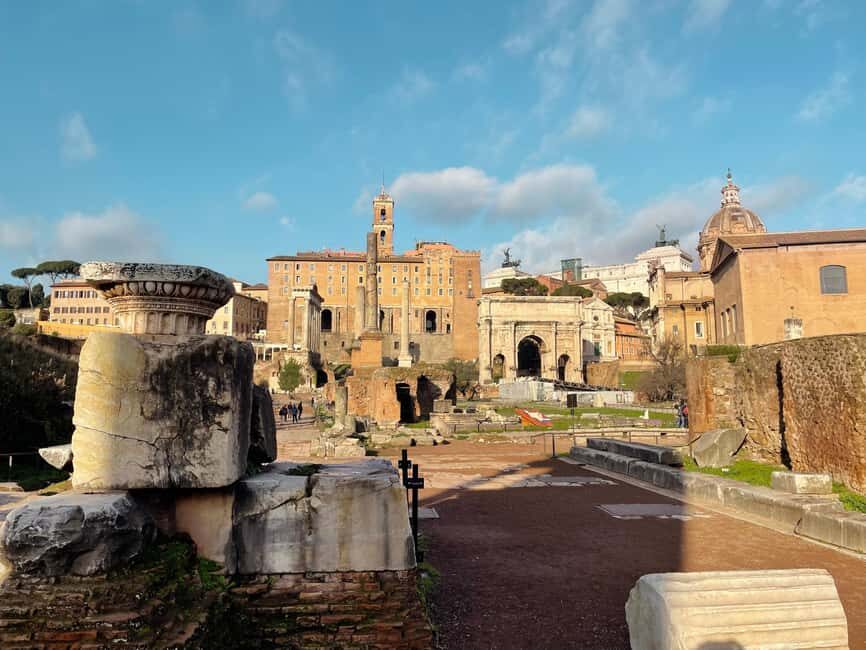
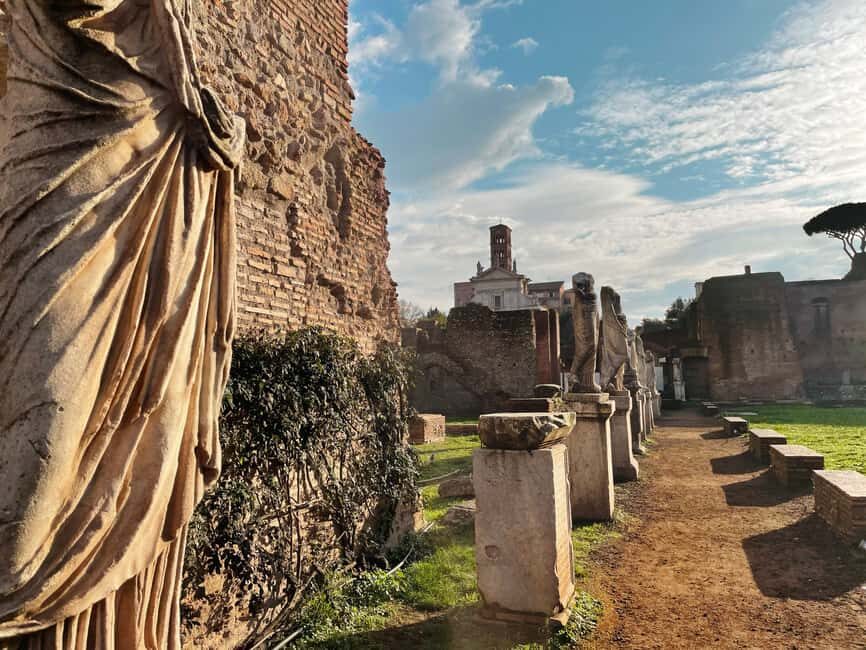
You’ll get guided time in the Roman Forum (about 30 minutes) and Palatine Hill (about 30 minutes), plus a photo stop on Palatine (about 15 minutes). Even if the Colosseum is your main obsession, this “warm-up” section gives you something important: the political and social stage where Rome’s big dramas happened.
Here’s what I like about doing Forum and Palatine early. You start seeing the city as a system, not isolated monuments. The Forum helps you understand why a spectacle like the Colosseum wasn’t random entertainment. Palatine adds the sense of power—where elite residences and imperial influence shaped daily life.
The trade-off is that the guided time is short. Thirty minutes each is enough for orientation and a handful of key stories, not enough to wander freely and read every plaque. If you’re the type who wants to linger, you’ll need to save extra time for self-guided exploring later.
Also, pay attention to the tour’s flow. Some groups report moments when timing feels compressed, especially if access is impacted. The guide can only work with what’s allowed that day, and you’ll feel that reality more than you would on a museum tour with fixed hours.
Hypogeum Underground: Gladiator Corridors, Cages, and the Trapdoor Elevator
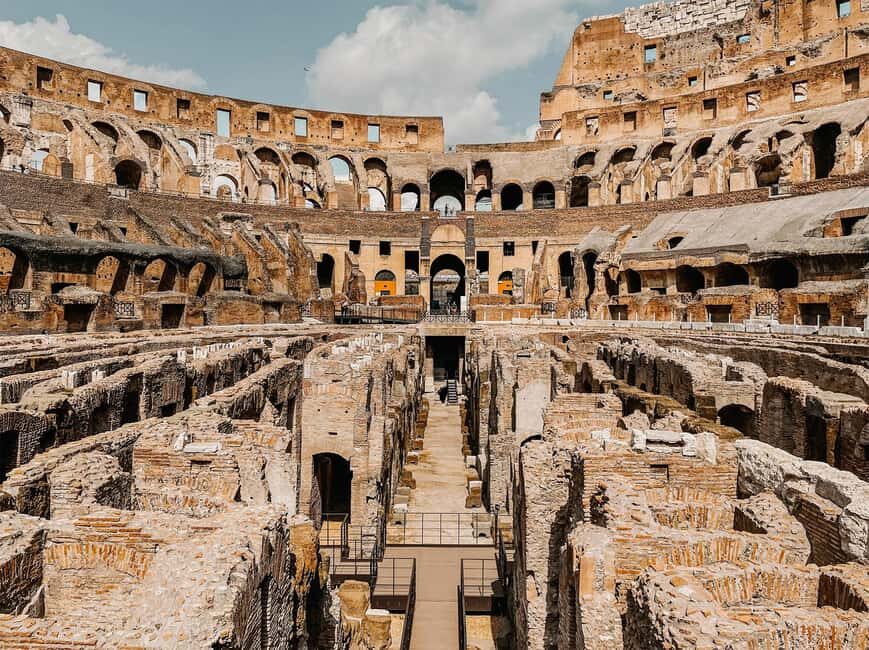
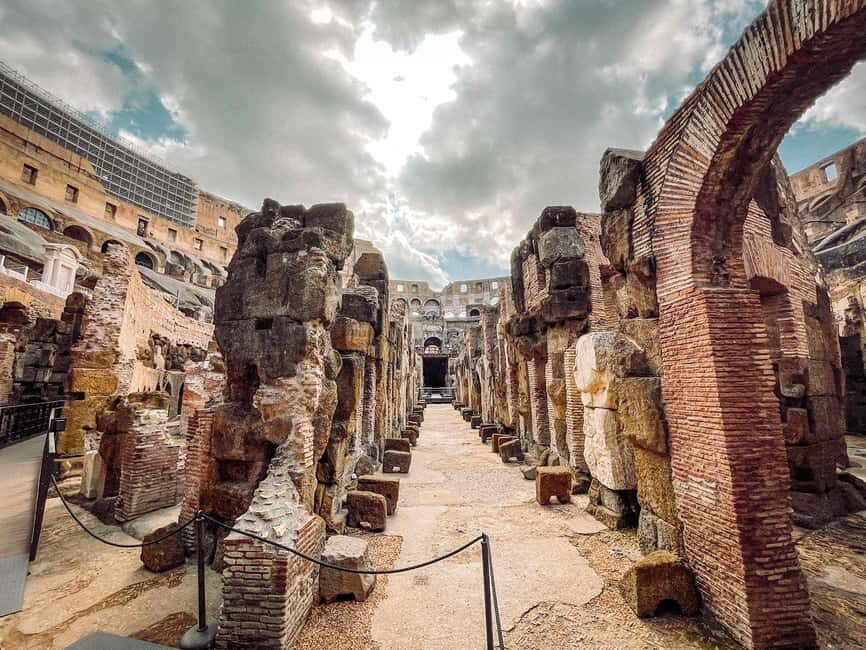
Now the tour’s star. The Hypogeum is the underground level of the Colosseum—narrow corridors, dim light, and those heavy blocks of travertine that make the space feel real and close. The description you get isn’t just visual. Your guide connects the layout to what happened here: gladiators waiting for their moment, animals ready for what came next, and the machinery that helped run the show.
During your underground visit (about 20 minutes), you’ll be guided through specific features, including:
- The rooms where gladiators waited to fight
- Animal cages/holding areas
- The ancient drainage system
- Fragments of the original floor
- A reconstruction of the ancient elevator that moved elements between underground spaces and the arena level
The elevator piece is especially important because it turns the underground from “scary hallway” into “stagecraft.” The idea is that trapdoors above and a lifting system helped raise elements to the arena when needed. If you only ever see the Colosseum from the top, the show can feel mysterious. Down here, it starts to look engineered.
What to do with your time down there:
- Slow down when your guide stops you. These areas are tight, and the best details are the ones you can’t snap while walking.
- Listen for the cause-and-effect explanations—where things were, why they were placed there, and how movement was managed.
- Keep your camera ready, but don’t rush the guide. Underground lighting is dim. Photos are doable, yet you’ll get more value from understanding what you’re looking at than from chasing perfect shots.
The best part is how physical it feels. You’re not just studying an exhibit behind glass. You’re standing where conditions were narrow and functional. This is where the Colosseum starts to feel like a workplace, not a monument.
Arena Floor Viewing: Sand, Wood, and the View Most People Never See
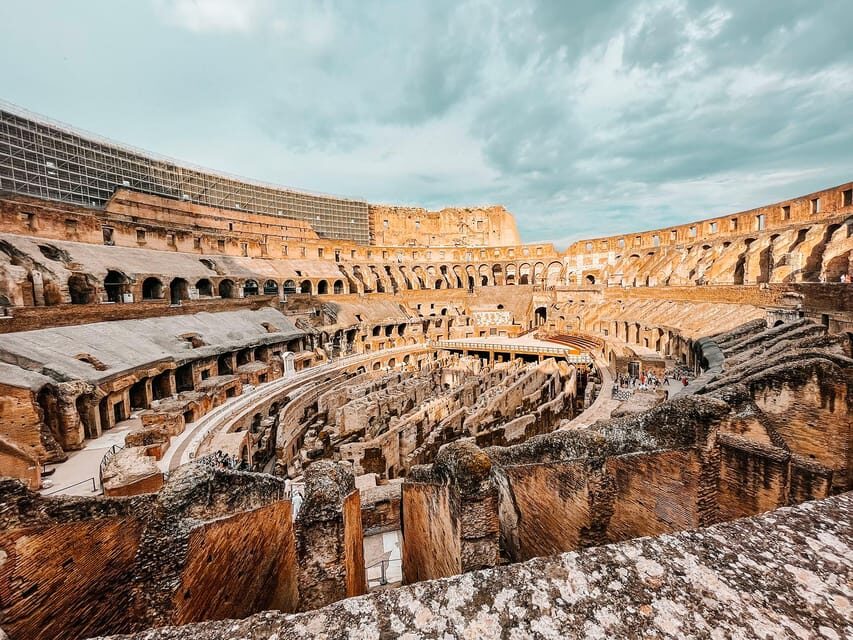
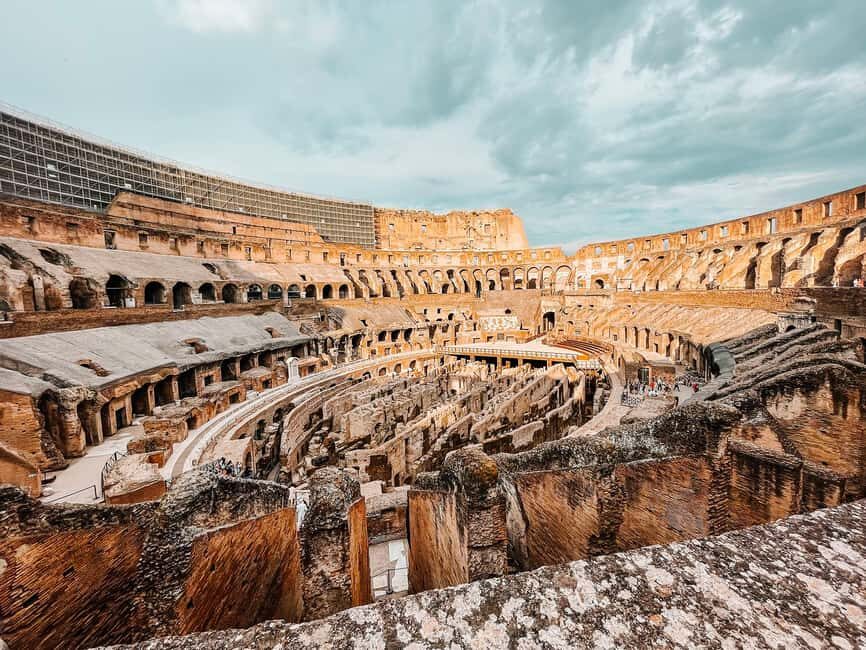
After the Hypogeum, you move to the arena floor for another about 20 minutes. This is one of those moments where your brain recalibrates. You’re on the same plane as the center stage—close enough to appreciate scale in a way you simply can’t from the seating tiers.
The tour includes access to the central platform where the fights took place. You’ll hear an explanation that ties language to the show: arena is Latin for sand. The platform is described as sand-covered and made of wood, which helps you picture the surface as it was for performances.
What you’ll likely love here:
- The feeling of orientation. You can finally map the seating and sightlines to where the action happened.
- The “wow” factor without needing extra hiking. The arena moment is concentrated time with maximum payoff.
What to watch for:
- It’s not a long lounge. You’re there to see, listen, and then move on. If you’re expecting lots of time for wandering, you’ll be happier if you treat this like a guided spotlight rather than free exploration.
- If you’re traveling with kids or someone who gets antsy, the short arena visit can be perfect—just keep expectations realistic about duration.
In reviews, people consistently call this floor access worth the cost. Even among people who have visited the Colosseum before, the arena level tends to be the missing piece. It’s the difference between reading about the spectacle and standing in the center of it.
First and Second Tiers Photo Terraces and Colosseum Trivia
Once you’ve had your time below, the tour continues upward to the first and second tiers. You’ll get a chance at panoramic terraces for photos and privileged viewpoints of the monument.
This is where the visit becomes visually satisfying again. After the underground’s claustrophobic realism, the open views from the tiers give you context. You can step back and see how the interior spaces connect to the overall structure.
Your guide will also share history and anecdotes tied to what you’re seeing. That can range from how events were staged to what certain spectator areas meant. I like that this section turns your underground knowledge into a bigger story. You’re not just collecting facts—you’re assembling a mental model.
Photo tip: if the light is decent, prioritize angles that show the whole interior shape. Underground photos look cool, but the “tiers” shots are what help you remember proportions and geometry.



Value at $94: When VIP Underground Costs Less Than One Regret
Let’s talk money without pretending it’s cheap. At $94 per person for about 2.5 hours, this is not a budget Colosseum ticket. But it does include several high-value items, and the math starts to make sense once you factor them in:
- VIP entry for both the arena floor and the underground
- A tour guide guiding multiple areas (Colosseum plus guided Forum time)
- Headsets, which reduce the annoying stress of crowded, muffled listening
- Small group size limited to 8 participants
The big value driver is that access. The Colosseum’s most in-demand slots can be hard to secure on your own, and at least one visitor noted that official tickets can vanish extremely fast when trying to buy directly. That’s exactly where a packaged VIP tour can save you hours of stress and guesswork.
I also like that the price buys you structure. With Rome’s major sites, free time is valuable—but so is not spending your whole visit solving logistics while you miss the core experience. This tour tries to protect your time for the rare spaces: the Hypogeum and the arena level.
Is it worth it for you? If you like history but hate feeling rushed, you’ll still likely appreciate the “guided focus” here. The underground and arena portions are short, but they’re dense with meaning.
Pacing, Timing, and the Real-World Risk of Schedule Changes
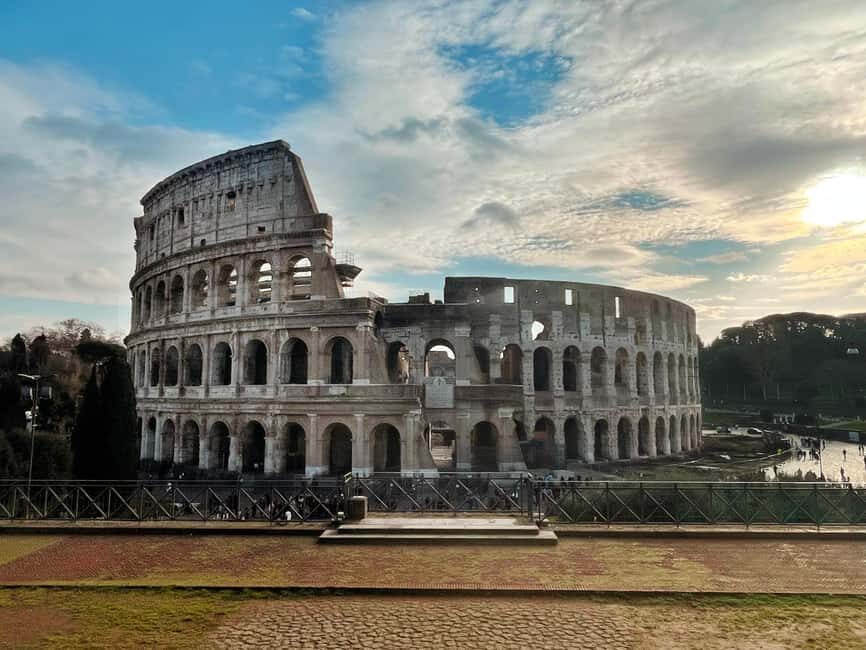
Here’s the reality check: the Colosseum can change access times or even close for extraordinary events. Public events and political events can also force meeting point or starting time changes. In practice, that means you should keep your day flexible.
Some people report that tours were delayed on the day they visited. If you’ve scheduled dinner, a museum entry, or a timed transfer right after, you might want a buffer.
Also, note that underground and arena areas can have different conditions depending on what staff allows that day. Language experience can vary based on who leads which section. The tour is listed as English, but access rules can affect who accompanies the group and what language is used for each part.
So I recommend:
- Don’t schedule a tight, timed plan immediately after.
- Plan to spend your energy listening and looking, not gaming the timeline.
Finally, this tour is not suitable for wheelchair users, so if accessibility is a concern, you’ll want to look for an alternative format that fits your needs better.
Who Should Book This Colosseum Underground and Arena Tour
Book it if any of these are you:
- You want the Colosseum’s most dramatic access: the Hypogeum and arena floor
- You like a guided plan that connects the Colosseum to the Roman Forum and Palatine Hill
- You appreciate small group tours (limited to 8) where headsets keep the experience readable and less chaotic
- You want something that can still hold attention for kids—there’s at least one family that said their child stayed engaged throughout
Consider skipping or upgrading your expectations if:
- You hate being on a timed itinerary. The visit is short in each area by design.
- You’re expecting hours of free roaming underground. This is guided access, not a self-paced walk.
- You need wheelchair-friendly access.
If you’re a first-time Rome visitor with limited time, this tour tends to be a strong use of a morning or afternoon. You’re stacking the most iconic sites plus the missing “working parts” of the Colosseum.
Should You Book This Tour?
If you’re deciding based on value, make the decision based on your priorities. If you want to see the Colosseum from the inside and you specifically care about the underground spaces and arena floor, then this is the kind of tour that removes the biggest “I wish I had seen that” moments.
If your goal is simply to stand in front of the Colosseum for photos and breeze through, you can probably get a cheaper experience elsewhere. But if you want the engine room of ancient spectacle—corridors, drainage, cages, and the trapdoor elevator concept—this VIP format is hard to beat.
My call: if the price doesn’t stop you, and you can handle a guided, time-boxed schedule, book it. It’s one of the few ways to experience the Colosseum as more than a backdrop.
FAQ
How long is the Rome Colosseum Underground and Arena Tour?
The tour lasts about 2.5 hours.
Where do we meet for the tour?
You meet at Largo della Salara Vecchia, near the ticket counters on the left side under a tree. Your guide will have the GET YOUR GUIDE logo.
What’s included in the VIP Colosseum access?
You get VIP entry to the underground area (Hypogeum) and the arena floor, plus guided visits connected to the Colosseum experience.
Does the tour include the Roman Forum and Palatine Hill?
Yes. The schedule includes guided time in the Roman Forum and Palatine Hill, with a photo stop on Palatine.
What language is the live guide available in?
The live tour guide is available in English.
Is the tour wheelchair accessible?
No. It is not suitable for wheelchair users.
What should I bring?
Bring your passport or ID card, since names on the booking must match your ID for security checks.
Can I cancel for a refund?
Yes. Free cancellation is available up to 3 days in advance for a full refund.