REVIEW · COLOSSEUM TOURS
Colosseum, Roman Forum & Palatine Hill Guided Tour
Book on Viator →Operated by Carpe Diem Tours · Bookable on Viator
Three stops. One epic story. This guided loop hits the Colosseum, the Roman Forum, and Palatine Hill, with a licensed historian-style guide bringing context to every bend in the path. You’ll follow gladiator-era details at the arena, then switch to the politics and myths that shaped daily life in ancient Rome.
I love two things most: reserved entry for all three sites so you waste less time at ticket counters, and headphones that keep your guide’s stories clear even when crowds get loud. The tour also leans on strong guide personalities—people have called out guides like Ivana, Mariana, Kopal, and Yousef for making the ruins feel usable, not just impressive.
One consideration before you book: this is a walking tour, with stairs and uphill sections around Palatine Hill and the Forum. And the Colosseum is strict about timed entry—if you’re late, you can miss out on joining even if you paid.
In This Review
- Key highlights you’ll actually feel
- Entering the Colosseum: gladiator routes and what you can access
- Palatine Hill and the Imperial Palace ruins: views with pine trees and big context
- The Roman Forum walk: Via Sacra to the places where laws and speeches happened
- What $60.46 buys you: reserved entry, a licensed historian-style guide, and less wasted time
- Headphones and small groups: why hearing matters in crowded ruins
- Choosing upgrades: Gladiator’s Gate and the arena floor decision
- Timing, meeting point, and how to not lose your entry window
- Who this guided Colosseum–Forum–Palatine tour suits best
- Should you book this Colosseum, Roman Forum & Palatine Hill tour?
- FAQ
- What’s the duration of the Colosseum, Roman Forum & Palatine Hill guided tour?
- Where do I meet, and where does the tour end?
- Are tickets included for all three sites?
- Are headphones included?
- Can the tour start at the Colosseum or the Forum?
- Is access to the arena floor included?
- What’s the cancellation policy?
Key highlights you’ll actually feel
- Timed tickets for three major sites keeps your day moving instead of waiting
- Headphones included means you won’t be forced to play guess-the-lecturer
- Gladiator-focused storytelling at the Colosseum, with options like Gladiator’s Gate and arena floor
- Palatine Hill views over the Circus Maximus and the Forum below
- Forum walking route along Via Sacra and Via Nova with stops at major civic landmarks
- Small-group feel (maximum 24 travelers) makes it easier to hear questions and keep pace
Entering the Colosseum: gladiator routes and what you can access
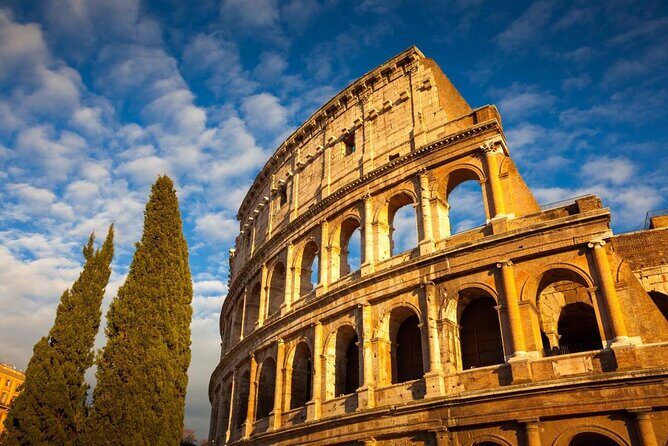
The Colosseum is the headline, and this tour treats it like a story, not a checklist. You’ll start with a guided walk through the arena area where gladiators and spectators once met—plus you’ll hear how the games fit Roman social life, including what status looked like for viewers in the stands.
One smart thing about the tour: the order can start at the Colosseum or the Roman Forum/Palatine Hill, depending on ticket availability. That sounds small, but it matters because you’re dealing with timed entries and limited capacity. The goal is simple: you get in when you’re supposed to, then move forward with your guide rather than scrambling.
Access can vary based on the option you choose. You may have the chance to visit Gladiator’s Gate (if that specific option is selected). Some guests also buy an arena floor upgrade; that can change the feel of your visit because you’re then close to the action level rather than only the perimeter viewpoints.
If your main priority is seeing the Colosseum with context, this is where the guide’s format helps. Headphones do real work here. You’re not trying to hear over foot traffic and chatter—you’re listening while you look.
Practical note: even with skip-the-line style entry, you still need to arrive with time to check in. The Colosseum operates on timed rules, and being late can be the difference between a smooth start and a missed entry window.
You can also read our reviews of more guided tours in Rome



Palatine Hill and the Imperial Palace ruins: views with pine trees and big context
After the Colosseum, you head to Palatine Hill, one of Rome’s most important neighborhoods from the imperial era. This stop is shorter—about 30 minutes—but it’s packed with the kind of “now I get it” understanding that can make the Forum section feel much more meaningful.
Palatine Hill is visually different from the Colosseum: you’ll move through a landscape of ruins with pine trees and open sightlines. The big payoff is the view. From here you can see across toward the Circus Maximus and down toward the Roman Forum. It’s a quick way to get spatial understanding: where power sat, where crowds moved, and how the city fit together.
You’ll also connect Palatine to the phrase birthplace of an empire feel. The guide covers the origins and the development of Roman civilization, then points out surviving traces of the Imperial Palace ruins around you. Even if you only catch fragments of what used to be here, the guide’s narrative helps you stitch it together.
The drawback is physical reality: Palatine’s paths include changes in elevation and there’s standing and walking. If you’re traveling with limited mobility, you’ll want to think hard about whether you can handle stairs and uphill sections comfortably.
The Roman Forum walk: Via Sacra to the places where laws and speeches happened
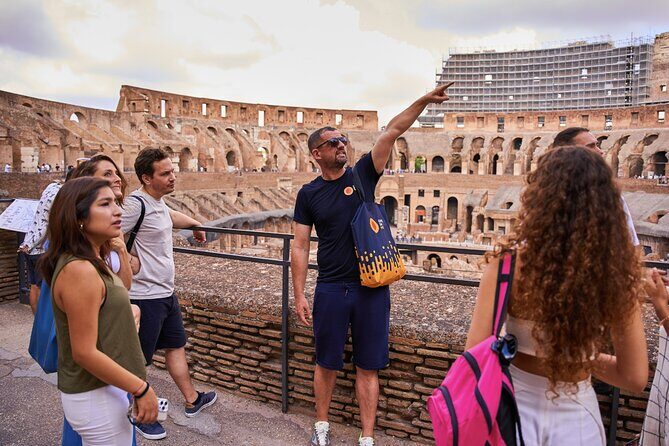
The Roman Forum is where Rome stops being a monument and starts being a machine. This tour’s Forum portion follows the logic of civic life—politics, religion, and public messaging all in one concentrated area.
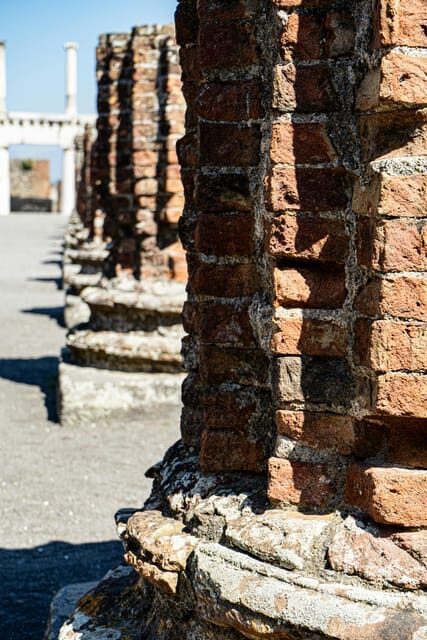
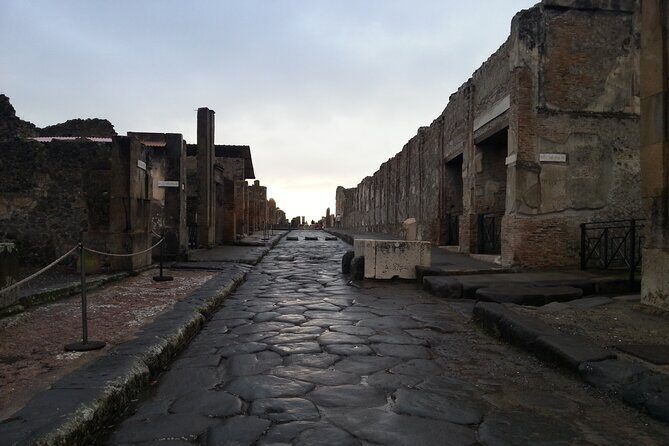
You walk along Via Sacra and Via Nova, weaving through arches and the remains of towering temple structures. It’s not just sightseeing; it’s learning how a Roman once navigated power. Your guide points out major remnants like the Senate House and the Rostra, where orators made their case and lawmakers framed decisions.
This part also benefits from timing and pacing. The Forum doesn’t have the same single “wow moment” as the Colosseum, so the guide has to keep it moving. In a good run, you’ll leave with a clear mental map of how myths and real-world governance overlap here—especially around stories connected to figures like Romulus and Julius Caesar.
You also get a realistic expectation check. Less than half of the Forum survives today, so you won’t see everything in one clean, intact view. The value comes from the guide’s explanations, which help you understand what you’re looking at now and why those gaps still matter.
If you like asking questions, the Forum is also the place where your guide can answer in a way that helps you translate ruins into real social behavior—what people did, why they cared, and how public space shaped status.
What $60.46 buys you: reserved entry, a licensed historian-style guide, and less wasted time
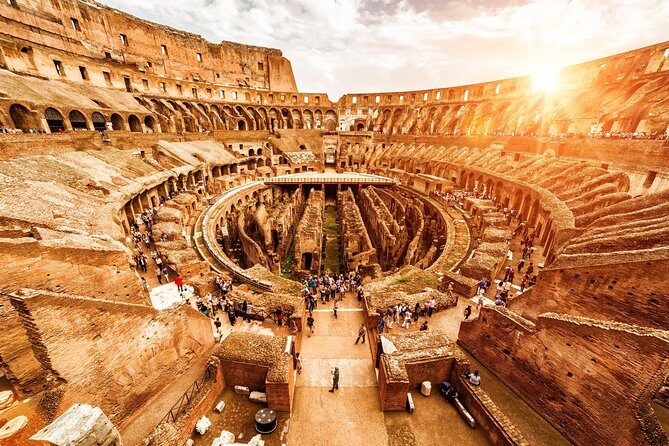
At $60.46 per person for about 3 hours, the headline question is simple: do you get value, or are you paying just for convenience?
Here’s the value math that matters. Your ticket package includes admission to three sites, plus the Colosseum entry reservation fee (listed as a value of €18–€24). That’s a big chunk of what you’d otherwise pay separately, and it comes with time saved.
Time saved is not abstract in Rome. The Colosseum and Forum can turn your day into a waiting game. This format reduces the friction by using timed, reserved access rather than leaving you to deal with the slow churn of ticket lines on the ground.
Then you add the human part: a guide who tells the story with context and uses headphones so you can stay focused. Multiple guides have been singled out for engaging, detailed explanations—people named Ivana, Mariana, Kopal, Andrea, Francesca, and Yousef for turning the ruins into something you can actually explain to someone else later.
One more practical detail: the tour is offered in English (and also multiple languages depending on the option). If you want to understand what you’re seeing, language support matters.
Headphones and small groups: why hearing matters in crowded ruins
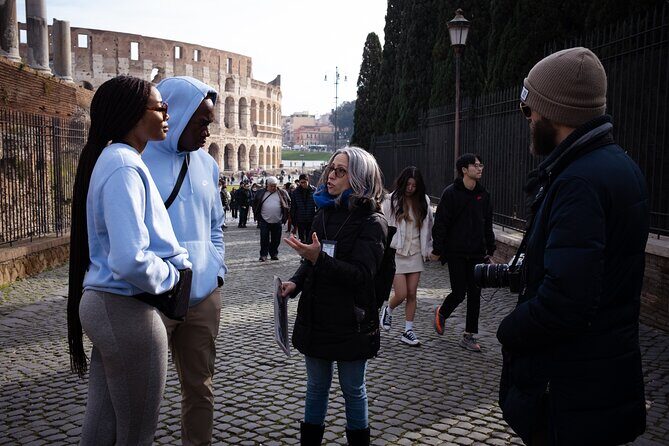
Crowds are part of the Colosseum and Forum experience. You can still enjoy it, but you’ll understand more if you can hear your guide without constantly scanning for the right voice.
That’s why the headphones are such a solid inclusion. They reduce strain. You’re not repeating yourself, guessing what the guide is saying, or giving up during the loud parts of the tour. It’s also useful for photos and pauses—your attention doesn’t have to split between watching and listening.
Group size helps too. This tour caps at 24 travelers, and several guests have described truly small groups for their dates. Smaller groups usually mean smoother flow, fewer bottlenecks at narrow passages, and more room for your guide to answer real questions without the whole group losing momentum.
If you’re the type who likes to ask “why did that matter?” this setup tends to work well.



Choosing upgrades: Gladiator’s Gate and the arena floor decision
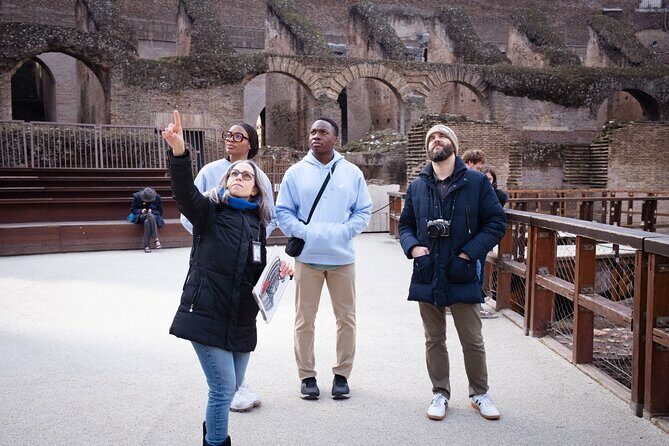
The base tour gives you a guided, ticketed circuit across all three sites. The extra options change where you stand and how close you get.
- Gladiator’s Gate access is available if your option includes it. That can feel especially meaningful if you’re fascinated by how fighters entered and how the spectacle was staged.
- Arena floor access is an add-on option. It’s not automatic, and it costs extra when it’s offered.
Here’s how to think about it. If your biggest goal is to feel like you’re on the same level as the arena action, the arena floor upgrade is the one to consider. Several visitors described it as worth it even when access circumstances change, largely because the viewpoint changes how you understand the space.
But do plan around potential changes. In the real world, ticketed access can sometimes be altered. If the upgrade is your top priority, I’d recommend checking what’s included at the time you book and keeping your expectations flexible.
Timing, meeting point, and how to not lose your entry window
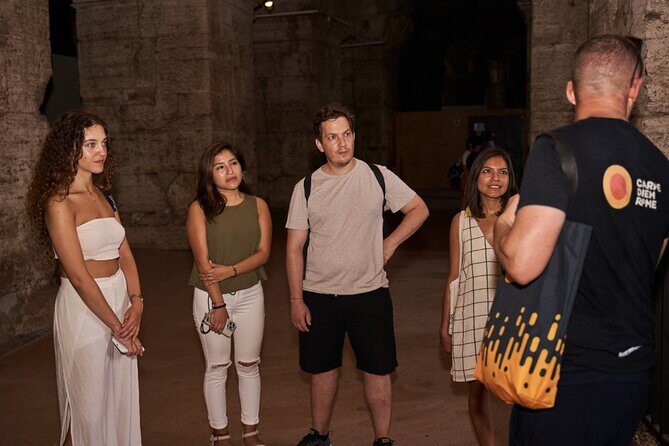
The meeting point is the Arch of Constantine, Piazza del Colosseo, 00184 Roma RM, Italy. The tour ends either in the Roman Forum or the Colosseum area, depending on which site you start with.
This matters because your day’s last hour can either be relaxing or frustrating. If the tour ends in the Forum, you’ll want to plan your next steps around that location. If it ends at the Colosseum, it’s easier to connect to other nearby stops.
Also, respect timed entry. The Colosseum does not treat lateness kindly. Arrive early enough to check in and avoid stress. If traffic or delays can derail your schedule, buffer your travel time rather than hoping you’ll slip in at the last minute.
Weather counts too. The experience requires good weather, and if it’s canceled for poor weather, you’ll be offered a different date or a full refund.
If you’re visiting in shoulder season or rainy periods, bring a light rain layer and non-slip shoes. Guides have handled rain without derailing the tour, but your comfort still depends on your footwear.
Who this guided Colosseum–Forum–Palatine tour suits best
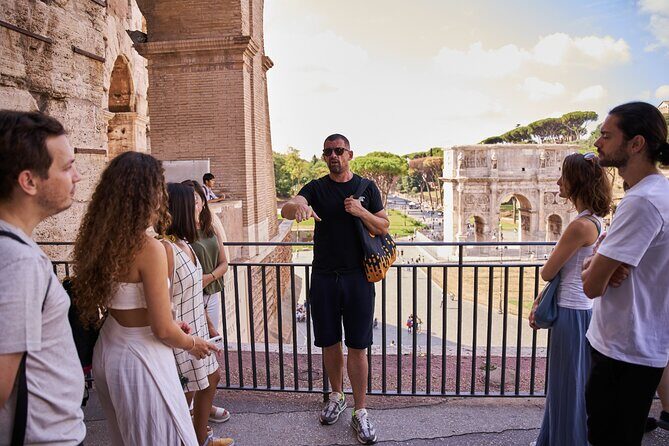
This is a strong pick if you want:
- A guided route through all three major ancient Rome sites in about 3 hours
- Headphone audio so you don’t fight crowds to hear explanations
- A format that explains the connections between entertainment (Colosseum), power (Forum), and imperial origins (Palatine Hill)
It’s also a good choice for first-timers because the sequence helps you build a map quickly—arena to empire to civic center.
I’d be more cautious if:
- You have difficulty with stairs or uphill walking. The Forum and Palatine sections can involve climbs, steps, and more time standing than you might expect from a “quick hill stop.”
If you’re comfortable walking and you like stories that explain why Romans did what they did, this tour gives you a clean, efficient package.
Should you book this Colosseum, Roman Forum & Palatine Hill tour?
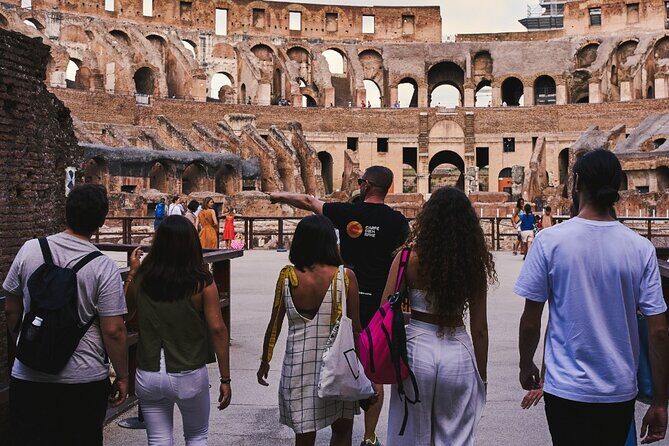
Yes—if your priority is understanding the sites without spending your entire day in lines, this tour is a solid value. The combination of reserved entry for three locations, a licensed historian-style guide, and headphones is exactly what you want in Rome’s busiest ancient zones.
Before you book, decide two things:
1) Do you want the arena floor or Gladiator’s Gate option enough to pay extra?
2) Can you handle the walking and stairs around Palatine Hill and the Forum?
If both answers are yes, you’ll likely have the kind of visit where you can look at the ruins and explain them, not just photograph them.
FAQ
What’s the duration of the Colosseum, Roman Forum & Palatine Hill guided tour?
It runs for about 3 hours (approx.).
Where do I meet, and where does the tour end?
You start at the Arch of Constantine, Piazza del Colosseo. You’ll end either in the Roman Forum or the Colosseum, depending on which monument you start with.
Are tickets included for all three sites?
Yes. Admission to the Colosseum, Palatine Hill, and Roman Forum is included (based on the selected option).
Are headphones included?
Yes. Headphones are provided so you can clearly hear the guide.
Can the tour start at the Colosseum or the Forum?
Yes. The order may vary, and you may begin with the Colosseum or with the Roman Forum/Palatine Hill depending on ticket availability.
Is access to the arena floor included?
Arena floor access is not included by default. It’s included only if you select the arena floor option (otherwise it’s available for an additional fee).
What’s the cancellation policy?
You can cancel up to 3 days in advance for a full refund. Cut-off times are based on local time.