REVIEW · COLOSSEUM TOURS
Rome: Colosseum, Roman Forum, and Palatine Hill Guided Tour
Book on GetYourGuide →Operated by Find Rome Tours · Bookable on GetYourGuide
Rome stops being abstract when you stand inside the Colosseum. This 2.5-hour guided route gives you priority access to the Colosseum, then moves straight to the Roman Forum and Palatine Hill—so the story of ancient power actually makes sense. I like that you’re not stuck translating ruins on your own.
What I really love is the pacing. The guide walks you through the biggest questions—how the Forum went from swampy ground to the political and religious center, and why Palatine Hill mattered as the home base for emperors—while the included headsets keep you connected even in busy areas. You’ll come away with places you can picture, not just photos.
One consideration: this is not suitable for wheelchair users and it’s not ideal for people with mobility impairments. Also, there’s no food or drinks, so plan on water and breaks outside the sites.
In This Review
- Key highlights to know before you go
- Why the Colosseum–Forum–Palatine loop works so well
- Meeting point: where to find your group fast
- Entering the Colosseum with priority access
- Roman Forum walk: turning ruins into a political map
- Palatine Hill: where emperors set up their world
- How the guide and headsets change everything
- What to bring (and what to leave behind)
- Timing and the reality of a 2.5-hour visit
- Price and value: is $67.19 worth it?
- Who this tour suits best
- Should you book this Colosseum–Forum–Palatine guided tour?
- FAQ
- Where does the tour start?
- How long is the Rome Colosseum, Roman Forum, and Palatine Hill guided tour?
- Does this tour include entry tickets?
- Is there a live guide and will I hear them?
- Does the tour skip the ticket line?
- What should I bring?
- Are backpacks or pets allowed?
- Is it wheelchair accessible?
Key highlights to know before you go
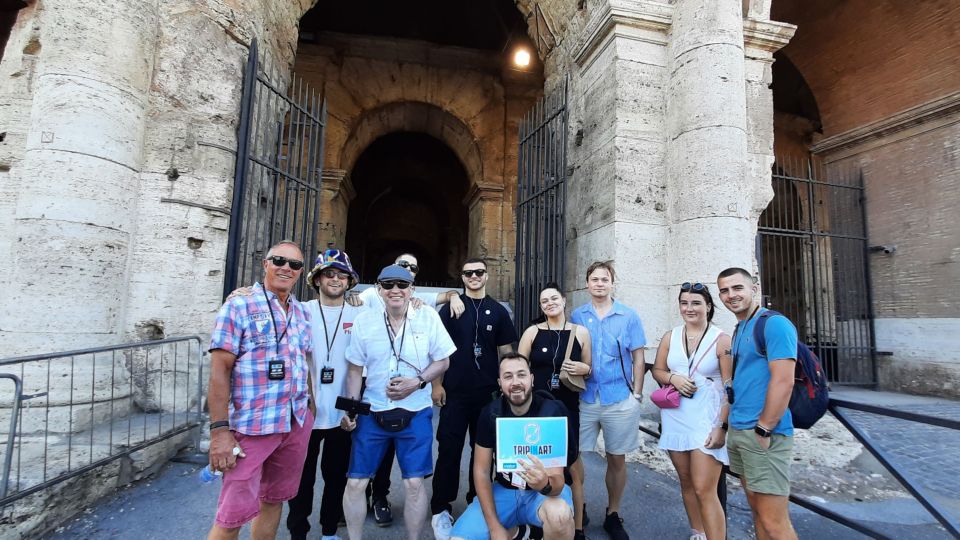
- Priority access to the Colosseum means less time stuck in queues and more time looking at what matters
- Roman Forum context ties together politics, religion, and everyday civic life in one walk
- Palatine Hill perspective helps you understand how imperial Rome worked from the top down
- Live English guide with headsets keeps the explanations clear in crowded spots
- A tight 2.5-hour route covers three major areas without turning it into a marathon
Why the Colosseum–Forum–Palatine loop works so well
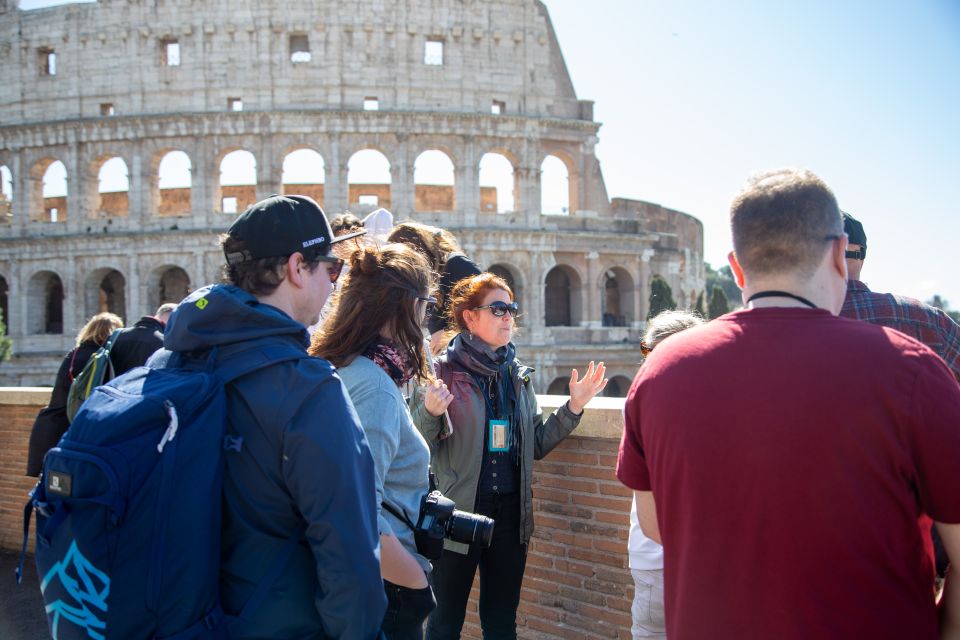
If Rome can feel like a pile of ruins at first, this tour is the antidote. You’re moving through three different layers of the same story: public spectacle, government life, and imperial residence. The Colosseum shows you how Rome entertained and controlled people at scale. The Forum shows you how Rome ran daily power. Palatine Hill shows you where that power lived.
In a short time, you also get the best kind of “wow.” Not just grand structures, but the logic behind them. You’re guided into the places where crowds gathered, where officials spoke, and where emperors built their world.
And because the tour includes entry fees and skip-the-line access for the key stop, you’re spending your time on the walking and learning—not on waiting around with no plan.
You can also read our reviews of more guided tours in Rome



Meeting point: where to find your group fast
The tour starts at Piazza del Colosseo, 21, at the upper level of the Colosseo metro station. Look for the M metro symbol and the SOS sign, near Caffè Roma. Then find the Find Rome Tours staff—this is the simplest way to avoid the typical Rome-street guessing game.
It’s a good idea to arrive a few minutes early. That way, you’re not stressed about security lines or finding the right stairway before you even start.
Entering the Colosseum with priority access
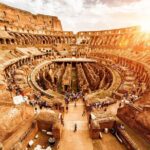
Your first big stop is the Colosseum, with a guided segment of about 75 minutes. This is the largest Roman amphitheater ever built, designed for massive audiences. The whole point of going with a guide here is that you’ll hear what you’re looking at instead of just reading signs and hoping it clicks.
The Colosseum is famous for gladiator fights—over 50,000 spectators, epic plays, and dramatic public punishments. But the guide also helps you connect the architecture to the experience: where crowds would have been, how entrances and circulation shape movement, and why certain parts were so important for staging events.
The value of priority access is practical. Even if you’re comfortable with crowds, security and regular ticket lines can chew up time. Priority entry helps you keep momentum, which matters a lot because the rest of the day’s steps come fast.
Quick tip for photos: early in the visit, you’ll be positioned closer to the best angles before the densest crowd crush builds around the most photographed spots. If you’re a camera person, keep one lens ready and one hand free—your future self will thank you.
Roman Forum walk: turning ruins into a political map
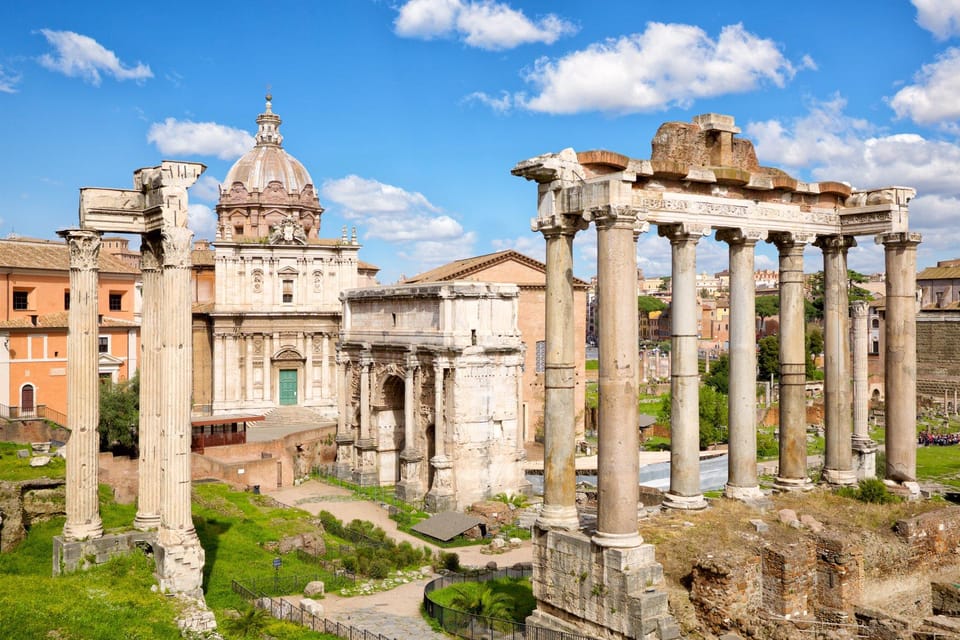
Next you head to the Roman Forum for about 45 minutes. This is the emotional center of ancient Rome, and it often surprises people because it’s not one single building—it’s a whole civic ecosystem.
One especially useful thread the guide connects: the Forum was originally a swamp, and it became reclaimed ground over time. By the 7th century BCE, the valley had transformed into the bustling heart of political, social, and religious life.
Walking it with a guide helps you understand what to look for. Instead of thinking, This wall is old and that column is old, you start noticing how the space worked for public decision-making, ceremonies, and daily power.
What you’ll likely feel here is a shift from spectacle to governance. The Colosseum answers how Rome entertained and asserted control. The Forum answers how Rome organized life—who mattered, what got debated, and where authority showed up.
Potential drawback at this stop: the Forum can feel like a lot of similar stone at first glance. If you’re not a “ruins reader,” the headset-guided explanation becomes even more important here.
Palatine Hill: where emperors set up their world
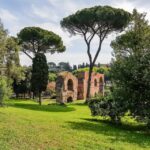
The last major stop is Palatine Hill, for around 30 minutes. Palatine Hill is the center of Roman power—an open-air museum of sorts, with the added weight of knowing this is where emperors once lived.
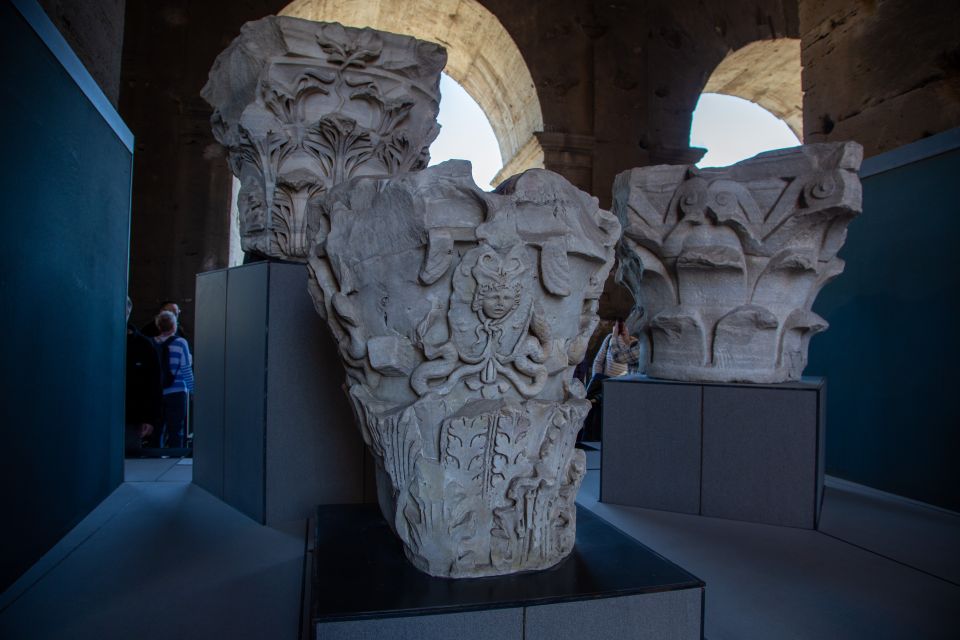
Even in a short visit, Palatine Hill changes your perspective. You’re higher up than many Forum areas, and that elevation helps you see how leaders could oversee the civic center below. The tour also points you to key museum context, including the Palatine Museum and artifacts linked to discoveries from this area and across ancient Italy.
Why I like ending here: the experience gets more personal. The Forum is about public life, and the Colosseum is about mass gatherings. Palatine makes it feel closer to the people shaping the empire—fewer crowds, more sense of residence and power.
Photo advantage: Palatine Hill is often where you get the best sense of scale. If you prefer views first, it helps to know your tour order places Palatine at the end. You can still get great photos, but plan your best-shot timing near this final stop.



How the guide and headsets change everything
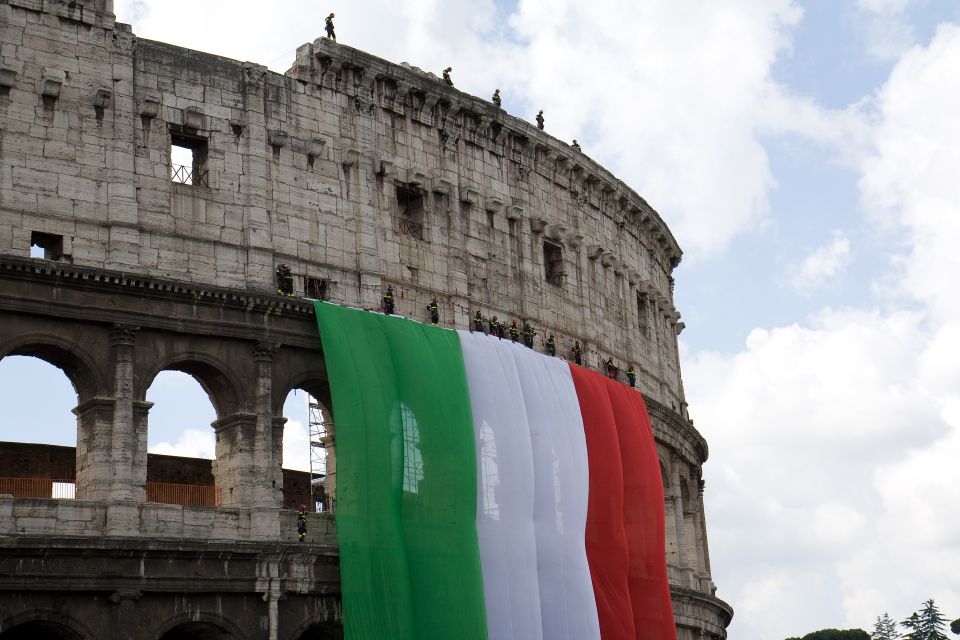
A guided tour isn’t just someone talking while you walk. With this format, the headset system matters because the Colosseum and Forum are loud and busy. You’re not constantly trying to hear over other groups, traffic noise, or your own footsteps.
The guide’s job is to connect the dots—what you’re seeing, why it matters, and how each location fits into the broader Rome story. That’s the difference between visiting ancient Rome and understanding it.
You’re also given English-language guidance, which is a big deal in Rome because not every sign tells a coherent story. Here, the key narratives are spoken plainly, and you can keep moving.
What to bring (and what to leave behind)
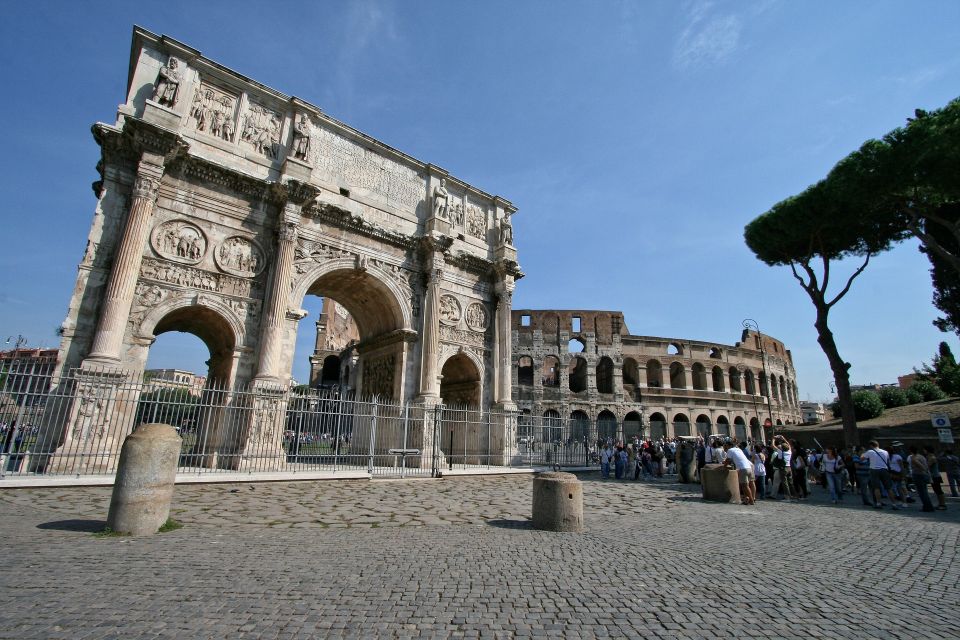
To get the best experience, keep it practical. Bring comfortable shoes, a hat, sunscreen, water, and a camera. That’s not fluff. The walking adds up, and the Roman sun can be relentless even when the morning starts cool.
Don’t bring backpacks. Also, pets aren’t allowed (assistance dogs are fine).
If you tend to pack light, do that. Small items are easier to manage during security and when you’re shifting through crowded areas.
Timing and the reality of a 2.5-hour visit
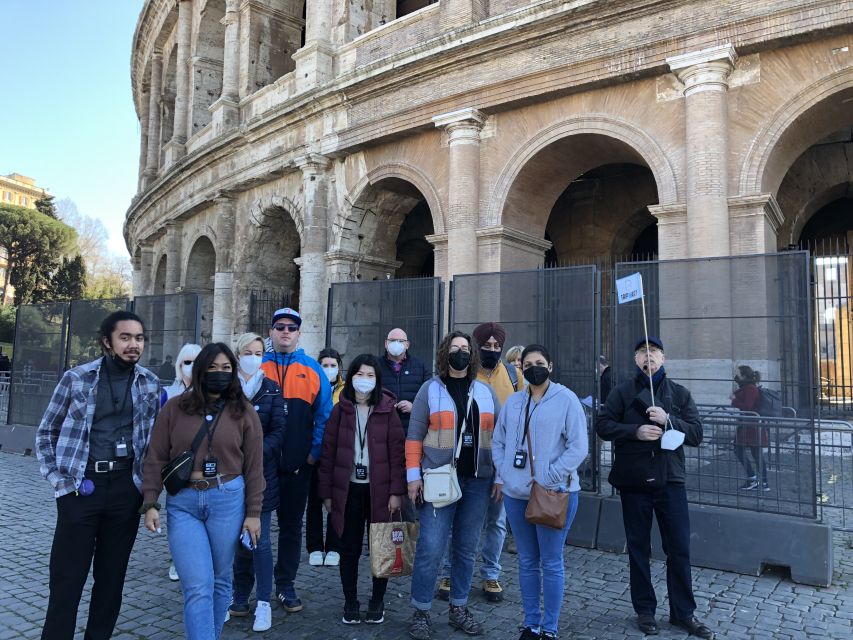
The full tour runs about 2.5 hours, structured as roughly 75 minutes Colosseum, 45 minutes Roman Forum, and 30 minutes Palatine Hill. That’s a smart length for three major sites because it gives you coverage without turning it into an all-day ordeal.
The tradeoff is that you won’t have unlimited time at every corner. This is a “see the major ideas clearly” tour, not a “linger and read every inch” tour. If you love slow museum-style browsing, you might want extra time after the tour—especially around the areas you most want to revisit.
Still, for most people, this is the sweet spot. You leave with an understanding of the complex parts, and you don’t feel like you sacrificed your whole day just to see one monument.
Price and value: is $67.19 worth it?
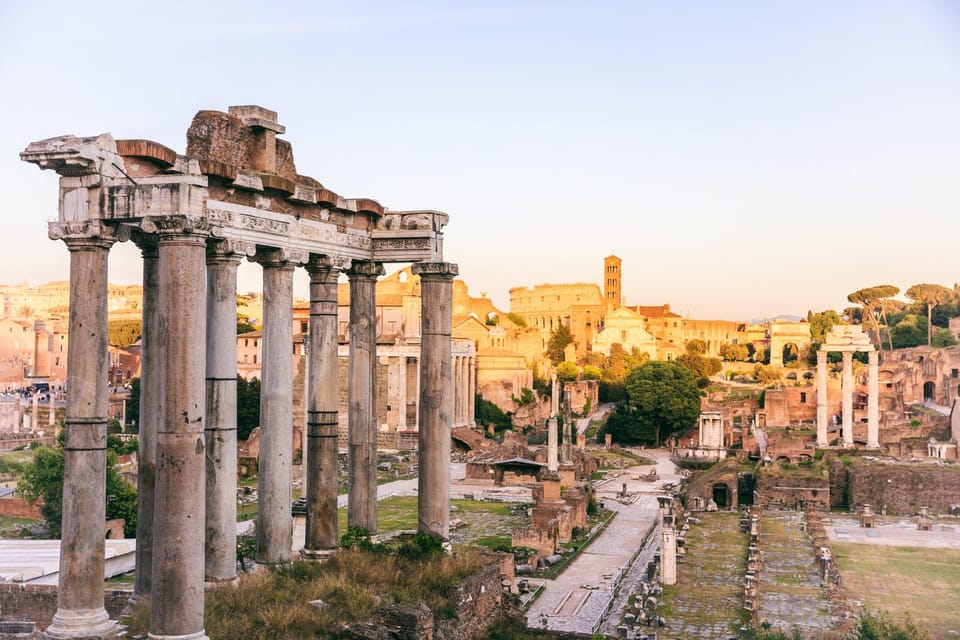
The price is $67.19 per person, and the tour includes entry to the Colosseum, Roman Forum, and Palatine Hill, plus all entry fees. It also includes headsets to hear the guide clearly, which is a real quality-of-life upgrade in these sites.
Here’s the honest way to think about value:
- If you go solo, you might pay a ticket price and then spend time figuring out what you’re looking at.
- With this tour, you pay for priority access and for someone to explain what you’d otherwise miss in the first pass.
One practical data point from people’s experience: some visitors have seen regular ticket pricing around €18 and reported that the only longer wait was security. That can make it feel like paying extra is unnecessary—until you factor in guided time and priority entry. In other words, even when lines seem short, you’re still buying the service: interpretation, pacing, and a smoother entry flow.
So who gets the best value from this price? People who want the highlights and need the story told in a way that sticks.
Who this tour suits best
This experience is a strong match if you want:
- a guided overview of three top ancient Rome sites without doing research first
- help making sense of the Forum’s complex layout
- a clear explanation of what makes the Colosseum and Palatine Hill important
It may be a poor fit if:
- you use a wheelchair (it’s noted as not suitable)
- you have mobility limitations that make uneven ground, curbs, and crowd movement hard
- you prefer long, quiet self-paced wandering over structured storytelling
Should you book this Colosseum–Forum–Palatine guided tour?
I’d book this if you’re aiming to see the big three and get the connections between them while your time in Rome is limited. The biggest strength is simple: priority access plus a guided narrative that turns places into meaning fast.
Skip it if you need a wheelchair-friendly route or you strongly prefer self-guided pacing. In that case, you’ll likely be happier planning a slower, more flexible itinerary and reading on your own.
FAQ
Where does the tour start?
The tour starts at the upper level of the Colosseo metro station, near the M metro symbol and the SOS sign by Caffè Roma. The meeting location is also listed as Piazza del Colosseo, 21.
How long is the Rome Colosseum, Roman Forum, and Palatine Hill guided tour?
It lasts about 2.5 hours, depending on the starting time you select.
Does this tour include entry tickets?
Yes. Entry to the Colosseum, access to the Roman Forum, access to Palatine Hill, and all entry fees are included.
Is there a live guide and will I hear them?
Yes. The tour has a live English-speaking guide, and the experience includes headsets so you can hear clearly.
Does the tour skip the ticket line?
Yes. The tour includes skip-the-line entry for the sites.
What should I bring?
Bring comfortable shoes, a hat, a camera, sunscreen, and water.
Are backpacks or pets allowed?
Backpacks aren’t allowed. Pets aren’t allowed either, though assistance dogs are allowed.
Is it wheelchair accessible?
No. It’s noted as not suitable for wheelchair users and not suitable for people with mobility impairments.