REVIEW · COLOSSEUM TOURS
Rome: Colosseum, Roman Forum and Palatine hill guided tour
Book on GetYourGuide →Operated by ROME WITH SILVIA · Bookable on GetYourGuide
Rome’s ruins have a way of grabbing you fast.
This guided route is a smart way to see the Colosseum + Roman Forum + Palatine Hill in one flow, with a real-time guide and headsets so you don’t miss the story. I like the photo-friendly approach: you get access up through the first and second tiers and can use the panoramic terraces for better angles than most people manage on their own. I also love the way the walk connects names and power—like where Julius Caesar is remembered and how the Forum became the center of public life.
One thing to plan for: the tour starts at Largo della Salara Vecchia, and meeting points in the Colosseum area can be tricky. If you arrive late or struggle to find the group, your timing can slip and the day can feel rushed, especially under heat and crowds.
In This Review
- Key highlights you’ll feel right away
- Entering the Colosseum: tiers, terraces, and the stories that make it click
- Roman Forum walkthrough: power, public life, and the route along the old road
- Palatine Hill finale: one viewpoint, seven-hill perspective
- Your guide experience: headsets, heat care, and clear communication
- Price and value at $41: where your money actually goes
- Timing, crowds, and the meeting-point reality check
- Who should book this tour (and who might want a different approach)
- Should you book the Rome Colosseum, Forum & Palatine guided tour?
- FAQ
- Where does the tour start?
- How long is the total experience?
- Is the guided portion shorter than the total time?
- Are tickets included in the price?
- What languages are available?
- What personal information is required before visiting?
Key highlights you’ll feel right away
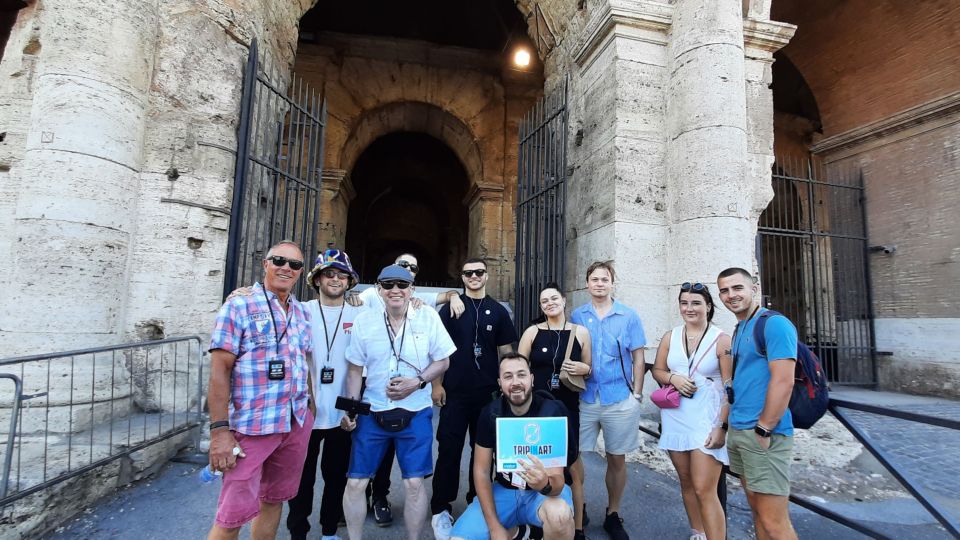
- Tickets included, so you spend less time sorting logistics and more time looking up.
- Headsets for clarity, a huge help in a loud, crowded amphitheater.
- First and second tiers plus panoramic terraces, for views and photos that feel more like standing inside the monument.
- Old Roman road walk, leading you to the area tied to Julius Caesar.
- Roman Forum guided walk, focused on how it grew into a government and public-life hub.
- Palatine Hill viewpoint at the end, with a broad look over Rome and the hills it was built on.
Entering the Colosseum: tiers, terraces, and the stories that make it click
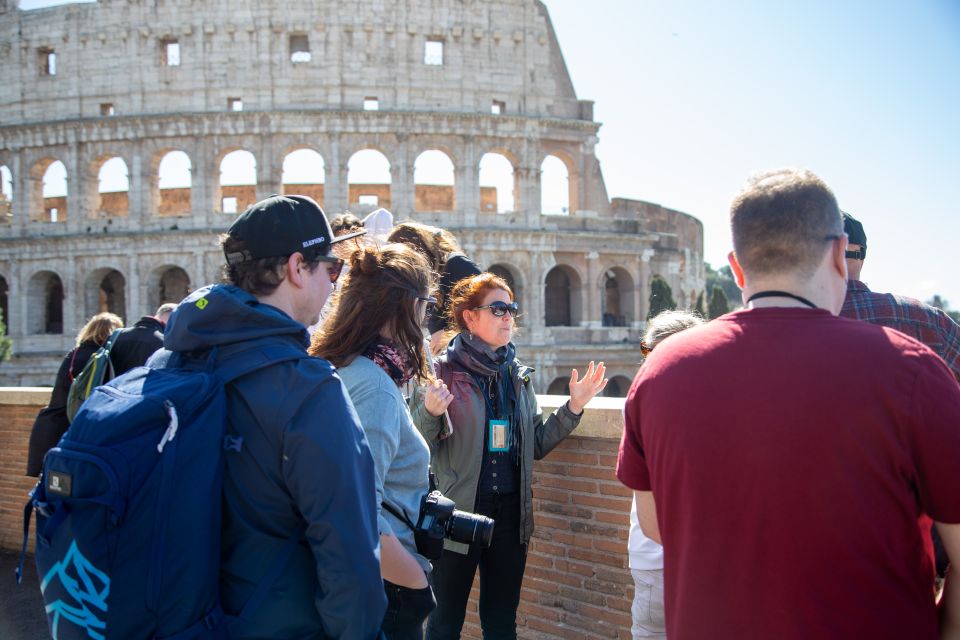
The Colosseum is the kind of place where you can stare for hours and still not understand what you’re seeing. This tour is built to fix that. Your guide brings you through the amphitheater with an explanation of what it was for—famous for the games held there—and why it’s called the Colosseum in the first place.
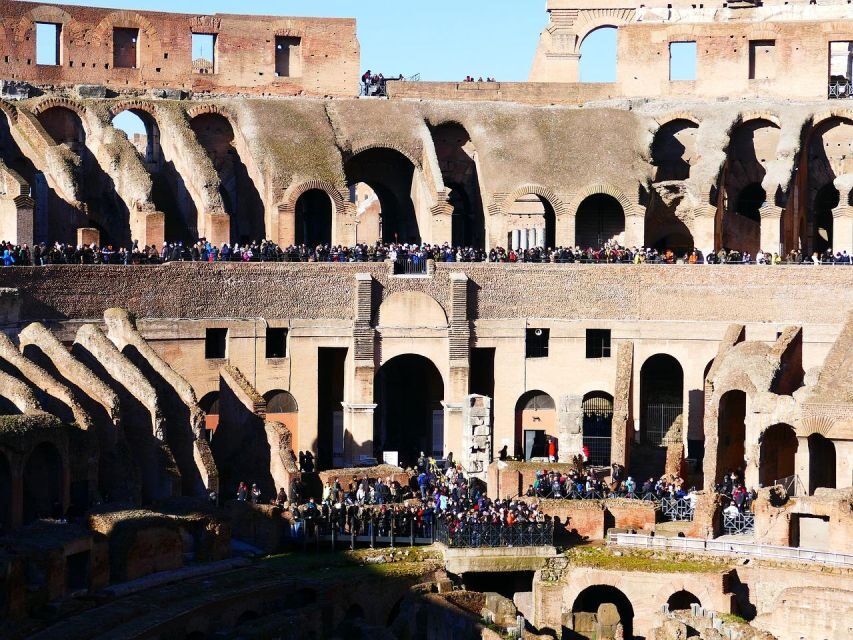
What I like most is that you don’t just pass by. You reach the first and second tiers, which changes the whole perspective. Lower seats are impressive, sure. But going higher helps you read the space as a working stadium, not just a wall of stone. It also gives you better lines for photos without constantly fighting for the same flat viewpoint.
Then there are the panoramic terraces. These are where your camera time makes sense. Instead of squeezing into the same angles everyone aims for, you get a privileged position for looking back at the arena and surrounding ruins. If you care about photos that look like you actually know where the sightline is, this part matters.
A practical note: you’ll go through airport-style security first. It’s normal, but it can add time. I treat that as part of the tour experience—arrive with margin so you don’t start already stressed.
You can also read our reviews of more guided tours in Rome



Roman Forum walkthrough: power, public life, and the route along the old road
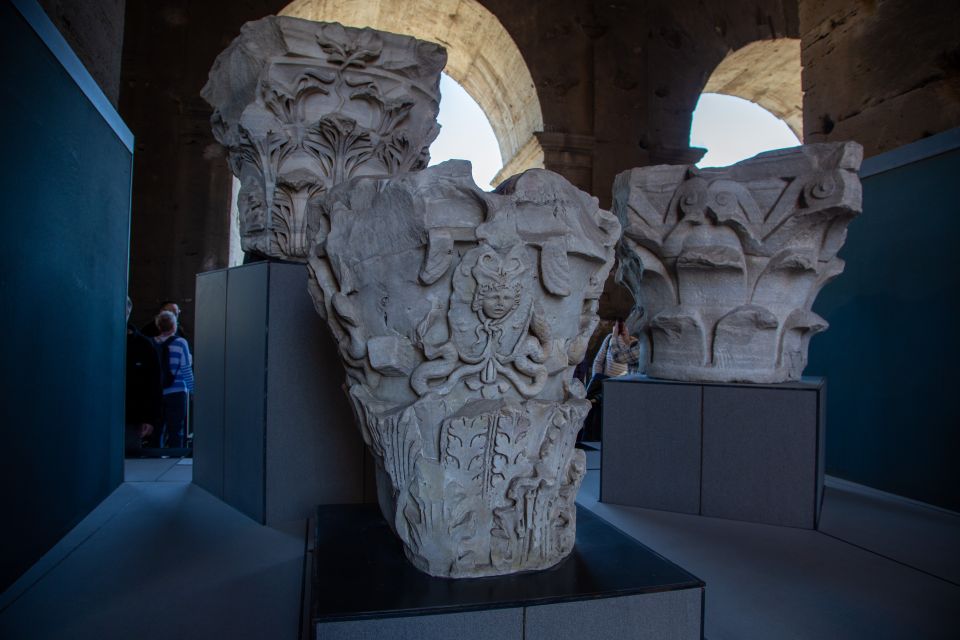
After the Colosseum, the tour shifts into walking mode. This is where you stop thinking of the Forum as one giant ruin and start understanding it as a place that used to run the city.
You follow an old Roman road, and that small detail helps a lot. Standing inside the Forum without a “path” in your head is easy. Walking a guided route gives you a structure to remember later: where things were, how people moved, and why it became the center of Roman government and public life.
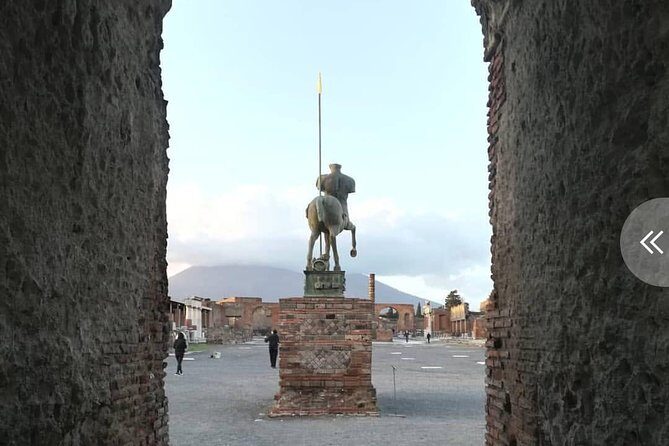
One of the most memorable stops is the tomb of Julius Caesar. Even if you already know the name, seeing it in context—then hearing how the Forum developed into a place for government and civic activity—helps the story feel grounded in place, not just text from a book.
Then you continue through the ancient ruins of the Roman Forum with a guide who ties together what you’re seeing. The tour focuses on the Forum’s growth and role, not just a list of monuments. That makes it easier to walk away with something useful: a mental map of Roman power moving from stones to meaning.
Keep in mind that the Forum is a walking environment with open areas. The tour runs rain or shine, so if the weather is rough, your pacing may feel different. Still, it’s a good plan for people who want history with a clear route instead of wandering.
Palatine Hill finale: one viewpoint, seven-hill perspective
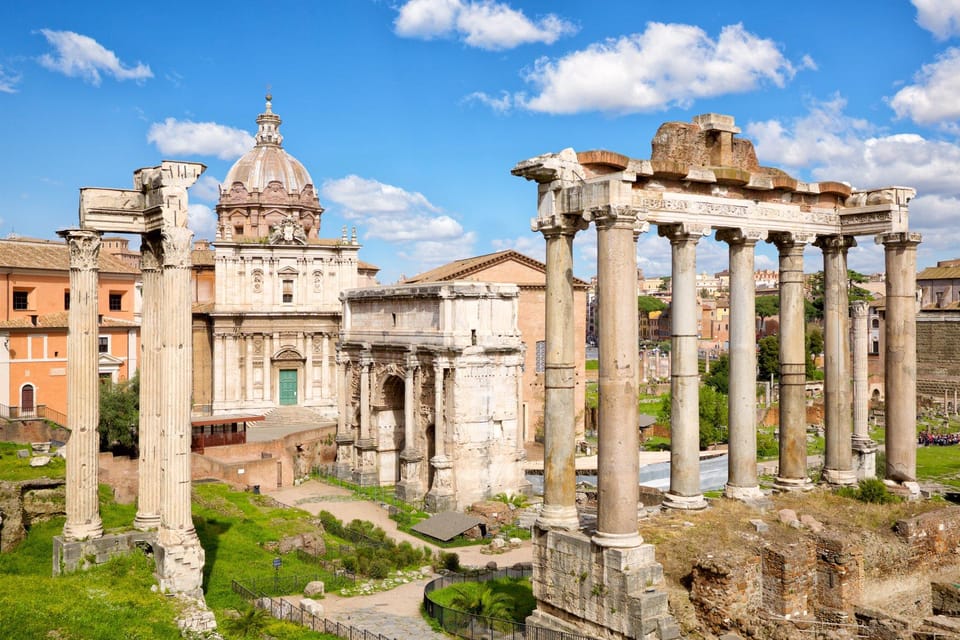
The end of this tour is the Palatine Hill viewpoint, and it’s a smart way to close. The Colosseum makes you look inward at the past. The Palatine Hill makes you look outward at Rome now—so it feels like the story spans generations, not just a single location.
You finish with a guided stop on the hill (your guided time here is shorter), then you get time to take photos from one of the most suggestive viewpoints in the city. What’s useful is that the guide frames the view around the fact that Rome was built on seven hills. Seeing that layout from above helps you understand why the city developed where it did.
This is also a nice moment for people who are tired of reading plaques. After a few hours in stone and signage, a broad view resets your brain. Even if you’ve seen photos of Rome from lookouts, there’s something different about standing where the story is tied to the city’s earliest social and political layers.
Your guide experience: headsets, heat care, and clear communication
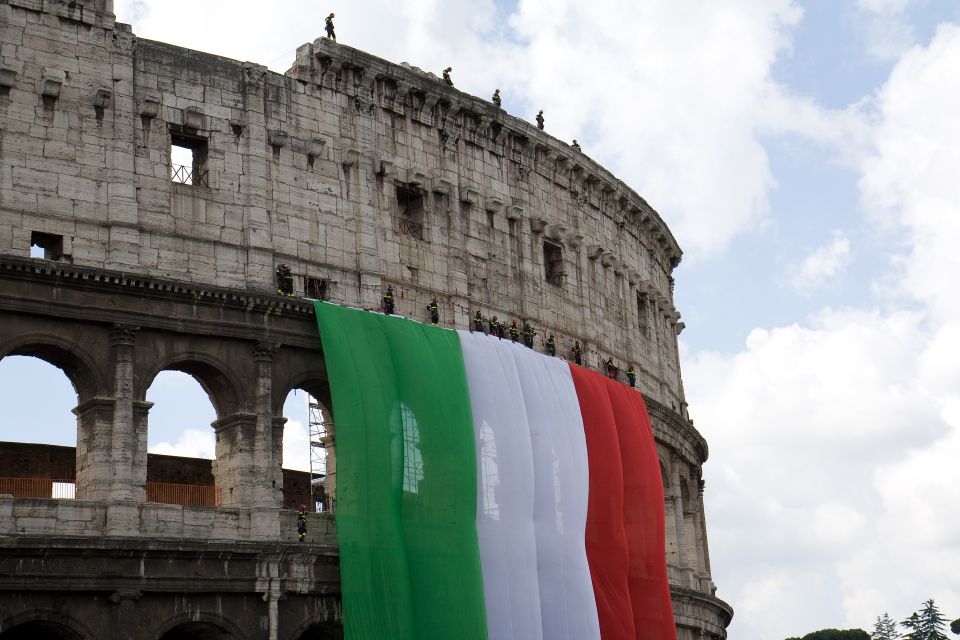
A guided tour only works if you can hear it and follow it. This one includes headsets, which makes a big difference in noisy places like the Colosseum.
I also like how the guide style comes through in the reviews: people highlighted guides who were friendly and very attentive, including for families with children. One review specifically praised Silvia for being considerate about heat and hydration, which is exactly what you want during summer sightseeing when the stones hold the day’s warmth.
The same guide also used a folder of pictures for the Roman Forum and Colosseum, both before and after key stops. That kind of visual aid is underrated. When you see what the space used to look like (or what to focus on), you can connect modern ruins to ancient layout faster.
Language matters too. The tour is available in English and Italian. If you’re traveling with friends who speak Italian, you can still benefit from the guide’s explanations. For hearing accessibility, one review noted that the guide checked comprehension—so if you rely on lip reading or partial audio, you can ask for clarification right there.
Price and value at $41: where your money actually goes
At $41 per person for about a 3-hour experience, the value comes from what’s included, not just the headline price.
Here’s what you’re getting in the deal:
- a group tour (listed as up to 24 people),
- tickets included,
- a 2.5-hour English-speaking guided tour,
- and headsets.
Tickets are usually one of the biggest variables in cost for major sites. Having them included means fewer steps and less time wasted. The headsets also aren’t a small add-on. They directly affect comprehension in the Colosseum, where sound can be chaotic.
Is it cheap? Not in the “budget ticket” sense. But it’s a smart value if you want the story you’d otherwise miss and you want to avoid dealing with every onsite timing decision yourself.
If you’re the type who enjoys turning ruins into a coherent narrative—who likes knowing why a place is called what it’s called and what the Forum meant for Roman politics—this price starts looking fair.



Timing, crowds, and the meeting-point reality check
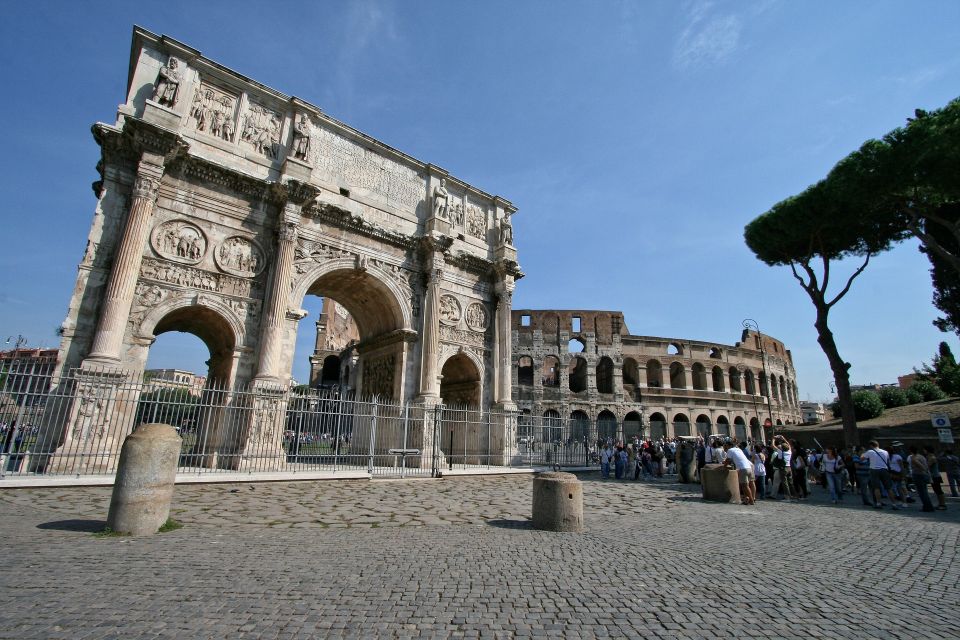
This tour is short enough to fit into a busy Rome schedule, but not so short that you can wander. You’ll want to respect the timing.
One practical caution: multiple people mentioned that finding the meeting point took longer than expected. The starting location is Largo della Salara Vecchia, but the Colosseum area has a lot of similar streets and entrances. If you don’t want the stress, arrive early and give yourself extra time to locate the group.
Also, remember that the tour begins with security. Even if the line moves quickly, it’s still time you should account for. If you’re traveling in peak season or during summer heat, plan for the fact that you’ll be outside parts of the route.
If you’re trying to coordinate with kids, elders, or anyone sensitive to heat, the tour’s guided pacing can help. Just pack for the conditions—sun, water, and comfortable shoes—because the walking adds up.
Who should book this tour (and who might want a different approach)
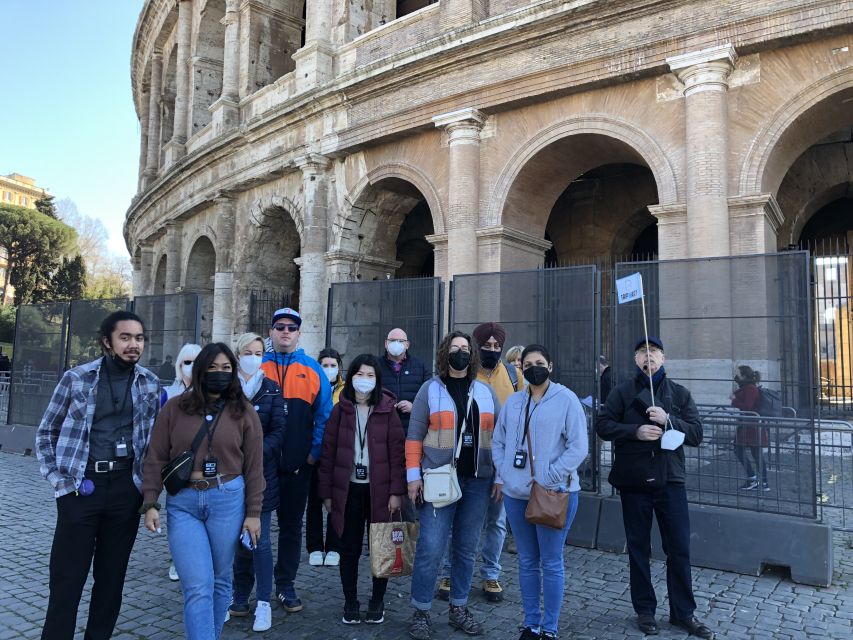
This is a good fit if you want:
- a structured route through the Colosseum, Forum, and Palatine Hill,
- headsets to hear the guide,
- and a guide-led explanation that connects monuments to meaning.
It’s also a strong option if you’re visiting only once and want a “greatest hits” arc. You get the amphitheater, the civic center, and the viewpoint that makes sense of Rome’s geography.
If you love pure independence—wandering at your own pace, spending extra time on one chapel or one arch—this may feel a bit tight. The tour is designed as a coherent 3-hour package, not a choose-your-own-adventure day.
Should you book the Rome Colosseum, Forum & Palatine guided tour?
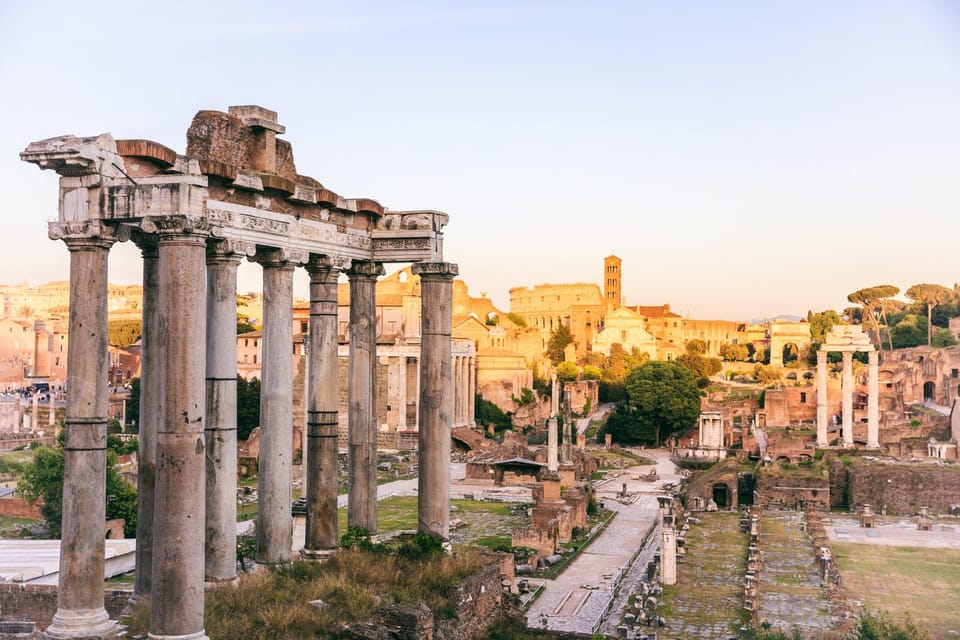
Yes, if your top priorities are not missing the explanations, getting clearer access through the Colosseum, and finishing with that strong Palatine viewpoint. The included tickets and headsets help justify the price, and the guide approach (including the visual folder and attention to heat) makes the experience easier to follow.
If you’re likely to arrive late or hate meeting-point hunting, do the opposite: show up early, and keep your expectations realistic about outdoor walking and crowds. Nail the start, and you’ll get a lot out of the time you spend in Rome’s most famous ancient layers.
FAQ
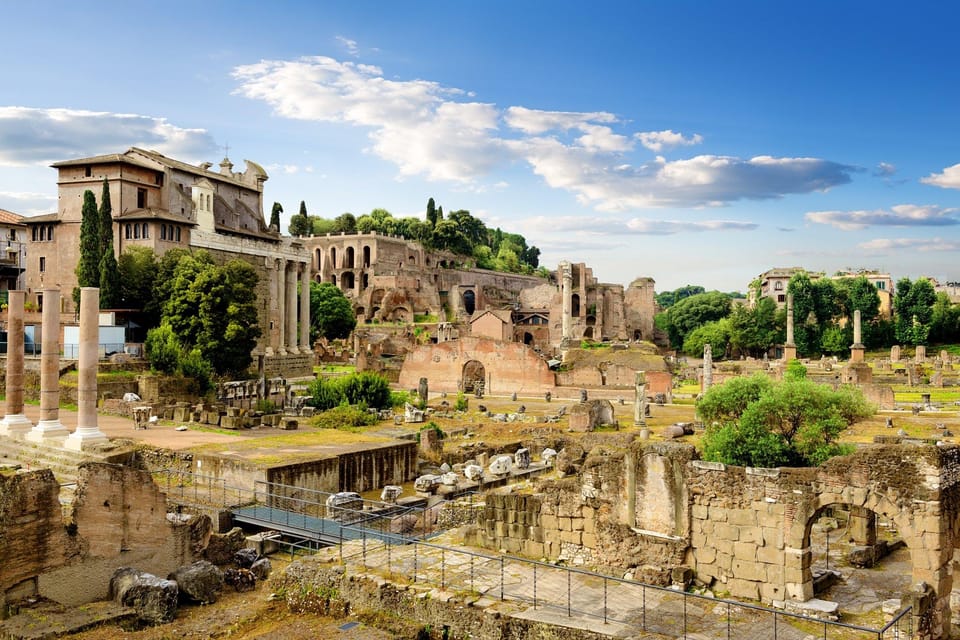
Where does the tour start?
It starts at Largo della Salara Vecchia.
How long is the total experience?
The duration is 3 hours.
Is the guided portion shorter than the total time?
Yes. The group tour includes a 2.5-hour English-speaking guided tour.
Are tickets included in the price?
Yes. Tickets are included in the price.
What languages are available?
The live tour guide is available in English and Italian.
What personal information is required before visiting?
The tour requires the full names and dates of birth of all participants.