REVIEW · EVENING EXPERIENCES
Rome by Night Vespa Tour With Driver/Private Guide
Book on GetYourGuide →Operated by Dearoma Tours & Travel srl · Bookable on GetYourGuide
Rome looks better at dusk on a Vespa. This 3-hour night ride turns the Eternal City into a moving light show, with a private guide pointing out what you’d miss in daylight crush. You’ll hop on a vintage Vespa and cruise between major monuments and darker-side streets where the quiet feels like it belongs to Rome.
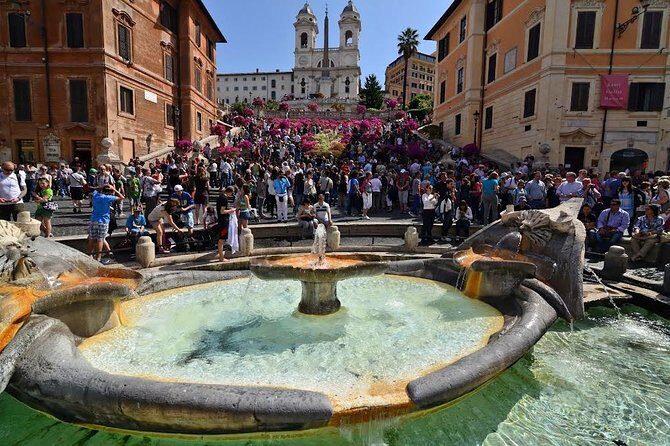
What I like most is how private it feels from start to finish, not like you’re watching Rome from behind a crowd. I also love the tailor-made route, so you can trade extra walking time for exactly the sights you care about, like Trevi Fountain, Spanish Steps, Pantheon, or Vatican City views.
One practical drawback: you don’t drive. Guests ride pillion while a professional driver handles Rome traffic, so the experience is all about holding on, taking photos, and enjoying the ride rather than controlling the scooter yourself.
In This Review
- Key points to know before you ride
- Setting Off: Hotel Pickup, Safety Briefing, and Riding Pillion
- First Cruising Minutes: How the Ride Gets You Into Rome’s Night Rhythm
- Imperial Fora Views and the Colosseum Photo Stop That Actually Feels Different
- Palatine Hill and Caracalla Baths: Where the City Feels Bigger Than the Main Sites
- Porta San Sebastiano and the Aurelian Walls: Rome’s Built-In Defenses
- Pyramid of Cestius and Curbside Rome: Oddball Beauty at Speed
- Testaccio Break: Aperitivo, Beer, Wine, Local Snacks, and Food Tasting
- Aventine Keyhole and Circus Maximus: Big Views, Less Daytime Pressure
- Tailoring the Route: Trevi, Spanish Steps, Pantheon, Vatican City, and More
- Who This Tour Suits Best (and Who Should Think Twice)
- Price and Value: Is $203.91 Per Person Worth It?
- Should You Book This Rome by Night Vespa Tour?
- FAQ
- FAQ
- Do I drive the Vespa on this tour?
- Is hotel pickup and drop-off included?
- What food and drinks are included during the tour?
- Can the tour route be customized?
- What safety gear is provided?
- Who is this tour not suitable for?
Key points to know before you ride
- Hotel pickup and drop-off so you don’t have to time your way to a meeting point
- Pro drivers + helmets + raincoat, which keeps the vibe fun instead of stressful
- Night lighting at famous ruins, especially around the Colosseum and Imperial-area views
- Aperitivo break in Testaccio, with beer, wine, local snacks, and a food tasting
- A route you can personalize, so your tour can skew classic landmarks or more unusual stops
- Guides tend to be big on safety and storytelling, with names like Giacomo, Marco, Simon, Simone, Valerio, and Alessandro showing up in recent experiences
Setting Off: Hotel Pickup, Safety Briefing, and Riding Pillion
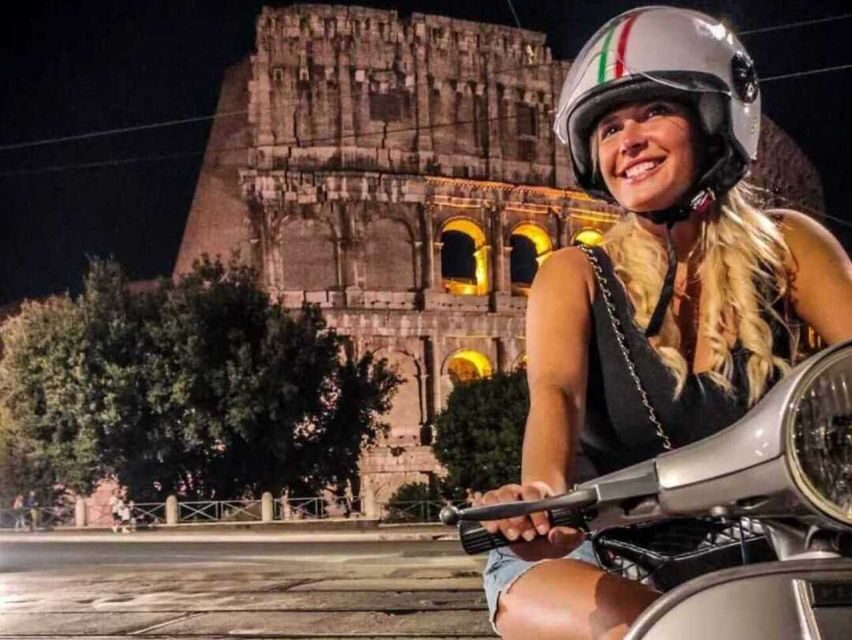
The tour starts with you being collected from your hotel, B&B, or apartment in Rome. That matters because in the evening you want to spend time seeing Rome, not organizing transit or figuring out where your scooter lives.
Before you move, there’s a short safety briefing (about 5 minutes). You’ll also get a helmet, and a raincoat is included, which is useful because Roman evenings can switch from warm to damp without warning.
Now the big format point: you don’t drive. The Vespa is operated by a professional driver, and you sit on the back seat. If you’re picturing steering through traffic yourself, swap that thought now, because the tour is designed for you to enjoy the ride while the driver handles the busy streets.
Also note the comfort rules: no large bags or luggage, intoxication isn’t allowed, and the tour isn’t suitable for pregnant women or people with back problems. Taller comfort helps too; there’s a minimum height of 120 cm (about 3 ft 9 in).
You can also read our reviews of more guided tours in Rome



First Cruising Minutes: How the Ride Gets You Into Rome’s Night Rhythm
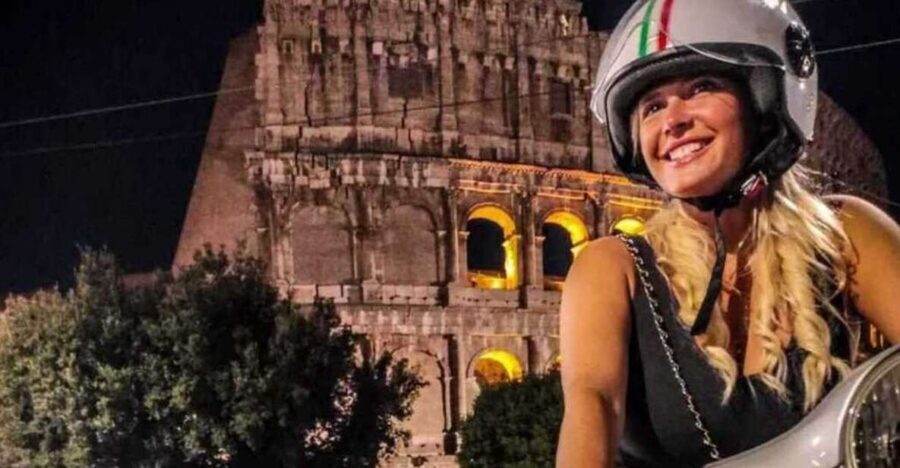
After pickup and the briefing, you’ll get moving right away with a first scooter segment (around 20 minutes). This is a smart setup. You’re not stuck for long in a van before you start seeing things; you ease into the pace of Rome while it’s lit up and cooling down.
This early part also helps your guide read your vibe. A lot of guides, including folks like Giacomo or Marco in past experiences, tend to use the first stretches to start narrating, point out how neighborhoods change, and flag what you’ll see later.
One more reason this matters: on a Vespa, you experience distance differently. Even when you’re not stopping, you’re moving through Rome’s layers. The street sounds, the sudden views between buildings, and the way monuments pop from side angles are part of the magic of night riding.
Imperial Fora Views and the Colosseum Photo Stop That Actually Feels Different
The route includes scenic driving near the Imperial Fora (a short segment). Even from the back of a Vespa, you’ll get that key Rome feeling: scale. These areas look different at night because shadows stretch across the stone, and the buildings don’t compete with daytime crowds.
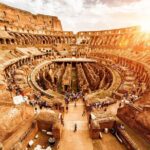
Then comes the Colosseum (about a 15-minute stop), with a photo stop plus a guided look. You’ll get scenic viewpoints on the way in, and that’s the part worth aiming for. The best photos often aren’t taken at the monument itself; they’re taken right before, when the architecture frames the shot.
At night, the Colosseum becomes less about the daytime postcard and more about atmosphere. The guide’s narration helps you connect the place to the city around it, not just treat it as one big stop on a checklist.
Practical tip: wear something you can move in, and bring your jacket. The tour says a jacket is recommended, and I agree. You’ll be on a scooter with wind exposure, especially during the ride segments between stops.
Palatine Hill and Caracalla Baths: Where the City Feels Bigger Than the Main Sites
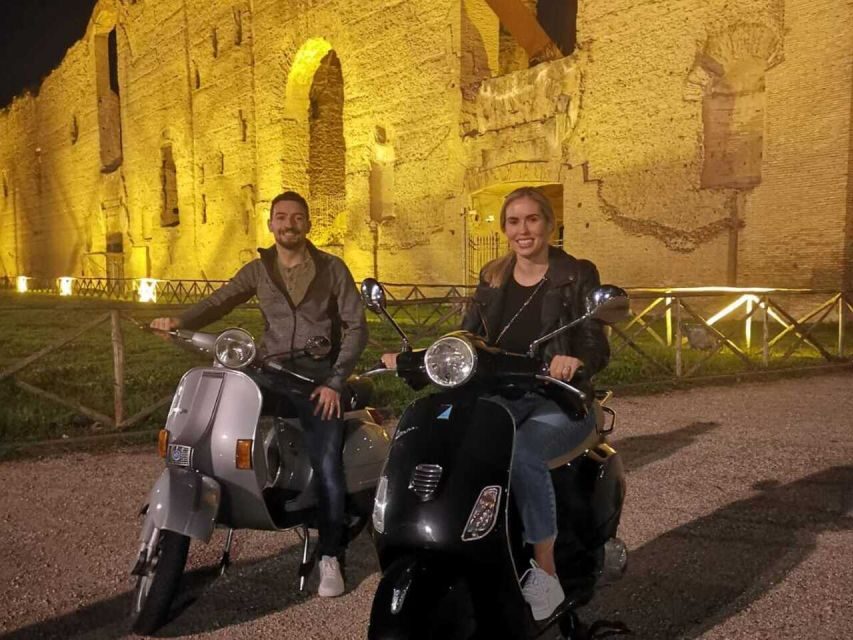
From the Colosseum area, you’ll keep cruising with scenic views toward Palatine Hill (another short drive). Palatine is one of those spots where the famous name matters less than what you can see from the road. Night makes the hill feel like a stage set, and the guide’s commentary helps you understand why emperors wanted to live close to the center of power.
Next is the Baths of Caracalla with a photo stop and guided visit (around 15 minutes). This is a great contrast to the Colosseum. Caracalla’s ruins feel more spread out, which changes how you experience the site. Instead of staring at one icon, you get a sense of scale across broken arches and walls.
One advantage of seeing it at night: you’re less boxed in. You can take your time with pictures and listen to the story without battling the same daytime flow. For many first-time visitors, this stop is the moment Rome stops feeling like sightseeing and starts feeling like discovery.
Porta San Sebastiano and the Aurelian Walls: Rome’s Built-In Defenses
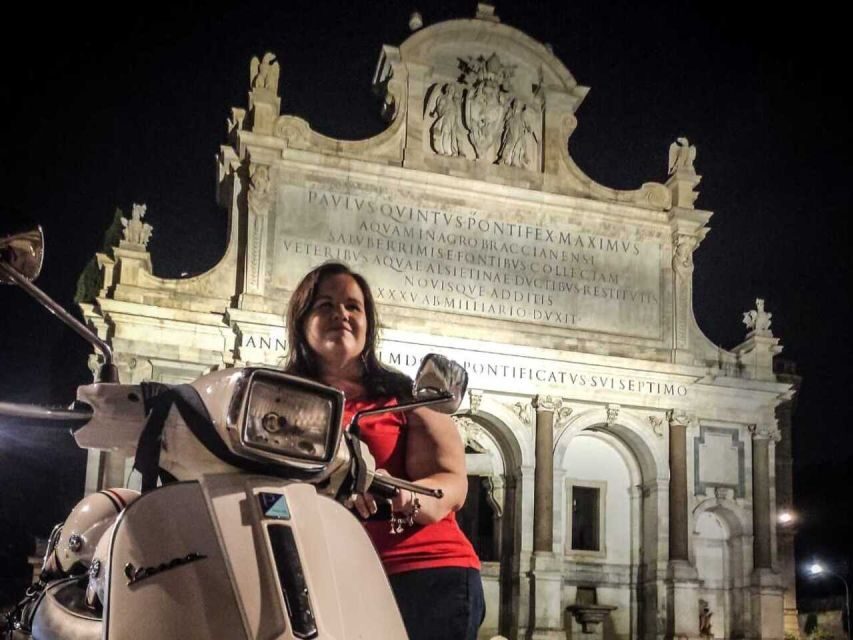
The tour includes Porta San Sebastiano (about 10 minutes), again with a photo stop and guided tour. This gate has a different energy than the big headline monuments. It feels more grounded, more practical, like it was built to last through trouble, not just impress tourists.
You’ll also see the Aurelian Walls from the road (a scenic driving segment). Walls sound boring until you see how they shape movement through the city. At night, you notice the lines and angles more, and the guide can connect those lines to how Rome protected itself over time.
These stops are a win if you like architecture and want your Rome to include more than the usual illuminated giants. They’re also a nice break from constant “look at me” lighting, because the atmosphere here is quieter and more structural.
You can also read our reviews of more private tours in Rome
Pyramid of Cestius and Curbside Rome: Oddball Beauty at Speed
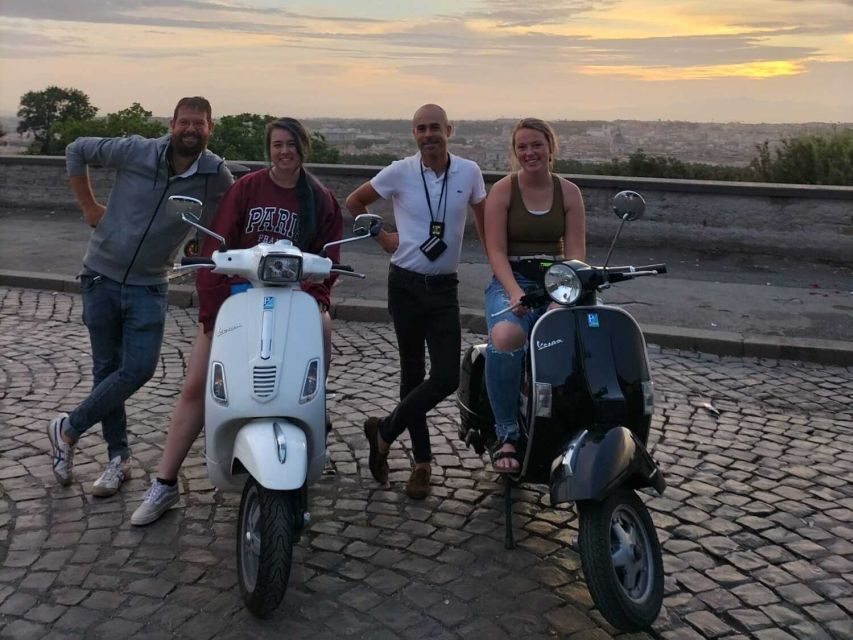
The Pyramid of Cestius is part of the route, with a photo stop and guided visit (around 10 minutes). It’s short, strange, and memorable, which is exactly why it fits a Vespa tour. You get the fun shock of seeing a pyramid where you don’t expect one.
When you’re riding pillion, you don’t want stops that drag. Cestius works because you can absorb it quickly and keep moving.
This is also a good moment to pay attention to how the guide times the ride. The Vespa format is all about pacing: enough time to look, enough time to learn, and enough time to still enjoy the feeling of traveling through Rome instead of just visiting it.
Testaccio Break: Aperitivo, Beer, Wine, Local Snacks, and Food Tasting
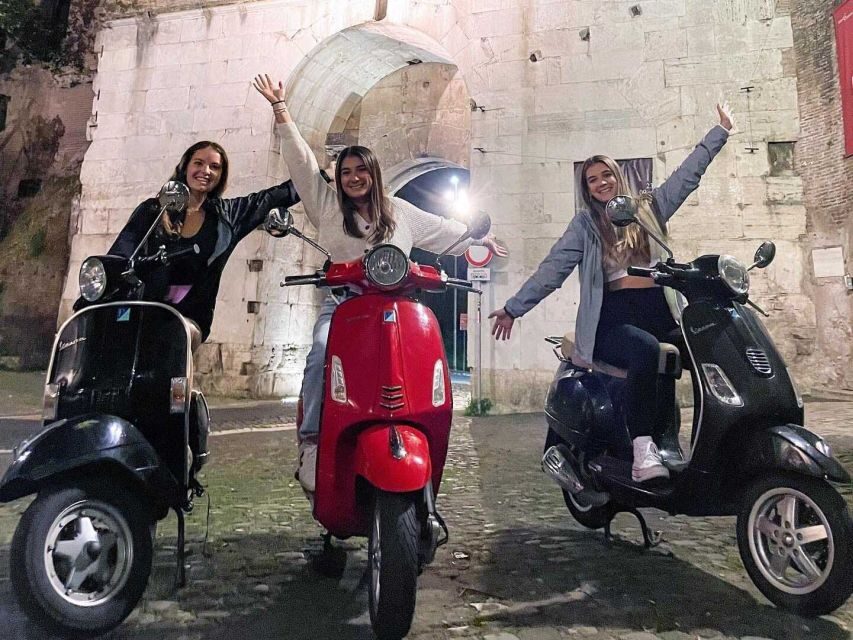
One of the most practical and fun pieces is the stop in the archaeological area new market Testaccio (about 20 minutes). This is where the tour turns from monuments into real local rhythm.
You’ll get a break with an aperitif, plus beer, wine, local snacks, and a food tasting. Even if you skip alcohol, the snack and tasting side is a value add, because it’s part of why the tour feels complete. It’s not just a photo run; it’s a night out.
Testaccio also helps you experience Rome beyond the most famous corridors. You see how people actually spend evenings in the city. That’s the kind of detail that makes your later dinner plans feel easier.
If you’re doing this early in your trip, use the tasting as a map. You’ll start recognizing what you like—salty bites, sweet stops, local drinks—so you can hunt for more later without guessing.
Aventine Keyhole and Circus Maximus: Big Views, Less Daytime Pressure
Next up is the Aventine Keyhole photo stop with a guided tour (around 10 minutes). The keyhole itself is a classic, but seeing it at night comes with a different calm. The area feels slower, and you’re more likely to enjoy the moment without feeling rushed.
Then you’ll head toward Circus Maximus for a longer scenic drive (around 20 minutes). Circus Maximus is a “from the street” kind of place, and night is perfect for it. You get wide-open sightlines and the sense of how huge the venue was, while the city around it keeps moving.
This is also where the Vespa shines. You’re not stuck waiting in one place. You’re getting the rhythm of Rome’s scale from multiple angles, and the guide’s narration gives you context as the view expands.
Tailoring the Route: Trevi, Spanish Steps, Pantheon, Vatican City, and More
One of the strongest selling points here is that your route can be tailored to your specifications. That flexibility is what makes this more than a “see Rome in 3 hours” ticket.
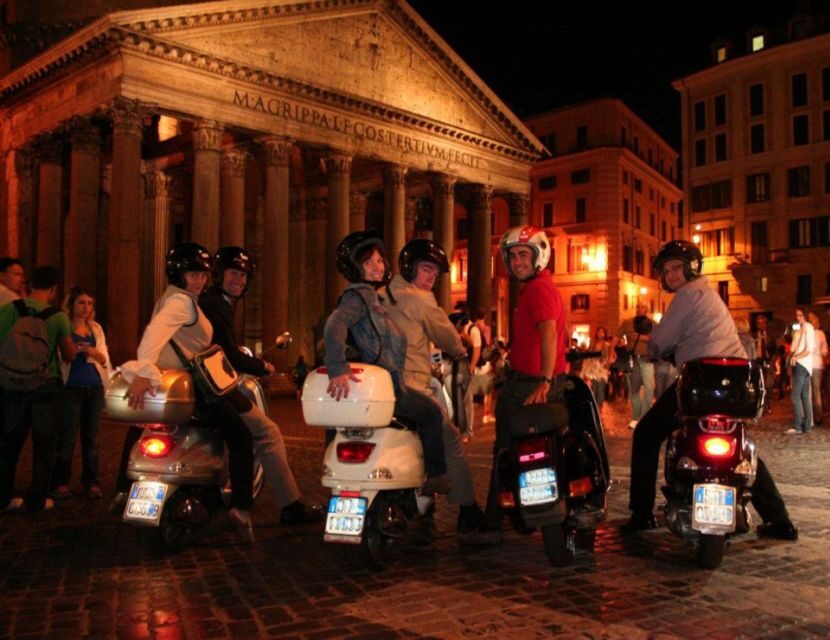
If you want classic landmarks, you can aim for areas like Trevi Fountain, the Spanish Steps, the Pantheon, and Vatican City. If you prefer Roman layers beyond the obvious, you can lean into stops like Caracalla, Porta San Sebastiano, and the walls.
Your guide can also help you manage time at stops so you’re not stuck waiting around for the group to catch up. The format is designed so you don’t lose the best part of the night—those moments when the light hits stone and the city feels cinematic.
As a bonus, some routes can include lively neighborhoods like Trastevere, where the traffic and atmosphere feel intense. That kind of street energy can turn into an unforgettable part of your ride, as long as you trust the driver and keep your posture steady.
Who This Tour Suits Best (and Who Should Think Twice)
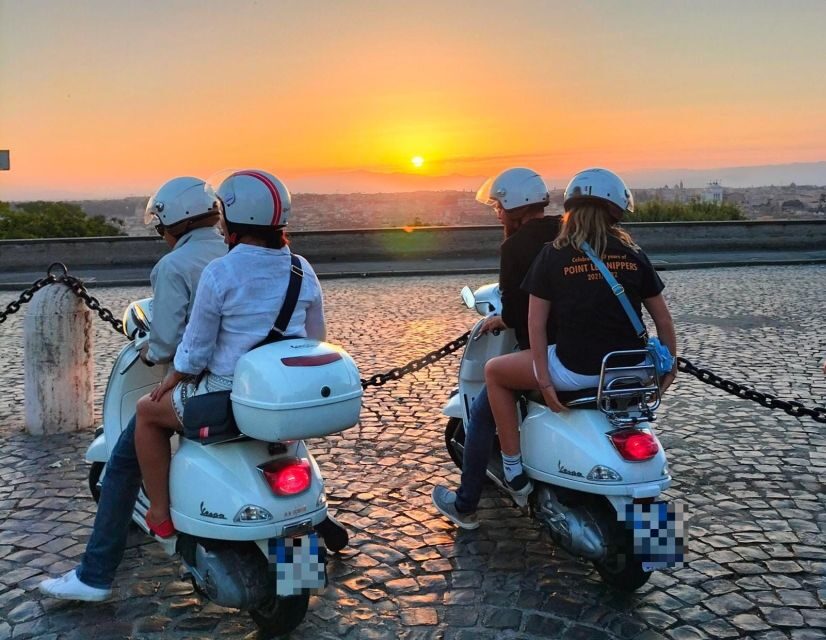
This is ideal for people who want Rome’s top sights plus a few quieter, older corners, all without long walks. If you’re in your first days in the city and you want orientation fast, the Vespa format does it for you. It’s also great for families and solo travelers who want a private guide and an experience that feels more personal than a bus tour.
It’s not for everyone. You should skip it if you have back problems or if you’re pregnant. The minimum height of 120 cm is real, and you’ll also want to avoid this if you can’t handle the posture of sitting pillion for stretches of time.
Also, think about your luggage situation. Large bags aren’t allowed, so pack light. Rome at night with a big suitcase just turns into a headache.
Finally, keep expectations in line with the ride format: you’re riding with a driver. That’s why it feels safe and iconic, but it’s not the experience of controlling your own scooter.
Price and Value: Is $203.91 Per Person Worth It?
At $203.91 per person for roughly 3 hours, you’re paying for a lot of bundled value, not just transportation.
You get:
- a private guide
- hotel pickup and drop-off
- vintage Vespa rental with professional drivers
- helmets and a raincoat
- a tailor-made route
- coffee/gelato/drinks plus an aperitivo stop with beer, wine, snacks, and a food tasting
- insurance
If you tried to replicate that yourself, you’d quickly pay for separate pieces: a guide, transport, timed access, and multiple food stops. Here, those parts move together, and that’s where the value lives.
The best way to decide is to ask yourself what you hate most about Rome tours. If you dislike crowds, this tour is designed for night lighting and fewer daytime queues. If you dislike slow travel, the Vespa gets you between neighborhoods quickly. If you dislike uncertain food planning, the tastings help you eat like you live here.
Should You Book This Rome by Night Vespa Tour?
Book it if you want a memorable, efficient way to see Rome’s biggest monuments and its less-famous stone corners, without spending your evening in transit lines. This is also a strong pick if you enjoy guides who bring stories to life and who keep the ride safe and well managed, which multiple guides in past experiences have focused on, including names like Simone and Marco.
Skip it if you want to drive yourself, need a highly accessible format, or you can’t sit comfortably pillion. And if you’re traveling with lots of luggage, plan to travel lighter because large bags aren’t allowed.
If you’re deciding between a night bus tour and this Vespa experience, choose this for the feeling. The city looks different at night, but it also moves differently when you’re on a Vespa.
FAQ
FAQ
Do I drive the Vespa on this tour?
No. Guests do not drive. Each Vespa is driven by a professional driver, and you sit on the back seat.
Is hotel pickup and drop-off included?
Yes. Pickup and drop-off are included from any hotel, B&B, or apartment in Rome.
What food and drinks are included during the tour?
Coffee, gelato, and a drink are included, and there is also a break at Testaccio with an aperitif. That stop includes beer, wine, local snacks, and a food tasting.
Can the tour route be customized?
Yes. The route is tailor-made to your specifications, and you can request stops such as Trevi Fountain, Spanish Steps, the Pantheon, or Vatican City.
What safety gear is provided?
Helmets are provided, and a raincoat is included. A short safety briefing happens before you ride.
Who is this tour not suitable for?
It’s not suitable for pregnant women, people with back problems, and people under 120 cm (3 ft 9 in). Large bags or luggage are not allowed, and intoxication is not allowed.