REVIEW · ROME
Rome: A Journey Back in Time to the Roman Era, Half Day Tour
Book on GetYourGuide →Operated by Welcome Italy by Spare Tour S.r.l. · Bookable on GetYourGuide
Roman crowds feel overwhelming fast.
That’s why I like this half-day format: it swaps the usual Colosseum rush for Roman art and archaeology in quieter, more meaningful spaces. You’ll spend time in the Museo Nazionale Romano at Palazzo Massimo and explore the Terme di Diocleziano complex, where Michelangelo shaped part of the restored courtyard. My two favorite parts are the chance to see major works you’d otherwise miss, like Myron’s Discobolus (Discus Thrower), and then finish with the scientific angle at Santa Maria degli Angeli and its 17th-century planetary sundial. One consideration: the basilica has a strict dress code, so plan clothes ahead or you may be turned away.
You’re also not just “looking at stuff.” A strong guide turns the stop-to-stop route into a story about Roman power, daily life, and how art and science fit together. Guides like Fabio and Mohammed are praised for taking their time and giving context beyond the obvious highlights. The other practical note: this tour involves walking and isn’t suitable for people with mobility impairments or wheelchair users.
If you want Rome that feels less like a checklist and more like understanding how the city worked, this is a smart use of a morning.
In This Review
- Key Highlights You’ll Feel on This Tour
- Why This Roman-Era Tour Feels Like a Smart Escape
- Starting at Santa Maria degli Angeli: Dress Code and “Time” as a Theme
- Palazzo Massimo (National Roman Museum): Roman Masterpieces Without the Crush
- The kinds of things you’ll actually see
- A drawback to plan for
- Walking Through Terme di Diocleziano: Baths, Quiet, and Michelangelo’s Courtyard
- The “hidden” emotional effect
- What to expect underfoot
- Santa Maria degli Angeli and the Planetary Sundial: Where Roman Faith Meets Astronomy
- Why this ending works
- The Pacing: A Half Day That Leaves You More Curious, Not Exhausted
- Quick pacing tips that make a difference
- Price and Value: About $168 for Tickets and a 3-Hour Pro Guide
- Who This Tour Suits Best
- Should You Book This Roman-Era Half-Day Tour?
- FAQ
- How long is the Rome: Roman Era half-day tour?
- What does the tour price include?
- Is hotel pickup or drop-off included?
- Which languages are offered for the live guide?
- What should I wear for the basilica?
- Does the tour run in bad weather?
- Is the tour suitable for wheelchair users?
- Where does the tour start and end?
Key Highlights You’ll Feel on This Tour
- Palazzo Massimo sculpture and painting: big-name works plus the human drama behind them
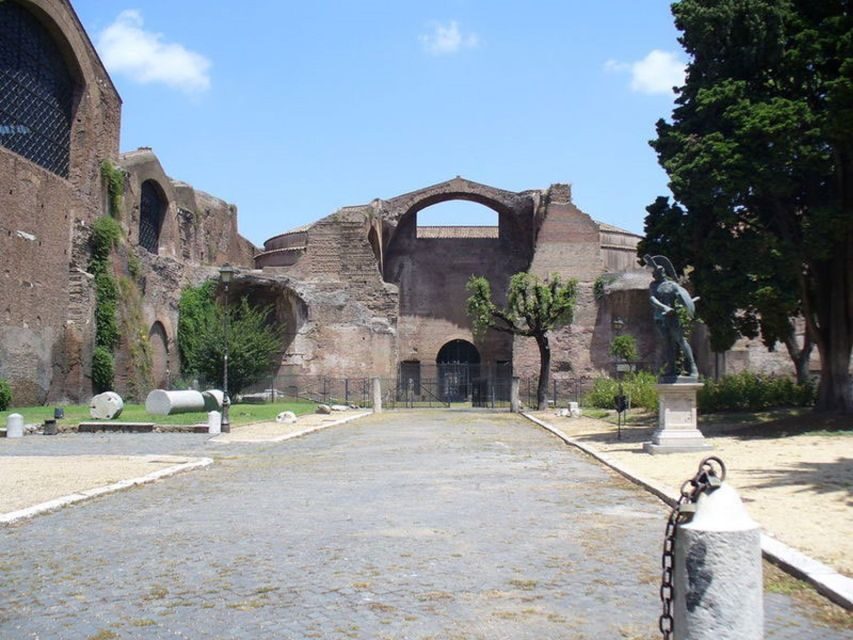
- Terme di Diocleziano’s restored spaces: walk where the thermal world and a later Renaissance makeover overlap
- Underground and worship areas: you get a different Rome than the street-level postcard
- Santa Maria degli Angeli’s planetary sundial: science, time, and seasons in one sight
- Guides who explain the why: you’re not stuck with a surface-level tour
- Short, focused pacing (about 3 hours total): enough to see a lot without exhausting your whole day
Why This Roman-Era Tour Feels Like a Smart Escape
Rome’s headline monuments are incredible, but they can also drain your attention. The ancient city is so huge that you can end up seeing impressive things without learning how they connect.
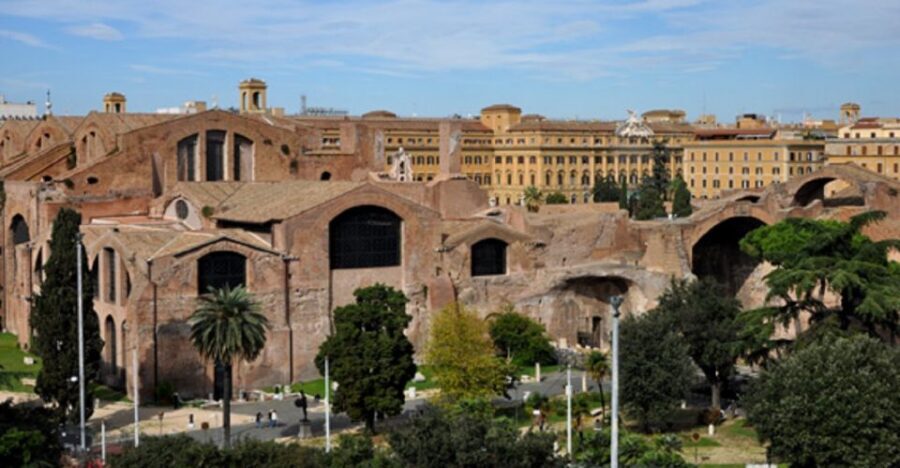
This tour is designed to do something different: it funnels you into places where Roman culture survived as art, architecture, and even astronomy. The Museo Nazionale Romano (especially Palazzo Massimo) is where many precious pieces went when you moved past the big ruins. Then Terme di Diocleziano gives you the “wait, this is Rome too?” feeling: baths, courts, and walkways that are quieter and often less chaotic than the classic arena sites.
You can also read our reviews of more tours and experiences in Rome.



Starting at Santa Maria degli Angeli: Dress Code and “Time” as a Theme
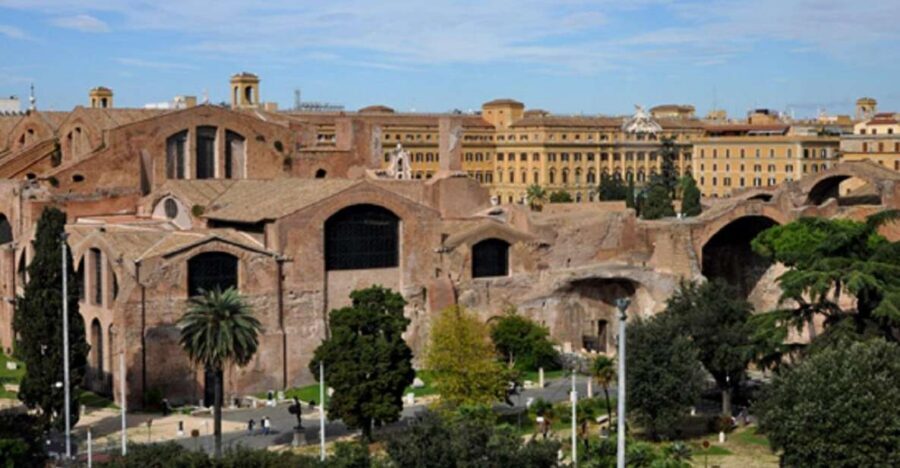
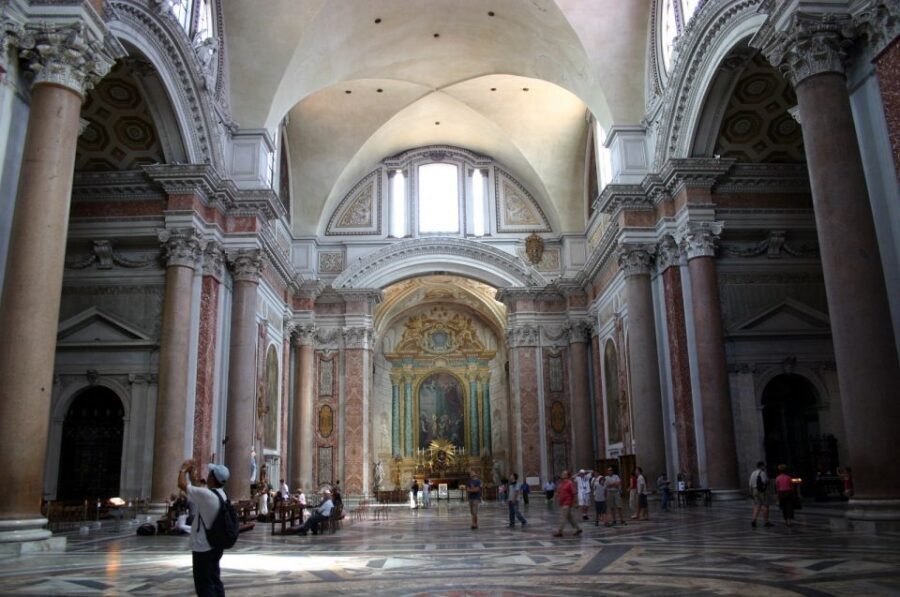
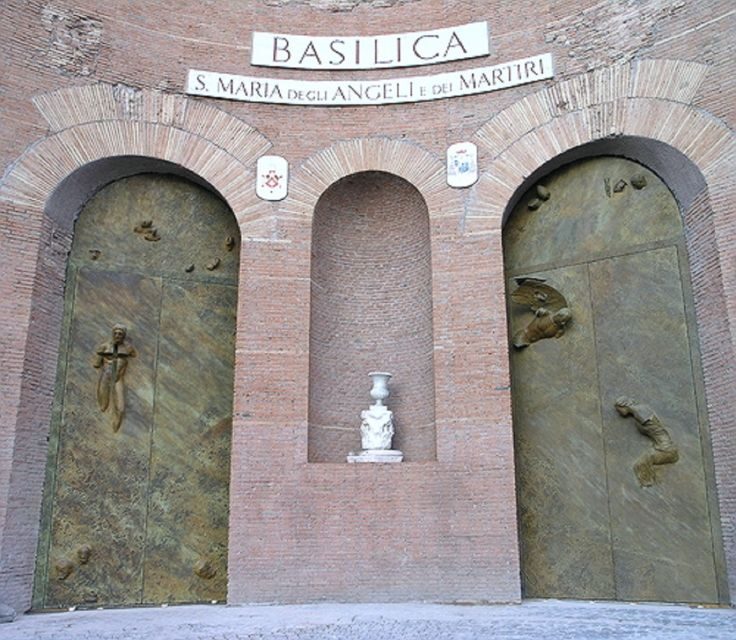
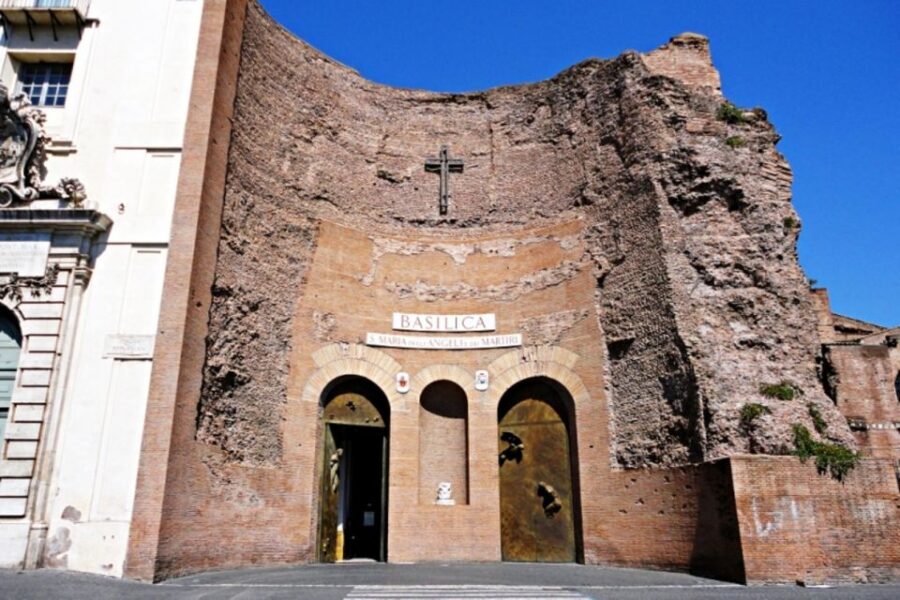
You begin at the Basilica of Saint Mary of the Angels and Martyrs, which is tied to Santa Maria degli Angeli. The key practical thing here is the dress code: no shorts, miniskirts, or uncovered shoulders. If your outfit is borderline, fix it before you arrive—this is not the moment to gamble.
Even before the sundial portion, this stop sets the tone. The basilica is where the tour’s science thread becomes real. You’re about to leave “art Rome” and enter “astronomy Rome,” and that contrast is exactly why the final visit lands so well.
If you love visual history, you’ll also appreciate that this part of the tour gives you a calm, indoor break from outdoor walking—useful when weather shifts quickly in Rome.
Palazzo Massimo (National Roman Museum): Roman Masterpieces Without the Crush
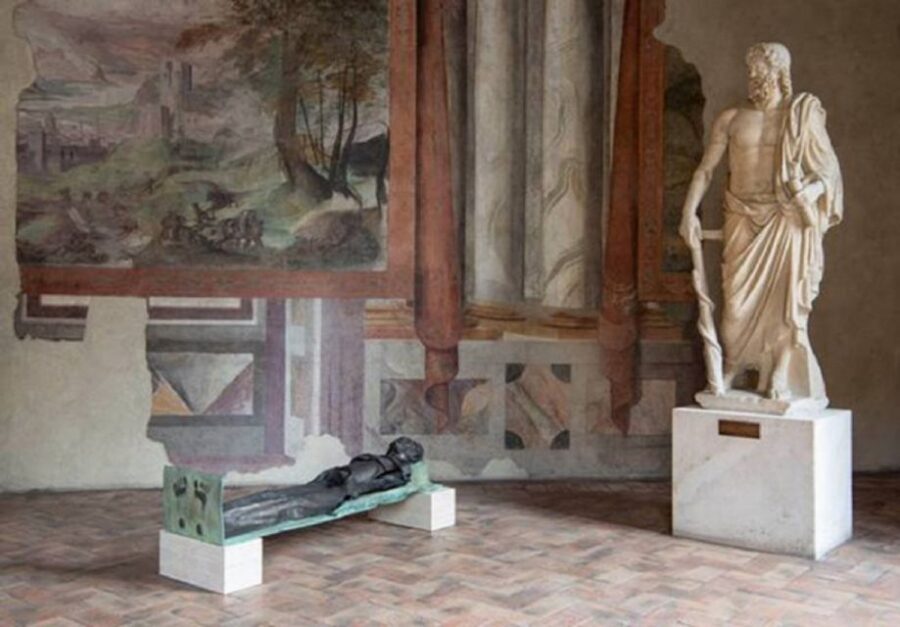
Palazzo Massimo alle Terme is where you’ll spend about 75 minutes with a guided visit and some time for photos. This is the part that answers a question I always have in Rome: where did all the art go?
Here’s the payoff. Instead of trying to process enormous ruins with too many tourists and not enough context, you get sculpture, frescoes, mosaics, and tomb-related material in an environment built for looking. It’s easier to connect style to era, and to understand why these works mattered to emperors and everyday Romans.
The kinds of things you’ll actually see
The tour focuses on standout pieces and themes, including:
- Imperial palace sculpture such as Myron’s Discobolus (Discus Thrower)
- Boxing-themed sculpture often referred to as the Old Boxer
- Frescoes from the Garden Villa of Empress Livia
- Colorful mosaics and tombs of different sorts and styles
If you like art with a story, this is a strong match. You get more than names on plaques; you get the “what does this tell us?” angle through a guide who brings context to both the works and the people behind them.
A drawback to plan for
Museums need time. Even with a guided structure, you’ll be on your feet and moving through galleries. If you prefer a slower, wandering pace, you may feel the schedule is tight—but that’s also why the half-day format works so well.



Walking Through Terme di Diocleziano: Baths, Quiet, and Michelangelo’s Courtyard
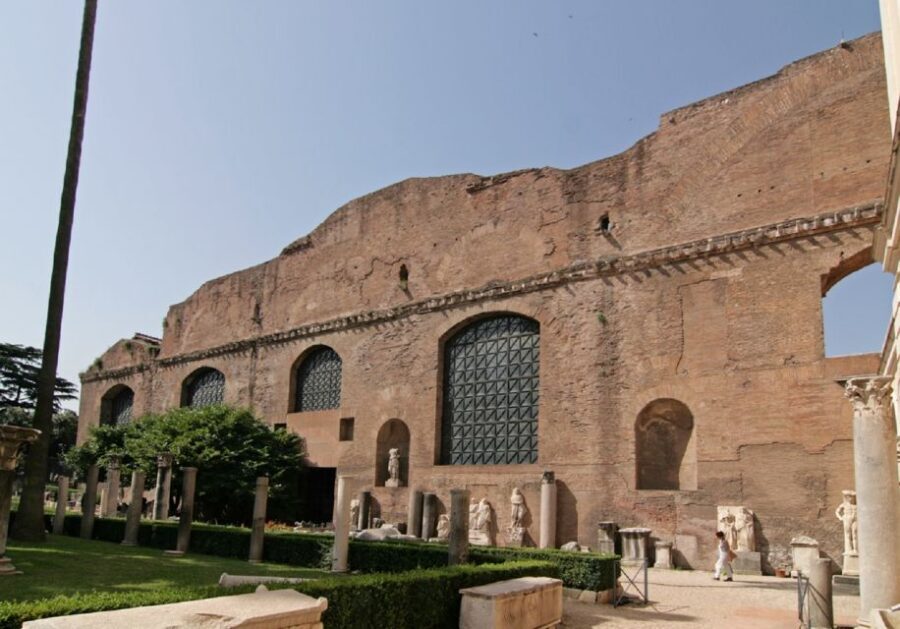
Next you’ll move to the Baths of Diocleziano for about an hour, including a photo stop, guided visit, and walking time. This stop is one of the most “Rome-from-an-angle” parts of the experience.
Everyone knows the Colosseum, but not everyone thinks about the thermal culture that shaped daily Roman life. These baths weren’t just places to wash. They were social hubs, exercise spaces, and architectural statements. In this area, you also get the feeling of layers—Roman engineering plus later changes.
The “hidden” emotional effect
What I like about Terme di Diocleziano is how it changes your mental image of Rome. You get walking routes that feel calmer and more atmospheric than the big outdoors ruins. The tour also includes underground areas and places of worship, which helps the site stop being “just baths” and start being “how people lived.”
And then there’s the Michelangelo connection. The courtyard you’ll encounter was restored by Michelangelo. That detail matters because it’s not a random trivia nugget; it shows how later eras reused and reimagined ancient structures instead of only demolishing them.
What to expect underfoot
You’ll walk, and the terrain may feel uneven in places typical of historic sites. Bring your comfortable shoes, and expect to take a few slower steps when you find slightly irregular ground.
Santa Maria degli Angeli and the Planetary Sundial: Where Roman Faith Meets Astronomy
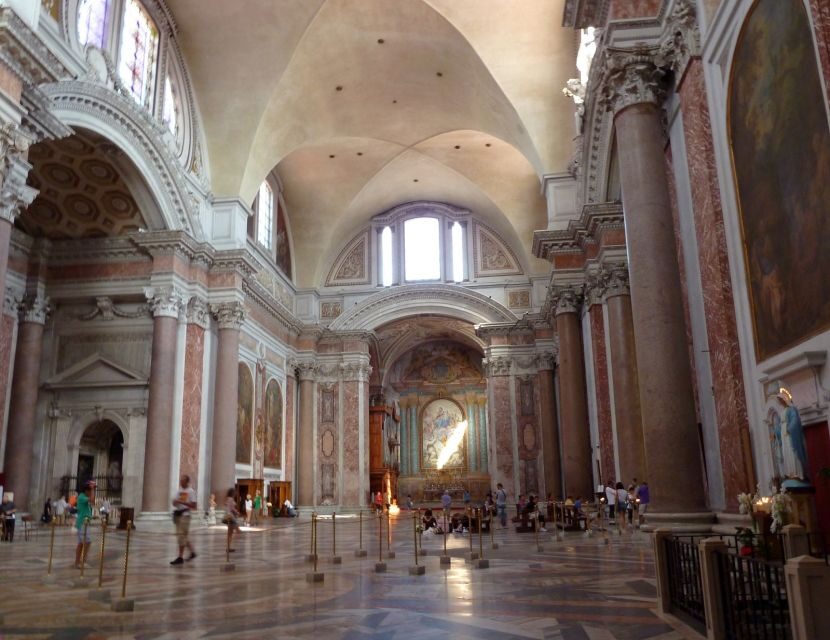
The final stop brings you back to Basilica of Santa Maria degli Angeli for about 45 minutes. This is where the tour becomes unusually memorable for something that isn’t a typical “museum-only” ending.
Inside, you’ll see the one and only planetary sundial built by 17th-century astronomers for the Pope. The point of the device was practical: to calculate the perfect sequence of day and night across seasons. That’s a great reminder that astronomy wasn’t just academic—it shaped calendars, rituals, and the rhythm of life.
Why this ending works
Most Roman tours finish with another viewpoint or another big crowd magnet. This one closes the loop: it goes from Roman art and imperial culture to a Roman-era-adjacent question—how humans used the sky to measure time. It turns your Rome into a full system, not just a set of sights.
If your brain loves connections (art to power, architecture to daily life, science to faith), you’ll feel satisfied here.
The Pacing: A Half Day That Leaves You More Curious, Not Exhausted
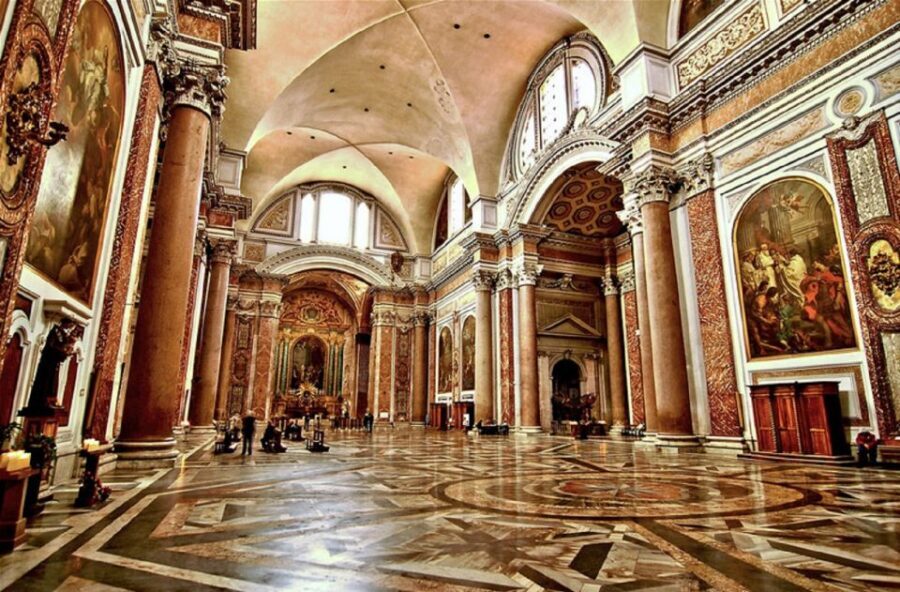
At about 3 hours total, the tour is a careful compromise between “I want a lot” and “I don’t want my day ruined by fatigue.” You’ll have a structured flow: museum first, then baths, then the basilica science finale.
This matters because Rome can turn your attention into Swiss cheese. With a shorter tour, you can actually remember details: the look of a statue, the feel of the restored courtyard, the idea behind the sundial.
Quick pacing tips that make a difference
- Keep sunglasses and water handy for outdoor portions (Terme di Diocleziano is a walking stop).
- Take your time with photos, but don’t let camera mode swallow your attention—this tour is better when you listen.
- If you’re sensitive to walking, plan a relaxed lunch afterward. You’ll likely want a calm pace after the indoor/outdoor switch.
Price and Value: About $168 for Tickets and a 3-Hour Pro Guide
At $167.66 per person for a 3-hour guided experience, the big question is value: what do you get for the price?
Based on what’s included, you’re paying for:
- A professional guide for the full ~3 hours
- Entrance tickets to the Museum
What’s not included is pickup and drop-off from your hotel. So you’ll need to get to the starting point and back on your own.
Here’s how I’d think about it: you’re essentially buying an efficient Roman education. Without a guide, it’s easy to wander Palazzo Massimo and still miss the “why this piece, why this context” layer. With a capable guide—especially ones like Fabio and Mohammed, who are singled out for being informative and patient—you’re more likely to leave with real understanding rather than just photos.
If you already have strong independent museum skills and you love reading on your own, you might spend less DIY-style. But if you want the art and archaeology connected into a clean story in a short time, this price looks fair.
Who This Tour Suits Best
This experience fits best if you:
- Prefer Roman art, archaeology, and interpretation, not just giant monuments
- Want a morning (or half-day) plan that doesn’t require a full day of commuting
- Enjoy guides who explain context, not only describe what you see
- Want something different from the Colosseum-first routine
It may not be ideal if you:
- Need wheelchair access or have mobility limitations (it’s not suitable for wheelchair users)
- Are likely to show up casually dressed for a church visit (the basilica dress code is strict)
- Want a totally freeform, slow wandering style (this is guided and paced)
Should You Book This Roman-Era Half-Day Tour?
I’d book it if you’re aiming for understanding instead of only checkmarks. The mixture of Palazzo Massimo art, Terme di Diocleziano’s layered spaces, and the 17th-century planetary sundial creates a Roman experience that feels smart and unusual.
If you’re sensitive to walking or you can’t meet the basilica clothing rules, pass or plan a different option. But if you can do both—good shoes and a respectful outfit—this is a strong use of time. It’s short, guided, and it helps you see Rome as a connected system of power, art, and science.
FAQ
How long is the Rome: Roman Era half-day tour?
The tour duration is 3 hours.
What does the tour price include?
It includes entrance tickets to the Museum and 3 hours with a professional guide.
Is hotel pickup or drop-off included?
No, pickup and drop-off from the hotel are not included.
Which languages are offered for the live guide?
The live guide is available in English and Italian.
What should I wear for the basilica?
The entrance to Basilica of Santa Maria degli Angeli requires appropriate clothing: shorts, miniskirts, and uncovered shoulders are not allowed.
Does the tour run in bad weather?
Yes. The tour operates in all weathers.
Is the tour suitable for wheelchair users?
No. It is not suitable for wheelchair users.
Where does the tour start and end?
It starts and ends at the Basilica of Saint Mary of the Angels and Martyrs.