REVIEW · PRIVATE
Private tour: Underground Rome
Book on Viator →Operated by Rome Tour · Bookable on Viator
A good plan is waiting underground. This tour takes you below Rome’s surface to walk ancient spaces tied to water and Roman sports, then tops it off with a short visit to Trevi. I love that it includes timed entry to both underground sites, and I also love the private format that gives you time to ask questions. One drawback to consider: the stops can be claustrophobic-unfriendly, so if you don’t do well in tight spaces, this may not be for you.
You’ll meet in a very central spot near Via del Corso at 4:00 pm and be back at the same meeting point after about 2 hours 30 minutes. You don’t need a marathon-level effort, but you should have moderate physical fitness for moving around underground paths.
In This Review
- Key Highlights to Expect
- The Real Appeal: Rome’s Secret Rooms for Water and Sport
- Meet at Via del Corso at 4:00 pm (And Why That Matters)
- Stop 1: Vicus Caprarius, the City of Water Under Trevi
- Stop 2: Stadio di Domiziano Beneath Navona Square
- Stop 3: Trevi Fountain for 20 Minutes of Wish-fulfillment
- The Private-Guide Advantage (What $192.25 Really Buys)
- Guides Matter: Ricardo, Allasandra, and Alex as the Type You Want
- What to Bring, What to Wear, and How to Not Hate the Underground
- How Underground Stops Change the Way You See Rome
- Who This Tour Fits Best (And Who Might Prefer Something Else)
- Should You Book Underground Rome?
- FAQ
- How long is the Underground Rome tour?
- Where does the tour start and end?
- What time does the tour begin?
- Is this a private tour?
- What sites are included in the tour?
- Are admission tickets included?
- Is bottled water included?
- Can I cancel and get a refund?
Key Highlights to Expect
- Vicus Caprarius (City of Water): an underground archaeological route tied to Rome’s water system
- Stadio di Domiziano beneath Navona: see the stadium world where sport drew huge crowds
- Small, private group format: plenty of time for questions during the walk
- English-guided experience: official City of Rome guide plus included entry tickets
- Trevi Fountain stop for wishes: a quick, practical hit of the iconic scene
The Real Appeal: Rome’s Secret Rooms for Water and Sport
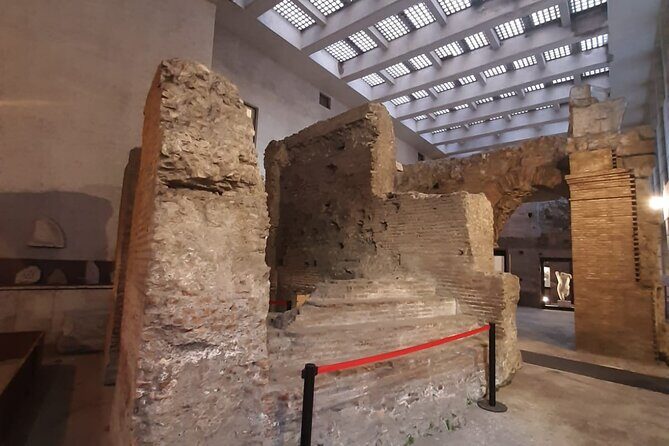
Underground Rome has a special feel: the air changes, the light drops, and suddenly you’re standing where everyday people once gathered. This tour is built around two themes that make ancient Rome easy to picture without needing a textbook—how the city managed water, and how Romans treated sport like a serious part of daily life.
The value here is not just that you’re “going underground.” It’s that the experience is guided and structured, with entry tickets included for the main underground stops. You’ll also have time to slow down and ask questions rather than sprint through a checklist.
You can also read our reviews of more private tours in Rome



Meet at Via del Corso at 4:00 pm (And Why That Matters)
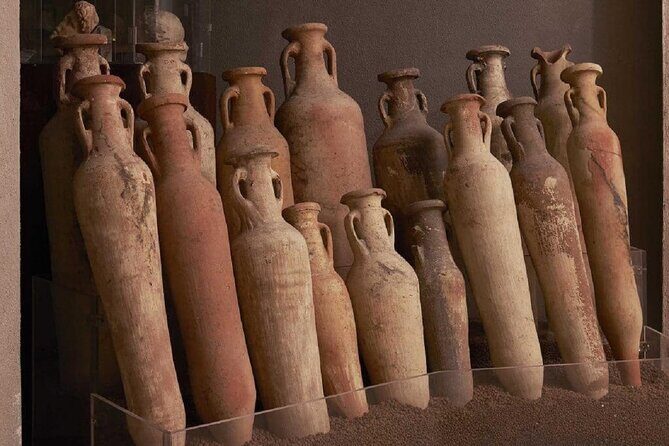
Your tour starts at Via del Corso, 230 (00187 Roma RM), and it ends back at the same meeting point. The listed start time is 4:00 pm, which is often a nice window because the day cools down and you can still catch the classic city evening mood after your underground time.
This matters because underground spaces can feel tight or warm, depending on the day. Starting late afternoon helps you avoid the worst of the heat outside, and it gives you a smooth flow into the final Trevi Fountain stop.
You’ll be in English, and it’s described as a private activity, meaning only your group participates. Price is listed as $192.25 per person, and it’s designed for a guided experience rather than a quick self-guided pass.
Stop 1: Vicus Caprarius, the City of Water Under Trevi
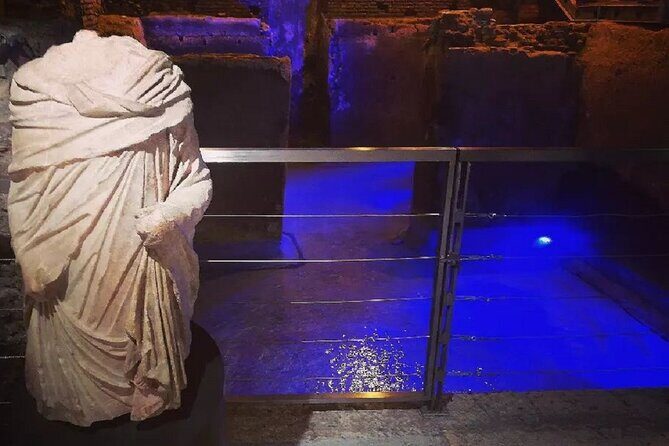
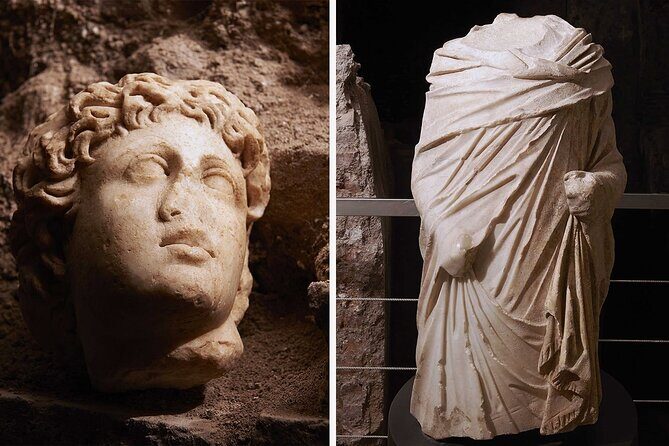
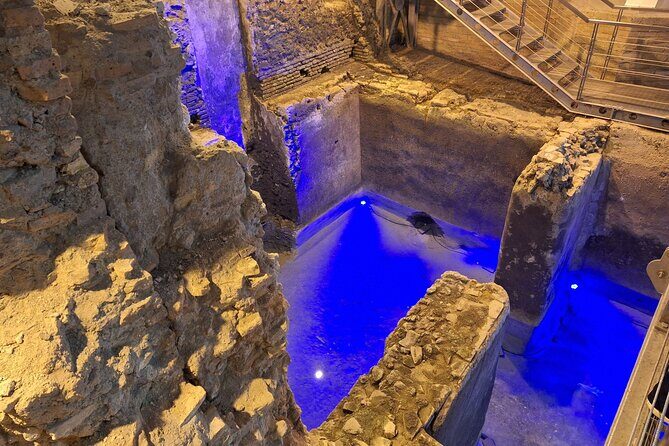
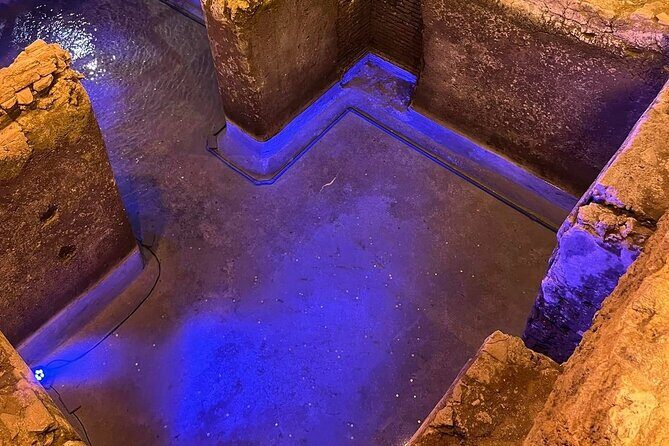
The first stop is Vicus Caprarius – The City of Water, an archaeological zone underground. Even the name hints at the idea: this was a place shaped by the water infrastructure that helped Rome function, not just a pretty ruin.
What I like about this stop is the way it changes your mental map of Rome. Trevi Fountain sits in a famous, flashy location above ground, but this stop aims to connect that modern landmark to the older water story below it. You’re essentially trading postcard Rome for infrastructure Rome—less about statues, more about how a city kept people alive and moving.
You’ll spend about 1 hour here, with an admission ticket included. That hour is long enough to notice details and listen for explanations, instead of feeling like you’re rushing through a hallway of stone.
Stop 2: Stadio di Domiziano Beneath Navona Square
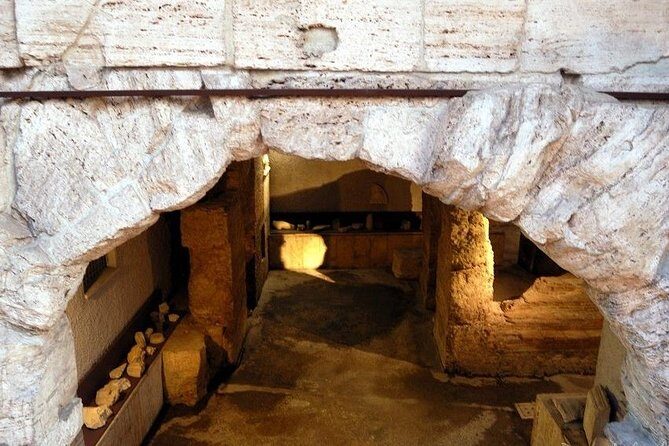
Next up is the Stadio di Domiziano, described as an underground world of labyrinths and archaeological “tale-like” layers under the Navona area. The key point is what happened there: this stadium could receive up to 30,000 people, and it revolved around sport, a major part of Roman life.
This is where the tour becomes more than archaeology. You’re not only looking at ruins—you’re imagining crowds. That crowd size helps you scale what you’re seeing, especially because Roman stadiums weren’t background entertainment. They were places for community energy and shared attention.
Expect about 1 hour 10 minutes at this stop, again with admission tickets included. Practical note: underground stadium sections can feel narrow and enclosed, so pay attention to your comfort level before you commit. If you’re at all sensitive to tight spaces, this is the time to be honest with yourself.
Also, this is the stage where private touring shines. A private guide can explain how Romans viewed sport and why the stadium mattered, but you can also ask follow-up questions on the spot—what you’re seeing, how it worked, and why things survive the way they do.
Stop 3: Trevi Fountain for 20 Minutes of Wish-fulfillment
Then you surface for Trevi Fountain, one of the most famous fountains in the world. The time block is about 20 minutes, and admission is free, so you’re not locked into a long, standing-only experience.
I like that this stop is short. Trevi can get crowded above ground, and a quick guided visit keeps you from losing the whole afternoon to slow-moving lines. Think of it as the “icon checkpoint” after the underground work, a chance to see the famous sight without turning the day into a bottleneck.
If you’re the type who likes doing one iconic photo and then moving on, this time allocation fits you well. It also gives you a clean wrap-up: underground understanding, then a familiar landmark on top.






The Private-Guide Advantage (What $192.25 Really Buys)
Let’s talk value, because $192.25 per person is not a bargain price for Rome. What you’re paying for is the structure and access: official guidance, included entry tickets for the two main underground sites, and a private format that supports questions.
A standard guided walking tour often feels like a series of stops with a lot of “keep moving” energy. Here, the underground stops are built for explanation time—1 hour at Vicus Caprarius and 1 hour 10 minutes at the stadium area. That’s important because underground spaces can be confusing if you’re seeing them for the first time.
You should also consider the rating context. The tour is listed with an average rating of 4.3 from 10 experiences, which suggests a generally solid outcome. In particular, the positive notes tied to this kind of underground tour tend to focus on clear explanations and comfortable pacing.
One caution from the data: English ability can vary by guide assignment, and one experience noted trouble following the guide when English wasn’t strong enough. Since this tour is listed as English, I’d treat that as a “confirm what you need” moment—especially if you’re sensitive to language clarity in quiet, enclosed spaces where it’s harder to hear.
Guides Matter: Ricardo, Allasandra, and Alex as the Type You Want
The underground nature of this experience makes the guide’s role extra important. You’re not just looking; you’re interpreting. When a guide can connect waterworks and stadium life to what you’re physically standing on, the tour clicks.
From the guide names that have appeared in past instances: Ricardo is described as very informative and accommodating. Allasandra is noted as a great tour guide, also tied to explanations of aqueduct-related themes. Another guide name that comes up is Alex, identified as a senior guide specialized in underground tours.
You can’t control who you’ll get, but you can control your expectations. If you’re picking this tour because you want meaning—not just photos—then choose it with the understanding that a strong guide makes all the difference underground.
What to Bring, What to Wear, and How to Not Hate the Underground
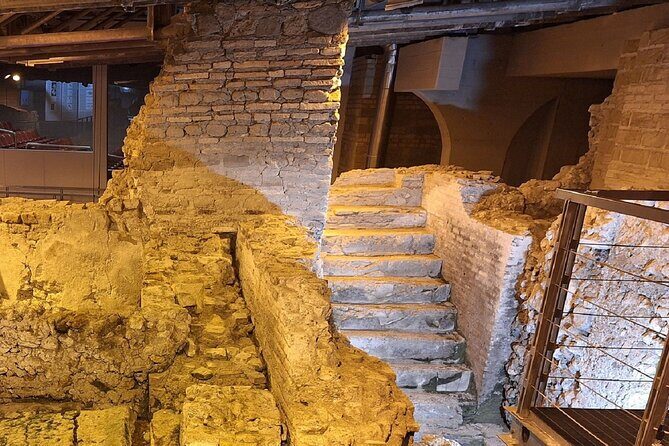
This tour expects moderate physical fitness. That doesn’t mean you need to be an athlete, but it does mean you should be prepared to walk through archaeological areas with turns, stairs or uneven surfaces (common in underground sites), and a different kind of footing than a normal street.
Also, it’s not recommended for claustrophobia. If tight spaces bother you, don’t force it. Underground Rome is cool and fascinating, but comfort matters. You’ll likely spend a lot of time in enclosed passages and rooms.
A couple other practical points from the info:
- Bottle of water is included, which is a relief when you’re underground and off your usual routine.
- There’s no mention of an air-conditioned vehicle, so plan on walking from the meeting point and taking weather as it comes.
- No access with animals.
- Children under 12 must be accompanied.
If you want this to feel smooth, wear shoes you trust. Bring a light layer if you run cold indoors. And keep your phone ready but not glued to it—you’ll enjoy the guide’s pace more if you’re not constantly stopping.
How Underground Stops Change the Way You See Rome
Here’s what you get when the guide takes you from Trevi’s water story underground to a stadium world under Navona: you stop seeing Rome as only monuments. You start seeing it as a functioning machine.
The Vicus Caprarius segment connects to how water shaped neighborhoods and daily survival. The Stadio di Domiziano segment connects to how Romans organized community attention around sport and spectacle. Put those together and Rome becomes less about isolated “things to photograph” and more about how people lived.
That’s the best kind of value in a tour like this. You leave with mental links, not just memories of dark corridors.
Who This Tour Fits Best (And Who Might Prefer Something Else)
This experience is a strong match for you if:
- You like Roman history but want it explained in a visual, in-place way
- You prefer smaller pacing and time for questions
- You want to get away from crowds by moving underground
- You’re curious about water systems and how the city worked
It’s a tough match if you:
- Have claustrophobia or tight-space anxiety
- Want a long, leisurely walk at famous landmarks (Trevi is only about 20 minutes)
- Need a tour with very simple, low-effort steps and minimal enclosed areas
Families can go, with the rule that children under 12 are accompanied. Since the underground parts can be intense, I’d treat it as a “choose carefully by temperament” type of outing.
Should You Book Underground Rome?
I’d book this tour if you’re excited by the idea of learning Rome through the places people rarely see: the water-linked archaeological zone and the underground stadium spaces. The included tickets and the private Q&A time make it feel built for real understanding, not just passing scenery.
Don’t book it if you’re uncomfortable in enclosed areas, because the experience is clearly not meant for claustrophobia. Also, if you’re extremely language-sensitive, it’s worth keeping in mind that English guide quality can affect your ability to follow the story.
If you want a “Rome with less crowd noise” day that still ties into big-name sights like Trevi, this is a smart use of your time.
FAQ
How long is the Underground Rome tour?
It lasts about 2 hours 30 minutes.
Where does the tour start and end?
It starts at Via del Corso, 230, 00187 Roma RM, Italy, and ends back at the same meeting point.
What time does the tour begin?
The listed start time is 4:00 pm.
Is this a private tour?
Yes. It’s described as a private activity, and only your group will participate.
What sites are included in the tour?
You’ll visit Vicus Caprarius (City of Water), the Stadio di Domiziano underground area near Navona Square, and you’ll stop at Trevi Fountain.
Are admission tickets included?
Yes. Admission tickets for the underground stadium of Domitian and Vicus Caprarius are included. Trevi Fountain admission is free.
Is bottled water included?
Yes. A bottle of water is included.
Can I cancel and get a refund?
No. The experience is non-refundable and cannot be changed for any reason.