REVIEW · OSTIA ANTICA TOURS
Private Tour – Ancient Ostia
Book on Viator →Operated by Rome Guides · Bookable on Viator
Ancient Ostia gives Rome a quieter side. With a private guide and a tight 3-hour visit, you’ll walk through a Roman port city that most people rush past. I especially loved how the tour makes the ruins feel like daily life, not just stone—especially the mosaics and well-preserved public buildings. One thing to plan for: the site is still outdoors and you’ll walk, so it’s not a great match if you have limited mobility.
This is a smart break from Rome’s big-ticket crowds: you start at Ostia Antica in the afternoon, then end right by the on-site café. You get a guide-led route through thermal baths, theatre, houses and villas, religious spaces, plus the museum with sculptures and sarcophagi—so you leave with the whole picture, not random highlights.
In This Review
- Key Things That Make This Ostia Antica Tour Worth It
- Ancient Ostia: Why This Quiet Roman Port City Hooks You
- The 3-Hour Plan: Afternoon Timing and a Private Pace That Works
- Getting Oriented at Ostia Antica: Start Smart, See More
- Thermal Baths and Public Space: Where Daily Life Shows Up Fast
- Theatre Time: How Entertainment Fits Into the City
- Houses and Villas: Private Space Meets Roman City Planning
- Religious Areas and the Museum: Meaning After You Walk the Stones
- Mosaics, Plumbing, and City Logic: What Stays With You
- Value and Price: What $156.19 Per Person Buys You
- Who Should Book This Private Ostia Antica Tour
- Should You Book It?
- FAQ
- What is the duration of the Private Tour – Ancient Ostia?
- What time does the tour start?
- Where do I meet and where does the tour end?
- What does the price include?
- Is the tour offered in English?
- Is there private transportation or pickup/drop-off?
- Is this tour private for just my group?
- Do I need moderate physical fitness?
- Can I get coffee or tea after the tour?
- What are the cancellation rules?
- How far in advance is this tour typically booked?
Key Things That Make This Ostia Antica Tour Worth It
- Private guiding, not a lecture on rails: you can set the pace for your group and keep questions flowing.
- A focused 3-hour format: enough time to see the major pieces without eating your whole day in transit and walking.
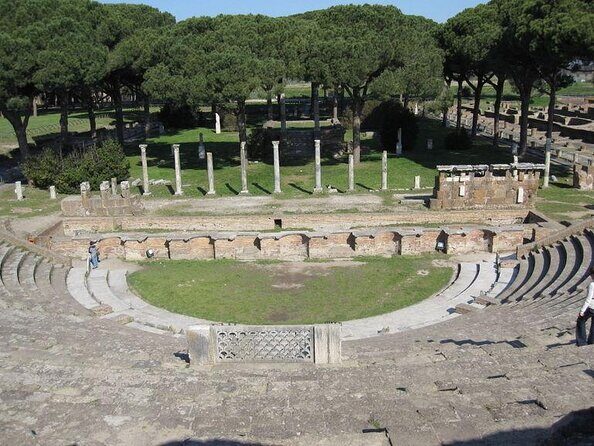
- Public buildings + homes + sacred spaces: thermal baths, theatre, houses/villas, and religious areas all in one loop.
- Museum stop that adds meaning: you’ll see the museum’s small collection of sculptures and sarcophagi and how it connects to what you’re standing on.
- Two named guides show the care behind the tour: Vincenzo and Roberto are examples of the kind of friendly, story-driven guiding you can expect.
- Tickets included: fewer logistics hoops once you’re at the site.
Ancient Ostia: Why This Quiet Roman Port City Hooks You
If Rome is the headline, Ostia Antica is the footnote that turns out to be the story. This archaeological site was the harbor city that fed Rome—trade, shipping, shops, repairs, and all the ordinary urban life that made the capital run. When you’re there, you can almost feel how the city worked: people arriving with goods, workers moving through busy streets, and everyday comforts like bathhouses and shared public spaces.
What I like most about this tour is how it reframes the ruins. You’re not just trying to spot “pretty remains.” Your guide connects what you’re seeing—thermal baths, theatre, homes, and religious areas—to how people lived and spent time. It’s the difference between reading about a city and walking through the city’s skeleton.
And because you’re visiting with a private group, the site becomes manageable. Ostia Antica is big enough to feel like a real place, but short enough in this format to avoid the classic Rome problem: too much rushing, not enough understanding.
You can also read our reviews of more private tours in Rome



The 3-Hour Plan: Afternoon Timing and a Private Pace That Works
This tour starts at 3:30 pm and runs about 3 hours. That afternoon slot is practical. You’ll be far enough from the morning crowds, but still early enough that you’re not hunting for dinner ideas before you’re done walking.
You meet at the Parco Archeologico di Ostia Antica on Viale dei Romagnoli, 717, 00119 Roma RM, and the tour ends inside the archaeological site in front of the Café degli Scavi. That ending matters more than you’d think. Instead of being dropped at a random spot and sent off to solve your next step, you finish where you can recover with a drink or snack (coffee or tea is available there, but it’s not included).
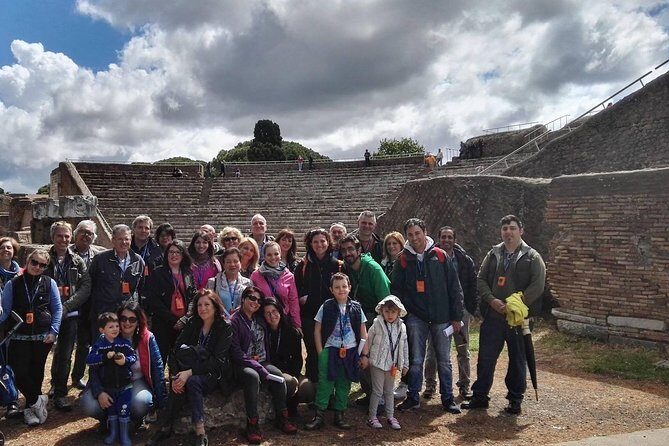
Because it’s a private tour/activity with only your group participating, you’re not stuck waiting for someone slow—or stuck tuning out someone who wants to sprint. The tour is designed so your guide can tailor the route to your interests and pace.
One logistical note: there’s no private transportation and there’s no pickup/drop-off. You’ll need to get yourself to Ostia Antica by public transport.
Getting Oriented at Ostia Antica: Start Smart, See More
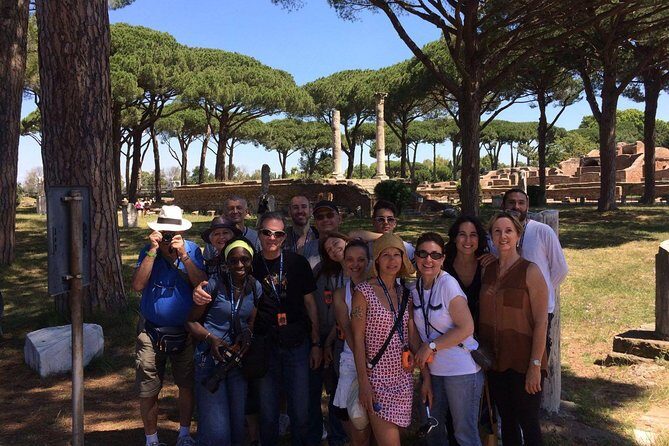
The first minutes at a ruin site can make or break your experience. Ostia Antica is not like walking inside a single monument where everything is obvious from one angle. You’re in an archaeological landscape, and the skill is learning what matters first.
That’s where the private guide helps. You’ll begin by getting oriented to the harbor-city layout—where you are in the city’s flow—so later details (street life, public spaces, and home areas) click faster. If you’ve ever stared at ruins and thought, I know it’s important, but what was it used for, this is exactly what you avoid.
Also, you’ll cover a set of major zones in a few hours: thermal baths, theatre, homes/villas, religious spaces, and the museum. That structure keeps you from wandering aimlessly, and it makes the site feel coherent.
Thermal Baths and Public Space: Where Daily Life Shows Up Fast
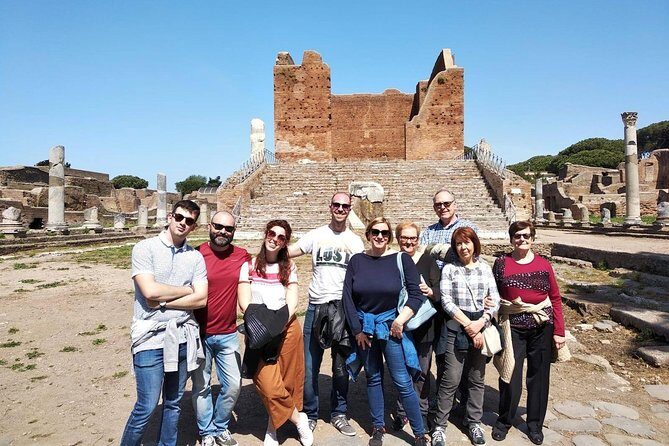
The thermal baths are usually one of the quickest ways to get your imagination working. Even if you don’t know Roman architecture jargon, bathhouses communicate how people relaxed, socialized, and maintained their routines.
On this tour, you’ll visit the thermal baths early enough that they set the tone. You get to see how public space was designed for comfort, movement, and routine. A guide can point out what to look for—how the layout suggests bathing stages and how the building’s parts relate to daily habits.
This is one of the best sections for first-timers, because the ruins are readable. You can usually map what’s happening without needing a degree in archaeology.
A small caution: since the baths are part of an outdoor archaeological area, expect uneven surfaces and plan for careful footing.
Theatre Time: How Entertainment Fits Into the City
Ostia’s theatre isn’t just a place where performances happened. It’s a clue to the kind of community this city had. When you see a theatre in a port city, you understand that trade didn’t crowd out culture—it created the money and energy that supported it.
Your guide walks you through the theatre area so it makes sense in context, not as isolated seating and walls. This is also where the tour’s “stories” approach pays off. You’re not stuck doing visual archaeology alone. The guide connects the theatre to how people gathered and spent leisure time.
If you like travel that feels lived-in rather than postcard-only, this is a highlight category. You’ll come away thinking less about ruins as artifacts and more about people as neighbors.






Houses and Villas: Private Space Meets Roman City Planning
The houses and villas section is where you start comparing “public and shared” versus “private and domestic.” In a lot of Roman sites, it’s easy to get stuck on the big communal buildings. Here, the tour balance helps you understand the day-to-day rhythm of the city.
As you move through the home areas, you’ll get a guided explanation of what you’re seeing and how it connects back to city life. You’ll also likely notice how space was organized for living, not just worship or government.
This is a strong part of the tour if you enjoy the practical side of ancient life: how rooms would have functioned, how households would have been arranged, and how the layout supported ordinary use.
Religious Areas and the Museum: Meaning After You Walk the Stones
Religious spaces are often the most emotional part of a ruin visit, because they hint at beliefs and rituals that shaped daily behavior. With a guide, these areas feel grounded rather than vague. You’ll hear how the religious pieces fit into the broader city and why they were part of an everyday urban rhythm.
Then comes the museum stop, and it’s worth paying attention here. The museum collection is described as little but extremely important, with ancient sculptures and sarcophagi. That phrasing makes sense once you’re inside: the museum isn’t trying to overwhelm you. It’s trying to clarify what you’ve been seeing outside.
Sarcophagi and sculpture help you connect the city’s material remains to the people who lived there and the families who marked death and memory. It’s the kind of stop that turns a walk into a story you can retell later.
If you’re the type who wants a “so what” moment after sightseeing, the museum is where you get it.
Mosaics, Plumbing, and City Logic: What Stays With You
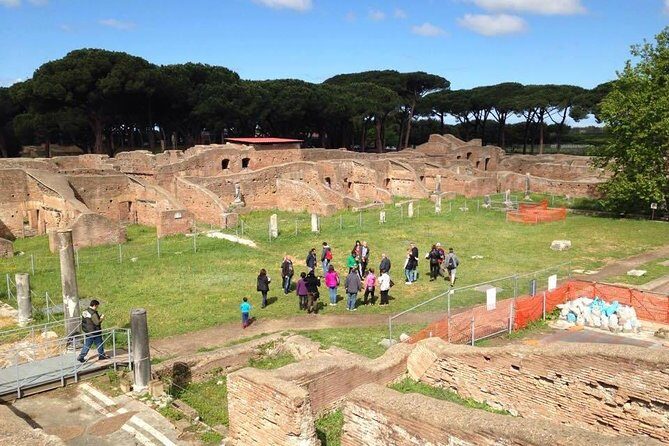
The big praised elements of this tour are easy to understand once you’re on site. The mosaics tend to grab your attention because they’re visually satisfying, yes—but also because they show skill and cost. Floors weren’t an afterthought. They were style, comfort, and status.
And the city planning detail is the second reason people love this place. Ostia Antica isn’t random ruins. It reads like a system. The guided approach helps you see how buildings relate to streets and how public and private areas align.
There’s also a practical “wow” factor reported by visitors: the well-preserved elements that show Roman engineering and planning, including the kind of plumbing logic that makes a city work. You don’t need to be an engineering fan to appreciate it. It just helps you understand that these were functioning spaces, not hollow shells.
Value and Price: What $156.19 Per Person Buys You
At $156.19 per person, this tour isn’t the cheapest way to see ruins. But it also isn’t trying to be. You’re paying for a private guide setup, guided tickets, and focused coverage in about 3 hours—including the museum and a structured pass through multiple major zones.
Here’s how I’d think about value in your shoes:
- If you want to wander freely on your own, you can. But you’ll likely spend more time figuring out what you’re looking at.
- If you want the site to make sense quickly, a private guide helps you build context fast.
- If you’re short on time in Rome, the tight timeline keeps your day clean and doable.
Also, it’s an English option, and group discounts exist. If you’re traveling with friends or family who also want guidance (instead of splitting up), this price can feel more reasonable.
Who Should Book This Private Ostia Antica Tour
This is a great fit if you:
- Want to see Ancient Ostia without turning your Rome trip into a full-day logistics project.
- Prefer private guiding so you can ask questions and set a comfortable pace.
- Like ruins that include daily-life spaces: baths, homes, theatre, and religious areas, plus museum context.
It’s not the best fit if:
- You have walking disabilities or need step-free access. The site involves walking on an archaeological terrain.
- You’re hoping for door-to-door transport. There’s no pickup/drop-off included.
If you’re a “Rome is more than the big monuments” traveler, you’ll probably love this. If you mainly want one famous landmark and one famous photo spot, you might find Ostia less instantly flashy—but more rewarding when you understand what you’re seeing.
Should You Book It?
I’d book this if you want a smart, guided way to experience Rome’s port city that most people skip. The structure is the win: thermal baths, theatre, homes/villas, religious spaces, and the museum in about 3 hours, ending near the café so your day stays easy. With guides like Vincenzo and Roberto, the tour leans on friendly storytelling that helps you picture what the city was doing when it was alive.
Skip it if mobility is an issue or if you truly only have time for the headline sights. Otherwise, this is a strong way to make your Rome visit feel broader than the usual loop.
FAQ
What is the duration of the Private Tour – Ancient Ostia?
It takes approximately 3 hours.
What time does the tour start?
The start time is 3:30 pm.
Where do I meet and where does the tour end?
You meet at Ostia Antica (Viale dei Romagnoli, 717, 00119 Roma RM, Italy). The tour ends inside the archaeological site in front of the Café degli Scavi at the same address.
What does the price include?
The tour includes tickets, a professional/local guide setup, and a private guide. Admission tickets are included.
Is the tour offered in English?
Yes, it is offered in English.
Is there private transportation or pickup/drop-off?
No. Private transportation and pick up/drop off are not included.
Is this tour private for just my group?
Yes. It is a private tour/activity, and only your group participates.
Do I need moderate physical fitness?
Yes. Travelers should have a moderate physical fitness level, and it is not recommended for travelers with walking disabilities.
Can I get coffee or tea after the tour?
There is a café inside the archaeological site where you can go at the end of the tour, but coffee and/or tea are not included.
What are the cancellation rules?
Free cancellation is available up to 24 hours in advance for a full refund. If you cancel less than 24 hours before the start time, the amount paid will not be refunded.
How far in advance is this tour typically booked?
On average, it is booked 105 days in advance.