REVIEW · PRIVATE
Private Stroll of the Artists in Rome: Best Squares & Fountains Tour
Book on Viator →Operated by Through Eternity Tours · Bookable on Viator
Rome’s squares have a secret pace.
This private Rome stroll stitches together the city’s biggest icons—Piazza Navona, the Pantheon, Trevi Fountain, and the Spanish Steps—so you’re not just passing landmarks. You’re getting the “why it matters” behind the art, the power plays, and the street-level drama of Baroque Rome.
I especially like the way Piazza Navona kicks things off, because it’s the kind of square where architecture and sculpture feel made for real people, not museum labels. I also like the backup plan around the Pantheon—if entry isn’t possible, you still move through the area (Piazza della Rotonda) and get the explanation from outside.
One thing to consider: it’s a walking route with steps and uneven pavement, and at this price point you’ll want the experience to feel dialed in. Also, audio can be a weak link—one past guest flagged that ear pieces didn’t work well, which is worth taking seriously.
In This Review
- Key highlights you’ll actually feel on the ground
- A private stroll through Rome’s artist-built showpieces
- Piazza Navona: starting where Baroque Rome plays best
- Pantheon time: the inside visit, or the best possible exterior plan
- Tempio di Adriano: a quieter stop that adds context fast
- Trevi Fountain: the coin moment and the guide’s street-level stories
- Spanish Steps: the climb that ties your Rome visuals together
- Price, tickets, and what you’re really paying for
- Logistics that can make or break your day
- Who this Rome walk suits best
- Should you book this tour?
- FAQ
- How long is the Private Stroll of the Artists in Rome tour?
- Where does the tour start and end?
- Is this tour private?
- Are admission tickets included for the stops?
- What happens if the Pantheon is closed during the tour?
- Will I need to pay for transportation to the meeting point?
- Are headsets included?
- Can I cancel for a full refund?
Key highlights you’ll actually feel on the ground
- Private guide, customizable route: you can tailor the pace to what you care about most.
- Big-name sights without paid entry hassle: the tour lists free admission for each stop.
- Spanish Steps climb for real payoff views: you get up high instead of just staring from street level.
- Trevi Fountain coin moment built into the flow: it’s not rushed; it’s part of the story.
- Pantheon contingency if lines or closures happen: you still get context even when you can’t enter.
- Headsets for groups of 6+: useful if you want to keep up without craning your neck.
A private stroll through Rome’s artist-built showpieces
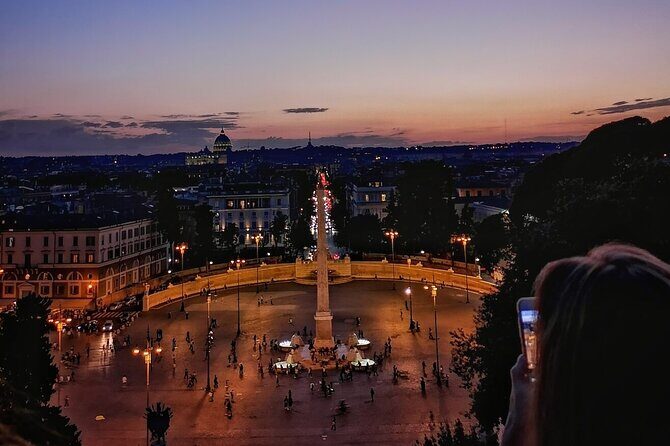
If you’re the type who likes your sightseeing to feel like a conversation, this tour is a good fit. You’re not stuck in a big pack where you see heads and shoulders instead of buildings. It’s private, which means your guide can slow down where you perk up—and speed up where you already get the idea.
This is also a smart “greatest hits” layout, but not the usual cookie-cutter version. You start in Piazza Navona, then move through the Pantheon area, Hadrian’s Temple (Tempio di Adriano), Trevi Fountain, and finally end at Piazza di Spagna. That sequence matters because it keeps the walking rhythm logical: you’re going from one major visual “anchor” to the next, and your guide can connect the art and politics of the city as you go.
And yes, the tour is built around artists and architects you’ll recognize—think Bernini and Borromini, plus other Baroque-era voices that shaped how Rome looks and sounds even today. The point isn’t to memorize names. The point is to learn how Rome was designed to impress: from dramatic street corners to sculptures that practically demand a slow turn of the head.
You can also read our reviews of more private tours in Rome

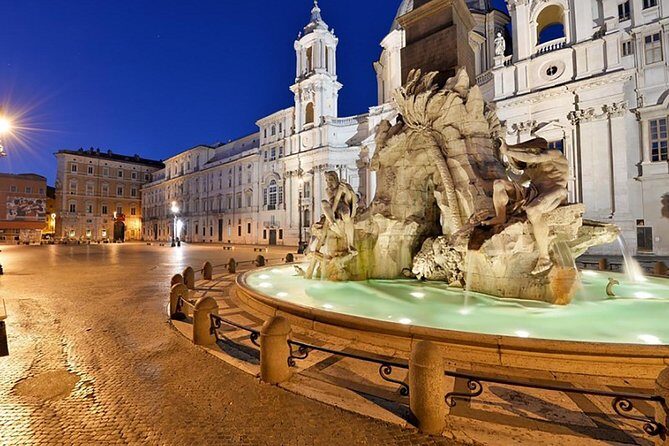
Piazza Navona: starting where Baroque Rome plays best
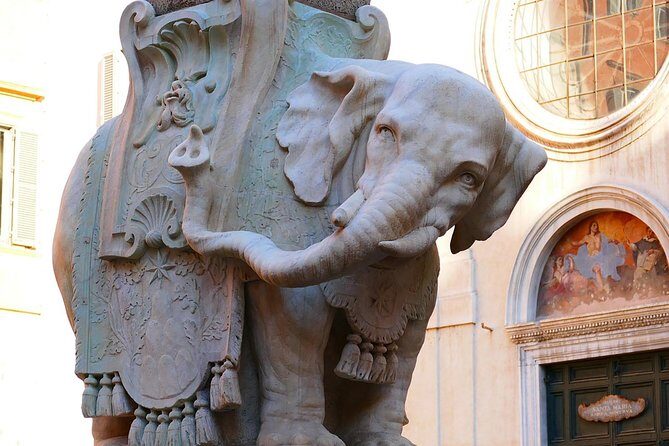
Piazza Navona is one of those places that feels staged—because it is. The square’s shape and energy invite you to walk around, look up, and then look again. You’ll spend about 30 minutes here, and that first stop is a payoff moment. If you’re picturing Rome as marble and legend, this is where that image starts feeling real.
What I’d watch for here (and what a good guide will point out) is how the art behaves like theater. This is where you start seeing the Baroque trick: buildings and sculptures aren’t just decorations. They’re persuasion tools. Your guide can tie that to what was happening in Rome—power, influence, and the constant competition for attention.
How to make this stop work for you: take a full loop of the square instead of stopping dead center. If there’s a fountain centerpiece in the middle of your view, step to the side so you can see how the sightlines change. That’s where the design “clicks.”
Pantheon time: the inside visit, or the best possible exterior plan
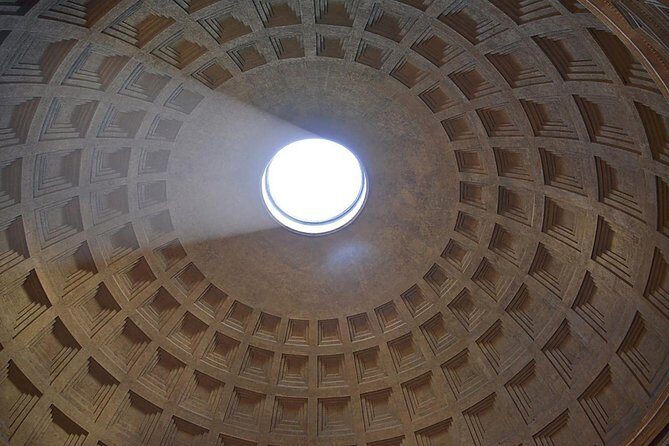
The Pantheon is the kind of building that changes your posture. Even if you’re not an architecture nerd, you feel the scale and the precision. You’ll spend about 30 minutes at the Pantheon area, and the tour includes free admission for this stop.
Here’s the practical part: the tour explicitly allows for cases where entry isn’t possible (closure on the day) or reservations/lines make it unrealistic (especially on weekends). If that happens, you won’t just be told to move on. You’ll still pass through Piazza della Rotonda—where the Pantheon sits—and you’ll get an explanation from the exterior.
That contingency is genuinely valuable. Rome can throw curveballs at you: crowd control, unexpected closures, or simply timing issues. You’ll still get the “what you’re looking at and why it’s special” piece, which is what makes the stop more than a quick photo moment.
One drawback to be aware of: if you were hoping for a long, unbroken time inside, exterior viewing won’t fully replace it. But with this plan, you at least won’t miss the meaning of the building.
Tempio di Adriano: a quieter stop that adds context fast
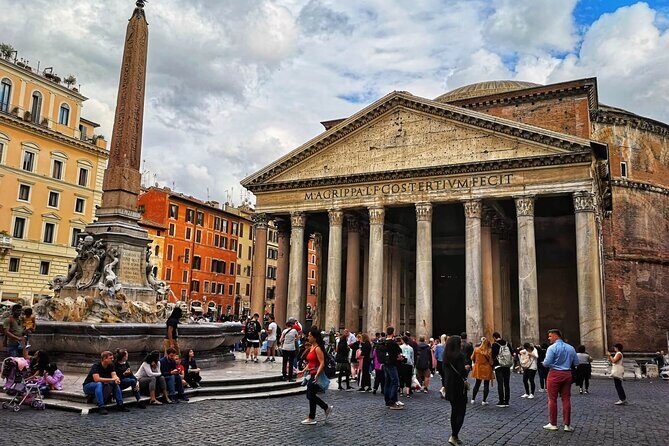
Tempio di Adriano (Hadrian’s Temple) is a great example of why a guided route beats a self-walk. You might spot it and assume you already get it—columns, ruins, postcard vibe—but your guide can connect it to the larger Roman picture.
You’ll have about 30 minutes here, and the tour lists free admission for this stop as well. The value of spending time at this kind of site is that it fills in the “in-between” story: Rome isn’t only made of the obvious mega-attractions. It’s also made of structures that show how the city layered religious, civic, and imperial identity over time.
How to get the most out of it: don’t stand only for the main front view. Look for details around proportions and alignment. Even if your brain isn’t naming orders of columns, you’ll start to understand why the Pantheon and nearby monuments feel like parts of one connected design language.
Trevi Fountain: the coin moment and the guide’s street-level stories
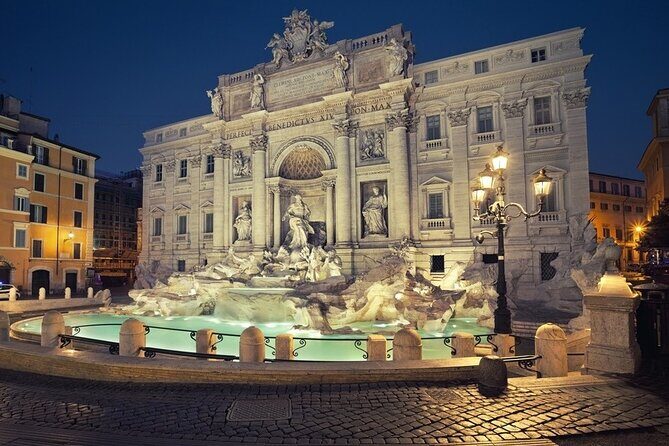
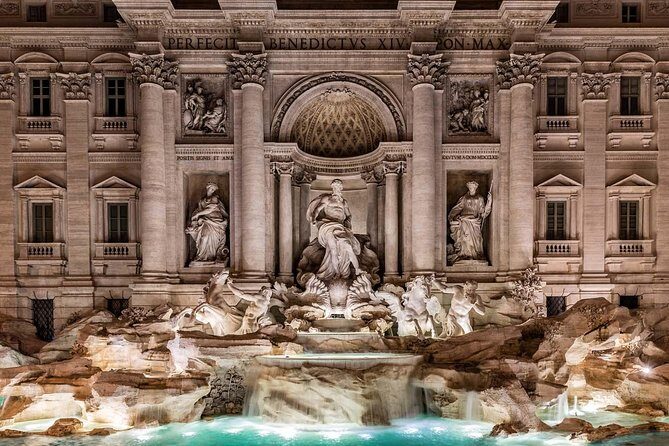
Trevi Fountain is famous for a reason. The scale is bigger than your photos, and the details reward slow looking. The tour gives you about 30 minutes here, and you’ll toss a coin into the fountain as part of the experience.
But don’t reduce Trevi to a single ritual. With a private guide, you get more than instructions. You’ll learn what shaped the fountain’s look—why it’s built to be dramatic, and how it fits into the city’s grand display culture. This is where the tour’s artist angle makes sense: Rome isn’t just pretty. It’s engineered to impress.
Real-world tip: Trevi can get busy. If the crowd thickens, your guide should help you find a viewing rhythm—where you can still see carvings and figures without getting trapped in a one-second photo window.






Spanish Steps: the climb that ties your Rome visuals together
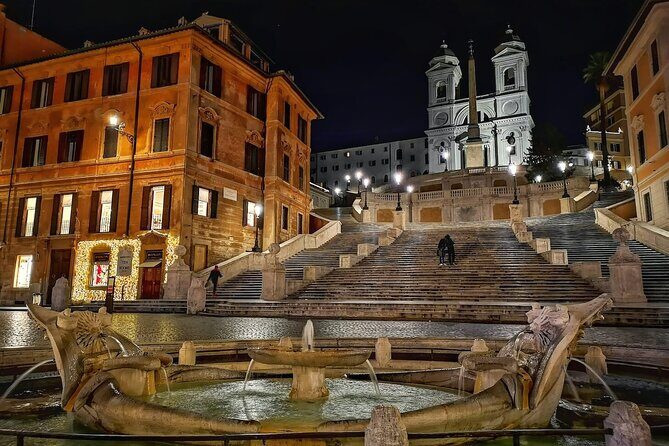
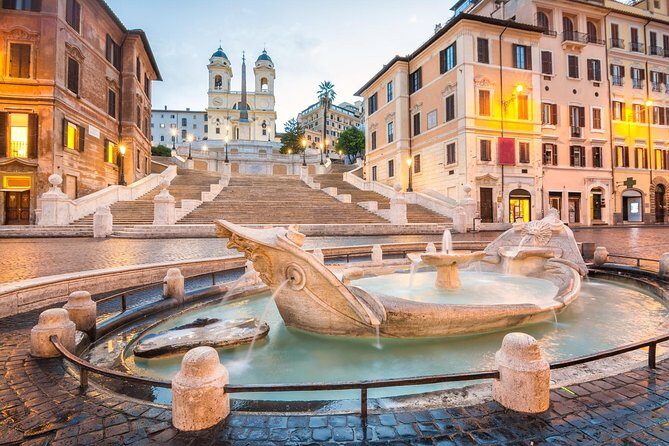
Ending at Piazza di Spagna is a smart finish. The Spanish Steps aren’t just a staircase; they’re a vantage point that reorients your sense of the city. You’ll spend about 30 minutes at this stop, and the highlight is climbing up for stunning views.
Even if you’re not a “views person,” this is worth doing because it changes your mental map. Up top, you start seeing how Rome connects: streets, angles, and the way the city’s structures sit in relationship to one another. That matters, because it turns your time in central Rome from “I saw stuff” into “I understand how it fits.”
Wear-wise: the tour warns about steps and uneven walkways. The Spanish Steps part of the route is where that matters most. Comfortable shoes aren’t a suggestion here—they’re the difference between enjoying the climb and counting down to the top.
Price, tickets, and what you’re really paying for
At $201.10 per person for around 2 hours 30 minutes, this isn’t a “bargain sightseeing stroll.” The value comes from two things you can feel: a private guide and a planned route through major landmarks without you having to stitch it together yourself.
Included items that matter:
- Expert, English-speaking private guide
- All fees and taxes
- Mobile ticket
- Customizable itinerary
- Headsets for groups of 6+
- The stops are listed with free admission (so you’re not paying surprise entry fees for each location)
Not included:
- Transportation to and from the meeting/end point
- Food and beverages
- Gratuities
So, is it worth it? If you want a guided thread tying together Bernini/Borromini style, famous squares, and the Pantheon/Trevi/Spanish Steps sequence, yes—this price buys structure and interpretation. If you’re the type who just wants to wander and take photos on your own schedule, you might feel the cost more.
Also, a small but important caution from past feedback: one guest mentioned headset problems and trouble hearing their guide. It’s a good reminder to test the audio early and ask for adjustment if the sound seems weak. In a private setting, you deserve clear communication.
Logistics that can make or break your day
This tour starts at Al Sogno – Toy Store, Piazza Navona 53, and ends at Piazza di Spagna. It’s also described as near public transportation, which is a big plus in Rome where walking routes can be beautiful but occasionally exhausting.
Here’s what I’d plan around:
- Timing: the tour is about 2 hours 30 minutes. That’s long enough to feel you saw Rome’s highlights, not so long that you’re destroyed by the end.
- Walking demands: expect steps and uneven pavement. Bring comfortable shoes and a bottle of water.
- Jubilee restoration updates: the tour notes that some monuments may be under restoration due to the Jubilee, and you should watch for messages that could affect what you see.
If you have mobility concerns, you’re asked to flag it during booking so the company can best accommodate you. Do it early—Rome is friendly to visitors, but it’s not always friendly to wheelchairs or slow-paced walking unless you plan ahead.
Who this Rome walk suits best
This private stroll works especially well if:
- you’re short on time and want a focused route through central Rome’s top landmarks
- you prefer a guide who can explain what you’re seeing and adjust the pace for your interests
- you like architecture and art, including the Baroque connections tied to big names like Bernini and Borromini
- you want the comfort of a private group only—no elbow-to-elbow crowd pressure
It may not be ideal if:
- you hate walking and don’t want steps or uneven ground
- you’re extremely sensitive to audio quality and need very reliable headsets
- you only want a quick checklist of photos and don’t care about explanations
Should you book this tour?
I’d book it if you want Rome’s showpieces connected by real commentary, and you like your walking tours to feel personal. The route makes sense for a first-time or time-crunched visit, and the Pantheon backup plan is a smart safeguard.
I’d think twice if the price feels heavy for your travel style—because you are paying for interpretation, not just access. And if you’re worried about hearing or pacing, you’ll be happier if you bring the right shoes, confirm the headset setup early, and ask your guide how they plan to handle crowds or any restoration changes.
If you want a guided day that ends with a view from Piazza di Spagna and doesn’t feel like a sprint, this is a solid choice.
FAQ
How long is the Private Stroll of the Artists in Rome tour?
It’s approximately 2 hours 30 minutes.
Where does the tour start and end?
It starts at Al Sogno – Toy Store, Piazza Navona 53, Roma, and ends at Piazza di Spagna, 00187 Roma.
Is this tour private?
Yes. It’s a private tour/activity, and only your group will participate.
Are admission tickets included for the stops?
Yes. The tour lists admission ticket free for each stop on the route.
What happens if the Pantheon is closed during the tour?
If the Pantheon is closed for unexpected reasons, you will still pass through Piazza della Rotonda where it is located and your guide will provide a great explanation from the exterior.
Will I need to pay for transportation to the meeting point?
Transportation to and from the meeting/end point is not included.
Are headsets included?
Headsets are included for groups of 6 or more.
Can I cancel for a full refund?
Yes. You can cancel up to 24 hours in advance for a full refund. If you cancel less than 24 hours before the start time, the amount paid will not be refunded.
If you want, tell me your travel dates and whether you’re more interested in art/architecture or just the big sights—and I’ll suggest the best way to plan your rest of the day around this route.