REVIEW · PRIVATE
Private Family Scavenger Hunt & Art Lab Tour – Rome Landmarks
Book on Viator →Bookable on Viator
Rome can be a lot with kids.
This private scavenger hunt and art lab turns famous streets into a game, so you get landmark time without the usual stop-and-stare fatigue. You’re on a mission to find hidden animals across statues, buildings, and piazzas, then you slow down and create Roman-inspired art as you go.
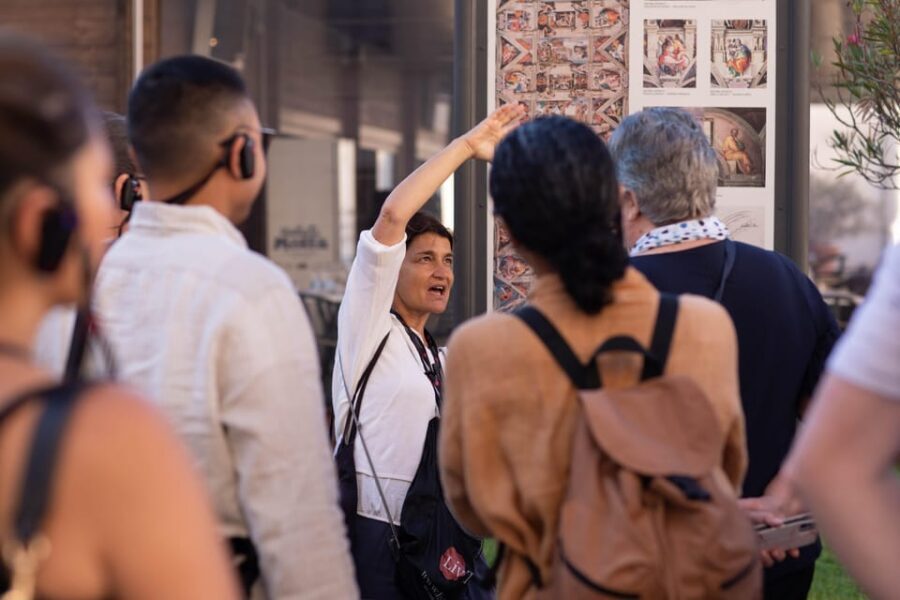
I really like the way the tour blends entertainment with art history through a guide named AJ, an art historian and licensed tour guide. I also like that it ends with a hands-on art task using provided supplies and comfy cushions, so kids stay engaged all the way to the finish.
One thing to consider: the Pantheon is exterior viewing only, so if your top goal is going inside the dome, plan that separately.
In This Review
- Key Things I’d Book This For
- Street-Level Art History: A Scavenger Hunt That Keeps Kids Engaged
- Meeting AJ at Piazza della Minerva: Private, Calm, and Easy to Start
- Stop 1: Trevi Fountain Animal Spotting and Stories in Stone
- Stop 2: Pantheon Exterior Viewing With Design Clues You Can Actually See
- Stop 3: Piazza Navona and Turning Famous Squares Into a Clue Trail
- Stop 4: Area Sacra di Largo Argentina and the Cat Sanctuary Moment
- The On-the-Spot Art Lab: Supplies, Cushions, and Parent Participation
- What 2.5 Hours Feels Like in Real Family Time
- Price and Value: What You’re Really Paying For
- Who This Tour Works Best For (and Who Might Prefer Something Else)
- Practical Rome Tips for a Weather-Dependent Outdoor Day
- Should You Book This Rome Landmarks Art Hunt?
- FAQ
- What’s the duration of the private family scavenger hunt and art lab tour?
- Where does the tour start and where does it end?
- Is Pantheon entry included?
- What’s included for the art activity?
- Is the tour private?
- Do I need good weather?
Key Things I’d Book This For
- Hidden animal mission that makes kids look closely at sculpture, stone, and details
- AJ’s family-friendly pacing, with room for questions from parents
- Cat sanctuary encounter, a memorable break from just walking and pointing
- On-the-spot art lab with supplies provided, plus cushions for a calmer moment
- Private format, so your group sets the tempo instead of following strangers
Street-Level Art History: A Scavenger Hunt That Keeps Kids Engaged
This isn’t a typical sightseeing tour where you race between “must-see” stops. The clever idea here is simple: you turn Rome’s landmarks into clues, then turn what you notice into something your child makes with their own hands.
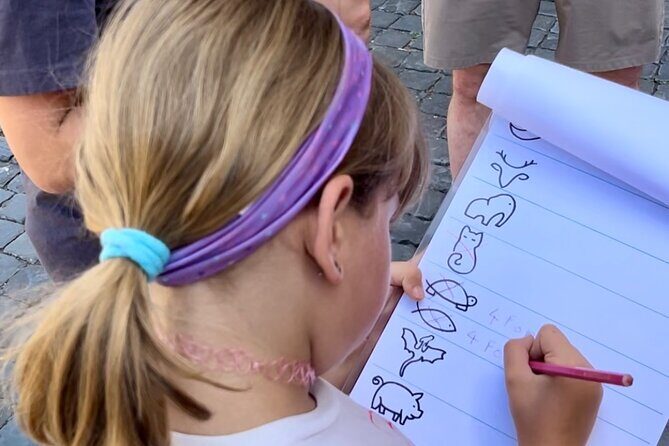
The hidden animal game is what makes the whole thing work. Kids get a list of creatures to spot, and they actively search across the city’s public art and architecture instead of passively absorbing facts. That turns crowded-looking places into a series of mini challenges. And because the clues are tied to what you can actually see, it feels grounded, not like a worksheet that’s disconnected from real Rome.
The added bonus is that you’re learning art history while you play. AJ uses the architecture and artistic details you find as springboards for stories. You’ll get better at seeing Rome the way artists and patrons did: through symbols, materials, and the choices carved into stone.
You can also read our reviews of more private tours in Rome

Meeting AJ at Piazza della Minerva: Private, Calm, and Easy to Start
You’ll meet at Piazza della Minerva (00186 Roma RM) and the tour ends back there, so you’re not stuck figuring out transportation at the end. Since it’s private, it’s only your group. That matters with kids because you can slow down when someone needs a break, or you can move a bit faster when everyone’s in a good rhythm.
You’ll also get a mobile ticket, and the tour is offered in English. Service animals are allowed, and the meeting area is near public transportation, which is handy for families planning the rest of their day.
One detail I like: this is designed to be interactive without feeling chaotic. You’re not just searching; you’re also getting guided context from AJ and then shifting into a creative task at the right moment.
Stop 1: Trevi Fountain Animal Spotting and Stories in Stone
Trevi Fountain is one of those places where you can either spend the whole time squeezed in a crowd, or you can make it a game and actually enjoy the walking and looking.
At this stop, the “find the hidden animals” concept kicks your attention into gear. Instead of saying, Wow, fountain, and moving on, you’ll look at how the fountain and nearby details communicate visually. AJ ties those observations to art history in a way that’s understandable for kids (and still interesting for adults).
Practical tip: Trevi is a magnet. If your child gets restless when standing still, this game format helps because there’s always a next target to watch for. You’ll be moving through the moment with purpose.
Stop 2: Pantheon Exterior Viewing With Design Clues You Can Actually See

The Pantheon stop is built for families, but there’s one major boundary: Pantheon entry isn’t included. You’ll get exterior viewing only.
That might sound like a drawback, but it’s also what makes the format work within a 2.5-hour window. You’re still able to focus on the structure’s design and the surrounding visual language—things you can discuss, point out, and connect to stories without the long logistics of going inside.
Expect AJ to use what you can see on the outside as a springboard for art and history talk. For families, this tends to feel more manageable than trying to do everything in a single visit. For adults who want indoor time, you’ll likely plan that as a separate stop later.
Stop 3: Piazza Navona and Turning Famous Squares Into a Clue Trail
Piazza Navona is famous for a reason: the space makes it easy to look around and feel like you’re inside a living postcard. The tour uses that setting well. Instead of treating the square like a background, you use it as part of the scavenger mission.
This is where your child’s attention can really sharpen. When you’re looking for specific animal shapes and symbols, you start noticing small artistic elements you’d normally walk right past. And since the tour is private, AJ can guide your group through the pace you need.
If your kids get bored during long stretches, this stop tends to help because the square layout gives you multiple “targets” in different directions. It’s natural for a game like this.






Stop 4: Area Sacra di Largo Argentina and the Cat Sanctuary Moment
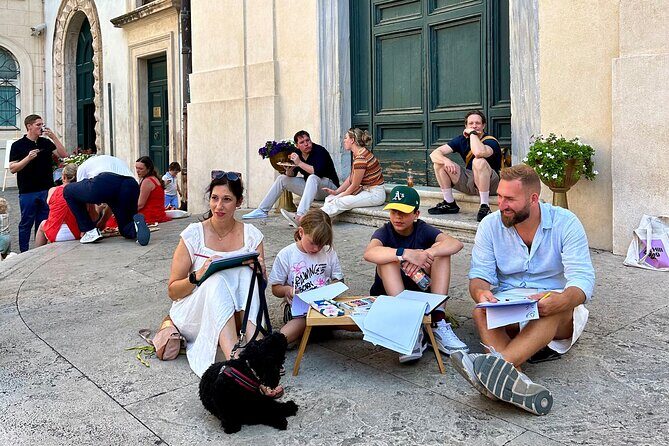
Stop four is Area Sacra di Largo Argentina, an important archaeological area in the city center. This is where the tour’s tone often shifts from pure landmark-hopping into something more personal and memorable.
Along the way, you’ll also encounter a historic cat sanctuary with the chance to meet and even pet friendly cats. That moment is a big draw for families because it adds warmth and surprise to an otherwise outdoor-focused day. It also gives kids a break from the constant looking-for-details mode.
From a value point of view, this is smart programming. You don’t just keep kids on the move the whole time. You give them a meaningful pause—and for many families, it becomes the highlight they talk about later.
One consideration: because this part involves animals, you’ll want to keep an eye on your child’s comfort level and follow AJ’s guidance closely so everyone stays calm around the cats.
The On-the-Spot Art Lab: Supplies, Cushions, and Parent Participation
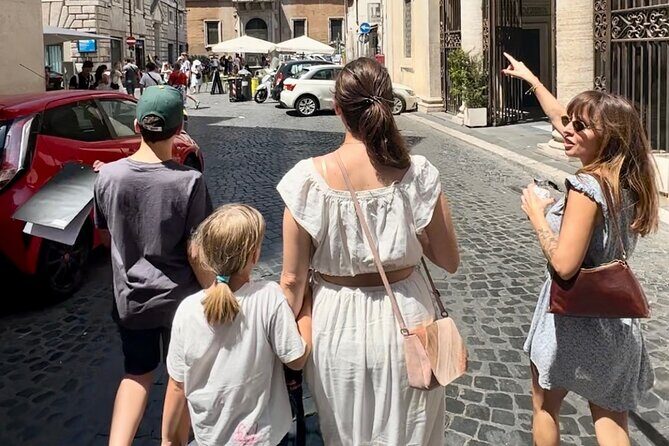
After the scavenger hunt discoveries, you shift gears into the art task. This is where the tour earns its family-art-lab name.
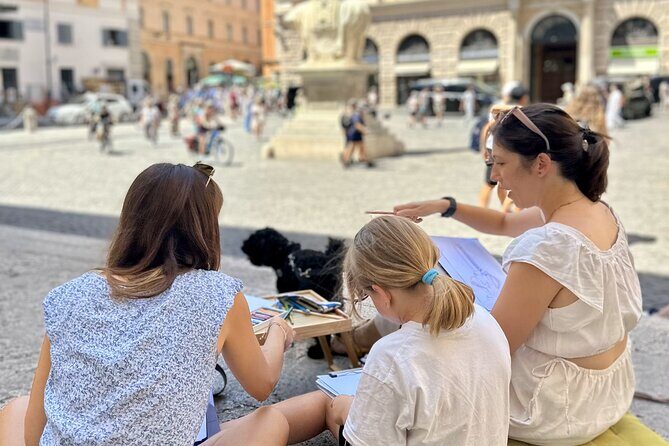
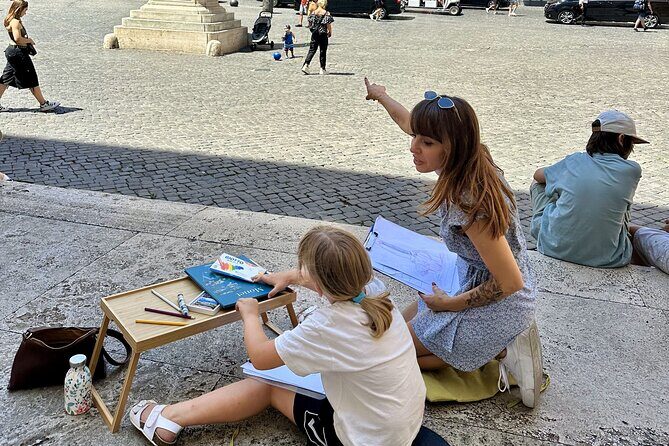
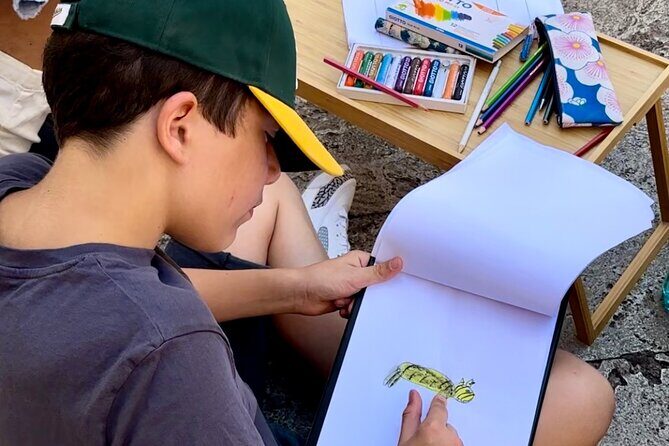
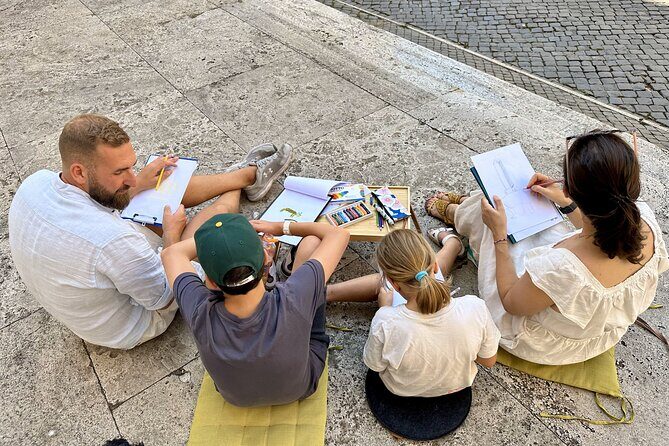
You’ll use provided supplies and comfortable cushions, and you’ll create something inspired by what you spotted earlier. AJ’s role here is key: the history and the looking don’t end at explanation. You turn observations into your own version of Roman-inspired artwork.
Parents are encouraged to join in. I like this because it stops the dynamic from becoming You entertain the kids while the adults read captions. When parents create too, the whole family stays in the same experience, and the conversation continues while hands are busy.
Also, because you’re making art during the trip, your brain connects the learning to the moment. It’s not just information you later try to remember.
What 2.5 Hours Feels Like in Real Family Time
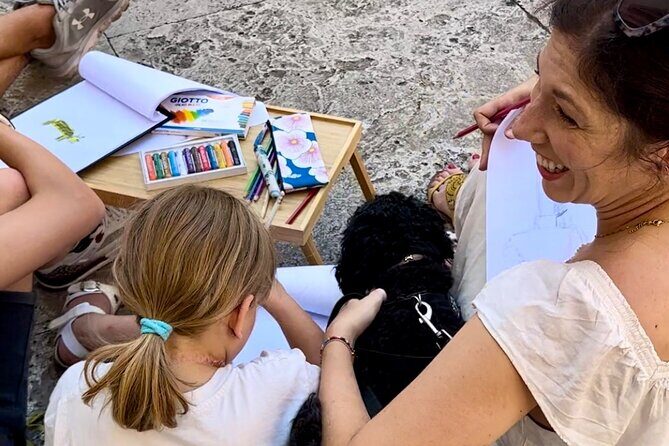
The tour runs about 2 hours 30 minutes. That’s a sweet spot for kids who can handle an active outing, but still need attention from the guide and a chance to reset.
The flow typically alternates between:
- quick movement to the next landmark,
- short stretches of looking for clues,
- and then a creative activity where sitting (on cushions) is part of the plan.
Since it’s private, AJ can adjust the pace to your group. That can make the difference between a day that feels like work and a day that feels like adventure.
You’ll also want to plan for walking and standing outdoors. This is Rome at street level, so comfy shoes are a sensible choice.
Price and Value: What You’re Really Paying For
At $106.92 per person, this isn’t a low-cost, generic tour. But it’s also not priced like a full-day private guide plus separate museum tickets.
You’re paying for three main things:
- a guided scavenger hunt built around landmark viewing,
- art instruction tied to what you find,
- and the included art supplies.
If you only wanted basic landmark narration, you could probably find cheaper. But if you want your child to look closely, participate, and walk away with something made by their own hands, the structure has real value. The private format also helps families who don’t want to negotiate with pacing set by strangers.
One more detail: the tour averages bookings around 40 days in advance, which suggests a steady demand. If your dates are fixed, it’s smart to secure it earlier.
Who This Tour Works Best For (and Who Might Prefer Something Else)
This tour fits especially well if:
- you’re visiting with kids and want an activity that keeps attention strong,
- you like learning that comes through play,
- you want an art component without hauling supplies or planning a separate workshop,
- you’d rather have a private guide than follow a larger group’s rhythm.
You might prefer a different option if:
- your priority is going inside the Pantheon (this one is exterior only),
- your group wants a more traditional, slower museum-style visit with minimal games,
- or your family struggles with outdoor activities during uncomfortable weather.
Practical Rome Tips for a Weather-Dependent Outdoor Day
This experience requires good weather. That matters in Rome because plans can shift quickly when skies change.
When the forecast looks good, you’ll likely feel more relaxed because the tour is built around outdoor looking, game-clues, and sitting for art on cushions. When weather is iffy, plan to be flexible; the tour can be adjusted or refunded depending on the situation (you’ll see the exact policy at booking).
Either way, bring the usual Rome day essentials: sun protection, water, and a light layer if the evening is cooler.
Should You Book This Rome Landmarks Art Hunt?
I’d book this if you want Rome landmarks with a kid-friendly engine: the hidden animal scavenger hunt, AJ’s storytelling, the cat sanctuary moment, and an actual take-home art result. It’s structured for families, and it uses the city itself as the classroom.
Skip it if you need indoor Pantheon access or you prefer a more straightforward tour with less interaction. This is a hands-on, game-led format. When that matches your family’s style, it’s a great way to see central Rome without losing the kids halfway through.
FAQ
What’s the duration of the private family scavenger hunt and art lab tour?
It runs about 2 hours 30 minutes.
Where does the tour start and where does it end?
It starts at Piazza della Minerva (00186 Roma RM, Italy) and ends back at the same meeting point.
Is Pantheon entry included?
No. You’ll get exterior viewing only.
What’s included for the art activity?
All art supplies used during the workshop are included.
Is the tour private?
Yes. It’s a private tour/activity, and only your group will participate.
Do I need good weather?
Yes. The experience requires good weather, and if it’s canceled due to poor weather, you’ll be offered a different date or a full refund.