REVIEW · VATICAN CITY
Guided Tour to Vatican and Sistine Chapel with Ticket
Book on Viator →Operated by Viando Tours · Bookable on Viator
The Vatican can feel like a stampede.
This tour is built to keep you moving through the Vatican Museums and into the Sistine Chapel without getting stuck in the longest lines. You’ll also have official headsets so you can actually follow the guide’s explanations as you pass from one jaw-dropping room to the next.
I especially like two things. First, the skip-the-line setup means you start with priority entry rather than playing line roulette. Second, the guided pace hits the big-name areas—think Pio Clementino’s sculptures and Raphael’s Rooms—without turning your day into endless wandering.
One thing to plan for: access to St. Peter’s Basilica isn’t guaranteed, and the route between the Sistine Chapel and the basilica can close unexpectedly. If that happens, you’ll spend the tour time inside the museums instead.
In This Review
- Key things to know before you go
- Priority entrance at the Vatican Museums: worth paying for
- From Pio Clementino to the Candelabra Gallery: how you’ll see the “greatest hits”
- Raphael’s Rooms and the lead-in to the Sistine Chapel
- Sistine Chapel time: short window, big payoff
- St. Peter’s Basilica: impressive, but not always guaranteed
- Price, duration, and group size: is $98.47 good value?
- Dress code and “don’t get turned away” tips
- Should you book this Vatican and Sistine Chapel tour?
- FAQ
- What’s included in the tour ticket?
- Does the tour include the Sistine Chapel admission?
- Is there a ticket for climbing the Cupola di San Pietro included?
- How long is the tour?
- Where do you meet the tour group?
- Where does the tour end?
- What happens if the Sistine Chapel route to St. Peter’s Basilica is closed?
- How strict is the dress code?
- What time should I arrive?
- Is there a refund if I cancel?
Key things to know before you go
- Priority entry helps you start faster in the Vatican Museums.
- Small group size (max 20) makes the tour feel less chaotic than typical crowds.
- Official headsets keep the guide clear, even in busy galleries.
- Sistine Chapel time is short, so you’ll want to know what to look for when you arrive.
- Basilica access can change, depending on closures and capacity rules.
- Dress code matters year-round: shoulders covered and knees covered.
Priority entrance at the Vatican Museums: worth paying for
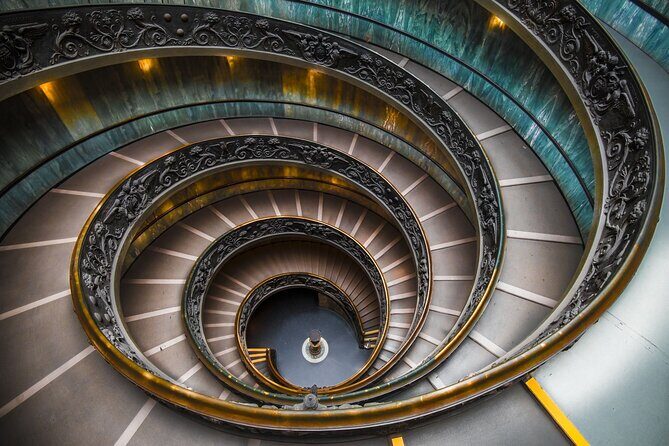
The best reason to book this type of Vatican tour is simple: time. Even when you’re only there for about 2 hours 30 minutes, you’re dealing with security checks and tight crowd control. This experience includes a skip-the-line ticket plus guided entry, so you’re not burning your limited time just getting through the first bottleneck.
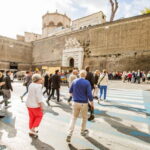
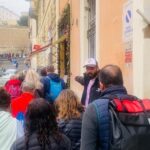
The tour starts at Via Sebastiano Veniero, 21 (near public transportation). From there, you’re guided into the Vatican Museums with priority entrance. That matters because the museums are where most people lose time. Once you’re inside, the guide’s job is to steer you toward the rooms that actually connect into a storyline—rather than letting you scatter across dozens of galleries.
You’ll also get a clear sense of pace. With a group capped at 20, you won’t feel like you’re being swept along by a school bus. It’s still crowded (this is the Vatican), but the structure keeps it from feeling random.
You can also read our reviews of more tours and experiences in Vatican City
From Pio Clementino to the Candelabra Gallery: how you’ll see the “greatest hits”
Inside the Vatican Museums, the tour follows a high-impact route through several standout areas. The first big stop is the Pio Clementino Museum, famous for its classical sculpture collection. This is a good entry point because it gives your eyes a framework: you start recognizing how the Vatican shaped an image of Rome—then you carry that lens forward into later art.
Next comes the Galleries of the Candelabra. The name is literal, but what you’ll notice is the way the space frames light and rhythm. It’s not just about the objects; it’s about how the museum buildings guide your attention. Even if you’re not a museum “type,” this kind of layout is easier to understand when you’re moving with a guide.
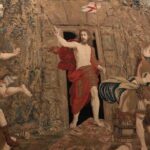
After that, you’ll pass through the Tapestry Galleries. Tapestries are easy to underestimate until you’re standing in front of them. They’re time-consuming works of craft, and they help explain how the Vatican collected and displayed prestige in a more textured way than a painting-only mindset.
Then you’ll get to the Geographical Maps Galleries. These are the kind of rooms that make the Vatican Museums feel broader than just religion and grand paintings. You’re looking at how the world was mapped and collected as knowledge. For many first-timers, that shift is a relief: you’re not only seeing holy art—you’re seeing a power center catalog its world.
If you have any “museum fatigue” tendency, the smart thing is to let the guide handle the route while you focus on what changes from room to room: sculpture to decorative arts to knowledge rooms. That’s how the time stays worthwhile.
Raphael’s Rooms and the lead-in to the Sistine Chapel
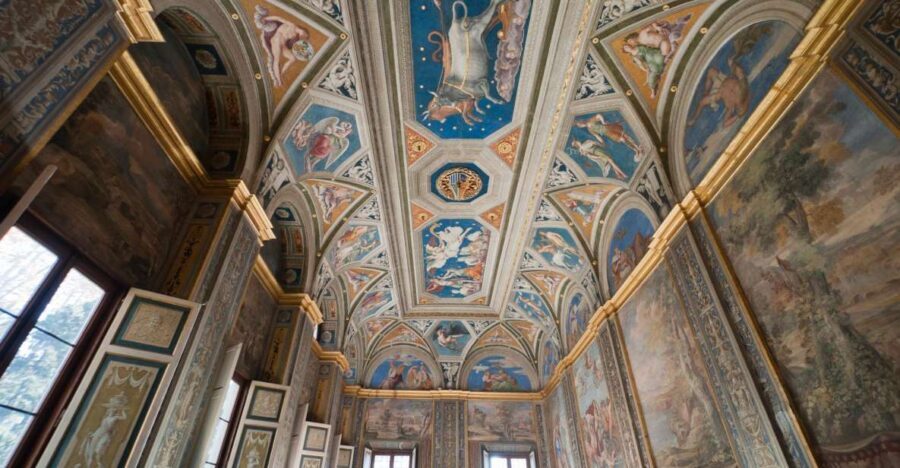
The tour includes Raphael’s Rooms, and this is where your understanding starts to feel personal. Raphael’s spaces are not just famous; they’re organized for you to notice connections—ideas, styles, and how the Vatican used art to present its intellectual identity.
The guide’s explanation is especially valuable here because Raphael’s work can look like “big famous art” until someone points out how the pieces relate. You’ll likely walk out thinking differently about the Renaissance inside the Vatican walls—more like a curated argument than a random collection of masterpieces.
Then you head toward the Sistine Chapel. The timing is important. The experience gives you a dedicated visit to the chapel later on as well, so the museum portion works like a warm-up: you absorb context, then return for the main event.
One practical note: museums and the Sistine Chapel both have security checks and capacity regulations, which can slow things down. The tour is designed to minimize waits, but it can’t fully remove crowd management. Still, having a guide and headsets helps you stay mentally on track instead of watching your schedule shrink.
Sistine Chapel time: short window, big payoff
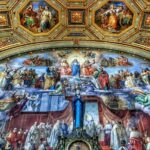
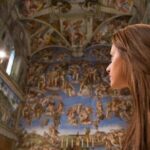
The Sistine Chapel stop includes admission and a set visit period (about 15 minutes for that dedicated chapel time). That’s not a long stay, and it’s not meant to be. The point is to get you into the chapel at the right moment and help you focus on what matters most.
Expect crowds. This is the one place where “beautiful” is almost an understatement, but the real experience is learning how to look when there are a lot of people trying to do the same thing at once. Official headsets help you avoid the classic problem of not hearing anything while you’re trying to stare upward.
When you arrive, give yourself a quick plan: pick a few areas to concentrate on rather than trying to read every detail. With a short window, the best use of your time is to choose what you’ll remember—then let the rest be a background glow.
If your group is led by Iuliana (one guide name mentioned in feedback), you’ll likely appreciate the energy and clarity. The reviews focus on guides who keep it engaging and educational, and that’s exactly what you want here. In the Sistine Chapel, your memory is tied to what you actually understood in that moment, not just what you saw.
St. Peter’s Basilica: impressive, but not always guaranteed
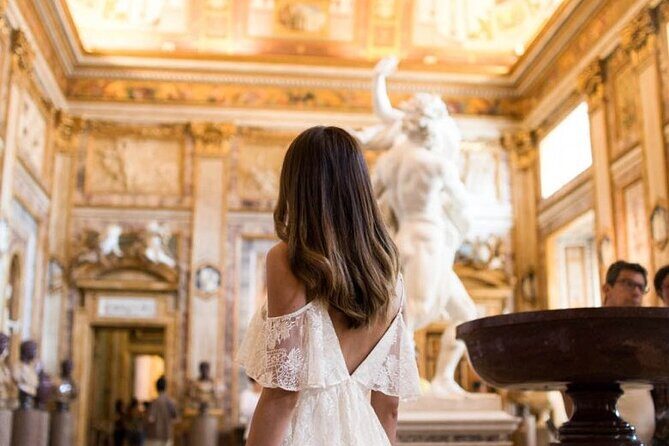
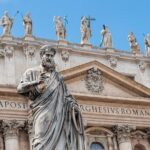
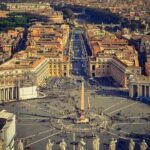
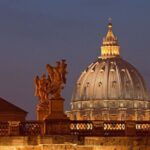
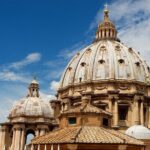
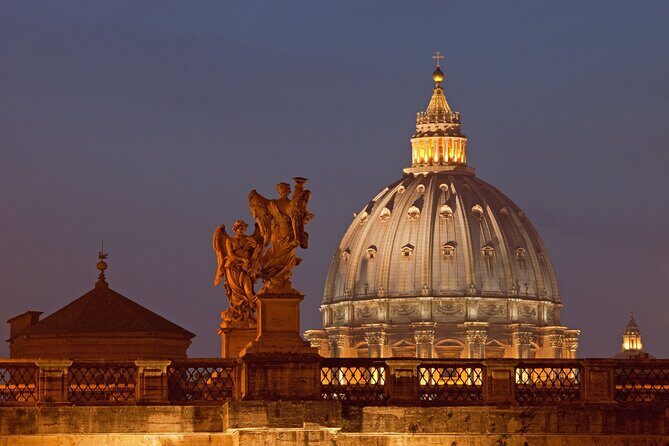
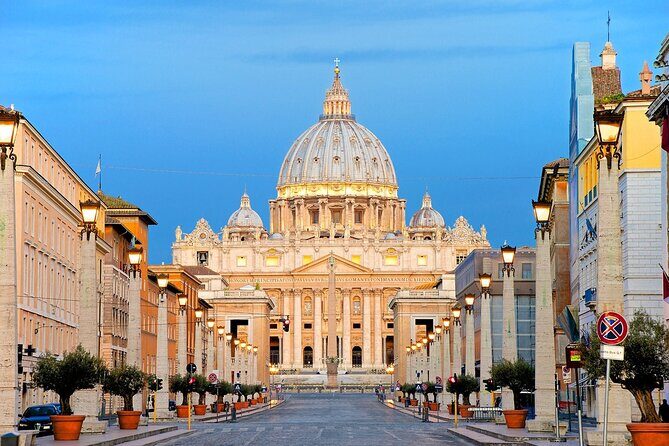
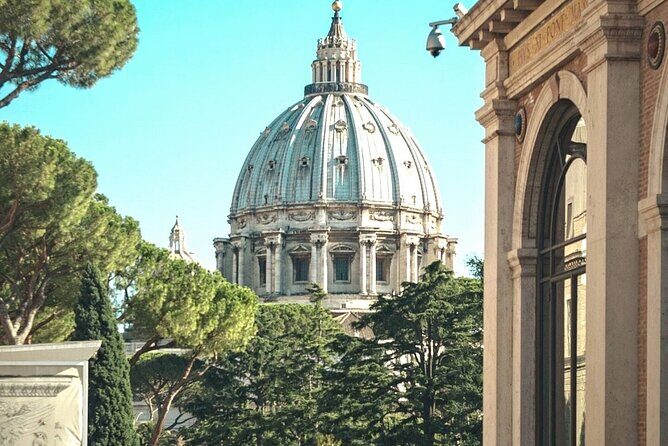
The tour ends at St. Peter’s Basilica (Piazza San Pietro). However, the ticket includes a key limitation: access to the basilica is not guaranteed. The reason isn’t mysterious; it’s usually about crowds and closures. The passage between the Sistine Chapel and the basilica can close unexpectedly, and on those days the tour spends the full time in the museums instead.
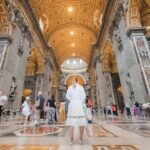
So here’s the mindset I recommend: treat the basilica as a best-case bonus, not something you should assume. If you do make it in, great—you’ll be in one of the world’s most important church interiors, and the Vatican context will feel real rather than just museum-deep.
If you don’t, you’re not left empty-handed. You’re still guided through major museum highlights with your booked time protected. It’s not what you expected if you came for only the basilica, but it is a rational way to manage unpredictable access in a place with strict security and constant crowd control.
Also keep in mind the basilica has the same strict dress code year-round as the rest of the experience.
You can also read our reviews of more guided tours in Vatican City



Price, duration, and group size: is $98.47 good value?
At $98.47 per person, this isn’t a bargain, but it can be fair value given what’s included. You’re paying for four things that matter in the Vatican: skip-the-line entry, a guided route, official headsets, and admission coverage tied to the key areas (including the Sistine Chapel).
You also get a practical time container: about 2 hours 30 minutes. That helps you fit the Vatican into a real itinerary without needing a full day. And because the group is capped at 20, the experience stays more controlled than the giant group tours where you can barely hear the guide.
One more value check: this ticket does not include the Cupola di San Pietro entrance fee (10 euros per person). If you were planning to climb, budget that extra cost. If you weren’t, you won’t miss anything essential to the main art-and-chapel experience.
For me, the price is worth it when you want the big highlights and you don’t want to spend your precious hours stuck in controlled-entry lines. If you prefer total freedom and don’t mind DIY museum navigation, then skip-the-line tours might feel less necessary.
Dress code and “don’t get turned away” tips
This tour follows a strict dress code year-round at both the Vatican Museums and St. Peter’s Basilica: shoulders must be covered, and pants/skirts must come to the knee. Don’t plan on last-minute fixes. Bring something that works even if the weather changes.
Also plan around security. Everyone must go through a security check, and you should allow at least 20 minutes. Capacity rules and security screening can delay the visit even with priority entry. The tour also asks you to arrive on time, because latecomers won’t be accommodated and won’t be refunded.
A small but important detail if you’re traveling with kids: bring a valid photo ID as proof of age for children 18 and under.
The good news is that the meeting point is near public transportation, so you can build a buffer into your schedule and still arrive calm.
Should you book this Vatican and Sistine Chapel tour?
I’d book it if you want a guided hit-list that’s designed for first-timers: priority entry, clear commentary through official headsets, and a structured route through the museums, then the Sistine Chapel, with the possibility of reaching St. Peter’s Basilica.
I’d think twice if basilica access is your single non-negotiable goal. Because access isn’t guaranteed and closures can redirect the route, you might end up with more museum time than you planned. Still, that option is built into how the experience handles real-world crowd control.
If you’re short on time and want to trade guesswork for a guided plan, this is a solid way to do it. And if you catch the right guide—people specifically call out Iuliana for energy and knowledge—it can turn an overwhelming place into something you actually understand.
FAQ
What’s included in the tour ticket?
You get a skip-the-line ticket, a guided tour, official Vatican headsets, and admission coverage for the Vatican Museums and the Sistine Chapel. Access to St. Peter’s Basilica is not guaranteed.
Does the tour include the Sistine Chapel admission?
Yes. Admission to the Sistine Chapel is included, with a dedicated chapel visit time.
Is there a ticket for climbing the Cupola di San Pietro included?
No. The Cupola di San Pietro entrance fee is not included and costs 10 euros per person.
How long is the tour?
It runs about 2 hours 30 minutes.
Where do you meet the tour group?
The start is at Via Sebastiano Veniero, 21, 00192 Roma RM, Italy.
Where does the tour end?
It ends at St. Peter’s Basilica, Piazza San Pietro, 00120 Città del Vaticano, Vatican City.
What happens if the Sistine Chapel route to St. Peter’s Basilica is closed?
If the passage is closed, the tour will spend the entirety of the tour in the museums instead.
How strict is the dress code?
It’s strict year-round: shoulders covered and pants/skirts must come to the knee for both the Vatican Museums and St. Peter’s Basilica.
What time should I arrive?
Arrive on time. Latecomers will not be accommodated and will not be refunded. You should also plan for security checks.
Is there a refund if I cancel?
Yes. You can cancel for a full refund up to 24 hours in advance of the experience start time.