Pompeii tells its story quickly. This guided walk through Pompeii Archaeological Park is built around what the city felt like day to day—Roman homes, city layout, and everyday habits—then it ties it all to the catastrophe of 79 AD. I especially like how the visit stays focused on lifestyle, not just name-only facts.
Two other things I appreciate: you get the structure of an expert guide so you don’t spend your limited time wandering, and the tour is designed for direct site access so you can get moving on the ruins early. The one caution: the entrance ticket isn’t included, and with about 2 hours you’ll need to accept that you’re seeing highlights, not every corner of Pompeii.
In This Review
- Key things to know before you go
- Why this Pompeii ruins tour works so well on the ground
- Time and logistics: making the most of your hours at Pompeii
- Pompeii Archaeological Park: how you’ll experience the city in 2 hours
- What the guide focuses on (and why it matters)
- Pacing and crowds: the smart way to see Pompeii without feeling rushed
- The price: how $277.82 per group can be good value
- Who this Pompeii ruins tour is best for
- Should you book this guided Pompeii experience?
- FAQ
- Is the entrance ticket included?
- How long is the Pompeii ruins tour?
- Is this a private tour for my group?
- Is pickup offered?
- What are the opening hours for visiting Pompeii?
- Where does the tour end?
- Who is the tour guide?
- Can I get a full refund if I cancel?
- Is the tour suitable for most travelers and are service animals allowed?
Key things to know before you go
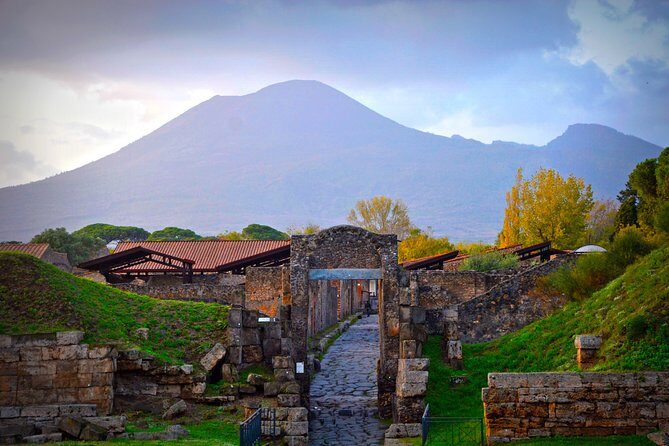
- Mauro Piacentini leads the tour with enthusiasm and local connection to Naples
- You get a guided route inside Pompeii so you don’t lose the storyline
- Daily life comes through clearly via buildings, layout, and Roman customs
- Crowds are real, but manageable across the large grounds when you pace smartly
- It’s private for up to 10 in your group, which keeps the experience personal
Why this Pompeii ruins tour works so well on the ground
Pompeii is one of those places that can feel overwhelming fast. There’s so much to see that you can end up with a scattered list of ruins in your head instead of a real sense of the city. This tour is designed to avoid that. You don’t just look at stones—you get a guided way to connect the buildings to how people lived.
I like that the explanation is centered on Roman customs and secrets of the time, leading up to the eruption of Vesuvius in 79 AD. That cause-and-effect storytelling helps you “read” what you’re seeing. When you understand the daily rhythm—how people moved through streets, how spaces were used—you start noticing details that most first-timers miss.
Also, the guide approach matters. In this case, Mauro Piacentini brings clear energy and a love for his region. That kind of guide presence doesn’t add fluff. It makes the history feel like it belongs to real people, not a museum label.
The tour is private, so your group isn’t squeezed into a big cattle-line. If your group has questions or wants to pause for context, the format supports it.
You can also read our reviews of more tours and experiences in Pompeii.



Time and logistics: making the most of your hours at Pompeii

This is an approximately 2-hour visit to the Pompeii Archaeological Park area. That’s a good length for a first trip because you get guidance without ending the day feeling like you ran a marathon.
Pompeii’s visiting window runs 9:00 AM to 3:30 PM (daily, within the listed dates). You also get pickup offered, plus the meeting point is near public transportation. That combination is useful: if pickup is available for your plan, it can save time. If not, you’re still not stuck.
One practical thing I strongly recommend: start early in the day when you can. The site is busy, and even though the grounds are huge, you’ll notice pinch points around the most popular spots. With a guided plan, you’ll still be able to see plenty, but arriving early gives you more breathing room and better pacing.
Here’s another real-world note: the entrance ticket isn’t included. That means you’ll want to handle that in advance so you don’t lose momentum before the tour even starts. It also means the tour cost and the total cost aren’t the same number—so check both when you plan your budget.
Finally, the tour ends back at the meeting point. That sounds basic, but it matters in Pompeii. With a fixed end point, you’re not improvising transport in a busy zone while everyone is tired.
Pompeii Archaeological Park: how you’ll experience the city in 2 hours
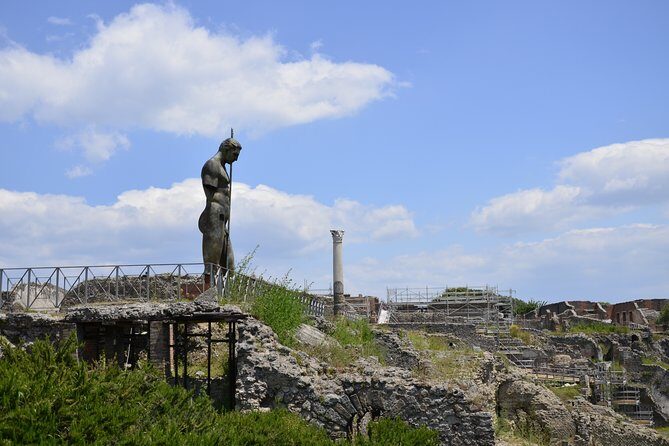
Your tour stop is the Pompeii Archaeological Park, and this is where the value of a guide really shows.
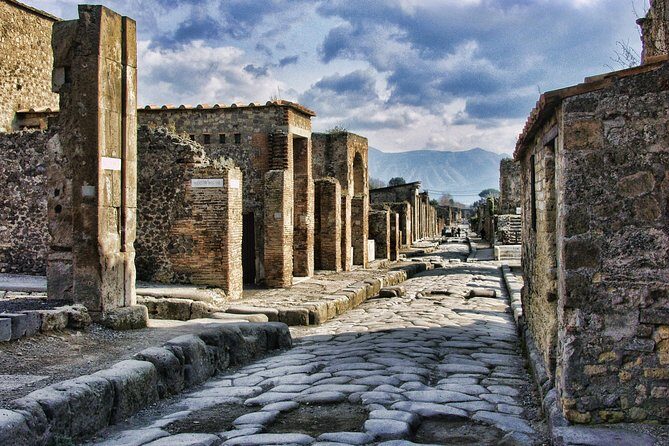
Instead of treating Pompeii like a random set of ruins, you’ll walk through areas that connect to daily living. The guide helps you understand the architecture you’re looking at—how spaces relate to each other and what kinds of activities likely happened there. You also get context around Roman lifestyle habits, so the site feels functional, not just dramatic.
The biggest advantage of a guided format here is mental organization. Pompeii can turn into visual overload: walls, doorways, courtyards, fragments of decoration. A guide gives you a storyline so your brain has something to hold onto. You don’t need to be an expert to get it. You just need the right path and the right explanations at the right time.
What the guide focuses on (and why it matters)
This tour’s emphasis is on customs and secrets of the time, and then the event of 79 AD. That’s exactly the right sequence for most visitors.
- When you start with everyday life, the eruption story doesn’t feel like a separate tragedy—it feels like the sudden interruption of normal routines.
- When the guide connects architecture to habits, you stop thinking in terms of ruins and start thinking in terms of a living city.
You also get the “how people understood their world” layer. Even without technical background, you’ll leave with a clearer picture of social and city life. That’s what makes Pompeii stick after you leave.
Pacing and crowds: the smart way to see Pompeii without feeling rushed
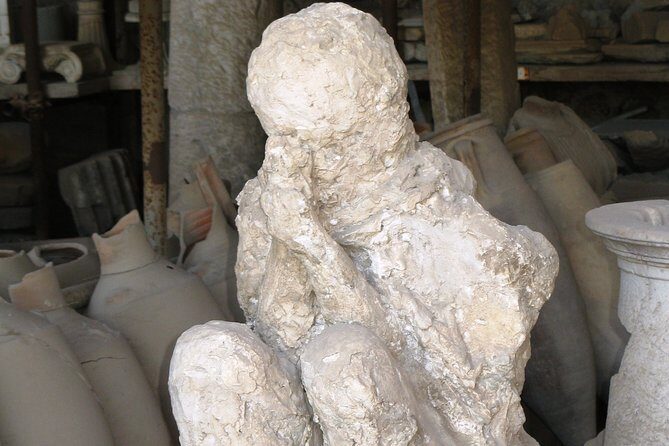
Pompeii attracts major crowds. That’s not a secret, and you shouldn’t pretend you’ll be alone. But you also don’t have to spend your time frustrated.
One helpful idea from the way this tour is run: crowds tend to spread across the large grounds, and people often concentrate at certain high-demand spots. If you’re on a guided route, you’ll typically get steered in a way that balances the best viewpoints with less congested walking. The guide’s job isn’t just talking—it’s helping you keep moving while still seeing what’s important.
My advice: don’t plan to “win” Pompeii by doing everything. Plan to understand what you see. With a two-hour guided experience, you’ll get more satisfaction if you let the guide’s route do the heavy lifting.
And wear shoes you’re happy to walk in. Pompeii is uneven in places, and you’ll want comfort more than fashion.

The price: how $277.82 per group can be good value
The price listed is $277.82 per group (up to 10). That pricing structure is a big deal.
If you’re traveling as a single person, the cost can feel steep because you’re effectively paying for a whole private group. If you’re traveling as two or three people, it starts to make more sense. If you have a group of six to ten, it becomes strong value because you’re splitting the guide cost across more people.
Here’s how I’d think about it:
- You’re paying for a private guide experience inside a complex, crowded site.
- You’re also paying to avoid wasting time figuring things out on your own in a place where a wrong turn can cost you the best viewing spots.
The entrance ticket is not included, so add that separately. But the tour still tends to be worth it when you value guidance and want Pompeii to feel coherent instead of chaotic.
Who this Pompeii ruins tour is best for
This works well for a lot of travelers because it doesn’t require specialized knowledge. Most people can join, and the experience runs about two hours at a steady walking pace.
It’s especially a fit if you:
- Want Pompeii explained clearly without having to study beforehand
- Prefer a private group feel rather than joining a large tour crush
- Enjoy history stories that connect architecture to daily life
- Like guides who bring energy and local pride, like Mauro Piacentini
If you’re the type who loves to wander on your own for hours, you might feel constrained by the guided route length. But for first-timers, or for anyone who wants the best “understanding per minute,” it’s an efficient plan.
Should you book this guided Pompeii experience?
If your priority is learning how Pompeii worked as a city—people’s routines, Roman habits, and the lead-up to the 79 AD eruption—this is a smart choice. The combination of a guide-led storyline, direct access to the park area, and a private group setup makes it feel more like a real guided conversation than a rushed checklist.
Book it if:
- You want your limited time in Pompeii to feel organized
- You’re okay paying for a guided experience rather than going fully independent
- You can handle the entrance ticket separately
Skip it if:
- You want to see Pompeii at your own pace for a longer stretch
- You’re traveling solo and you don’t want to pay for a private-group format
FAQ
Is the entrance ticket included?
No. The tour includes the guide service, but the entrance ticket is not included.
How long is the Pompeii ruins tour?
It lasts about 2 hours.
Is this a private tour for my group?
Yes. It’s private, and only your group participates.
Is pickup offered?
Yes, pickup is offered.
What are the opening hours for visiting Pompeii?
The listed hours are 9:00 AM to 3:30 PM, Monday through Sunday (for the dates shown).
Where does the tour end?
The experience ends back at the meeting point.
Who is the tour guide?
The guide is Mauro Piacentini.
Can I get a full refund if I cancel?
Yes. There is free cancellation up to 24 hours before the experience starts for a full refund.
Is the tour suitable for most travelers and are service animals allowed?
Yes. Most travelers can participate, and service animals are allowed.