REVIEW · AUDIO TOURS
Pompeii: Entry Ticket w/ Guide and Transfers or Audio Guide
Book on GetYourGuide →Operated by Show Me Italy · Bookable on GetYourGuide
Time stops in Pompeii.
This ticket gets you into one of Italy’s most unforgettable archaeological sites, where streets, villas, and public spaces from 79 AD are preserved under volcanic ash from Mount Vesuvius. You’ll walk through the city’s political heart, everyday neighborhoods, and the places that still make people pause.
I especially like two things: the choice between a live Pompeii guide or an audio guide, and the way the route mixes big landmarks (like the forum and amphitheater) with human-scale details (frescoes, mosaics, baths, bakeries, and shops). One drawback to plan around: you’re looking at a lot of walking on uneven ground, and the tour isn’t suitable for wheelchair users or people with mobility impairments.
In This Review
- Key things to know before you go
- Why Pompeii still hits hard: 79 AD on your feet
- Getting there from Rome: transfers that cut the stress
- Choose your style: guided tour vs audio guide at the ruins
- What you’ll see first at the park: forum, amphitheater, and the big anchors
- The houses and streets that show everyday Roman life
- Baths, bakeries, and shops: where the city starts to feel normal
- The Villa of the Mysteries and the casts: the emotional center
- Transfers, timing, and how to avoid the usual headaches
- Price and value: what you’re really paying for
- Who this Pompeii experience suits best
- Should you book Pompeii entry with guide and transfers?
- FAQ
- How long is the Pompeii experience?
- Does the ticket include entry to Pompeii?
- Is a guided tour included, or do I need to bring my own device?
- Are round-trip transfers from Rome included?
- Will the tour run in bad weather?
- Is this tour suitable for wheelchair users?
Key things to know before you go
- Guide or audio: choose how much narration you want while you explore.
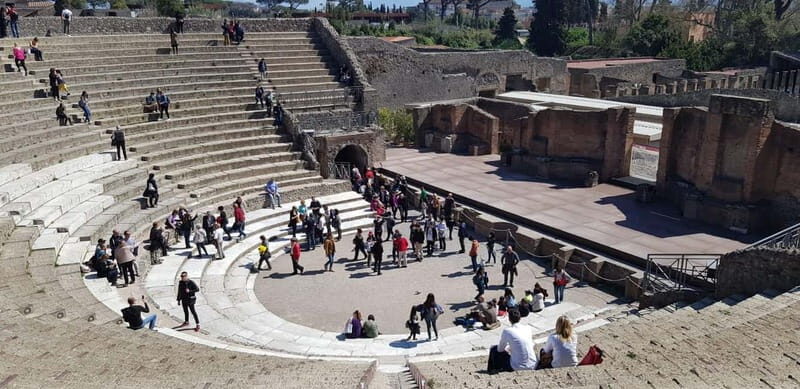
- Forum + amphitheater: you’ll hit Pompeii’s major public spaces tied to politics and spectacle.
- House of the Vettii and Villa of the Mysteries: standout homes with striking decoration.
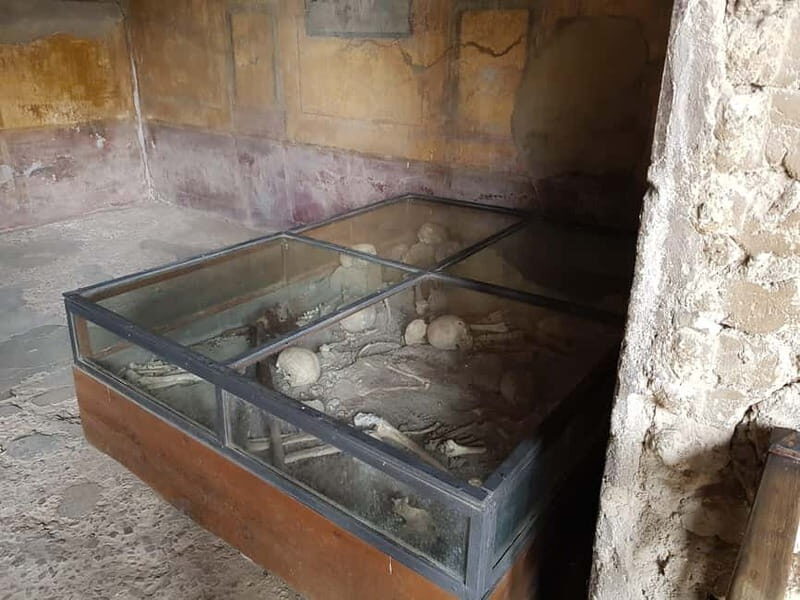
- Plaster casts: the victims’ casts add emotional weight to the visit.
- Rome transfers (optional): bus or train can save you from logistics on a long day.
- Know your timing: the tour won’t wait for latecomers.
Why Pompeii still hits hard: 79 AD on your feet
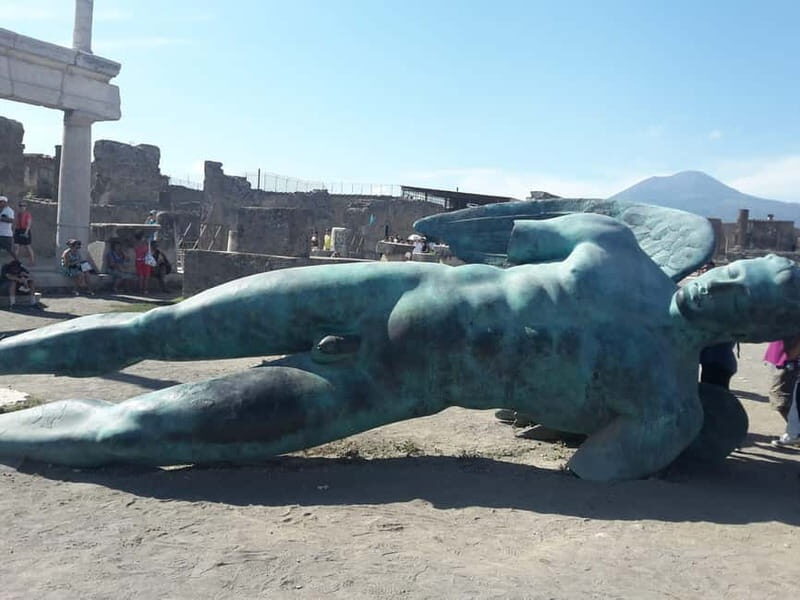
Pompeii isn’t just ruins behind a fence. It feels like the city froze mid-routine, because the ash preserved buildings, street layouts, and everyday settings in a way few places can match. That’s why even a structured visit feels personal: you’re moving through the same kinds of spaces Romans used for work, trade, meals, and public life.
This entry ticket centers you on the UNESCO Archaeological Park, with time to see the classics—forum, amphitheater, and key houses—plus the emotional stop of the plaster casts. The result is a visit that’s more than sightseeing. It’s a real sense of how a city functioned, and what the eruption changed in an instant.
You can also read our reviews of more tours and experiences in Rome



Getting there from Rome: transfers that cut the stress
If you choose the option with round-trip transportation, you’ll travel comfortably from Rome by bus or train through the Italian countryside to the Pompeii area. For a day trip, that matters. The logistics of getting there on your own can turn into extra time, extra steps, and extra decision-making right when you want your head focused on the ruins.
If you’re going directly, you’ll just make your own way to Pompeii and meet up as the option requires. Either way, plan for a long day. Duration is listed as 2 to 12 hours depending on the start time you select, so check what fits your schedule rather than assuming every departure is the same length.
Choose your style: guided tour vs audio guide at the ruins
You can take Pompeii with a live guide or go independent with an optional audio guide.
A guided tour is ideal when you want context as you walk—especially here, where small details matter. A good guide points out what you’re looking at (and what you might miss), and ties it back to how Romans lived just before 79 AD. One guide name that comes up in the experience descriptions is Giuseppe, noted for being friendly, helpful, and able to make history click. Guides also tend to keep the visit moving, which helps if you’re short on time.
The audio option is great if you prefer a slower pace and want to pause more often. Just know you’ll be doing more of the connecting yourself. You get flexibility, but you won’t get the same real-time storytelling that helps certain scenes make immediate sense.
Language options are available through the host or greeter team (English, French, Spanish, German), and the audio guide is listed as English. That’s useful if you want narration without waiting for a specific language tour slot.
What you’ll see first at the park: forum, amphitheater, and the big anchors
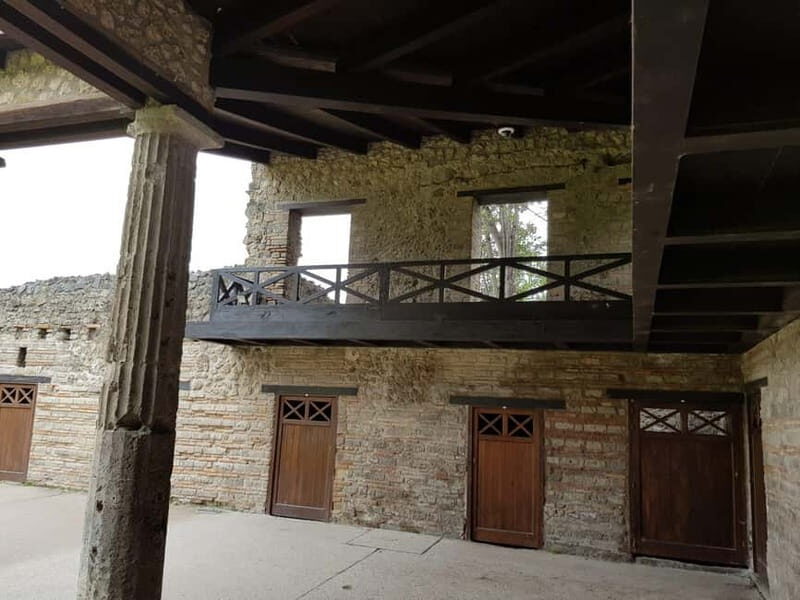
Pompeii’s forum is the best place to start if you want to understand how the city worked socially and politically. Even if you don’t read every inscription, you can feel the forum’s role: this is where civic life happened—public decisions, community interaction, and the daily rhythm of a Roman town.
From there, the amphitheater is a must. It’s the kind of site that makes Roman entertainment tangible. You can stand in the space and imagine the crowd energy—because the structure is still there, shaped for spectacle.
These big anchors are valuable because they give your visit a spine. Without them, it’s easy to feel like you’re wandering through rooms and streets. With them, the rest of the city clicks into place: public life first, then private and commercial spaces around it.
The houses and streets that show everyday Roman life
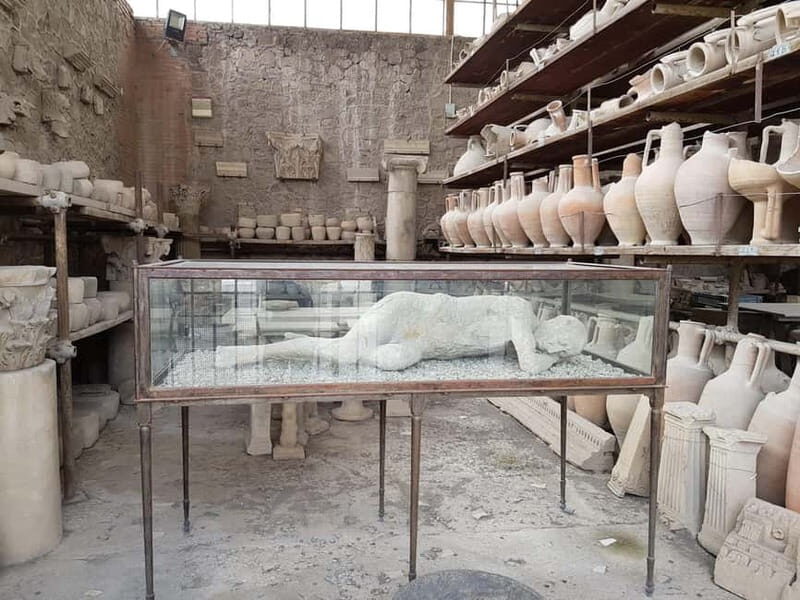
One of my favorite parts of Pompeii experiences is when the route stops treating the city like a museum and starts treating it like a home. This ticket includes visits tied to wealthy residences and everyday infrastructure, so you don’t just see what was important to officials—you see what mattered to regular routines too.
You’ll have time to explore the House of the Vettii, a famous stop that highlights how decoration and status played together in Pompeii. You’ll also visit the Villa of the Mysteries, another standout location known for its interior artwork. If you like frescos and scenes that tell stories, this is the kind of stop where you can spend real time just looking.
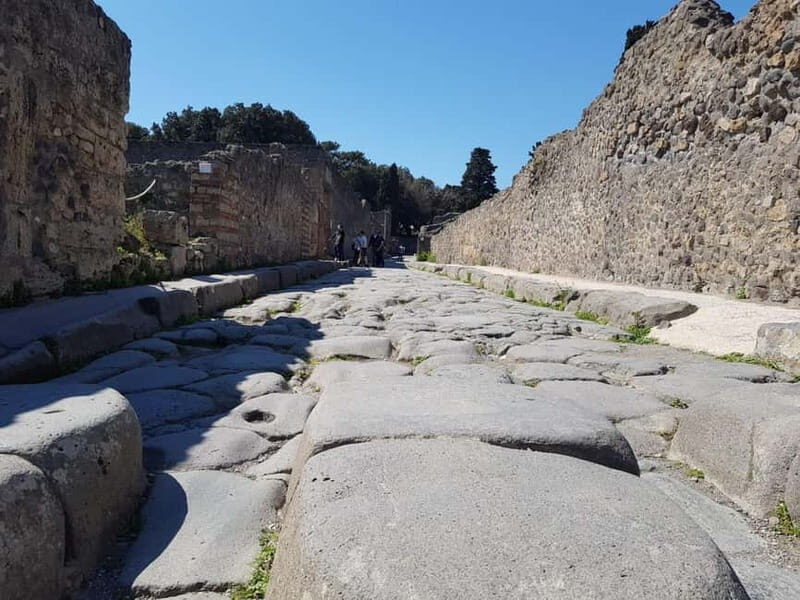
In addition to the grand houses, the experience is designed to show daily life through places like ancient baths, bakeries, and shops. Those stops help you build a mental picture of how people moved through the city: eat, wash, buy, socialize, then return to household spaces. That’s where Pompeii stops being only tragic and becomes fascinatingly practical.
You can also read our reviews of more guided tours in Rome






Baths, bakeries, and shops: where the city starts to feel normal
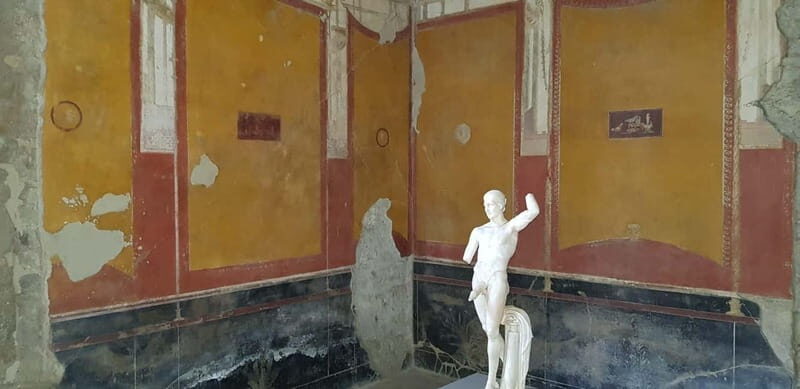
Public buildings are impressive. But the baths, bakeries, and shops are where the city becomes relatable. These are the spaces that answer questions like: How did people get food? Where did they freshen up? What did everyday commerce look like?
Even without going into technical detail, you can read the intention in the layout. Pompeii’s design shows systems built for repeat use—workdays, meal cycles, errands. Seeing these areas as part of a single day helps you connect the dots between the forum and the private homes you’ll later encounter.
This is also a good reminder to manage expectations. You’re not “touring a set.” You’re seeing real structures that once held real routines. That perspective is what turns Pompeii into a memorable day, not just a checklist.
The Villa of the Mysteries and the casts: the emotional center
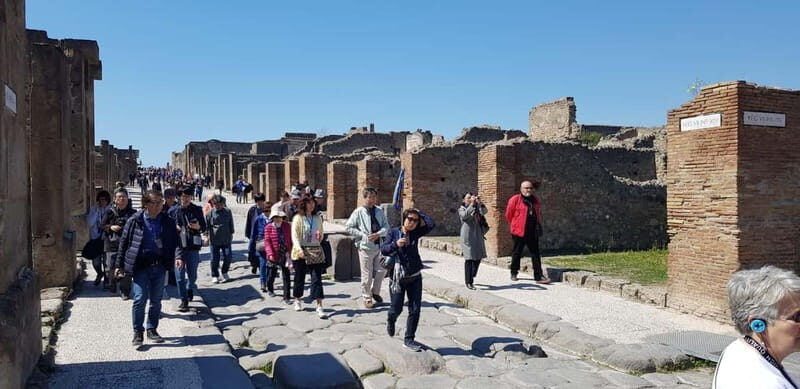
If Pompeii has a turning point, it’s the shift from pretty architecture to human reality. The plaster casts of the victims provide that moment. They’re poignant because they translate an event into bodies and shapes rather than numbers and dates. It’s not uncomfortable in a cheap way—it’s powerful because it asks you to imagine the last moments of ordinary people.
The Villa of the Mysteries sits nearby in tone. It’s not about tragedy; it’s about art and belief and the kind of symbolism you’d find in a household space. When you pair that with the casts, the visit becomes more complete: you see a city with taste, worship, and everyday habits, then you’re faced with the sudden loss that stopped everything.
This combination is one reason the experience earns consistent high marks. People leave feeling like they understood both the culture and the consequence.
Transfers, timing, and how to avoid the usual headaches
This tour is designed to be run rain or shine, unless officials close the monument for safety reasons. That means you should plan for weather that changes fast. Bring layers, expect some outdoor walking, and keep your schedule realistic.
Two practical notes can make or break the day:
- You must be on time. The tour won’t wait for latecomers. If you’re using transfers, arrive early enough to handle any pickup delays.
- Don’t pack bulky. Oversize luggage and large bags aren’t allowed. Also, alcohol and drugs aren’t allowed, and food and drinks aren’t allowed in the vehicle.
Also keep in mind: the experience is listed as not suitable for wheelchair users and not suitable for people with mobility impairments. The ruins involve uneven ground and a lot of walking.
If you know you’ll have trouble with long stretches, consider a slower-paced day elsewhere—or be strategic and bring sturdy shoes and a realistic sense of effort.
Price and value: what you’re really paying for
The listed price is $5.55 per person, which is remarkably low for anything tied to entry into a major site. But here’s how to think about value without getting misled: your total experience depends on what option you select.
- Park entry is included.
- A guided tour is included only if you choose the guided option.
- Round-trip transportation from Rome is included only if you choose the transfers option.
So the value story is this: you’re paying for access to Pompeii, plus the level of help you want while you’re there. If you’re someone who likes structure and context, the guided format can be worth it because it turns “seeing” into “understanding.” If you’re independent and comfortable reading the site at your pace, the audio option keeps your freedom without the added group pacing.
Either way, Pompeii is one of those places where the cost isn’t the main question. The real value is time on site plus how much you leave knowing.
Who this Pompeii experience suits best
This works well if you’re visiting Rome and want a focused day trip to one of Italy’s most meaningful archaeological stops. It’s also a good match for:
- Couples and solo travelers who want an organized plan without feeling dependent on a private guide.
- Families (when kids can handle walking), since a well-paced guide can keep things engaging.
- History lovers who want a mix of big public areas, decorated villas, and the emotional weight of the casts.
It’s less ideal if you need wheelchair access or if long walks and uneven ground are a hard no.
Should you book Pompeii entry with guide and transfers?
I’d book this if you want a clean, low-stress way to see Pompeii’s major highlights—especially if you like the idea of having a guide explain what you’re looking at, or you want the flexibility of an audio option. It’s also a smart choice if transfers from Rome would save you time and reduce the risk of messing up connections.
I’d reconsider if mobility is a concern for you, or if you’re the type who hates strict timing and doesn’t want to worry about being on time (since the tour won’t wait). And because the duration can range widely, double-check the specific start time you’re selecting so the day fits your energy level.
If you do book it, wear good shoes, bring layers, and give yourself permission to slow down at the cast area. That’s where the visit often becomes unforgettable.
FAQ
How long is the Pompeii experience?
The duration is listed as 2 to 12 hours, depending on the starting time you choose. Check availability for the specific schedule.
Does the ticket include entry to Pompeii?
Yes. Pompeii Archaeological Park entry is included.
Is a guided tour included, or do I need to bring my own device?
A guided tour is included only if you select the guided option. There’s also an optional audio guide (English) if you prefer self-guided listening.
Are round-trip transfers from Rome included?
Round-trip transportation from Rome is included if you choose the option that includes transfers. Otherwise, you’ll make your own way to Pompeii.
Will the tour run in bad weather?
The tour runs rain or shine unless officials close the monument for safety reasons.
Is this tour suitable for wheelchair users?
No. It is not suitable for wheelchair users, and it’s also listed as not suitable for people with mobility impairments.