REVIEW · PASTA
Pasta & Tiramisù making in the heart of Rome
Book on GetYourGuide →Operated by iQook Experience · Bookable on GetYourGuide
Fresh pasta and tiramisù, made in Rome.
This cooking class is set in a modern, comfortable space right by Teatro dell’Opera di Roma, and you work on dishes you can actually take home as real skills. Air conditioning helps a lot in the Roman heat, and the whole setup is designed to keep you focused on cooking instead of logistics.
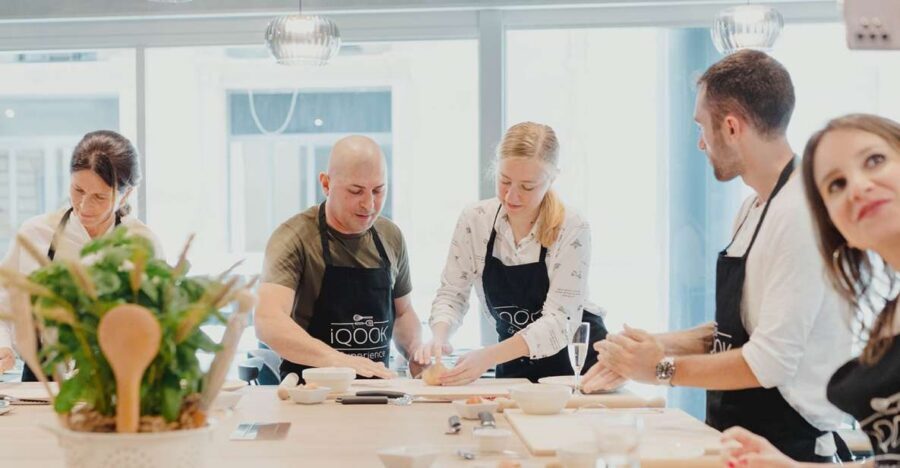
What I like most is the hands-on rhythm of it. You get clear, English-friendly directions and you actively shape and prep the dishes yourself, not just watch a demo. You might also meet standout teachers mentioned in past sessions, like chef Giuseppe or instructors Agnes and Dani, who are known for keeping the vibe friendly and making sure you can follow along.
One thing to consider: it leans more toward the pasta process than building a bunch of complex sauces. If you’re expecting a full sauce-making deep dive, plan around that and focus on the fresh pasta and tiramisù techniques.
In This Review
- Key things that make this class worth your time
- Meeting at iQ Hotel: starting easy near the Opera House
- The A/C comfort that makes cooking classes actually enjoyable
- Fresh pasta in real steps: dough, resting, shaping, and cooking
- Tiramisù: a dessert lesson you can repeat at home
- Wine, Prosecco, and the meal that feels like part of the lesson
- Small-group energy and English guidance that keeps you from getting lost
- The equipment and ingredient side you actually appreciate
- Recipes you can use later, not just admire
- Value check: is $65 per person worth it in Rome?
- Who this pasta and tiramisù class is best for
- Fit it into your Rome day without stress
- Should you book this class?
- FAQ
- How long is the pasta and tiramisù making experience?
- How much does it cost?
- Where do I meet for the class?
- Is the class taught in English?
- Do I make the pasta and tiramisù myself?
- Are drinks included?
- Is there air conditioning?
- Do I get recipes after the class?
- What is the cancellation policy?
Key things that make this class worth your time
- Central location near the Opera House, so it fits neatly into a Rome day
- A/C workstation (yes, it really matters in summer)
- Hands-on pasta and tiramisù rather than just watching
- Prosecco, wine, and soft drinks paired with the meal you create
- Recipes sent after class, so your next try at home is easier
- English instruction with an encouraging teacher approach
Meeting at iQ Hotel: starting easy near the Opera House
You’ll meet at the iQ Hotel’s blue building, on the left side of the Opera House. This is a good setup for two reasons: first, the area is easy to orient yourself in, and second, you don’t waste your short time in Rome on a long hunt for a classroom tucked away somewhere obscure.
From there, the tone is practical and relaxed. You get moving quickly into the cooking without that awkward wait that can happen with some activities. The class runs for 2.5 hours, which is a sweet spot: long enough to learn technique and eat well, short enough that it won’t swallow your evening plans.
And yes, the space is air-conditioned. One of the most practical perks here is that you’re not fighting humidity while you’re trying to roll dough or handle delicate dessert layers.
You can also read our reviews of more tours and experiences in Rome.



The A/C comfort that makes cooking classes actually enjoyable
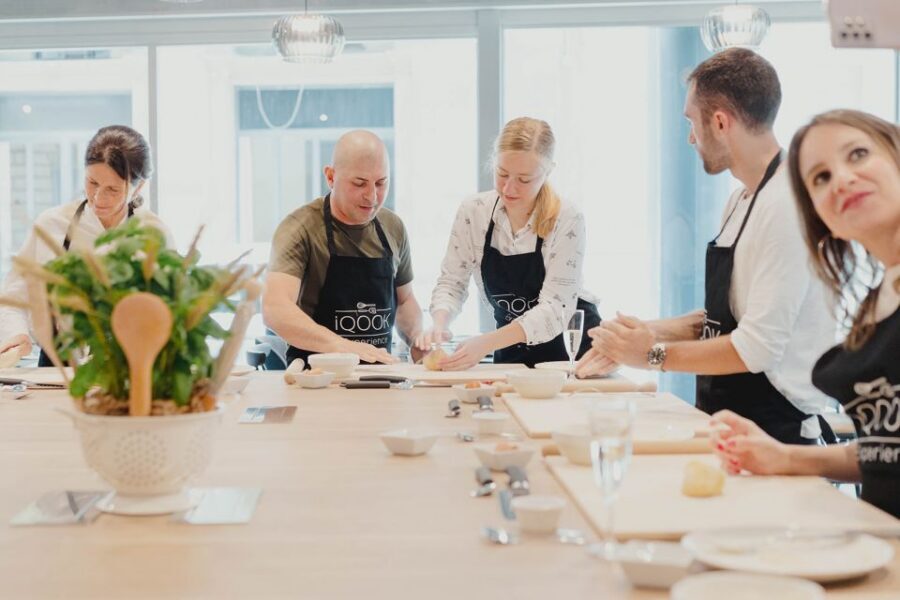
Cooking classes can be sweaty, loud, and tiring. This one is different because the workstation is air-conditioned, which changes the whole experience.
When you’re comfortable, you pay attention. You notice texture and timing. You’re more likely to ask questions and actually remember what the chef says about dough consistency or how to work cleanly at your station. That’s the kind of comfort that turns a fun activity into a skill you can repeat later.
The space is also described as modern and comfortable, so you’re not cooking in a cramped corner with equipment wedged in wherever it fits. That matters because you’ll be actively working, not just observing.
Fresh pasta in real steps: dough, resting, shaping, and cooking
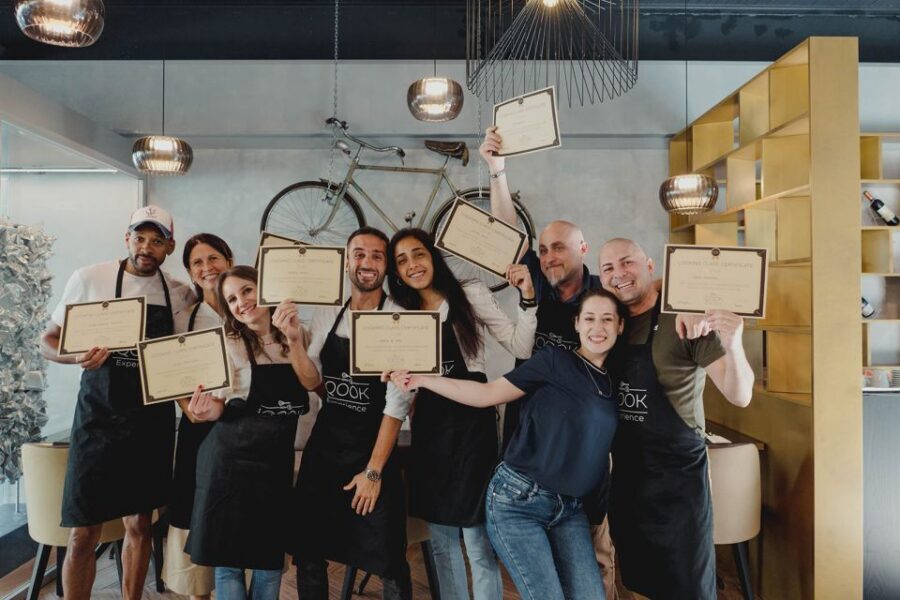
This class centers on Italian specialties with a strong focus on pasta-making. You’re guided through the process so you can see what’s happening while you also do the work.
Here’s the flow that makes it effective:
You start with the pasta dough and get instructions you can follow step by step. Then the dough rests, which is more than a pause. Resting helps the gluten relax and makes the dough easier to roll and shape. It’s one of those behind-the-scenes steps that most home cooks skip, and classes like this are great because you learn why it matters, not just what to do.
After that, you prepare your pasta and shape it. Several past participants highlighted that the class pace feels organized and not rushed. You also have time to participate, which is important because pasta-making is physical. It’s hard to learn from a distance.
When it comes to cooking the pasta you made, you see the process through and connect it to what you did earlier. That full chain, from dough to cooked pasta, is the real value. You leave with a mental map you can reuse when you cook at home.
One note for expectations: the class is very much about pasta technique, and some people mention it focuses more on pasta than on sauce-making. So if your dream is to learn a multi-sauce menu, adjust your mindset. If your goal is fresh pasta skills and a great Italian meal, you’re in the right place.
Tiramisù: a dessert lesson you can repeat at home
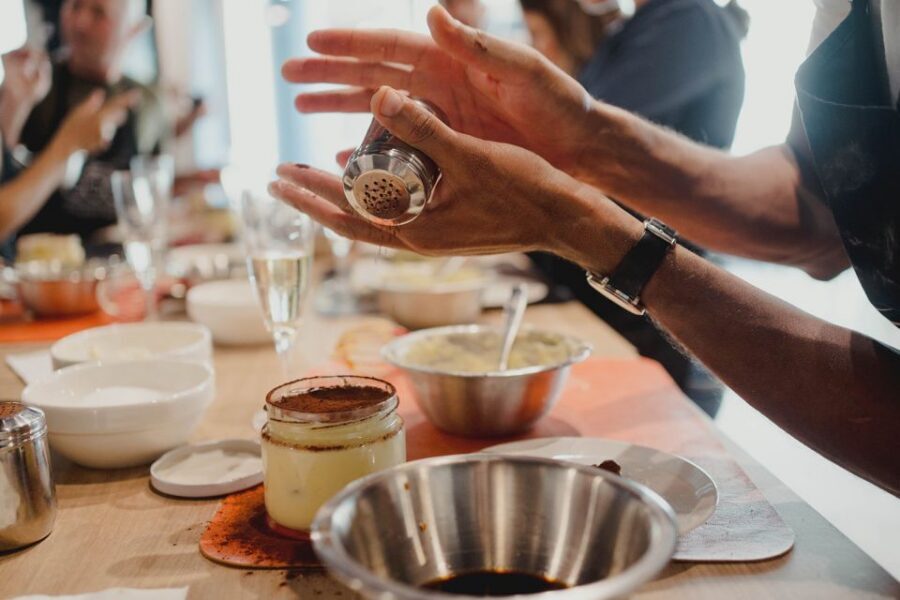
If pasta is the main event, tiramisù is the payoff. You prepare it as part of the class so you get practice with the dessert components and the assembly rhythm.
Tiramisù rewards attention to small details: how you build layers, how you handle soaking elements, and how you keep the texture light. In this class format, you’re not thrown into a home-kitchen chaos situation. You’re coached, so you’re making something you can be proud of at the end.
A big reason people love this class is that tiramisù doesn’t feel like a random dessert that happens while someone else does the real work. It feels like part of the same learning arc as the pasta, just in a different skill lane.
By the time you sit down to eat, you’re not just consuming. You’re tasting your own effort, and that makes the meal land differently.
Wine, Prosecco, and the meal that feels like part of the lesson
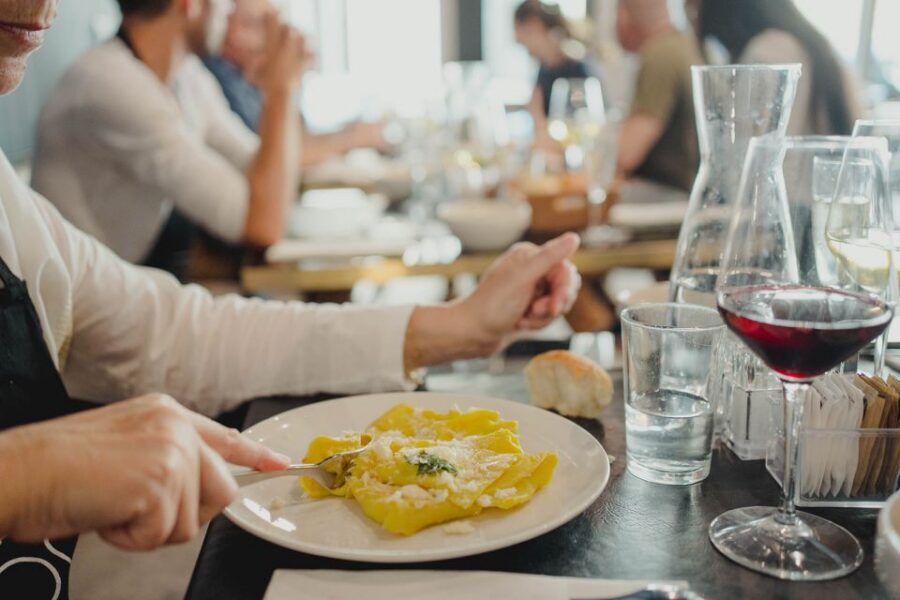
This isn’t a classroom sandwich-and-coffee situation. You’re welcomed with a drink, and the meal is built from what you make.
You’ll have Prosecco, wine, and soft drinks included. That means you can relax while you learn, and it also helps keep the atmosphere social without being forced. Cooking with people works best when the mood is friendly, and the drink offering supports that.
The meal itself is described as a delicious homemade meal, and it’s paired with the included drinks. Some people also mention additions like bread, coffee, and lemoncello alongside the meal. Those extras aren’t something I’d count on for every session, but the overall point is clear: this class is designed so you finish by eating what you made, not just leaving with recipes and good intentions.
And because the class is 2.5 hours, the meal isn’t an afterthought. It fits naturally into the flow, giving you a reason to slow down and enjoy what you created.



Small-group energy and English guidance that keeps you from getting lost
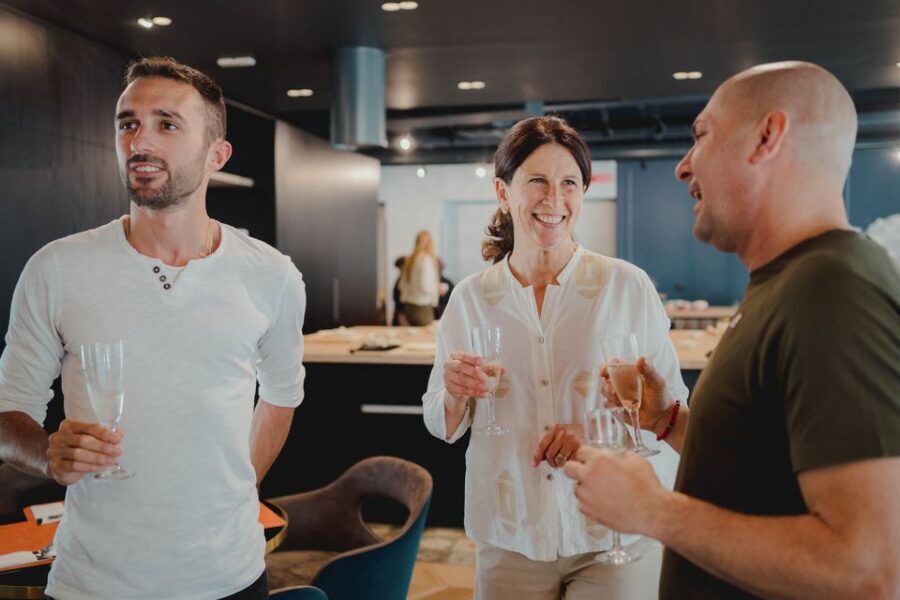
A cooking class only works if you can follow the instructions. This one runs with an English instructor, and multiple past participants praised the clarity and encouragement.
What you want from a teacher is simple:
- give directions you can act on
- explain the trick behind the action
- keep everyone participating
This class is set up for that. Past sessions highlight instructors who encourage the group to join in and answer questions in a detailed, friendly way. Some also mention specific tips and little tricks that helped them get better results without overthinking it.
Group size is also mentioned as a good size. That balance matters. Too small and you don’t get the social energy. Too big and you can’t get help at your station. The way people describe it suggests you’re not left standing alone wondering if you did it right.
The equipment and ingredient side you actually appreciate
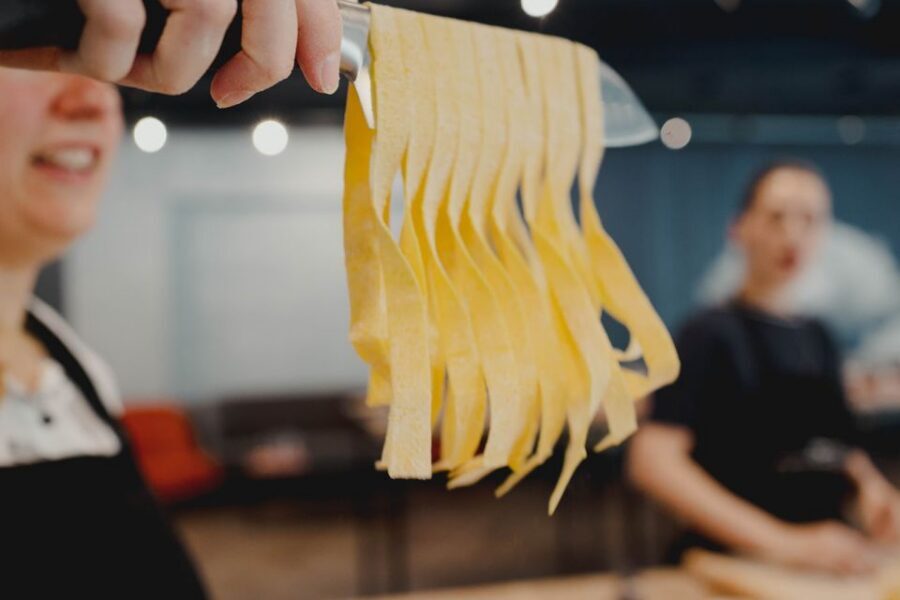
Fresh ingredients and equipment are included, so you don’t show up to improvise. That’s important because pasta dough and dessert assembly rely on the basics being right: correct ingredients, clean tools, and a working station.
Another underrated factor is that you’re cooking in a dedicated setup rather than in a random corner of a building. That means less waiting for utensils, fewer distractions, and more time to focus on technique.
And you have guidance from the chef throughout, which reduces the guesswork. In a class like this, you learn faster when the chef can correct small problems early, like dough texture or how you handle the shaping stage.
Recipes you can use later, not just admire
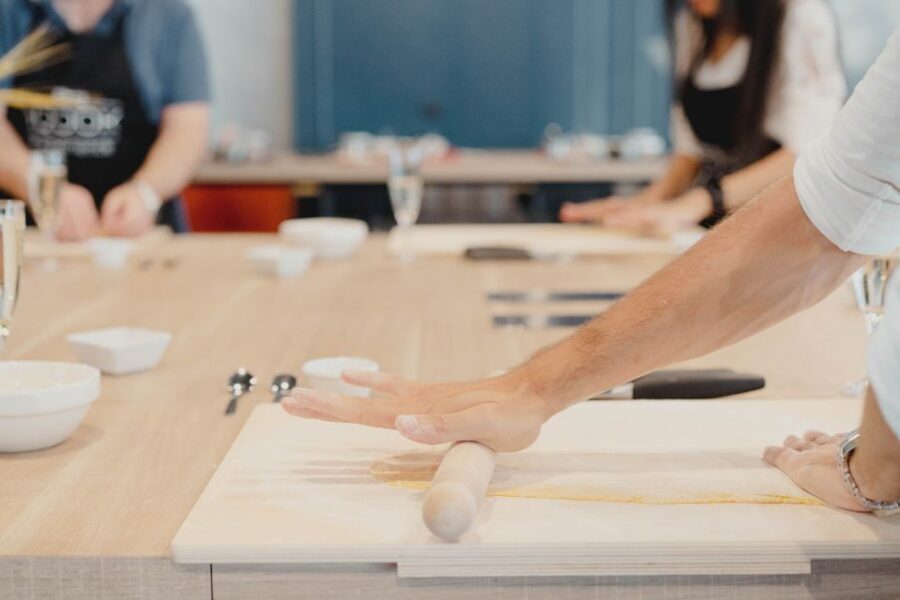
One of the best take-home benefits is that you receive the recipes after the class. That’s a huge deal for value, because the hardest part about cooking at home after a class is remembering exact steps.
With recipes emailed after, you’re not relying on memory alone. You can re-check ingredient lists, repeat the order of steps, and rebuild the method instead of hoping it comes back to you.
This matters most for pasta because small technical differences can change how dough behaves. When you have a written guide, you can refine your results on the second try, not just admire your success for one night.
Value check: is $65 per person worth it in Rome?
At $65 per person for a 2.5-hour class, this feels like a good deal when you compare it to what you typically pay for a single meal in central Rome plus a cooking experience on top.
Here’s the value breakdown that makes it work:
- You’re paying for a guided learning experience, not just a restaurant meal
- Ingredients and equipment are included
- You get Prosecco, wine, and soft drinks as part of the experience
- You eat a meal you created
- You get recipes sent after class
In other words, you’re paying for multiple components: skill-building, food, and atmosphere. If you’re the kind of traveler who likes hands-on activities more than museum hours, this is priced like something you’ll remember longer than a typical dinner.
And the A/C comfort is a hidden value add. In summer, it’s the difference between enjoying the experience and doing it while counting minutes.
Who this pasta and tiramisù class is best for
I’d put this class at the top of your list if you:
- want a fun, social Rome activity that doesn’t require advanced cooking skills
- enjoy learning by doing, especially with pasta
- want an English-friendly class with clear instruction
- like structured experiences that still feel relaxed and welcoming
- want a memorable food moment that doubles as a real skill
It also fits well if you’re traveling with friends. People mention going with college friends and having a blast, and the format supports that. You’re busy enough to feel productive, but social enough that you’re chatting and laughing while you work.
If you’re a hardcore sauce specialist, or you expect a long, sauce-focused lesson, adjust your expectations. This class is more about getting the pasta and tiramisù techniques down, then enjoying them together at the table.
Fit it into your Rome day without stress
Because the meeting point is near the Opera House and the class duration is 2.5 hours, you can build it into a day with minimal friction.
A helpful strategy: schedule it after you’ve walked around for a few hours. Cooking afterward becomes the reward. But don’t plan it so late that you’ll feel rushed getting there and then rushing again to dinner. You want time to enjoy the meal you make.
Also, bring a mindset of learning, not performance. If you accept that your first attempt won’t be identical to an Italian nonna’s best day, you’ll enjoy the process more—and you’ll still leave with techniques you can repeat.
Should you book this class?
I think it’s an easy yes if you want hands-on pasta and tiramisù in a comfortable, central Rome setting. The mix of A/C comfort, friendly English instruction, drinks, and a meal you actually made makes it feel like more than a typical food tour.
Skip it only if your main goal is sauce mastery, or if you want a very formal, culinary-school style lecture. For everyone else, this is a practical way to spend a couple of hours in Rome: you learn, you eat well, and you take home recipes you can use again.
FAQ
How long is the pasta and tiramisù making experience?
The class runs for 2.5 hours.
How much does it cost?
The price is $65 per person.
Where do I meet for the class?
Meet at iQ Hotel’s blue building on the left side of the Opera House.
Is the class taught in English?
Yes, instruction is in English.
Do I make the pasta and tiramisù myself?
You prepare your own pasta and tiramisù, with guidance from a chef.
Are drinks included?
Yes. Prosecco, wine, and soft drinks are included.
Is there air conditioning?
Yes. The workstations are described as air-conditioned.
Do I get recipes after the class?
Yes. Recipes are sent after the class.
What is the cancellation policy?
You can cancel up to 24 hours in advance for a full refund.