REVIEW · 2-HOUR EXPERIENCES
Palazzo Barberini: 2-Hour Private Tour
Book on GetYourGuide →Operated by Rome Guides · Bookable on GetYourGuide
Baroque Rome hides in plain sight. This 2-hour private tour at Palazzo Barberini turns big-name Italian art into a story you can actually follow, from the Middle Ages through Baroque. I like the way the guide connects religious and political shifts to the art styles you see on the walls, so it feels less like random masterpieces and more like a timeline you understand.
You’ll spend the walk admiring anchor works such as Raphael’s La Fornarina, major artists like Titian and Caravaggio, and the ceiling by Pietro da Cortona. One consideration: it runs rain or shine, and it’s not suitable for wheelchair users and people with mobility impairments, so wear shoes you trust and plan for walking.
In This Review
- Key things that make this tour worth your time
- Why Palazzo Barberini is a smart pick for art history
- A tight two hours that still feels complete
- Middle Ages to Baroque: how the story is built
- Raphael’s La Fornarina: more than a famous name
- Caravaggio and the cursed painter story
- Pietro da Cortona’s ceiling: where Baroque becomes real
- Wrapping up at Piazza Navona, the Baroque postcard with a purpose
- Price and value: is $135.94 per person fair?
- Who this tour fits best
- Practical tips so your visit runs smoothly
- Should you book this Palazzo Barberini private tour?
- FAQ
- How long is the Palazzo Barberini private tour?
- What’s included in the tour price?
- Does the tour include hotel pickup or drop-off?
- Where do I meet the guide?
- What time should I arrive?
- What languages are offered?
- Does the tour run in bad weather?
- Is the tour suitable for wheelchair users?
- What should I bring?
- Are luggage or large bags allowed?
Key things that make this tour worth your time
- Raphael’s La Fornarina: a focal point that anchors the story, not just a quick glance.
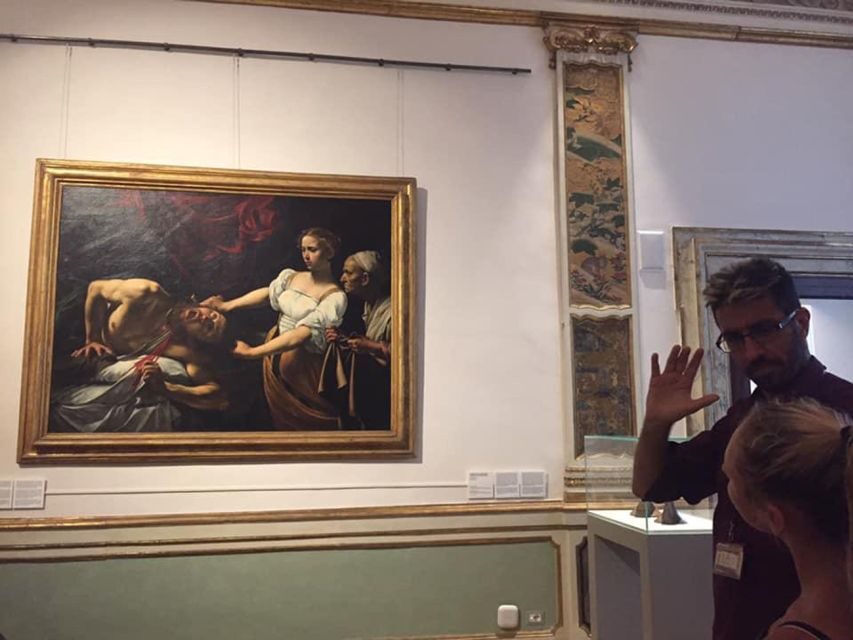
- Caravaggio’s backstory: learn why he’s often called the cursed painter and how that affected what you see.
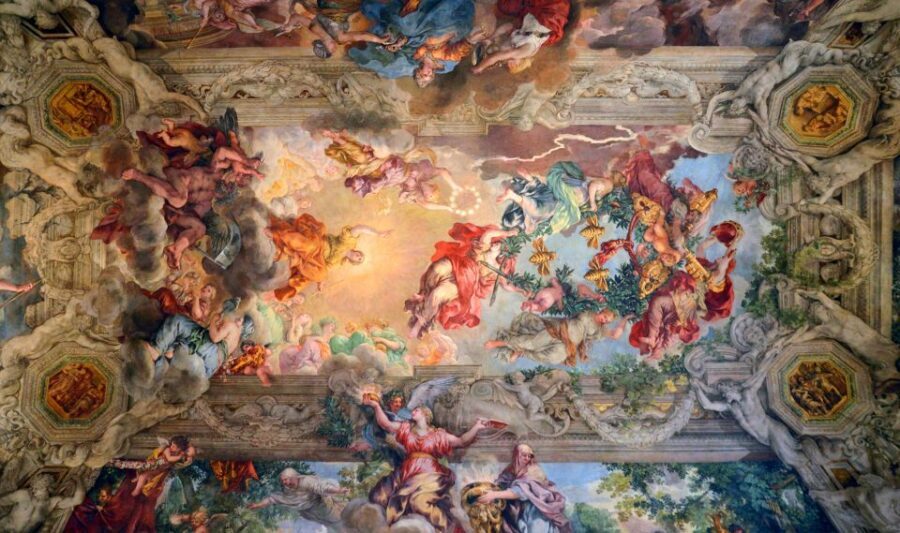
- Baroque theater in the flesh: Pietro da Cortona’s ceiling is built for wow, and you get context for it.
- Art history with a reason: the guide ties changes in religion and politics to shifts in style.
- Finish at Piazza Navona: you end where Baroque Rome still shows off its drama.
Why Palazzo Barberini is a smart pick for art history
Palazzo Barberini is a top Rome setting for this kind of tour because it does not feel like a cold, warehouse-style museum experience. The building and its galleries help you “read” the movement of Italian art over time, and the guide keeps it chronological, starting with the Middle Ages and moving toward the Baroque.
What makes this experience especially practical is the way it’s framed. You are not just looking at names. You’re learning why those names mattered, and what was going on when the art was made. That context matters in Rome, because so much of what you’re seeing is tied to power, faith, and public image. When the guide explains those links, the art stops being a list and becomes cause-and-effect.
Also, you get a private group format. In a two-hour window, that can be a big deal. You’re more likely to ask questions and get answers that fit your pace, rather than waiting for the slowest member of a larger group.
You can also read our reviews of more private tours in Rome
A tight two hours that still feels complete
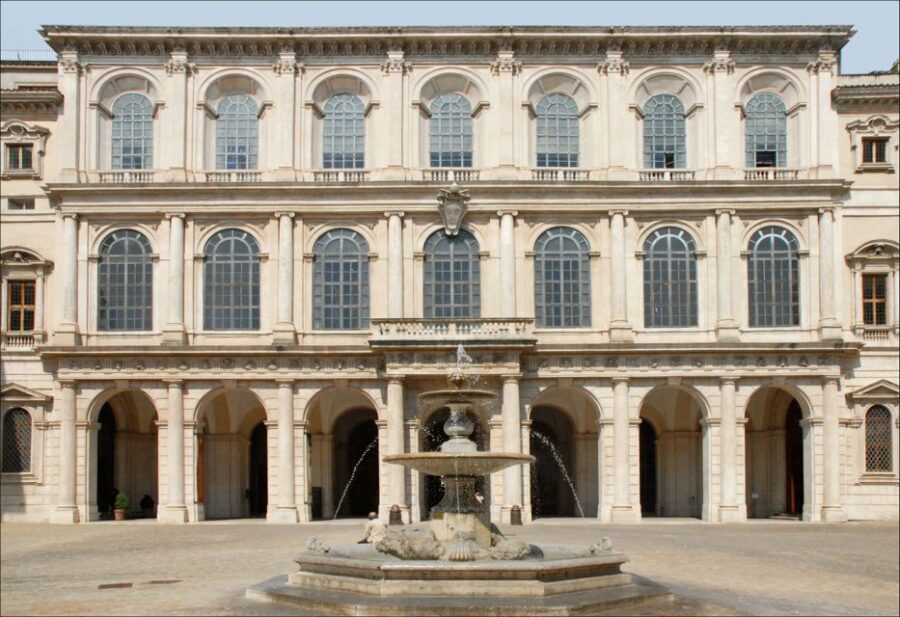
This tour is designed to be efficient without feeling rushed. Two hours sounds short until you remember what art history normally costs you in time: getting oriented, figuring out what’s important, and standing there without a plan. Here, the guide does the planning for you. You start by meeting the guide near the museum entrance in the courtyard with a sign, and you’re expected to arrive about 15 minutes early. That buffer helps you settle in before the tour starts.
You’ll also appreciate what’s included. The price covers entry tickets and a guide, so you’re not juggling extra purchases or hunting for paperwork mid-visit. And because the tour ends back at the same meeting point, you can smoothly connect to the rest of your day in Rome.
One small reality check: it’s not set up for people who need step-free access. The activity is not suitable for people with mobility impairments and wheelchair users. If that applies to you, you’ll want to look for a different format.
Middle Ages to Baroque: how the story is built
The spine of the tour is the shift in style from the Middle Ages into later Italian art, then onward to Baroque. You’ll move through the experience as a chain of changes—religion, politics, and artistic preferences—rather than as separate rooms of unrelated paintings.
In plain terms, the guide helps you see the big pattern:
- Earlier styles tend to emphasize order, symbolism, and religious meaning.
- Later styles lean harder into drama, emotion, and theatrical effects, which is exactly what you see as the tour moves toward Baroque.
That’s why the tour description promises more than sightseeing. The “secrets” and “history” angle is really about interpretation: how to read what you’re seeing so it makes sense. If you’ve ever stood in a gallery and wondered why one piece feels calm while another feels like it’s acting, this tour format is built to answer that.
This is also where artists like Raphael and Titian fit naturally. They become examples of how tastes and expectations changed over time, not just famous names you recognize on sight. And because the guide ties those shifts to the world around the artists, your memory of what you saw sticks better.
Raphael’s La Fornarina: more than a famous name
Raphael’s La Fornarina is one of the tour’s headline highlights, and it’s a good choice. People often know Raphael by reputation. A good tour makes you understand why the work still grabs attention centuries later.
Here, the value is in the guide’s storytelling. You’re not just looking at the painting. You’re hearing it explained in terms that connect to the era’s tastes and messages. That matters because Raphael is easy to appreciate visually, but harder to interpret without context.
On a private art walk, you also get time to slow down. You can spend a little longer on the details the guide points out, and you’re not stuck rushing to meet the next group.
If you care about art that feels human and immediate, La Fornarina is one of those works that can make the rest of the tour click. You end up learning the larger “why” behind the next artist you see, rather than treating each stop like a separate trivia question.
Caravaggio and the cursed painter story
Caravaggio is famous for two things that work perfectly in a guided experience: the intensity of his art and the personality legend that surrounds him. This tour leans into that. You’ll hear about Caravaggio—often referred to as the so-called cursed painter—and how his reputation helps explain what you’re looking at.
Even if you think you already know Caravaggio, this kind of guided framing can change your viewing. Without context, his work can feel like shock value. With context, you start noticing the choices: dramatic lighting, sharp realism, and the emotional weight of the scene.
The best part is that the tour doesn’t treat Caravaggio as a standalone rebel. The guide places him inside the broader shifts leading toward Baroque. That connection helps you see how the art world moved from earlier approaches to later ones that favored bold storytelling and strong emotional impact.
And because you’ll also hear about other masters such as El Greco and Guido Reni, Caravaggio becomes part of a wider network of artists shaping what came next. It’s not just one spotlight. It’s a web.
You can also read our reviews of more tours and experiences in Rome



Pietro da Cortona’s ceiling: where Baroque becomes real
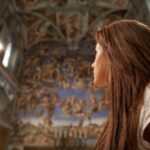
If there’s a “wait for it” moment in this tour, it’s the magnificent ceiling by Pietro da Cortona. Baroque ceilings are special because you don’t just look at them—you experience the illusion. They’re built to pull your attention upward and make the space feel bigger or more alive than it is.
What you’ll appreciate on this tour is that the ceiling isn’t treated like a random masterpiece moment. It’s described as a famous example of Baroque Style of Rome. That phrase matters because Baroque has a look and a purpose. It’s meant to persuade, impress, and move you.
From a practical point of view, a ceiling is also a test of patience. Standing still, craning your neck, and trying to understand what you’re seeing can be tiring without guidance. The guide helps you connect visual elements to the Baroque goal: drama, clarity, and emotional storytelling.
If you’re the kind of person who wants to know why something is impressive, not just that it is, you’ll likely come away feeling like the ceiling made sense, not just that it looked pretty from below.
Wrapping up at Piazza Navona, the Baroque postcard with a purpose
At the end of the tour, you stroll to Piazza Navona, which the experience highlights as the symbol of the Baroque Style of Rome. This finish is smart because you leave with a “memory hook.” You can compare the Baroque drama you just learned about in the building to the street-level drama of Rome’s public spaces.
Piazza Navona is the kind of place where architecture and layout feel like performance. Baroque art was never only for private devotion or palace walls; it was also about public presence. Ending here helps your brain transfer the ideas from the galleries to the city itself.
It’s also a practical wrap-up. When your tour ends back at the meeting point, you’re not left stranded far away from other sights and your next plans. You can use the momentum of the Baroque theme to guide where you wander next.
Price and value: is $135.94 per person fair?
The price is listed at $135.94 per person for a 2-hour private tour. Is that expensive? In Rome terms, it’s not surprising for a private, guide-led experience with entry tickets included. You’re paying for three things at once:
- A guide who explains the art history and the “why” behind the artists
- Entry tickets included up front
- A private group format, which tends to be more flexible and more personal than group tours
Where value shows up is in time. If you were to DIY this visit, you’d spend time locating what to prioritize, then you’d still need context to connect Middle Ages style to Baroque style and to make sense of why Raphael, Titian, Caravaggio, and others fit together.
One trade-off: hotel pickup and drop-off are not included. So you’ll want to plan how you’ll get there on your own. If you’re staying central, that’s usually easy, but it’s worth budgeting time to arrive 15 minutes early.
If you’re traveling with a small group or you know you’ll enjoy guided storytelling, the private format can make the price feel more reasonable. If you just want to walk through at your own pace with no interpretation, you might find a self-guided visit cheaper. But if your goal is to actually understand what you see in two hours, this price is anchored to that outcome.
Who this tour fits best
I think this tour fits best if you want art history that feels organized and explained, not just a photo stop.
You’ll likely enjoy it if you:
- Like big names but want the context behind them (Raphael, Titian, Caravaggio)
- Want to understand the shift into Baroque rather than memorize dates
- Prefer a private guide who can set the pace for you
- Are okay with a couple hours of walking and standing, including looking up at a ceiling
You’ll want to skip or research alternatives if:
- You use a wheelchair or need accessibility accommodations, since it’s not suitable for wheelchair users
- You’re planning to bring luggage or large bags, since those are not allowed
Practical tips so your visit runs smoothly
A few small choices can make a big difference on a tour like this.
- Bring a small day bag. Luggage or large bags are not allowed, so keep it light.
- If children are joining, bring a passport or ID card for children.
- Dress for weather. It takes place rain or shine, so bring a rain layer even if the forecast looks friendly.
- Plan your arrival. The guide waits in the museum courtyard holding a sign with the tour name. Arrive about 15 minutes early so you don’t start the tour flustered.
Also, because languages are English and Italian, check which language your guide will be using. If you speak both, you might still find one language easier for art terms and interpretive explanations.
Should you book this Palazzo Barberini private tour?
Book it if you want a guided art history sprint that makes the Middle Ages to Baroque shift feel logical, not random. The inclusion of entry tickets, a private group setup, and the focus on anchor works like La Fornarina, Caravaggio, and Pietro da Cortona’s ceiling are strong reasons to choose it over a casual walk.
Skip it if you need wheelchair-friendly access or if you already prefer self-guided museum time with minimal explanation. In that case, you can probably find cheaper options.
My final take: for two hours, this is a focused way to connect Rome’s art to the world that produced it, and then carry that understanding right out into Piazza Navona.
FAQ
How long is the Palazzo Barberini private tour?
It lasts 2 hours.
What’s included in the tour price?
The tour includes entry tickets, a guide, and the private tour itself.
Does the tour include hotel pickup or drop-off?
No. Hotel pickup and drop-off are not included.
Where do I meet the guide?
Meet the guide in front of the museum entrance area in the courtyard, where the guide waits holding a sign with the name of the tour.
What time should I arrive?
Arrive 15 minutes before the activity starts.
What languages are offered?
The live guide is available in English and Italian.
Does the tour run in bad weather?
Yes. This tour takes place rain or shine.
Is the tour suitable for wheelchair users?
No. It is not suitable for wheelchair users and not suitable for people with mobility impairments.
What should I bring?
Bring passport or ID card for children (if applicable).
Are luggage or large bags allowed?
No. Luggage or large bags are not allowed.