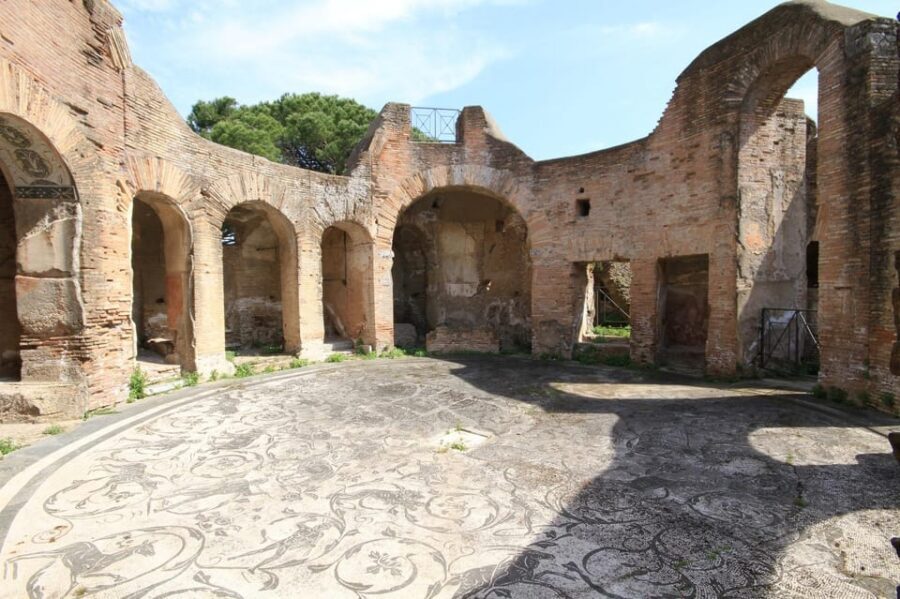
A real working city feels different. Ostia Antica is Rome’s port world, and it’s close enough that you can do it without a full-day slog. You’ll walk through impressively preserved streets and apartment blocks, then see the big-ticket sights like the baths and amphitheater.
I especially love how the ruins get explained with a sense of fun. Guides such as Sean, Janelle, and Mike bring Roman life to the surface with sharp stories and humor, not just dates and stone names.
One heads-up: there’s a moderate amount of walking over uneven ground, and it is not set up for mobility impairments or wheelchair users.
In This Review
- Key highlights to know before you go
- Ostia Antica vs Pompeii: why this port-town is worth your time
- Getting there from Rome: Piramide Metro to the Mediterranean
- The English guide matters more than you think
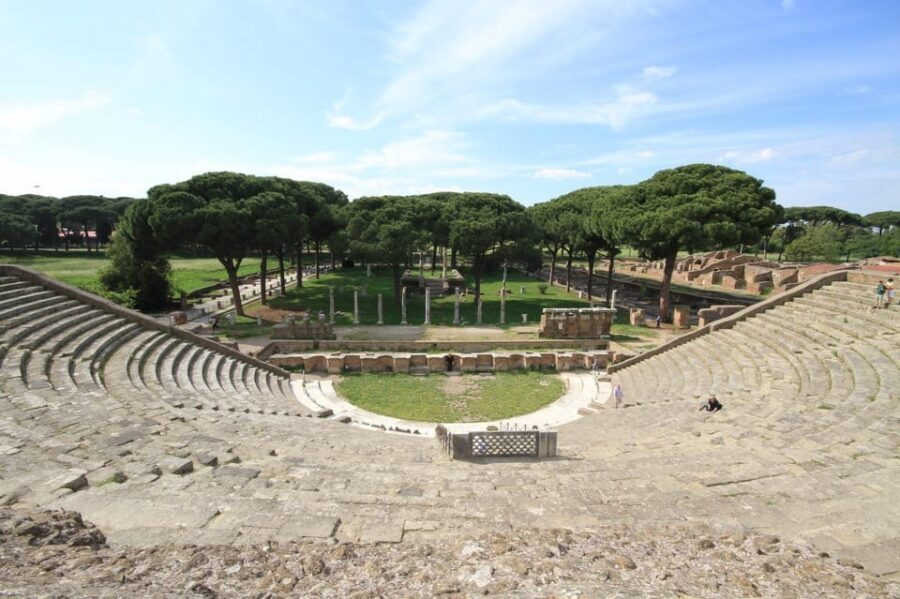
- Walking the ruins: baths, amphitheater, Mithraic temples, and daily life
- The baths: where leisure tells you a lot
- The amphitheater: more than a show
- Mithraic temples and strange religious corners
- The forum and temple cluster: civic life in stone
- Apartment complexes and a bygone restaurant
- A practical note on comfort and pace
- Timing the tour so you still enjoy food, shade, and the seaside
- Value for money: what $68 covers (and why it can save you effort)
- Who this tour fits best (and where it won’t)
- Should you book this Ostia Antica guided tour with transfer?
- FAQ
- FAQ
- How long is the Ostia Antica guided tour with transfer?
- Where do I meet the guide in Rome?
- Is the tour guided in English?
- Does the price include transportation and site entry?
- Do I need to buy tickets on-site?
- Are food and drinks included?
- How much walking is involved?
- Can I stay and explore Ostia Antica after the guided portion ends?
- Is it suitable for wheelchair users or limited mobility?
- Can I swim at Ostia Beach after the tour?
Key highlights to know before you go
- Small-group feel that helps you enjoy the site instead of just fighting crowds
- English mother-tongue guidance with humor and memorable, story-driven explanations
- Two-and-a-half hours on-site focused on the best remains, including baths and an amphitheater
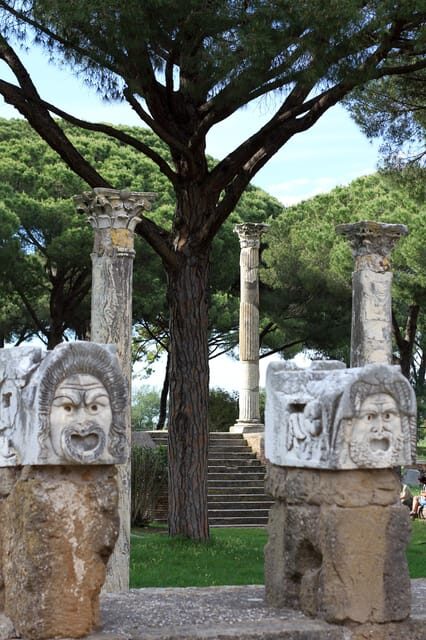
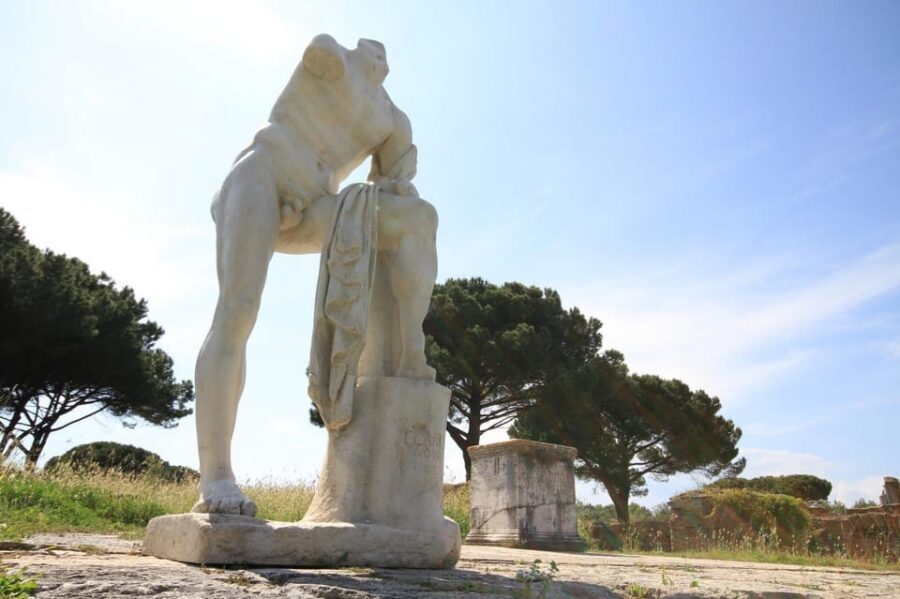
- Mithraic temples and forum temples that show Ostia’s religious side beyond the obvious ruins
- Easy add-on after the tour: grab food at the on-site Caffe or hop toward Ostia Beach for a swim
Ostia Antica vs Pompeii: why this port-town is worth your time
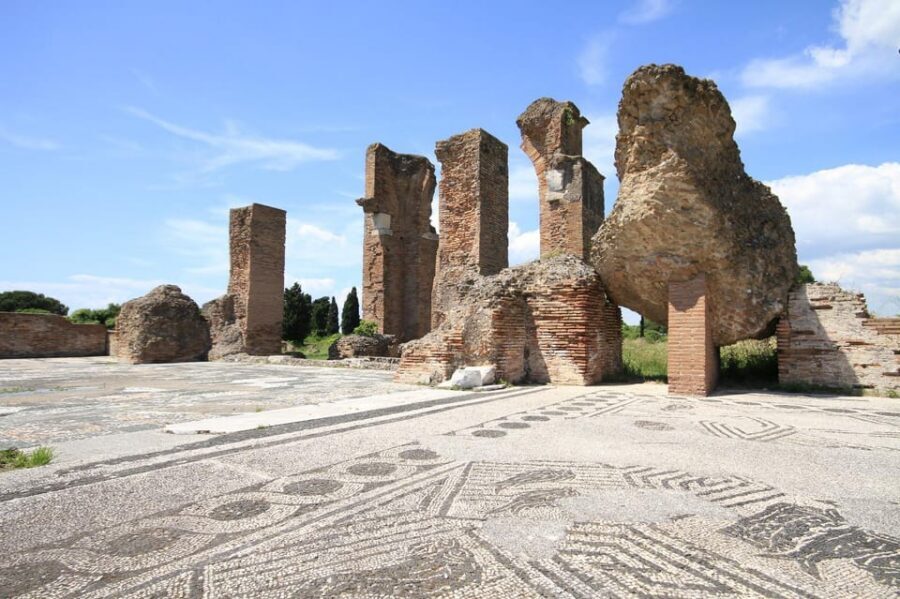
If you’re choosing between Ostia Antica and Pompeii, this tour pushes you toward the experience that feels more like a real place people actually lived in. Ostia is much easier to reach from Rome, and the visit time stays comfortable rather than turning into a long travel day.
I also like that Ostia tells a different story than the famous volcanic disaster town. This is a working-class port city, tied to Rome’s shipping and daily economy, so the buildings feel built for routines, not just spectacle.
There’s another angle that matters if you’re the practical type: getting there is simpler. A shorter route means less total travel strain, and since Ostia tends to feel less crowded, your visit often comes with a calmer rhythm.
You can also read our reviews of more guided tours in Rome



Getting there from Rome: Piramide Metro to the Mediterranean
The tour starts at Caffè Piramide, right in front of the café under the BAR T sign next to Piramide Metro Station. That meeting setup is straightforward, and it puts you in the right place to catch the train without guesswork.
From there, you ride about 25 minutes by train toward the coast. It’s not a dramatic commute, which is exactly why this works: you spend your energy on the ruins, not on logistics.
On the way, your English guide sets the context with the local geography and how Ostia functioned as Rome’s port. You also get the historic background leading into Ostia’s growth in the Imperial era, so when you arrive, the buildings feel like they belong to a living system rather than random stone piles.
The English guide matters more than you think
This isn’t a silent-walk-with-a-headset kind of tour. You get an English mother-tongue guide, and the delivery is part of the appeal. The guides mentioned for this experience have a reputation for humor and storytelling, like Sean bringing the life-and-times vibe and Mike acting like a walking guide book with a fun edge.
That tone changes the way you move through the site. Instead of treating each room as a separate photo stop, you start connecting daily behavior to what you’re seeing: where people gathered, how they ate, how they relaxed, and how beliefs shaped public space.
It also helps that the group experience often stays small. Less crowd pressure means you can pause when something clicks, not just speed-walk to beat other groups.
Walking the ruins: baths, amphitheater, Mithraic temples, and daily life
You’ll spend about 2.5 hours exploring Ostia Antica with your guide, which is a smart length for a site like this. It’s long enough to get real context, yet short enough to avoid turning the day into fatigue management.
The baths: where leisure tells you a lot
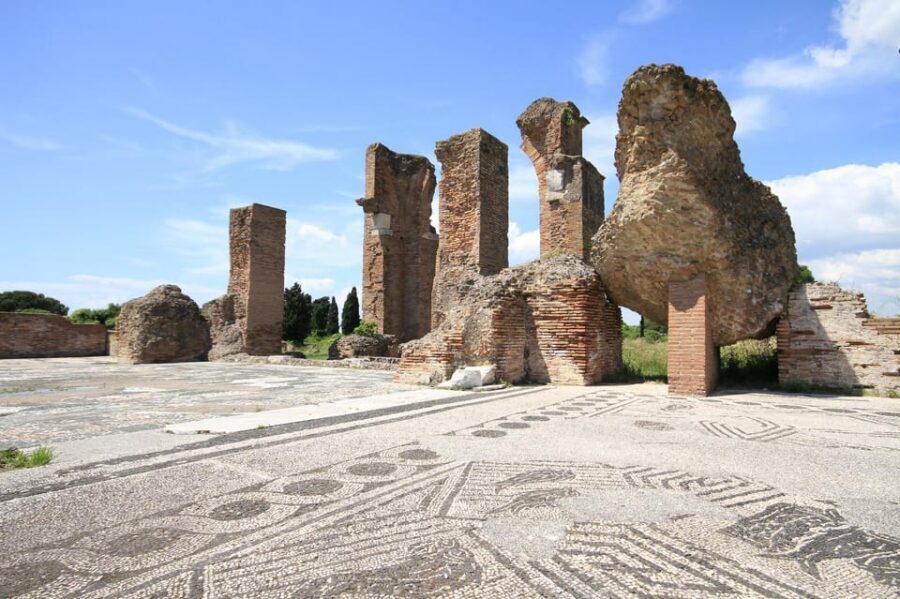
The baths are one of the big attractions for a reason. In a Roman city, bathing wasn’t only about cleanliness, it was social time. In Ostia, you can see how the space supports that rhythm, and your guide helps you read the layout instead of just admiring it.
You can also read our reviews of more city tours in Rome





The amphitheater: more than a show
Next up is the amphitheater, where entertainment and public life overlap. This is the kind of monument that can feel generic if you only see the structure. With a guide’s explanation, it becomes easier to picture the crowd flow and the role of events in a working port town.
Mithraic temples and strange religious corners
Ostia is also known for its religious sites, including Mithraic temples. Your tour doesn’t just point them out; it connects them to belief systems and how religious cults shaped community identity.
That part is especially satisfying if you like Rome as more than emperors and wars. You’re seeing how ordinary people organized meaning, and the guide’s commentary helps it all make sense without feeling forced.
The forum and temple cluster: civic life in stone
You’ll also cover the forum with temples, which helps you understand what public authority looked like in a working city. Forums weren’t abstract political concepts; they were where daily social and economic life braided together.
Apartment complexes and a bygone restaurant
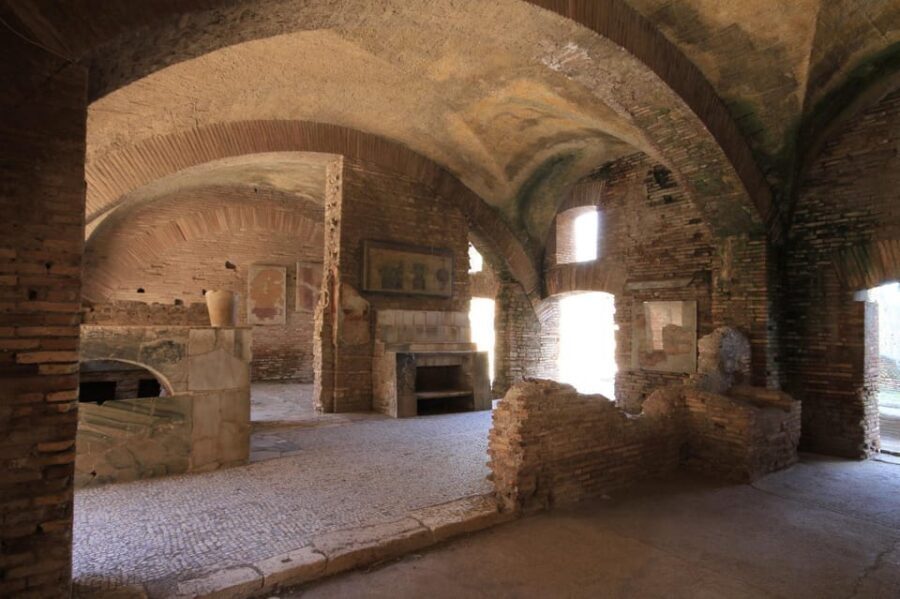
One of the most interesting parts is moving through residential areas—those 2000-year-old apartment complexes that make you realize this wasn’t a ghost town. Your guide also highlights a bygone restaurant, which is one of those details that makes Ostia feel human.
When you learn about the routines implied by spaces like these, the ruins stop feeling like museum exhibits and start feeling like a city.
A practical note on comfort and pace
Expect uneven paths and real walking. Wear comfortable shoes and bring water because the site can feel exposed in parts. If you want photos, you’ll likely pause a lot, so plan on moving at a steady pace rather than rushing through.
Timing the tour so you still enjoy food, shade, and the seaside
What I like about this tour plan is that it doesn’t box you in. You’re guided for the main highlights, but you can keep going after the tour ends if you want extra time.
There’s an on-site Caffe option for when you want a simple meal without chasing a plan. If you prefer something quieter, bringing a picnic is easy, and it pairs well with Ostia’s “wander and pause” feeling.
And if you want the coastal break, you can take the train a few more stops toward Ostia Beach. The idea is simple: a swim, a cooler breeze, and then lunch and shops in a more modern setting. That’s a great way to balance ancient stones with real down time.
Value for money: what $68 covers (and why it can save you effort)
At $68 per person, you’re paying for more than a guide. The tour includes round-trip train tickets from Rome, entrance tickets to Ostia Antica, and a live English tour guide. It also includes skip-the-ticket-line, which helps you start sightseeing without annoying waits.
If you were to DIY it, you’d usually handle train tickets, site entry, and at least some form of guided interpretation yourself. Here, the interpretation is built in, and that’s the part that often makes or breaks a ruins visit.
Three-and-a-half hours is also a sensible commitment. You get real structure and coverage without consuming your whole day.
Who this tour fits best (and where it won’t)
This is ideal if you want Roman history that feels like daily life. If you like the idea of Ostia as a working port city—less about theatrical disaster drama and more about routine and community—this fits your taste.
It’s also a good match if you prefer your history with humor and clear storytelling. The guides associated with this tour style the experience so you’re learning without feeling like you’re trapped in a lecture.
On the other hand, this tour is not suitable if you need wheelchair access or mobility support. And if you hate walking, you should think twice, because the site requires comfortable shoes and steady steps.
Should you book this Ostia Antica guided tour with transfer?
If you want an easy win from Rome—train ride, guided ruins, then flexibility—I’d say book it. The combination of English mother-tongue guidance, skip-the-line entry, and time on the most meaningful remains makes this feel efficient in the best way.
Choose it especially if you’re trying to avoid big crowds and still get the wow factor of Roman architecture. Ostia’s closeness to Rome is the real advantage, and the tour uses that closeness to give you a satisfying visit without a full-day commitment.
Skip it only if walking is a deal-breaker for you or if you’re looking for an ultra-deep, slow archaeology seminar. This is built for seeing the highlights and understanding what you’re looking at quickly and clearly.
FAQ
FAQ
How long is the Ostia Antica guided tour with transfer?
The total duration is about 3.5 hours, including the train ride and guided time at Ostia Antica.
Where do I meet the guide in Rome?
Meet your guide in front of Caffè Piramide, under the BAR T sign, next to Piramide Metro Station.
Is the tour guided in English?
Yes. The tour is offered with a live English mother-tongue guide.
Does the price include transportation and site entry?
Yes. The tour includes round-trip train tickets from Rome and entrance tickets to Ostia Antica.
Do I need to buy tickets on-site?
You’ll have entrance tickets included, and you can skip the ticket line.
Are food and drinks included?
No. Food and drinks are not included, though there is an on-site Caffe.
How much walking is involved?
There is a moderate amount of walking across the ruins, so comfortable shoes are important.
Can I stay and explore Ostia Antica after the guided portion ends?
Yes. If you want, you can remain at the site after the tour ends to continue exploring on your own.
Is it suitable for wheelchair users or limited mobility?
No. It is not suitable for people with mobility impairments or wheelchair users.
Can I swim at Ostia Beach after the tour?
You can take the train a few more stops toward Ostia Beach for a swim and lunch afterward, if you choose.