REVIEW · ROME
I Virtuosi dell’opera di Roma: La Traviata at St. Paul Within the Walls
Book on Viator →Operated by Musica & Musica Rome · Bookable on Viator
Verdi’s La Traviata comes to Rome in an unexpected place.
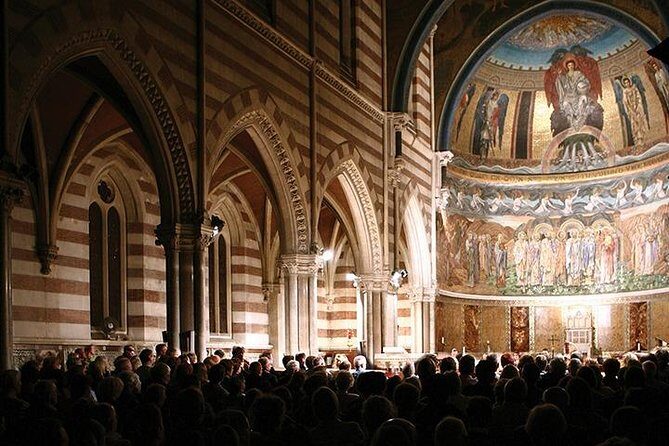
You get a 2.5-hour opera concert built around the full Italian lyrical tradition style of I Virtuosi dell’Opera di Roma, performed right inside St Paul within the Walls (Chiesa di San Paolo entro le Mura). It’s a very different setting than a big opera house, and that difference shapes the whole experience.
I love two things about this outing: the choice of seating categories and the chance to hear a famous Verdi story in a compact, focused format. You’ll also get a clear sense of the drama even if Italian isn’t your thing—because the evening is built as a complete work, not random highlights.
One possible drawback to plan for: the church can run hot, and sightlines depend heavily on where you sit. If you’re sensitive to heat, or you hate folding chairs or low visibility, this is the part you need to think about before you book.
In This Review
- Key things to know before you go
- La Traviata in Rome, but in a church
- Where you’ll sit at St Paul within the Walls (and how it changes the show)
- The story of La Traviata, without getting lost
- What “opera concert” means here (and the scale to expect)
- The performers and the kind of singing you should listen for
- Timing and tickets: how to avoid last-minute stress
- Value for the money: why $30.04 can still be a smart pick
- Who should book this (and who should think twice)
- The bottom line: should you book La Traviata in St Paul within the Walls?
- FAQ
- Where does the performance take place?
- What time does the show start?
- How long is the concert?
- What should I wear?
- How do tickets work—do I need to print anything?
- Is the DVD included?
Key things to know before you go
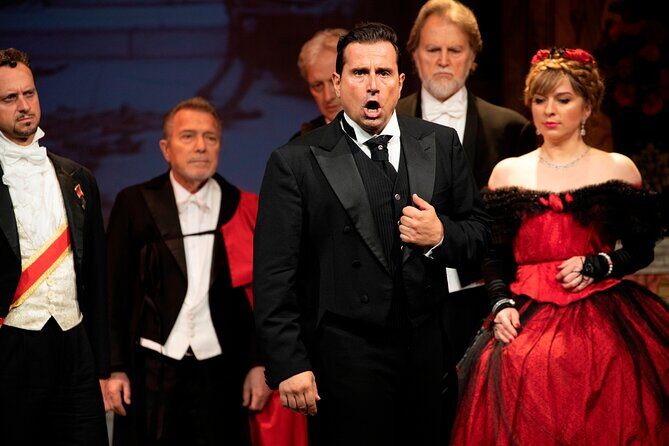
- St Paul within the Walls is the stage: acoustics can be great, but it’s not a theater setup.
- Small-group experience: max 10 people per booking, which makes the night feel more personal.
- Seating affects everything: cheaper seats can mean the back of the church and folding chairs.
- Smart casual only: no fancy costume rules, but dress neatly.
- Arrive ready for warm conditions: the church may not have the ventilation you expect.
- Mobile ticket plus on-site pickup: you’ll collect at the church on performance day.
La Traviata in Rome, but in a church
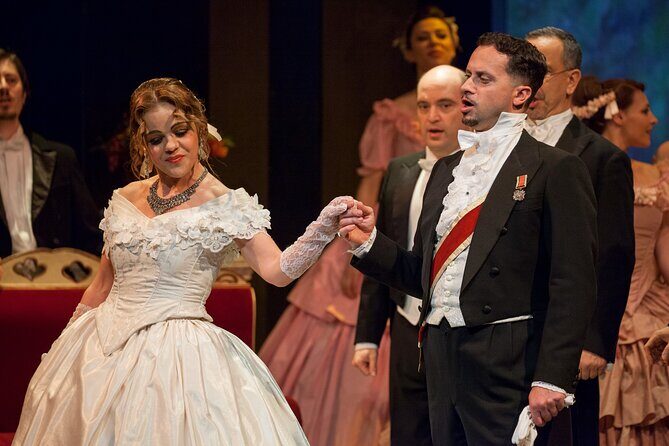
This is one of those Rome nights where the location does half the work for you. St Paul within the Walls gives you the feeling of stepping into a real part of the city’s daily life, not just renting a performance space for the evening. And because the show is scheduled for 8:30 pm, you’ll usually have time for dinner or a slow pre-show walk before you take your seat.
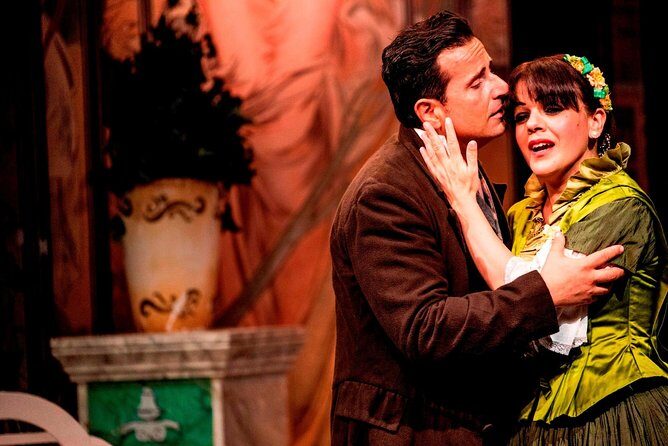
The star of the night is Giuseppe Verdi’s La Traviata, the tragic romance centered on Violetta, a well-known courtesan, and Alfredo, a young nobleman. The plot is classic: love looks possible at first, family pressure and past choices pull everyone apart, and the story moves toward heartbreak no matter how you hope it will go.
I like that the evening is presented as a true opera concert experience—still dramatic, still structured, and still built around the whole work—without requiring you to commit to a massive production. For many first-time opera fans, that balance is the sweet spot.
You can also read our reviews of more tours and experiences in Rome.



Where you’ll sit at St Paul within the Walls (and how it changes the show)
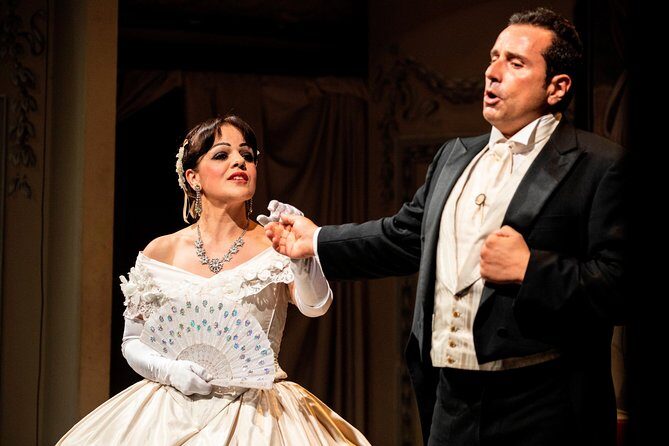
This is the big thing you should wrap your head around before booking: you’re watching opera in a church. That means no theater-style sightlines, no elevated risers the way you might be used to, and limited perspective if you’re toward the back.
From the experience details, you get a choice of seating, and the venue is set up so different price categories correspond to different visibility. Some seats are described as being in the very back with folding chairs, while other seats are much closer and can feel more immediate. If you’re willing to pay more for front-area views, you’re likely to feel the difference right away.
Now for the comfort issue: the church can be extremely hot on warm days. There are accounts of guests fanning themselves during the performance and even struggling through only part of the second act when temperatures were high. If you’re traveling in summer—or any day when Rome feels sticky—come prepared. A small personal fan you can pack in your bag can make the difference between enjoying the drama and feeling stuck in discomfort.
One more practical note: the church environment means the sound and stage feel different than a modern hall. Some people love the way the sound carries here. Others feel the sound isn’t as perfect as in a dedicated opera theater. Most of the time, your best move is to choose the best seat category you can afford and mentally adjust your expectations for a church setting.
The story of La Traviata, without getting lost
Even if you don’t speak Italian, you can follow the arc of La Traviata fairly well because the drama is so clear in how it unfolds. The core storyline is straightforward:
Violetta discovers Alfredo has loved her for a year. They end up living together near Paris, but Alfredo’s father pushes Violetta to leave because of her past. Violetta sacrifices herself, and Alfredo is left hurting without realizing everything she’s been carrying. Eventually, Violetta is dying, and Alfredo arrives at her bedside as the end comes.
The useful part for you as a viewer is that the performance is built around recognizable turning points—love declarations, public pressure, private regret, and the final tragedy. Reviews highlight that even without understanding the language, many people felt they stayed in the loop because they had the story in mind.
If you want to give yourself a fast head start, spend 10 minutes reading a synopsis before you go. Not to study, not to memorize. Just enough so when the emotion shifts, you immediately know what scene you’re in. That one small step turns the night from hearing music to actually tracking the plot.
What “opera concert” means here (and the scale to expect)
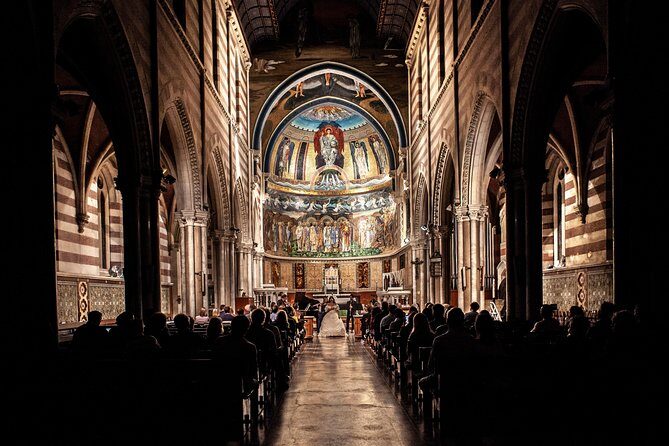
This evening isn’t a massive stadium-style opera production. It’s an opera concert by I Virtuosi dell’Opera di Roma, a group specialized in performing whole opera repertoire from the Italian lyrical tradition. That specialization is part of why this is a good value: you’re not buying into random highlights. You’re getting a complete work approach.
That said, it’s also smaller than the biggest names you might compare it to. Some people expected a large chorus and a full-sized orchestra feel. Others found it was still strong enough to satisfy opera beginners and take them into the world of a full opera.
If you’re new to opera, you’ll likely appreciate how the structure stays clear and how the evening focuses on performers and musical storytelling. If you’re a die-hard who expects a blockbuster chorus and the full grand scale of La Scala or Covent Garden, you might feel the difference. In practice, most visitors seem to land in the middle: it’s not the biggest production you’ve ever seen, but it still delivers the emotion, the melodies, and the drama.
The performers and the kind of singing you should listen for
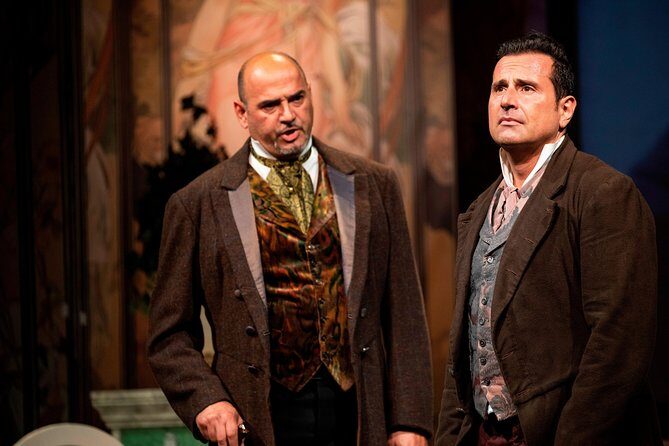
This is a night built on vocal performance. Reviews repeatedly praise the opera singers for clear delivery, strong technique, and moving emotional impact. People also highlight standout moments like solo and duet passages, and praise the pianist as well.
What I think you should take from that: you’re likely to hear music that carries the plot even when you’re not understanding every word. Verdi writes for voices that act as the engine of the story, and when the singers do their job well, you feel the conflict even if you only catch every second of the language.
There’s also praise for acoustics in the church. When the sound is working right, it can feel powerful and intimate at the same time—music traveling cleanly in a stone space designed for resonance.



Timing and tickets: how to avoid last-minute stress
The performance starts at 8:30 pm and runs about 2 hours 20 minutes. Planning your day matters here. You’ll want to arrive with enough buffer to find the church entrance, take care of ticket collection, and settle in before the first notes.
Ticket setup is slightly hybrid. The experience includes a mobile ticket, but on the day of the performance your tickets are held at the church for collection at Via Nazionale, 16/A. That’s not complicated, just don’t assume the phone ticket alone is enough—show up ready to collect.
Group size is small: a maximum of 10 travelers. That often means less chaos than big group tours, and it can make the venue feel more manageable. Still, the church seating format means early arrival can matter if you care about being in a better viewing position.
Dress code is smart casual. Think neat and comfortable, not formal evening wear. Since it can get warm inside, choose breathable fabrics that won’t make you miserable once the performance begins.
Value for the money: why $30.04 can still be a smart pick
At $30.04 per person, this is priced like an approachable way into opera rather than a premium, top-tier production. And for many first-time opera fans, that’s exactly why it works.
You’re paying for:
- a complete Verdi opera evening (not just excerpts)
- a real Roman landmark setting
- a compact group format
- live performance by a dedicated opera orchestra and singers
If you compare this to the cost of major opera houses, the gap is enormous. The trade-off is scale and environment: you’re in a church, you’re not guaranteed modern theater sightlines, and on hot nights you need to plan for comfort. But if you’re okay with those realities, the price-to-experience ratio can feel genuinely fair.
In plain terms: I’d call this a good-value opera night when you want the story and the singing more than you need the biggest possible production design.
Who should book this (and who should think twice)
This is a great fit if:
- you want to see a famous Verdi opera in Rome without the cost of a major gala production
- you like intimate spaces and don’t mind church seating
- you’re a beginner who wants a structured introduction to a full work
- you want a small-group evening (max 10 people)
It’s worth thinking twice if:
- you’re very sensitive to heat or dislike long periods sitting in warm indoor spaces
- you care about a perfect stage view and hate obstructed sightlines
- you expect a huge chorus and a large-scale opera house production
Also, consider your energy level. Even though the show runs about 2 hours 20 minutes, some people found it hard to stay for the full length in very hot conditions. If you’re planning a late night after sightseeing, build in the fact you might want to pace yourself earlier in the day.
The bottom line: should you book La Traviata in St Paul within the Walls?
Book it if you want a memorable Verdi evening in a historic Roman church, with strong live singing and a complete-work feel at a very approachable price. Pick the best seating category you can afford, and go in expecting church-style sightlines, not theater perfection.
Skip or choose a different option if you’re traveling in peak heat and you know you’ll struggle inside a stone church without much ventilation. In that case, the singing can still be excellent, but comfort might turn the evening into a chore.
If you get the seat choice right and you’re prepared for the venue conditions, this can be one of those Rome nights that sticks with you—not because it tries to replace a big opera house, but because it gives you something different and very Roman.
FAQ
Where does the performance take place?
It’s performed at St Paul within the Walls (Via Nazionale, 16/A).
What time does the show start?
The start time is 8:30 pm.
How long is the concert?
The duration is about 2 hours 20 minutes.
What should I wear?
The dress code is smart casual.
How do tickets work—do I need to print anything?
You receive a mobile ticket, and your tickets are also held at the church for collection on the day of the performance.
Is the DVD included?
No. The opera show is included, but a DVD is not included (it may be available to purchase).