REVIEW · NAPLES
Homemade Pizza Class in Napoli
Book on Viator →Operated by TOFFINI ACADEMY · Bookable on Viator
Naples pizza gets practical in a home kitchen. This class is built for real food lovers, not pros, and it focuses on how to get authentic Neapolitan results at home without a wood oven. You’ll work with chef Luigi in the domestic setup of Toffini Academy, then eat what you make: margherita, fried calzone, and montanara.
The main drawback is that you’re not using a wood-burning oven, so the goal is imitation through technique, not the exact same setup you’d see in a traditional pizzeria.
In This Review
- Key highlights worth your time
- A homemade pizza class in Napoli that’s built for beginners
- Where you meet and what to expect on arrival
- Stop 1: Toffini Academy kitchen time (and why it feels different)
- What you actually cook: margherita, pizza fritta, montanara
- Pizza margherita: the baseline you can master at home
- Pizza fritta (fried calzone): Neapolitan comfort with street-food logic
- Montanara: margherita energy on previously fried dough
- The dough lessons that matter when you’re back home
- Lunch included: you eat like a student, not like a spectator
- Value check: is $71.20 worth it?
- The guide factor: why chef Luigi makes a difference
- Who this class suits best (and who may want to think twice)
- Timing tips and what to do before and after
- Should you book this Homemade Pizza Class in Napoli?
- FAQ
- How long is the Homemade Pizza Class in Naples?
- Is the class offered in English?
- What will I make during the class?
- What food and drinks are included?
- Are alcoholic drinks included?
- What is the minimum age for the class?
- Do they offer gluten-free options?
- What is the maximum group size?
- What if I need to cancel?
Key highlights worth your time
- Three classic pizzas, one class: margherita, pizza fritta (fried calzone), and montanara
- No-wood-oven mindset: learn the tricks that translate to your oven or stove
- Domestic kitchen teaching: you’re trained in a real home-style cooking layout, not a restaurant show kitchen
- You eat what you cook: lunch includes multiple dishes plus a non-alcoholic aperitif
- Small group feel: capped at 16 people, which keeps questions flowing
- Clean, tool-ready setup: the teaching kitchen is described as spotless and organized
A homemade pizza class in Napoli that’s built for beginners
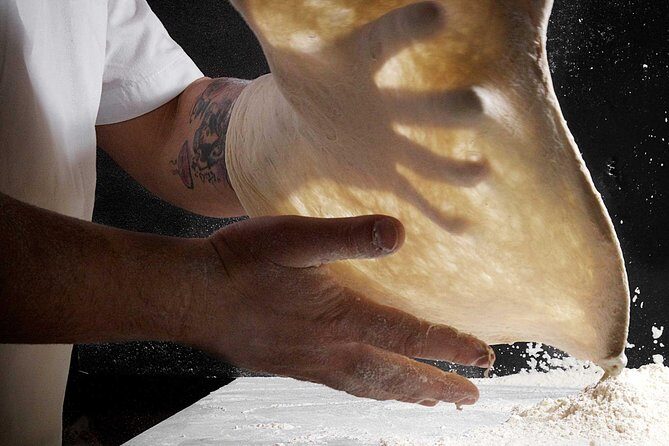
Naples is where pizza culture lives loudly. Still, most visitors get stuck with the same pattern: order, watch, eat, move on. This experience flips it. Instead of treating pizza like a mystery, you get taught the mechanics—dough handling, timing, and heat—so you can rebuild the results later.
What I like is the emphasis on getting the real Neapolitan taste and crunch without needing a wood oven. The other strong point: you don’t just cook once. You make three different styles, which helps you understand how the dough behaves across different cooking methods.
One practical consideration: if you’re expecting a wood-fired, flame-kissed outcome, you’ll want to adjust your expectations. The class is designed around home kitchens, so you’re learning how Neapolitan flavor and texture can still happen through smart technique.
You can also read our reviews of more tours and experiences in Naples
Where you meet and what to expect on arrival
You’ll meet at Toffini Academy, Via Giuseppe Martucci 35 cdef, 80121 Napoli NA. It ends back at the same meeting point. The class is close to public transportation, so you’re not forced into a taxi plan just to get there.
Timing is roughly 2 hours, and that matters because pizza-making moves fast once you’re in production mode. Arrive on time. Wear comfortable shoes too—cooking involves standing, and afterwards you’ll likely want an easy walk for digestion. Naples can get hot, and even without that, you’ll be close to ovens and warm surfaces.
Dress code is smart casual. Think: clean, comfortable layers. You’ll be in a kitchen setting, not a formal dining room, so you don’t need anything fancy—just clothes you can work in.
Stop 1: Toffini Academy kitchen time (and why it feels different)
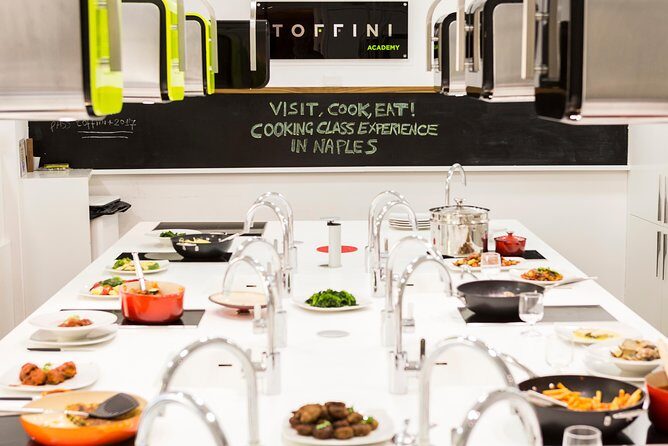
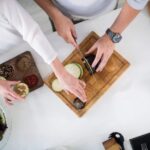
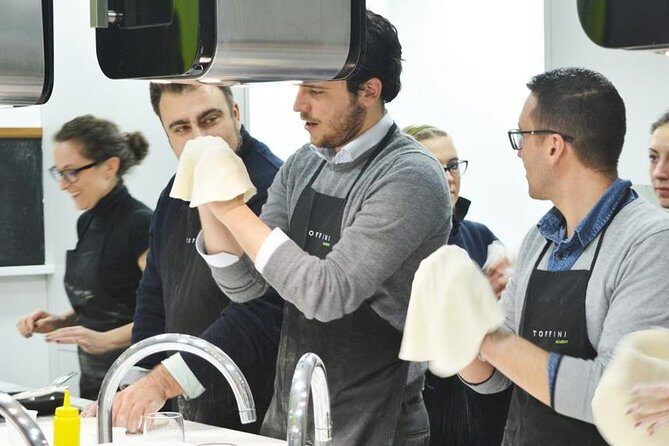
The big “where” is the kitchen itself. This is not a restaurant dining space where you watch someone else work. It’s a special domestic kitchen set up for instruction, with your own station and tools. That home-kitchen layout is the reason this class works for non-professionals. You aren’t learning pizza as a performance. You’re learning it like a skill.
The facility is described as spotless, and the setup is meant for teaching. That translates into two real advantages for you:
- You’ll spend more time practicing and less time waiting.
- You can ask questions without feeling rushed or lost in a crowd.
Also, the class size is capped at 16 travelers, which usually makes for a calmer pace. If your group ends up smaller, you may also get more direct attention while you’re working—exactly the kind of thing that helps when you’re learning dough for the first time.
What you actually cook: margherita, pizza fritta, montanara
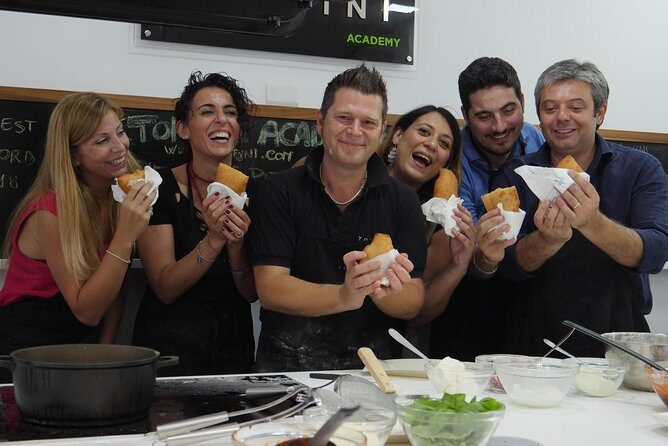
This is not a one-item workshop. You make a sequence of Neapolitan classics that builds your understanding of dough and flavor.
Pizza margherita: the baseline you can master at home
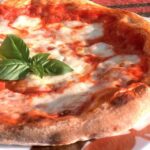
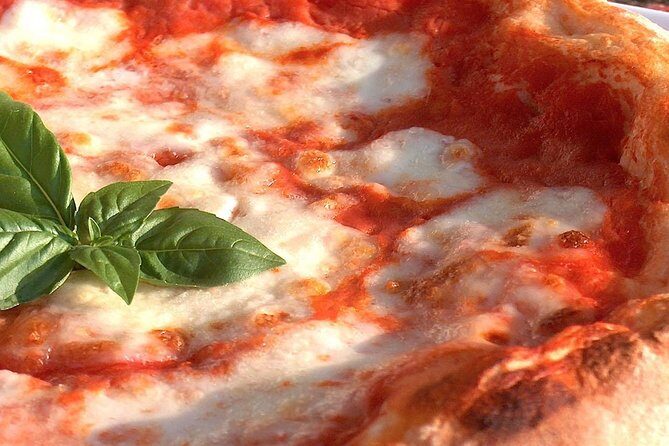
Margherita is the anchor. It’s simple on paper—tomato, mozzarella, basil, and a good dough—but it’s picky in real life. The sauce work is a key lesson. You’ll learn that great sauce isn’t just poured on. It’s developed through patient cooking, so you get flavor depth instead of a raw tomato taste.
You’ll practice dough handling and shaping techniques. The goal is the recognizably Neapolitan style: airy interior, blistered-looking crust cues, and a snap you can feel (even without a wood oven). The class is very focused on what you can do at home to keep that signature feel.


Pizza fritta (fried calzone): Neapolitan comfort with street-food logic
Then you pivot to pizza fritta, the fried version often seen in Naples street food culture. Fried dough behaves differently from baked dough. It puffs and cooks in a way that changes texture, so you learn how to adjust technique rather than repeating the same steps blindly.
This is one of the most fun parts of the course because it breaks the “pizza equals oven” habit. You come away with a practical mental shortcut: good pizza techniques aren’t locked to one equipment type. Heat management and dough handling matter more than the marketing.
Montanara: margherita energy on previously fried dough
Finally comes montanara, built from margherita-style ingredients but served on previously fried pizza dough. That combination gives you another texture lesson: you’re working with dough that’s already been cooked once, and it changes how toppings sit and how the dish eats.
This part ties the class together. You’re no longer thinking of pizza as one formula. You’re seeing it as a set of techniques and textures that can travel—baked, fried, topped, re-topped—while still staying true to Neapolitan flavor.
The dough lessons that matter when you’re back home
The class promises you can recreate Neapolitan pizza at home, and the practical reason is that the teaching is technique-forward. They focus on how to work dough, not just what ingredients go on it.
Here’s what you should carry home mentally:
- Dough is timing as much as ingredients. If you rush, you change texture.
- Handling affects air. Gentle but confident shaping helps keep a lighter structure.
- Sauce isn’t an afterthought. Cook it long enough to develop taste.
- Heat approach matters. Even without a wood oven, you can still chase crust cues using home equipment and method.
One review point that’s especially useful: people learned that pizza success can happen in a frying pan. That’s big if you don’t have a fancy setup. It also tells you the instructor is teaching transferable methods rather than relying on special appliances.
Lunch included: you eat like a student, not like a spectator
Food is part of the class, not a separate side quest. Your lunch is structured as a 2-course meal, and you also get water plus a non-alcoholic aperitif.
They also mention that you can buy alcoholic drinks like wine or beer in the company, but it’s not required. For me, that’s a good balance: you get a free, included start and hydration, and you still have the option to add something if you want.
Best practical advice: go hungry. This is a hands-on session where you’re making multiple dishes, so you’ll earn your carb load.
Also, plan for leftovers. People reported bringing extras home, which turns the class into more than a one-meal experience. If you love to cook, leftovers become the “practice batch” for your next attempt.
Value check: is $71.20 worth it?
At $71.20 per person, you’re paying for three things: instruction, time in a kitchen designed for teaching, and a meal that’s built around what you cook.
This isn’t just a ticket to eat pizza. You leave with recipes and the knowledge of where pizza flavors are born—meaning you’re not only learning steps. You’re learning the logic behind them. That’s what makes it feel worth it compared with a typical food tour where you sample and move on.
The included items help too: local taxes, the 2-course lunch, non-alcoholic aperitif, and bottled water. On a per-meal basis, it’s easier to justify when you realize you’re getting more than one dish and a guided cooking format.
The guide factor: why chef Luigi makes a difference
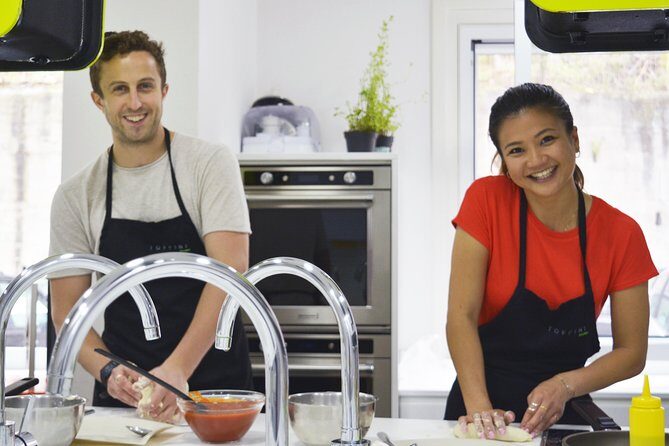
A standout theme is the instructor quality. Chef Luigi is repeatedly praised for teaching clearly in English, and for taking the time to answer questions. That matters because pizza is one of those skills where you need quick corrections: how you handle dough, what “long enough” sauce simmer looks like, and how to adjust when something feels off.
In one experience described, the class became more personal when group numbers changed, which meant more direct back-and-forth. That’s what you want in a cooking class: fewer distractions, more attention, and a teacher who can explain things in a way that clicks.
Who this class suits best (and who may want to think twice)
This is ideal if you:
- Want a hands-on Naples experience instead of another tasting walk
- Have limited kitchen confidence and want simple, reliable technique
- Love food enough to spend 2 hours learning and eating, not just watching
You might think twice if you:
- Only care about wood-fired pizza as a specific bucket-list goal
- Want a quick snack experience rather than real cooking practice
The sweet spot is beginners and motivated home cooks. The class is explicitly designed for non-professional food lovers, which is a fancy way of saying you won’t be treated like you should already know dough.
Timing tips and what to do before and after
Because the class runs about 2 hours, I recommend scheduling it when you have an easy buffer afterwards. You’ll eat lunch, and you’ll likely feel it. Naples has lots of walking paths and views, so plan something gentle.
Before you go, eat a light meal if you’re the type who gets overwhelmed by big servings. Otherwise, treat this as your main meal and keep your schedule simple.
After, think about your next meal as a testing ground. The best way to learn pizza is to re-create something within a week, while your memory is fresh and your technique still feels understandable.
Should you book this Homemade Pizza Class in Napoli?
If you want Naples pizza to stick with you after the trip, book it. The main reasons are practical: you learn real technique, you cook multiple styles, and you eat what you make. The home-kitchen focus is also a huge plus. You’re not promised an unreachable outcome. You’re taught how to get the spirit of Neapolitan pizza with the equipment most people actually have.
One final decision tip: if you’re traveling with kids (minimum age is 7) or you want a group-friendly activity, this class tends to work well because it’s active and structured. If your whole goal is purely wood-fired authenticity, then you may find the no-wood-oven approach takes the edge off.
But for most people, the payoff is clear: you leave Naples with more than photos. You leave with something you can cook again.
FAQ
How long is the Homemade Pizza Class in Naples?
It lasts about 2 hours.
Is the class offered in English?
Yes, it’s offered in English.
What will I make during the class?
You’ll make pizza margherita, fried calzone (pizza fritta), and montanara.
What food and drinks are included?
You get a 2-course lunch, a non-alcoholic aperitif, bottled water, and local taxes.
Are alcoholic drinks included?
Alcoholic drinks are not included, but you can buy wine or beer in the company.
What is the minimum age for the class?
The minimum age is 7 years. The minimum drinking age is 18.
Do they offer gluten-free options?
You should advise about gluten free requirements at the time of booking.
What is the maximum group size?
The class has a maximum of 16 travelers.
What if I need to cancel?
You can cancel for a full refund up to 24 hours before the experience starts. If you cancel less than 24 hours before, the amount paid is not refunded.