REVIEW · ROME
Golf Cart Tour: Highlights of Rome
Book on GetYourGuide →Operated by Luxurbe · Bookable on GetYourGuide
Rome looks different from a cart.
This 3-hour electric golf cart ride is a fun, practical way to see a lot without doing a marathon walk. I like how the route threads big icons (Pantheon, Colosseum, Trevi) together with smaller, car-friendly spots you might miss on foot. The vibe is also easy for mixed groups, from couples to families. One thing to think about: you’re still in central Rome traffic and crowds, and the tour can require short stretches of getting on/off and moving between viewpoints.
If you want a guided Rome sampler that still leaves room for photos, this is a strong match. You get a live guide plus audio headsets where needed, in English, Italian, and Spanish—so you spend more time looking up and less time figuring things out.
In This Review
- Key highlights that make this tour worth your time
- Why an electric golf cart tour makes sense in Rome
- Value for your money
- Before you go: meeting point, timing, and what you’re really committing to
- What the 3-hour route covers (and what each stop feels like)
- Piazza Venezia: the classic starting big view
- The Pantheon: short guide time, big visual payoff
- Theatre of Marcellus: a quieter Rome moment
- An additional 15-minute guided stop in the middle
- Jewish Ghetto: history you can feel in the streets
- Vatican City: see it fast, understand it better
- Colosseum: the start of the ancient arena arc
- Roman Forum: connect the dots
- Circus Maximus: imagine it instead of just looking
- Trevi Fountain: classic, crowded, and timed well
- Piazza Navona: architecture that photographs well
- Pincio Gardens and the finish near Trinità dei Monti
- How the guide experience changes the whole day
- Practical tips to make the most of your 3 hours
- Who this tour is best for (and who should skip it)
- Should you book this electric cart tour? My take
- FAQ
- FAQ
- How long is the golf cart tour?
- Where does the tour start and end?
- Is pickup available?
- What sights are included?
- What’s included in the price?
- What languages do the guide and audio cover?
- What should I bring, and what can’t I bring?
- Is it accessible for wheelchair users?
Key highlights that make this tour worth your time
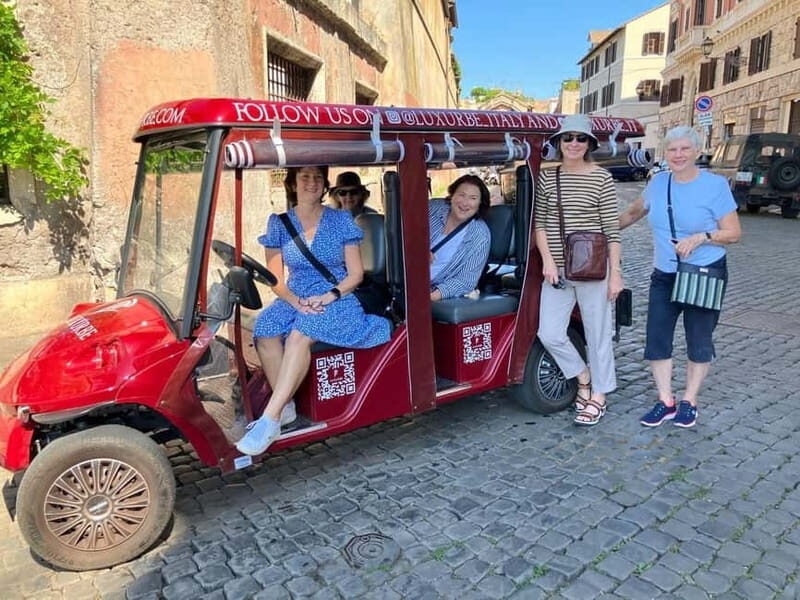
- Electric, comfortable transport: You glide between major sights instead of hoofing it all day.
- Short guided stops with photo time: Each main stop is around 15 minutes, with time to take pictures.
- Top landmarks plus smart variety: Pantheon, Jewish Ghetto, Vatican City views, Colosseum area, Trevi, Navona, Pincio.
- A guide who can work Rome logistics: People specifically praise guides who keep the cart moving despite closed roads and crowd pressure.
- Photos of your activity: You’re not only relying on shaky phone shots.
Why an electric golf cart tour makes sense in Rome
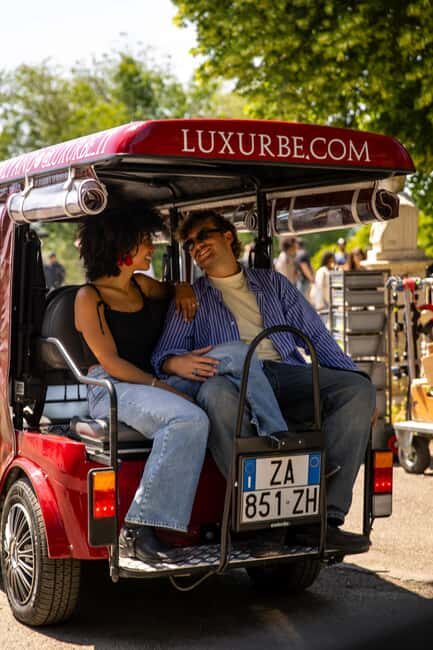
Rome is perfect for walking… and also perfect for overdoing it. This kind of tour is built for the middle ground. You still get the drama of the sights, but you reduce the time spent in long cross-city walks, hot pavements, and navigating one-way streets.
The cart is electric and eco-friendly, which is exactly the right fit for a city like Rome where traffic rules can be strict. Also, because it’s a guided route with quick stops, you’re not stuck wandering between monuments with zero context. You get a story at each place—then you can look, photograph, and move on.
You can also read our reviews of more tours and experiences in Rome.



Value for your money
At about $90.33 per person for a 3-hour tour, the value comes from three things:
- You pay for transport between scattered sights.
- You pay for live guiding (and audio support in multiple languages).
- You get photos of your activity, which is a small but real add-on.
It’s not a budget knockoff, but it can be a good deal when you compare it to the cost of taxis plus the time you’d spend stitching together a DIY route.
Before you go: meeting point, timing, and what you’re really committing to
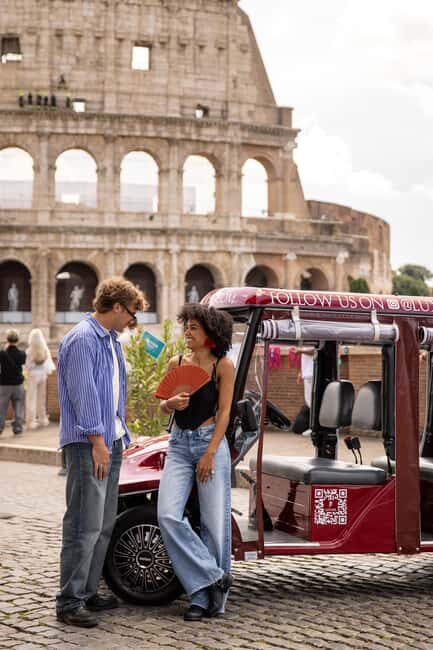
The standard meet-up point is Via dei Condotti, 61, 00187 Roma. The tour ends back at the meeting point, and there are also two drop-off locations listed at Via dei Condotti, 61.
Pickup is optional. If you select hotel pickup and drop-off, plan for a possible waiting time of up to 20 minutes due to Rome traffic. That’s the reality of the city, and it matters: Rome is fast to surprise you with road closures and slow-moving vehicles.
You’ll want to plan your day so you’re not rushing to dinner right after. Three hours goes quickly, and the stops are timed (each guided segment is listed as about 15 minutes).
What the 3-hour route covers (and what each stop feels like)
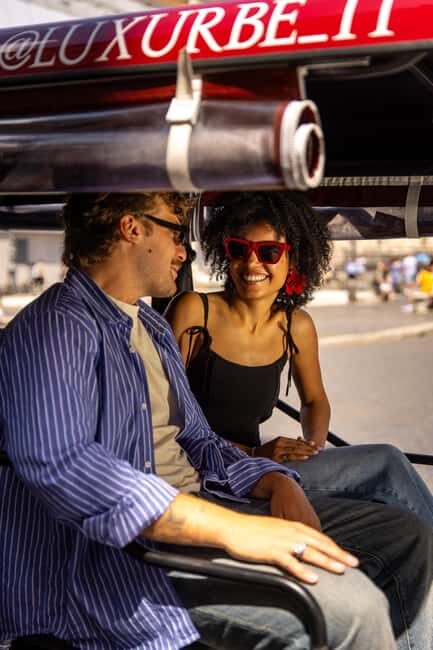
Piazza Venezia: the classic starting big view
The tour typically begins with a guided stop at Piazza Venezia. This is a smart first stop because it sets your bearings. You get the feel for how Rome’s “center” works, and you’re already positioned to understand the city’s key axes before you move into the more intense photo stops.
A practical tip: if you’re a photo-first person, Piazza Venezia is usually a good place to calibrate your camera settings. You’ll be snapping again and again over the next two-plus hours.



The Pantheon: short guide time, big visual payoff
Next is the Pantheon with about 15 minutes guided. Even in a short window, the Pantheon lands hard because it’s instantly recognizable and visually overpowering. The guide’s role here is to help you notice what you’d otherwise miss—small details and the reason this building matters.
Consideration: with famous monuments, you can expect crowds. The cart gets you close enough to keep things efficient, but it doesn’t remove the human energy around the area.
Theatre of Marcellus: a quieter Rome moment
Then you’ll visit the Theatre of Marcellus (again, around 15 minutes guided). This stop is a nice change of pace after the big-name hits. It’s a chance to see how Rome’s ancient layers show up in everyday streetscape.
For many people, this is where the tour starts to feel more like a story than a checklist.
An additional 15-minute guided stop in the middle
Your itinerary includes another guided stop listed as 15 minutes, but the exact site isn’t specified in the details you provided. The good news: you still get the same pattern—brief guiding, then time to look and photograph.
If you’re the type who likes to know every stop in advance, send a message to confirm the named location for that segment.
Jewish Ghetto: history you can feel in the streets
The tour continues to the Jewish Ghetto for about 15 minutes guided. This is one of the most meaningful stops on the route because it’s not just about architecture—it’s about a place where history lives in the streets and in what people remember.
Photo note: this area can be great for street-level shots, especially if you take advantage of the brief guided window to figure out where to stand for better angles.
Vatican City: see it fast, understand it better
Next up is Vatican City with a 15-minute guided visit. With a tour like this, you’re not getting a slow, museum-style experience. You’re getting a clean overview: what you’re looking at and why it matters.
This works well when you already plan to do a longer Vatican visit later (or when you’re short on time but still want the big landmark moment).
Colosseum: the start of the ancient arena arc
Then you roll into the Colosseum with a 15-minute guided stop. This is the kind of sight that forces a reaction. Even if you’ve seen photos, seeing it at street level is different.
A big advantage of this format: the cart helps you get there efficiently, and your guide helps you make sense of what you’re looking at without needing a separate history lesson before you arrive.
Roman Forum: connect the dots
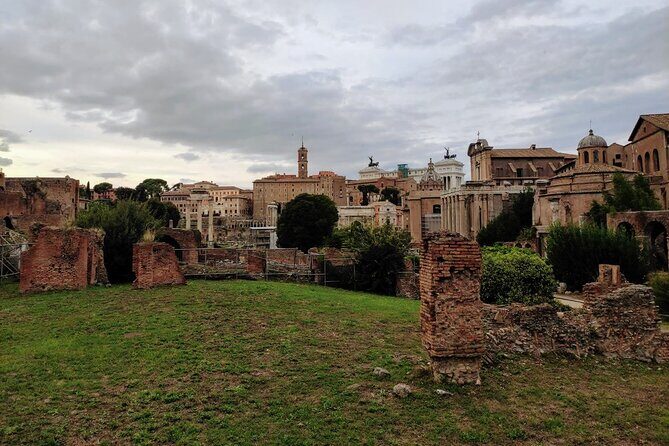
Right after comes the Roman Forum with 15 minutes guided. The Forum can be overwhelming if you show up cold. With a guide, you’re more likely to understand what you’re seeing: where major events took place, how the spaces related, and why the ruins look the way they do.
Consideration: because the area is outdoors and uneven in places, wear your comfortable shoes. The cart reduces the long walk, but Rome still has Rome.
Circus Maximus: imagine it instead of just looking
Then you’ll see Circus Maximus with another 15-minute guided stop. This site is a favorite for people who like to use their imagination. The space is broad and open, and your guide can help you picture how it once worked—especially the idea of public spectacle and chariot races.
If you like photos with scale (wide angles), this is a strong stop to plan for.
Trevi Fountain: classic, crowded, and timed well
Next is Trevi Fountain for 15 minutes guided. Trevi is famous for a reason: the visual impact is immediate. The practical win here is timing and guidance. The guide can help you get a better viewing position and make sure you’re not spending your limited time wandering in circles.
Photo note: go in expecting crowds. Use the guide’s timing and then focus on photos from where you have the clearest sightlines.
Piazza Navona: architecture that photographs well
After Trevi, you’ll reach Piazza Navona with 15 minutes guided. This is a great stop for people who like lively public spaces. The guide helps you spot the details that make the square feel special—so your photos look like more than just a random monument shot.
Pincio Gardens and the finish near Trinità dei Monti
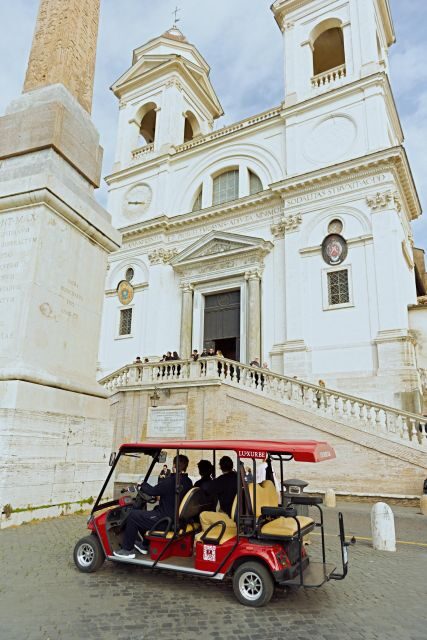
The last major stop is Pincio Gardens (about 15 minutes guided), and the tour description also notes a finish with a visit in the Trinità dei Monti area. In practice, this ending sequence works well because it shifts from ancient and monumental intensity to a viewpoint and a slower-feeling atmosphere.
If the group has energy left, this is where photos start looking extra cinematic—especially if you take advantage of the elevated perspectives.
How the guide experience changes the whole day
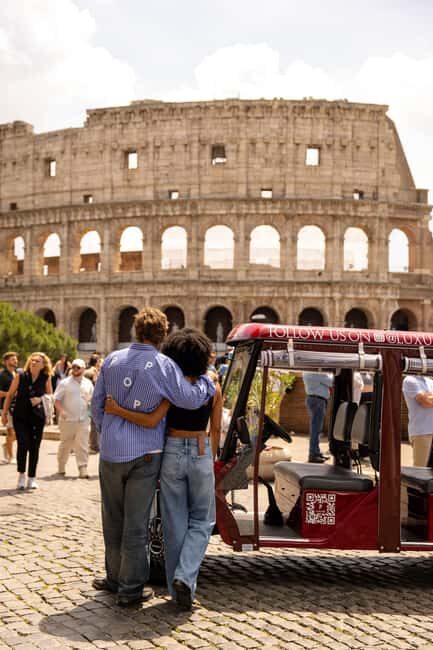
This tour includes a live guide and headsets (if required). Audio is included in English, Italian, Spanish, and the guide itself speaks those languages as well.
The big perk is not just translation—it’s the ability to connect the dots fast. When you’re seeing Pantheon, Colosseum, Vatican sights, Trevi, and Navona in one trip, you need someone to help you understand what matters at each stop. That’s where the guide earns their fee.
The names Daniel and Robin come up in the experience stories you shared. The theme in those mentions is clear: guides who handle Rome’s closed roads and traffic pressure without panicking, and guides who can get you to smaller spots big buses don’t reach easily. One of the guides (Robin, also noted as Robin Rome) is also praised for recommending an off-the-beaten-path restaurant after the tour.
Practical tips to make the most of your 3 hours
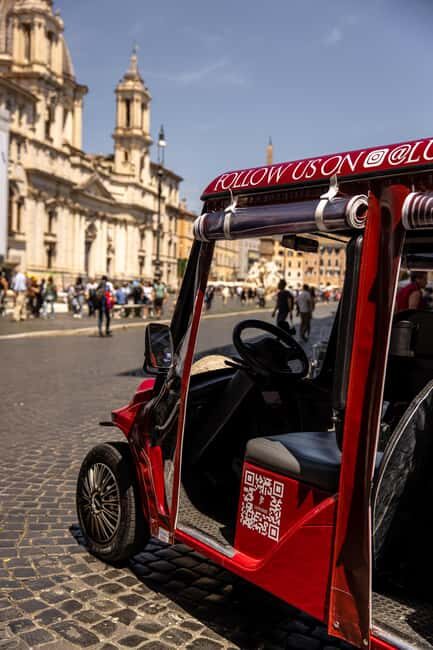
- Wear comfortable shoes. Rome is still Rome, even with cart transport.
- Bring weather-appropriate clothing. The stops are outdoors, and a 3-hour tour won’t pause for long.
- If you care about photos, plan to take your first quick shots early at each stop, then listen for the “why this matters” points and come back for a second round.
- If you’re sensitive to crowds, position yourself during guided segments and then step for photos during the time you’re given.
Who this tour is best for (and who should skip it)
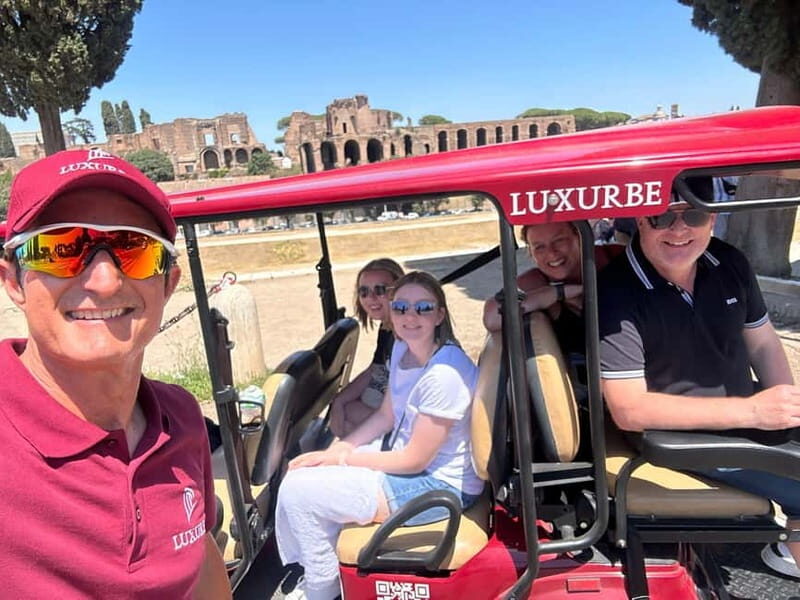
This tour is a strong fit for:
- Couples who want a romantic, efficient route with great photo points.
- Families who want big landmarks without an all-day walk.
- Small groups that want a social guide experience with transportation built in.
It may not be ideal for:
- Wheelchair users, since the tour is listed as not suitable.
- Anyone who needs baby strollers, which are not allowed.
- People traveling with luggage or large bags, since those aren’t allowed on the tour.
- Unaccompanied minors. (The info says not suitable for unaccompanied minors.)
Also, pets and sharp objects/weapons aren’t allowed, so plan accordingly.
Should you book this electric cart tour? My take
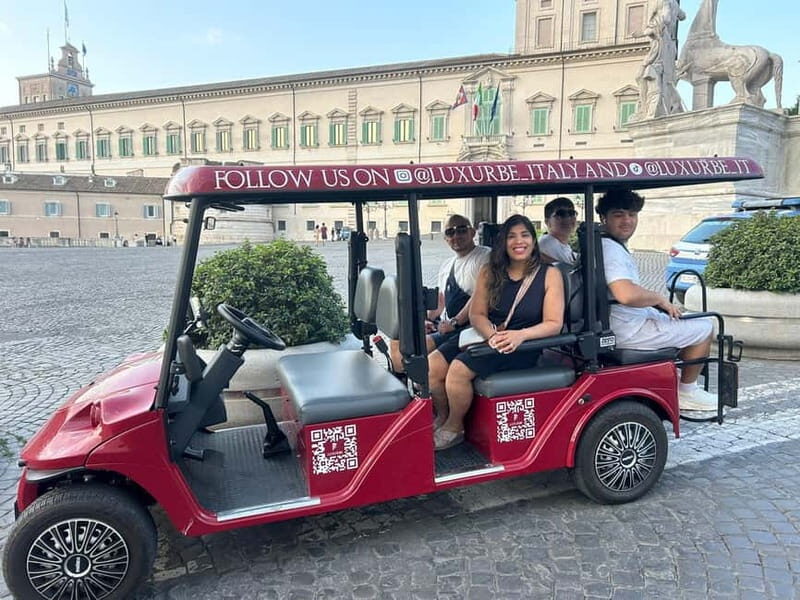
Book it if you want a time-efficient way to hit the biggest Rome names—Pantheon, Colosseum, Trevi, Vatican City—while still getting real guidance at each stop. The value improves when you want less planning stress and more “ride and see” momentum.
Skip it if:
- You’re a slow traveler who wants to linger for long periods at monuments.
- You already have a detailed Rome itinerary with dedicated guides for each area.
- You prefer fully independent travel with zero scheduled segments.
If you’re on the fence, here’s the decision shortcut: if you want your Rome day to feel like smart sightseeing rather than tough logistics, this cart tour is a very workable choice.
FAQ
FAQ
How long is the golf cart tour?
The duration is listed as 3 hours. Starting times depend on availability.
Where does the tour start and end?
It starts at Meet At Via dei Condotti, 61, 00187 Roma RM, Italy. It ends back at the meeting point.
Is pickup available?
Pickup is optional. If you choose pickup and drop-off, the driver will wait outside your hotel, and there may be up to 20 minutes of waiting time due to traffic conditions.
What sights are included?
The listed stops include Piazza Venezia, the Pantheon, Theatre of Marcellus, the Jewish Ghetto, Vatican City, the Colosseum, the Roman Forum, Circus Maximus, Trevi Fountain, Piazza Navona, Pincio Gardens, and the Trinità dei Monti area.
What’s included in the price?
Included items are the electric golf cart, driver/guide, hotel pickup/drop-off if you choose that option, photos of your activity, and headsets if required. Audio guide is included as well.
What languages do the guide and audio cover?
The live tour guide and audio are available in English, Italian, and Spanish.
What should I bring, and what can’t I bring?
Bring comfortable shoes and weather-appropriate clothing. Pets, weapons or sharp objects, baby strollers, and luggage or large bags are not allowed.
Is it accessible for wheelchair users?
No. The tour is listed as not suitable for wheelchair users.