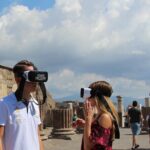
Pompeii hits hard, even on a quick tour. I like how this private Pompeii tour turns the ruins into a place people actually lived—especially the private homes with painted frescoes and original mosaics. You also get time to see the plaster casts of the victims, a brutal reminder of the eruption in 79 AD. The one catch to plan around: the Pompeii admission ticket is not included, so don’t get to the gate and get stuck.
I’m glad the format is simple: about 2 hours, English-speaking guide, and only your group. It’s a moderate-walking experience, and it moves at a pace that works if you want the big-picture highlights without spending your whole day underground and uphill.
In This Review
- Key things to know before you go
- Pompeii in two hours: what you’re really buying
- Entering Pompeii: how the ruins become a real town
- Roman homes with frescoes and mosaics: where the town feels personal
- Shops, temples, and the daily rhythm of Roman life
- Thermal baths: public life in a “hangout” setting
- The victims’ plaster casts: when the story turns real
- Guide quality matters: the Francesco effect
- Price and logistics: budget for tickets, not surprises
- Getting there and getting around inside the park
- Who this Pompeii tour is best for
- Should you book Exploring Pompeii?
- FAQ
- FAQ
- Where is this tour located?
- How long is the Exploring Pompeii tour?
- What language is the tour offered in?
- Is the Pompeii admission ticket included?
- What is included in the price?
- Is this a private tour?
- Is there a minimum number of travelers?
- Do I need a certain fitness level?
- Are service animals allowed?
- How does free cancellation work?
- When will I receive confirmation?
Key things to know before you go
- Private, English-speaking group for a smoother visit and better Q&A.
- Private Roman residences with frescoes and mosaics show what wealthy life looked like.
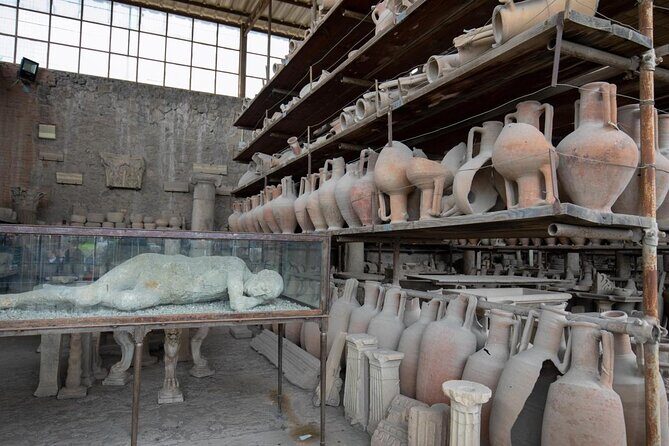
- Plaster casts of victims give real emotional weight to the story of 79 AD.
- Temples, thermal baths, and Roman shops help you connect daily life to the sites.
- Tickets not included, so budget for entry separately.
Pompeii in two hours: what you’re really buying
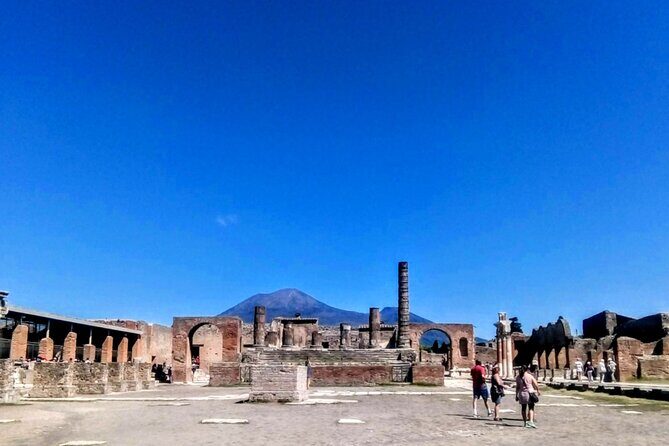
This tour is designed for people who want Pompeii’s most memorable sights without turning it into a logistics nightmare. You’ll spend your time inside the Archaeological Park of Pompeii with a guide who helps you make sense of what you’re looking at.
The price is $36.04 per person for the guided portion, and that matters. Since the entry ticket isn’t included, your total day cost will be a bit higher than you may expect. The upside is that you’re not paying for an all-in package when you might already be buying tickets directly or choosing a specific entry slot.
Also, it’s private. That usually means fewer distractions and more flexibility if your group has questions (or needs a slower moment to catch breath). Based on booking patterns, this is the kind of tour people grab about a month ahead, so it’s smart to line it up early.
You can also read our reviews of more tours and experiences in Pompeii.


Entering Pompeii: how the ruins become a real town
Pompeii can feel like a museum at first glance—stone, shadows, and signage. A good guide flips that switch fast, and that’s a major reason this tour earns a 5-star rating from a lot of people.
You’ll be guided through the habits and customs of a wealthy Roman town. The key here is not just naming places. It’s understanding why each space existed. Once you know what you’re seeing—home, shop, temple, bath—you stop thinking of ruins as scattered rocks and start seeing a functioning urban life.
In a lot of visits, people rush to the “wow” spots and miss the logic. Here, the tour structure helps you connect the dots: how wealth showed up in art, how commerce ran through shops, and how public life centered on major religious sites and bathing.
Roman homes with frescoes and mosaics: where the town feels personal
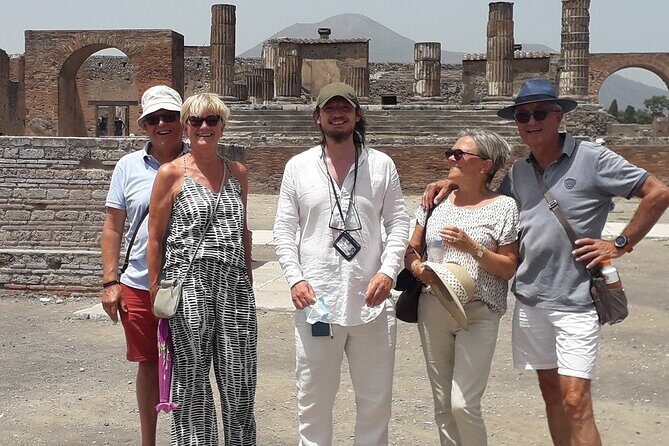
If you love art and domestic life, this is your highlight. You’ll get to visit magnificent private Roman residences, including areas with painted frescoes and original mosaics.
Why this matters: frescoes and mosaics weren’t just decoration. They were status, storytelling, and family identity. Seeing them on-site changes the scale of things. In photos, frescoes look like faded color. In person, you can better understand the craftsmanship and the scenes that once greeted daily visitors.
Another smart thing is that the tour focuses on “wealthy town” residences. That theme keeps your visit coherent. You’re not bouncing randomly between buildings. You’re getting a guided look at how higher-status Romans lived—what they displayed and what they used.
Shops, temples, and the daily rhythm of Roman life
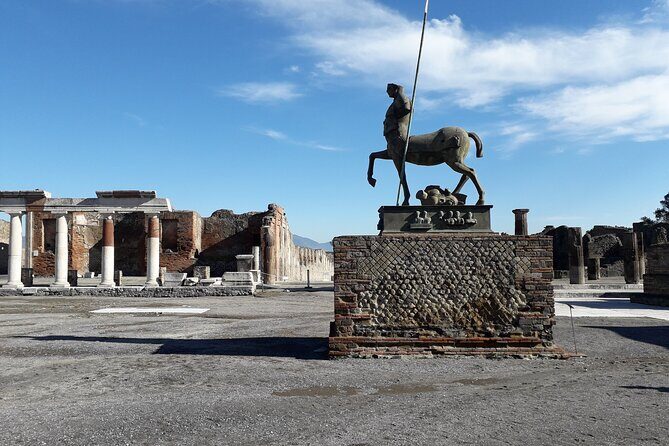
Pompeii wasn’t only about big monuments. It also ran on neighborhoods where people worked, shopped, prayed, and gathered.
This tour includes stops at several Roman shops and the most important temples. That’s a valuable combination. Shops show you economic life, while temples anchor the public religious world. Put together, they help you picture the rhythm of a day: commercial movement, community worship, and social structure all sitting side by side.
The drawback to keep in mind: in two hours, you’ll hit key examples, not every single site in the park. If you’re the type who wants to read every inscription and linger in every corner, you might want a longer tour or extra self-guided time afterward. But if you want a strong start with clear priorities, this does the job.
Thermal baths: public life in a “hangout” setting
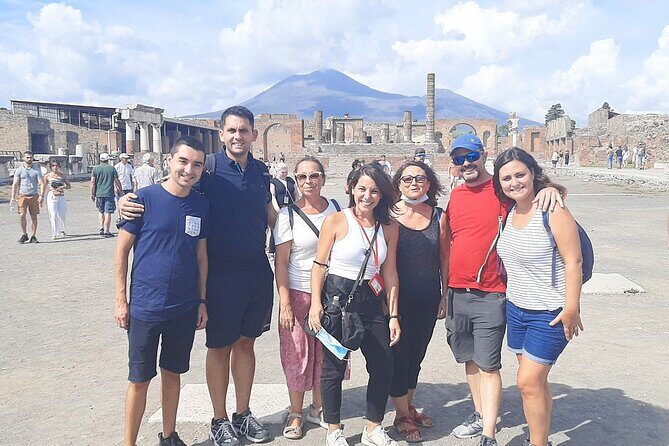
One of the more practical and human parts of Pompeii is the thermal baths. You’ll see the thermal bath area as part of this tour, which is great because baths weren’t only about hygiene. They were social space.
Even without getting lost in details, the guide’s explanation helps you understand why this mattered in Roman life. Think of it as a place for conversation and community, with routine and comfort built into the architecture.
In short: when you visit the baths, you’re not just touring plumbing and rooms. You’re seeing how public spaces shaped daily interactions.

The victims’ plaster casts: when the story turns real
The emotional core of Pompeii is hard to soften. This tour includes the plaster casts of victims, a brutal reminder of the tragedy caused by the eruption of Vesuvius in 79 AD.
I recommend mentally preparing for this stop. It’s the kind of scene that shifts the whole mood of a visit. For many people, it becomes the part they remember most clearly later, even when other ruins blend together.
A helpful tip: go slow here. Let your eyes adjust. And if your group includes kids or anyone who gets overwhelmed easily, decide ahead of time how long you’ll spend before you move on.
Guide quality matters: the Francesco effect
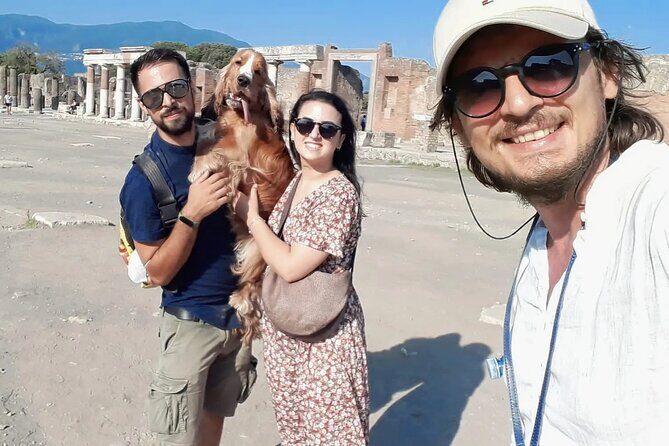
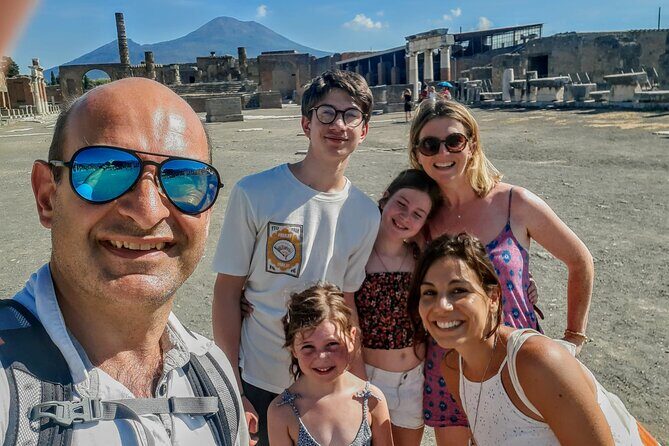
A huge plus is the guide. One person specifically called out Francesco for being fantastic and very knowledgeable, and that’s exactly what you want in Pompeii. Ruins can be confusing fast. The guide turns confusing spaces into understandable ones.
If you care about getting meaning—not just photos—choose a tour like this. The “private” part helps too because you can ask questions without waiting for a big group to shuffle forward.
Price and logistics: budget for tickets, not surprises
Let’s talk money in a straightforward way. You pay $36.04 per person for the tour. Pompeii entry tickets are not included, so you’ll need to add that on top.
That’s the single most repeated practical caution: don’t assume the tour price covers admission. It doesn’t. Plan for it so you’re not standing at the entrance realizing you need to buy tickets separately.
The duration is about 2 hours. That’s a good length for first-time visits, but it’s also short enough that you’ll want to be decisive: use the guide for the most important sites, then consider stretching the day with extra time on your own if you want.
Getting there and getting around inside the park
This tour is near public transportation, which is helpful if you don’t want to fight parking in a crowded area. It also lists a moderate physical fitness requirement. In plain terms: you should be comfortable with walking on uneven ground and moving through outdoor spaces.
It’s a private activity, so your group only is involved, which can make pacing easier. Still, Pompeii is Pompeii: stairs, sun, and cobbles are part of the experience. Bring water, and don’t show up in brand-new shoes.
Service animals are allowed, which is a good and clear note if you need that support.
Who this Pompeii tour is best for
This is a strong fit if you want:
- The biggest Pompeii highlights in about two hours
- An English-speaking guide to explain what you’re seeing
- A private format where your group sets the tone
It’s also good if you’d rather spend your time learning the layout and purpose of buildings than reading everything yourself in silence. You’ll get a guided sense of wealth, religion, commerce, and everyday life—without requiring months of Roman-study homework.
If you want a more detailed, slower day with time to linger in every nook, this may feel a bit fast. But as a first pass, it’s a smart way to get oriented.
Should you book Exploring Pompeii?
I’d book this if you want Pompeii’s core story told clearly and emotionally, with the major visuals—frescoed homes, shops and temples, bath life, and the plaster casts—organized into a focused visit.
I’d skip (or pair with extra time) if your ideal Pompeii day is hours of wandering with zero structure. This tour gives you the essential highlights, not the entire park.
One last decision tool: if you’re the type who likes a plan and values a guide who can connect the pieces, this private format is great value. If you’re fine reading on your own, you might spend less by skipping a guided ticket. But if you want to understand the town fast—and not miss the emotional weight—this is a solid choice.
FAQ
FAQ
Where is this tour located?
It takes place in Pompeii, Italy, at the Archaeological Park of Pompeii.
How long is the Exploring Pompeii tour?
The tour lasts about 2 hours.
What language is the tour offered in?
The tour is offered in English.
Is the Pompeii admission ticket included?
No. The admission ticket for Pompeii is not included in the tour price.
What is included in the price?
The included item is the Exploring Pompeii tour itself.
Is this a private tour?
Yes. It’s a private tour/activity, and only your group will participate.
Is there a minimum number of travelers?
Yes. The experience requires a minimum number of travelers, and if it’s canceled for that reason you’ll be offered a different date/experience or a full refund.
Do I need a certain fitness level?
Travelers should have a moderate physical fitness level.
Are service animals allowed?
Yes. Service animals are allowed.
How does free cancellation work?
You can cancel for free up to 24 hours in advance for a full refund.
When will I receive confirmation?
Confirmation will be received at the time of booking.