REVIEW · COLOSSEUM TOURS
Colosseum, Roman Forum and Emperors’ Palace Private Guided Tour
Book on Viator →Operated by Raphael Tours & Events · Bookable on Viator
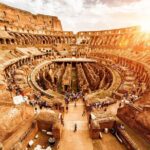
Rome makes the Colosseum feel personal fast. This private guided tour links the arena to the Roman Forum’s political core and to Palatine Hill, with an art historian at the front using stories to explain how Rome actually worked. You’ll walk at a calmer pace than the big group chaos and get oriented fast.
I especially love the reserved entry setup and the promise of not getting stuck in long entering lines. I also like the way the guide brings scenes to life with practical visuals and clear explanations, including how to picture daily life and power plays beyond the big-name monuments.
The main drawback is price. At $354.86 per person, this is built for travelers who want privacy and a guided, no-rush experience, not a DIY wandering sprint.
In This Review
- Key things that make this tour worth your time
- Why a private Colosseum-and-Forum tour feels different
- Where you meet and how the tour is set up
- Entering the Colosseum: arena, tiers, and Roman spectacle
- A small bonus for families
- Palatine Hill and the emperors’ world
- Roman Forum: temples, politics, and the Golden Mile
- Arch of Constantine and the language of victory
- Senate House area: rule by institutions
- Julius Caesar temple: memory as politics
- House of the Vestal Virgins and the role of religion
- Basilicas, the Golden Mile, and everyday power
- Temple of Concord and Saturn: older than you think
- How the guide makes the ruins make sense
- Price and value: what you’re paying for
- Practical tips so your tour day goes smoothly
- Who this tour is best for (and who should rethink it)
- Should you book this private Colosseum, Roman Forum and Palatine Hill tour?
- FAQ
- How long is the private tour?
- Where does the tour start?
- Is this experience private?
- Are tickets included?
- Do I get a mobile ticket?
- What documents do children need?
- Can I cancel for a refund?
Key things that make this tour worth your time
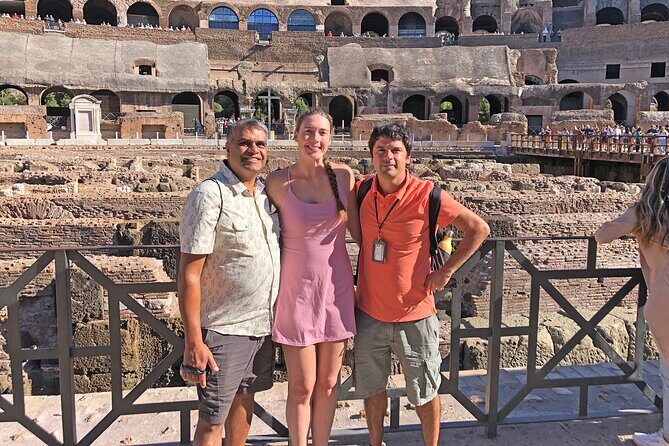
- Private group only: only your party joins the guide for about 3 hours
- Reserved Colosseum access: includes Colosseum entry and a reservation fee
- Art historian guide: the focus stays on meaning, context, and how Romans lived
- Arena + seating levels: you see more than the photo spots
- Forum in one coherent walk: Arch of Constantine, Senate House area, temples, and the Golden Mile
- Palatine Hill included: the emperors’ world comes through via palaces and gardens
Why a private Colosseum-and-Forum tour feels different
The Colosseum is loud, crowded, and full of angles designed for quick snapshots. A private format changes the mood. You’re not constantly squeezing past strangers or losing the thread when the group slows down.
What I like about this tour concept is the balance between scale and clarity. You cover the big headline sites, but the guide’s job is to make connections: entertainment becomes politics, emperors become propaganda, and architecture becomes a map of who mattered.
You also get a more human pace. The tour is described as going through major areas without rushing, which matters here. The Colosseum and Forum are massive, and timing gets tight fast if you’re trying to navigate alone.
You can also read our reviews of more guided tours in Rome



Where you meet and how the tour is set up
The tour starts at Piazza del Colosseo, 3, right by the Colosseum zone. It also fits the general area of the Colosseum metro stop, so you can build it into a wider day of walking without needing a complicated plan.
You’ll use a mobile ticket, and you’ll receive confirmation at booking. The tour is set up as a true private activity, meaning only your group participates, not a rotating crowd.
One practical note: entry rules here are strict. You’ll need to provide full names for all travelers at booking, and everyone must show a valid passport or ID that matches those names before entry.
If you’re the kind of traveler who hates last-minute problems, this is a good reminder to double-check names exactly as written on IDs.
Entering the Colosseum: arena, tiers, and Roman spectacle
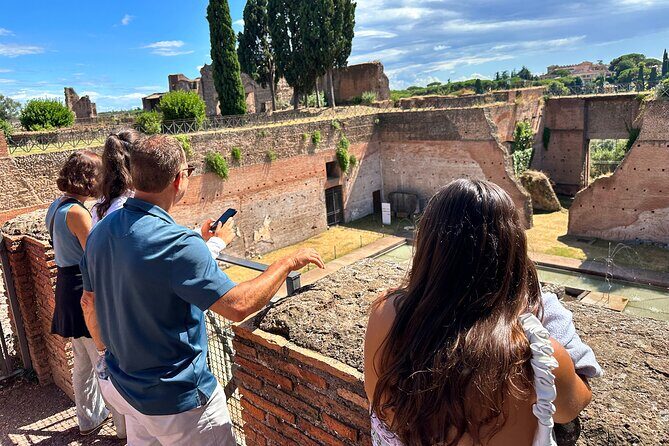
This is the centerpiece, and the tour treats it like one. You go inside and get guided access that includes the time to actually understand what you’re seeing: the arena space, the seating levels, and the engineering behind how the crowd experience worked.
The guide’s approach matters here. Instead of only repeating dates, the emphasis is on what Romans came for: gladiatorial combat, spectacle management, and the entertainment that shaped public life. That storytelling lens changes how the stones feel. The Colosseum isn’t just an ancient ruin; it becomes a working stage where power, risk, and crowds met.
You’ll also hear about the building as the biggest amphitheater ever built. That kind of scale is hard to absorb on your own because you’re busy looking for where to stand for photos. With a guide, you can follow the logic of viewing levels and how the space would have guided attention.
The tour also promises you won’t be stuck in long entering lines. In practice, that’s one of the biggest quality-of-life perks at the Colosseum, where time loss can turn a great plan into a stressful one.
A small bonus for families
The tour is explicitly described as kid-friendly, and that tracks with the format. When the guide explains arena life, crowd behavior, and what spectators were watching, children can latch onto the drama without getting lost in academic detail.
Palatine Hill and the emperors’ world
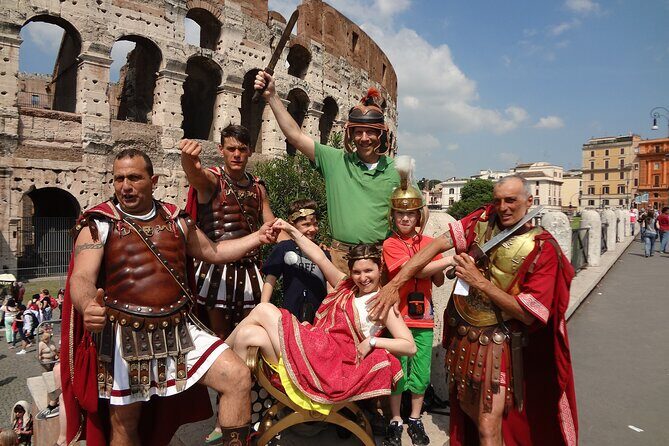
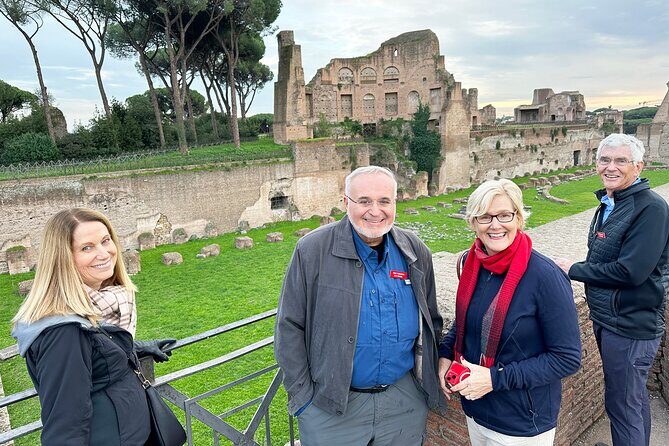
Palatine Hill is where “ancient Rome” stops being a history lesson and becomes a lived environment—palaces, gardens, and the sense of power that comes from being in the right place.
This stop is framed around the emperors and their surroundings, with accounts of leaders and notorious figures as you walk through areas tied to elite life. It’s not just about seeing ruins; it’s about imagining the daily geography of power.
You’ll get about an hour here, including admission ticket coverage stated for this stop. The key value is time with context. Palatine Hill can feel like another scatter of ancient stones if you don’t know what you’re looking at. With a guide, you’re building a mental model: who lived where, what the space was for, and why it mattered.
You can also read our reviews of more private tours in Rome



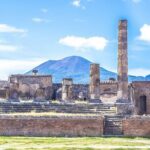
Roman Forum: temples, politics, and the Golden Mile
After the Colosseum, the Roman Forum is the perfect follow-up. The Colosseum tells you how Rome performed for itself. The Forum shows you how Rome governed itself.
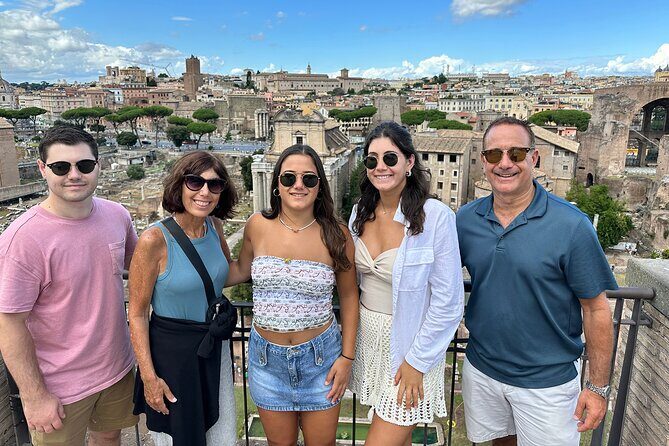
You’ll spend about an hour walking through the Forum’s main square logic, surrounded by political buildings, temples, and landmarks. The tour is designed so you don’t just hit monuments; you get the “why” behind them.
Arch of Constantine and the language of victory
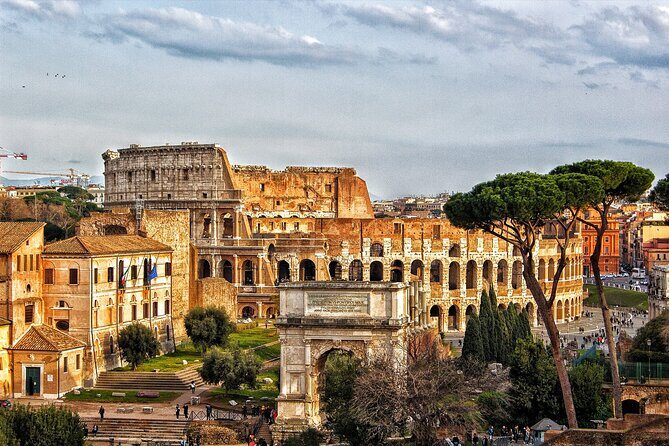
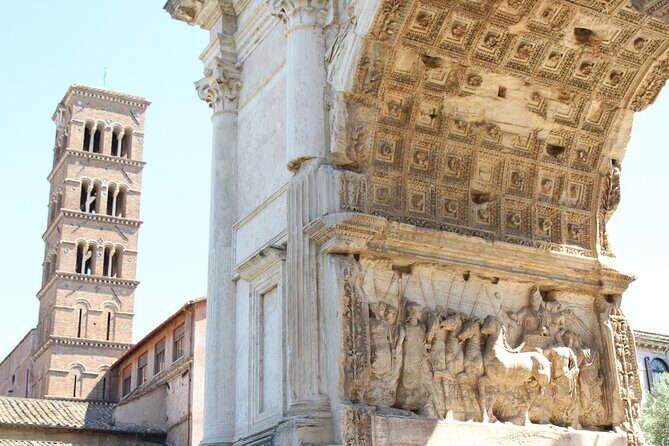
You’ll see the Arch of Constantine, described as the largest surviving Roman triumphal arch. That’s a huge clue to how Romans used monuments like headlines. Victory was public, and architecture helped broadcast it long after the battle ended.
This is where a good guide earns their paycheck. You’re not only looking at stone carvings; you’re learning how triumphal architecture functioned as messaging.
Senate House area: rule by institutions
The tour points you toward the Senate House, where ancient senators ruled the empire. Even if you’re not a political history buff, this stop helps you understand the Forum as the administrative and symbolic heart of Roman civic life.
When you see the space with guidance, you start to notice how power concentrates. Buildings aren’t random. They cluster around decision-making and authority.
Julius Caesar temple: memory as politics
You’ll visit the Temple of Julius Caesar. That matters because honoring individuals in stone wasn’t only religious; it was also political branding. The Forum keeps reminding you that Rome used culture to manage public belief.
House of the Vestal Virgins and the role of religion
The tour includes the House of the Vestal Virgins and other religious buildings. Vestal Virgins are often mentioned in popular culture, but the Forum setting helps you grasp why their presence was part of Rome’s worldview. Religion and state weren’t separate tracks here.
Basilicas, the Golden Mile, and everyday power
You’ll also see basilicas and the Golden Mile. Even if the exact function of each building varies, the takeaway is consistent: the Forum blended public debate, legal life, religious importance, and the routes people used to move through the city’s center.
Temple of Concord and Saturn: older than you think
You’ll visit the Temple of Concord and the Temple of Saturn, described as the oldest surviving temple in the Roman Forum. That’s a great moment to appreciate layers of Rome. You’re not looking at one era; you’re moving through a place that kept getting repurposed and reinterpreted.
How the guide makes the ruins make sense
This is where the tour’s highest praise comes through. Guides are described as exceptional, funny, patient, and deeply passionate about the sites, with a consistent ability to answer questions.
Several guide names show up in the feedback: Maria, Georgia, Alessandra, and Egle. Each is noted for turning the Colosseum and Forum into something you can picture, not just something you can walk past.
A couple of practical guide techniques are specifically called out. One is the use of props and tablet images to build a mental snapshot of how life looked in the Roman world. Another is the ability to keep a family engaged for the full walk, not just the first 15 minutes.
That “explain and show” style is exactly what you want in this part of Rome. The Colosseum and Forum punish guesswork. When you can’t read the stones, you need the guide to provide the missing context.
Price and value: what you’re paying for
At $354.86 per person for about 3 hours, this is not a budget tour. But it’s also not paying just for access to famous stones.
Here’s the value math you can actually use: the inclusions list the Colosseum entrance ticket valued at €18 per person and a Colosseum reservation fee valued at €2 per person. The rest of the cost covers the paid guidance, the reserved setup, and the private experience structure.
If you’re the kind of traveler who wants to understand the Forum’s logic and the Colosseum’s spectacle system, private guidance is where the money turns into knowledge you can carry with you. If you just want Instagram angles and don’t care about the stories behind them, you’ll likely feel the price.
The good news is this tour’s structure targets the biggest “pain points” at these sites: time lost to entering lines and the frustration of not knowing what to prioritize. If you want to reduce both, the price can feel more reasonable.
Also, booking is noted at about 44 days on average. If you have a specific travel window, don’t wait until the last week and hope.
Practical tips so your tour day goes smoothly
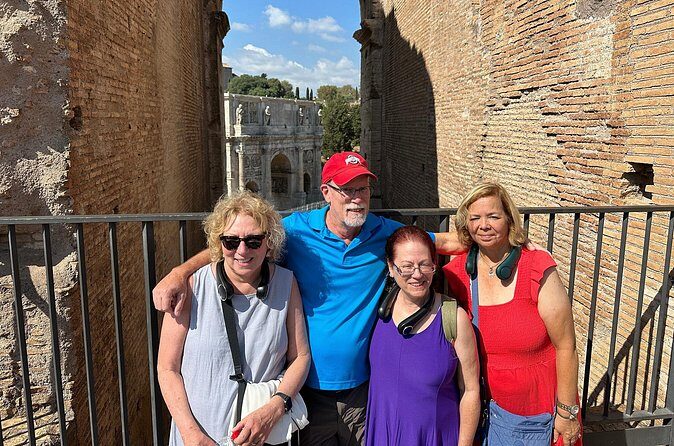
A few things to do before you show up:
- Match names exactly on IDs and the booking details. This is not a “close enough” situation.
- Bring a valid passport or ID document for every traveler.
- Plan for a lot of walking. Even with reserved access, you’re covering three major ancient zones in roughly three hours.
- Bring water and think about sun and shade. The Forum area doesn’t always offer quick shelter.
- Come with one or two questions. If you’re curious about gladiators, senate power, emperors, or public religion, the guide can connect those dots.
If your main goal is to see the Colosseum quickly, this won’t feel like a sprint. It’s designed to keep you oriented and moving with meaning.
Who this tour is best for (and who should rethink it)
This tour is a strong fit if you want:
- a private, guided pace through Colosseum + Forum + Palatine Hill
- an art historian style approach, meaning you’re interested in context, not only facts
- skip-the-line style comfort at the busiest landmark in town
- a guided experience that works well for families, including kids
You might rethink it if:
- you’re traveling on a tight budget and don’t mind doing some self-guided reading
- you prefer to move completely at your own speed without any “schedule” feel
It’s also a good choice if you care about how Rome’s stories connect. The Forum isn’t just a list of ruins, and Palatine Hill isn’t just “more stones on a hill.” This tour is built to stitch the narrative together.
Should you book this private Colosseum, Roman Forum and Palatine Hill tour?
Book it if you want your time in Rome’s top ancient zones to feel guided, calm, and understandable. The reserved entry setup, private format, and art historian storytelling are a strong mix for anyone who wants more than photos.
Pass on it if your priority is lowest cost and you’re comfortable navigating the sites with maps and your own background reading. In that case, you’ll still see the monuments, but you may feel like the guide-led context is what you paid extra for.
If you fall in the middle—interested in Rome’s power and spectacle, but not interested in getting lost—this is the kind of tour that tends to feel worth it on the day you take it.
FAQ
How long is the private tour?
It runs for about 3 hours.
Where does the tour start?
The meeting point is Piazza del Colosseo, 3, 00184 Roma RM, Italy.
Is this experience private?
Yes. It’s a private tour/activity, and only your group participates.
Are tickets included?
The Colosseum entrance ticket is included, and the Colosseum reservation fee is included as well. The itinerary also indicates admission ticket inclusion for the other stops on the route.
Do I get a mobile ticket?
Yes, the tour includes a mobile ticket.
What documents do children need?
Children under 18 must show a passport or ID card. All travelers must present valid passport or ID matching the names provided at booking.
Can I cancel for a refund?
No. The experience is non-refundable and cannot be changed for any reason.