REVIEW · 1-DAY TOURS
Civita di Bagnoregio and Orvieto – Private Day trip from Rome
Book on Viator →Operated by Discovery Tours Limousine Service Day Tours · Bookable on Viator
Two towns, one steep tuff day. Orvieto underground plus Civita by footbridge makes this trip feel like you’re in three different centuries at once. You’ll get an English-speaking driver/guide, private transportation with hotel pickup, and guided time at each key stop. I also love the pace: enough structure to see the big sights, but still time to wander on your own.
The main drawback is physical effort. Civita di Bagnoregio involves a real walk up to the town and narrow streets once you arrive, so it’s not ideal if you want minimal stairs and minimal steps.
The day runs about nine hours, starting around 8:30am with pickup from Rome hotels. You’ll hear the driver’s fun explanations while guides handle the stops. The sites are not all included in the price, so plan for entrance fees and lunch on your own.
In This Review
- Key Points You’ll Care About
- A Private Day Trip That Puts Orvieto on Top
- Rome Pickup and the 75-Minute Run to Orvieto
- The Pope’s Well: Pozzo di San Patrizio and Its Double-Helix Stairs
- Orvieto Cathedral Above: Gothic Lines in a Tuff-Top Town
- Underground Orvieto: Tunnels, Hidden Rooms, and Etruscan Artifacts
- Civita di Bagnoregio: The Footbridge Ghost-Town Feeling
- Etruscan Olive Oil Press Time: A Small Stop With Big Context
- Lunch, Wine, and How to Keep the Day Comfortable
- Price and Value: What You’re Really Paying For
- Best Fit: Who Should Book This Day Trip
- Practical Tips for Getting the Most From Each Stop
- Should You Book Civita di Bagnoregio and Orvieto?
- FAQ
- How long is the private day trip?
- What time does the tour start?
- Do I get hotel pickup and drop-off in Rome?
- Is this tour private?
- Is there an English-speaking guide?
- Are entrance fees included?
- Is lunch included?
- Is bottled water included?
- Is wine included?
- Is the walk in Civita di Bagnoregio easy?
Key Points You’ll Care About
- A small private group (up to 6) makes the schedule flexible and the day more personal.
- Orvieto Pozzo di San Patrizio is a standout technical feat: double-spiral staircases down to a deep well.
- Underground Orvieto gets you off the main streets and into tunnels and passageways tied to Etruscan life.
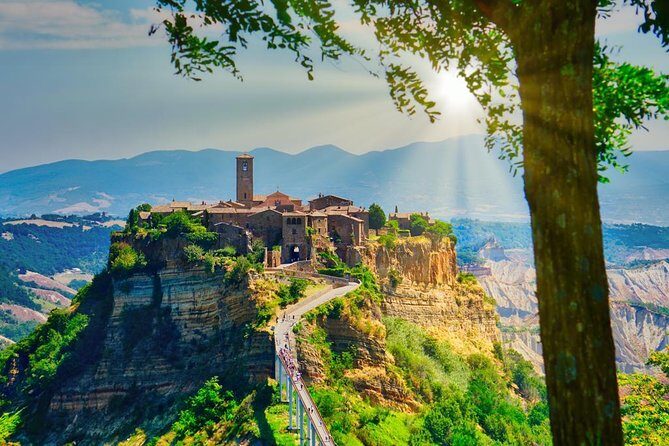
- Civita di Bagnoregio is “only accessible by a footbridge,” which creates that almost ghost-town feel.
- Early start matters—getting going first thing helps you beat the worst crowd pressure.
A Private Day Trip That Puts Orvieto on Top
This is the kind of trip that makes sense when you’ve already spent a few days in Rome and you want something calmer, stranger, and more varied. You’re traveling to two hill towns that sit on volcanic tuff, with Orvieto layered above and below ground, and Civita hanging on a ridge like it’s paused in time.
I like how the route is built around contrasts. Orvieto gives you the famous Gothic cathedral look, the dramatic well, and the subterranean world beneath it. Then Civita di Bagnoregio turns the volume down: less bustle, narrow lanes, and that footbridge arrival that instantly changes your pace. It’s a day where your camera roll will have everything from staircases to quiet stone alleys.
You can also read our reviews of more private tours in Rome


Rome Pickup and the 75-Minute Run to Orvieto
After pickup from your Rome hotel (or other Rome meeting location), you’ll ride north for about 75 minutes to Orvieto. The drive time matters because it’s early and steady, so you’re not starting sightseeing half-dazed.
A private vehicle also helps you manage the day. You’re not sharing space with strangers, and you can move as a group at the stop level. That matters especially on a schedule like this one, where the big sights are time-sensitive and the best moments often come early.
Dress for comfort more than style. Comfortable casual clothes and shoes are smart because you’ll be walking through historic spaces and doing some up-and-down terrain. Your tour includes bottled water, which is a small thing that makes the day easier to survive.
The Pope’s Well: Pozzo di San Patrizio and Its Double-Helix Stairs
One of the most memorable stops is Pozzo di San Patrizio, the deep well associated with Pope Clement VII. It was designed during a moment when the Pope needed a safe refuge during Rome’s sacking, and it remains famous for its engineering.
What you should look for is the structure: double-spiral staircases. In plain terms, it’s built so people can descend and ascend without bottlenecking. You can think of it as a practical solution disguised as architecture theater. The well is about 203 feet deep, and that sense of height and depth is part of the emotional punch of the visit.
There’s one catch: the well stop includes an entrance ticket that isn’t included in the tour price. Still, if you like technical history, this is exactly the kind of sight that rewards paying attention. It’s not just pretty stone—it’s problem-solving from centuries ago.
Orvieto Cathedral Above: Gothic Lines in a Tuff-Top Town
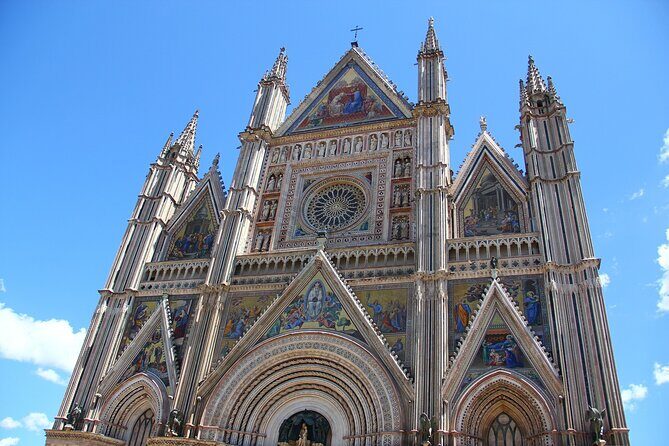
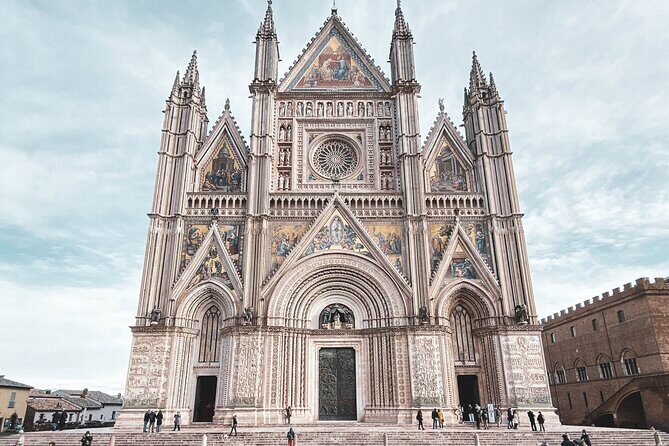
Next you’ll spend time at the Duomo di Orvieto, Orvieto’s Gothic cathedral. This is where the town’s energy shifts from underground engineering to above-ground art and design.
Orvieto’s cathedral stands out because it’s visually structured—sharp lines, a strong silhouette, and that unmistakable “major church” feel that makes you slow down and look up. Spend time walking around and taking in details before you decide where to focus inside (if you go in; entrance fees are not included).
This stop works well in the day because it resets your body and your eyes. After staircases and tunnels, a cathedral gives you open-air breathing room and a chance to understand where the town’s importance came from.
Underground Orvieto: Tunnels, Hidden Rooms, and Etruscan Artifacts
Then you get the experience Orvieto is best at: being partly built in layers. The underground section is often the most memorable, because it turns a walk into a journey through time.
Here’s what to expect: winding tunnels, passageways, stairs, and hidden rooms tied to around 3,000 years of history. You’ll also see Etruscan artifacts as part of the underground story. The point isn’t just to say you went underground—it’s to see how the terrain shaped life.
There’s also a practical benefit. Underground spaces tend to feel cooler and calmer than the street-level heat, and that makes the rest of your day easier to enjoy. Just remember that underground routes can mean uneven steps and tighter turns, so keep your footing steady.
Like the other major stops, entrance tickets aren’t included, so budget for that part of the day.
You can also read our reviews of more tours and experiences in Rome

Civita di Bagnoregio: The Footbridge Ghost-Town Feeling
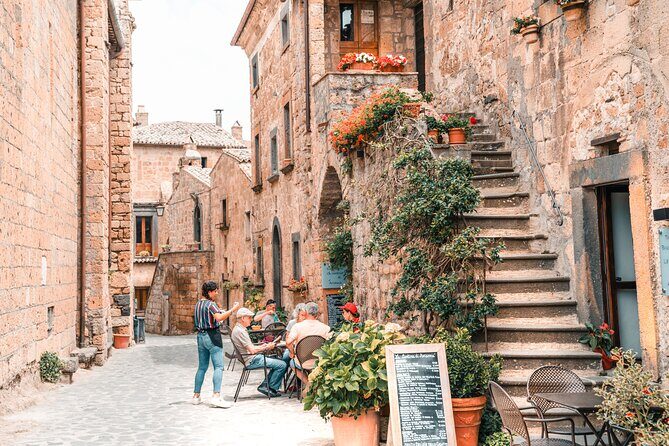
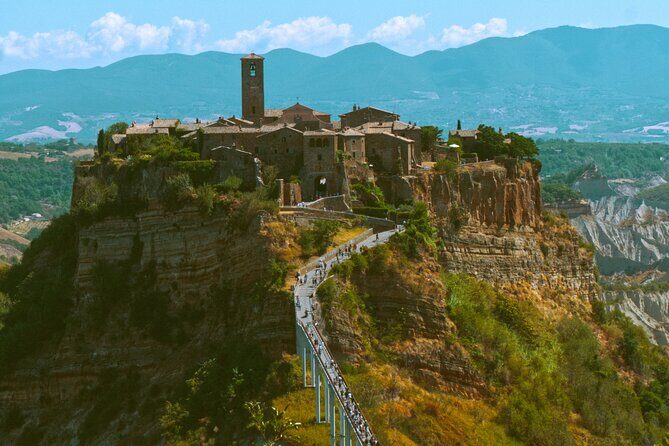
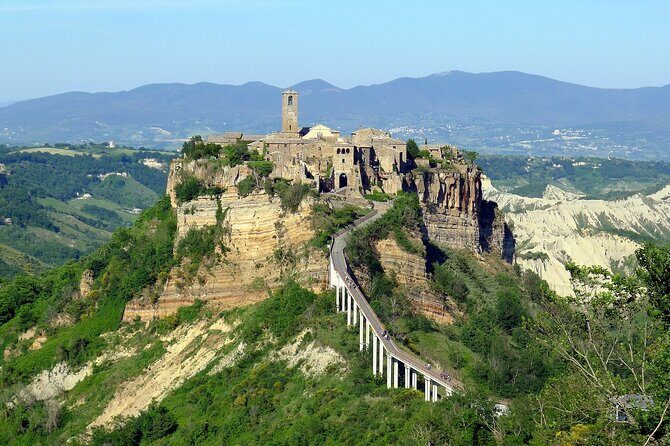
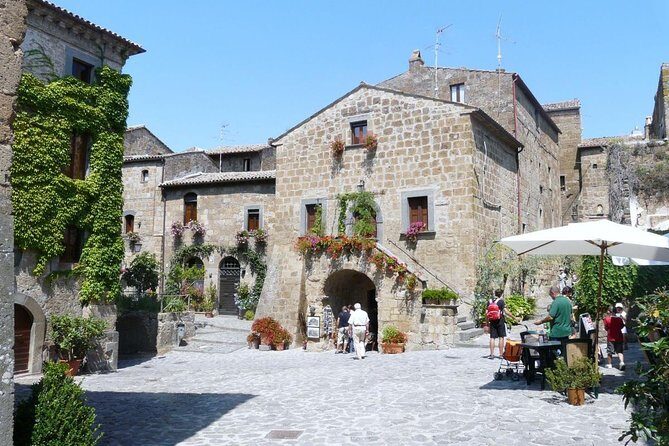
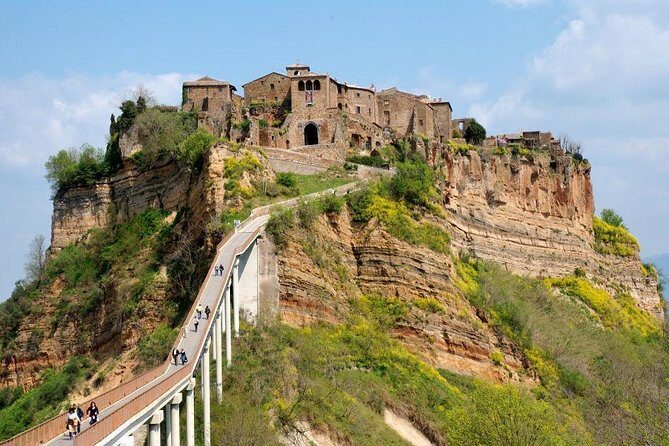
If Orvieto is about layers, Civita di Bagnoregio is about stillness. This is an almost deserted town accessible only by a footbridge, with only about 25 to 50 inhabitants. That access detail is the whole story: you’re not just visiting a town, you’re crossing into a place that doesn’t feel built for crowds.
The streets are narrow and the terrain can include a noticeable climb up to the town. One word of caution from my perspective: this is not the stop for people who want an easy stroll with no stairs. The town is small, but the route up can feel steep, especially if you’re tired from earlier walking.
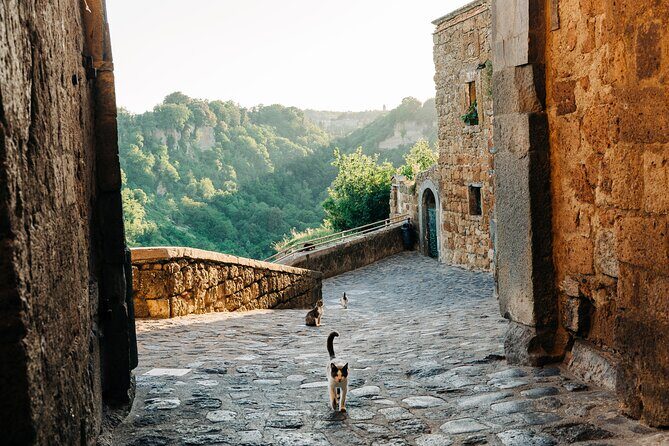
What I like most is how the time-worn look becomes personal. You’re surrounded by quiet stone and simple lanes, and the place really does feel like it kept its habits long after modern life moved on. You’ll also have time for independent wandering once you’re there.
Etruscan Olive Oil Press Time: A Small Stop With Big Context
Civita isn’t only streets and views. You’ll have the chance to visit an ancient olive oil press originally built by the Etruscans in this area. That’s a great add-on because it grounds the ghost-town vibe in everyday survival and work.
Think of it this way: if the streets show you the results, the olive oil press shows you the process. It gives the town a practical identity beyond atmosphere. This stop has free admission, so it’s one of the “value adds” in the schedule.
It also pairs well with your earlier underground Orvieto experience. You’re seeing different time periods, but the theme stays similar: how people used the environment to live.
Lunch, Wine, and How to Keep the Day Comfortable
Lunch is on your own expense, and that’s normal for a day trip like this. I recommend planning for a sit-down meal somewhere in the middle of the schedule rather than trying to snack your way through. You’ll be happier walking the last stretch if you’ve had something real in your stomach.
A glass of local wine is available if you want it. That’s a nice touch for winding down after Orvieto’s walking and before Civita’s quiet lanes.
Bring patience, too. Historic towns don’t move at modern speed. If you keep your expectations flexible, you’ll enjoy the day more than trying to “finish” each stop like a checklist.
Price and Value: What You’re Really Paying For
The price is $1,537.95 per group (up to 6), for about nine hours. On the surface, that’s expensive. But for a private day trip like this, you’re paying for more than transport.
You’re paying for:
- hotel pickup and drop-off in Rome
- a private vehicle for the full day
- an English-speaking driver/guide who narrates and keeps the timing working
- bottled water
- all fees and taxes tied to the tour operation (not site admissions)
Entrance fees and meals are not included, so your final spend depends on what you choose to do at each stop. Still, the private element is the main value. You’re not battling schedules, finding meeting points with strangers, or constantly waiting for other groups.
If you’re traveling as a family or small circle, this can turn out to be smart value compared to buying multiple separate tickets for a group tour. If you’re traveling solo, the cost per person will feel bigger. In that case, make sure you really want a private format.
Best Fit: Who Should Book This Day Trip
This tour is best if you want structure but still like wandering. You’ll get guided time at the stops, but you’re also free to roam in Civita di Bagnoregio and absorb the mood at your own pace.
It also fits you if you enjoy:
- architectural stops (especially Gothic churches)
- technical sights (like a deep well with double-spiral staircases)
- history you can feel in your legs (stairs, tunnels, climbs)
It’s less ideal if you want a fully relaxed day with minimal walking. The Civita arrival involves a climb and narrow lanes. The tour notes a moderate physical fitness level, and that matches reality.
The private format helps older travelers a lot because you can go at your group’s pace. In one case, the party included people in their 70s and they still made it up to Civita, but they prepared and moved carefully.
Practical Tips for Getting the Most From Each Stop
First, go early when you can. Starting around 8:30am is a real advantage because the day starts before the heaviest crowds press in. That makes your walking less stressful and your photos easier to compose.
Second, bring footwear you trust. You’ll handle stairs and uneven steps in both underground Orvieto spaces and the Civita approach. Casual shoes with good grip beat fashion footwear.
Third, plan your mindset for Civita. It’s small and quiet, not a theme park. If you expect a lively town square, you’ll be disappointed. If you want stillness, stone alleys, and a place that feels cut off from time, you’ll get exactly that.
Fourth, budget for entrances and lunch. The tour covers guided time and logistics, but site admissions are separate. If you keep a loose budget, you won’t feel rushed when you’re asked to pay at the ticket counter.
Should You Book Civita di Bagnoregio and Orvieto?
I’d book it if you want a day trip that feels different from Rome without turning into a long, tiring slog across too many stops. Orvieto gives you standout architecture plus underground history, and Civita di Bagnoregio delivers that rare footbridge-only town atmosphere.
I would hesitate only if you’re worried about walking up to Civita’s town level or you need a very low-step day. If you’re comfortable with a moderate fitness level and stairs, this is one of those tours that makes the countryside feel personal fast.
If you want, tell me your travel dates and how many people are in your group, and I’ll sanity-check whether the private price looks fair for your situation and suggest a practical budget for entrances and lunch.
FAQ
How long is the private day trip?
The total duration is about 9 hours.
What time does the tour start?
Pickup and start time is listed as 8:30am.
Do I get hotel pickup and drop-off in Rome?
Yes. Pickup and drop-off are offered for customers at Rome hotels and other Rome meeting locations.
Is this tour private?
Yes. It’s a private tour, and only your group participates.
Is there an English-speaking guide?
Yes. The tour includes an English-speaking driver/guide.
Are entrance fees included?
No. Entrance fees are not included.
Is lunch included?
No. Lunch is not included, but there is time for it during the day at your own expense.
Is bottled water included?
Yes. Bottled water is included.
Is wine included?
A glass of local wine is included if desired.
Is the walk in Civita di Bagnoregio easy?
It’s not described as easy. The town is reached via a footbridge and involves walking through narrow streets; the tour requires a moderate physical fitness level.