REVIEW · DINING EXPERIENCES
Cesarine: Market Tour & Typical Dining at a Local’s Home in Rome
Book on Viator →Operated by Cesarine: Cooking Class · Bookable on Viator
Your dinner starts at the market. Cesarine blends a local market stop with a hands-on cooking class inside a Roman home, where hosts lean on family cookbooks and classic Roman recipes. I like two things most: you buy fresh ingredients at a real neighborhood market, and you prepare the four-course meal yourself.
One possible drawback: it runs on a set schedule (10:30 am for about 3 hours 30 minutes), and on certain public holidays market access can change, shifting more time to cooking. In many experiences, you’ll also be treated like family by hosts you might meet such as Maria, Gianluca, Anna, Cristiana (with Luca), or Roberta and Giorgia, often with Italian wine at the table.
In This Review
- Key things you’ll do (and why they matter)
- Entering Rome Through a Local Market First
- The 10:30 AM Market Run: What You’re Actually Looking For
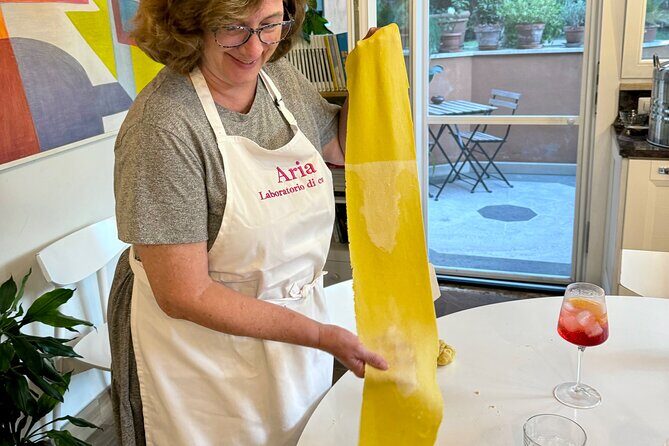
- A Hands-On Four-Course Cooking Class in a Real Roman Home
- Starter: Seasonal and simple, built from what you bought
- Main course: Fresh pasta, with Roman shapes in the mix
- Second course: Classic Roman comfort, not just “pasta again”
- Dessert: Roman sweetness, often tiramisu or ricotta-based tarts
- Learning the “Tricks” Behind Roman Dishes (Not Just the Recipe)
- The Dining Part: Where the Wine and Family Hosting Take Over
- Price and Value: What You Get for About $164.43
- Who This Works Best For (And Who Might Prefer Something Else)
- Practical Tips to Get the Most Out of Your Cooking Day
- Bring a hungry appetite
- Ask about dietary needs at booking
- Pace your questions
- Dress for active work
- The Short Version: Should You Book Cesarine in Rome?
- FAQ
- How long is the Cesarine market tour and home dining experience?
- What time does it start in Rome?
- Is it private, or will I share with strangers?
- What language is the experience offered in?
- What does the tour include?
- Do I need a physical ticket?
- What’s the cancellation rule?
Key things you’ll do (and why they matter)
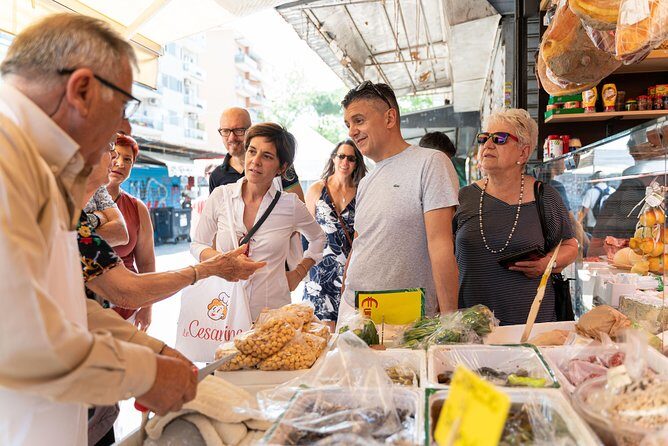
- Shop for ingredients locally: You’ll pick seasonal produce and pantry items instead of buying everything from a tourist shelf.
- Cook a full four-course Roman meal: Starter, fresh pasta, a second course with sides, and a Roman-style dessert.
- Learn the techniques behind the dishes: It’s not just watching; you’ll get hands-on and build skills for real pasta and sauces.
- Eat at a host’s home with wine: The meal is the payoff, served family-style in a lived-in space.
- Enjoy English instruction in a private format: It’s set up for just your group, so questions don’t get lost in the crowd.
Entering Rome Through a Local Market First
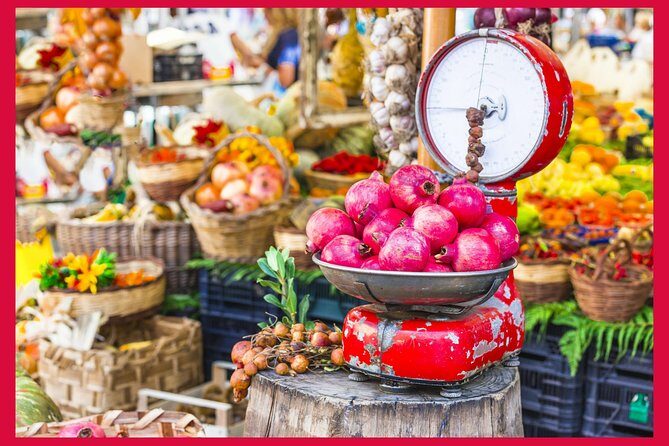
There’s a reason Rome’s best food experiences start with shopping. When you buy what’s in season, the cooking stops being abstract and becomes practical. It also gives you instant context for what you’ll taste later.
Cesarine’s market element is about more than picking tomatoes. You’re learning how Romans think about ingredients: what looks best, what goes together, and which items drive flavor in everyday dishes. This is where the experience earns its keep, because your meal is built from your choices.
You can also read our reviews of more shopping tours in Rome


The 10:30 AM Market Run: What You’re Actually Looking For
The tour starts at 10:30 am and typically begins at a meeting point in the Province of Rome area (with access to public transportation). From there, the market visit is designed to feel like a normal errand, not a guided parade.
You can expect to buy the core building blocks for your meal:
- Seasonal starter ingredients
- Items for fresh pasta (the class menu often includes shapes like rigatoni, bucatini, or gnocchi)
- Components for a second course that can range from fish and offal-style Roman favorites to classic meat dishes
- Dessert items for a Roman sweet that may include tiramisu or a ricotta-and-cherry style tart
A practical note: one booking adjustment described for a Rome public holiday shifted the plan away from the market and toward an expanded cooking class. If you’re traveling around a major holiday, that kind of flexibility matters.
A Hands-On Four-Course Cooking Class in a Real Roman Home
The cooking component is the heart of the experience. In most cases, you’ll help prepare a four-course meal during the class, then eat it where it’s made. That hands-on approach turns a nice dinner into a skill-building session you can actually reuse.
Starter: Seasonal and simple, built from what you bought
The starter is listed as seasonal, which is your hint that you should expect variation. Even when dishes change, the lesson stays consistent: Roman starters often highlight fresh produce and straightforward flavor, not heavy sauces or complicated plating.
Main course: Fresh pasta, with Roman shapes in the mix
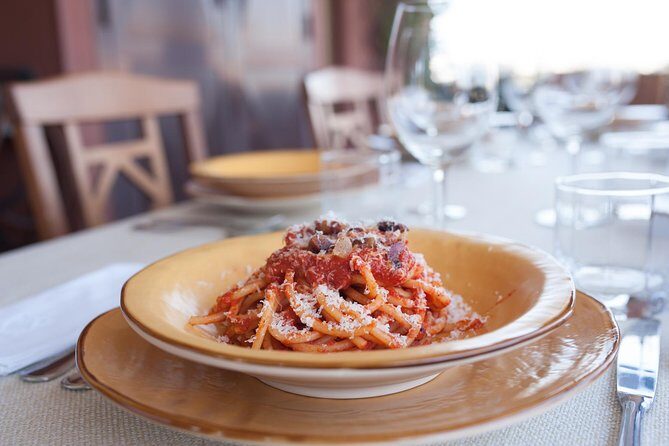
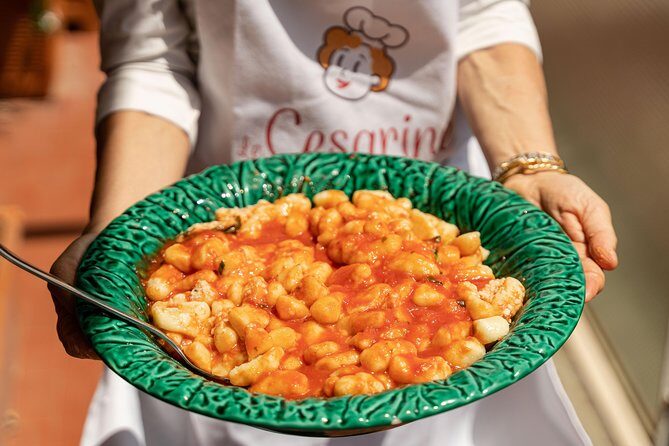
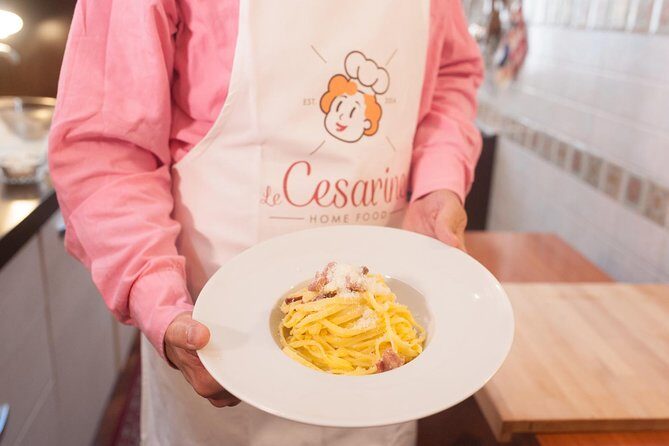
Fresh pasta is the anchor. Depending on the class, you might work with rigatoni, bucatini, or gnocchi. If you’re picky about technique, this is one of the best parts: pasta shape changes how sauce clings, and you’ll usually hear that logic while you’re working.
In real homes, the teaching can go beyond the set menu. One host example included making gluten-free gnocchi with guidance on correct technique, then pairing it with Amatriciana-style sauce. If you have dietary needs, it’s worth asking when you book, because flexibility can exist.
You can also read our reviews of more tours and experiences in Rome





Second course: Classic Roman comfort, not just “pasta again”
After pasta, the course takes a Roman turn. The listed options can include:
- Saltimbocca alla romana con puntarelle
- Alici fritte
- Coda alla vaccinara con cicoria ripassata
This is a good moment to pay attention to side dishes, since the Roman approach often depends on balance. Greens like puntarelle or cicoria show up as flavor partners, cutting richness and making the plate feel complete. Even if you don’t memorize every step, you’ll leave with a better sense of how Romans build a meal.
Dessert: Roman sweetness, often tiramisu or ricotta-based tarts
Dessert is typically a Roman classic. Options include:
- Ricotta and cherry tart
- Roman tiramisu
- Chocolate shortbread
- Tiramisu or a similar typical Roman dessert
If you love sweets, watch how the host handles texture: tiramisu is all about timing and layering, not just ingredients. One birthday-themed experience described Maria teaching fresh pasta and tiramisu, with the whole family getting involved in the celebration. That’s the emotional payoff, but the technical payoff is that you’re learning what makes the dessert taste like the real thing.
Learning the “Tricks” Behind Roman Dishes (Not Just the Recipe)
Cesarine promises tricks behind classic Roman dishes, and the best versions of this kind of class don’t treat tricks as secrets. They treat them as cause-and-effect: if you do X, you get Y.
Here’s what that usually means in practice:
- Timing: pasta and sauces need attention right before serving
- Texture: gnocchi consistency, cut size, and how you handle dough
- Flavor building: how simple ingredients add up
- Seasonal logic: using what the market gives you so the meal tastes current
You’ll also get context through storytelling. One host example included explanations while shopping and pointing out food-relevant stops along the way. That kind of talk helps you understand why Romans cook the way they do, rather than memorizing a list of steps.
The Dining Part: Where the Wine and Family Hosting Take Over
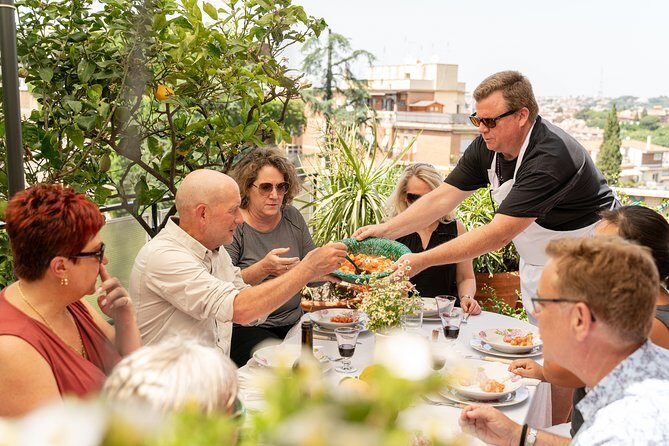
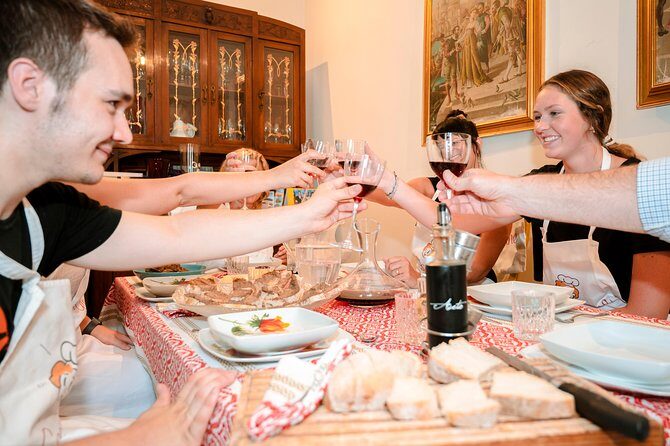
After cooking comes eating, and that part is often what people remember most. Cesarine is built around sharing a meal in a host’s home, not in a restaurant lineup.
Expect Italian hospitality in a real home setting, and often Italian wine during the meal. One experience described coffee and cookies as a welcome before heading to the market and returning to cook. Another described a family meal atmosphere where conversation mattered as much as the food.
Hosts can vary by booking, and names from past experiences include Maria, Gianluca, Anna, Cristiana with Luca, and Roberta with her daughter Giorgia. You might even meet an offbeat assistant chef like Nemo the dog, depending on the household. None of that changes the structure of the meal, but it does change the tone, and that’s part of the value.
Price and Value: What You Get for About $164.43
At $164.43 per person for about 3 hours 30 minutes, this isn’t a bargain. But it often compares favorably when you look at what’s included: market shopping, a hands-on cooking class, a multi-course meal you helped prepare, and Italian wine.
A restaurant meal might cover only the eating part. A cooking class might cover learning, but not always include a proper meal built from shopping choices. This experience aims to combine all three in one go: ingredient sourcing + cooking skills + shared dining.
It’s also private, meaning only your group participates. That’s a real advantage if you want to ask questions without the clock and the crowd.
Who This Works Best For (And Who Might Prefer Something Else)
This tour fits you if:
- You want a Rome food experience that feels personal
- You like cooking hands-on, not just watching
- You want a structured meal with real Roman dishes, from pasta to dessert
- You prefer English instruction and a private format
It might feel like overkill if you’re in Rome for only one day and you’d rather maximize sightseeing than cooking. Also, if you hate early starts, the 10:30 am timing can be a factor.
If you’re celebrating something, the home setting is a strong match. One described birthday celebration included happy birthday in Italian and English, which shows how flexible and warm some hosts can be.
Practical Tips to Get the Most Out of Your Cooking Day
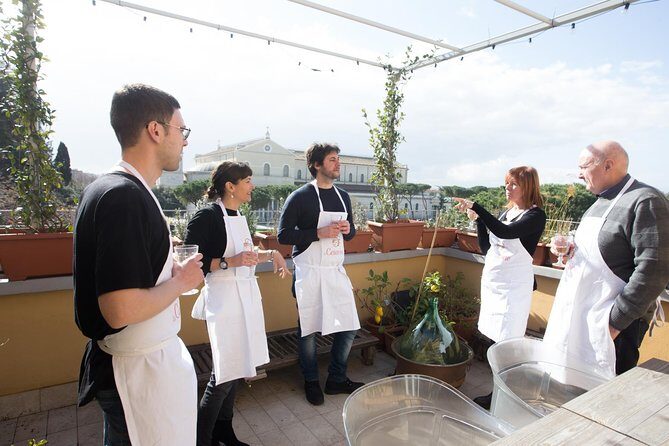
A few things can make your day smoother, even though the exact house and menu will vary.
Bring a hungry appetite
You’ll cook a four-course meal and then eat it. If you arrive on a “snack and coffee” plan, you’ll be playing catch-up.
Ask about dietary needs at booking
The core menu includes pasta and Roman classics, and real households may accommodate needs. One host example included gluten-free adaptations and separate gnocchi preparation. That doesn’t guarantee every situation, but asking early is smart.
Pace your questions
English instruction is available, so you can ask how to replicate dishes later. Just remember you’ll be working with heat and timing. Good questions are practical: what step matters most, what to watch for, and how to tell when it’s ready.
Dress for active work
You’re likely standing and moving during cooking. Comfortable shoes help. Keep your outfit simple, since you’ll be in a kitchen environment, not a formal dining room.
The Short Version: Should You Book Cesarine in Rome?
Book it if you want a Roman meal you can feel and repeat: market-first ingredients, hands-on cooking, and a shared home dinner with wine. The private format and English instruction make it easier to connect with your host and ask about technique.
Skip it if your priority is only sightseeing or if you’re allergic to structured time blocks. This is best when you’re ready to spend a few hours eating what you helped make.
FAQ
How long is the Cesarine market tour and home dining experience?
It lasts about 3 hours 30 minutes.
What time does it start in Rome?
The start time listed is 10:30 am.
Is it private, or will I share with strangers?
It’s private. Only your group participates.
What language is the experience offered in?
It’s offered in English.
What does the tour include?
You’ll visit a local market to buy fresh ingredients, take part in a hands-on cooking class preparing a 4-course meal, and dine with your host. Italian wines are included with the meal.
Do I need a physical ticket?
You get a mobile ticket.
What’s the cancellation rule?
Cancellation is free up to 24 hours in advance of the experience’s start time for a full refund. If you cancel less than 24 hours before, the amount you paid is not refunded.