REVIEW · FOOD
Campo dei Fiori Market and Trevi Fountain District Food & Wine Tour in Rome
Book on Viator →Operated by Food Tours of Naples · Bookable on Viator
Food and sights, fast and delicious.
This Rome food-and-wine walk strings together classic neighborhoods from the Campo de’ Fiori area to the Trevi Fountain finish, with a guide leading you through what people actually eat and drink around here. I love how you get a real market-to-monument route, not just a list of stops, and you’ll try a lot along the way.
The best part is the small group pace. With a maximum of 15 people, guides like Marco, Greta and Bruno, and Matteo can actually answer your questions and steer you toward what’s worth noticing. I also like that lunch is included, so you leave full and happy instead of hunting for food after the tour.
One thing to consider: this isn’t set up for everyone’s diet. It’s not suitable for vegans, gluten-free, or dairy-free plans, and there’s a specific warning about cross contamination for allergies involving nuts and dry fruits.
In This Review
- Key highlights
- Starting at Piazza Farnese: How This 11:00 A.M. Tour Flows
- Campo de’ Fiori: Where the Market Energy Sets the Tone
- Piazza Navona: Roman Landmarks With a Food-First Lens
- Pantheon Area Tastings: Prosciutto, Cheese, Pizza, Gelato, More
- Trevi Fountain Finale: Coin Flip and a Full-Day Win
- What You Really Get for $107.17: Value Breakdown That Makes Sense
- Guide Style and Group Size: Why People Remember Marco, Greta, Bruno, and Matteo
- Practical Tips Before You Book: Shoes, Diet, and Allergy Reality
- Who Should Book This Rome Food and Wine Tour (And Who Should Skip It)
- Should You Book It? My Honest Call
- FAQ
- How long is the Rome Campo de’ Fiori and Trevi food & wine tour?
- What time does the tour start?
- Where do I meet the guide?
- Where does the tour end?
- Is transportation or hotel pickup included?
- What’s included in the price?
- Is the tour offered in English?
- How many people are in the group?
- Is the tour suitable for vegan, gluten-free, or dairy-free diets?
- Is there any cancellation policy info I should know?
Key highlights
- Over 10 tastings included, with wine, beer, and soft drinks as part of the experience
- Campo de’ Fiori market vibes, with vendors interacting and sharing what makes their products work
- Pantheon area food stops, including prosciutto, cheese, oven-baked pizza, gelato, truffles, and limoncello
- Piazza Navona and Roman landmarks, including the Marcus Aurelius Column and the Theatre of Pompey
- Trevi Fountain coin moment, timed as your tour’s celebratory finish point
Starting at Piazza Farnese: How This 11:00 A.M. Tour Flows
You meet at Piazza Farnese (00186 Roma) at 11:00 am, and the experience runs about four hours on foot. It’s smart-casual territory, and you’ll be doing a moderate amount of walking, so wear comfortable shoes you trust. There’s no hotel pickup or drop-off, so plan to get to the meeting point by public transit, taxi, or on foot.
Because the tour ends at the Trevi Fountain area, it’s a nice setup for the rest of your afternoon. You can keep walking through central Rome, or use the area to reposition yourself for another sight or meal.
Another small practical detail I appreciate: it’s offered in English, and you’ll get a mobile ticket. Also, the places you stop can change, so keep a little flexibility in your schedule rather than expecting an exact photo-for-photo route.
You can also read our reviews of more food & drink experiences in Rome
Campo de’ Fiori: Where the Market Energy Sets the Tone
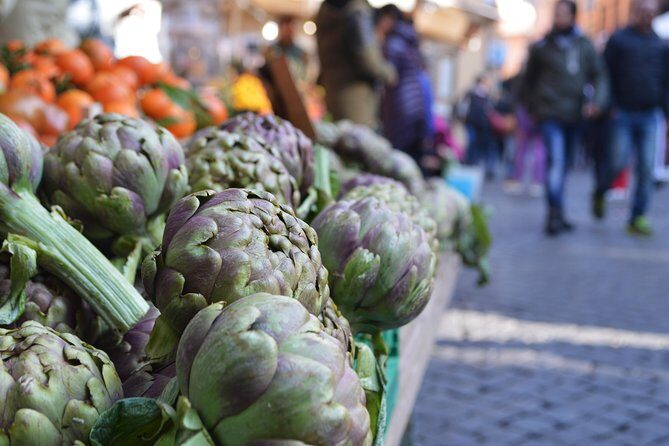
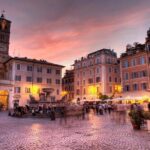
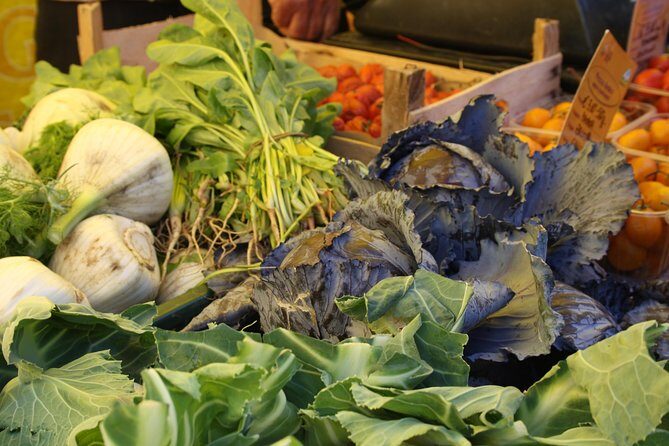
Your day kicks off at Piazza Campo de’ Fiori, and this is where the tour finds its heartbeat. You’re not just passing by storefronts—you’re being welcomed into Rome’s food culture right where locals shop and snack. It’s also a strong starting point because the market area naturally builds a sense of momentum: you’re awake, you’re hungry, and your guide has you watching for details.
You’ll learn the highlights of the Trevi district as you go, and that matters because Rome’s food isn’t locked inside one “food district.” You’re seeing how neighborhoods connect, including the area near the Tevere river.
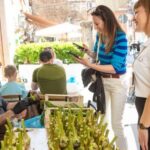
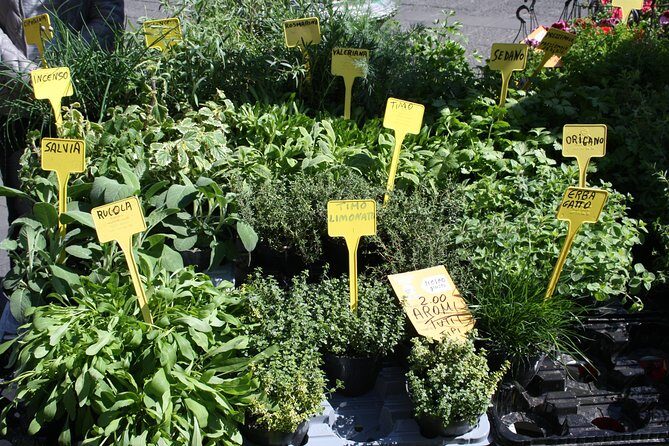
I particularly like the way vendors fit into the experience. You’ll have moments where vendors interact with you, and you’ll hear the logic behind their products—what makes something taste right, and why certain ingredients or processes matter. That’s the kind of learning that sticks, even after the tour ends.
Piazza Navona: Roman Landmarks With a Food-First Lens
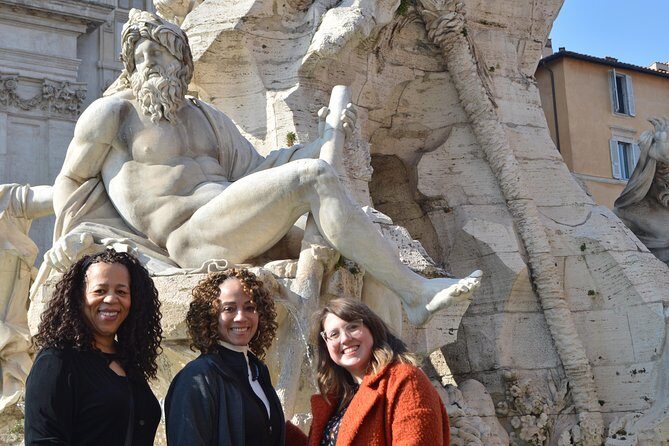
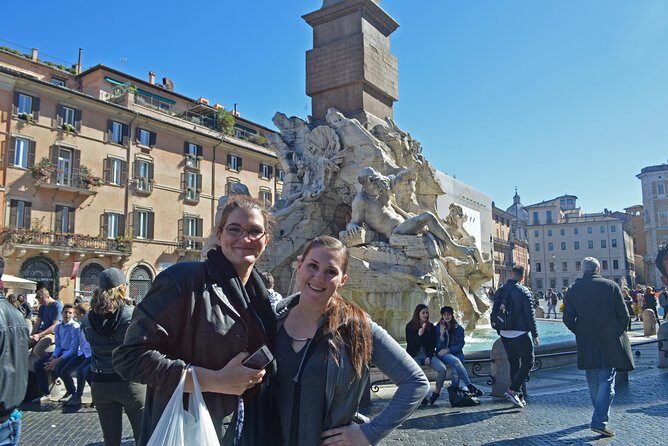
From the market energy, the route shifts toward Piazza Navona—one of the most recognizable squares in central Rome. Here, your guide points out major landmarks while keeping the focus on how the city’s past and food culture overlap.
You’ll see the Marcus Aurelius Column and the area tied to the Theatre of Pompey. The tour connects this to the dramatic moment of Roman history, including the story of Emperor Caesar’s death connected with Brutus and Cassius. You don’t need a history degree to enjoy it, because the guide’s goal is to help you connect the sights to the lived-in feel of the area.
The good part about pairing monuments with tastings is timing. Rome can be exhausting if you sightsee without breaks, but food stops give your brain an easy reset. Even when you’re just walking and listening, you’re doing it with a purpose: you’re moving toward the next taste and the next story.
Pantheon Area Tastings: Prosciutto, Cheese, Pizza, Gelato, More
The Pantheon stop is where the tour leans hardest into eating. As you stroll between attractions, your guide introduces Rome’s gastronomic traditions and makes several food stops along the way—restaurants, bakeries, and bars.
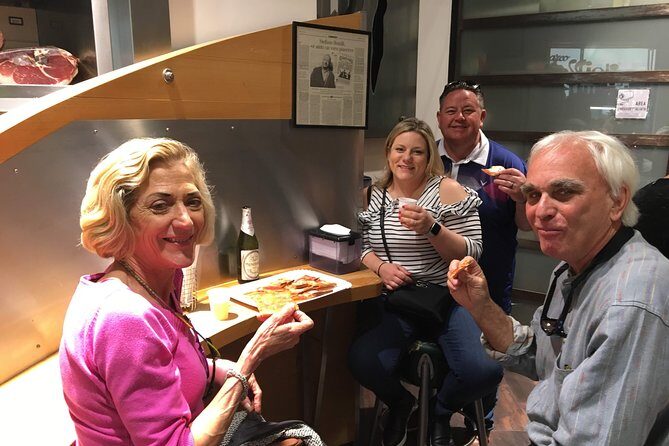
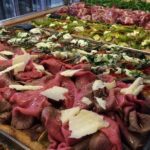
You can expect a steady parade of flavors, including fresh-cut prosciutto and high-quality cheese, plus oven-baked pizza. This tour doesn’t treat gelato as a side note either—you’ll get artisanal gelato, and the experience also includes foods and drinks like truffles and limoncello.
And then there’s the lunch piece. You’ll be served lunch at a traditional restaurant dating back to 1922, which gives the meal extra character without needing you to do any special research beforehand. The tour also notes traditional and seasonal main courses, so you’re not only sampling snacks—you’re getting a proper sit-down meal.
If you like learning through what you eat, this is the section. Your guide will explain how ingredients show up across the city and how local choices shape flavor. In practice, it makes you more confident ordering in Rome after the tour, because you understand what you’re tasting and why it works.
One more thing to flag: the tour experience isn’t designed for vegan, gluten-free, or dairy-free diets. The course includes multiple tastings plus wine and beer, so if your dietary needs are strict, you’ll want to double-check before booking.
Trevi Fountain Finale: Coin Flip and a Full-Day Win
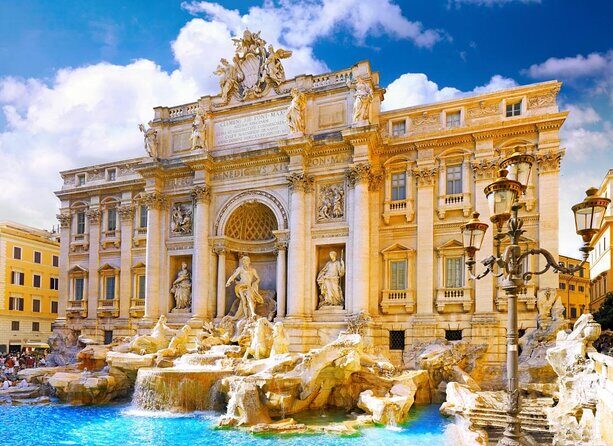
The end of the tour is at Trevi Fountain (Piazza di Trevi). The classic moment is built in: you’ll pause at the fountain, then flip a coin into the clear water as part of the ritual for returning to Rome.
This final section is also timed so you’re in a good mood. You’ve walked, you’ve learned, and you’ve eaten your way through a lot of central Rome. By the time you reach Trevi, the crowd scene makes more sense because you’ve already built context for what you’re seeing.
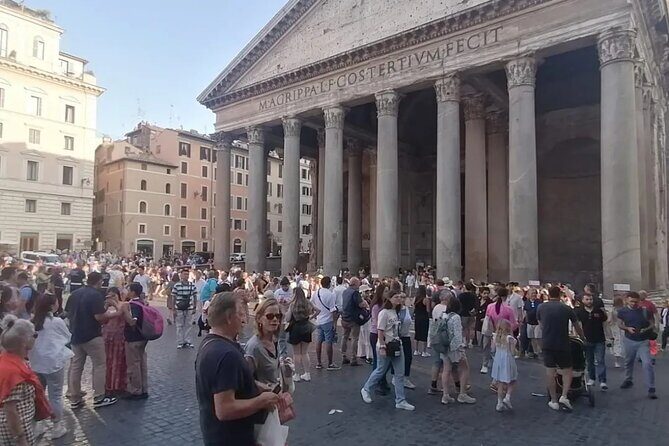
It also helps that the tour includes time at the Pantheon area earlier, so you’ve already hit one of Rome’s most important ancient landmarks. Seeing the Pantheon, described here as a Roman temple built in the 2nd century, gives you a sense of how old Rome and everyday food culture share the same streets.
If you plan to go straight from Trevi to dinner, give yourself a little breathing room. You’re ending with a lot already in your stomach, and Rome rewards patience.
You can also read our reviews of more tours and experiences in Rome


What You Really Get for $107.17: Value Breakdown That Makes Sense
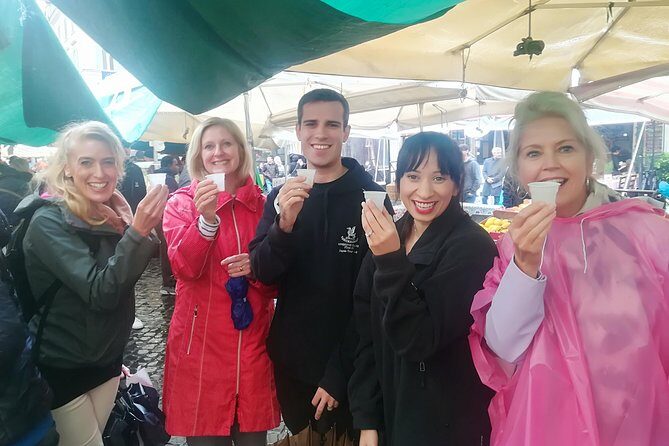
At $107.17 per person for about four hours, you’re paying for three things: guidance, concentration, and included food.
First, you’re getting a local guide plus a professional guide. You don’t always need two voices for a normal walking tour, but here it helps because you’re stopping often and learning while tasting. Second, you’re getting over 10 different food tastings, and not all food tours are that direct about quantity. Third, drinks are included: wine, beer, and soft drinks, which changes the whole experience from snack tour into a genuine food-and-wine afternoon.
Lunch being included is the biggest value signal. Many tours promise tastings but make you pay extra for a real meal. Here, you’re covered—served at a traditional restaurant dating to 1922—so the price feels more like a package deal than a series of add-ons.
The group size also matters for value. With a maximum of 15 travelers, you’re more likely to get clear answers and less likelihood of feeling like you’re being rushed through tastings.
Guide Style and Group Size: Why People Remember Marco, Greta, Bruno, and Matteo
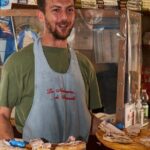
One of the best parts of this experience is the guide energy. Marco stood out for being cheerful, knowledgeable, and genuinely kind, and he also looked after older members of the group. That matters more than you’d think. A food tour isn’t just about eating—it’s about pacing, making sure everyone can keep up, and keeping the experience enjoyable.
Greta and Bruno were noted for tastings that felt well planned and a lunch that hit the mark. Matteo was remembered as a favorite guide, with the whole food-and-drink sequence landing extremely well—from meat and cheese with wine to Roman pizza with beer, plus a pasta flight with wine for lunch. That sequence tells you the tour isn’t random sampling. It’s structured around a coherent “how Italians eat” rhythm: salty starters, regional comfort foods, then dessert-style closing moments like espresso, tiramisu, and gelato.
That structure is exactly what you want if you’re trying to understand Rome’s culinary culture fast without feeling like you’re studying.
Practical Tips Before You Book: Shoes, Diet, and Allergy Reality
Before you commit, read the “fit” details carefully. This tour has a moderate walking requirement, and it’s best for people with a moderate physical fitness level. You’ll be moving between major sights and multiple food stops, so pack water, take your time, and let the guide set the pace.
Dress code is smart casual, and that’s mostly about looking tidy in restaurants and meeting public-sight areas comfortably. For shoes: comfortable grip is your friend, especially if you’re doing extra sightseeing after Trevi.
Diet reality check: the tour is not suitable to vegans, gluten or dairy-free diets. Vegetarian options are available if you advise in advance. There’s also a warning about cross contamination if you have allergies involving nuts and dry fruits.
If you’re in any of those categories, don’t assume they can swap everything last minute. Use your booking message time to ask specific questions and confirm what can be accommodated.
Who Should Book This Rome Food and Wine Tour (And Who Should Skip It)
I think this tour is a great fit if you want Rome in a single afternoon: markets, big squares, major landmarks, and lots of tasting. It’s especially good when you don’t want to spend your first days figuring out where to eat. The included lunch and drinks do a lot of heavy lifting for your budget and planning.
You should consider booking if you like guided walking with real stops, not just “look and move.” The small-group size helps, and the food stops are varied—prosciutto, cheese, pizza, gelato, truffles, limoncello—so you get a wide snapshot of what Rome does well.
Skip it if your diet is vegan, gluten-free, or dairy-free, or if allergies require strict control around cross contamination. Also skip if four hours on your feet sounds miserable. This isn’t a sit-eat-ride tour.
Should You Book It? My Honest Call
If your goal is a high-reward Rome experience that blends Campo de’ Fiori, major sights like Piazza Navona and the Pantheon, and a satisfying finish at Trevi Fountain, I’d book this. The pricing feels fair because tastings and lunch are included, and the small-group format keeps the guide interaction personal.
Just be honest about two things: your diet fit and your comfort with walking. If you’re good there, you’re likely to end the tour with that rare combo—full, informed, and ready to explore more Rome on your own.
FAQ
How long is the Rome Campo de’ Fiori and Trevi food & wine tour?
It runs for about four hours.
What time does the tour start?
The start time is 11:00 am.
Where do I meet the guide?
You meet at Piazza Farnese, 00186 Roma RM, Italy.
Where does the tour end?
The tour ends at the Trevi Fountain, Piazza di Trevi, 00187 Roma RM, Italy.
Is transportation or hotel pickup included?
No. Transportation to or from attractions and hotel pickup/drop-off are not included.
What’s included in the price?
The tour includes over 10 food tastings, wine, beer, soft drinks, lunch, and a local/professional guide.
Is the tour offered in English?
Yes, it’s offered in English.
How many people are in the group?
The tour has a maximum of 15 travelers.
Is the tour suitable for vegan, gluten-free, or dairy-free diets?
No. It’s not suitable for vegans, gluten-free, or dairy-free diets. Vegetarian options are available if advised in advance.
Is there any cancellation policy info I should know?
Free cancellation is available. You can cancel up to 24 hours in advance for a full refund.