REVIEW · ROME
Bone Crypts & S. Clemente ENGLISH tour – tickets included
Book on GetYourGuide →Operated by Rome With Mike · Bookable on GetYourGuide
Rome has a dark side worth seeing.
This semi-private English tour stitches together Capuchin Crypts (bones of nearly 4,000 monks) and San Clemente Underground (layers of Rome you rarely get to see in one go). I love that the pacing makes room for both the spooky and the sacred parts, and I also love the small group size, which keeps the guide’s jokes, stories, and questions actually flowing. One thing to keep in mind: the audio headsets may only be used for the bone church portion, so expect to rely on the guide’s narration for the rest.
You start in central Rome at Piazza Barberini, then move from a Franciscan burial site to major imperial leftovers, and finally down into a church that’s basically a time machine. It is walking, but it is smart walking: you get skip-the-line entry and you hit the most meaningful spots without turning this into a full-day marathon. If you’re sensitive to mortality themes, the Capuchin rooms are not subtle, so go in knowing what the setting is.
Key things to know before you go
- Capuchin Crypts in six chapels, including the Crypt of the Three Skeletons and the hourglass-crowned Crypt of the Skulls
- Seven monks’ final resting places marked by crosses set into the floor
- San Clemente Underground spans multiple eras, from a 12th-century basilica down to a 4th-century church and a 2nd-century Mithraic temple
- Outside views count here: Colosseum area, gladiator training grounds (Ludas Magnus), and Nero’s Golden House (Domus Aurea)
- Small group up to 8 people, so the guide can keep it fun and keep it clear
- Plan for a short black cab hop (about 10 minutes); that ride is typically not included in the price
In This Review
- Capuchin Crypts: Six Bone Chapels, One Very Real Setting
- Audio and pacing
- How to judge whether it’s for you
- From Piazza Barberini to the Colosseum Area: Short Cab, Big Roman Atmosphere
- What you should expect from an outside-view stop
- San Clemente Underground: Four Levels of Rome and a Fountain Still Running
- What the guide helps you notice
- Camera rules
- Your English Guide and the Small-Group Advantage (Up to 8 People)
- What I’d look for in a good guide moment
- Value for Money: What $61 Gets You (and Why It’s Not Just a Walk)
- The likely extra cost you should budget
- Why the short duration is part of the value
- Logistics That Actually Matter: Meeting Point, Walking, and Photo Rules
- Meeting point: Piazza Barberini, face side of Triton Fountain
- What to wear
- Photography
- Security checks
- Who this tour is not for
- Who Should Book This Tour, and Who Should Skip It?
- Should You Book Bone Crypts & S. Clemente?
- FAQ
- How long is the tour?
- Where do we meet the guide?
- Is the tour in English?
- Are tickets and admissions included?
- What sights are included besides the crypts and San Clemente?
- Do I need to pay for the taxi ride?
- Is flash photography allowed?
- Is the tour suitable for wheelchair users or people with mobility impairments?
- What should I bring?
Capuchin Crypts: Six Bone Chapels, One Very Real Setting
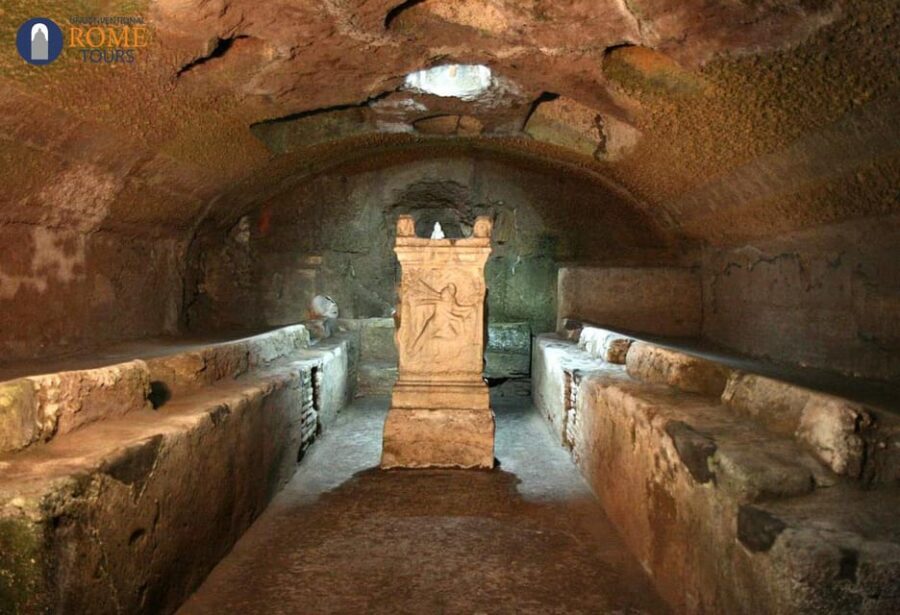
If you like Rome for the stories underneath the stone, this stop is the headline. You meet at Piazza Barberini (at the face side of the Triton Fountain) and then head over to the Capuchin Museum area. The guide sets context first—why the Franciscan and Capuchin orders developed these beliefs, and how that shaped the site you’re about to enter.
The tone is important. This isn’t treated like a theme park. The crypt is a sacred burial ground, so you’ll notice the visit is handled with a more respectful tempo than most “weird Rome” stops.
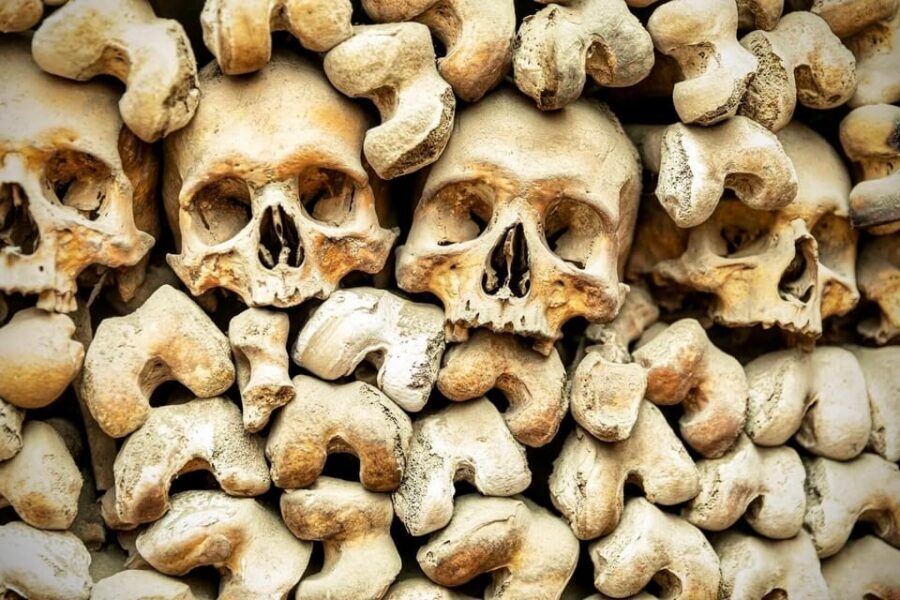
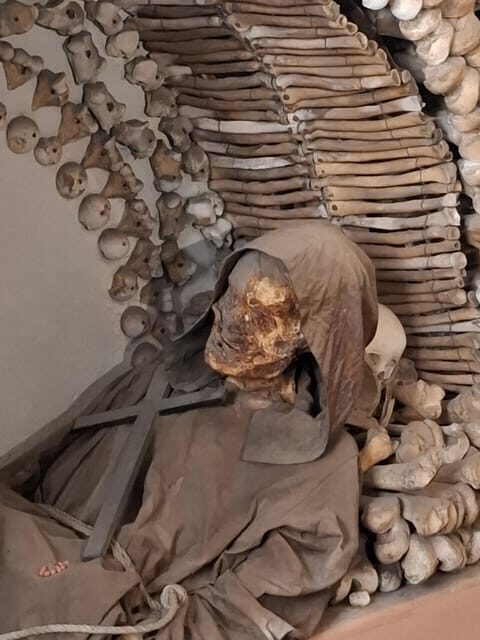
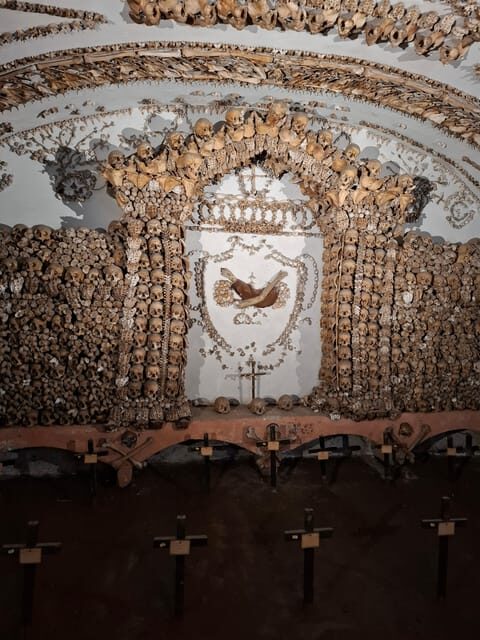
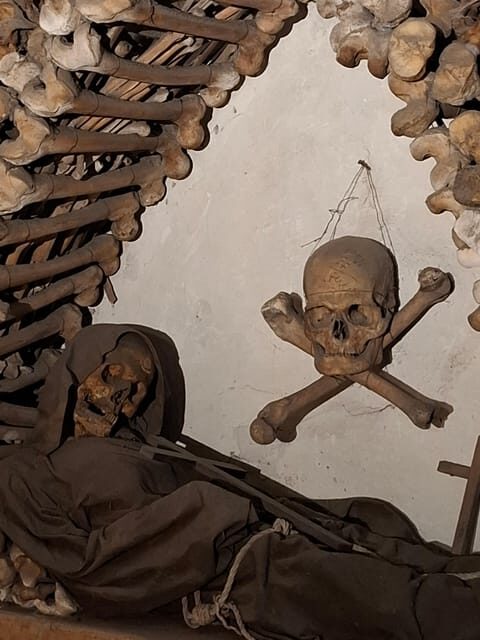
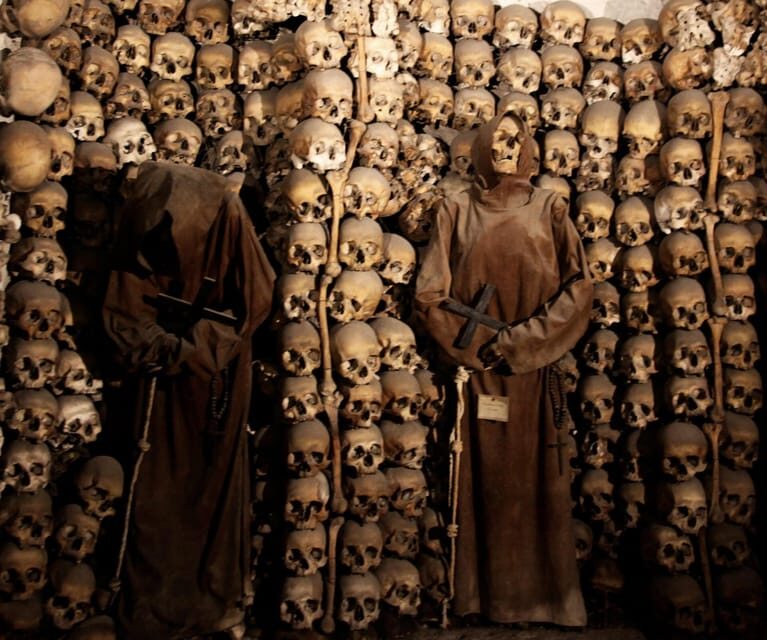
Then you descend. Expect six chapels, each with its own bone arrangement and symbols. The bones belong to almost 4,000 monks, and the rooms are arranged like a set of purposeful scenes rather than a single pile. You’ll move through highlights such as:
- the Crypt of the Three Skeletons
- the Crypt of the Leg Bones and Thigh Bones
- the Crypt of Pelvises, with friars arranged in peaceful arches
- the Crypt of the Skulls, crowned by a symbolic hourglass
You’re also shown a quieter detail that sticks: crosses embedded in the floor mark the final resting places of seven monks. It’s easy to treat the site as spectacle until you notice that flooring detail—and the guide ties it back to what the burial laws and the order’s rules actually required.
Audio and pacing
One practical note: some visitors have found the audio headset is focused on the bone church portion rather than the entire tour. So if you want uninterrupted narration, don’t assume the headset covers every stop. What helps is that the live guide portion stays active—especially during the walking segments and the lead-in to the crypt.
You can also read our reviews of more tours and experiences in Rome



How to judge whether it’s for you
This is a good fit if you’re the kind of person who enjoys religious art, symbolic design, and history that feels human. It’s also a good choice if you want Rome beyond the postcard circuit.
It’s not the right fit if you get queasy around death imagery or if you know you dislike religious spaces centered on mortality and the afterlife. There’s no way to “skip the spooky” once you’re underground.
From Piazza Barberini to the Colosseum Area: Short Cab, Big Roman Atmosphere
After the Capuchin section, the tour keeps momentum with a short black cab ride (about 10 minutes). That little jump matters more than it sounds—it saves time, keeps the group together, and reduces the number of long walks while you still have energy for the next sights.
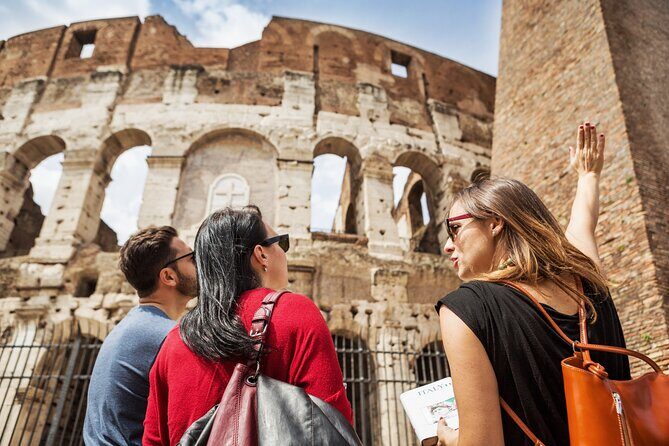
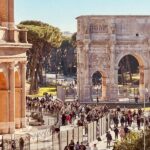
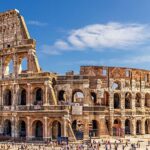
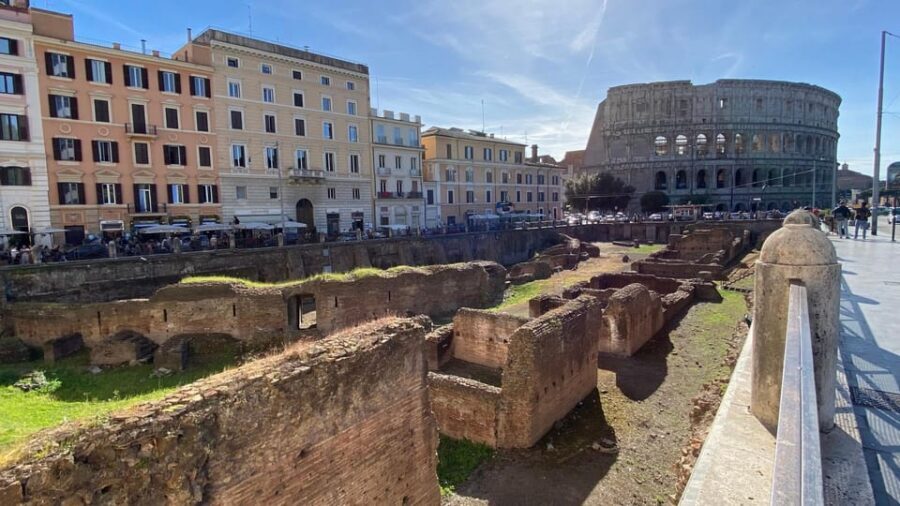
Once you’re in the Colosseum zone, you get an outside look at the area where gladiators trained and entered games. Here you’ll hear about the role of Ludas Magnus, the gladiator training grounds. Even though you don’t go inside the Colosseum during this exact itinerary, the guide’s job is to connect the dots: where training likely happened, how the games operated, and why that location became a cultural gravity well for centuries.
You also get outside views of the ruins tied to Emperor Nero’s Golden Palace, the Domus Aurea. You’ll be looking at the leftovers of something that once aimed to show power through scale and spectacle. Rome has a way of making those contrasts feel physical: a city built on layered ambition, with the past always peeking through.
What you should expect from an outside-view stop
Outside-only doesn’t mean lightweight. With a good guide, it turns into a map lesson. You’ll look at the skyline and street angles and learn what to imagine in the space between monuments.
Still, if your personal Rome goal is strict ticketed time inside major sites (as in: you want maximum time behind ropes), this portion may feel shorter than you hoped. The tradeoff is you’re getting something many tours skip: the underground depth of San Clemente at the end.
San Clemente Underground: Four Levels of Rome and a Fountain Still Running
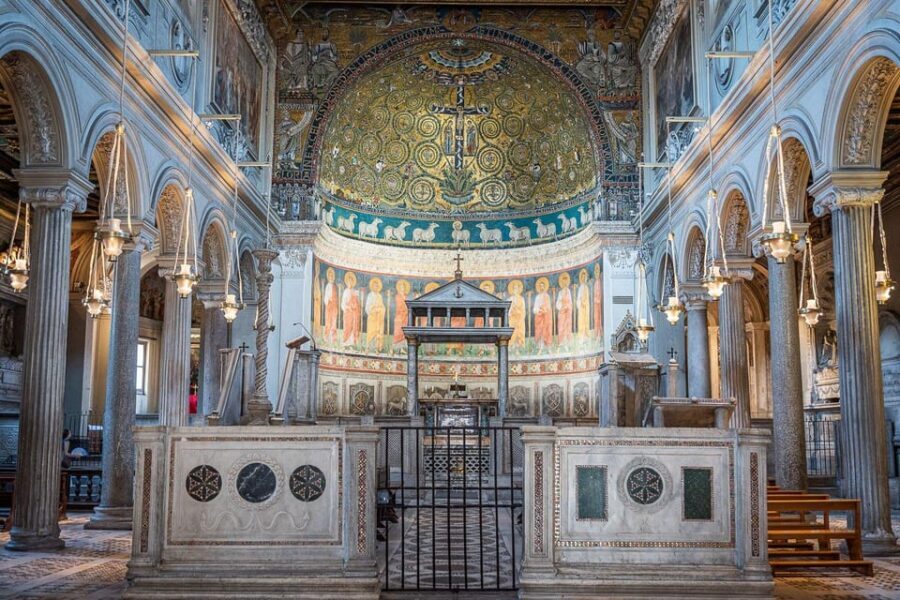
Then comes the part that turns this from a “dark” tour into a broader Rome story. You visit San Clemente al Laterano and go underground to see the layered structure.
This isn’t one stop. It’s a vertical timeline. You go from a 12th-century basilica down into a 4th-century church, and further into a 2nd-century Mithraic temple. That kind of stacking is one of the most satisfying ways to understand Rome—because it shows how later generations repurposed earlier spaces instead of wiping them clean.
As you descend, you’ll see:
- Byzantine mosaics
- early Christian frescoes
- and a 2,000-year-old fountain still flowing today
That fountain detail is exactly the kind of real-world touch that makes San Clemente more than a historical lecture. You can stand there and feel the continuity: people have been shaping and using this spot for two millennia.

What the guide helps you notice
This is where the live guide matters a lot. Underground spaces can blur together if you’re just scanning for the next photo spot. The guide helps you connect symbols, time periods, and the purpose of each layer.
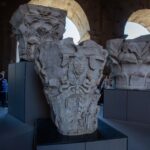
You’ll also see frescoes and sacred artwork that reward slow attention. It’s also a good place to ask questions, because the architecture gives the guide something concrete to point at, not just a story to tell.
Camera rules
You should plan for possible photography limits as the guide directs. The tour states flash photography is not allowed, which is normal for these kinds of fragile interiors.
Your English Guide and the Small-Group Advantage (Up to 8 People)
A lot of Rome tours feel like a conveyor belt. This one tries to feel like a small class taught by someone who genuinely enjoys the material.
The group is limited to eight participants, which changes everything:
- You get more chances to ask a question without the guide repeating the same answer 30 times.
- You can hear the narration without competing with loud crowds.
- The guide can adjust the pace if you’re slower on stair steps or if someone needs a quick breather.
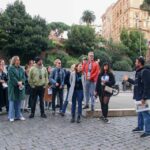
The experience provider is Rome With Mike, and the guides who show up tend to share a style: they’re energetic, story-driven, and funny in a way that doesn’t turn into clowning. If you end up with a guide like Mike, Peter, Heather, Divan, or John, you’ll likely notice the same pattern: clear explanations and jokes that actually support the lesson instead of distracting from it.
And yes, kids can handle this if they’re with the right kind of guide. At least one family-led experience noted that children had a great time when the guide kept the energy up and answered questions as they came.
What I’d look for in a good guide moment
Two moments tell you a guide is doing the job well:
- the lead-in before the crypt, where they set expectations and keep it respectful
- the transitions between eras at San Clemente, where they help you place what you’re looking at
If those parts feel smooth, the whole tour feels worth it.
Value for Money: What $61 Gets You (and Why It’s Not Just a Walk)
At $61 per person for a 2.5-hour tour, the headline value is simple: you’re paying for three things that usually cost extra or take extra time on your own:
- a professional English guide
- skip-the-line access and included admissions
- a tight route that combines the Capuchins, the Colosseum zone, and the underground layers of San Clemente
Here’s what’s included, in practical terms:
- guided viewing and admission for the Capuchin Crypts
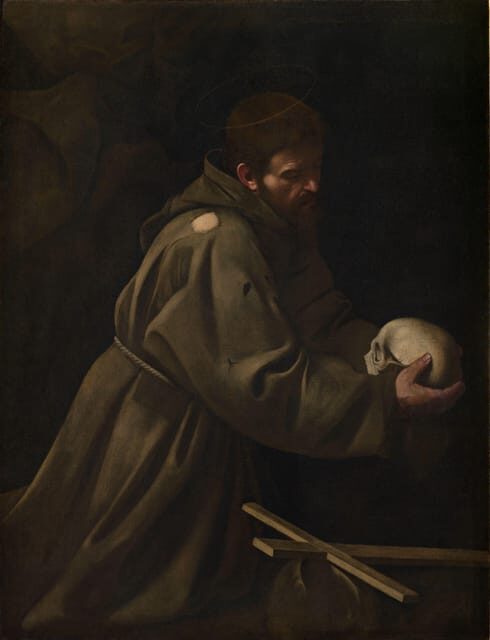
- viewing of Caravaggio’s masterpiece
- outside viewing tied to Colosseum area, including Ludas Magnus (gladiator training grounds)
- outside viewing tied to Domus Aurea ruins (Nero’s Golden House)
- admission to the San Clemente Underground portion
That Caravaggio inclusion matters if you’re the kind of person who wants art in the mix, not just architecture and bones. The tour frames it as part of the larger cultural story around Rome’s religious and artistic eras.
The likely extra cost you should budget
The tour includes a short taxi ride segment (a black cab of about 10 minutes), and that ride is noted as not included, with an average cost around €10. So, for real budgeting, treat that as an extra line item and plan to bring some euros.
Why the short duration is part of the value
Two and a half hours isn’t a full day, which is good if you’re stacking other sights. But it’s long enough that you don’t just “see a sign and move on.” You get the Capuchin descent plus underground San Clemente time, and you still have enough energy to keep going in Rome afterward.
Logistics That Actually Matter: Meeting Point, Walking, and Photo Rules
Let’s keep this practical.
Meeting point: Piazza Barberini, face side of Triton Fountain
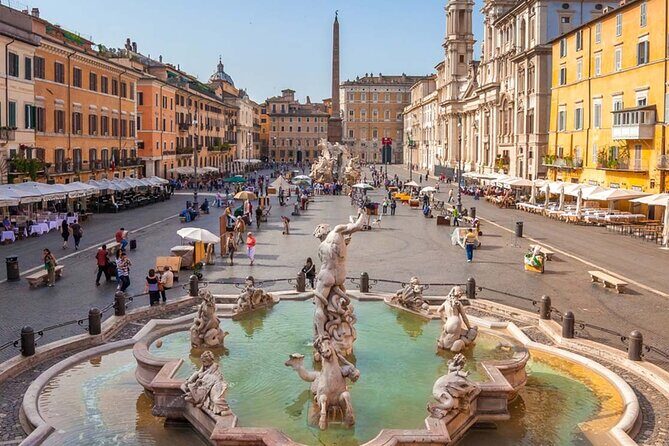
You meet your guide at the face side of the Triton Fountain in Piazza Barberini. Arrive at least 10 minutes early to check in. If you show up earlier, there’s Bar Gusto right across the street with bathrooms and drinks/snacks.
What to wear
Bring comfortable shoes. There’s a moderate amount of walking, plus stair steps when you descend into crypts and underground spaces. This is not a sit-and-stare tour.
Photography
- Camera is recommended.
- Flash photography is not allowed.
- Photography might be restricted in certain areas, so follow the guide’s instructions quickly.
Security checks
You should expect security checks at certain sites, which is common in Rome’s major attractions. Build in a little time buffer when you feel hurried.
Who this tour is not for
This tour is not suitable for people with mobility impairments or wheelchair users, based on the nature of the walking and underground access.
Who Should Book This Tour, and Who Should Skip It?
Book it if you want Rome that feels like you’re stepping into different centuries stacked on top of each other. The Capuchin Crypts give you a memorable, symbolic stop that most big, crowded tours don’t handle well. And San Clemente Underground is one of those rare places where the city’s layers show up in your feet and your eyes.
Skip it if your personal style is mostly outdoor ruins and big-ticket indoor monuments with long dwell times. This tour gives you outside views of major imperial landmarks, and the real time depth is underground at San Clemente plus the crypt at the start.
Also think about your comfort level. The bones theme is central here. Even if you find it fascinating, it’s still a real burial site with a heavy mood.
Should You Book Bone Crypts & S. Clemente?
Yes, if you want a compact Rome tour that mixes macabre art, major imperial context, and genuine underground depth in 2.5 hours. The best reason to book is the combination: Capuchin Crypts for atmosphere, then San Clemente Underground for the kind of layered history you can’t replicate by just wandering.
Before you decide, ask yourself one question: do you enjoy guided storytelling in small groups more than you enjoy ticking off sites from a checklist? If the answer is yes, this tour is a strong choice. If you hate the idea of bone-filled chapels or you need wheelchair-friendly access, look for a different route.
FAQ
How long is the tour?
The tour runs for about 2.5 hours.
Where do we meet the guide?
Meet your guide at the face side of the Triton Fountain in Piazza Barberini.
Is the tour in English?
Yes, it’s a live guided tour in English.
Are tickets and admissions included?
Yes. Admission is included for the Capuchin Crypts and for the San Clemente Underground portion, and skip-the-line tickets are included.
What sights are included besides the crypts and San Clemente?
You also get outside views tied to the Colosseum area, the gladiator training grounds (Ludas Magnus), and the ruins of Nero’s Golden Palace (Domus Aurea). The tour also includes viewing of Caravaggio’s masterpiece.
Do I need to pay for the taxi ride?
The tour includes a short black cab ride (about 10 minutes), but the taxi cost is not listed as included; an average cost around €10 is mentioned.
Is flash photography allowed?
No. Flash photography is not allowed, and photography rules may vary by area, so follow your guide.
Is the tour suitable for wheelchair users or people with mobility impairments?
No, it’s not suitable for wheelchair users or people with mobility impairments.
What should I bring?
Bring comfortable walking shoes and a camera.