REVIEW · EVENING EXPERIENCES
Best of Rome 3hr Evening Sightseeing Tour
Book on Viator →Operated by Enjoy Rome · Bookable on Viator
Rome looks better after dark. This 3-hour evening route strings together some of Rome’s biggest icons—the Colosseum, Trevi Fountain, the Pantheon, and Piazza Navona—when the lighting is softer and the streets feel less chaotic. I especially like the small-group setup (up to 15) and the included headsets, which help you hear your guide clearly while you’re walking and stopping for photos. One thing to keep in mind: entry tickets for the Colosseum and Pantheon are not included, so you’ll need to plan for those separately.
This tour is built for people who want to make smart use of limited time. You start in the Colosseum area and finish in Piazza Navona, so you’re not zigzagging across the city just to see the highlights. The evening timing is also a real plus if you prefer to avoid the biggest daytime crush at these sites.
It’s a walking tour, so it’s best if you’re comfortable moving at night and stopping often. If you want long, inside-only time in major monuments, you may find the time at each stop a bit short—though it’s very workable for getting your bearings fast.
In This Review
- Key highlights you’ll feel right away
- Why This 3-Hour Evening Route Works for First-Timers
- Meeting at Piazza del Colosseo (6:00 pm) and How the Walk Feels
- Stop 1: The Colosseum at Night and the Forum View
- Altare della Patria and the Statue of Roma in Golden Light
- Trevi Fountain: Photo Time, Quick Streets, and a Smooth Transition
- Pantheon: Architecture Talk You Can Actually Follow
- Piazza Navona at Night: Baroque Layout and a Comfortable Finish
- What You’re Paying For: Value of $86.82 for a Guided Night Walk
- ID, Names, and Tickets: The Stuff That Can Trip You Up
- Who This Tour Fits Best (and Who Should Rethink It)
- Should You Book This Evening Rome Sightseeing Tour?
- FAQ
- What time does the tour start?
- Where is the meeting point?
- Where does the tour end?
- How long is the tour?
- How many people are on the tour?
- Which attractions are included in the route?
- Is admission to the Colosseum included?
- Is admission to the Pantheon included?
- Are Trevi Fountain and Piazza Navona included without admission tickets?
- What ID do I need for entry?
Key highlights you’ll feel right away
- Up to 15 people: more personal attention, less crowding around your guide.
- Headsets included: you can hear the stories even while you’re moving or at busy viewpoints.
- Night lighting for major icons: Colosseum, Trevi, Pantheon, and Piazza Navona in one evening.
- Central start and finish: Piazza del Colosseo to Piazza Navona keeps it efficient.
- Tickets not included for Colosseum & Pantheon: plan for those entries ahead of time.
- Guide expertise with clear explanations: one guide detail you’ll likely appreciate is an archaeology background.
Why This 3-Hour Evening Route Works for First-Timers
If Rome is your first trip, your biggest challenge is simple: you want to see a lot without spending your whole day in transit. This tour is designed to hit the highest-impact landmarks in a short window, and doing it at night changes the feel. You still get the big visuals, but the atmosphere tends to be calmer, and the monuments look great under lights.
I also like the way the route balances famous “postcard” stops with architectural details you can actually understand. The headsets help a lot here. You’re not relying on being close to your guide, which is a common problem on group walks.
One more practical point: a 3-hour format means you can keep your evening flexible afterward—dinner plans, gelato stops, or a slow walk back on your own.
You can also read our reviews of more evening experiences in Rome


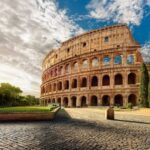
Meeting at Piazza del Colosseo (6:00 pm) and How the Walk Feels
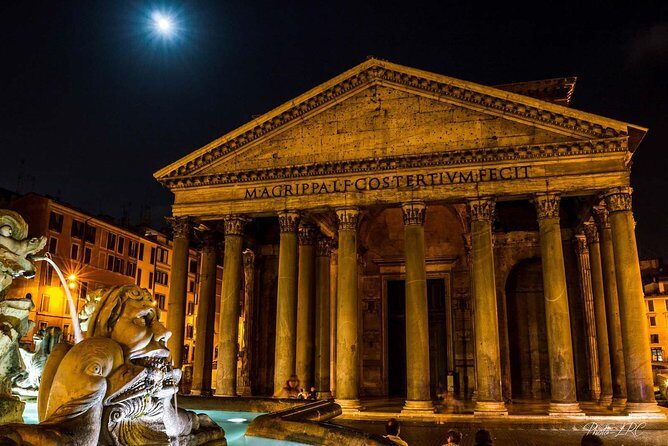
The tour starts at Piazza del Colosseo at 6:00 pm, then ends at Piazza Navona. That matters more than it sounds. Being anchored in the Colosseum area at the beginning helps you avoid early-day logistics, and finishing in Piazza Navona puts you in a lively, central spot to continue your night.
Because the group is limited to a maximum of 15 travelers, the pace stays manageable. You’ll be walking through Rome’s streets, stopping often, and using the time for photos and explanations. The included headsets make this much easier than the typical “walk faster, hope you can hear” dynamic.
Also, the meeting point is near public transportation. If you’re mixing this with other Rome plans, that’s a big convenience.
Stop 1: The Colosseum at Night and the Forum View
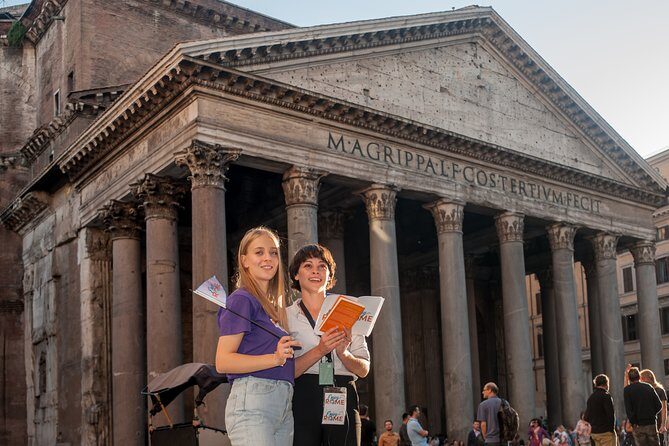
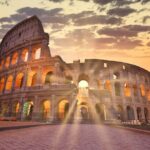
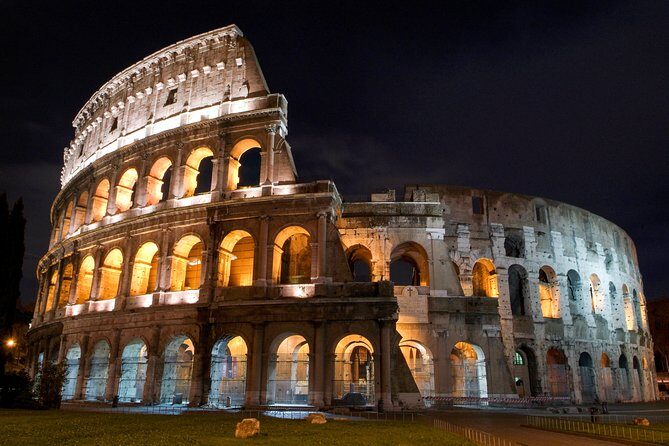
You’ll spend about 30 minutes at the Colosseum, and this is your big first wow moment. The schedule is built around seeing it in Roman twilight and getting a view down toward the Forum area. Even if you’ve seen photos before, the nighttime look changes the scale. The building reads differently when you’re not dealing with midday glare.
Your guide will talk through what makes the Colosseum so important and connect it to what you can see in the surrounding area. Since the tour includes headsets, you can actually follow the explanation instead of spending your attention trying to hear over street noise and footsteps.
Important planning detail: entry to the Colosseum is not included. So think of the time here as guided viewing plus context, not guaranteed “walk inside whenever you want.” If you’re the type who wants to tour the interior deeply, you’ll likely want to pair this with separate Colosseum entry.
Altare della Patria and the Statue of Roma in Golden Light
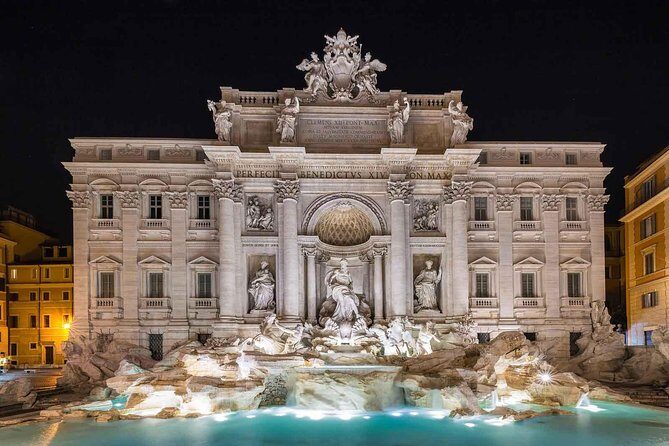
Between the Colosseum and Trevi Fountain, you’ll get a look at the Altare della Patria and the statue of the goddess Roma. This is a great example of why an evening tour is worth it. Monumental sights like this often look best when they’re lit up, and the tour uses that lighting moment to set the stage for what comes next.
You’ll also get to see the statue against a golden backdrop as the route continues. This isn’t just a photo stop—your guide’s commentary is meant to connect what you’re seeing to the story behind it.
If you like quick, high-impact viewpoint moments, this is one of the parts you’ll probably appreciate most. It’s also a nice breather before the more crowded-feeling famous fountains later.
Trevi Fountain: Photo Time, Quick Streets, and a Smooth Transition
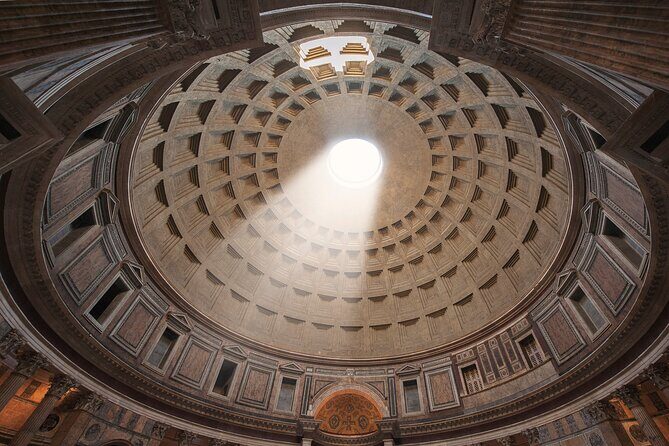
Trevi Fountain is next, and the focus is on that iconic moment—then moving on. The Trevi stop is paired with wandering through charming streets toward the Pantheon. You’re looking at around 15 minutes total for this section, including the walk.
Two things make this valuable:
- You’re not trying to manage Trevi while doing everything else on your own.
- The tour moves you through the connecting streets, so you feel like you’re walking through the city—not just popping in and out of monuments.
Admission to this part isn’t listed as required, which helps keep the flow simple. You can spend your attention on framing your shots and taking in the vibe, while your guide handles the story and pacing.
Real talk: 15 minutes is not a long Trevi visit. If you want a slow, lingering Trevi moment, you might do better adding extra time before or after the tour. But for first-timers, this is a strong way to make sure you get the classic sight without losing half your afternoon.






Pantheon: Architecture Talk You Can Actually Follow
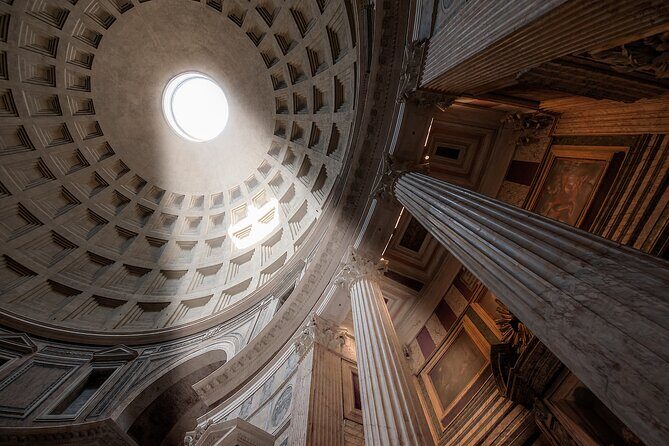
The Pantheon stop is about 15 minutes, and it’s timed for a guided look at one of Rome’s best-known architectural achievements. Since entry is not included, you’ll get guided context without the hassle of fitting everything into the walking schedule.
This is exactly where the headsets pay off. When you’re standing near big landmarks, it’s easy to miss the details if your group gets too spread out. With the audio provided, you can concentrate on what your guide is pointing out and what the Pantheon represents.
If you’re the type who enjoys understanding how buildings work—how they’re designed and why they matter—this part tends to land well. One reviewer highlight you’ll likely agree with: the tour leader is described as an archaeologist by day, and that kind of training shows in how clearly the stories get told.
Admission not included means you should decide ahead of time if you want Pantheon entry as a separate plan. The tour still helps you grasp what you’re looking at, whether you enter or not.
Piazza Navona at Night: Baroque Layout and a Comfortable Finish
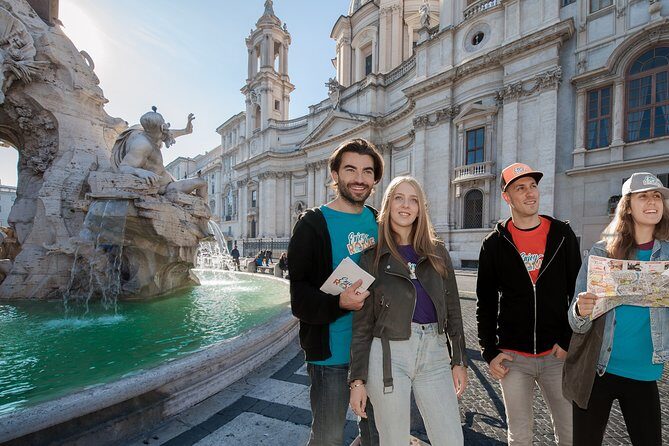
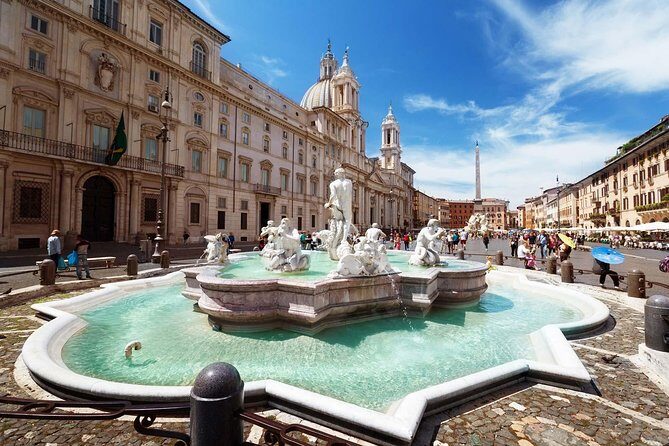
The tour ends at Piazza Navona after about 30 minutes on-site. This stop is a big payoff because Piazza Navona isn’t just famous—it’s also easy to enjoy on an evening stroll. The setting is known for its Baroque design, and the nighttime feel makes it more relaxing than daytime touring.
You’ll get time to take in the square, absorb your guide’s final points, and then transition naturally into the rest of your night. Ending here is also smart from a logistics standpoint. Piazza Navona sits in a central location, and it’s a natural launchpad for dinner or a longer evening walk.
Since admission is listed as free for this stop, you don’t need to think about separate ticket planning for Piazza Navona itself. That helps make the final stretch feel uncomplicated.
What You’re Paying For: Value of $86.82 for a Guided Night Walk
At $86.82 per person, this is not the cheapest way to see Rome highlights—but it can be good value when you look at what’s included. You’re paying for:
- a live tour guide
- personal headsets
- a short, efficient evening plan that covers several top landmarks
The big thing you’re buying is the ordering and the explanations. You go from Colosseum to Trevi to Pantheon to Piazza Navona in one evening, with the guide connecting the dots so your pictures come with meaning, not just scenery.
The main cost trade-off is that Colosseum and Pantheon entry are not included. That doesn’t make the tour bad—it just means the real total depends on whether you want to enter those sites. If you already plan to buy those tickets anyway, the tour’s guidance becomes even more useful.
Also, the small-group size helps justify the price. Up to 15 people means your guide’s commentary doesn’t turn into a shouting match, and it supports a smoother walking rhythm.
One more planning note: this tour is often booked about 8 days in advance on average. If your dates are firm, I’d secure it sooner rather than later, especially in peak periods.
ID, Names, and Tickets: The Stuff That Can Trip You Up
This is one of those tours where details matter. You’ll need to provide full names for everyone in your party when booking. The guidance is clear: names not included in the list won’t gain access to the Colosseum, and you need a valid identification card or passport.
There’s also a name match requirement. Your passport or ID document has to match the name provided at booking for successful entry to the Colosseum and Roman Forum. If you’ve ever had an international name mismatch on a booking, you know why this matters.
Also, your reservation is non-refundable and cannot be changed for any reason. So make sure the dates work before you lock it in.
Finally, bring ID even if you’re mainly doing guided viewing. It’s tied to entry rules for the Colosseum/Forum area, and the tour is built around those key sites.
Who This Tour Fits Best (and Who Should Rethink It)
This tour is a great match if you:
- want a 3-hour introduction to major Rome sights without building a plan from scratch
- care about hearing the explanations clearly (headsets help a lot)
- prefer smaller groups over big bus-style crowds
- like nighttime photos and monument lighting
It may be less ideal if you:
- want long, inside-the-building time at the Colosseum or Pantheon (entry tickets aren’t included and the on-site time is limited)
- dislike walking at a steady pace through central Rome streets
- need a flexible schedule with lots of unplanned stops
If you’re going to Rome with a busy itinerary, this type of evening tour often works well as your “anchor experience.” It sets context for the rest of your days.
Should You Book This Evening Rome Sightseeing Tour?
I’d book it if your goal is simple: see Rome’s top icons in one evening, learn what you’re looking at, and avoid some daytime crowd stress. The small group size, included headsets, and the guide’s clear storytelling (including the archaeology background noted by one guide description) are the reasons this stands out in a practical way.
I’d also book it if you’re the type who plans tickets anyway. Since Colosseum and Pantheon entry aren’t included, your decision becomes easier: buy those entries separately if you want full access, then let the tour handle the order and interpretation.
Skip or rethink it only if you need long on-site time inside major monuments or you can’t commit to the ID and name requirements. For most first-timers, though, this is an efficient, well-structured way to experience Rome after dark.
FAQ
What time does the tour start?
The tour starts at 6:00 pm.
Where is the meeting point?
The meeting point is Piazza del Colosseo, 00184 Roma RM, Italy.
Where does the tour end?
The tour ends at Piazza Navona, 00186 Roma RM, Italy.
How long is the tour?
The duration is approximately 3 hours.
How many people are on the tour?
The tour has a maximum of 15 travelers.
Which attractions are included in the route?
You’ll see the Colosseum, Altare della Patria, Trevi Fountain, the Pantheon, and Piazza Navona.
Is admission to the Colosseum included?
No. Entry to the Colosseum is not included.
Is admission to the Pantheon included?
No. Entry to the Pantheon is not included.
Are Trevi Fountain and Piazza Navona included without admission tickets?
Admission is listed as free for Trevi Fountain and Piazza Navona.
What ID do I need for entry?
You’ll need a valid passport or ID document that matches the full name provided at booking for successful entry to the Colosseum and Roman Forum.