REVIEW · PRIVATE
4H Private Golf Cart Tour with Local Guide and Gelato
Book on GetYourGuide →Operated by Aromatour srls · Bookable on GetYourGuide
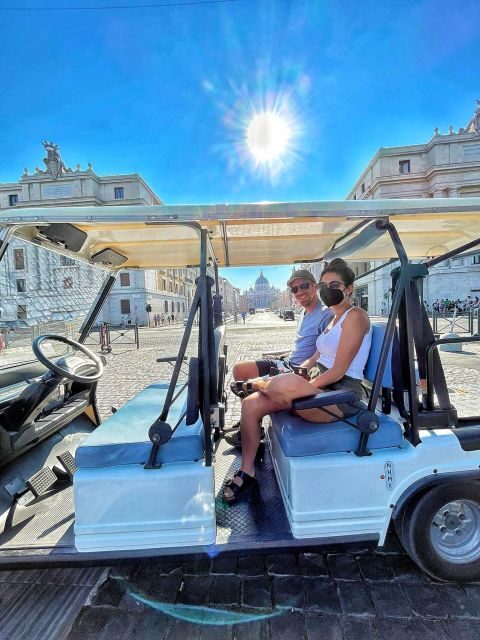
Rome can be a lot. This tour turns it into something smooth. You ride in a private golf cart with a native Roman guide who explains what you’re seeing, instead of just pointing at stone. I love the mix of big landmarks plus smaller, street-level stories, and I also love the included gelato stop at a legendary ice cream shop that’s been around since 1947. One possible drawback: you’re not doing a deep, on-foot museum marathon here, so if you want lots of inside time, you may need a longer option.
The best part is how the cart keeps the day moving. You get to see the Colosseum, Trevi Fountain, Pantheon, and more without spending the whole time in transit and lines. Just keep in mind the tour is not suitable for pregnant women, and the route can shift when weather or seasonal timing calls for it.
In This Review
- Key highlights at a glance
- Why a private Rome golf cart tour feels smarter than you think
- Starting near Anantara, ending back in the same place
- Your Roman guide: how Stefano and Marta shape the day
- Colosseum area to Trevi Fountain: the classic duo with context
- Pantheon and Suburra: moving from marble perfection to real streets
- Orange Garden and the look at Rome from above
- Column of Trajan, Roman Forum outside views, and the theaters
- Aventine Hill, Mouth of Truth, and Santa Maria Maggiore
- Gelato at a championship shop since 1947
- Price and value: is $155.20 per person worth it?
- Who this 4-hour private tour suits best
- Should you book this private golf cart + gelato tour?
- FAQ
- How long is the Rome golf cart tour?
- Is this tour private?
- Where does the tour start and end?
- What’s included in the price?
- What languages are the live guides available in?
- Is the tour wheelchair accessible?
- Is gelato included?
- Is pickup included inside restricted ZTL areas?
- Is the tour suitable for pregnant women?
- Are there other tour lengths or options besides 4 hours?
- Final note
Key highlights at a glance
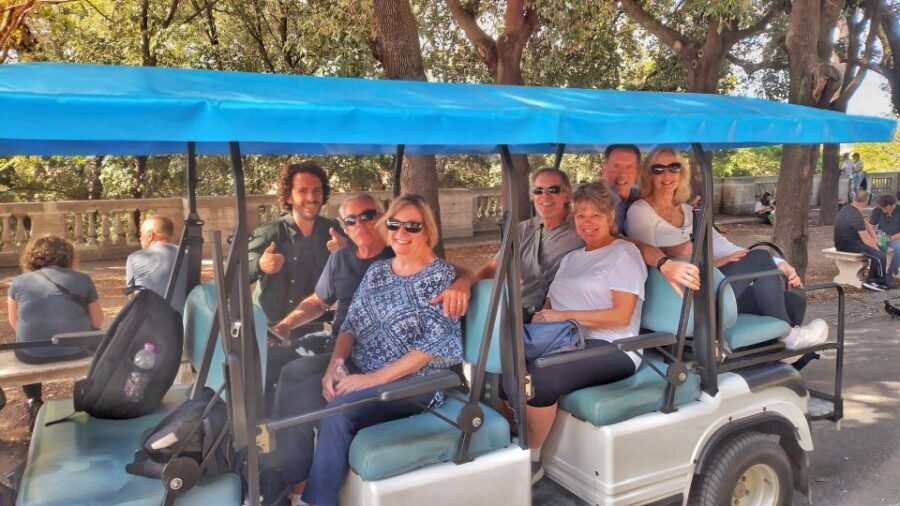
- Private group: just your crew, not a mixed crowd.
- Roman guide storytelling: anecdotes and curiosities you won’t easily find on your own.
- Iconic sights without the slog: Colosseum, Trevi, Pantheon, Roman Forum area.
- Gelato included: championship-style ice cream from a shop operating since 1947.
- Cart comfort: you get city views with less walking pressure.
- Souvenir included: a small extra to take home.
Why a private Rome golf cart tour feels smarter than you think
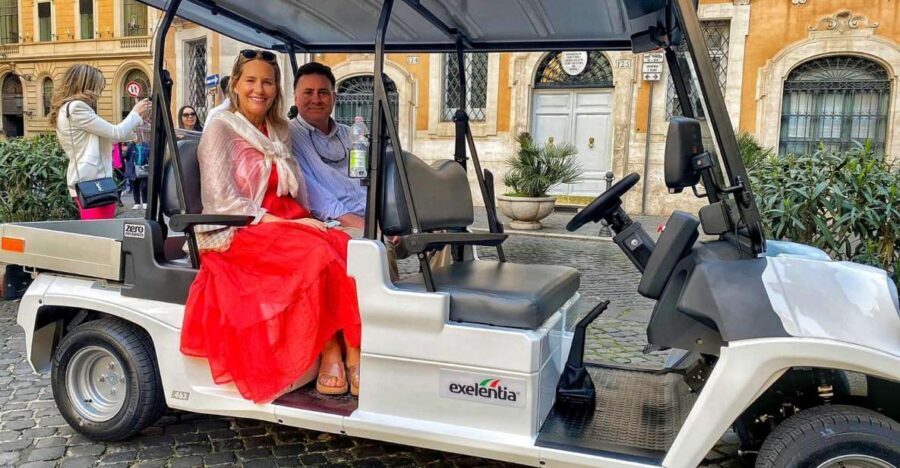
I get it. Rome is thrilling, but it’s also a lot—crowds, hills, and the constant question of where to look first. A golf cart tour is a practical cheat code: you still see the landmark sweep, but you spend your energy on enjoying the moment rather than grinding through bottlenecks.
This setup is especially helpful when you want the big pictures early. In a compact 4 hours, you can cover major stops like the Colosseum area and Trevi Fountain while your guide connects the dots—history, architecture, and the human stories behind the stone. You’re not waiting around wondering what something is; you’re getting a running explanation as the city unfolds.
You can also read our reviews of more guided tours in Rome



Starting near Anantara, ending back in the same place
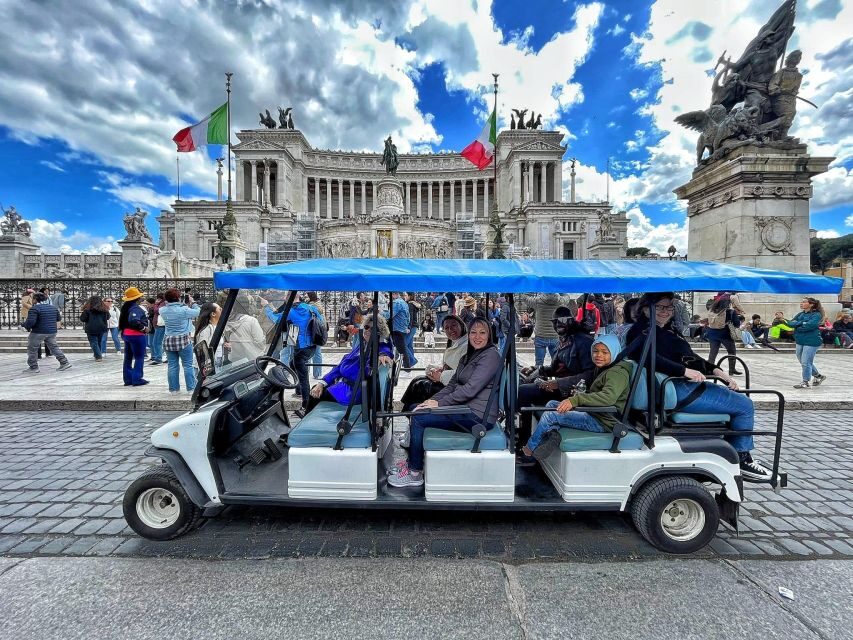
The tour meets at Front of hotel anantara and wraps back at P.za della Repubblica, 48. That single meeting point matters more than it sounds. You avoid the confusion that can come with multi-stop pickups, and you can plan your day around a clean start-and-finish.
One logistics note to plan for: the tour does not include pickup in certain restricted zones, and you’ll be expected to meet at the designated point. If you’re staying near the center, that usually makes life easy. If you’re further out, give yourself extra time to reach the start.
Your Roman guide: how Stefano and Marta shape the day
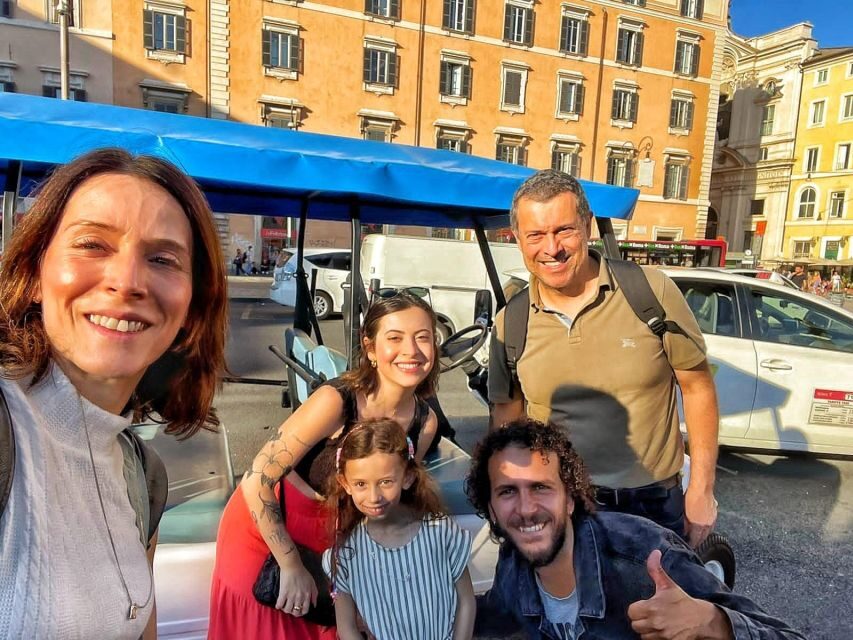
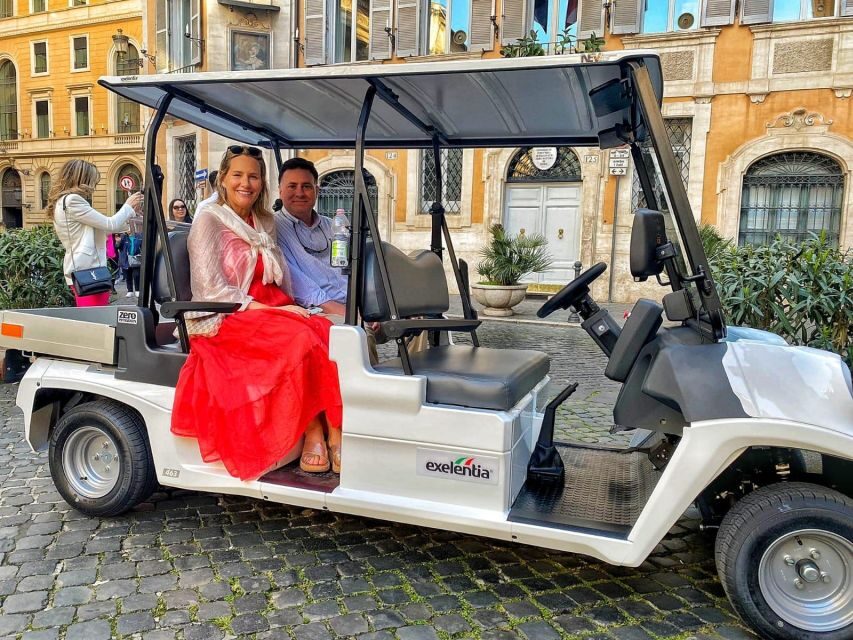
What makes this tour work isn’t just the cart. It’s the guide. The guides are natives of Rome, and the day is built around anecdotes, curiosities, and the kind of local context that changes how you see a monument.
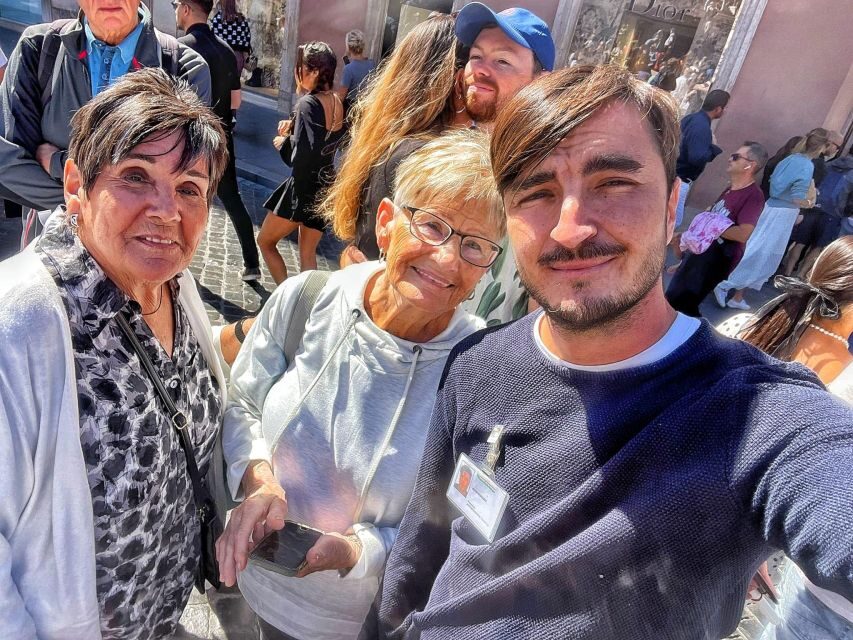
In the reviews, I saw that energy clearly. Stefano stood out as funny, open, and full of knowledge, and Marta impressed families too—especially with kids. That matters because Rome can feel chaotic for younger travelers. A guide who can switch tone, keep the pace friendly, and still explain the sights is a real value-add.
If you like tours where someone actually talks to you (not at you), this is the right style. The goal is not memorizing facts; it’s getting oriented so you can recognize what you’re looking at, then keep exploring later on your own.
Colosseum area to Trevi Fountain: the classic duo with context
The day kicks off with an outside view of the Colosseum—close enough for photos, without turning the schedule into a line-management exercise. From there, you roll toward the Trevi Fountain, another stop where first-time Rome visitors usually feel a little overwhelmed by the scale and bustle.
Here’s what makes this segment worth your time: your guide ties the landmarks to the stories behind them. You’re not just seeing a famous facade. You’re hearing how Rome’s public life, power, and everyday culture shaped what ended up surviving.
Also, timing helps. By hitting these icons within the first part of the tour, you get those must-see images while your eyes are still fresh and your brain hasn’t turned to mush from planning. If you’ve ever tried to race from the Colosseum to Trevi on your own, you’ll appreciate having the order handled.
Pantheon and Suburra: moving from marble perfection to real streets
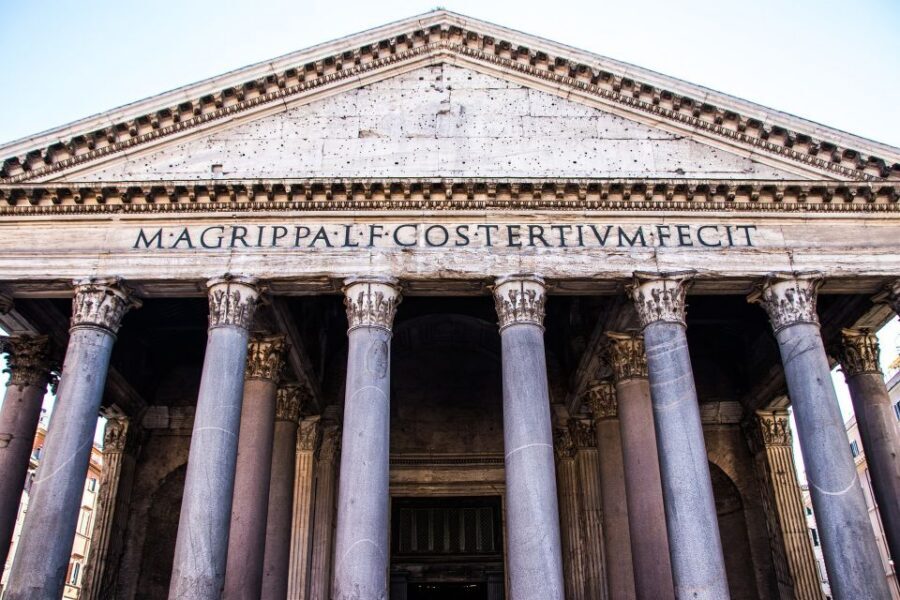
Next up: the Pantheon. You’ll see it from the outside as part of the route, and it’s one of those places where the proportions hit you immediately. Even without stepping inside, your guide can explain why it feels so different from other Roman monuments—how engineering and design choices create that unmistakable effect.
Then the route carries you through Suburra, a name that matters for how Rome’s neighborhoods evolved. This is where you start to feel the tour shift from postcard Rome to lived-in Rome. Suburra is associated with the city’s energy—commerce, movement, and the messiness that comes with dense urban life.
This is a smart pairing. Pantheon gives you the monumental side. Suburra helps you remember the city wasn’t only temples and arenas. It was people pushing carts, selling goods, and building communities around the grand structures.
You can also read our reviews of more private tours in Rome



Orange Garden and the look at Rome from above
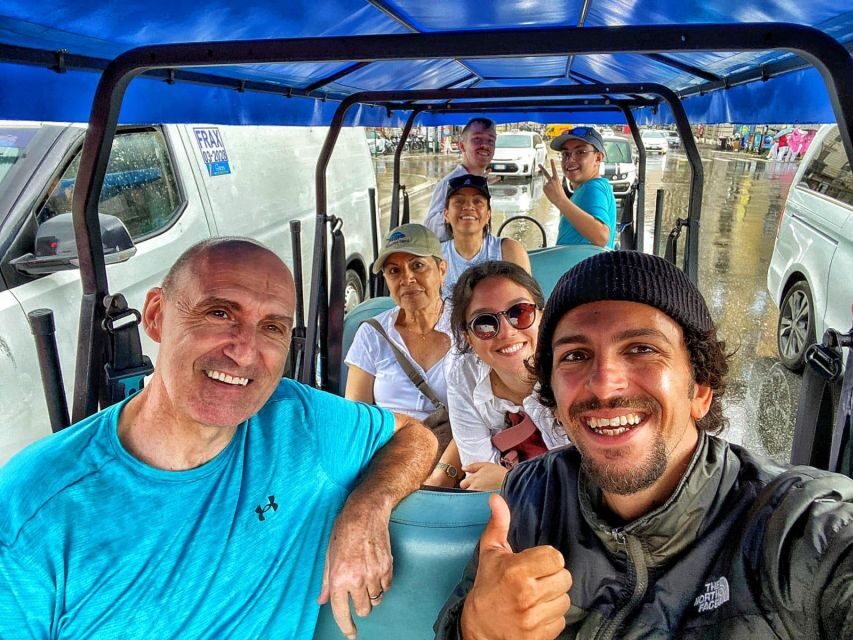
At some point, you’ll reach the Orange Garden, a panoramic spot over Rome. The route description also mentions an option to add wine and a small Apulian snack here (not included in the standard 4-hour experience as described, so check what’s offered when you book).
Even if you skip the tasting add-on, this stop works because it resets your perspective. Rome can flatten out when you’re moving street to street. A viewpoint gives you the city’s scale back, and it helps you understand why certain areas feel connected even when they’re far apart.
If you’re traveling with a group that includes different energy levels—one person who wants nonstop sights, another who just wants a nice break—this kind of stop is a friendly compromise.
Column of Trajan, Roman Forum outside views, and the theaters
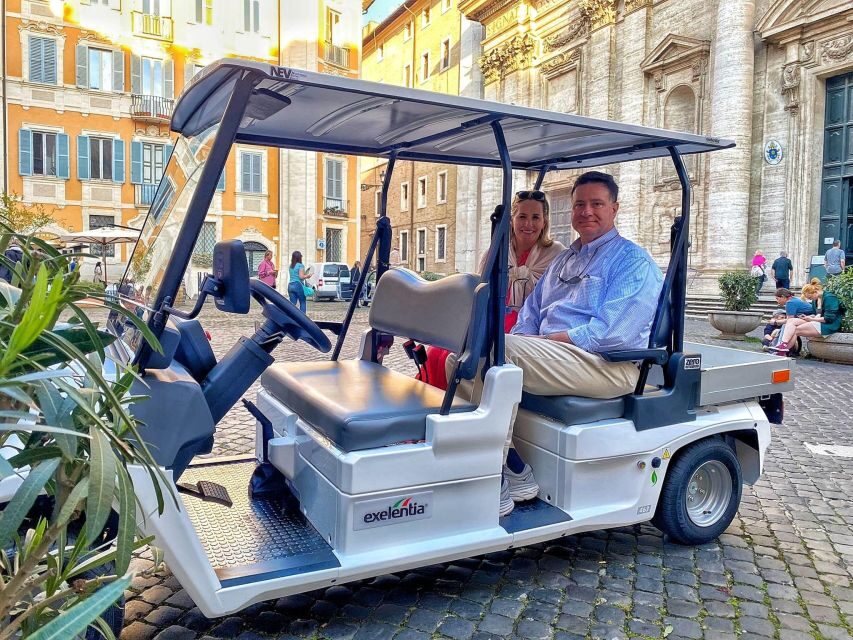
You’ll pass by the Column of Trajan and the Roman Forum area (outside views). These are heavy hitters, but the cart approach keeps the experience focused. Instead of trying to squeeze too many inside visits into a tight schedule, you get a guided overview that helps you recognize major elements and understand what the Forum meant as a civic center.
Then you continue toward Venice Square and the Marcellus Theater, plus the Insula concept stop. The route includes the Insula, described as the first condominium in the world. Whether you think of it as a housing history lesson or an urban-design curiosity, it’s a great reminder that Rome’s legacy isn’t only monumental—people lived, worked, and raised families in complex city blocks.
This section is also where a good guide makes the landmarks feel like a timeline. You start connecting power (Forum and major monuments) with everyday urban life (insula-style housing) and public culture (theaters and squares). That’s the real value of the cart tour: it helps you build a mental map fast.
Aventine Hill, Mouth of Truth, and Santa Maria Maggiore
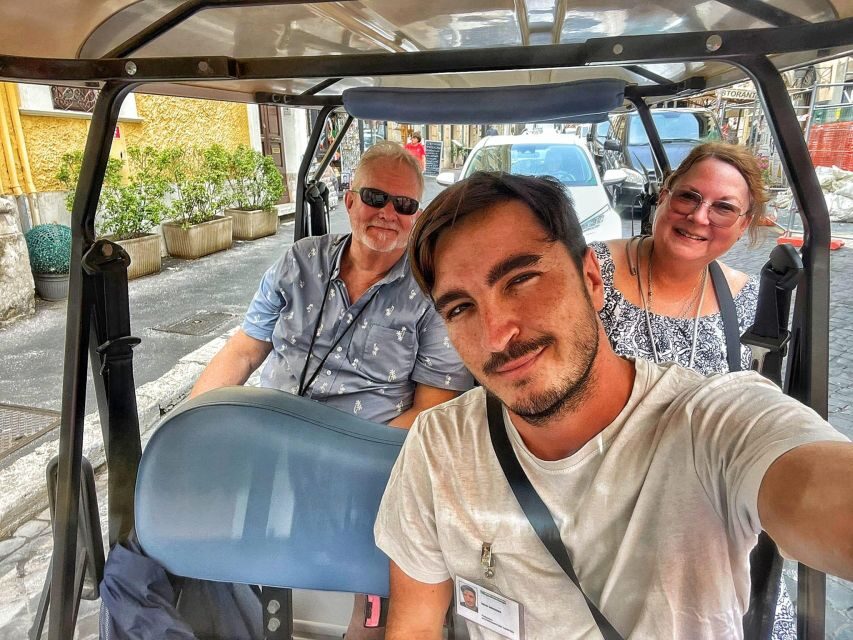
As the day moves toward its closing stretch, you’ll hit Aventine Hill and the Mouth of Truth. These stops are famous for a reason, but what makes them land in a tour is the storytelling context—why the site became a symbol and what people connect to it today.
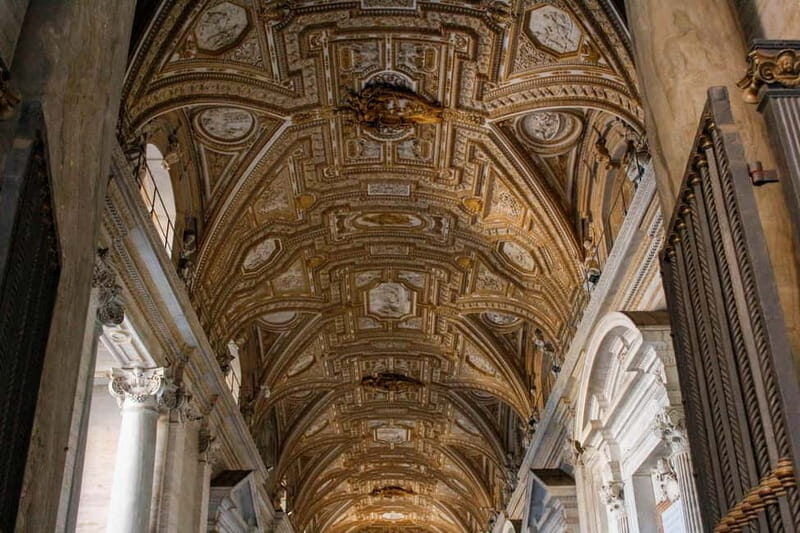
After that, you’ll reach Papal Basilica of Saint Mary Major. You’ll view it as part of the route, and it shifts the day from Roman civic life to later layers of religious Rome. That mix is important. If your Rome is only ancient stones, you miss how the city kept changing—generation after generation.
This ending portion works well because it gives you a mood change. You finish with something calmer and more human-paced than the big arena-and-fountain moments. It’s a good contrast so the day feels complete instead of repetitive.
Gelato at a championship shop since 1947
The tour wraps with gelato at a world championship style ice cream stop. The shop is described as operating since 1947, which gives it that grounded, local-staple feeling rather than a trendy pop-up.
Why this matters: food stops on tours can be either fun or useless. Here, gelato is included and it’s positioned as part of the experience, not just an obligatory snack. You’ll also get advice from the guide about where to eat like a Roman and how to avoid tourist traps—use that guidance for your remaining hours after the tour.
If you’re the type who wants to try the classic things you can’t just recreate at home, this is the payoff moment. Ice cream in Rome tastes better after you’ve been seeing monuments for hours, and you won’t have to hunt for a place that fits your pace.
Price and value: is $155.20 per person worth it?
At $155.20 per person for a 4-hour private tour, you’re paying for three main things: a private local guide, golf cart transportation, and the included gelato plus a souvenir.
If you compare this to the cost of piecing together a guided day yourself, the math usually starts to make sense:
- You’re not paying separately for transportation plus a guide plus a scripted route.
- You get a built-in rhythm: see sights, get stories, move efficiently, then end with gelato.
- A private format often saves time because the guide can adjust the pace to your group.
Where the price may feel steep is if you’re mostly price-shopping and you’re happy doing everything independently. In that case, you can absolutely tour Rome on your own. But you’d lose the convenience of the cart flow and the kind of local commentary that helps you understand what you’re looking at.
My practical take: if you value comfort, want a guided overview in limited time, or are traveling with kids or a mixed group, this pricing lands in the reasonable-to-good category. If you want long museum time and lots of walking, you may get better value with a longer or different tour format.
Who this 4-hour private tour suits best
This is a strong fit if you:
- Have limited time and want a fast orientation to Rome’s top sights
- Prefer comfort and clearer navigation over getting lost in crowd logistics
- Want a guide who can share anecdotes and help you connect sites to stories
- Are traveling with families, where Marta’s style with children seems like a real advantage
It’s less ideal if you:
- Want deep, inside-only experiences at multiple major sites within 4 hours
- Need the tour to be suitable for pregnancy (it’s listed as not suitable)
- Plan to rely on included pickup outside restricted zones (you should plan to meet at the designated point)
Should you book this private golf cart + gelato tour?
If your goal is to see Rome’s biggest icons with less stress—and get local context while you do it—yes, it’s an easy recommendation. The combination of private guiding, efficient cart movement, and a gelato stop at a long-running championship-style shop is a practical win.
I’d especially book it if you’re arriving in Rome with that first-day fog, when everything looks impressive but you’re not sure what you’re looking at. This tour helps you get your bearings fast, then leaves you with enough energy to keep exploring on your own afterward.
FAQ
How long is the Rome golf cart tour?
The tour duration is 4 hours.
Is this tour private?
Yes, it’s a private group tour, so only your group participates.
Where does the tour start and end?
It starts at the Front of hotel anantara and ends back at the meeting point near P.za della Repubblica, 48.
What’s included in the price?
Included are the local guide, transportation by golf cart, gelato, and a souvenir.
What languages are the live guides available in?
Live guides are available in Italian, English, Russian, and Spanish.
Is the tour wheelchair accessible?
Yes, the tour is listed as wheelchair accessible.
Is gelato included?
Yes, gelato is included as part of the experience.
Is pickup included inside restricted ZTL areas?
Pickup outside the ZTL area is listed as not included, so you should plan to meet at the designated meeting point.
Is the tour suitable for pregnant women?
No, it is listed as not suitable for pregnant women.
Are there other tour lengths or options besides 4 hours?
Yes. The options mentioned include 6 hours, a Sunset option, and a Combo Golf Cart + Vatican Museums option.
Final note
If you want Rome in a single guided sweep—Colosseum to Trevi to Pantheon—while staying comfortable and finishing with gelato, this is a smart way to spend half a day.