REVIEW · VATICAN TOURS
Vatican tour : Holy Jubilee Doors and Tomb of Pope Francis
Book on GetYourGuide →Operated by Forever holidays · Bookable on GetYourGuide
Holy Doors only open for special years. This Vatican-focused tour is built around the Jubilee tradition: Holy Doors that are usually closed for decades, opened for the jubilee year so pilgrims can pass through. You’ll also visit papal basilicas connected with this tradition, plus the Tomb of Pope Francis, with an English-speaking guide to explain what you’re seeing and why it matters.
Two things I like a lot are (1) the simple, physical act of walking through each Holy Door, and (2) the way the guide connects each stop to tradition and purpose, so it’s not just standing in a crowd. The one drawback to consider is that this experience does involve long walking, and the tour has also received serious complaints related to guide no-shows and ticket confusion, so you’ll want to be alert and proactive.
Dress code is strict in churches, so it helps to plan ahead. Shoulders and knees must be covered, and the route isn’t ideal if you can’t handle a sustained walking pace.
In This Review
- What Makes This Jubilee Tour Worth Your Time
- Jubilee Holy Doors: Why These Gates Matter
- The 4 Papal Basilicas Route: What the Walking Experience Really Feels Like
- Tomb of Pope Francis: A More Quiet Moment After the Holy Doors
- Starting Point at Number 259: How to Make Sure You Don’t Lose Time
- Price Value Check: Is $44 a Good Deal for Holy Doors and a Pope’s Tomb?
- What to Wear and Bring: Church Rules That Affect Comfort
- Who This Vatican Jubilee Tour Fits Best
- The Real-World Take: What You Can Expect When Things Run Smooth
- Should You Book This Holy Jubilee Doors and Tomb Tour?
- FAQ
- How long is the Vatican tour Holy Jubilee Doors and Tomb of Pope Francis?
- Where do I meet the tour?
- Is transportation from my hotel included?
- What is included in the tour price?
- Do I need to cover my shoulders and knees?
- Is the tour suitable for people who can’t walk long distances?
- What language is the tour guide?
- Can I cancel for a full refund?
What Makes This Jubilee Tour Worth Your Time
- Four Holy Doors in one tour window for a focused pilgrimage route during the jubilee year
- Basilica visits with guided context, so you understand what you’re looking at
- Tomb of Pope Francis stop adds a quieter, more personal moment after the door-walking
- Spiritual or historical, depending on how you experience it
- Shared transport plus live guide keeps logistics simpler than trying to piece it together alone
Jubilee Holy Doors: Why These Gates Matter
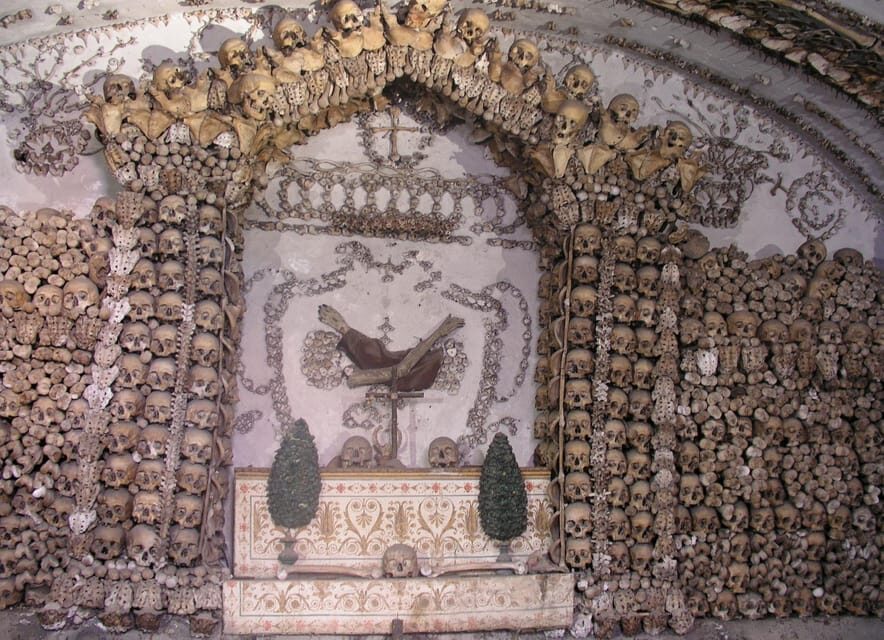
The big idea behind this tour is the Jubilee tradition itself. During a jubilee year, certain doors called Holy Doors are opened. Outside those years, they normally stay closed for at least 50 years. That’s why this isn’t a normal Vatican church day. You’re showing up for a once-in-a-while opening ritual.
I like how the guide’s approach supports different motivations. If you’re Catholic and want the pilgrimage element, the tour is set up to let you proceed with that door-by-door experience. If you’re not religious, you still get something worthwhile: you’re learning the meaning of a major faith practice, plus the storytelling that turns stone and arches into something people live for.
Also, the structure matters. Instead of bouncing around on your own schedule, you follow a route designed to hit the Holy Door theme repeatedly. That repetition helps it land. The second door isn’t just another photo op. By then, the tradition feels clearer.
One more practical point: Holy Doors are tightly associated with intense visitor interest in the jubilee year. Even if the tour moves you along, expect crowds and expect churches to have rules. That’s not a downside of this particular tour. It’s just the reality of the Vatican during a big religious calendar moment.
You can also read our reviews of more tours and experiences in Rome.



The 4 Papal Basilicas Route: What the Walking Experience Really Feels Like
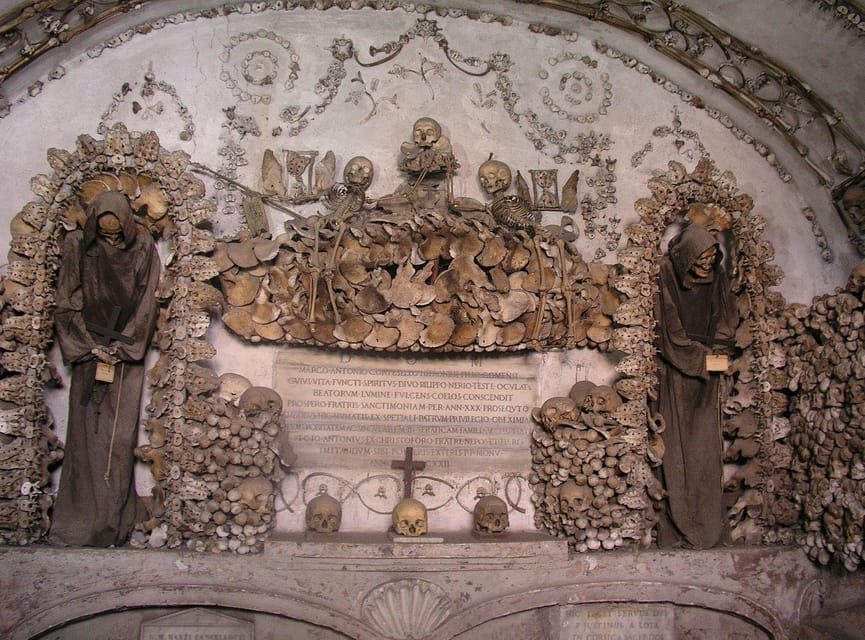
This tour is centered on visiting four papal basilicas that are tied to the jubilee Holy Doors tradition. In other words, you’re not doing four random churches. You’re moving through a set designed to tell one story: the jubilee pilgrimage through designated basilicas.
What you should expect in practice is a day that mixes guided explanation with time to look. The tour description says the guide will provide history at each place and then leave time for you to deepen your visit if you’re Catholic, or pause longer for non-believers who want to observe without rushing. That flexibility is important. It means you’re not stuck with a relentless script where you only hear talking points and never get to slow down.
There’s also something to be said for how “complete” this feels in a short duration. This is a 4-hour tour, not an all-day marathon. For people on a tight itinerary, that’s a real value. You can pack in a major spiritual tradition and a Pope-related stop without sacrificing your entire day.
Still, here’s the trade-off: it’s a route, and it involves getting between sites. The tour is not suitable for people who cannot walk long distances. So if you’re the type who needs frequent breaks, this may feel stressful.
If you’re deciding whether this route fits you, do a simple check: can you comfortably walk for several segments with only short pauses in between? If the answer is no, you’ll likely feel rushed or uncomfortable.
Tomb of Pope Francis: A More Quiet Moment After the Holy Doors
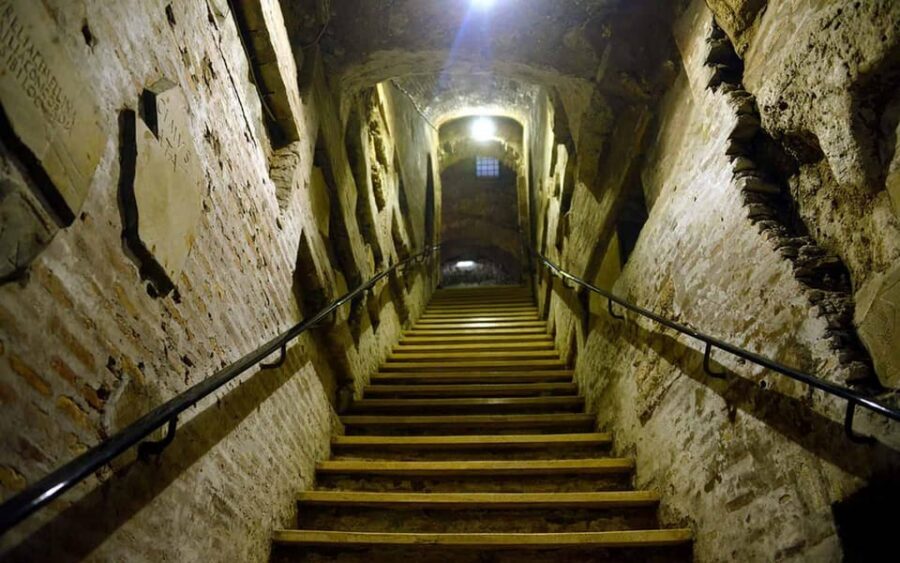
The final highlight is the Tomb of Pope Francis. That’s a meaningful shift in tone. Holy Door walking is ceremonial and communal. A tomb visit tends to be calmer, more reflective, and less about a forward-moving ritual.
Even without religious beliefs, there’s an emotional gravity to a visit like this. You’re in a place tied to a specific modern Pope. It can feel more immediate than looking at distant centuries of history because the person represented is recent enough to feel like living memory.
From a tour-planning perspective, adding the tomb to the Holy Door itinerary is smart. It prevents the experience from being purely symbolic. You get at least one stop that feels personal. And since the tour is only four hours, you’re not left hunting for additional “must-see” things on your own.
There’s a pacing consideration here too. If you’re easily fatigued, the door-walking portion can be the hardest part, and the tomb stop might arrive when your energy is already low. Plan to arrive with comfortable footwear and realistic expectations about time spent at each site.
Starting Point at Number 259: How to Make Sure You Don’t Lose Time
You meet the tour greeter outside the main entrance of number 259. The tour description says the greeter will wait there, and the tour ends back at the meeting point.
That detail matters because the Vatican is a maze, and “close by” can still mean a 10–20 minute detour if you’re turned around. If you want a smooth start, be there early enough to take a breath, orient yourself, and confirm you’re in the right place before the group starts moving.
Now for the honest risk check. The tour has an overall rating of 2 based on only four reviews, and two of those ratings are 1 out of 5 with serious issues: a guide not showing up, and a separate complaint about ticket handling when arriving. I can’t know what will happen on your specific day, but this is the kind of service problem that can ruin an afternoon fast.
My practical advice: if you book, treat it like a high-importance appointment. Screenshot your confirmation, arrive early, and be ready to contact the provider if you don’t see your greeter. If the guide is late or missing, don’t assume it’s fine—move quickly to protect your time.
Price Value Check: Is $44 a Good Deal for Holy Doors and a Pope’s Tomb?
At $44 per person for a 4-hour guided experience, this tour can represent good value if everything runs as described: guide, shared transportation, Holy Door visits, visits to the four papal basilicas, and the Tomb of Pope Francis.
Here’s why that value can work:
- You get a structured route that hits multiple major religious sites in a short window.
- You get a live English guide to explain the meaning behind the Holy Door tradition, plus history at each basilica.
- The tomb visit adds a separate anchor point beyond the door ritual.
- Shared transport reduces the mental work of arranging inter-site movement.
But the “value” question has an asterisk. One complaint in the rating notes ticket confusion, including a situation where an entry ticket was reportedly purchased online by the company, and the cost didn’t match what the traveler expected. I don’t have enough info to say what happened in every case, or whether that situation was typical, but it signals that you should be prepared for the possibility of extra charges if admission rules differ by site or timing.
If you want to stay in control of your budget:
- Confirm what’s included before you go.
- When you arrive, check whether you’re being asked for any extra payment.
- If anything seems off, address it immediately with the guide or the provider’s representative on the spot.
Also, one thing to remember: transportation from your hotel to the meeting point is not included. So your true cost is the taxi or walk (or transit) you’ll do to get to number 259.



What to Wear and Bring: Church Rules That Affect Comfort
This part can make or break your experience. The tour follows church dress requirements: shoulders and knees must be covered. That’s not a suggestion. If you arrive in shorts or a short-sleeve top, you may have to adjust, and that steals time from a tight four-hour schedule.
Bring practical items:
- Comfortable walking shoes (you’ll be on your feet)
- A light layer that still covers shoulders
- Something modest if your usual outfit doesn’t match church rules
The tour is also not suitable for people who cannot walk long distances. That means if you use mobility aids or need frequent pauses, it might be stressful. If you’re on the edge, plan for the worst: you’ll still be walking between basilicas and timing matters.
And since it’s in English, you can expect live narration rather than a self-guided audio track. That can be a plus for people who like context while they walk, but it also means you’ll want to follow the group when asked.
Who This Vatican Jubilee Tour Fits Best
This tour fits best if you want a guided, compact pilgrimage day. It’s a good match for:
- Catholics who want to experience Holy Door walking during the jubilee year
- Curious visitors who want the meaning behind religious practices, not just a checklist of sites
- People with limited time in Rome who still want Vatican highlights connected to the Jubilee tradition
It may not fit if:
- You need a fully seated or low-walking experience
- You’re very sensitive to crowds and pace
- You prefer fully independent touring where you can stop whenever you want without group timing
And if you’re planning for a less-than-perfect day, set yourself up with realistic expectations. The biggest service risk isn’t the churches. It’s the human side: guide attendance and clear ticket handling. So do the best version of “be prepared” that you can.
The Real-World Take: What You Can Expect When Things Run Smooth
When service is working, this is the kind of tour that feels satisfying quickly. You start at number 259, get transported with the group, and then move through a thematically linked route: four Holy Doors and the papal basilicas tied to the Jubilee.
The guide’s job is to keep the story coherent. Instead of random facts, you get connected explanations: what Holy Doors represent, why they’re special, and what each basilica contributes to the pilgrimage path. You’re also not forced to sprint from one photo to the next. There’s supposed to be time to deepen your visit, depending on how you relate to the faith side of it.
Even if you’re not religious, this can still feel meaningful because it’s cultural. A jubilee year isn’t just architecture; it’s an event that shapes how people move, pray, and remember.
Just keep in mind: you’re traveling through active places of worship. Rules matter, and so does walking comfort.
Should You Book This Holy Jubilee Doors and Tomb Tour?
I’d book if you want a focused, Jubilee-centered Vatican experience in 4 hours, and you can meet the basic needs: covered shoulders and knees, comfort with long walking, and willingness to follow a group route.
I’d pause before booking if:
- You’re worried about service reliability, especially given the reported guide no-show and ticket confusion in a small set of low ratings.
- You need a highly predictable schedule with zero risk of delays.
If you do book, here’s the smart move: arrive early, be at the meeting point outside number 259, and treat your confirmation details as important paperwork. That’s how you protect your afternoon in a place where timing can slip fast.
If you’re a time-pressed pilgrim or a history-minded visitor looking for one clear “Jubilee day” package, this tour can deliver. The Holy Doors element is the hook. The tomb stop is the emotional payoff.
FAQ
How long is the Vatican tour Holy Jubilee Doors and Tomb of Pope Francis?
The tour lasts 4 hours. Starting times can vary, so check availability for the time that fits your schedule.
Where do I meet the tour?
Meet outside the main entrance of number 259. The greeter waits at that location, and the tour ends back at the same meeting point.
Is transportation from my hotel included?
No. Transportation from your hotel to the meeting point is not included.
What is included in the tour price?
Included are a tour leader, shared transportation, Holy Door visits, visits to the papal basilicas, and the Tomb of Pope Francis.
Do I need to cover my shoulders and knees?
Yes. In churches, shoulders and knees must be covered.
Is the tour suitable for people who can’t walk long distances?
No. The tour is not suitable for people who cannot walk long distances.
What language is the tour guide?
The live tour guide offers the tour in English.
Can I cancel for a full refund?
Yes. You can cancel up to 24 hours in advance for a full refund.