REVIEW · ROME
Underground Rome Tour: St. Clement and Celian Houses
Book on Viator →Operated by Joy of Rome · Bookable on Viator
Rome changes when you go below street level. This private underground walking tour takes you under the busy city to see ancient structures and changing building layers, with a stop at the Basilica of San Clemente and a visit tied to Caelian Hill. I especially like how the route moves from medieval space into Roman-era remains without making it feel like a museum lecture.
I also like that you get two different kinds of “under Rome” moments: the Ancient Roman houses connected to Saints John and Paul, plus the Caelian Hill setting with aqueducts and temples that once served different social classes. The main consideration is simple: this tour may not be a good fit if you’re strongly claustrophobic, since parts of the experience take place underground.
In This Review
- Key highlights that make this tour worth your time
- Entering Rome’s layers: from Caelian Hill to San Clemente
- Stop at Santi Giovanni e Paolo: ancient houses under the church
- What you should pay attention to
- Caelian Hill: the Seven Hills story, plus something you can walk into
- Why this stop is more than a photo break
- Basilica of San Clemente: why the layers are the main event
- The practical part: you’ll want stamina
- The guide makes or breaks an underground tour
- Price and value: what you pay for, and what you still need
- Is it worth paying extra for tickets?
- What’s not included
- Timing, meeting points, and how to keep the day smooth
- Comfort and claustrophobia notes you should take seriously
- What kind of traveler should book this?
- Should you book this underground Rome tour?
- FAQ
- How long is the Underground Rome Tour: St. Clement and Celian Houses?
- Is this tour private?
- What language is the tour offered in?
- Are admission tickets included in the price?
- Where does the tour start and where does it end?
- Is the tour suitable for claustrophobia?
- What is the cancellation policy?
Key highlights that make this tour worth your time
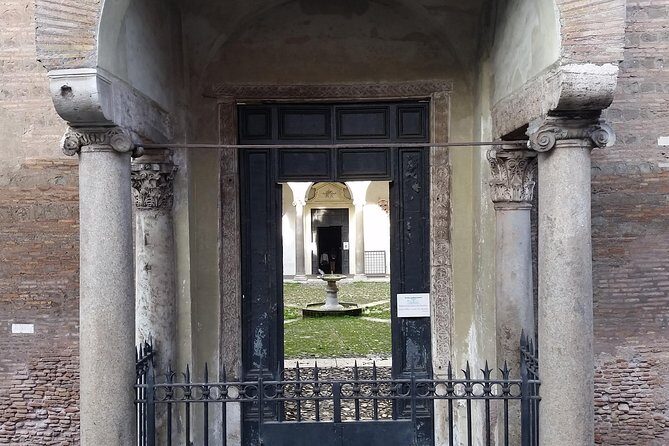
- St. Clemente’s multiple layers: see how one sacred site grew over earlier ones
- Ancient Roman houses below Santi Giovanni e Paolo: a direct walk from medieval space into Roman-era rooms
- Caelian Hill context: aqueducts, temples, and homes from different ranks of Roman society
- Private format: only your group participates, so questions feel normal, not rushed
- Professional guide: you’ll understand what you’re looking at instead of guessing
Entering Rome’s layers: from Caelian Hill to San Clemente
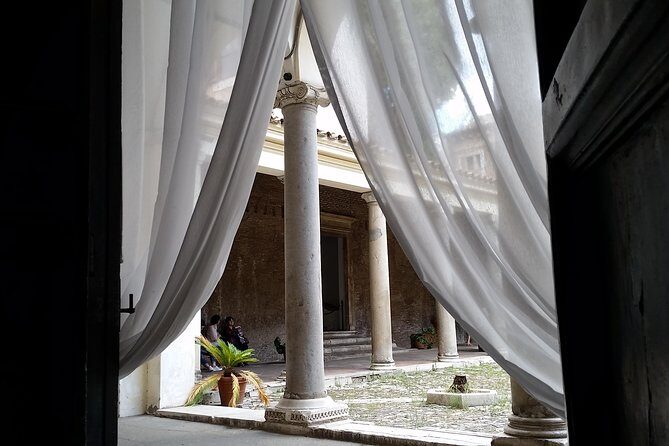
This is Rome at a different scale. Instead of chasing views from above, you follow the logic of how people built, reused, and covered older spaces as centuries passed.
The tour starts at Basilica Santi Giovanni e Paolo (Piazza Dei SS. Giovanni e Paolo) and ends at Basilica di San Clemente (Via Labicana). That matters because it means you’re not bouncing back and forth across the city. You’re walking a focused path that finishes where a lot of people want to be anyway: at San Clemente, in the center of the action.
You can also read our reviews of more tours and experiences in Rome.



Stop at Santi Giovanni e Paolo: ancient houses under the church
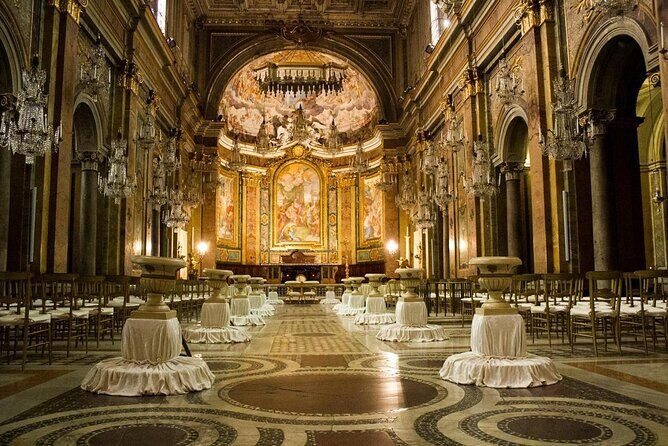
Your first underground look is at the Basilica dei Santi Giovanni e Paolo, where you’ll explore the secrets of the Ancient Roman Houses of Saints John and Paul located beneath the church. The idea here is powerful: with just a few steps, you move from a medieval setting into older structures from ancient times, seeing how the same sacred association can live on while the physical building changes around it.
This portion is about 45 minutes, and the ticket cost is not included in the tour price. So plan for entrance fees up front. Also keep in mind churches can close for extraordinary celebrations, and the tour provider reserves the right to cancel and refund if that happens. That’s rare, but it’s worth knowing before you lock in your whole day.
What you should pay attention to
Underground ruins can blur together fast if you’re not sure what you’re looking at. With a guide, you’re not stuck wandering and hoping. You’ll get help connecting the site to its associated saints and the layered purpose of the buildings above and below.
If your guide happens to be Francesca or Angelica, you’re likely to get the kind of clear, energetic explanations that make the rooms feel real rather than abstract. The best part is that the guide’s focus helps you notice the transformation, not just the fact that transformation happened.
Caelian Hill: the Seven Hills story, plus something you can walk into
Then you head to Caelian Hill, one of Rome’s famed seven hills. This isn’t just a geography lesson. Caelian Hill is the setting where aqueducts and temples once shaped the area around residences for both high-class and middle-class citizens—meaning this hill wasn’t only for the elite.
Your time here is short (about 20 minutes), and the entrance at this segment is free. That makes it a nice break in the schedule: you get a sense of the neighborhood’s old-world role, and then you move back underground to connect that context to the house connected with John and Paul.
Why this stop is more than a photo break
The value of Caelian Hill is that it gives you a frame for the underground spaces. If you’ve only ever seen Roman ruins as isolated walls, Caelian Hill helps you imagine how everyday life might have sat near major infrastructure like aqueducts. That makes the underground areas feel less random and more like part of a living city.



Basilica of San Clemente: why the layers are the main event
The final and biggest time block is San Clemente, and it’s where the tour earns its reputation. You’ll spend about 1 hour 45 minutes here, visiting the church and its multiple layers—a rare setup where you can physically experience how one holy site was rebuilt over earlier versions.
One reason this stop hits so hard is that the building isn’t just old; it’s stacked. The footprint includes earlier churches and older structures, and you can go down to see the relationships between those eras. A big detail to know: you’ll be around 50 feet below street level as you explore the lower areas. That’s not a casual stroll, and it’s part of what makes the experience feel like a real time machine rather than a surface-level church visit.
The practical part: you’ll want stamina
Since the tour includes underground walking and time spent in enclosed spaces, aim for a moderate fitness level. If you’re someone who gets tired easily when you’re doing repeated stairs or slow walking underground, you’ll want to factor that in. You don’t need to be an athlete, but this isn’t a sit-and-watch tour.
The guide makes or breaks an underground tour
Underground experiences are tricky. If you go without help, you often end up counting arches and hoping the rest clicks. With the professional guide, you’re given a roadmap for what matters: how the structures relate, what changed across centuries, and why the same religious associations kept showing up in new construction.
The reviews’ strongest themes are about guide quality—especially Francesca, with multiple mentions of how pleasant, professional, and effective she was at explaining the sites. Angelica also appears as a guide who gave clear, detailed context about how earlier church structures were unknown until excavations began and what visitors can actually walk through today.
The takeaway for you: treat the guide like your translation tool. Ask simple questions as you go—What’s older? What got rebuilt? What’s different between the levels? That’s how you turn a cool walk underground into an understanding you carry out into daylight.
Price and value: what you pay for, and what you still need
The tour includes the professional guide, but admission tickets are not included. That’s a key detail for value, because underground Rome has real entry costs tied to specific sites.
From the tour details, you should plan for entrance fees of about:
- Adults: 30 euro total per person (as listed)
- Children: 18 euro total per person (as listed)
There’s also a specific line item noting an entrance fee for Basilica dei Santi Giovanni e Paolo of 25 euro per person. Since pricing is site-specific, double-check your total when you book so you’re budgeting correctly.
Is it worth paying extra for tickets?
I think it is—because you’re paying for access to places that ordinary sightseeing usually can’t replicate. You’re not just hearing about Rome’s past; you’re walking through layered physical evidence. A guided private format also helps you squeeze more meaning out of your time, since you’re not sharing explanations with a big crowd.
One more value note: group discounts are mentioned, and the tour offers a mobile ticket. If you’re traveling with friends or family, that can lower the per-person impact of the ticket add-ons.
What’s not included
No hotel pickup or drop-off, and no transportation to/from the sites are included. So you’ll want to plan to reach the start point near public transportation and then finish at San Clemente.
Timing, meeting points, and how to keep the day smooth
This tour runs about 2 to 3 hours. You’re getting three time blocks that add up to a full stretch: around 45 minutes, then 20 minutes, then nearly two hours at San Clemente.
You start at Piazza Dei SS. Giovanni e Paolo and end at Basilica di San Clemente on Via Labicana. That end point is helpful: San Clemente is the kind of place you can easily pair with nearby sights afterward.
Also note the tour is offered in English. Confirmation comes at booking time unless you book within 7 days, in which case you get confirmation within 48 hours depending on availability.
Comfort and claustrophobia notes you should take seriously
This is one of those tours where you should be honest with yourself. The tour may not be suitable if you’re strongly claustrophobic, since you’ll be moving through underground spaces and enclosed areas.
On the bright side, the walking pace is guided and structured, and the tour is built around a manageable time schedule. The best move is to assess your comfort with tight corridors and limited air volume before you commit. If you’ve had issues in underground metros or catacombs, take that as a warning sign here.
What kind of traveler should book this?
You’ll probably love this tour if you:
- like seeing how Rome’s layers overlap instead of only chasing one era
- want a guided explanation that helps you read ruins
- enjoy churches with real underground components, not just views from the nave
You might skip it if you:
- strongly dislike enclosed underground spaces
- want a purely above-ground sightseeing day with lots of open-air breaks
If you’re short on time and you can only pick one “underground Rome” experience, this is one of the more coherent choices because it connects multiple sites into a single story.
Should you book this underground Rome tour?
I’d book it if you want the most direct route to understanding how Rome builds over itself. The combination of Santi Giovanni e Paolo, Caelian Hill, and San Clemente turns underground visiting from a novelty into a clear timeline you can walk through.
If you’re comfortable underground and you budget for separate ticket fees, this private format is a strong value. If you’re claustrophobic, it’s better to choose a different type of tour—Rome is full of great options that don’t require going down that far.
FAQ
How long is the Underground Rome Tour: St. Clement and Celian Houses?
The tour runs about 2 to 3 hours. The planned time at each stop is roughly 45 minutes, 20 minutes, and 1 hour 45 minutes.
Is this tour private?
Yes. It’s a private tour/activity, so only your group participates.
What language is the tour offered in?
The tour is offered in English.
Are admission tickets included in the price?
No. Admission tickets are not included. The tour lists entrance fees for adults and children, and it also notes an entrance fee for Basilica dei Santi Giovanni e Paolo.
Where does the tour start and where does it end?
It starts at Basilica Santi Giovanni e Paolo in Piazza Dei SS. Giovanni e Paolo, and it ends at Basilica di San Clemente in Via Labicana.
Is the tour suitable for claustrophobia?
It may not be suitable for travelers who are strongly claustrophobic, since parts of the experience are underground.
What is the cancellation policy?
You can cancel for a full refund if you cancel up to 24 hours in advance. If you cancel less than 24 hours before the start time, the amount paid is not refunded.