REVIEW · COLOSSEUM TOURS
The Best of Rome: Colosseum and Vatican with Pantheon and Trevi
Book on Viator →Operated by Tours of Rome · Bookable on Viator
Rome hits fast on this route.
This private best-of Rome day ties together two big-ticket “must-sees” in one smooth plan—ancient spectacle and superstar art—then sprinkles in classic city-walk stops. You get guided time where it matters most, so you spend less time guessing and more time looking closely at what’s in front of you.
Two things I really liked: the expert-guided structure (especially for the Vatican sights) and the fact that key entry items are handled for you, including the Colosseum ticket and reservation fee. It also helps that the tour includes personalized commentary from an art historian-type guide, not just a facts-on-a-loop recitation.
One thing to consider: the schedule is tight. In the Vatican area, crowds can make the pace feel a bit rushed, and a couple of the walking segments are more about getting you to iconic viewpoints than lingering. Plan for comfortable shoes and a “see a lot, not everything in depth” mindset.
In This Review
- Key highlights worth your attention
- Why this Rome mix works: Colosseum plus the Vatican plus icon walks
- The 6-hour rhythm: meeting at St Peter’s Square and staying sane
- Sistine Chapel: short time, big payoff
- Vatican Museums: 60 minutes of art infrastructure
- St. Peter’s Basilica: a quick visit to the world’s biggest church
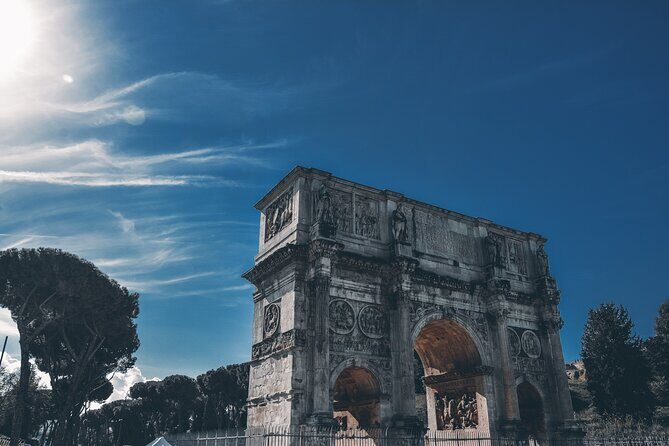
- Colosseum and Roman Forum: where Rome’s power reads like a story
- Trevi Fountain and Spanish Steps: iconic stops, limited lingering
- Trevi Fountain (about 20 minutes)
- Spanish Steps (about 20 minutes)
- Pantheon: the quick stop that’s still worth it
- Tickets, dress code, and the rules that matter in real life
- Dress code (don’t wing it)
- Identity and health document requirements
- Jubilee restoration impacts
- Animals
- How much value is $650.91 for this private day?
- Who should book, and who should skip it
- Final booking advice: should you choose this one?
- FAQ
- How long is the tour?
- Where does the tour start and end?
- Is this tour private?
- What language is the tour offered in?
- Are tickets included for the main Vatican sights?
- Are Colosseum tickets included?
- Is food or drinks included?
- Is hotel pickup or drop-off included?
- What dress code do I need for entrances?
- What documents do I need to bring?
- What if monuments are affected by the Jubilee?
Key highlights worth your attention
- Private group experience: only your group participates, so you can move with less waiting around.
- Pre-arranged entry items: Colosseum tickets and the reservation fee are included.
- Sistine Chapel time is short but focused: you get dedicated viewing time.
- Icon stops that match the classics: Trevi Fountain, Spanish Steps, and the Pantheon are built into the route.
- Dress code is enforced: you’ll need covered knees and shoulders at worship sites and select museums.
- Time is the real trade-off: expect a fast, efficient day rather than a slow stroll.
Why this Rome mix works: Colosseum plus the Vatican plus icon walks
Rome can be overwhelming. You can try to do the Colosseum one day, the Vatican another day, and then still miss the Pantheon or squeeze Trevi in at the end like a last-minute homework assignment. This tour gives you a “best hits” day that’s built around two heavyweights—Colosseum/Roman Forum and the Vatican—then completes the loop with three of Rome’s most photographed streets-and-squares stops.
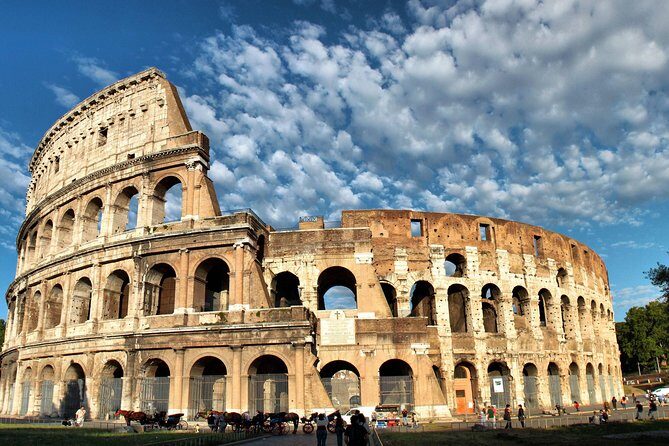
The Colosseum and Roman Forum are where you go to understand how Rome built power in stone: public space, ceremony, and empire all in one view. The Vatican side is the opposite energy. It’s grand indoor art, museum halls, and religious architecture where tiny details matter, especially in the Sistine Chapel.
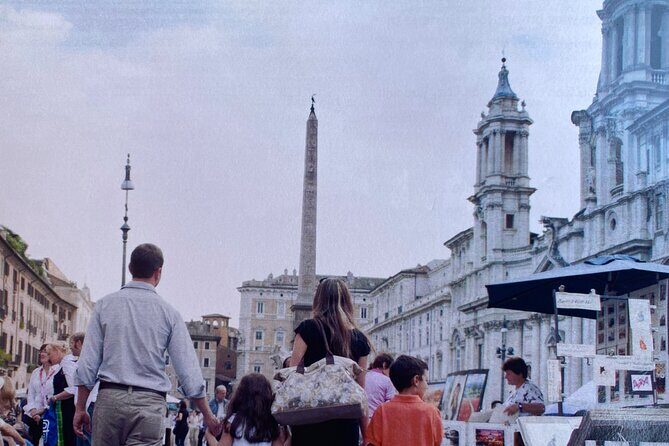
And then you get the outdoor classics: Trevi Fountain, the Spanish Steps, and the Pantheon. These are quick hits, but they’re the kind of places where seeing them in person still changes how you picture them in your head.
You can also read our reviews of more tours and experiences in Rome.



The 6-hour rhythm: meeting at St Peter’s Square and staying sane
You meet in St Peter’s Square (Piazza San Pietro, 00120) and you finish in the same place. Exact timing can be customized, and confirmation with the exact start time comes after booking. So your day could shift a little, but the big idea stays the same: lots of priority stops packed into about 6 hours.
Because it’s a private tour, you don’t deal with the “herding cats” feel of big join-in groups. Still, private doesn’t mean effortless. The sites are popular, and Rome does what Rome does—crowds, lines, and constant walking between places.
Here’s what I’d plan for:
- Comfortable shoes. You’re moving all day, and you won’t enjoy it in fashion sneakers.
- A realistic expectation of time. Some stops are around 20 minutes, some are a bit longer, and the Vatican portion can feel tight if the crowds surge.
- No hotel pickup and no transportation to and from attractions included. You’ll need to get yourself to the meeting point.
If your start time happens to be early afternoon (one common schedule starts around 1:30), finishing around early evening is realistic. That’s enough time to see a lot, but it’s not a “slow lunch and linger” plan.
Sistine Chapel: short time, big payoff
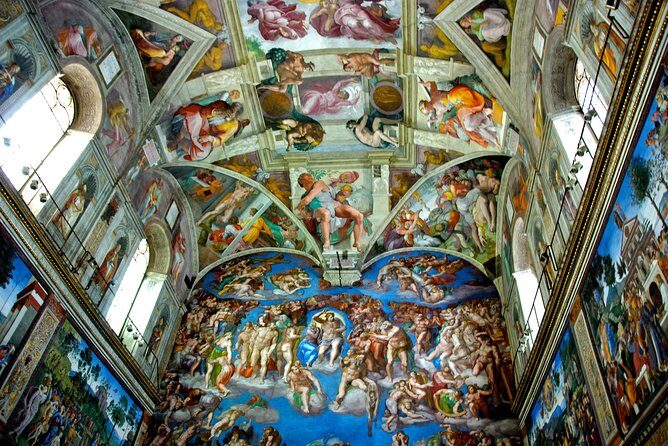
The first dedicated stop is the Sistine Chapel. You get about 30 minutes, and the admission ticket is included.
Thirty minutes sounds short—because it is. But it’s a smart slot for a first trip. The Sistine Chapel rewards patience, yet your time is limited by the overall flow of the Vatican. What you should do with that time:
- Look up first. The ceiling is the whole reason you’re there.
- Take in the scene layers instead of trying to read everything at once.
- Use your guide’s art-focused commentary so you know what you’re seeing.
The best use of the clock is knowing what to notice before you walk in. That’s exactly where a guide helps. Without context, it can feel like a huge room of famous art. With context, you start connecting forms, stories, and symbolism.
Vatican Museums: 60 minutes of art infrastructure
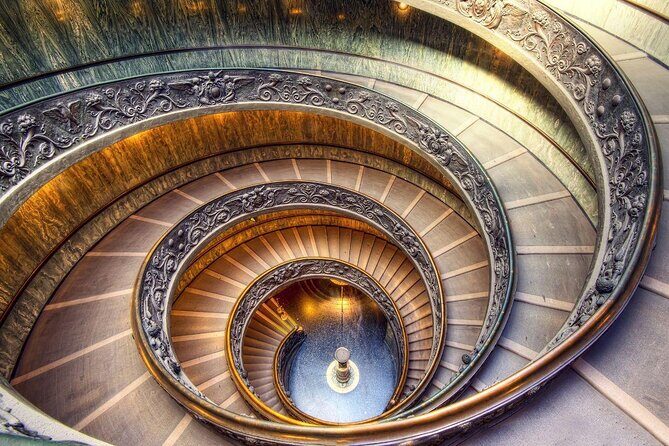
Next up: Vatican Museums for about 1 hour with admission included.
This part is often where people feel disappointed because they imagine hours of galleries. One hour is more like a curated sprint—enough time to feel the scale and see key highlights, not enough time to absorb every corridor.
I like this structure when I’m traveling with limited days. You walk away understanding why the Vatican Museums are a “says it all” stop in Rome, instead of leaving with museum fatigue and a vague memory of too many rooms.
Because crowds can affect flow, your guide’s job here is practical: keep you moving without turning it into a blur. If you’re the kind of person who likes to stand still and sketch every detail, this hour may feel like it passes too quickly. If you prefer direction and big moments, it’s a good format.
St. Peter’s Basilica: a quick visit to the world’s biggest church
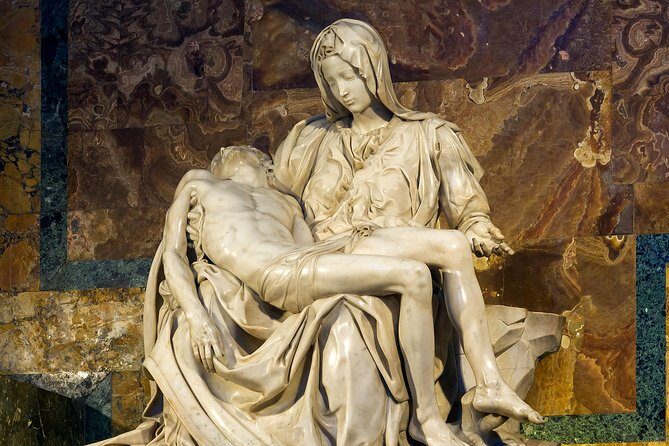
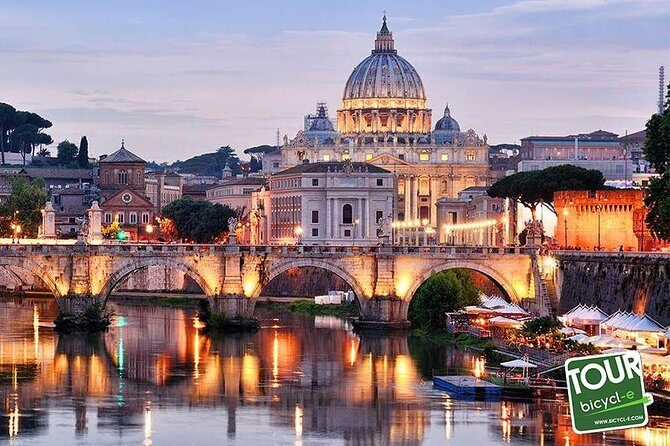
Then you head into St. Peter’s Basilica for about 20 minutes, with admission included.
Twenty minutes won’t satisfy everyone. This church is massive, and there’s a lot worth seeing: architecture, scale, and major artworks. But for many visitors, basilica time is about orientation. You want to know how it feels inside, what the space does to your sense of scale, and how it connects to the broader Vatican story.
Practical tip: dress code matters here. You’ll need knees and shoulders covered—no shorts or sleeveless tops for men or women. If you show up underdressed, you risk being turned away.
If you’re craving more time in the basilica itself, this tour won’t be that. But it does give you the essentials in a way that keeps the rest of the day on track.



Colosseum and Roman Forum: where Rome’s power reads like a story
Even though the most detailed timing in the plan is focused on the Vatican side, the highlights clearly include a private visit to the Colosseum and Roman Forum with an expert guide.
Also, you’ll get the Colosseum entrance ticket and the Colosseum reservation fee included. That matters because it’s not just convenience; it’s part of why the day runs efficiently. With major attractions, pre-arranged access helps reduce time lost to long lines and uncertainty.
What I’d expect from a well-run Colosseum/Forum guiding session:
- You’ll get help seeing the Colosseum as a functioning public machine, not just an old amphitheater.
- You’ll connect the Forum’s layout to how Romans moved, met, governed, and performed politics in public.
- You’ll get commentary tied to what you can actually see right now, like vantage points and architectural clues.
The Forum especially benefits from guided explanation because it’s easy to stare at ruins and wonder what your eyes should do next. A good guide turns scattered stone into readable space.
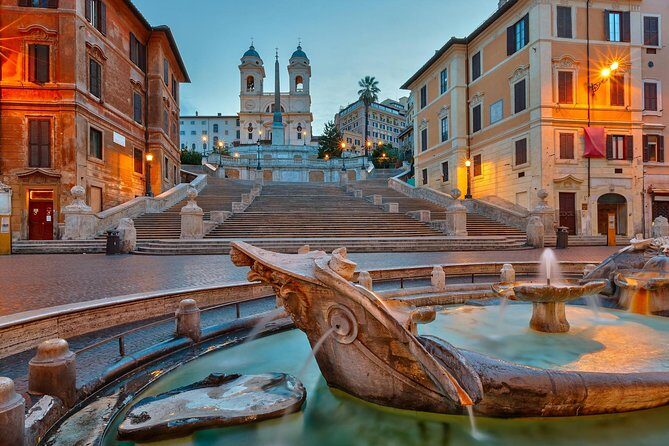
Trevi Fountain and Spanish Steps: iconic stops, limited lingering
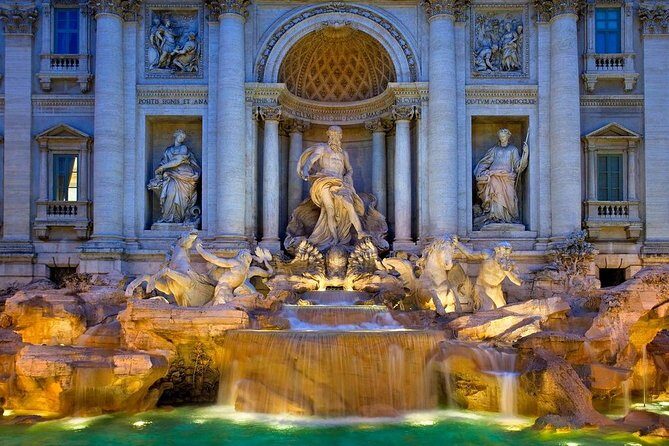
After the Vatican portion, the tour shifts to outdoor icons.
Trevi Fountain (about 20 minutes)
You’ll spend roughly 20 minutes at Trevi Fountain. Admission here is free, and the stop is short.
Trevi is famous for a reason, but it’s also one of those places where crowd density can dictate your experience. With only about 20 minutes, your best move is to choose your viewing angle early and take photos quickly. Then step back and enjoy the fountain as a real piece of Rome’s baroque showmanship rather than a background for your camera roll.
Spanish Steps (about 20 minutes)
Next is the Spanish Steps, again about 20 minutes and free to access.
The Steps are where you feel Rome’s social energy—people sitting, walking up and down, and using the stairs like a public stage. With a short stop, don’t plan for a long sit-down. Instead, think of it as a “check in with the viewpoint” moment, then move on.
If you’re the kind of traveler who wants long breaks, you may feel a bit “on the go.” But if you want a snapshot of classics in one day, these stops do the job.
Pantheon: the quick stop that’s still worth it
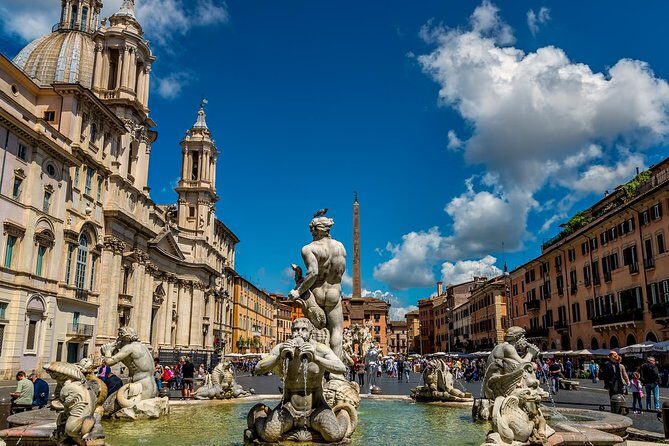
The last major sightseeing stop listed is the Pantheon, about 20 minutes, with admission free included in the plan.
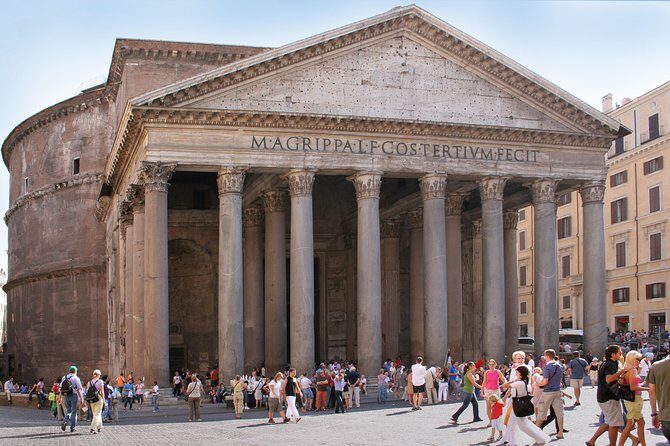
Twenty minutes for the Pantheon can be enough if you have one goal: understand the space. The Pantheon is famous for how it feels inside, and the dome-and-oculus design is the kind of architecture that rewards a slow glance even if your total time is brief.
Here’s how to make the most of it:
- Look up early so you’re not rushing at the end.
- Take a minute to notice how light changes inside.
- Let your guide’s comments help you connect the building’s design choices to what you’re seeing.
If you’ve visited other big museums but never walked into a major Roman temple-turned-church space, the Pantheon is the kind of stop that sticks in your memory.
Tickets, dress code, and the rules that matter in real life
This tour includes admission tickets for key Vatican stops and also includes the Colosseum ticket plus reservation fee. That’s a win. But Rome does have a few gates you’ll need to pass.
Dress code (don’t wing it)
Places of worship and select museums require coverage for entry: no shorts or sleeveless tops, and knees and shoulders must be covered for both men and women. You may risk refused entry if you don’t follow the dress rules.
This is one of those things that can ruin the day quickly. If your trip packing style is flexible, bring a layer. A light scarf, overshirt, or travel wrap can save you.
Identity and health document requirements
You’ll need to present a valid ID card matching the name used at booking for successful entry to the Colosseum and Roman Forum. The tour info also says a Covid-19 Vaccine Passport is required.
I can’t stress enough: double-check your documents before you go. Rome ticketed sites don’t care if you meant well.
Jubilee restoration impacts
Due to the Jubilee, some monuments may be under restoration. Pay attention to any messages sent about potential changes. That can mean a stop is slightly different than you expected, or access might vary.
Animals
The tour info states pits and service dogs are not allowed. If that’s relevant to you, clarify before booking.
How much value is $650.91 for this private day?
At $650.91 per person for about 6 hours, this isn’t the cheapest way to do Rome. But it’s not priced like a “bus tour with a headset,” either. The key is what’s bundled.
Here’s what you’re getting that reduces friction:
- A private tour format (minimum 2 travelers).
- Colosseum entrance ticket included, plus the Colosseum reservation fee (listed as values of €18 and €2 per person).
- Admission tickets for Sistine Chapel, Vatican Museums, and St. Peter’s Basilica included.
- All fees and taxes included in the price.
- A customized email with the exact start time.
The part that’s hardest to price is the guide value: the timing, the commentary, the route logic, and the fact that you’re not left sorting out what to do when you arrive.
So I see this as good value if:
- You have limited time in Rome.
- You hate line hassle and want the day planned tightly.
- You’re the type who benefits from art and architecture explanation.
It’s less good value if:
- You want long free time in each site.
- You plan to take slow wandering photo stops for an hour at a time.
- You’re hoping to relax with minimal walking.
Who should book, and who should skip it
This tour is best for:
- First-time Rome visitors who want a high-impact hit list.
- Travelers who like direction and context, especially for major art and architecture.
- People traveling in a small group who want a private day without the stress of juggling tickets and logistics.
I’d be cautious if:
- You get annoyed by crowds and tight timing. The Vatican portion can feel rushed when crowds swell.
- You prefer deep, long museum time rather than focused highlights.
- Your travel style is more about lingering in squares than keeping a packed schedule.
It also suits visitors with moderate physical fitness. You’ll walk and you’ll move from site to site. This isn’t a sit-and-watch day.
Final booking advice: should you choose this one?
If you want one day that covers the Colosseum and the Vatican and still includes Trevi, Spanish Steps, and the Pantheon, this tour is a strong choice. The included tickets and the private format do real work for you, and the schedule is built to fit first-time priorities.
If you hate the idea of time limits—especially in the Vatican—then book only if you can accept a fast pace. Bring comfortable shoes, follow the dress code without improvising, and treat each stop like a well-structured highlight reel.
For most people with limited days, it’s a good way to make Rome feel both big and readable.
FAQ
How long is the tour?
It’s listed at about 6 hours.
Where does the tour start and end?
It starts and ends at St Peter’s Square (Piazza San Pietro, 00120).
Is this tour private?
Yes. Only your group participates.
What language is the tour offered in?
It’s offered in English.
Are tickets included for the main Vatican sights?
Yes. Admission tickets are included for the Sistine Chapel, Vatican Museums, and St. Peter’s Basilica.
Are Colosseum tickets included?
Yes. The Colosseum entrance ticket and the Colosseum reservation fee are included.
Is food or drinks included?
No. Food and drinks are not included.
Is hotel pickup or drop-off included?
No. Hotel pickup and drop-off are not included.
What dress code do I need for entrances?
You need knees and shoulders covered. No shorts or sleeveless tops are allowed.
What documents do I need to bring?
You need a valid ID card, and the tour info states a Covid-19 Vaccine Passport is required. Also, the ID name must match the name used at booking.
What if monuments are affected by the Jubilee?
Some monuments may be under restoration. The tour may send messages about potential changes, so watch for updates after booking.