REVIEW · ROME
Trastevere, the neighborhood of the first Christians
Book on GetYourGuide →Operated by Vitus · Bookable on GetYourGuide
Trastevere turns church history into street history.
This 3-hour guided walk starts at Basilica di Santa Maria in Trastevere and follows the story of Rome’s first Christians as the neighborhood and the Jewish Ghetto evolved side by side over 2,000 years.
I really like two things about this tour. First, you get specific stops tied to the beginnings of Christianity in the 1st century. Second, the guide brings the sites to life with clear explanations in English, and the group leaves with names, dates, and the why behind the buildings (not just where they are).
One thing to consider: it’s a moderate walking tour. Wear good shoes, bring water, and know that it’s not ideal if you have mobility limits.
In This Review
- Key moments worth your attention
- Starting at Basilica di Santa Maria in Trastevere: the story begins in the right place
- Trastevere streets: learning 2,000 years by walking through it
- Tiber Island and San Bartolomeo: river views that make the history feel real
- Portico d’Ottavia and the Jewish Ghetto: understanding neighborhoods, not stereotypes
- Chiesa del Gesù: where the mood turns Baroque
- Campo de’ Fiori finish: turn your history walk into a local evening
- Price and value: is $46 for 3 hours worth it?
- What the best guides do differently: pay attention to the explanations
- Who this tour suits (and who should think twice)
- Practical tips so you don’t waste time during the walk
- Should you book this Trastevere and Jewish Ghetto walking tour?
- FAQ
- How long is the tour?
- Where does the tour start?
- Where does the tour end?
- Is food included?
- Is the tour suitable for people with mobility impairments?
- Can I take photos with flash?
Key moments worth your attention
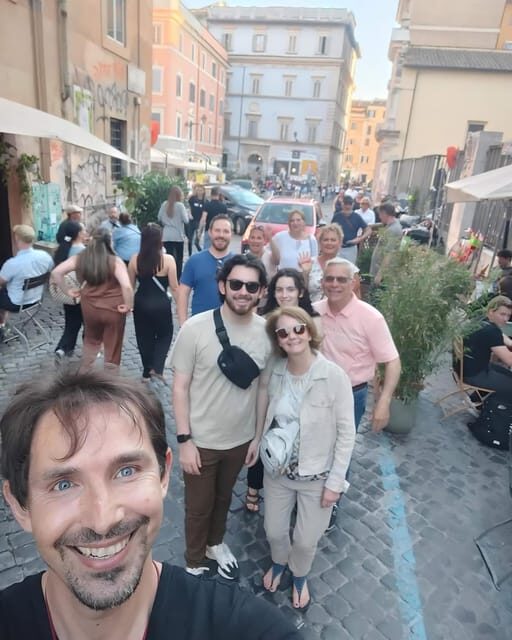
- Start at Piazza Santa Maria in Trastevere with the area’s long artistic reputation and a landmark church
- Chiesa di Gesù for Baroque drama that changes the mood from quieter neighborhood streets
- Tiber Island + Church of San Bartolomeo area for a river crossing feel and a different angle on Rome
- Portico d’Ottavia and the Jewish Ghetto connection so you understand how communities lived close to each other
- Finish at Campo de’ Fiori where you can keep the evening going with cafés, street artists, and live music
Starting at Basilica di Santa Maria in Trastevere: the story begins in the right place
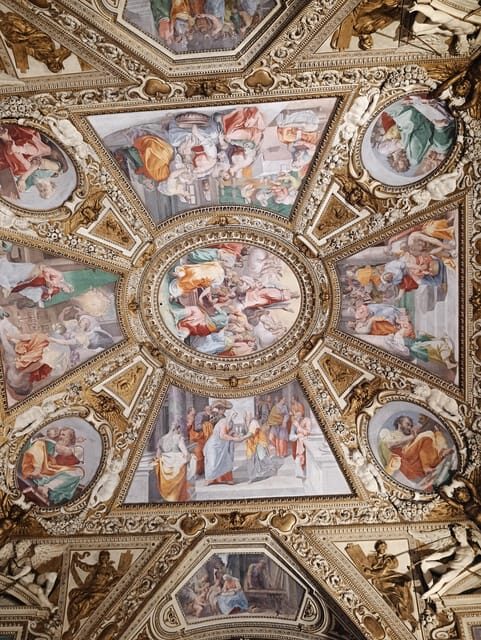
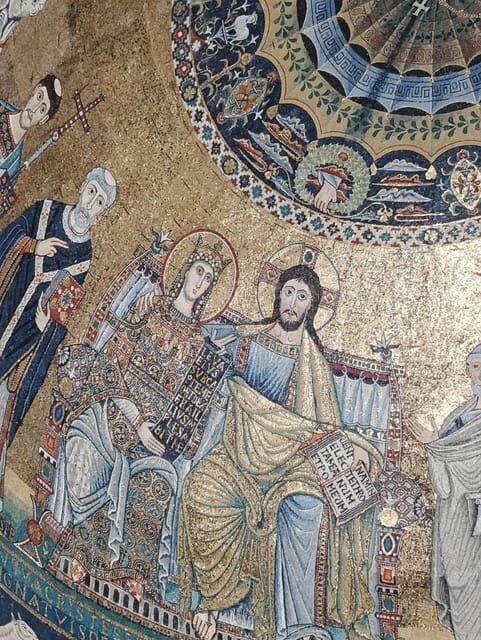
Your tour begins outside the Basilica di Santa Maria in Trastevere, in the heart of the Trastevere neighborhood. This is one of the reasons I like this walk: it doesn’t start with a random landmark. It starts where the neighborhood identity is strongest, and where you can anchor the rest of the route in one clear reference point.
From here, you’ll get a guided explanation of how the first Christians took root in Rome, with Trastevere becoming a key area in the 1st century. The guide also helps you connect religious history to geography. That matters because Rome can feel like one long museum day—until someone gives you the thread to follow.
If you’re the type who likes to look up while you walk, this is a good fit. You’ll spend time orienting yourself, learning what to notice in the streets and churches, and understanding why certain spots mattered to communities living in close quarters.
You can also read our reviews of more tours and experiences in Rome.



Trastevere streets: learning 2,000 years by walking through it
After the first church stop and orientation time, the tour shifts into Trastevere proper for about an hour of guided walking. This is where the experience changes from visiting to actually understanding.
You’re not just seeing pretty lanes. The route is built to connect the development of Christianity with the neighborhood’s long evolution. The guide keeps pointing out the links between what you see now and what once lived there. It’s the kind of explanation that helps you read Rome like a story: settlement patterns, community life, and how different faiths and cultures existed side by side.
One of the best parts here is the pace. Three hours is short enough that you won’t feel dragged, but long enough that the guide can slow down when something matters—like why a church is placed where it is, or how a neighborhood’s reputation formed.
Practical nudge: bring your camera and keep your hands free. There are small moments where a quick photo is worth it, and you’ll be happier if you’re not constantly adjusting bags while walking.
Tiber Island and San Bartolomeo: river views that make the history feel real
Next comes the Tiber Island area, plus a visit connected to the Church of San Bartolomeo. This segment is more than a scenic break. It gives you a different kind of context—Rome’s river as a living boundary, a route, and a meeting point.
When you’re learning about early Christian and Jewish community history, it’s easy to get stuck in dates and names. The river stop helps you think in space. The Tiber wasn’t just scenery; it shaped movement, trade, and daily routines. Standing near the crossing zones makes the city’s layout easier to understand, and it helps everything else you learned earlier click into place.
Expect this to feel like a gentle reset within the walk. You’ll get guided direction on what to look for around the area, then move on without losing momentum.
And yes, you’ll want to look outward for photos. Just remember: some interiors limit flash, so if you plan to shoot inside churches, keep your camera settings ready.
Portico d’Ottavia and the Jewish Ghetto: understanding neighborhoods, not stereotypes
The tour continues toward the area connected with the Jewish Ghetto, including time around Portico d’Ottavia. This is one of the most important parts of the experience because it frames how communities shared space while also maintaining distinct identities.
Instead of treating the Jewish neighborhood as a separate postcard, the guide connects it to the broader story of the city—especially how different groups interacted over time. You’ll come away with a clearer picture of how Rome’s religious life wasn’t isolated in one corner. It was layered, close, and constantly changing.
Portico d’Ottavia is the kind of place where Rome’s architecture does part of the storytelling for you. Even if you’re not chasing every detail, you’ll notice how the setting shapes foot traffic and gathering spots—small urban design choices that affect how people live and meet.
If you care about respectful context, this is the moment to pay attention to the explanations. A good guide helps you see the ghetto history as lived reality, not a dramatic theme park.
Chiesa del Gesù: where the mood turns Baroque
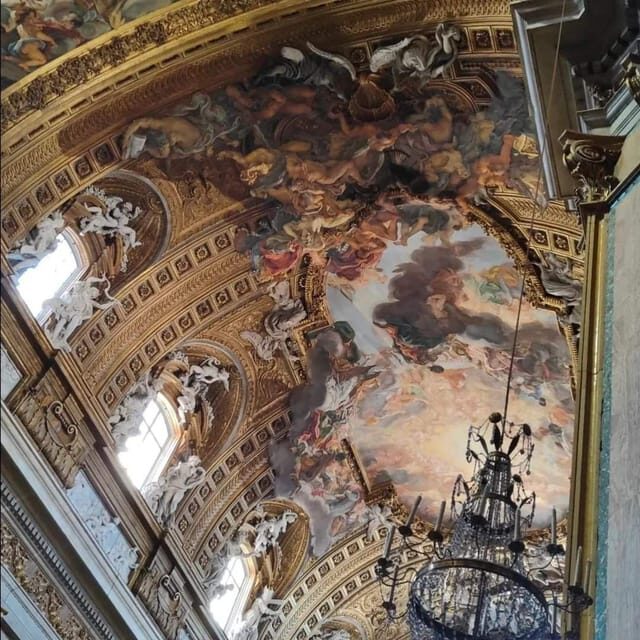
After Trastevere and the ghetto-area context, you’ll reach Chiesa del Gesù. This is the tour’s big style shift. The baroque feel here brings contrast: quieter neighborhood streets and historical context give way to a church that signals power, attention, and religious messaging through art and design.
I like how this stop is timed. By the time you reach it, you’ve already learned enough background that you’ll understand what you’re looking at—at least on a basic level. The guide’s role matters here: you’ll get help reading the church rather than just standing in front of it.
This is also where you’ll likely slow down for photos outside and inside if permitted. Flash may be restricted in certain interiors, so it’s worth following local rules and keeping your lighting quiet.
The payoff is simple: you end the tour with a strong visual impression, not just a list of buildings.



Campo de’ Fiori finish: turn your history walk into a local evening
The tour ends at Campo de’ Fiori, a lively square known for street artists, live music, and plenty of cafés. Finishing here is smart because it gives you an immediate next step. You’re not left in transit mode with no plan.
This end point also helps you process what you’ve learned. Sitting at a café allows you to look back at the route in your mind: starting with Santa Maria in Trastevere, then moving through Trastevere, the river zone, ghetto-area streets, and finally the baroque intensity at Chiesa del Gesù.
If you want to keep exploring on your own, Campo de’ Fiori is a good base for that. But even if you just want a drink and a snack, it’s a pleasant place to land.
Tip: plan on grabbing water before you head out for the day. The tour includes opportunities to buy food and drinks during the walk, but you’ll enjoy the experience more if hydration isn’t something you’re scrambling for.
Price and value: is $46 for 3 hours worth it?
At $46 per person for a 3-hour English guided walk, I think the value is solid—mainly because you’re paying for interpretation, not just walking.
You’re covering multiple major stops: Santa Maria in Trastevere, time through Trastevere and the ghetto area, the Tiber Island zone, and Chiesa del Gesù. The included guidance is what turns those places from separate sights into a connected story about early Christianity in Rome.
It also helps that the tour ends somewhere useful (Campo de’ Fiori), so your time doesn’t feel wasted on dead ends. And because you can’t predict weather in Rome, a guided route can save energy: you spend less time figuring out where to go next and more time learning what matters at each stop.
Meals aren’t included, but that’s normal for a short neighborhood walk. You still get built-in chances to buy something along the way, then settle in at the end.
What the best guides do differently: pay attention to the explanations
The standout theme from the guide feedback I’ve seen is not just enthusiasm—it’s clarity. Guides like Ilaria have been praised for making the development of the Christian and Jewish quarters understandable, with answers to questions and a willingness to tailor the experience within the route.
There are also mentions of Fiona with a wealth of knowledge and the ability to handle questions in a way that makes sites easier to remember. One of the practical benefits of a strong guide is that you leave with details that stick: not only what the buildings look like, but why certain places mattered.
For you, that means you should come ready to ask. If anything feels confusing—street layout, how the communities related, or what baroque meant in that church—this is exactly what a good guide is for.
And if you like a tour where the guide points out little things you’d miss on your own, this format tends to deliver that.
Who this tour suits (and who should think twice)
This tour is a good match if you want a guided walking overview with history tied directly to place. You’ll enjoy it if you like churches, neighborhood context, and learning how faith communities shaped Rome’s streets—not just hitting the biggest monuments.
You’ll also appreciate it if you’re traveling with questions. The tour is short, and the guide structure is meant to keep things moving while still answering what people ask.
One caution: it’s not well suited if you have mobility limitations. Even though wheelchair access is listed, the experience is also marked as not suitable for people with mobility impairments, so I’d treat this as a signal to check details with the operator before booking. Moderate walking is explicitly part of the deal, so bring realistic expectations.
Language is English, so if you prefer another language, confirm availability before you commit.
Practical tips so you don’t waste time during the walk
A few simple things make a big difference on this route:
- Wear comfortable shoes. You’ll be on foot through neighborhood streets and around churches.
- Bring water. You’ll stay better focused when you’re not overheated.
- Pack sunscreen and a hat for brighter days.
- Bring your camera, but remember flash may not be allowed inside certain attractions.
- Check the weather and dress accordingly. You’ll be outside for most of the experience.
If you like to plan photo stops, do it lightly. Don’t try to outsmart Rome by sprinting between viewpoints. The value here is in the guided pacing, which is how you keep the story clear instead of turning it into a rushed checklist.
Should you book this Trastevere and Jewish Ghetto walking tour?
If you want a short, guided way to understand early Christianity in Rome with real neighborhood grounding, I’d book this. The structure makes sense: you start at Santa Maria in Trastevere, you move through the Trastevere streets and ghetto-area context, and you end at Campo de’ Fiori where you can keep the evening going.
It’s especially worth it if you care about the explanation. Strong guides like Ilaria and Fiona-style praise point to the same thing: you’ll likely leave with more than photos. You’ll leave with a mental map and a clearer story of how these communities developed over time.
Skip it only if you have trouble with walking or want a purely visual tour with no interpretation. This one is built for learning on the go.
FAQ
How long is the tour?
The tour lasts 3 hours.
Where does the tour start?
It starts in front of the Basilica of Santa Maria in Trastevere.
Where does the tour end?
The tour ends at Campo de’ Fiori.
Is food included?
No. Meals and drinks are not included, but there will be opportunities to purchase them during the tour.
Is the tour suitable for people with mobility impairments?
It’s listed as wheelchair accessible, but it’s also marked as not suitable for people with mobility impairments. If this affects you, it’s smart to confirm the practical walking demands with the operator before booking.
Can I take photos with flash?
You can take photos, but flash photography is not allowed inside certain attractions.
If you tell me your travel dates (and whether anyone in your group has mobility limits), I can help you decide if this timing and walking length will feel comfortable for your day.