REVIEW · NAPLES
Tour of the Archaeological Museum of Naples
Book on Viator →Operated by Raphael Tours & Events · Bookable on Viator
Naples has a genius way of turning ruins into stories. This 2-hour museum tour is built for people who want meaning, not just labels, and it moves at a small-group pace so you can ask questions without losing the thread. Two big wins for me are the focus on Pompeii and Herculaneum finds (the kind of objects you can’t fully get from signs) and the chance to pair Roman life with standout sections like the recently reopened Egyptian displays. One thing to consider: at this price point, you’ll want to be the kind of person who enjoys guided explanation, not just fast sightseeing.
You’ll see the museum’s main strengths—objects pulled from Pompeii, Herculaneum, and Stabiae, plus related finds from Bacoli, Cumae, Baia, and the Flegreian fields. A professional English-speaking guide leads you through the highlights, and the small group size (max 8 people) helps the pacing feel flexible. The main drawback is simple: it’s not a slow, room-by-room study marathon. In about two hours, the tour gives you smart direction and context, but you may still want a second pass on your own if you fall hard for one theme.
In This Review
- Key things I’d plan around
- Why the Naples Archaeological Museum tour is worth your time
- Entering the galleries with Pompeii and Herculaneum in your head
- The Egyptian section: the must-see stop that changes the mood
- Greek-Roman statues from the Farnese family: art with a backstory
- How the guide makes artifacts feel real (and not like museum homework)
- Timing and duration: what 2 hours really gets you
- Logistics that affect your day in Naples
- Price and value: when $223.75 makes sense
- Who this tour is best for
- Should you book this Naples museum tour?
- FAQ
- Is the tour in English?
- How long is the Naples Archaeological Museum tour?
- How much does the tour cost?
- Is admission included?
- What’s the group size?
- Will I get a professional guide?
- Is the meeting point easy to reach with public transport?
- Do children need to be accompanied?
- Can I cancel for a full refund?
Key things I’d plan around

- Small group format (max 8) means fewer heads to track and more time for your questions
- Admission ticket included so you can skip the extra step and focus on the galleries
- Pompeii, Herculaneum, and Stabiae artifacts give you the most direct route into everyday Roman life
- Egyptian section recently reopened is a highlight you don’t want to miss
- Farnese family Greek-Roman statues donation adds another layer beyond the volcanic sites
- English guide with room-to-room context helps you understand what you’re actually looking at
Why the Naples Archaeological Museum tour is worth your time
The National Archaeological Museum of Naples is one of those places where the collection can feel overwhelming. The building is packed, the timeline stretches across cultures, and the easiest move is to drift. This tour helps you avoid that trap by steering you toward the objects that answer the big questions: What were people doing? What did they value? What did they carry into daily life?
I also like that the emphasis is on interpretation. You’re not only told what an artifact is—you’re guided to notice how it was made and what it meant. That matters in Naples, because the city’s archaeological story isn’t confined to one site. You’ll see finds connected to Pompeii and Herculaneum, but also a wider net from places like Stabiae, Bacoli, Cumae, Baia, and the broader Flegreian fields. That broader mix is one of the reasons the museum feels alive.
Finally, the pace. With a maximum of 8 people and a guide who can keep things moving without rushing, you can actually compare objects in your head while the meaning is fresh. That beats the usual museum rhythm where you’re reading alone, feeling behind, and moving on when you’re not ready.
You can also read our reviews of more museum experiences in Naples



Entering the galleries with Pompeii and Herculaneum in your head
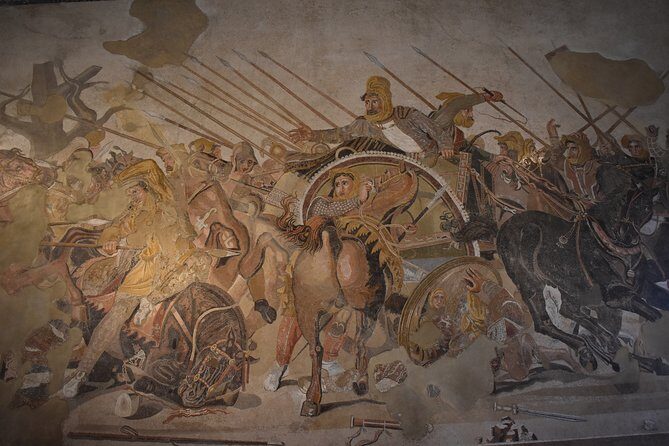
The main draw here is the collection tied to the volcanic neighbors: Pompeii, Herculaneum, and Stabiae. These aren’t just “old things.” They’re artifacts recovered through excavation and preservation, which means you’re seeing material culture in a more complete, readable way than you would in a walk-up ruin.
On your guided route, you’ll get help seeing patterns that matter. For example:
- How art, household objects, and religious imagery show up together
- How status and daily routine leave traces in the kinds of objects people kept
- Why objects removed for preservation still tell you what the original setting felt like
The tour framing is especially useful if your plans include Pompeii later. Even if you’re not going there, you’ll still benefit from the sense of continuity: the museum turns the idea of a site into recognizable human habits. When you walk out, you’re not just thinking about a disaster. You’re thinking about homes, beliefs, and what people did on an ordinary day—right up until history interrupted.
The Egyptian section: the must-see stop that changes the mood

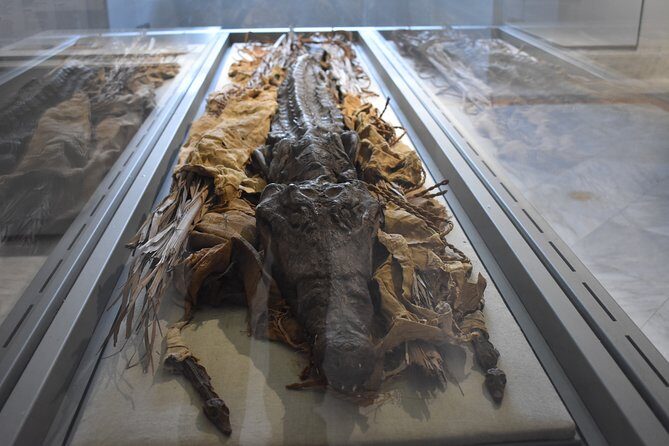
One of the strongest reasons to book this specific museum tour is the Egyptian section, which has been recently reopened. That’s not a small footnote. It shifts the museum experience away from a single Roman focus and reminds you that Naples has long been a magnet for collectors, scholars, and curiosity from many eras.
Even if you only have limited time, guided direction here helps you avoid the classic problem: people spend minutes skimming Egyptian displays and move on because they don’t know where to look. With a guide, you can approach the Egyptian objects with a clearer sense of what the displays are trying to communicate—how they fit into a larger world of beliefs and symbolism.
This stop also works as a pacing reset. After thinking about Roman domestic life, the Egyptian galleries broaden your mental map. That keeps the tour from turning into one long sameness streak, which is a real risk in any major museum.
Greek-Roman statues from the Farnese family: art with a backstory
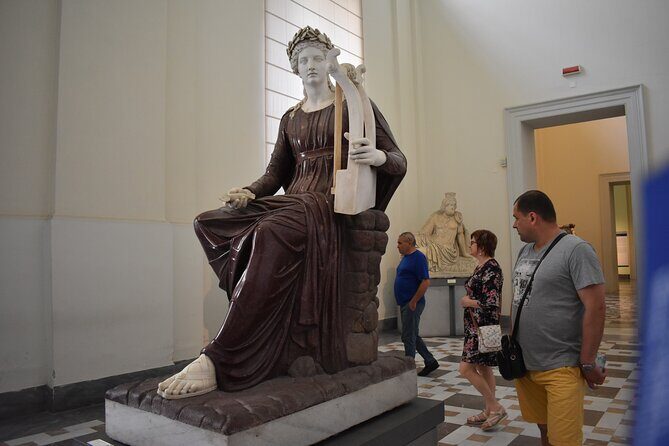
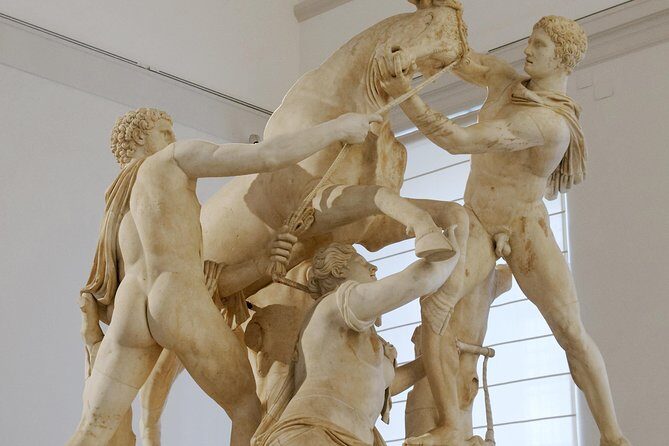
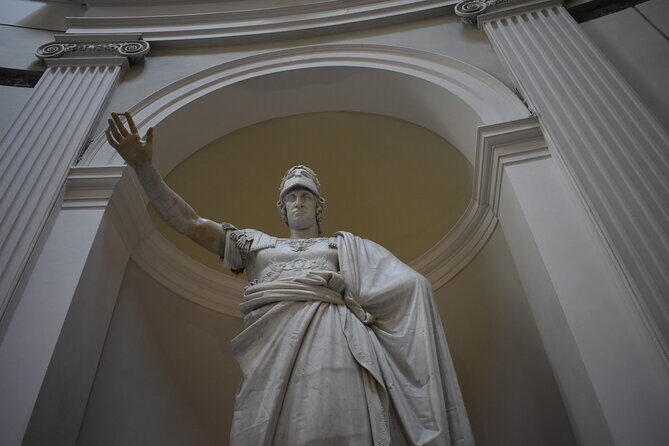
Another highlight is the museum’s collection of Greek-Roman statues, including pieces connected to a donation by the Farnese family. This matters because sculpture is one of the best ways to understand how Roman culture absorbed and reshaped Greek models.
A good guide doesn’t just point at bodies and poses. They explain how sculpture functioned in the world that created it—status display, public and private tastes, and the way classical ideals were reused to communicate power and identity.
If you care about art history even a little, you’ll appreciate this portion more than you expect. It’s also a smart counterbalance to the narrative pull of Pompeii and Herculaneum. Instead of only asking what people lived through, you also get to see how societies performed taste and authority through art.
How the guide makes artifacts feel real (and not like museum homework)
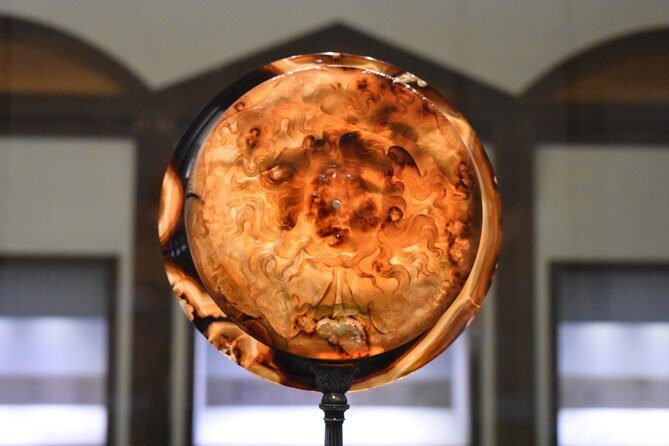
A recurring theme with the best museum guides is how they help you see what matters. In sessions led by guides such as Anna, Fiorenza, and Maria, the standout quality is clear, structured explanation—plus the ability to connect objects to real human behavior.
What that looks like in practice:
- You’re guided to focus on specific objects rather than scanning everything at once
- You get context about construction and use, not only names and dates
- The guide helps you connect artifacts to everyday Roman life
There’s also a practical detail that can make a big difference: the use of a headset. If you’ve ever struggled to hear inside a museum group, you know why that matters. Clear audio means you stay with the story without constantly turning your head, and it helps the pacing feel controlled instead of chaotic.
And if you’re the type who asks questions, this tour format is built for it. The small group size (max 8) gives the guide room to adjust. In some cases, guides like Fiorenza have been known to take extra time to cover highlights in a pace that works for the group, which is exactly what you want when your attention lands on something you really care about.





Timing and duration: what 2 hours really gets you
The tour runs about 2 hours. That’s a sweet spot for a museum experience because it’s long enough to get real context, but short enough to avoid fatigue. Still, it helps to set expectations.
This isn’t a slow, “read every label” marathon. You’ll hit key highlights and the guide will tie them together. If you’re the kind of person who wants to linger for 20 minutes in front of one statue, you’ll probably want to plan a bit of free time afterward so you can return at your own speed.
On the other hand, if your schedule is tight and you want the best shot at understanding what you see, this format is efficient. You come away with a mental framework you can use while strolling the museum on your own later.
Logistics that affect your day in Naples
This experience is set in Naples, and it runs in English. It’s also offered multiple times throughout the day, which is handy if you’re building a tight schedule around Pompeii, the city center, or local transport times.
It’s near public transportation, so you’re not locked into a complicated plan just to get there. For most people, participation is straightforward, and children must be accompanied by an adult.
If you’re sensitive to hearing or you simply want an easier time following a group guide, this tour’s headset approach helps a lot. It’s one of those “small” elements that quietly decides whether the experience feels smooth or stressful.
Price and value: when $223.75 makes sense
The price is listed at $223.75 per person for a roughly 2-hour guided visit, with admission tickets included. That’s not a cheap museum tour. So here’s how I’d judge whether it’s worth it for you:
It’s good value if:
- You want guided context for the big clusters: Pompeii/Herculaneum, Egyptian displays, and the Farnese-related sculpture collection
- You’ll benefit from a structured route that keeps you from wandering
- You prefer a small group so the guide can adjust and you can ask questions
It may feel pricey if:
- You’re happy reading at your own speed and don’t need help connecting objects into a story
- You’re planning to spend hours in the museum anyway and you’re comfortable building your route without a guide
In other words: pay for the guide if you want meaning. Don’t pay for it if you mainly want a checklist of rooms.
Who this tour is best for
I think this tour fits best with people who:
- Want a strong start before diving deeper into Pompeii-related themes
- Enjoy art history and want help interpreting sculpture and museum context
- Prefer small groups and clearer pacing over large-bus chaos
- Care about the Egyptian section being part of the plan, not an afterthought
It also suits cultural travelers who like to ask practical questions like what an object was used for and why it mattered, especially when the guide’s style is structured and organized.
Should you book this Naples museum tour?
Book it if you want to walk into a big museum and leave with a clear set of takeaways. The combination of Pompeii/Herculaneum excavation finds, a strong Egyptian component, and the Farnese-related sculpture material is a high-quality mix for people who like their history explained with context. The small group size (max 8) and headset support make it feel designed for listening, not just looking.
Pass on it if you’d rather spend your time independently wandering and reading labels at your own pace, or if you’re only interested in one tiny corner of the museum.
If your goal is to understand how Naples connects to Pompeii, Herculaneum, and beyond—this is one of the cleaner, smarter ways to do it in a limited time window.
FAQ
Is the tour in English?
Yes. The experience is offered in English.
How long is the Naples Archaeological Museum tour?
It runs about 2 hours (approximately).
How much does the tour cost?
The price is $223.75 per person.
Is admission included?
Yes. Admission tickets are included in the tour.
What’s the group size?
The tour has a maximum of 8 travelers.
Will I get a professional guide?
Yes. The tour includes a professional guide.
Is the meeting point easy to reach with public transport?
It is near public transportation.
Do children need to be accompanied?
Yes. Children must be accompanied by an adult.
Can I cancel for a full refund?
Free cancellation is available. You can cancel up to 24 hours in advance for a full refund.